Hidden Gem Recording Gear: If You Know, You Know
Find some hidden gems for your home studio.

 3,1 / 5,0 |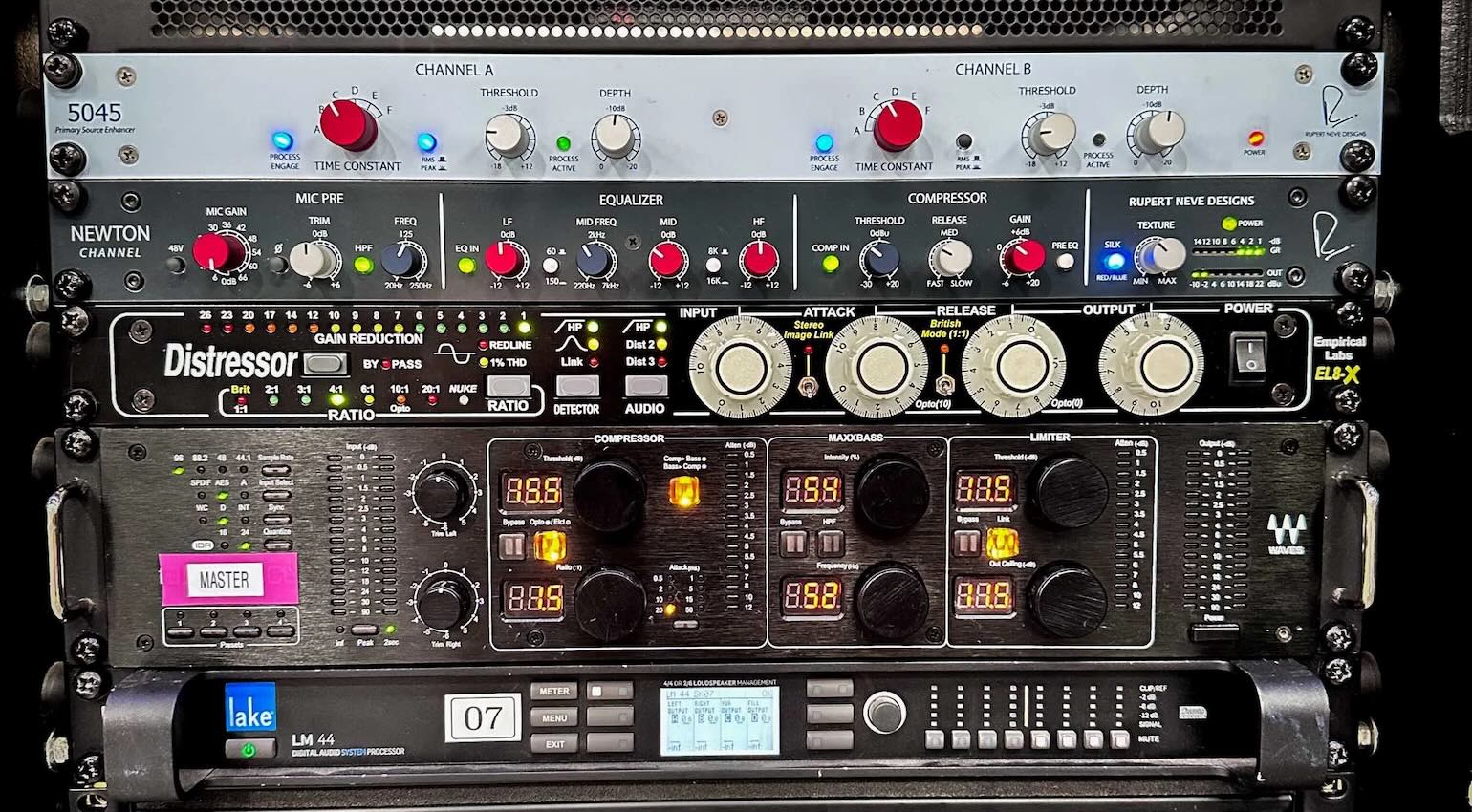

We explore a selection of hidden gem recording gear, including items that can expand the capabilities of your recording setup and produce better results.
In this Article:
When you’re putting together a recording setup for the first time, you’re confronted with a world of choices. To make things more confusing, the gear that is often categorized as “for beginners” isn’t always the most practical. This could lead to making decisions like choosing an audio interface without ADAT expansion, only to find it’s something you really need further down the line.
As anyone with extensive experience in audio will tell you, there are certain hidden gems that just make studio life easier, whether they were designed to or not. To help you on your journey, we’ve picked out some of these sleepers that could either save you a buck or improve your workflow in one way or another.
Hidden Gem Recording Gear: Behringer ADA8200
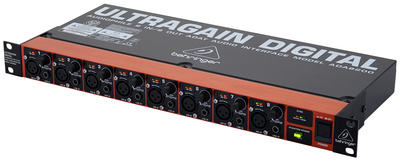
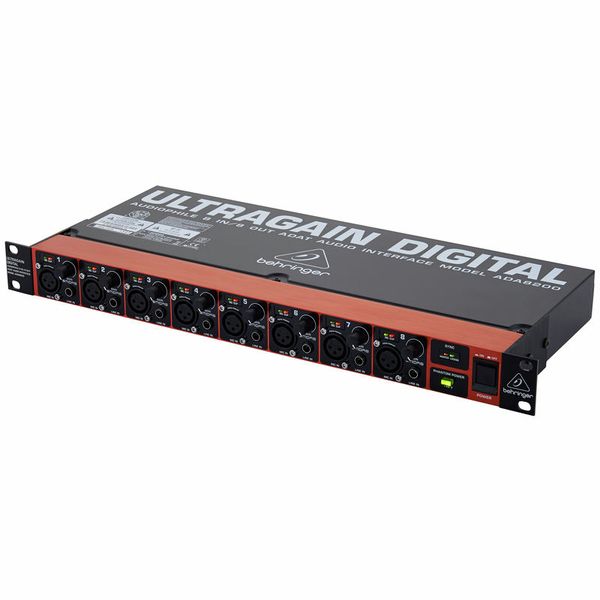
It won’t write the hits for you, but the Behringer ADA8200 ULTRAGAIN DIGITAL will expand the capabilities of your home recording setup considerably. The successor to the popular ADA8000, the ADA8200 provides eight Midas mic preamps with XLR and TRS line inputs to expand the channel count of your front end for tracking.
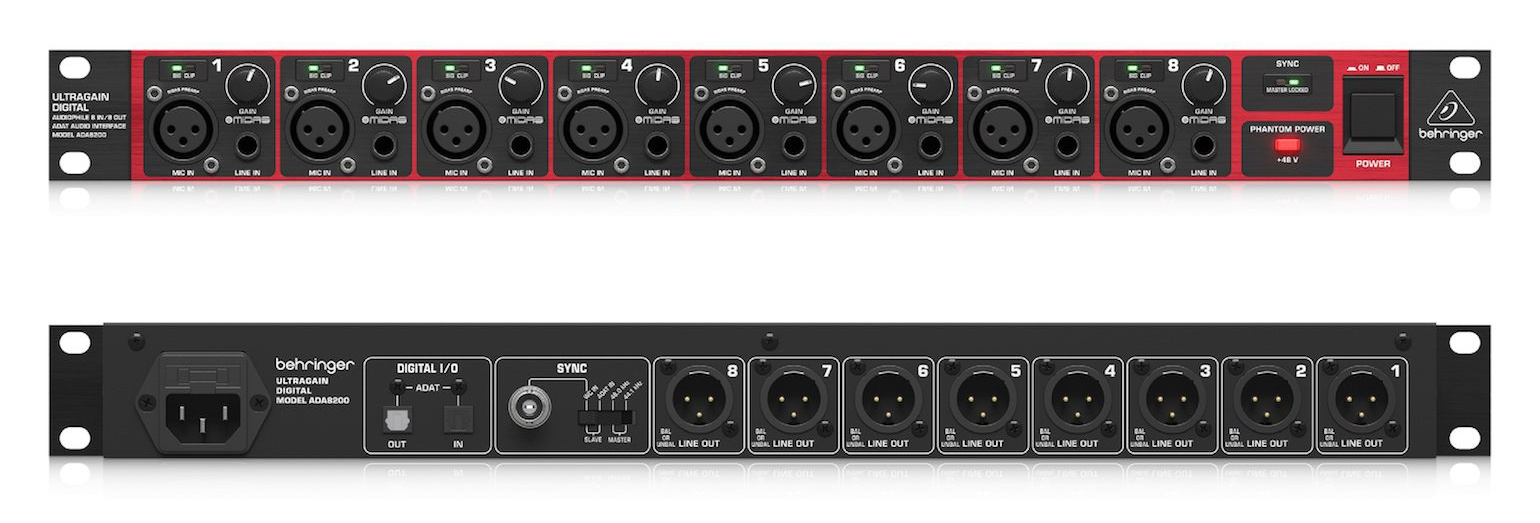
The ADA8200 connects to your current audio interface via ADAT optical and/or word clock, allowing you to sync the unit to your master DAW clock. In addition, the ADAT inputs are directly routed to the mic/line outputs on the rear panel so you can also use the ADA8200 for eight channels of digital-to-analog conversion.
While the ADA8200 doesn’t work as a standalone analog preamp, you can use ADAT loopback as a workaround to achieve this. Even though there are no Hi-Z inputs for guitars, the ADA8200 is still an incredibly versatile preamp offering plenty of value for under 200 bucks. It also operates at 44.1 or 48 kHz sample rates if you require.



Hidden Gem Recording Gear: Shure Beta 58A
As musicians, producers, and engineers, we often put particular pieces of gear into boxes, and once they are categorized this way, it’s hard to use them for anything else. Because we see the SM57 and SM58 mics as respective standards for studio and live applications, the Beta 58A is often overlooked and it actually shines in both of these areas.
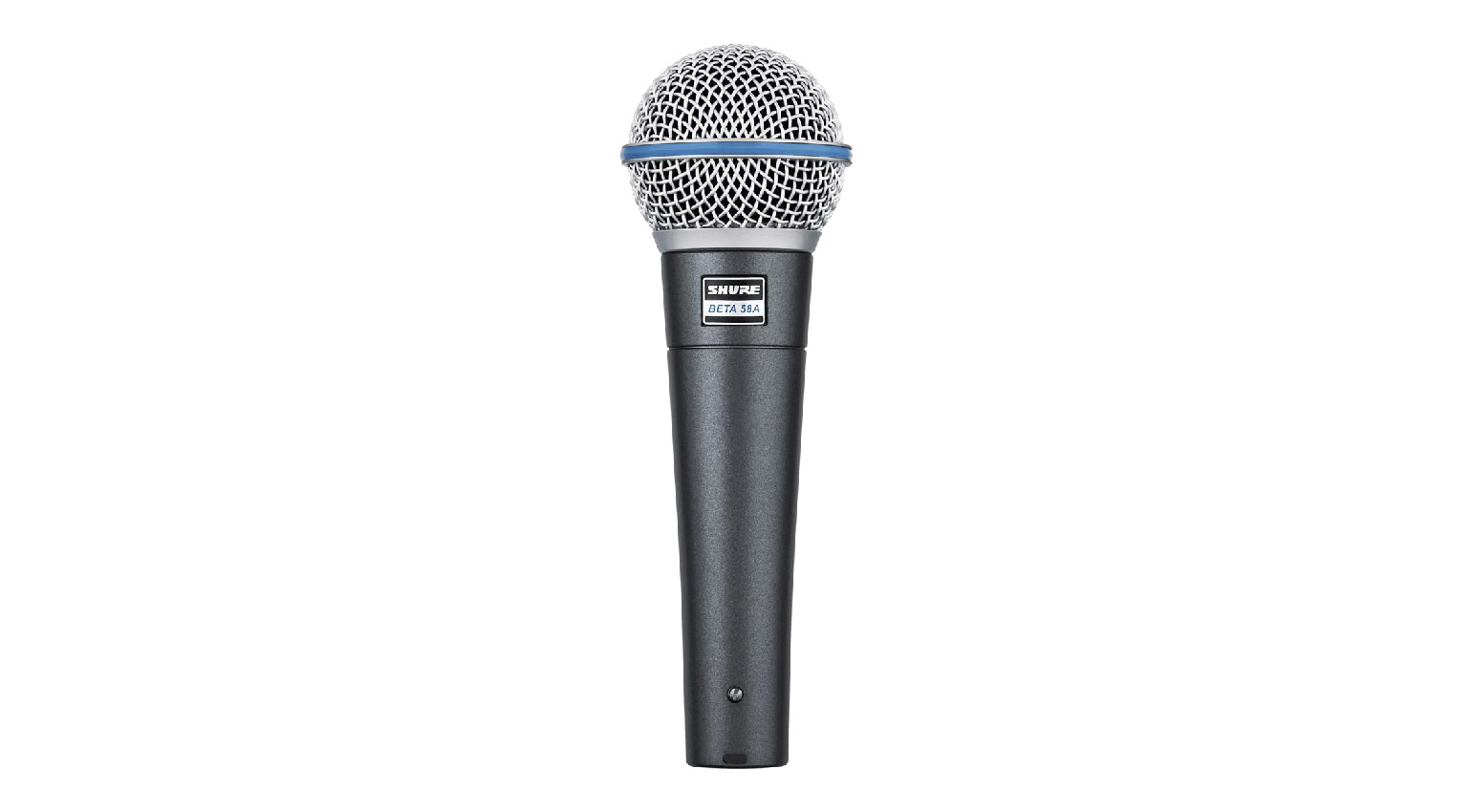
The Beta 58A is actually designed as a natural evolution of the SM58, with a narrower supercardioid pickup pattern that offers improved off-axis rejection for noisy stage environments. In addition, the Beta 58A uses a neodymium magnet instead of the alnico magnet used in the 57 and 58, which produces a stronger magnetic field.
This makes the Beta 58A more sensitive, so it needs less gain from the preamp stage. As most home studios don’t have high-end preamps, this makes the Beta 58A an ideal choice for home recording, as you can get nice and close to sound sources and avoid picking up unwanted ambience. However, it’s worthwhile using a pop filter to keep sibilance and plosives at bay.

Hidden Gem Recording Gear: Avantone Pro MixCubes
When you’re choosing a set of monitors, you hear the word “translation” used a lot. Naturally, this is because getting your mixes to translate across multiple types of playback devices is one of the primary directives in mixing. What isn’t talked about as often is the weaknesses of standard 2-way bass reflex (ported) studio monitors when it comes to phase coherency and placement sensitivity.
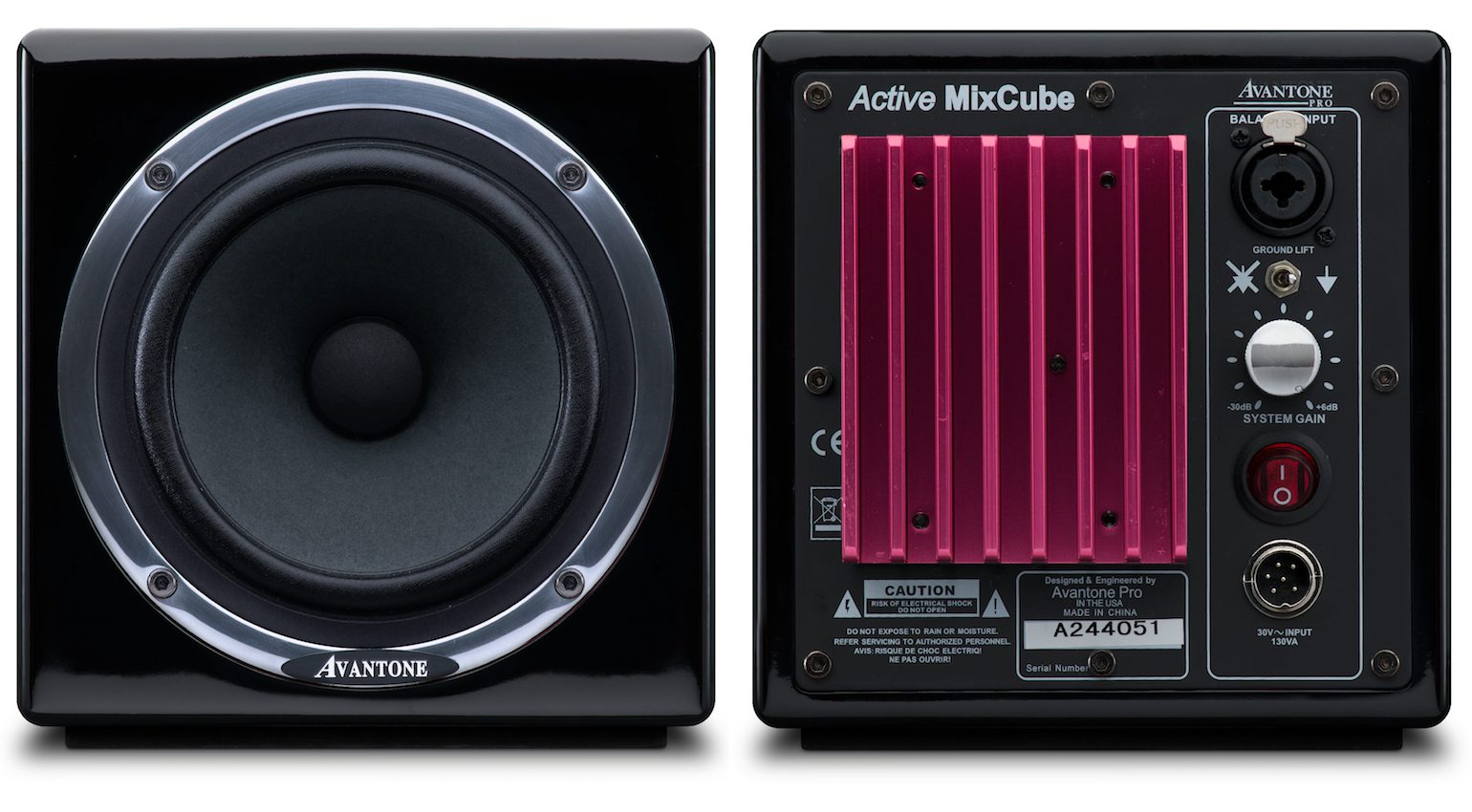
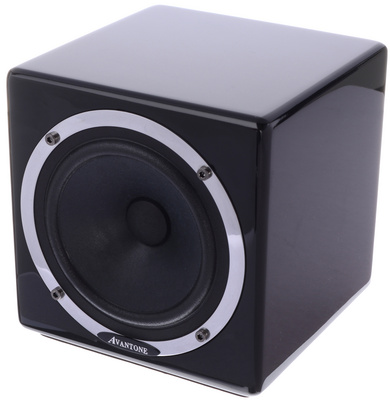
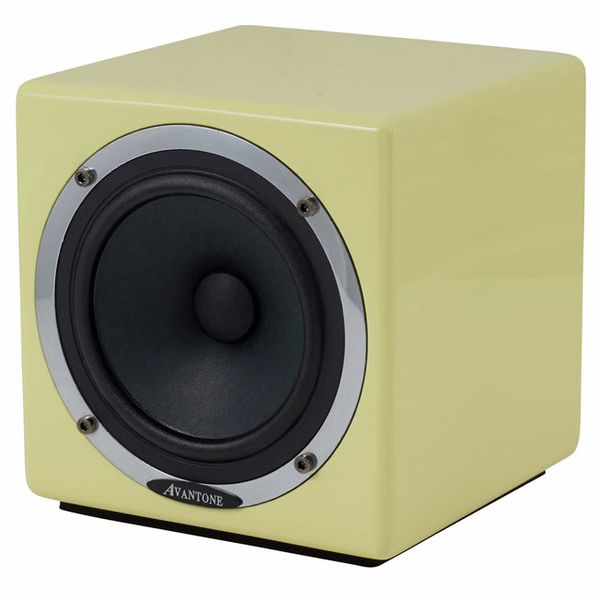
An unported coaxial monitor like the Avantone MixCube mitigates many of the issues commonly associated with ported monitors in a similar price range. For starters, a ported speaker design uses the cabinet as a resonating chamber in order to extend the low-end response beyond the natural capabilities of compact speaker drivers.
The MixCube, on the other hand, sounds like a 5.25-inch driver is meant to sound, so you can trust it. Also, the coaxial design means there is no time discrepancy between the highs and lows, and if you’re using a single mono MixCube as many engineers do, you don’t have to worry about sitting in the rather narrow sweet spot area usually projected by budget 2-way ported monitors. There are also passive versions of the MixCubes available allowing you to pair them with an amp of your choice.

Hidden Gem Recording Gear: Nektar Panorama CS12
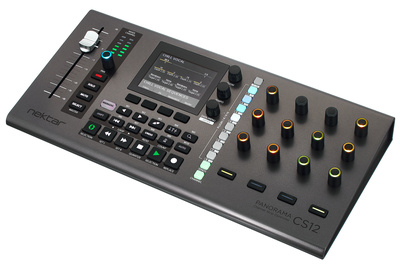
Finding a good controller for your DAW of choice can be tricky if you don’t know where to start. There are so many things to consider, such as motorized faders, plugin control knobs, and transport controls, and not every controller covers all these facets in a balanced and cohesive way with a workflow that is easy to navigate.
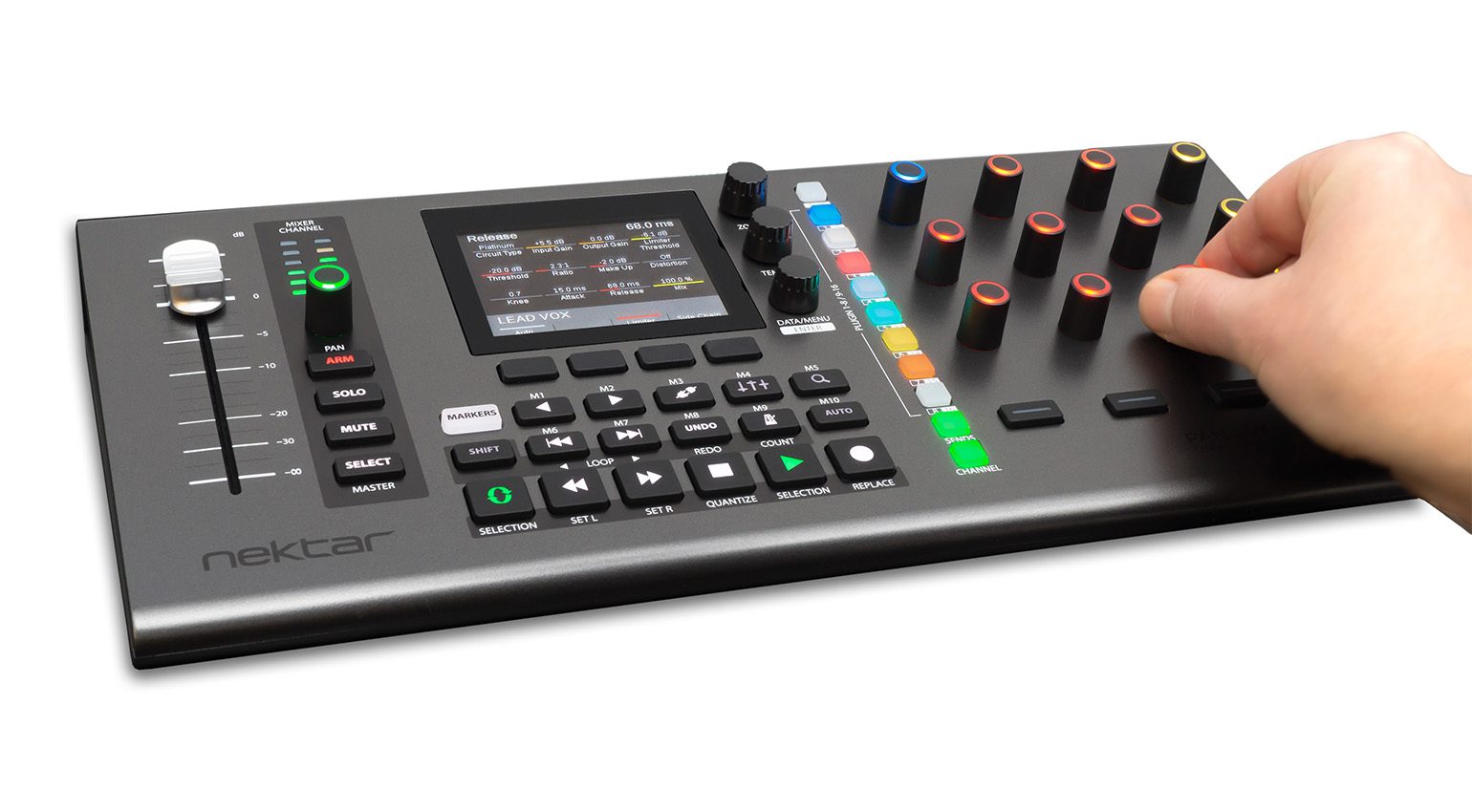
Naturally, users immediately demand loads of motorized faders for that classic analog console-style feel, but this can push up the price tag considerably, and most of us would rather spend money on creative devices that actually make and shape sound instead of a DAW controller. Logic Pro and Cubase users have often found themselves at sea when it comes to controllers, but luckily the Panorama CS12 has filled this gap with features that make the DAW more fun to use.
The CS12 is clearly laid out with a single 100 mm motorized fader with a dedicated rotary encoder and buttons for channel operations such as pan, record arm, solo, and mute. For plugin control and sends, there are 12 rotary knobs in four groups, each with a corresponding LED button, while the 3.5-inch TFT display gives you an overview of parameter values. The CS12 is also compatible with Reaper, Studio Pro.

Hidden Gem Recording Gear: Rupert Neve Designs OptoFET
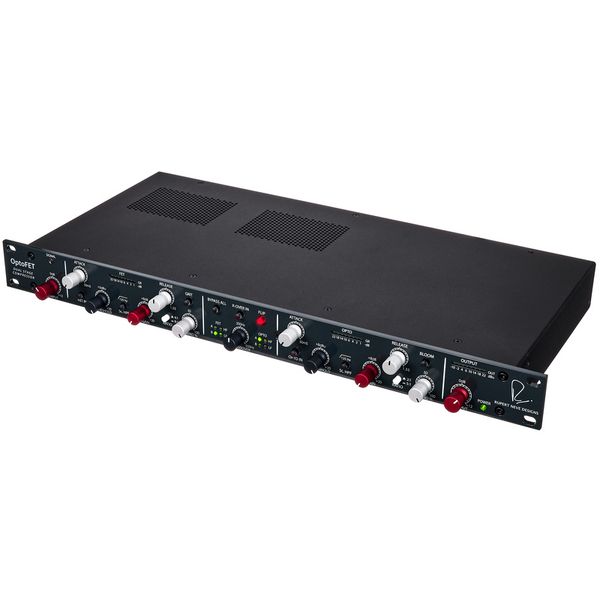
If you’re planning to buy your first professional hardware compressor, why not get two different types in one unit? This is the thinking behind the OptoFET compressor from Rupert Neve Designs with its inteligently designed dual-stage / dual-band architecture that puts it in another league compared to the average vintage compressor clone.
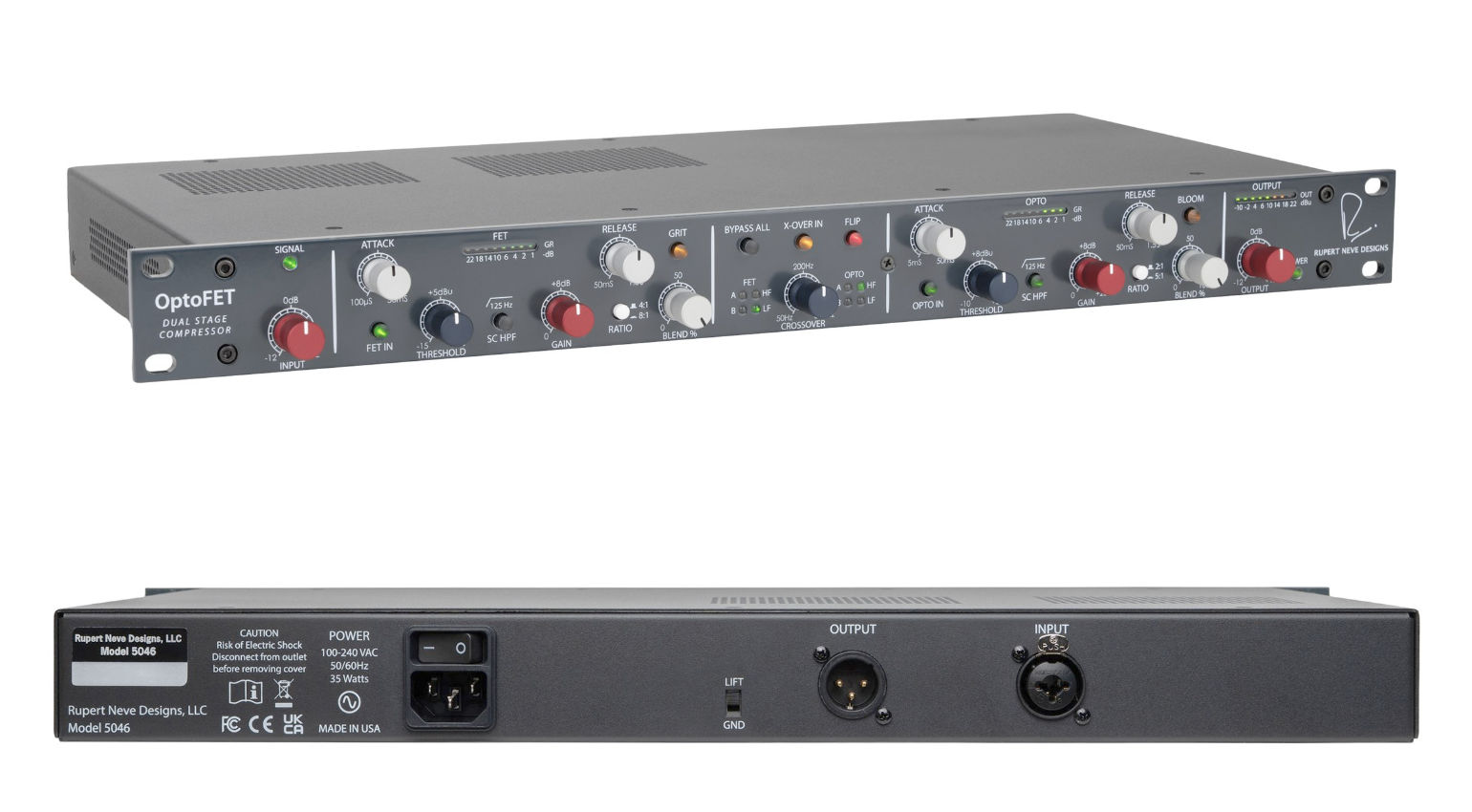
For more than 50 years, we’ve heard the classic combination of the 1176 and the LA-2A compressors used in tandem on countless recordings to shape and solidify vocals and bass guitar tracks. While the faster 1176 (FET) shapes the peaks, the LA-2A (Opto) provides that cohesive glue that brings balance and focus to the performance.
The team at Rupert Neve Designs has added a range of modern enhancements, including 125 Hz internal sidechain high-pass filters on each compression stage to ensure the low-end doesn’t trigger the compressor uneccessarily. Meanwhile, the variable crossover (50-500 Hz) allows you to flexibly assign the FET or Opto stages to the highs and lows or vice versa.


More about Hidden Gem Recording Gear:
*Note: This article contains affiliate links that help us fund our site. Don’t worry: the price for you always stays the same! If you buy something through these links, we will receive a small commission. Thank you for your support!

This might also interest you