The Story of Stevie Wonder and TONTO: Synth Journal
Expand your head with this week’s synth news.

 4,5 / 5,0 |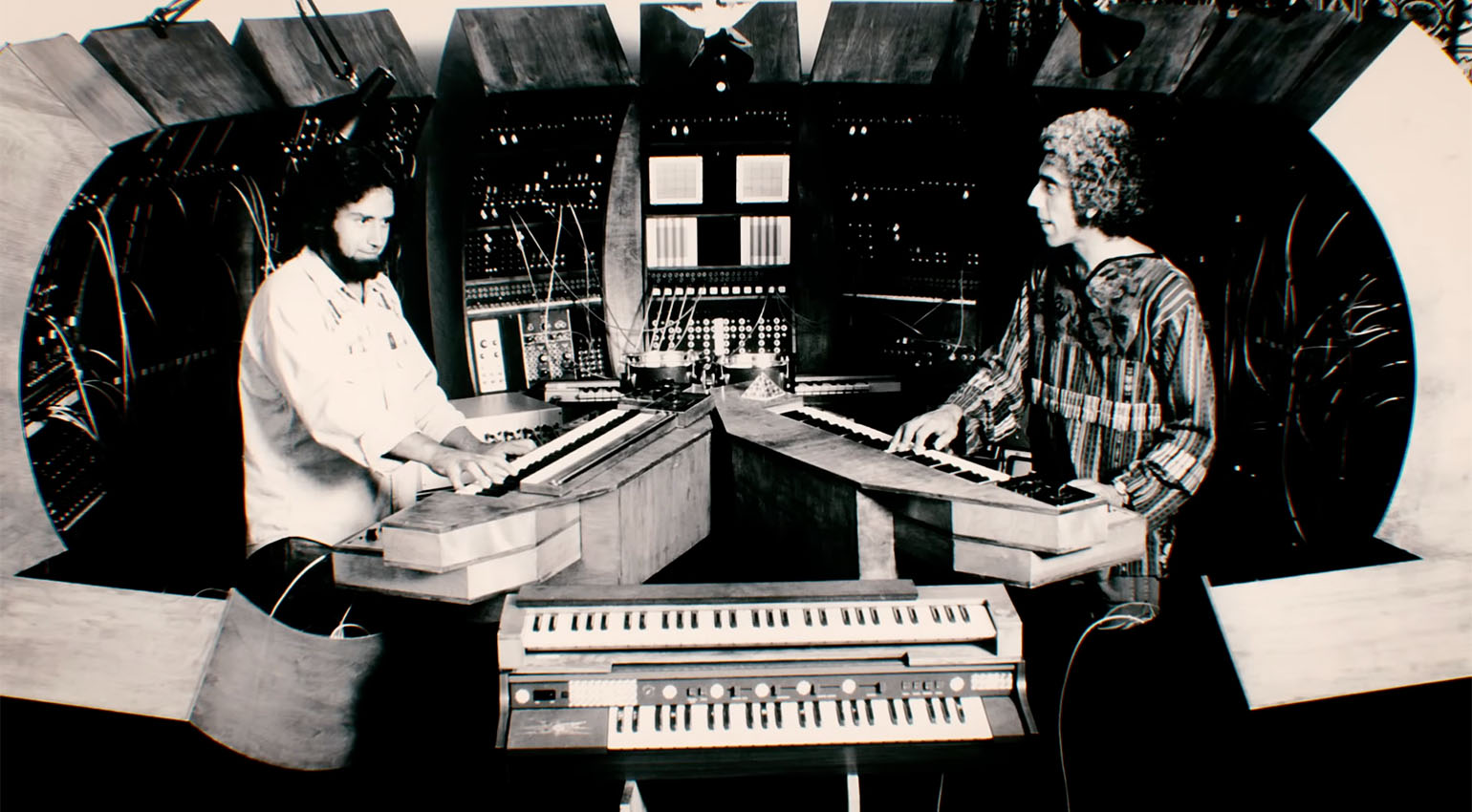

Learn about how Stevie Wonder found his synthesizer sound with TONTO, Swarmatron in your DAW, and more.
Synth Journal
Reco-Synth Recodrum S
Mad Brazilian genius Arthur Joly is back with a new boutique drum machine from his company, Reco-Synth. Called Recodrum S, the look is clearly inspired by his previous Recodrum, but this time it’s a digital rather than analog affair.
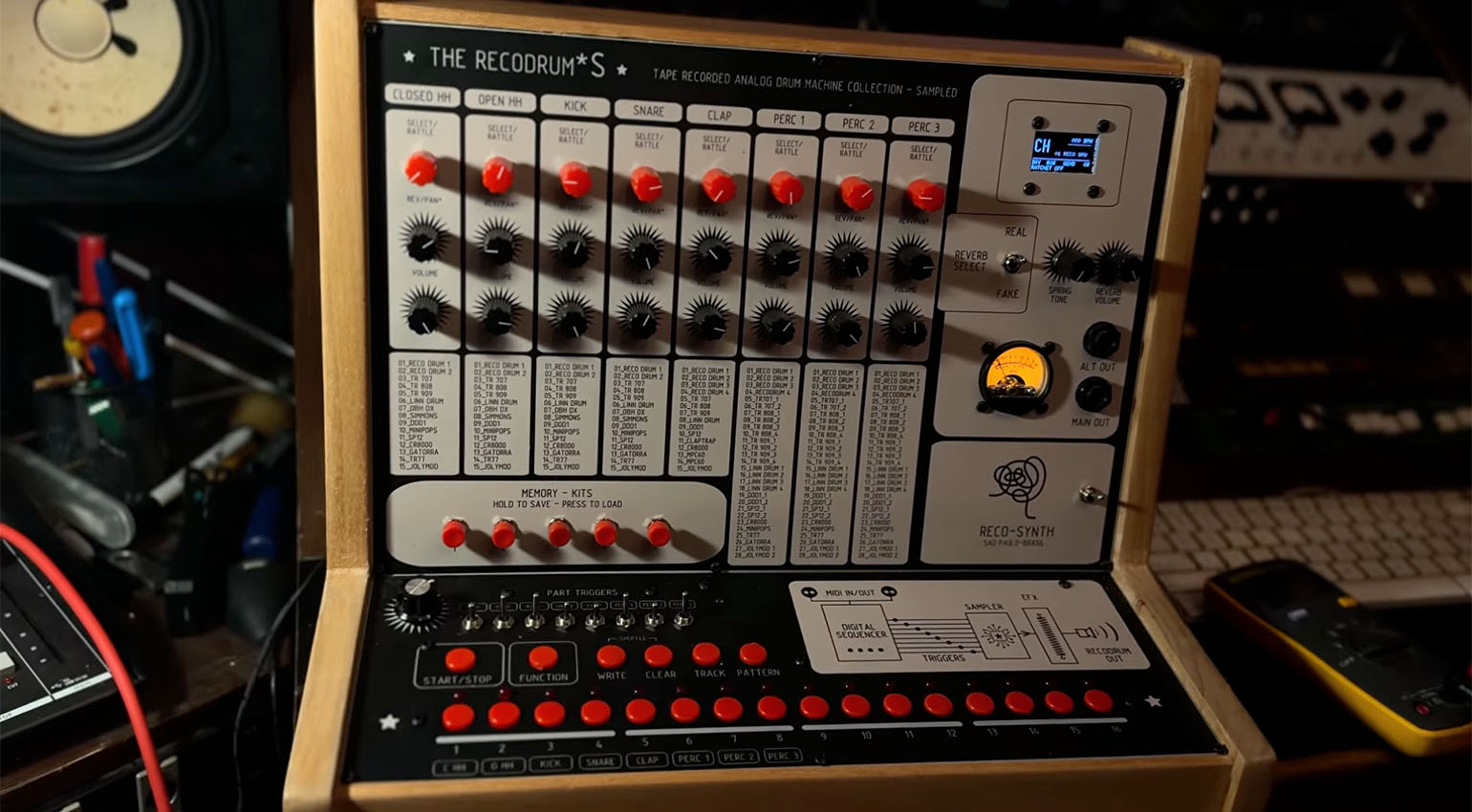
The new drum machine is packed with samples of classic drum machines from Arthur’s own collection, with sounds from the Roland TR-909, 808 and 707, LinnDrum, Oberheim DX, Simmons, E-mu SP-12, Korg Mini Pops, and his own Recodrum. All of the samples were recorded to magnetic tape and mastered using tube hardware for a uniform sound. You get eight channels of sounds to program, with a step sequencer and ratchets. The Recodrum has effects too, a digital reverb inspired by Lexicon units and a spring reverb tank.
Recodrum S will be available in October of this year. Arthur only plans to make 30 of them, so if you’re interested in one of these hand-made beauties, head to his site and preorder. It’s listed for $5100 Brazilian real, which converts to around USD $1000.
Ellitone groov~e console
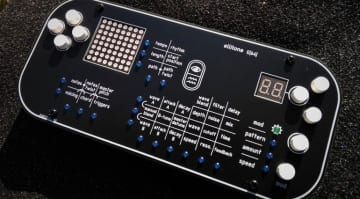
Is it an instrument? Is it a generative music player? Is it a work of art? This new device, called groov~e console from Ellitone, is all three of these things, and maybe more.
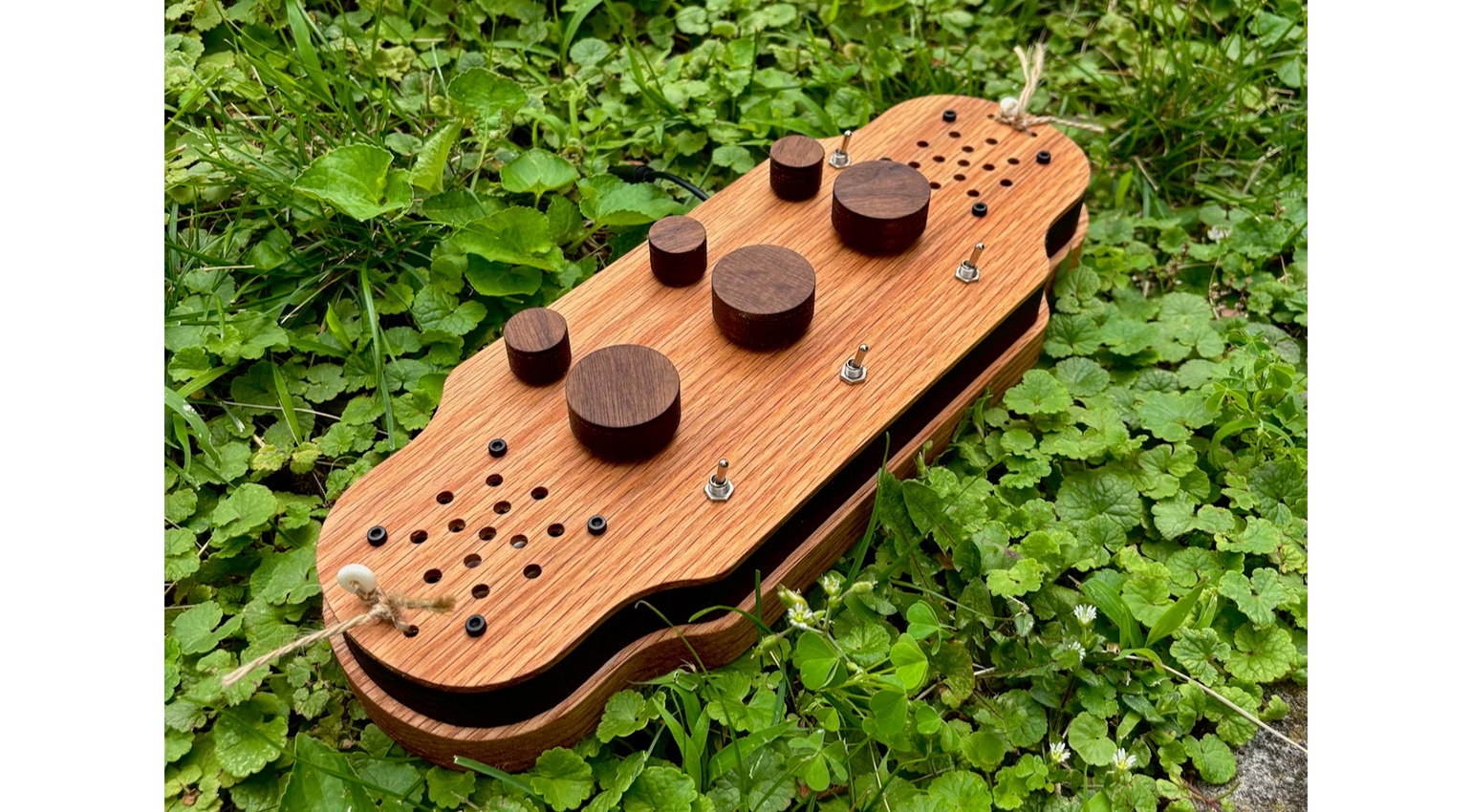
Hidden within the wooden console are three sound engines: a drum machine that pulls from 150 percussion samples, an ambience generator with a pool of 70 loops, and a polyphonic synthesizer with four voices, each with two oscillator layers. Hit the encoder for each engine to generate a new sound and pattern, and listen through the onboard stereo speakers or 3.5mm output jack.
So what are you doing while it’s pushing out music? You’re not playing anything, nor can you capture the output as MIDI (which is unfortunate), but you do have some control. There’s volume for each of the three parts, waveform assignment for the oscillators from a bank of 65 waveform shapes, and a lowpass filter across the stereo bus that you can tweak.
Ellitone’s groov~e console is on sale now for $325 via the manufacturer’s website.
34Audiovisuals SwarmaDie 2
The Dewanatron Swarmatron was a handmade drone synth made famous by Trent Reznor, who used it on the soundtrack for The Social Network. Software developer 34Audiovisuals has created what it calls a “faithful (but unofficial) Swarmatron simulator” in the form of SwarmaDie 2, a plugin for Mac, PC and iOS.
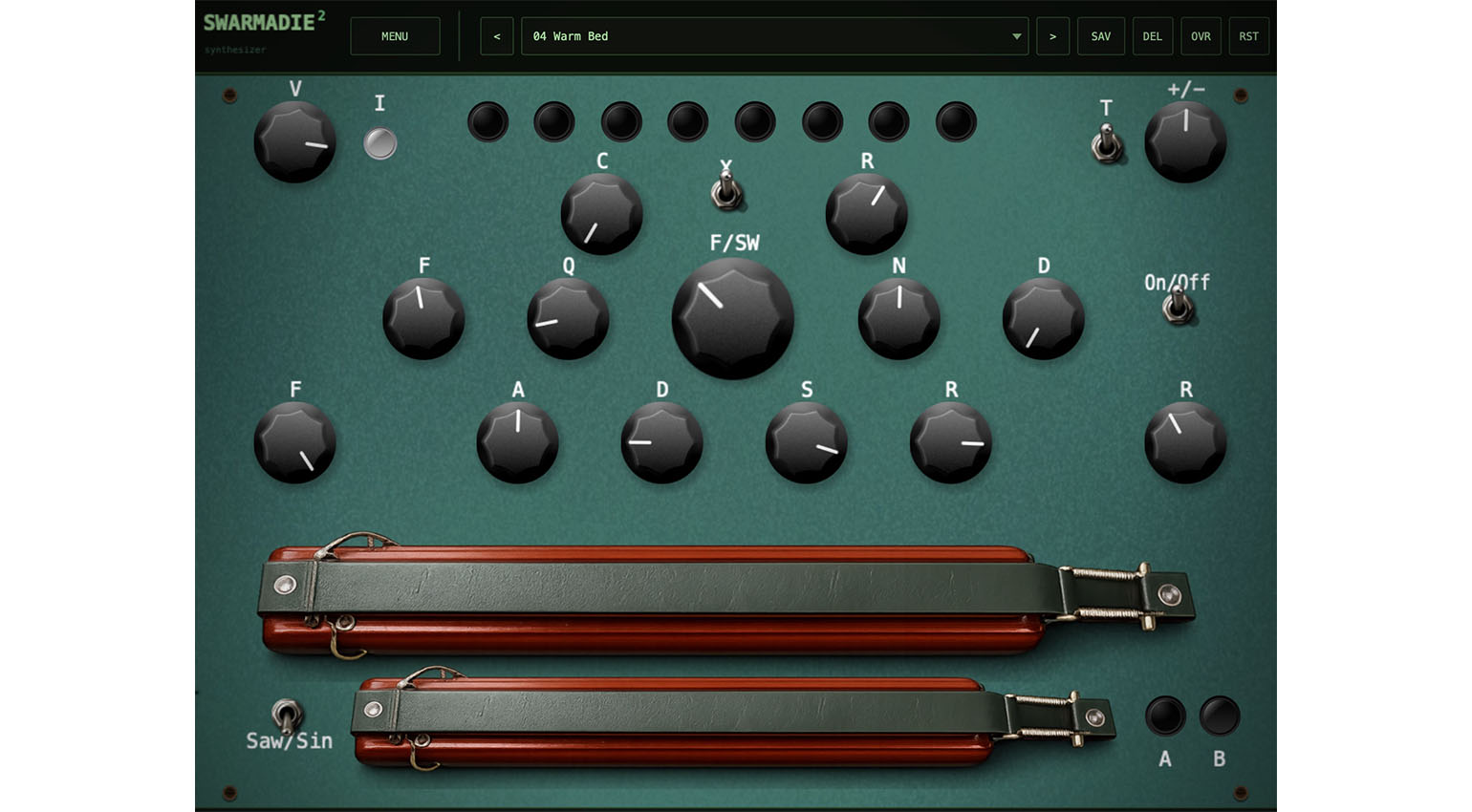
The SwarmaDie 2 offers eight detuned oscillators with independent analog drift, band control to go from tight unison to a wide spread, portamento, stereo width controls, and monophonic MIDI input with legato mode.
The plugin sounds great, either on its own or used as part of a chain with filter and effects. And at only €9.99 for the plugin and €5.99 for iOS app and AUv3 plugin, it’s a steal.
And now I’m hungry for schawerma for some reason.
TONTO: This Giant Synth Changed Stevie Wonder’s Life
Back in my university days, I used to spend my time digging through bins in used record stores, looking for weird old synthesizer records. One that particularly blew my mind was Zero Time by the brilliantly named TONTO’s Expanding Head Band. Here was an album made entirely on synthesizers in 1971, a rarity.
I later learned that the album was the product of partners Malcolm Cecil and Robert Margouleff and their synthesizer TONTO, or The Original New Timbral Orchestra. A multitimbral polyphonic analog synth, TONTO was actually an amalgamation of different synthesizers and modulars, cleverly hooked together so you could interact with it as a single instrument rather than as a studio.
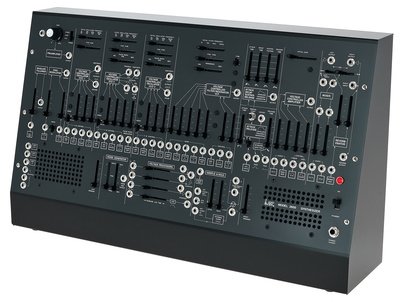
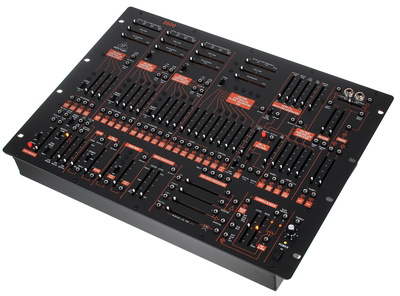
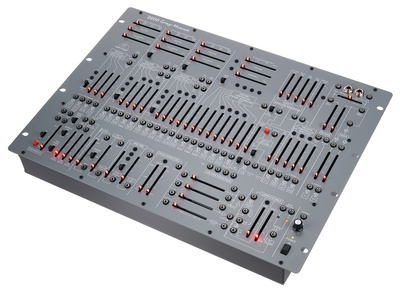
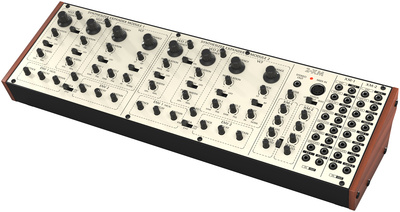
TONTO started with a Moog Modular III and then gained a second Moog III, four Oberheim SEMs, two ARP 2600s, some Serge modules (including custom ones built by Serge Tcherepnin himself), and instruments and bits and bobs from EMS, Roland, Yamaha, and more.
Stevie Wonder famously hired Malcolm and Robert to produce five of his albums in the 1970s, and TONTO appears all over them. Now there’s a new YouTube documentary by Polyphonic that covers this period, and it features a new interview with Robert. It’s worth a watch if you like synthesizers (and I’m betting you do since you’re reading this).
TONTO now lives at the National Music Centre in Calgary, Canada, and it’s available to musicians who want to record with it. Who’s up for a road trip?




Vladimir Kuzmin Passes Away
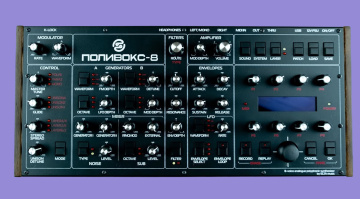
Lastly, I have some sad news to report. Vladimir Kuzmin, the chief designer of the Formanta Polivoks, has passed away. He was 72 years old.
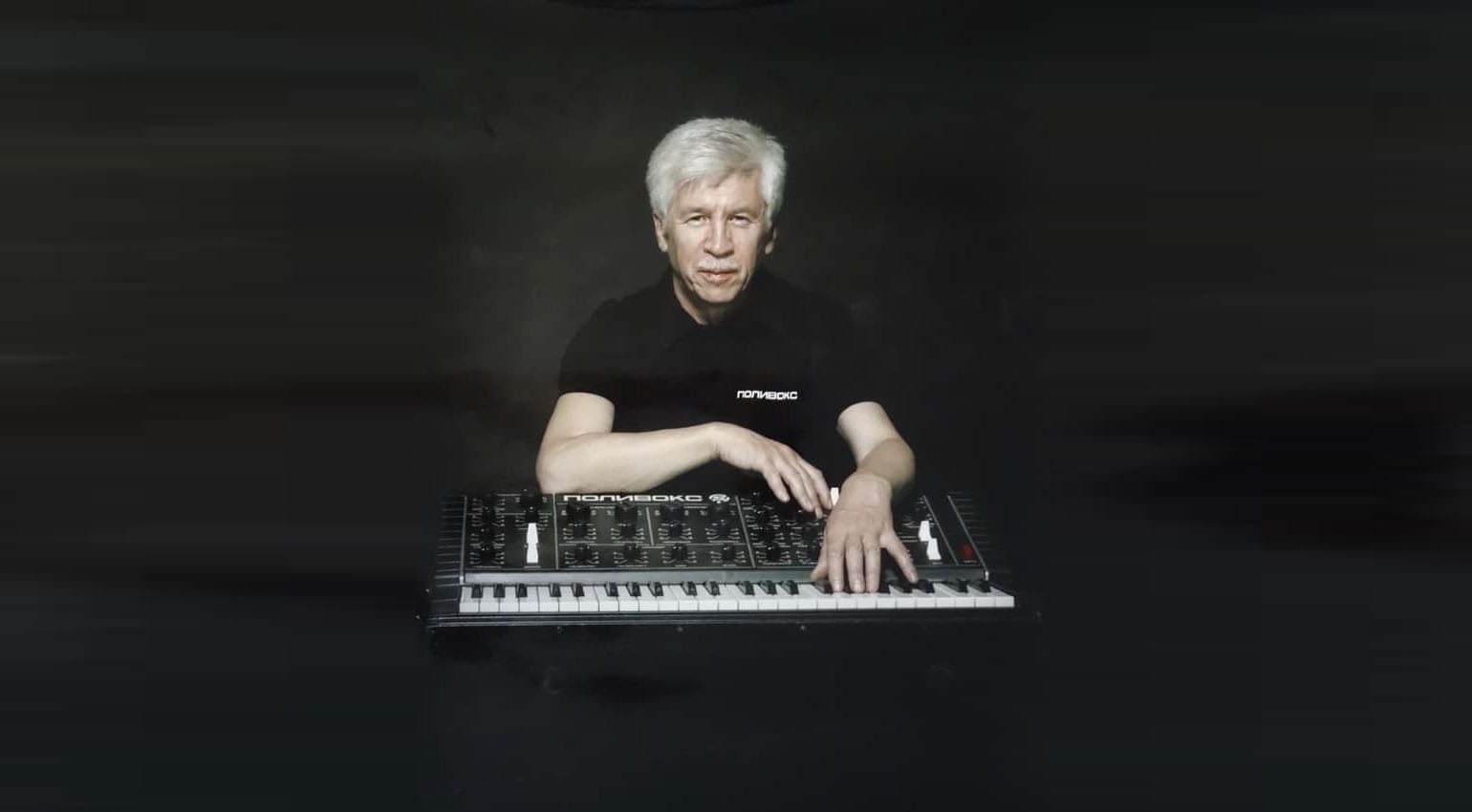
Developed at the Formanta Radio Factory in Kachkanar in the former Soviet Union in the early 1980s, the Polivoks was an analog monosynth with a unique filter sound. “At a time when access to Western electronic instruments was extremely limited, the Polivoks represented a remarkable technological achievement: an original, mass-produced analog synthesizer developed entirely within the Soviet Union,” says the Experimental Factory of Electronic Musical Instruments (EFEMI), a Russian manufacturer of electronic musical instruments, in a statement.
EFEMI owns the trademark for Polivoks within the Russian Federation, and is currently completing development of a new Polivoks Filter inspired by the classic design. EFEMI also plans to “continue developing new electronic musical instruments under the Polivoks brand while respecting and preserving the historical significance of the original instrument and its creators,” they say.
“For many people outside Russia, Polivoks is simply a synthesizer,” says Anton A. Boykov, founder and director of EFEMI. “For us, it is part of the history of electronic musical instrument engineering. Vladimir Kuzmin helped create a unique school of synthesizer design under circumstances unlike anywhere else in the world. His work inspired generations of musicians, engineers, and instrument makers. At EFEMI, we consider it our responsibility to preserve and continue that legacy. The story of Polivoks is not over.”
We mourn the passing of Vladimir Kuzmin, and look forward to new instruments and devices based on his designs.
More Information
- More about synthesizers
- Buy synthesizers at Thomann*
*Note: This article contains advertising links that help us pay for this site. Don’t worry: the price for you will always be the same! If you buy something through these links, we will receive a small commission. Thank you for your support!

This might also interest you