Rise of the Chord Synths: 5 Quirky Music Theory Machines to Check Out
Chord generating synthesizers from Suzuki, Telepathic Instruments, AlphaTheta, and more.

 4,4 / 5,0 |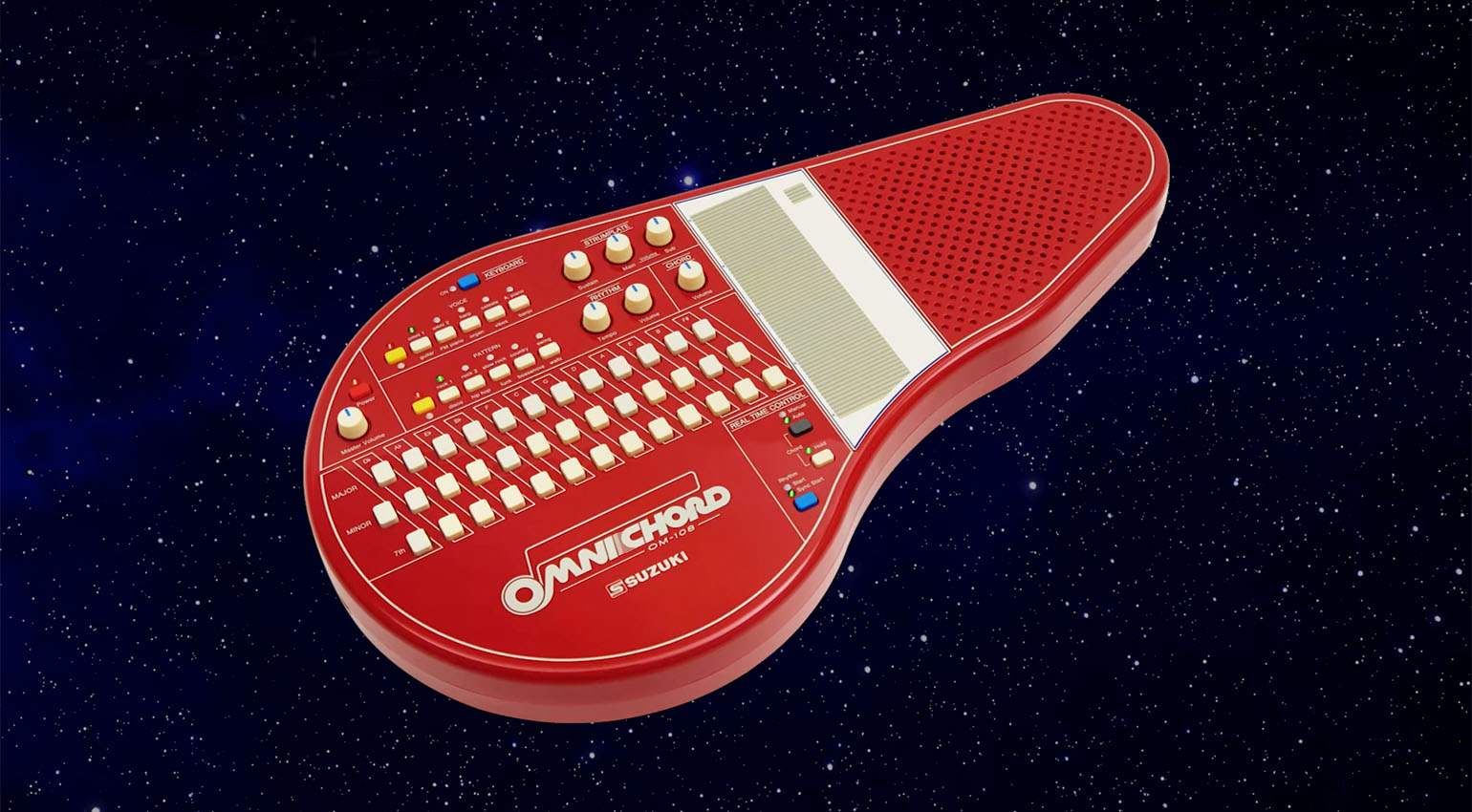

Suddenly chord synths are everywhere, helping you write progressions and assisting you with music theory. Here are five of the most popular.
Rise of the Chord Synths
Chord Synths
What’s gotten into the water? In the last few years, so many chord synths have come out, it can’t be just a coincidence. Maybe it’s like when two movies with the same premise come out within a month of each other, like those two films about asteroids in the ‘90s. Or maybe everyone had a similar idea around the same time: music theory is difficult, and wouldn’t a synthesizer that simplified it be cool?
Here are five chord synths that have made the biggest splash, or at least the ones that immediately came to mind when I was trying to think of all the ones released recently. Have you used any? Do you even want a chord synth? Let me know in the comments.
Chord Synths: Suzuki Omnichord OM-108
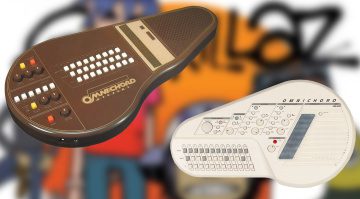
The original chord synth, the first Suzuki Omnichord came out in 1981, and it’s been making people smile with its chord buttons and strum plate ever since. The Gorillaz had the biggest hit with an Omnichord but they’ve appeared on all sorts of records.
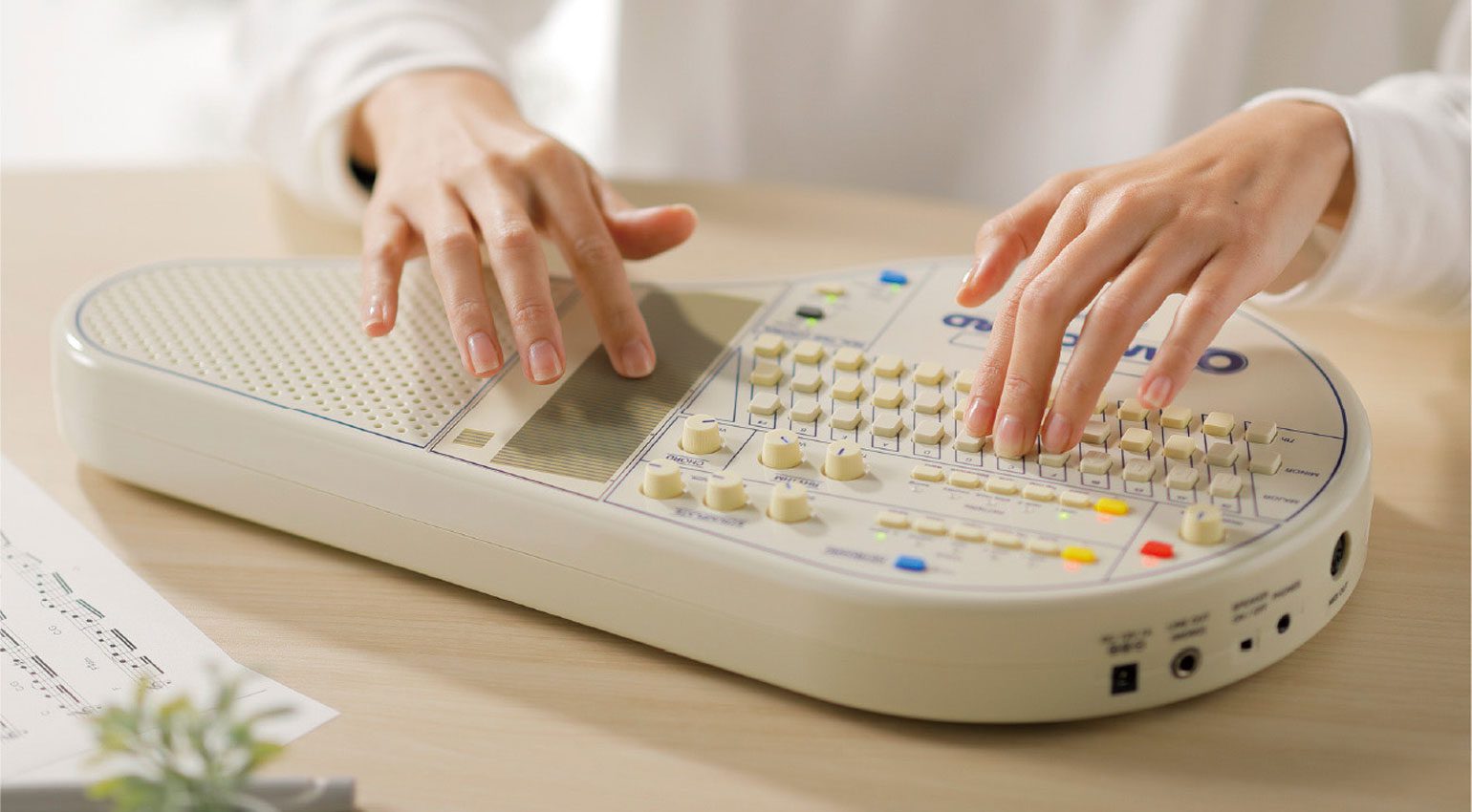
In 2024, Suzuki surprised everybody by releasing a new Omnichord, the OM-108 model. The story on Gearnews announcing its existence was runaway popular, hitting our top three stories of the week for like a month. Clearly, lots of people wanted a chord synth – or at least an Omnichord.
I went to Suzuki’s headquarters that year to have a play with one before it was released and absolutely loved it. You can read about that here but suffice it to say, I came away an Omnichord convert. Granted, it wasn’t because of the music theory elements, more because of how quirky and beautiful it sounds, but I can see the appeal from a harmonic point of view, too.
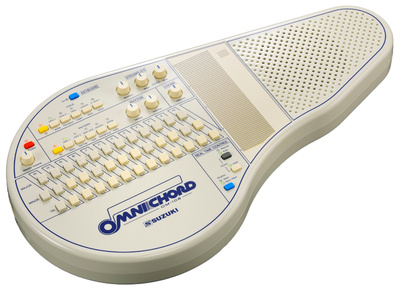
The OM-108 is still available, and there’s a limited edition red version now too, which we all somehow missed.
Omnichord OM-108 is available at Thomann* for $789 / £699 / €799.


- Suzuki Omnichord OM-108 product page
- More about Suzuki
Chord Synths: Benjamin Polive Minichord
The Omnichord is lovely, but it’s a tad expensive. Vintage models are no joke either. Unlike used Casio keyboards from the ‘80s, which also often have chord buttons and cute rhythms, Omnichords were never considered toys. They’re proper musical instruments in the eyes of musicians and collectors alike – with a price to match. That’s why it’s great that the Minichord exists.
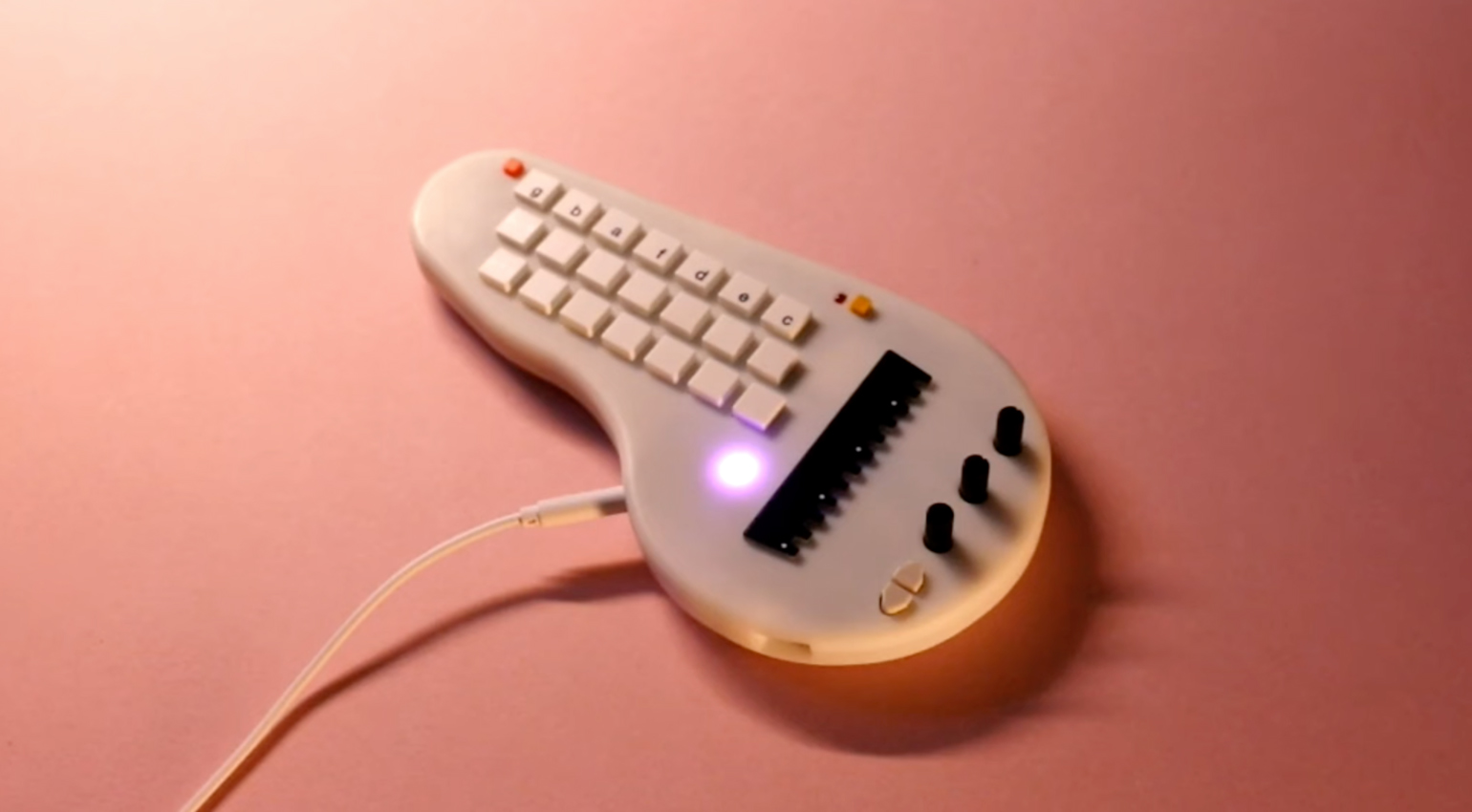
An open-source instrument, the Minichord from developer Benjamin Polive takes inspiration from Suzuki’s autoharp with 21 chord selector buttons and a harp touch zone that replicates the strum plate effect. It’s also got a subtractive synth engine on the inside with 12 user presets that you can edit by connecting it to a computer via USB and accessing an editor webpage. There’s also MIDI out via that USB, making it very musically useful indeed.
The Minichord is $169 through the manufacturer.
- Benjamin Polive Minichord product page
Chord Synths: AlphaTheta Chordcat
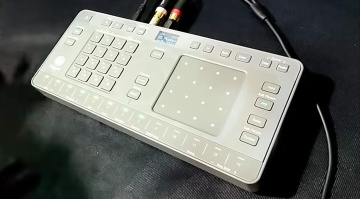
This next chord synth started life as a Japan-only device under the Toraiz brand name. Remember that? Parent company AlphaTheta put it out globally under its own brand name.
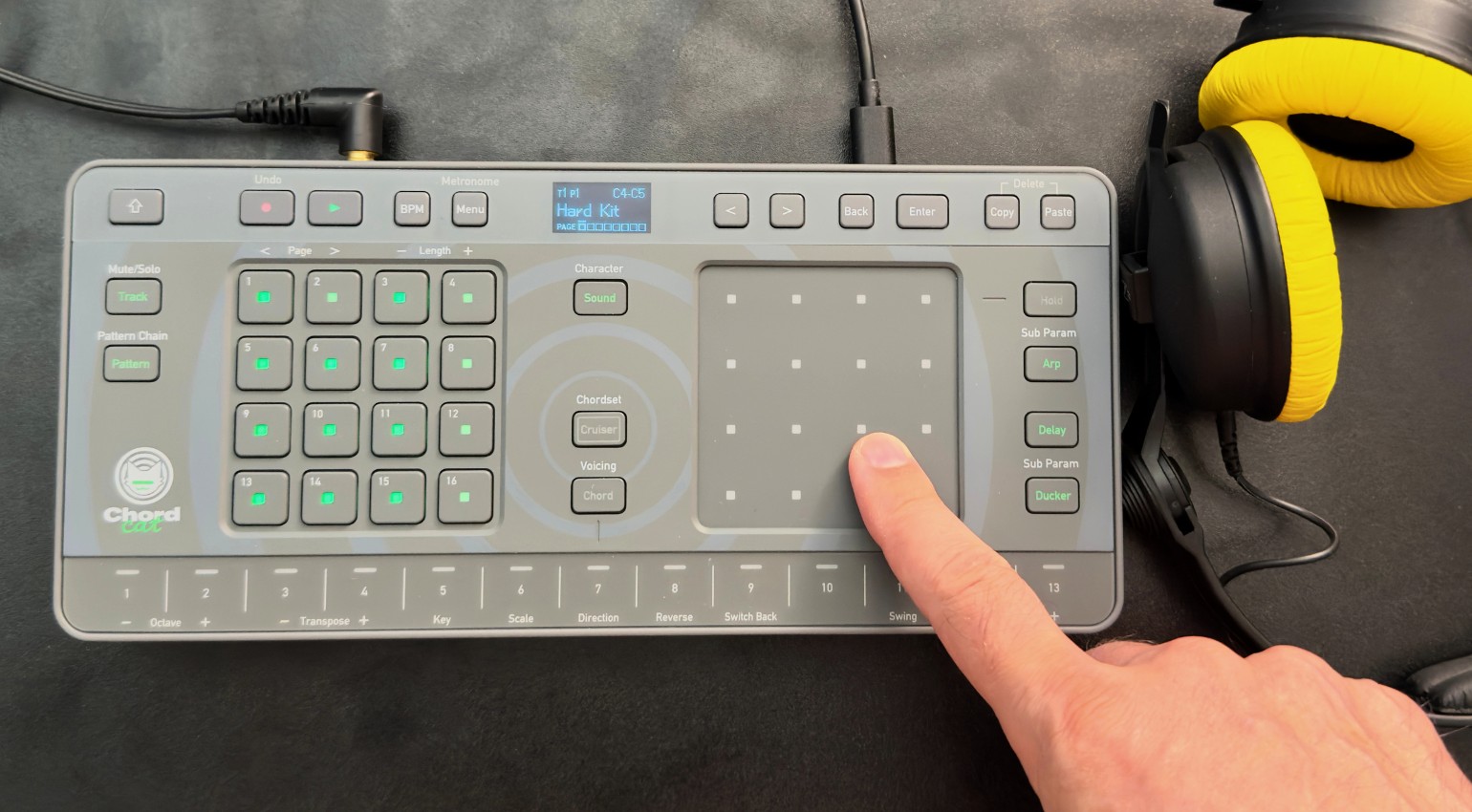
I’m talking, of course, about Chordcat, a chord-generating groovebox that reminds me a bit of the plugin Scaler in hardware form in that it suggests chord progressions depending on the genre you’re working in. That Chord Cruiser, as it’s called, can suggest up to 110,000 chord combinations. There’s also an eight-track sequencer, 145 instruments, 16 drum kits, and effects inside, like an arpeggiator, delay, and a ducker.
As someone who never studied music theory but likes chord progressions, I’m into the idea of the Chordcat. I wonder if it’s been successful at all. In our review, Marcus said the internal sounds were kind of lacking. That’s unfortunate.
Chordcat is $279 and is available through the AlphaTheta site.
- AlphaTheta Chordcat product page
- More about AlphaTheta
Chord Synths: Pocket Audio HiChord
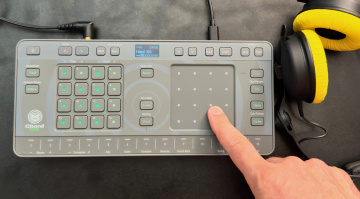
I first saw the HiChord from Pocket Audio on Instagram two years ago when it went viral. I actually reached out to the manufacturer to find out how that happened, which I wrote about here.
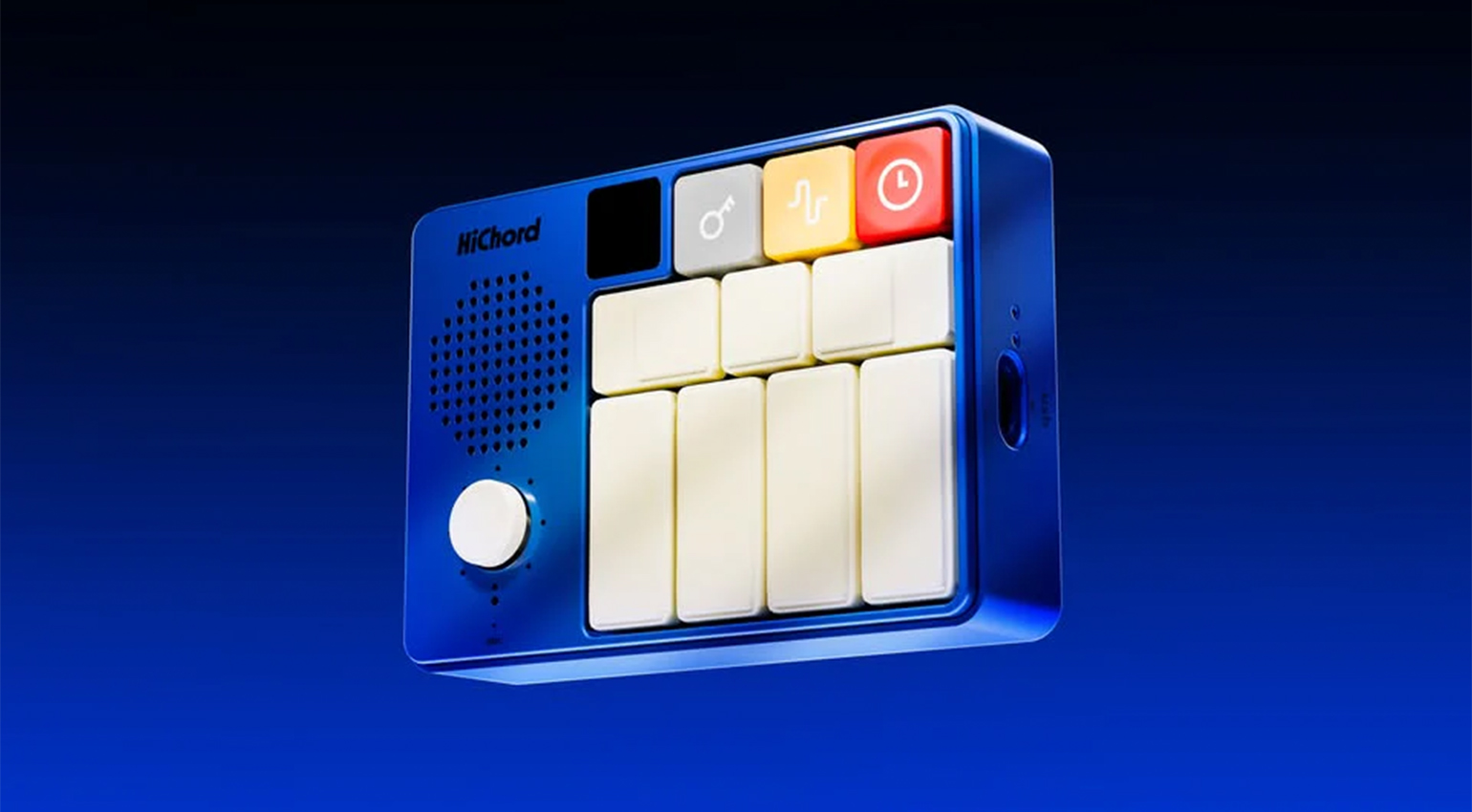
HiChord looks like a lot of fun. It’s got seven keyboard-like buttons, each of which plays a chord. They’re clustered in groups that sound good together, so you can create progressions by experimenting with the buttons. Use the little joystick to alter the chord’s character. You can also change the entire set, the instrument sound and effects, and play mode, which includes chord, strum, lead melody, and drums. There’s also a looper.
Pocket Audio is currently taking pre-orders for the next run, which happens in June. HiChord is $320.
- Pocket Audio HiChord product page
Chord Synths: Telepathic Instruments Orchid
The chord synth that’s gotten the most attention, though, far and away, is Orchid from Telepathic Instruments. Founded by Kevin Parker of Tame Impala after he had the idea to make a chord machine like the Casio he used to play with as a kid, Telepathic Instruments has had gangbuster success with the Orchid, and some very high-profile endorsements too (like Matt Barry).
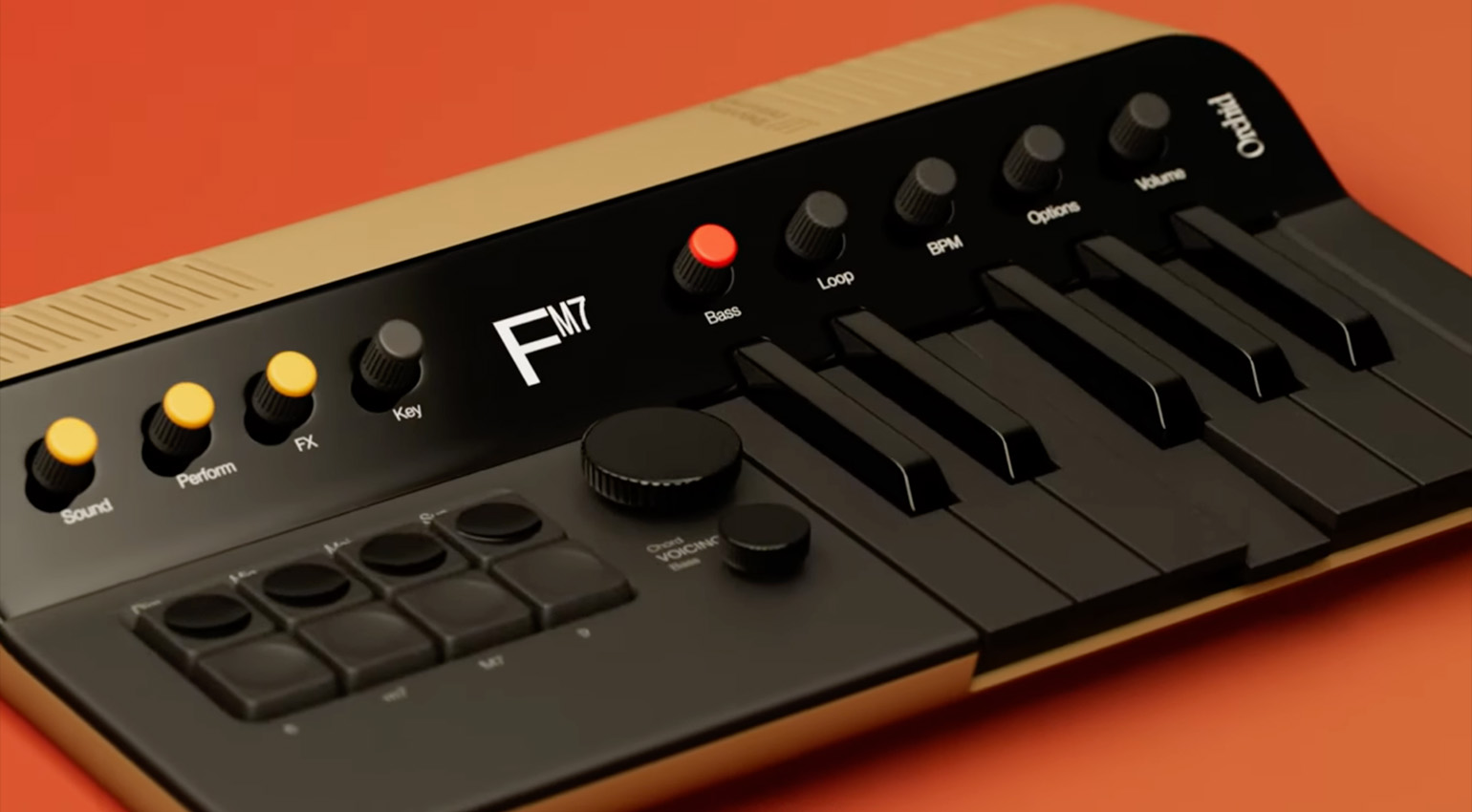
Aside from the gorgeous Kevin Parker presets and digital synth engine (which you can now own as a VST called Pistil), Orchid is a chord-generating synth and idea machine with an octave of piano-style keys and a chord button that you use together, along with its chord logic system to create variations of chords. Turn the voice dial to alter voicings, pitches and positions, and use the performance modes to change how the chord is played: Strum, Slop, Arpeggiator, Pattern and Harp.
Orchid costs $649 – that is, if you can actually get one. They’re constantly selling out, so get on the waitlist. Pistil is $99.
- Telepathic Instruments Orchid product page
More Information
- More about synthesizers
- Buy synthesizers at Thomann*
*Note: This article contains advertising links that help us pay for this site. Don’t worry: the price for you will always be the same! If you buy something through these links, we will receive a small commission. Thank you for your support!

This might also interest you
2 responses to “Rise of the Chord Synths: 5 Quirky Music Theory Machines to Check Out”
I still can’t believe the cost of that Omnichord. It’s a ridiculous purchase at that price. For less money I can pick up a Hydrasynth, a Sequential Fourm, a Moog Messenger…
It’s the cost of novelty that comes with being used to make a hit song. Luckily there is still vintage gear that is overlooked because it does’t have that collectable hype.