Synth Emulations: Running Synthesizers in Your Computer
It's like having a synthesizer museum in your computer!

 4,4 / 5,0 |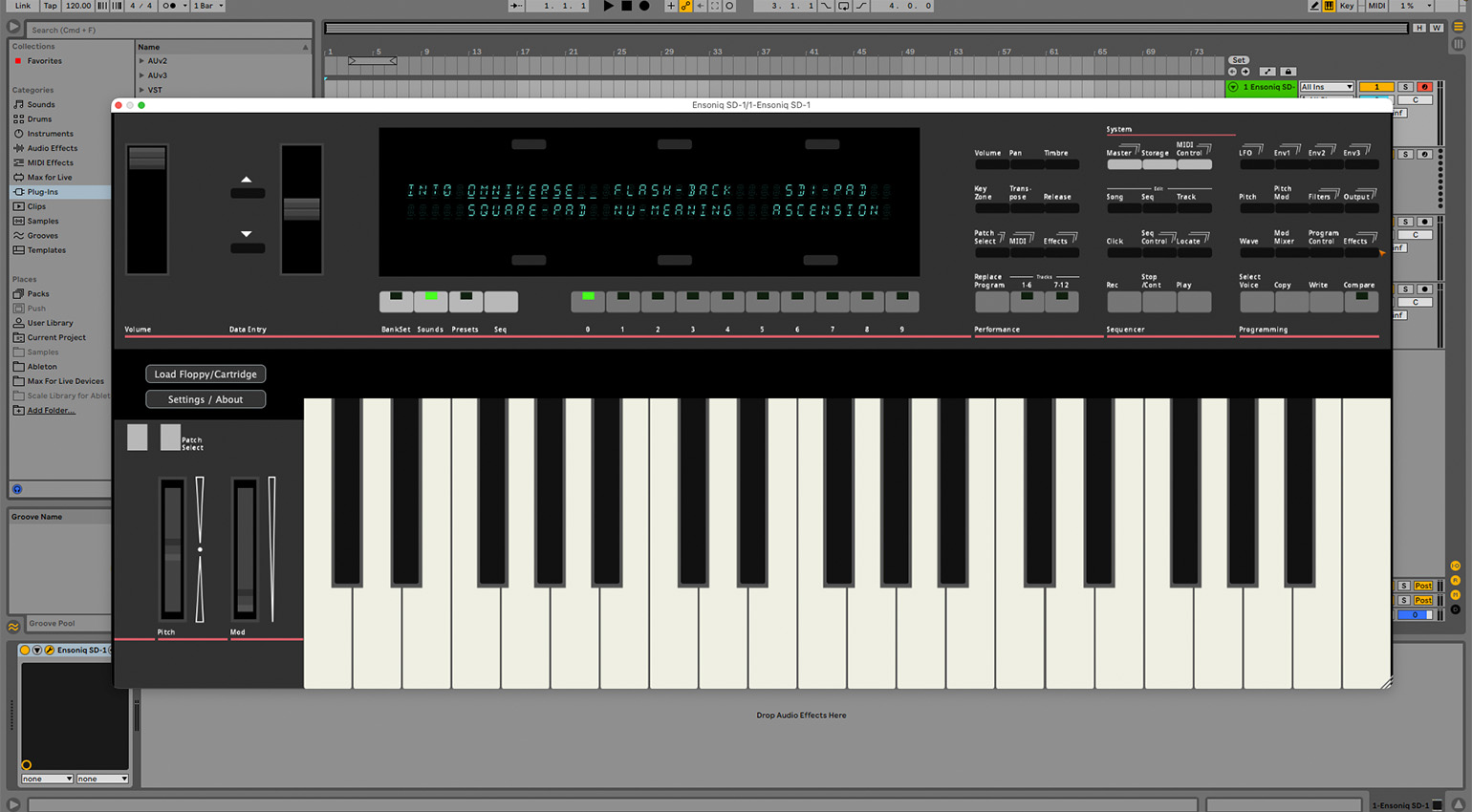

Did you know you can run actual classic synthesizers in your computer? And not just recreations, but the original operating system? Here are some synth emulations to try out.
Synth Emulations
Synth Emulations in Your Computer
I love synthesizers. That’s probably obvious given what I write about here at Gearnews, but I really must reiterate that I love these things. It follows then that I would want to try them all. Of course, I have certain types that I prefer, like old-school analog and wavetable, with a little 4-op FM and the occasional VA on the side. But really, I just want to know about them all.
One way to try everything is to buy everything. Even when buying used and broken and fixing things, that’s still an unsustainable route to follow. So lately I’ve been exploring software emulations of synthesizers as a way to expand my intimate synth knowledge. I’m not talking about the kinds of recreations that devs like Arturia and Cherry Audio do (great though they are), I mean emulations of the actual instruments, ported into the computer and running the original operating systems.
I thought I would write about some of my finds and some of the options available. These range from plugins with completely rebuilt interfaces that you can run in your DAW to synth emulations that require a dedicated emulation framework. The good news is that they’re all freeware. If you like what you find, consider donating to the people who built the emulations for you.
A word of warning, though: all of the synth emulations mentioned here require the original ROM to work. I can’t tell you where to find them, unfortunately, but with a little digging and Googling, you should be able to locate them – should you wish to go down that rabbit hole, that is.
Synth Emulation Plugins
Let’s start with plugins, as these will be the easiest to work with for most musicians. You’ll still need the ROM, though, as the plugin is like a graphical interface for the operating system from the original instrument.
Here are some of my favorites:
Synth Emulations: The Usual Suspects
The Usual Suspects is a team of developers creating open-source emulations of some seriously classic virtual analog synthesizers. Most (but not all – more on this in a minute) of them are instruments based on the Motorola DSP563XX series of processors, DSP chips that powered many, many synths in the 1990s and 2000s. What synths am I talking about? The Access Virus A, B, C, and TI; Clavia Nord Lead 2X, 3, and Modular; Waldorf Q and Microwave II; Novation Supernova, Nova, and many more.
And, as these synth emulations use the original ROMs, they sound exactly like the original synths because they are the original synths – just minus the DACs and other amplification components.
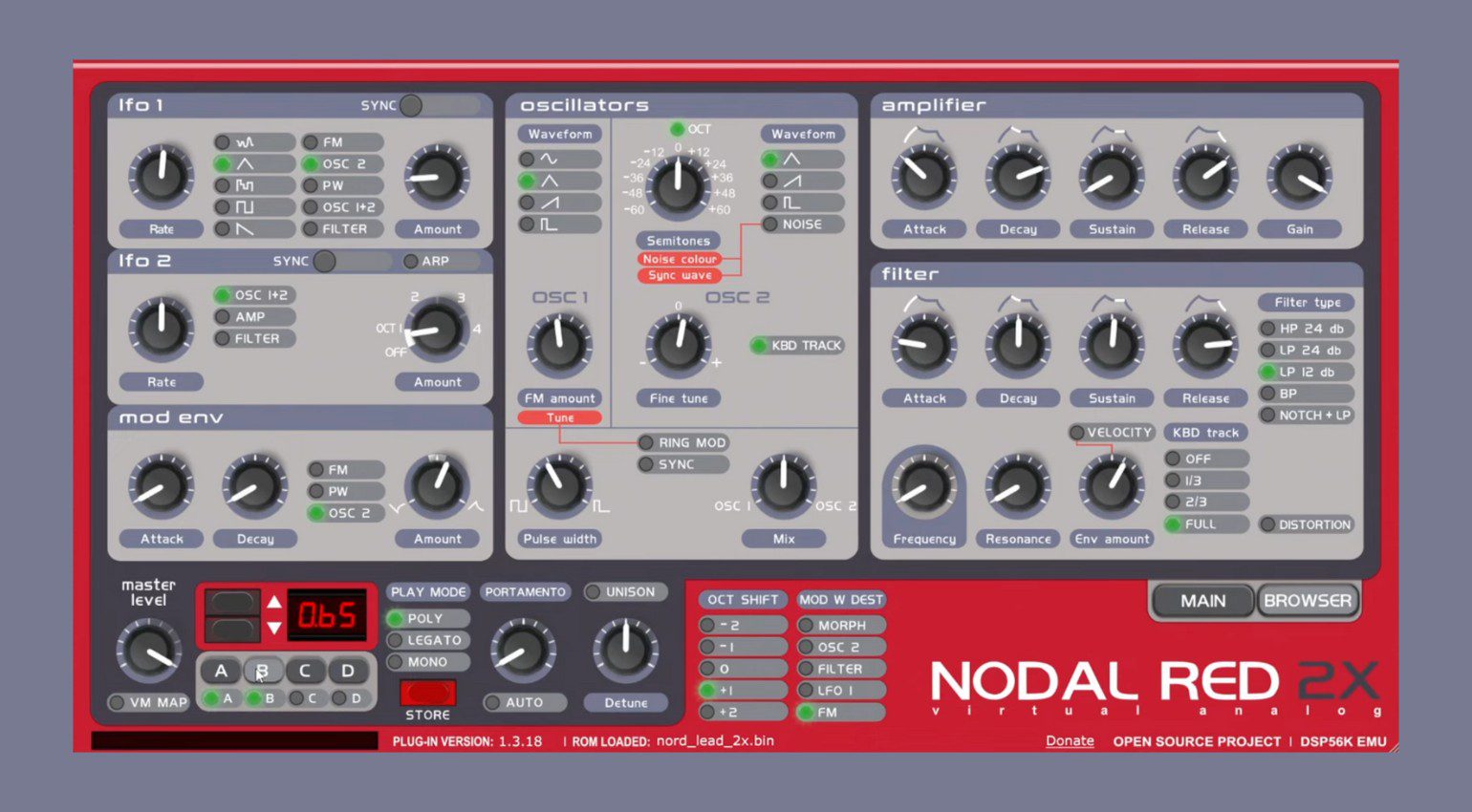
A good place to start with The Usual Suspects is NodalRed2X. If you couldn’t already tell, it’s an emulation of the Nord Lead 2X. Nord popularized virtual analog in the first place; having this classic in your software arsenal is a must.
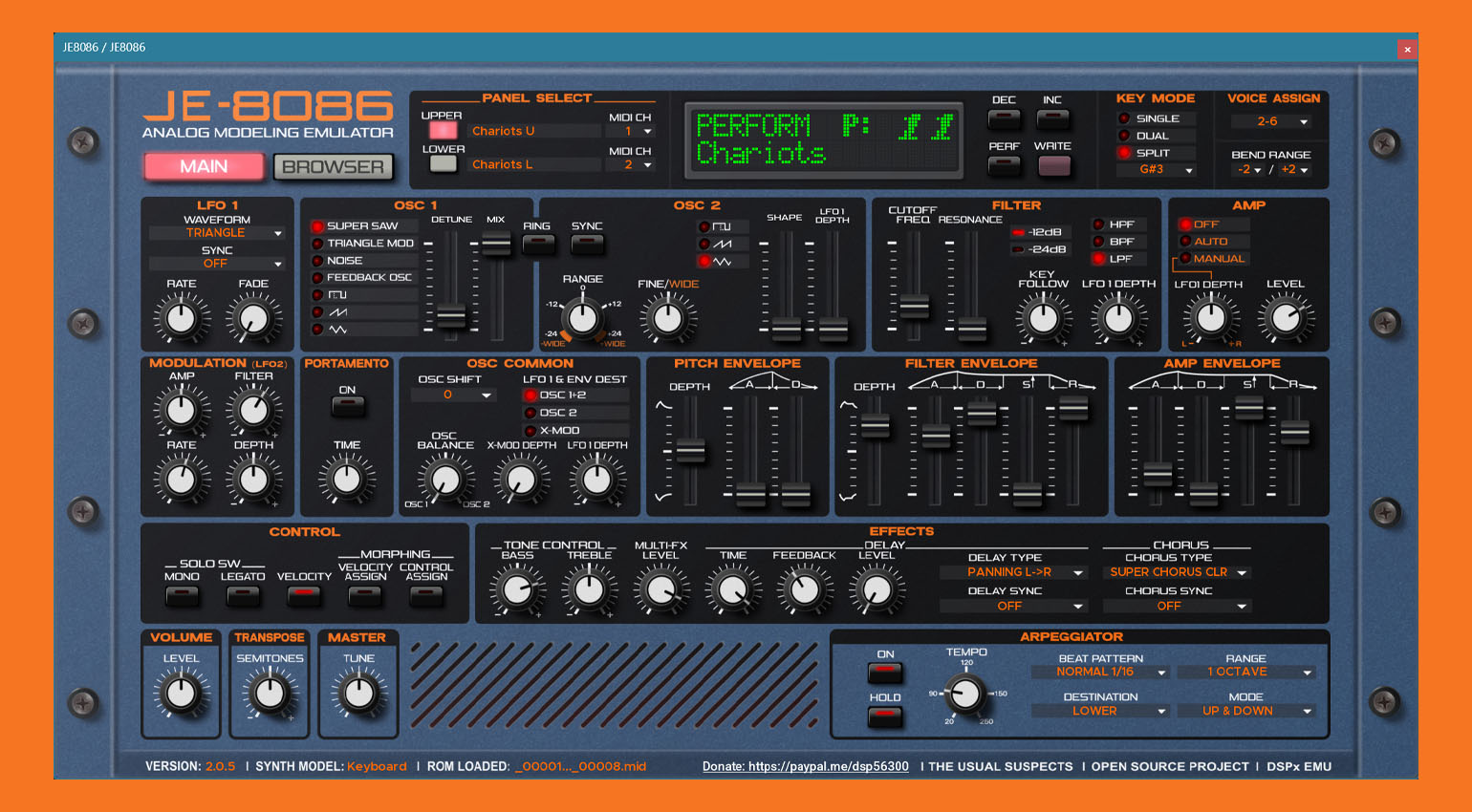
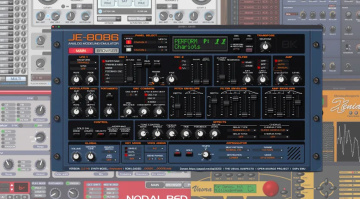
Recently, the Usual Suspects have been branching out beyond Motorola. They recently cracked the Toshiba TC170C140 chip, which happens to be the one inside Roland’s JP-8000. The result is JE-8086, a one-to-one remake of the trancey VA.
- The Usual Suspects homepage
Synth Emulations: Giulioz VirtualJV
From here on out, things will get progressively more nerdy – and possibly difficult to use depending on your own level of nerdiness. You’ve been warned.
I’ve never been much of a gamer (despite having started my writing career at IGN in the ‘90s). But even I had heard of MAME, a multi-purpose emulation framework for running old games. It turns out you can use this to emulate synthesizers, too. That’s a whole other wormhole that we’ll dive into later, but for now, let’s look at two plugins based on MAME emulations.
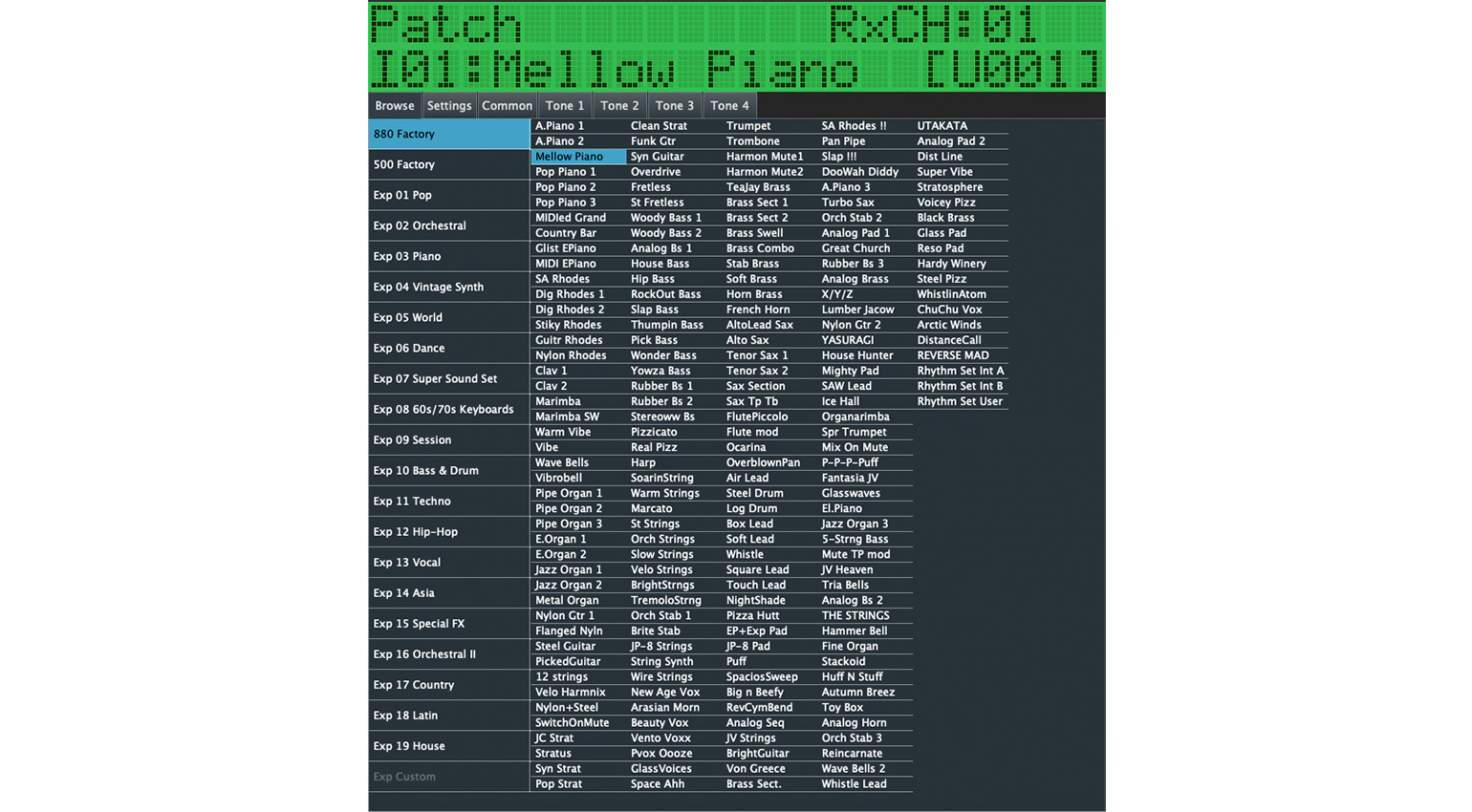
The first is VirtualJV from Giulioz. A port of the Roland JV-880 ROMpler, it gives you two factory banks plus 19 expansion cards, a real wealth of early ‘90s sounds. You can even edit just like on the original machine. Beware the installation process, though. It can be confusing.
- Giulioz VirtualJV GitHub page
Synth Emulations: Sojus Records Ensoniq SD-1
Another plugin port from a MAME-based emulation is Ensoniq SD-1 via Sojus Records. This is another 1990s digital wonder, this time from Ensoniq, an American company that made some very interesting instruments.
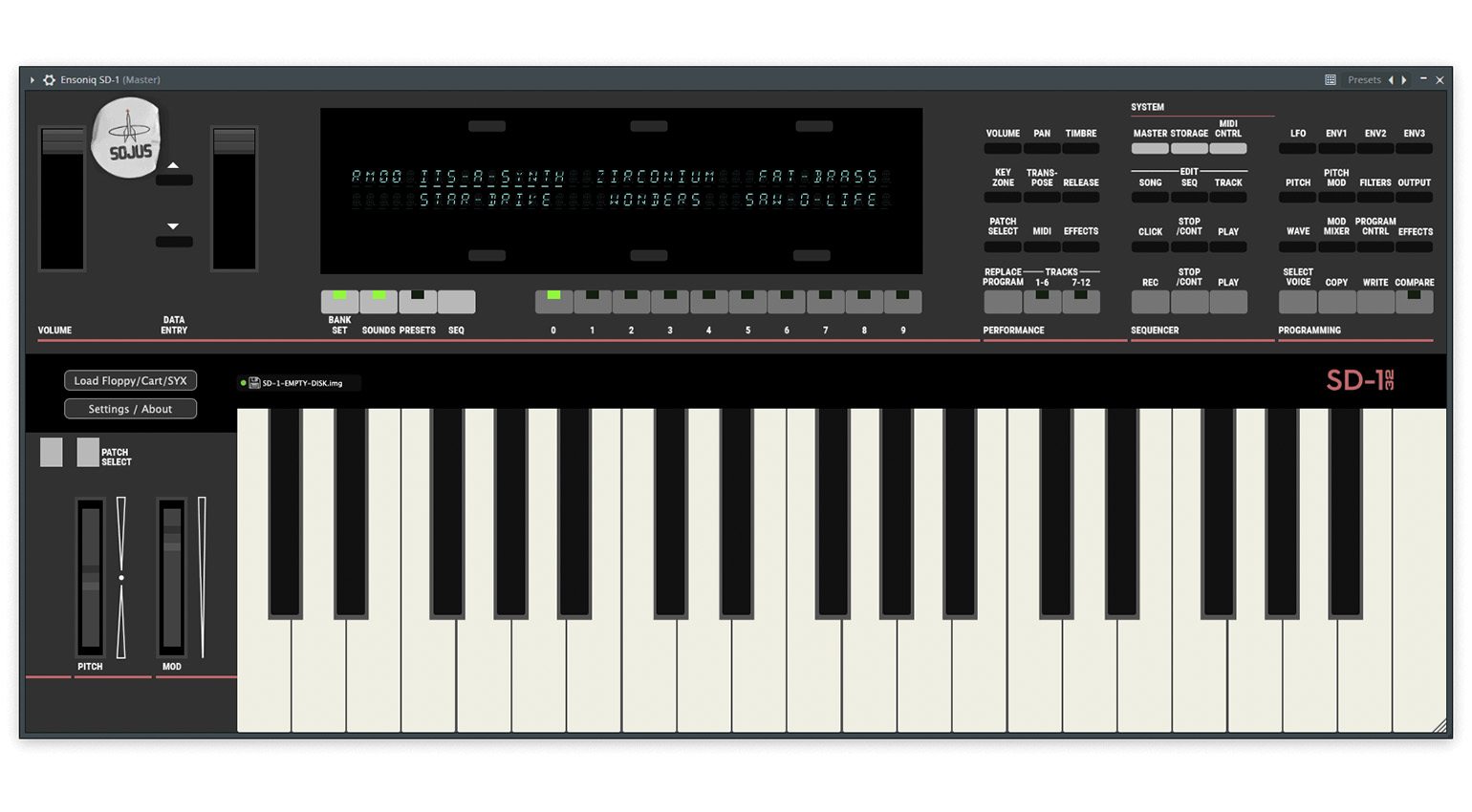
Part of the same wavetable lineage as the ESQ-1 and SQ-80, the SD-1 offered TranswaveTM wavetable synthesis plus digital filters, modulation and effects. Ensoniq synthesizers sound uniformly amazing, so it’s wonderful to have access to the sounds and synthesis in your DAW. Keep in mind, though, that the GUI has not been optimized for plugin use. It’s the straight operating system from the original instrument, meaning you’re confined to working within the tiny screen. A small price to pay.
- Sojus Records Ensoniq SD-1 GitHub page
Synth Emulations in MAME
And so we reach the bottom of the well. This is how deep the rabbit hole goes. Or at least as far as I’ve come in my journey into synth emulations. It may very well go deeper. If it does, let me know what you’ve found.
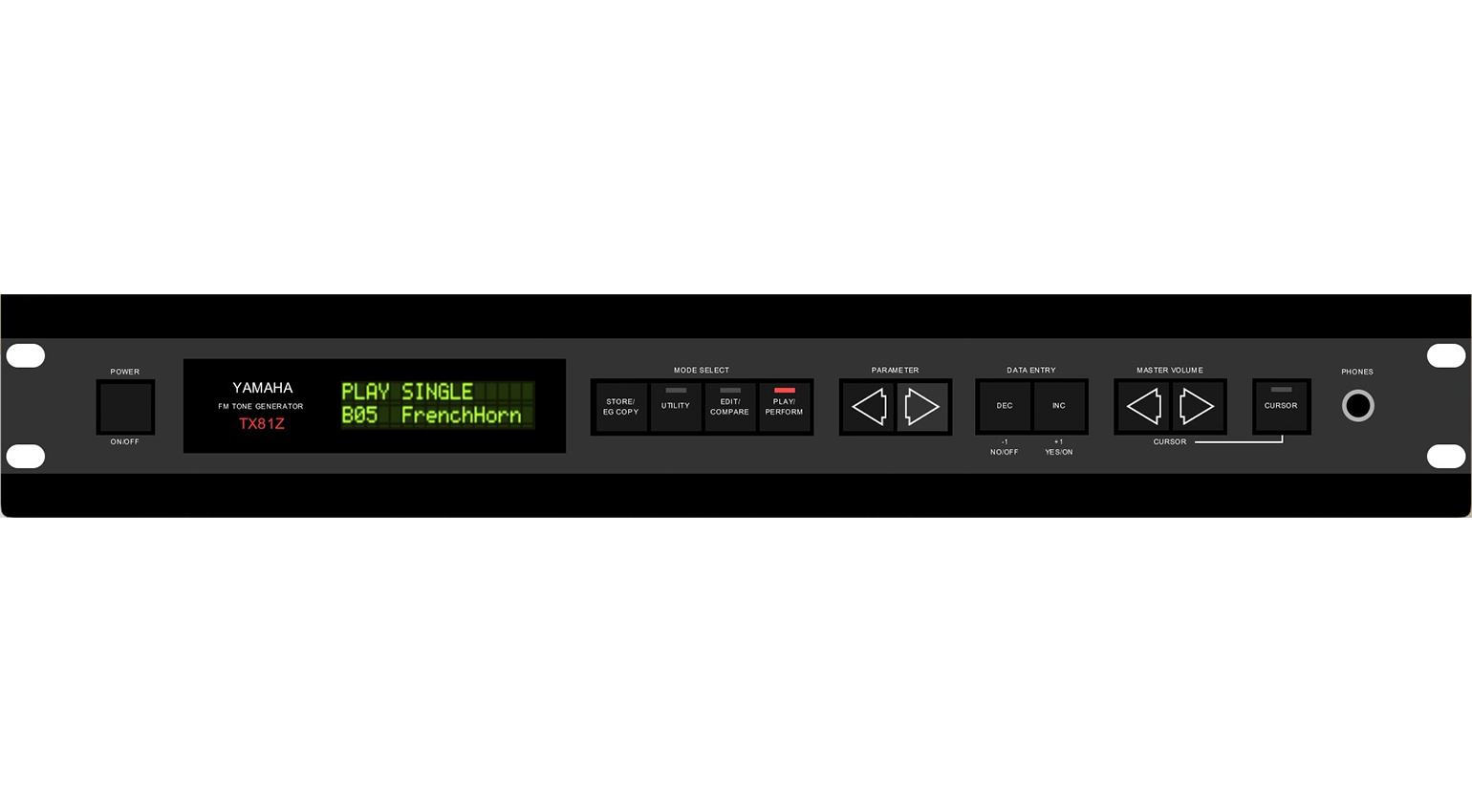
Working with MAME is not for the faint of heart. I use a Mac, so it may very well be simpler on a PC. MAME is a command-line tool, so on the Mac, you need to work directly from the Terminal or else via Homebrew. It looks like you could also use a frontend like RetroArch or OpenEmu. But don’t quote me on that. I’m just here to play with old synths.
As mentioned before, people have been doing synth emulations in MAME. There appear to be quite a lot in various states of completion, so not all will work. And note that you’ll need not only the ROMs but also drivers for the (virtual) LED screen. Yes, it’s that hardcore.
After almost a whole day of messing around with MAME and the Terminal, I was finally able to get an emulation of Yamaha’s TX81Z up on my screen and connected to my MIDI keyboard. I gave up before trying to get the audio into my DAW as I ran out of time (and I have an original TX81Z in my rack). But it is indeed pretty cool that this exists.
Other emulations that people have confirmed to work include the Casio CZ-101 and Akai MPC3000. Wowsers. Sequential Circuits’ Six-Trak is also in there, apparently. But wait, isn’t that an analog synthesizer? It very much is. And so we’ve come full circle, from plugin recreations of analog synthesizers to homemade versions of analog synths in a video game emulator.
If you’re curious about MAME synth emulations, YouTuber Autodafe has done a lot of helpful videos on the subject. I’ll include some below.
This is not the end of my exploration of synth emulations. Not by a long shot, as there are still so many more synths I need to hear. But it is the end of the article. What emulations do you love? Let me know in the comments.
- MAME homepage
More Information
- More about synthesizers
- Buy soft synths at Thomann*
*Note: This article contains advertising links that help us pay for this site. Don’t worry: the price for you will always be the same! If you buy something through these links, we will receive a small commission. Thank you for your support!

This might also interest you
2 responses to “Synth Emulations: Running Synthesizers in Your Computer”
Roland VR-09
It has pretty good synth sounds but one
I can’t get is the siren sound from the song
Riding the storm out . By REO Speed Wagon. Any suggestions 🤷♂️
Thank you for reading