Mixing Live Vocals: Get Consistent, Clear Performances
Dealing with vocals in a live sound context.

 4,0 / 5,0 |

The art of mixing live vocals is one of the most important aspects of live sound. We discuss some of the real-time factors that come into play.
In this Article:
When recording and mixing vocals in a pro studio, you have a calm and controlled acoustic environment and the limitless flexibility of the post-production phase. On stage, however, it’s not quite as forgiving. A live vocal signal can be affected by stage volume, audience noise, performance style, and mic technique, as well as the acoustic environment.
Getting the vocals to cut through the mix is one thing, but to do so without harshness and create the main sonic feature of the show while remaining connected to the other instruments isn’t always easy.
Mixing Live Vocals: Microphone Choice and Gain Structure
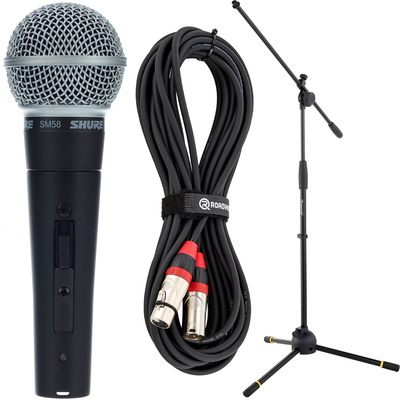
Choosing the right mic for the vocalist and optimizing the gain structure is an essential foundation to build on before you can add EQ and compression. This controls the amount of signal you have to play with before feedback, distortion, or environmental noise become problematic.
In live sound environments, dynamic mics a generally preferred because of their rugged construction, predictable localized pickup pattern, and controlled sensitivity. The shape of cardioid and supercardioid polar patterns allows mics to reject spill on stage from the drums and wedge monitors. However, you still need to position the monitors to minimize feedback.
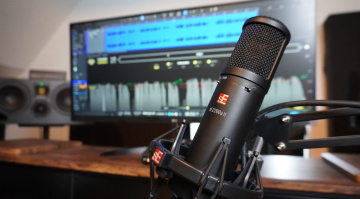
In more controlled stage settings, you can use condenser mics for enhanced detail, which is especially useful for solo Pop singers performing over backing tracks. With the right mic in place, the next crucial aspect is gain staging. You want to set the preamp so the verse vocal sits within the optimal range of the console, but leaving enough headroom for belting out the chorus.


Mixing Live Vocals: High-Pass Filtering and Corrective EQ
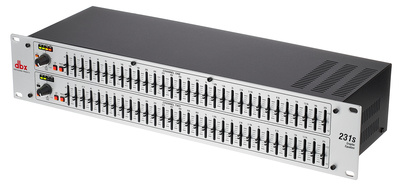
With live vocals, the approach to EQ leans toward intelligibility and control instead of enhancement or sweetening. Here, the first tool to become friends with is the high-pass filter. By engaging a HPF, we can cut out the unwanted frequency range within the human voice (80-120 Hz), as well as handling noise, stage rumble, and low-frequency feedback.
Where you set the frequency will depend on the performer’s vocal range within the context of the mix, because you don’t want to thin the vocal out at all. With a corrective EQ approach, we’re isolating and reducing problem areas in the frequency range instead of boosting and colouring the pleasing parts.
Generally, we can pay attention to a buildup in the low mids (200-400 Hz), as we can reduce mud here, while in the upper midrange (2-4 kHz), we can take care of harshness that occurs at high SPLs. A narrow cut is always safer than a broad boost, which could result in feedback in the wrong range. Remember to make EQ adjustments in the context of the mix rather than in isolation.

Mixing Live Vocals: Controlling Dynamics
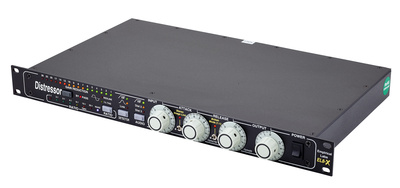
Because live vocals are dynamic by nature, compression becomes an essential tool for maintaining consistent clarity. The idea is to push softer vocal phrases forward in the mix, while controlling the peaks. Starting with moderate ratios (2:1-4:1), then adjust the threshold so that the compressor is only working during the louder passages.
Ensure that the attack time is sufficiently set to grab the peaks, but still slow enough so that the punch of the natural vocal transients is preserved. Meanwhile, the release time should follow the vocal phrasing without pumping. Using too much compression on vocals is an easy mistake in live sound.
With too much gain reduction present, feedback becomes a higher risk, as well as stage spill, because of the raised noise floor. What’s more, it reduces the impact of pivotal emotional content. Monitoring is a key factor, so check the compressor’s behaviour when using wedges vs IEMs. Parallel compression is also useful because you can balance a subtly compressed signal with a more processed one for clarity and consistency.

Mixing Live Vocals: Stage Spill and Feedback
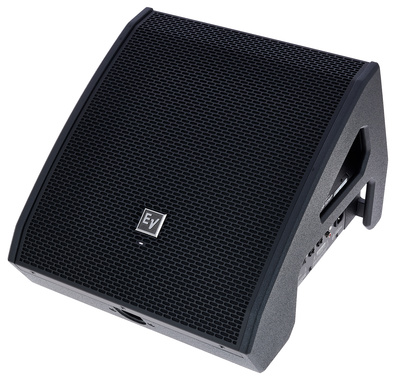
Controlling feedback is an important part of mixing live vocals. Here, aspects like mic choice, environmental stage volume, speaker placement, EQ, and the overall gain structure all play a role. Tools like feedback suppressors and graphic EQs can aid the process, but they are not a substitute for a well-designed sound system and good engineering techniques.
Keep your stage volume as low as is practically possible, and be sure to angle the stage monitors toward the null points of the mics. With excessively loud drums and guitar amps, vocal levels are forced up, which reduces the amount of clarity and headroom. To tackle recurring feedback, you can apply narrow EQ cuts to problematic frequencies, and always ring out the stage monitors during soundcheck.
Also, stay frosty during the performance, because the acoustics in the venue change as soon as the audience shows up. Be wary of stage spill, too, because it can mask the vocal’s clarity and even trigger the compressor unnecessarily. With strategic mic placement, however, and gating, you can control dynamics on stage for better overall vocal clarity.

Mixing Live Vocals: Effects and Spatial Placement
We can add subtle expression and character to live vocals with delay and reverb, but only with intention and in small doses. If you overdo effects, you can actually lessen the overall impact and clarity of the vocals, especially in larger venues where ambience is a factor. For this reason, room and plate reverbs with short decay times are often preferred for adding presence.
Here, pre-delay is a key parameter, as it lets you preserve the vocal transients clearly before the bloom. Also, by using sidechain compression on delay and reverb effects, you can ensure they don’t blur the signal in any way. By keeping delays in time or even automated per phrase, we can also ensure clarity, and a slapback delay can thicken vocals without adding clutter.
Your choice of effects should always be based on the room and audience. What seems like a subtle use of reverb from the FOH position might actually be too much from the perspective of the balconies and side fills within a theatre. For most engineers, the levels of effects go down as venue size and natural ambience go up.

More about Mixing Live Vocals:
*Note: This article contains affiliate links that help us fund our site. Don’t worry: the price for you always stays the same! If you buy something through these links, we will receive a small commission. Thank you for your support!


This might also interest you