Acoustic vs Electronic Drums: What’s Best for You?
A closer look at the differences

 4,4 / 5,0 |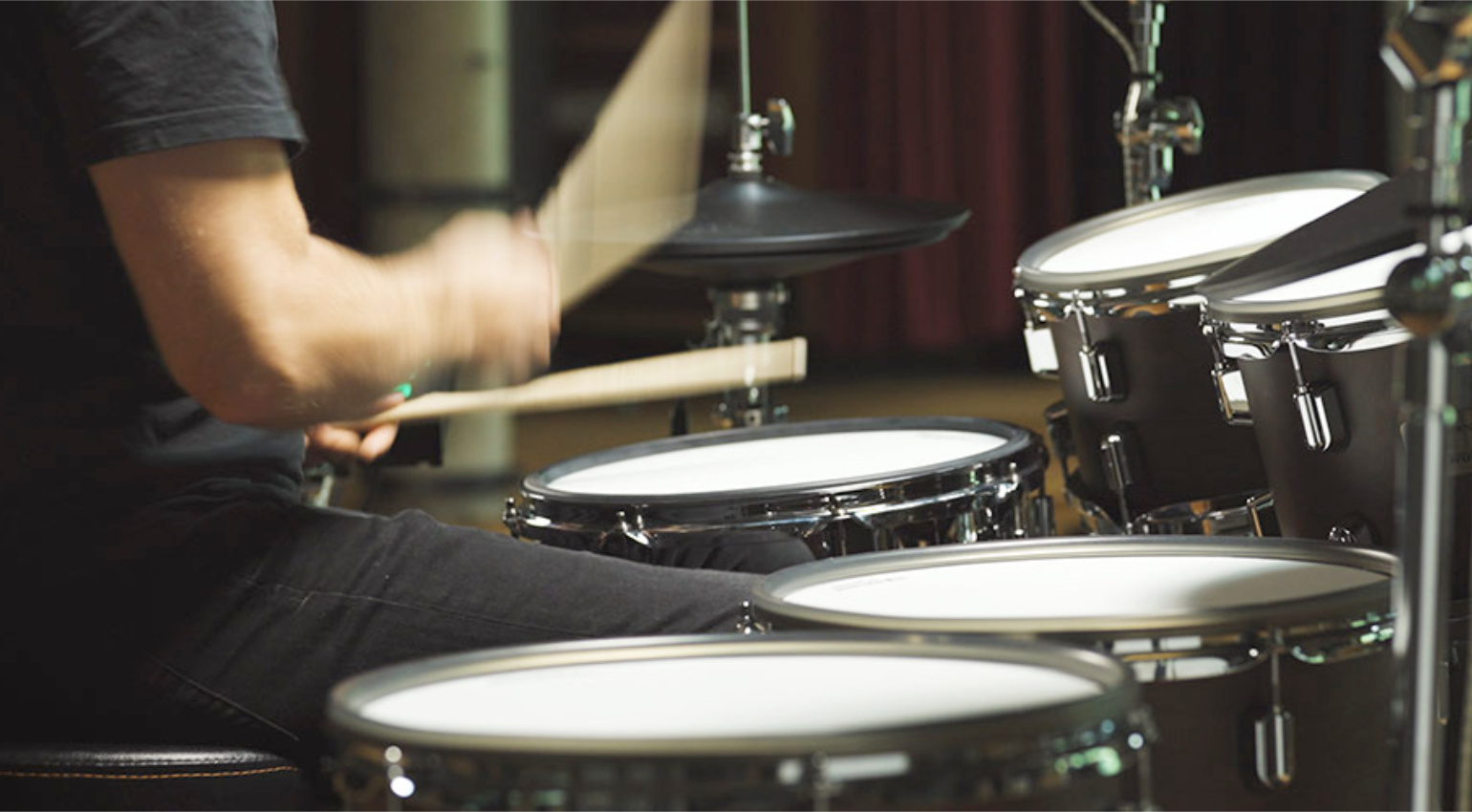

Acoustic vs electronic drums, when it comes to picking one or the other, each has its advantages and disadvantages. But if you’re just starting out with drums and don’t know which way to go? Let’s take a closer look.
Acoustic vs Electronic Drums: What You Need to Know
What matters most to you?
There was a time when electronic drums had a much more niche existence. But we’ve come a long way since then. There are still areas where complete electronic drum kits are a rare sight, such as on most stages, but in terms of sound and versatility, they are well worth a look.
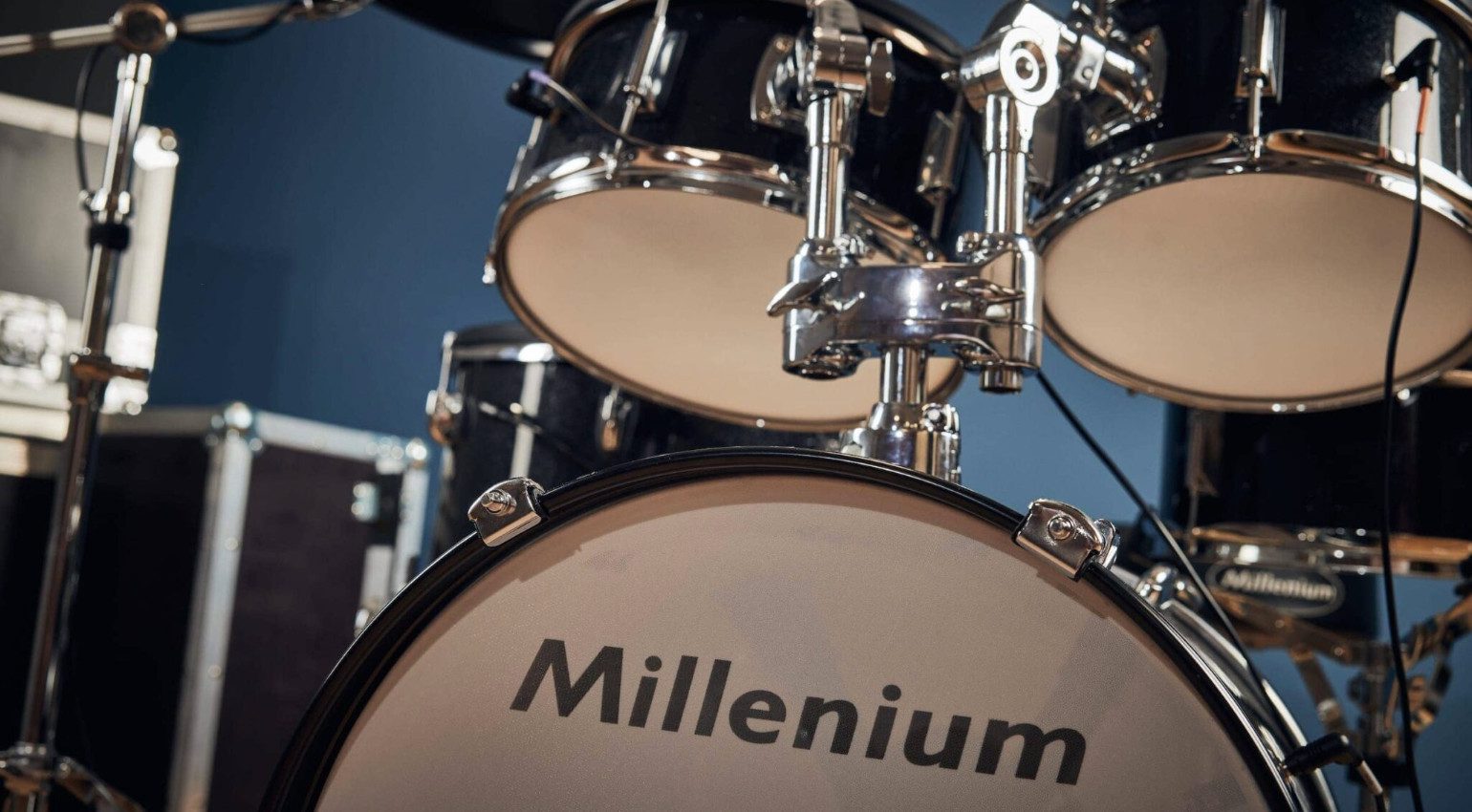
The four biggest aspects when it comes to acoustic vs electronic drums are feel, sound, space, and volume. We will look at each aspect in detail to make it easier for you to decide. In the end, nothing beats actually playing and testing drum kits in your local music shop. But with these pointers, you’ll have a much better perspective on the decision of acoustic vs electronic drums.
1: Feel – Massive Rims and Wooden Shells vs Mesh Heads and Rubber Cymbals
Hitting an acoustic drum or cymbal feels drastically different from hitting a mesh head on an electronic drum kit or a rubber cymbal. Neither is better or worse, but when it comes to choosing your side, this can make all the difference.

And the feel goes beyond when you hit a drum or a cymbal. As this instrument is among the loudest you can play, you will literally feel its sound waves and resonances impact your body once you hit a drum. That is almost impossible to recreate with electronic drums. However, there are specialized drum amps designed to address this.
#2: Sound – Acoustic Versatility vs. Electronic Sampling Universe
You can get myriad variations from a single drum or cymbal, let alone a whole kit. Playing ghost notes, flams, and rolls each produces a distinct sound. But it’s still wood sticks hitting metal and plastic, so you can’t drastically change the sound of your bass drum or hihat and replace it with, say, a synth or a vocal.
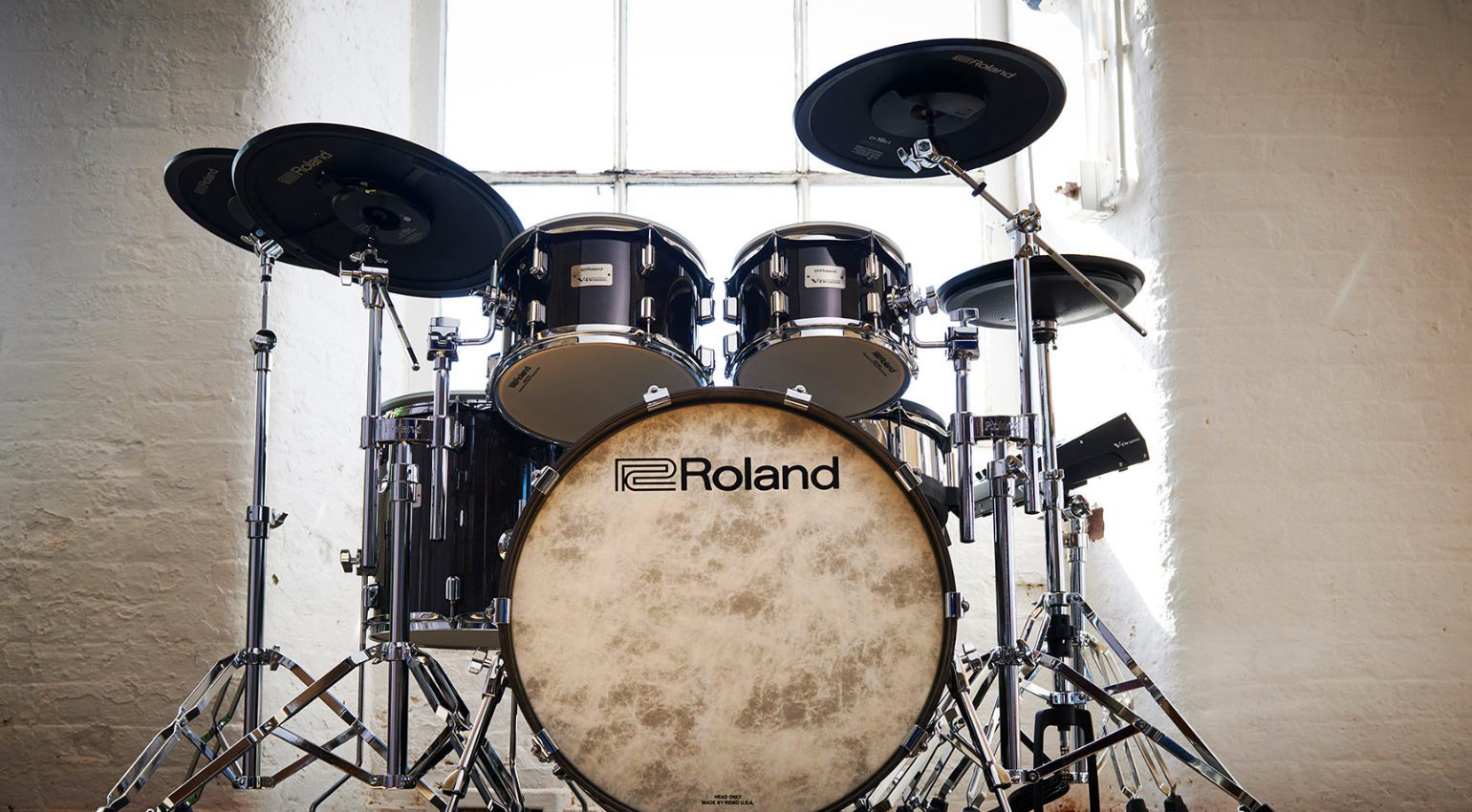
Some electronic drum kits now come equipped with incredibly sensitive sensors and extremely detailed sampling. That will often create realistic-sounding beats and grooves, with funky ghost notes, thundering flams, and gradually opening hihats.
But then you can also play whatever sound is in your head on an electronic drum kit. From legendary hip-hop sounds like the TR-808 to samples from old records to your neighbor’s cat.
#3: Space – Rehearsal Space or Bedroom
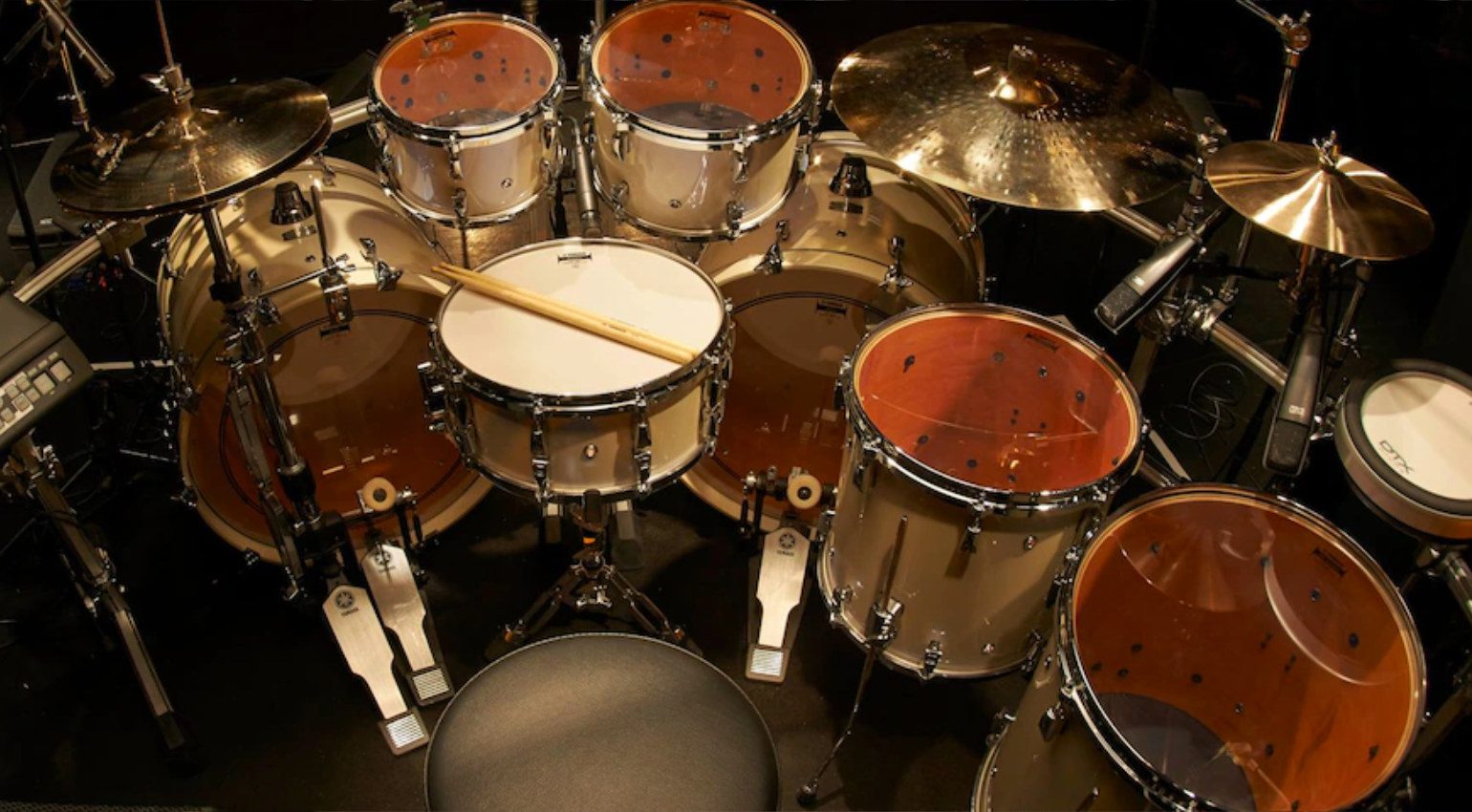
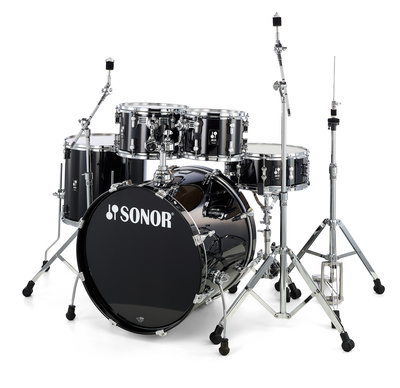
A drum kit is one of the most spacious instruments in most band contexts. Outside of gigantic cabs or amps (which, in the age of amp modeling, are slowly disappearing), having four to five wooden shells, plenty of hardware to surround them, and a set of cymbals can take up a lot of space, both in a rehearsal room and on the road.
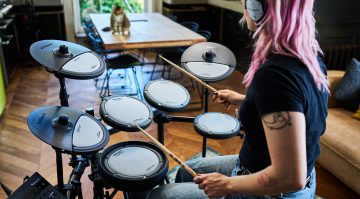
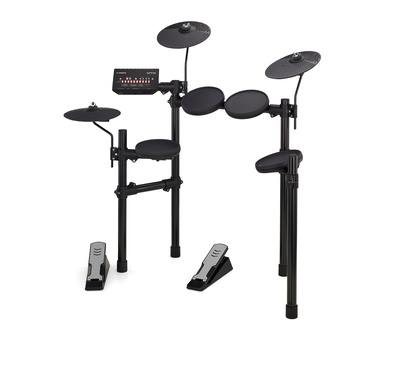
Most electronic drum kits take up much less space. You still need around 2-3 square meters to set it up in most cases. But that is much less than what most acoustic kits require.
#4: Volume – Thunderstorm vs. Happy Neighbors
Few instruments are as unusable in apartments with thin walls and sensitive neighbors as acoustic drums. Plus, even if you’re the smoothest jazz drummer, the wooden kit’s resonances will permeate any wall next to an overly sensitive neighbor. You either need a basement, a well-isolated garage, or a dedicated rehearsal room.
This is one of the biggest advantages of electronic drum kits. You can easily set up a kit at home! Depending on your playing style and the genre you prefer, there will still be audible bumps from your double-bass playing. But it’s far from the sonic madness that acoustic drums create.
Conclusion: Acoustic vs Electric Drums – Natural Feeling or Endless Sounds
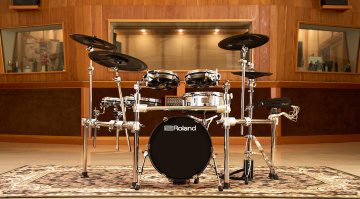
Again, these days, neither choice is “better” or “more musical” than the other. For many, there are practical decisions to be made where using an electronic drum kit is the only way drumming is even possible. For others, the endless sonic possibilities of sampling drums are what draw them to e-drums like Roland’s V-drums.



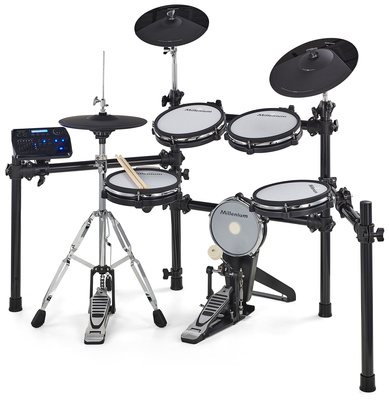

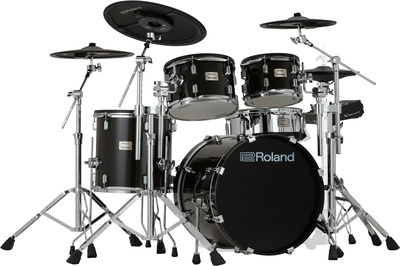
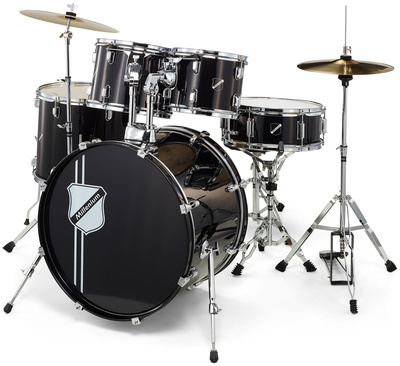
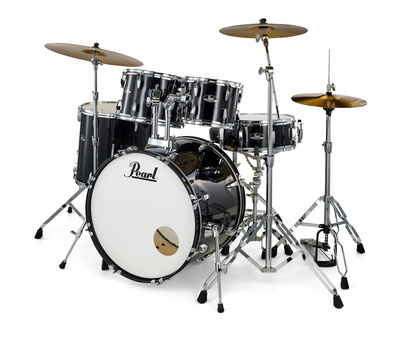
For others, the feel and sonic impact of acoustic drums is just too essential to the experience. Some solutions include setting up dedicated drum amps to experience at least part of this sonic impact. But acoustic drums are still unmatched in most stage scenarios, especially for cymbals, in both feel and sound.


FAQ: Acoustic vs Electronic Drums
Are Electronic Drums Better Than Acoustic Drums?
There’s no winner in the acoustic vs electronic drums debate. Acoustic kits deliver a more natural feel and dynamics, while electronic drums win on flexibility, volume control, and features.
Which Is Better for Beginners: Acoustic or Electronic Drums?
Both can work. Acoustic drums are often more affordable and can be better for developing technique. In comparison, electronic drums are easier to practice at home due to lower volume and built-in learning tools.
Can You Use Electronic Drums for Live Performances?
Yes, but it depends on the genre. Acoustic drums are still preferred for most rock, metal, and live settings, while electronic kits are increasingly common in pop, gospel, church music, electronic, and hybrid setups.
Are Electronic Drums Quieter Than Acoustic Drums?
Yes, much quieter. If you’re looking for a quiet drum kit or drums for apartment use, electronic kits are the obvious choice. With these kits, you can practice with headphones, while acoustic drums are loud enough to bother neighbors.
Are Electronic Drums Good for Recording?
Yes, and they are often more practical, too. Electronic kits simplify recording drums at home by letting you capture clean audio or MIDI without setting up microphones or relying on room acoustics.
More on Acoustic vs Electric drums
This post about acoustic vs electronic drums contains affiliate links and/or widgets. When you buy a product via our affiliate partner, we receive a small commission that helps support what we do. Don’t worry, you pay the same price. Thanks for your support!

This might also interest you