75 Years of the Telecaster: Why This Guitar Still Does It All Today
2026 will be a Big Year for Fender

 3,7 / 5,0 |
75 Years of the Telecaster: Why This Guitar Still Does It All Today · Source: Thomas Nanos / Alamy

2026 will be a special year for guitarists – 75 Years of the Telecaster! That means the 75th anniversary of the Telecaster is coming up – wow. They are embedded in Fender’s 80th anniversary and the 75th anniversary of the Precision Bass. These three anniversaries provide a great opportunity to explore the history and success of the Telecaster.
All About 75 Years of the Telecaster
The Telecaster is not a guitar you hide behind. Those who play it choose to forgo frills, luxury, and excuses. It has a board, two pickups, and a few electronics – the rest is up to you. This is precisely why the Telecaster remains a projection screen for attitude, style, and musical honesty to this day.
Perhaps its greatest secret is that the Telecaster doesn’t want to be anything it isn’t. It is a tool that does not adapt – it requires you to adapt. Seventy-five years of the Telecaster is a journey from the birth of the solid-body electric guitar to the present day.
From the Esquire to the Telecaster – 75 Years of the Telecaster
When the Telecaster was introduced in the early 1950s, its existence was anything but guaranteed. Electric guitars already existed, but they were mostly hollow jazz instruments that were prone to feedback. They were also expensive and complicated to manufacture.
Leo Fender recognized this problem but thought more pragmatically than his contemporaries. His idea was a guitar that could be mass-produced, easily repaired, and consistently reproduced. The result was the Esquire, a single-pickup guitar that was radically simple and is now considered a valuable investment.
Shortly thereafter came the Fender Broadcaster. It had two pickups, a solid body, and a bolt-on neck. However, the name didn’t last long. Gretsch already owned the rights to “Broadkaster.” Fender reacted pragmatically by simply removing the model name from the headstock. Thus began the legendary “Nocaster” phase.
It wasn’t until 1951 that the name “Telecaster” caught on. It was a term that perfectly suited the times, as television was considered the technology of the future and a symbol of progress. The Telecaster became the guitar of a new era.
From Being a Workhorse to a Style Statement
By the 1960s, the Telecaster had begun to move away from its purely functional purpose. While it remained a tool, it increasingly became a statement. While other guitar models became more opulent, heavier, and technically complex, the Telecaster remained true to its core.
This is no coincidence. The Telecaster is perfect for musicians who don’t want to stand out but have to. Its sound carries without being obtrusive. Its look is clear and almost austere. This is precisely why it is constantly being rediscovered in new scenes, often as a counterpoint to dominant trends.
In punk and indie contexts, the Tele represents a rejection of glamour. In studios, it is considered a reliable problem solver. In modern pop and alternative music, it is often deliberately used to give digital productions back their edges, corners, and real transients.
75 Years of the Telecaster: Design Without Compromise
What seems obvious today was a minor revolution at the time. The Telecaster is not a work of art; it is engineering applied to wood.
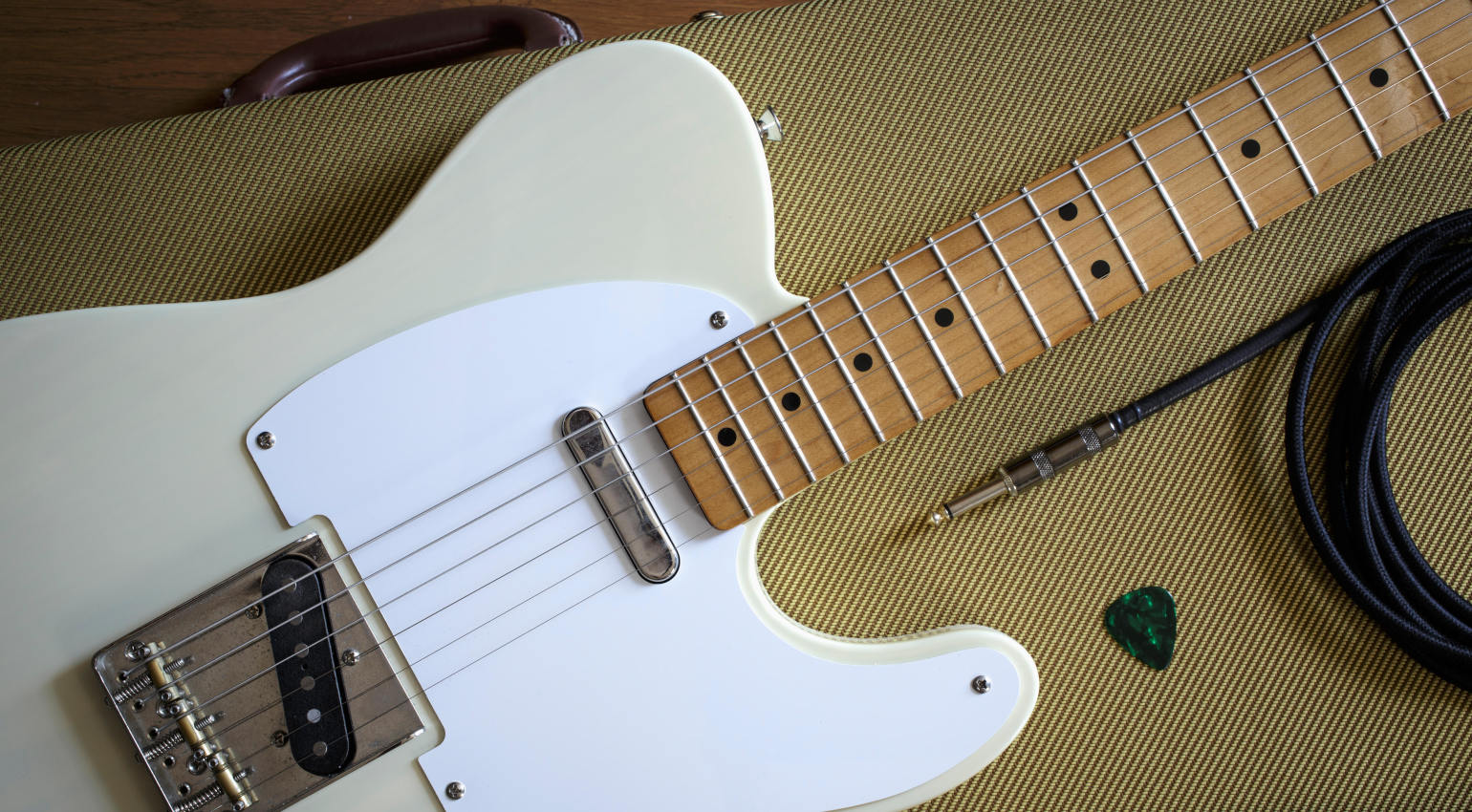
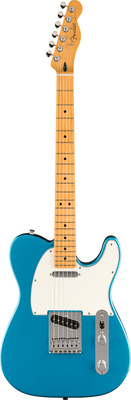
Its bolted neck allows for quick replacement and precise manufacturing. The flat ash or alder body can be efficiently milled and painted. The electronics are easily accessible, the wiring is logical, and the components are durable (as long as you don’t mind the slight hum).
The bridge construction is particularly important for the sound: the bridge pickup sits on a solid metal plate, and the strings run through the body. Attack, twang, and presence are not accidental, but rather a result of the design.
This makes the Telecaster one of the first guitars designed as a consistent system, where the wood, hardware, and electronics interact functionally and can be exchanged and adapted. No element is merely decorative (except for the finish). Everything has a purpose.


The Telecaster’s Sound DNA
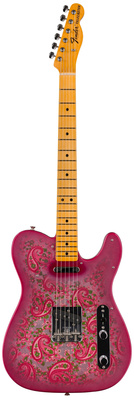
The Telecaster’s sound is polarizing – you either like it or you don’t. When played clean, it sounds wiry, direct, and almost unadorned. Chords hang in the air without blurring. Single notes have contour and are clear and distinct.
With a slight crunch from a gently driven tube amp, the Tele begins to growl. The famous bridge pickup delivers a mixture of aggression and clarity that asserts itself easily in the band structure and has a place in many – if not all – musical genres. In a mix, the Telecaster is almost always identifiable as such.
Even with gain, it remains surprisingly controlled. It compresses less than humbucker guitars and doesn’t muddy up as quickly, but it demands clean playing in return. You could say that the Telecaster rewards precision and punishes sloppiness. For many guitarists, that’s exactly the appeal. Perhaps that’s the reason for my love of the Les Paul.
A Workhorse Instead of a Status Symbol
For 75 years, the Telecaster has stood for one thing above all else: the guitar as a professional’s tool. It’s favored by dance musicians, studio guitarists, and country players – people whose instruments have to work night after night.
The Tele is reliable and stable enough for any stage. It can be repaired, rebuilt, and modified. And it always sounds like a guitar.
This is precisely why it later found its way into genres for which it was never originally intended – partly because those genres hadn’t been invented yet. Rock ‘n’ roll, punk, indie, and alternative music all have one thing in common: the Telecaster.
75 Years of the Telecaster: Why This Design Is Still Effective Today
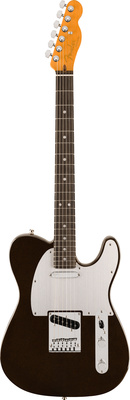
75 Years of the Telecaster: Since its introduction, the Telecaster has been much more than just a model. It is a blueprint, a reference, and a starting point. Hardly any other electric guitar has been copied, interpreted, and reimagined so often – and retained its core so consistently.
Whether vintage-oriented, modernized, boutique, or mass-produced: A Telecaster is always instantly recognizable.
Even in 2026, for me, the Telecaster doesn’t stand for nostalgia but rather an idea that couldn’t be more relevant today: Less stuff. More music.
75 Years of the Telecaster – Variants: One Concept, Many Faces

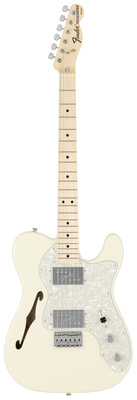
Although the Telecaster’s basic design is pure, it has never been static. Early on, Fender began expanding the concept without compromising its integrity.
The classic Blackguard specifications remain the benchmark to this day: an ash body, a maple neck, two single coils, and simple circuitry. These features represent the archetypal Tele sound.
However, more modern interpretations are constantly emerging, such as more comfortable neck profiles, flatter radii, noiseless pickups, and more ergonomic body edges. Electronic variants, such as four-way switches and modern wiring concepts, have also long been established.
Particularly exciting are the variations on the basic model: Telecasters with humbuckers, P-90s, Bigsby vibratos, and baritone scales. Models from Suhr, Charvel, and Harley Benton demonstrate the design’s flexibility without losing its identity.
75 Years of the Telecaster: What will 2026 Bring?
The fact is that 2026 marks several milestones for Fender. In addition to the 75th anniversary of the Telecaster, Fender is celebrating the 75th anniversary of the Precision Bass and the 80th anniversary of the company’s founding. For the manufacturer, these are no casual dates.
It’s reasonable to expect limited-edition anniversary models with historical references, special finishes, or slightly modified specifications. Fender has demonstrated in the past that anniversaries are more about curated retrospectives than technical revolutions.
Even if you don’t get your hands on any of the expected anniversary models, an anniversary logo doesn’t make a guitar better. The neck profile, weight, pickups, and setup remain the most important factors. So, if you’re considering a Telecaster in 2026, look for an instrument that suits your playing style, not gold hardware.
In Practice: Finding the Right Telecaster
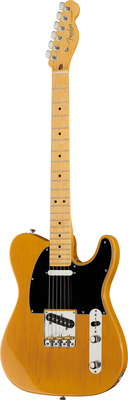
If you’re looking to buy a Telecaster, there are a few key points to focus on.
The neck profile is important. Telecaster necks vary more than many people expect, ranging from classically thick (“baseball bat”) to modern and slim. The bridge pickup is equally important because it determines whether the famous twang is inspiring or annoying. Noiseless pickups are a good addition to a classic setup because nobody likes noise.
Setup issues are also not trivial. String saddles, pickup height, and string gauge particularly influence the Tele’s response and intonation. Small adjustments can mean the difference between “too biting” and “perfect in the mix.”
The good news is that hardly any other guitar responds as directly to fine adjustments as the Telecaster does.
Conclusion: 75 Years of the Telecaster and Still Going Strong
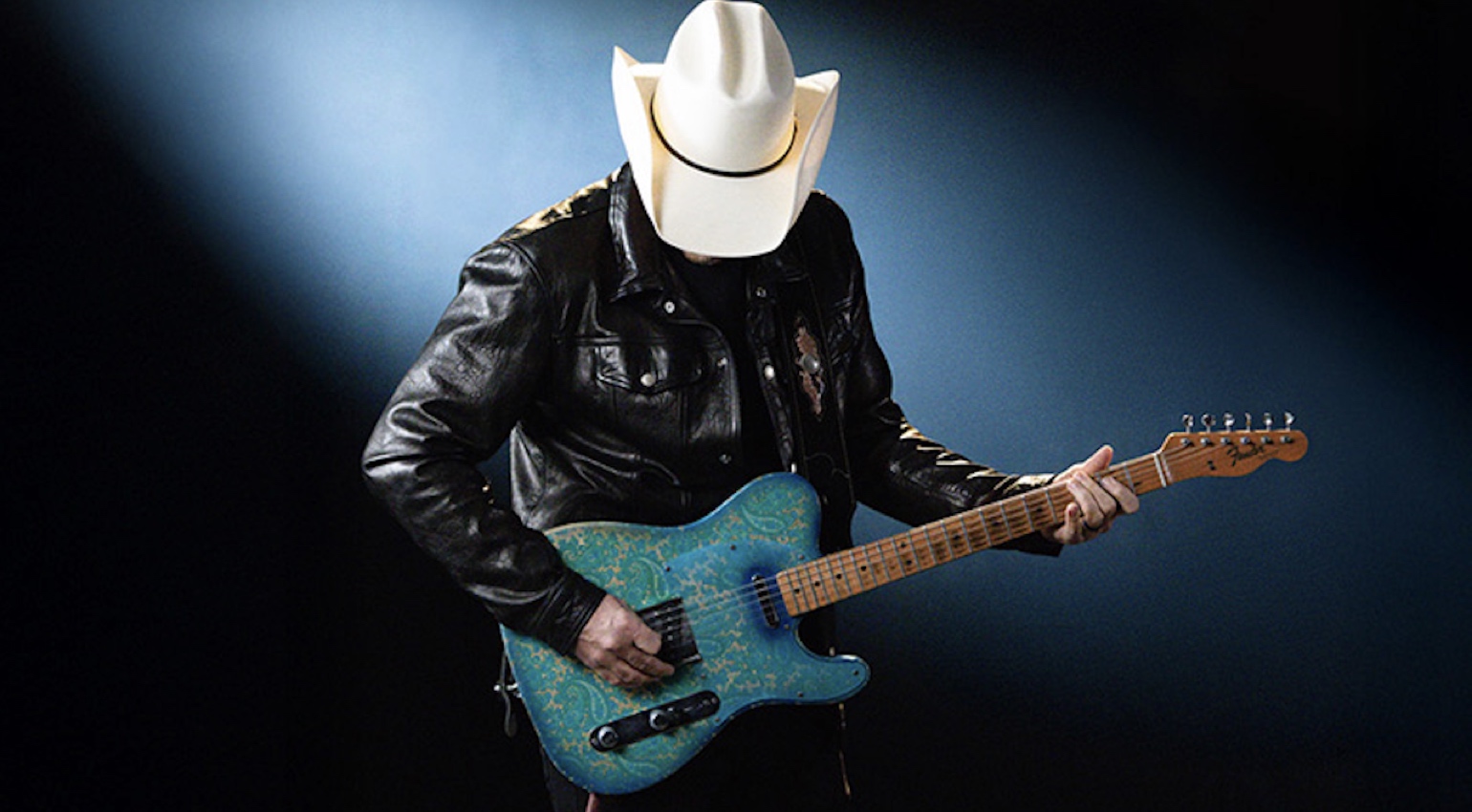
The Fender Telecaster has stood the test of time. Its design is proven and mature. Its design has endured for 75 years because it is based on a simple truth: Good tools need no explanation.
That’s why 2026 is not a nostalgic look back but a reaffirmation. The Telecaster works today for the same reasons it did in 1951 – it leaves musicians room to breathe.
In other words – 75 years of the Telecaster: Happy anniversary, Telecaster!
*The original article was written by Jan Rotring for GEARNEWS.de.
*Note: This article on 75 years of the Telecaster contains affiliate links that help finance our website. Rest assured, the price for you always remains the same! If you purchase something through these links, we receive a small commission. Thank you for your support!


This might also interest you