5 Amazing Synth Presets That Changed Pop Music!

 5,0 / 5,0 |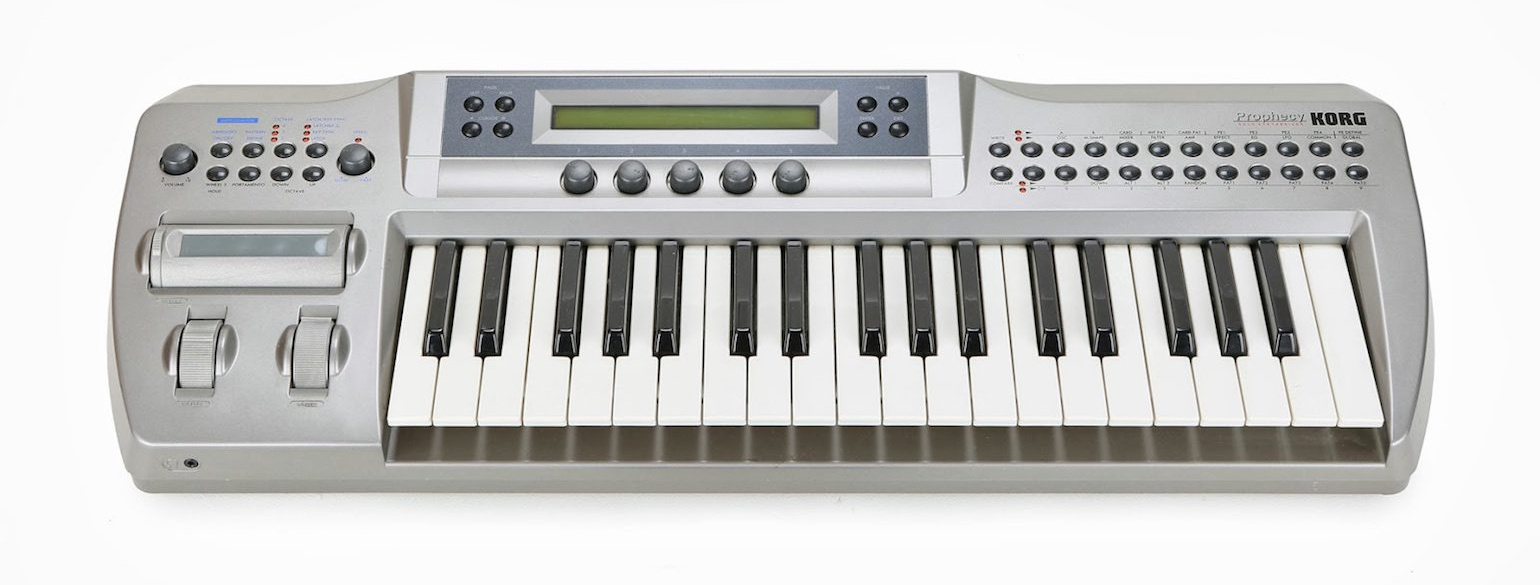

We take a look at 5 presets that dominated pop music and shaped what we heard during the golden age of synth pop. Did your favourite make the list?
For some very strange reason, many people consider it a sin to use synth presets on their tracks, like there’s some sort of ‘Ten Commandments of Synths’ that starts with, “Thou shalt not use presets lest you be banished to the kerb“, or some such waffle.
Absolute rubbish, I say! Many people spent huge amounts of time coming up with sounds that truly make a synth shine, and some people simply ignore them! Thankfully, many great musicians simply ignore this silly unwritten rule and go right ahead and use them!
If Prince or Jean-Michel Jarre can make entire albums that would serve as the greatest hits of the D-50 (Lovesexy and Revolutions, respectively), then that’s good enough for me! Strangely, and maybe somewhat controversially, there are no D-50 patches in my list!
However, one of the problems with a popular preset is that it gets used to death. Everyone jumps on the bandwagon; half the songs on the charts all sound the same, and the preset soon loses its charm and becomes the butt of many jokes and jibes.
So what sounds did I pick? Read on below, and remember, this is just five of many presets that I could have chosen. Lists like this are purely subjective, and if you think I committed a cardinal sin and left your favourite presets out, let me know in the comments what they are!
5 Synth Presets That Changed Pop Music
Fairlight CMI – Preset: Orch2
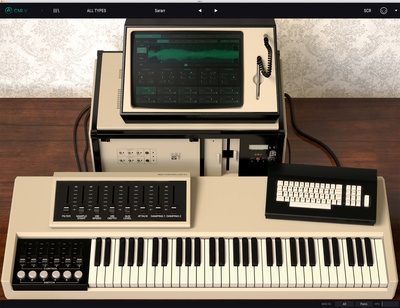
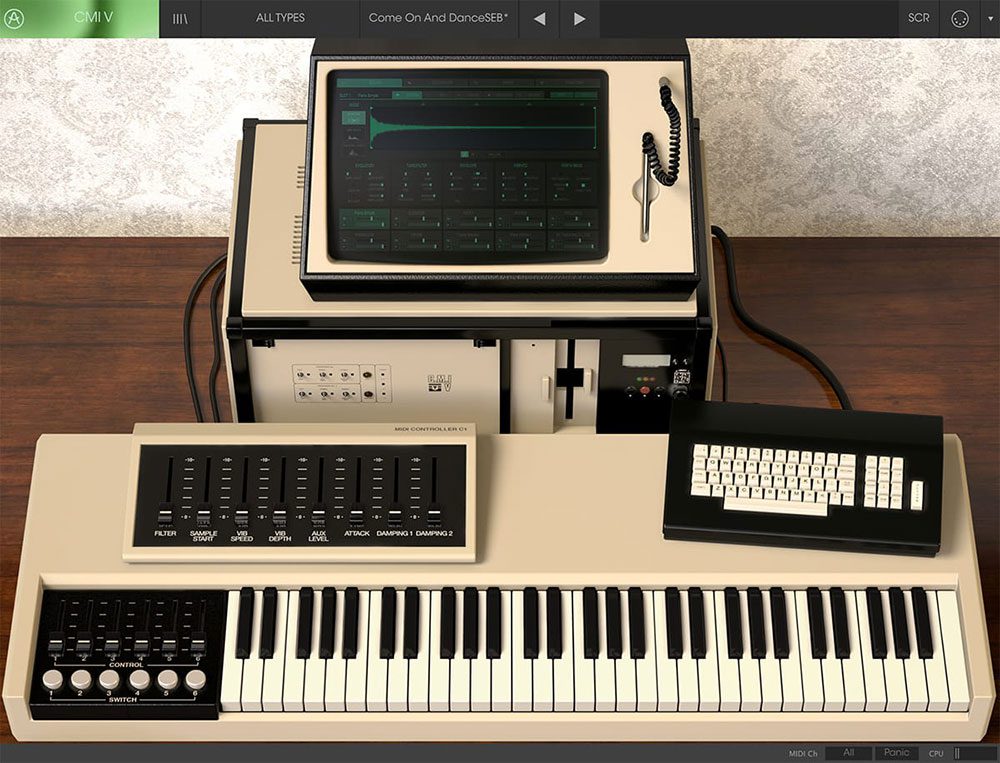
Forget presets that changed pop music; the Fairlight CMI literally changed the way we make music, let alone shape the sound of pop music. The first commercially available digital sampler – a description I have to use to appease those who see the Mellotron as a sampler (it isn’t!) – the Fairlight CMI not only brought sampling to the world of music-making; it was also the beginning of the DAW.

Sampling introduced a whole new world of sonic possibilities, despite numerous people using it to do nothing more than silly noises and chipmunk voices. The likes of Paul Hardcastle’s smash hit, ’19’, as great as it was, simply treated the sampler as a stuttering machine, and we suffered for many months after with facsimile recordings.
However, one particular sample caught the ear and the creative imagination of many and that was Orch2, sometimes referred to as Orch5 due to Fairlight’s slightly “fluid” development of their factory library. The origin of this sound has become somewhat folklore these days. I interviewed Peter Vogel and David Vorhaus who both claimed to have created the original sample, so let’s just say they both did it!
The sample in question came from a recording of Stravinsky’s Firebird Suite, performed by London’s Philharmonia Orchestra, conducted by Josef Krips and released on the Classic for Pleasure label. It captures a rousing and rather large chord, played by almost all members of the orchestra and was perfect for the limited sample time of the original CMI.
Included in the factory library, it soon caught the ear of Arthur Baker and Afrika Bambaataa, who used it to great effect on Planet Rock. As more and more people gained access to the CMI, the use of this sample to accentuate drops and breaks became rather too common.
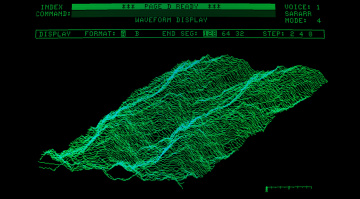
As the years wore on, many people created their own ‘orchestra stabs’, and it is still a staple within modern pop music to this day. Whilst the CMI had many fantastic presets that were used to great effect, such as SARARR, SWANNEE, KOTOBEND and more, Orch2 came to define the rise to prominence of digital sampling.
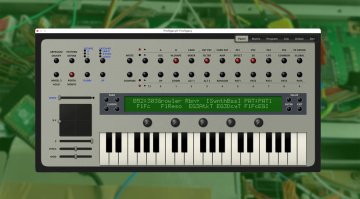
Check out the great work of Freshwater Instruments, who are helping keep original hardware Fairlight CMI’s alive!



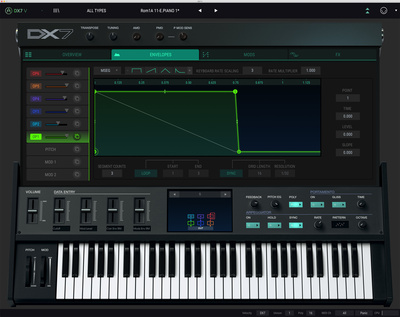
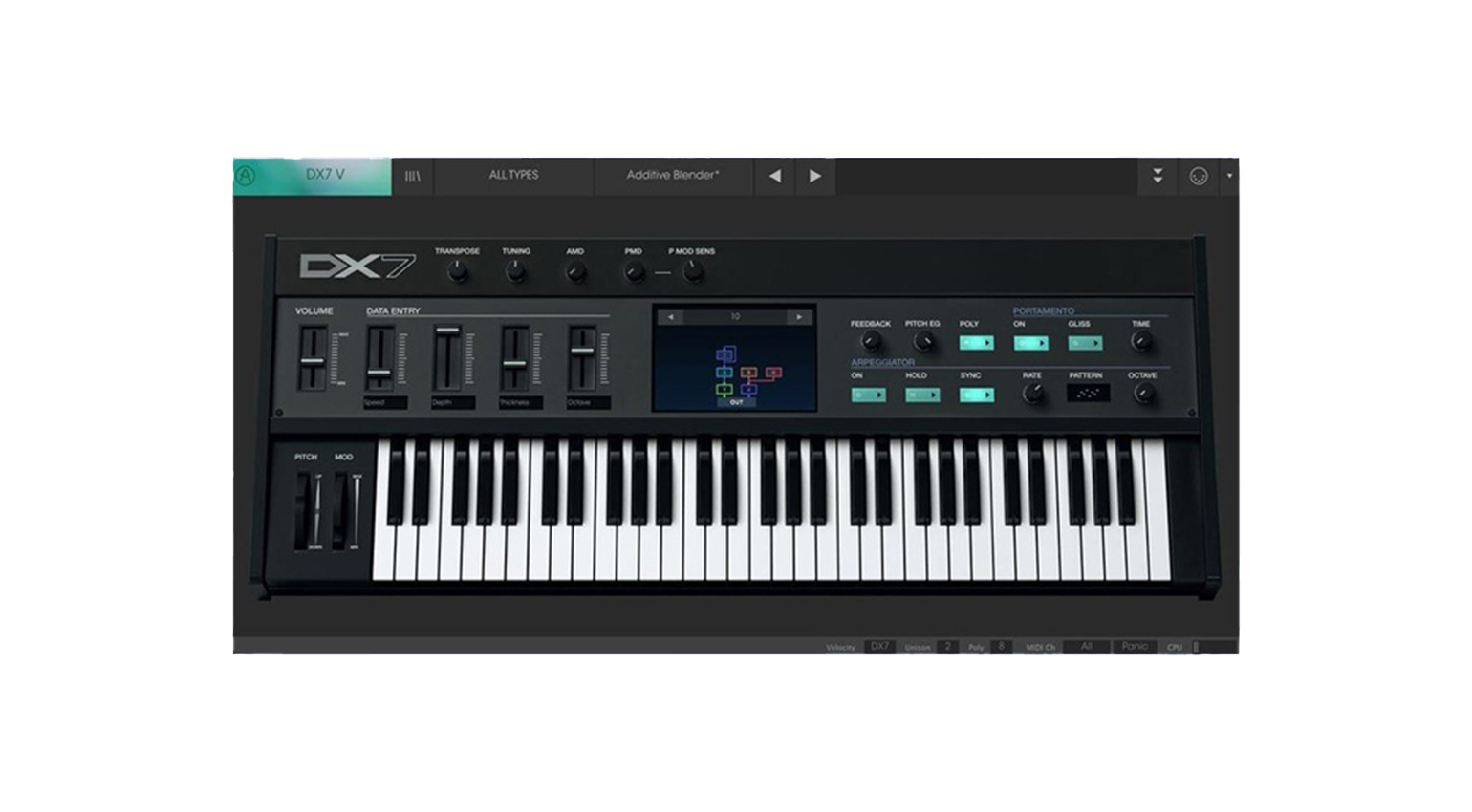
Yamaha DX7 – Preset: E.Piano1
C’mon… you knew I was going to include this one, didn’t you? Billed by some as the worst preset ever, the E.Piano1 patch from Yamaha’s DX7 may be one of the most used presets ever, a patch that pretty much defined the R&B, soul and jazz scenes for many, many years.
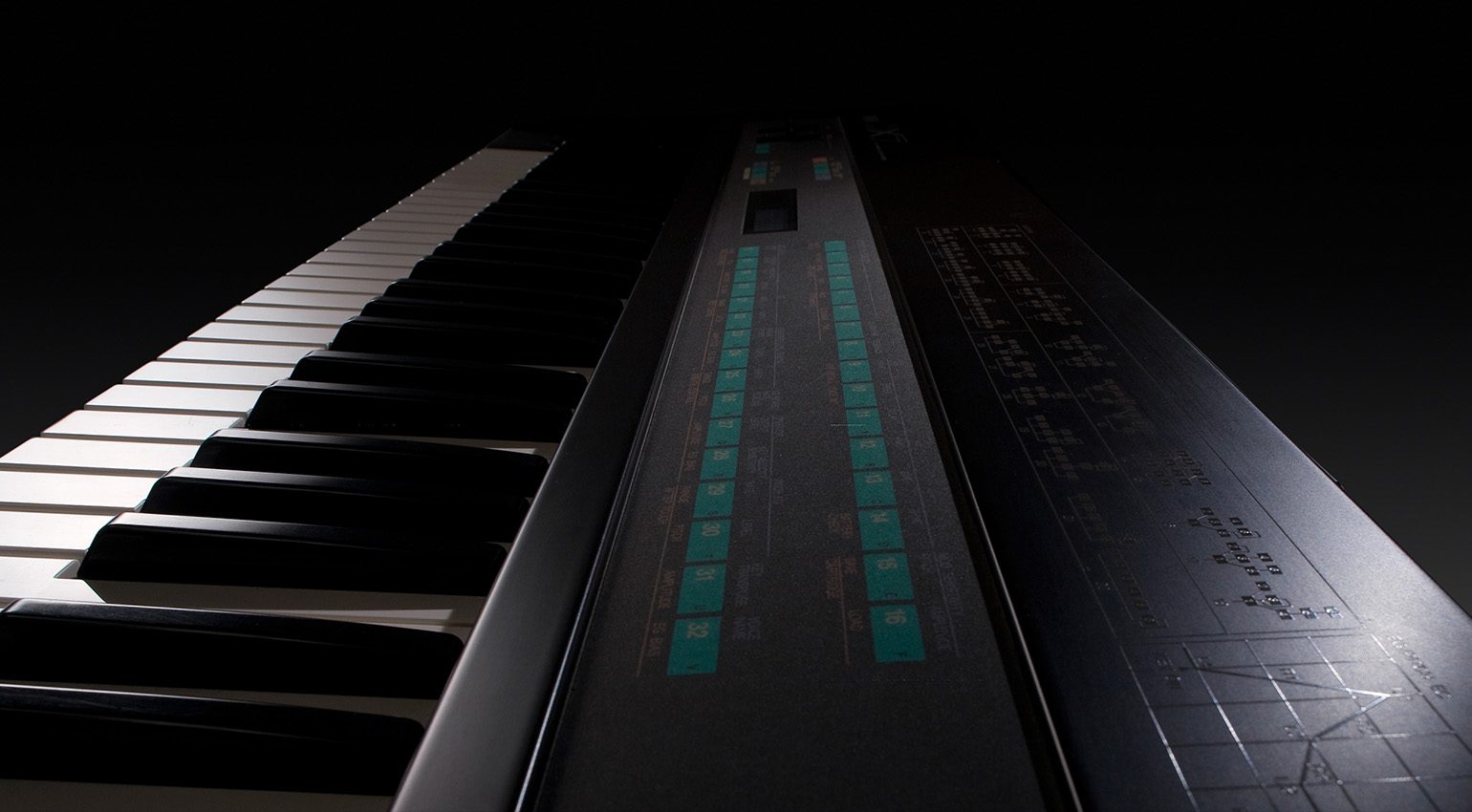
Designed by Gary Luenberger, who, along with Dave Bristow, put together the factory presets for the groundbreaking DX7, this patch was like someone had taken a Rhodes sound and polished it to within an inch of its life. It was clear, pristine and responded beautifully to velocity.
But despite the hate that is often thrown at the patch, and sometimes the synth itself, the sound was incredibly popular and the number of smash hit records that it appeared on suggests that, for a while at least, it was a sound that both musicians and listeners gravitated towards.
Personally, whenever I hear that sound, I am immediately transported back to the mid 80s and the smooching section of a late-night disco. And whilst it lent itself perfectly to those smooth ballads of the day, it also worked well in more upbeat tracks. It was the proverbial all-rounder and despite the airwaves becoming oversaturated with it, it heralded an era of pristine digital tones that continued for many years.
KORG M1 – Preset: Piano 16′
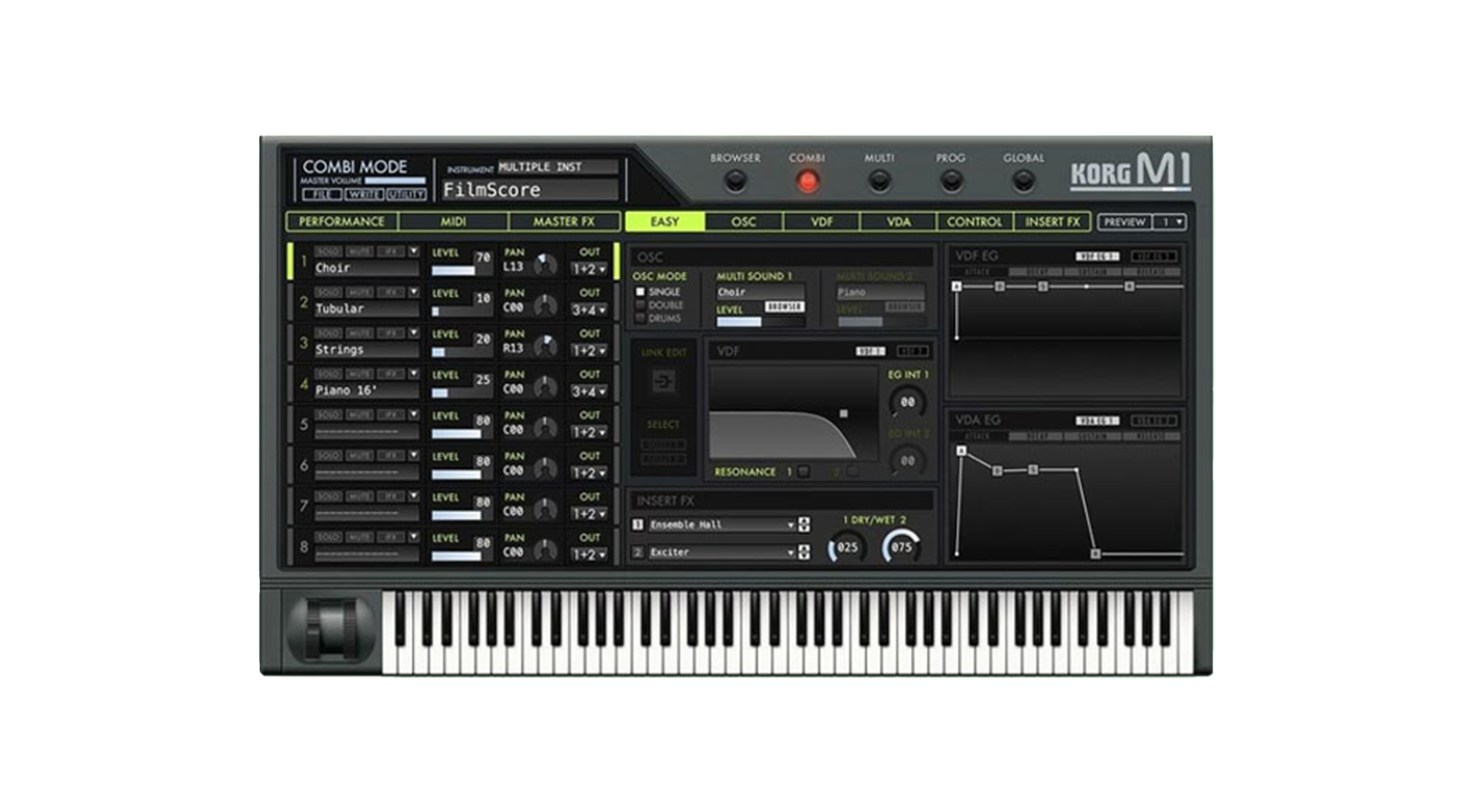
Another digitally created piano patch that became omnipresent and ubiquitous was the piano from the mighty KORG M1 workstation. Sounding not that close to a real piano, but close enough, the M1 Piano had an incredibly bright attack which made it ideal for punchy chords that cut through a bass-heavy mix.
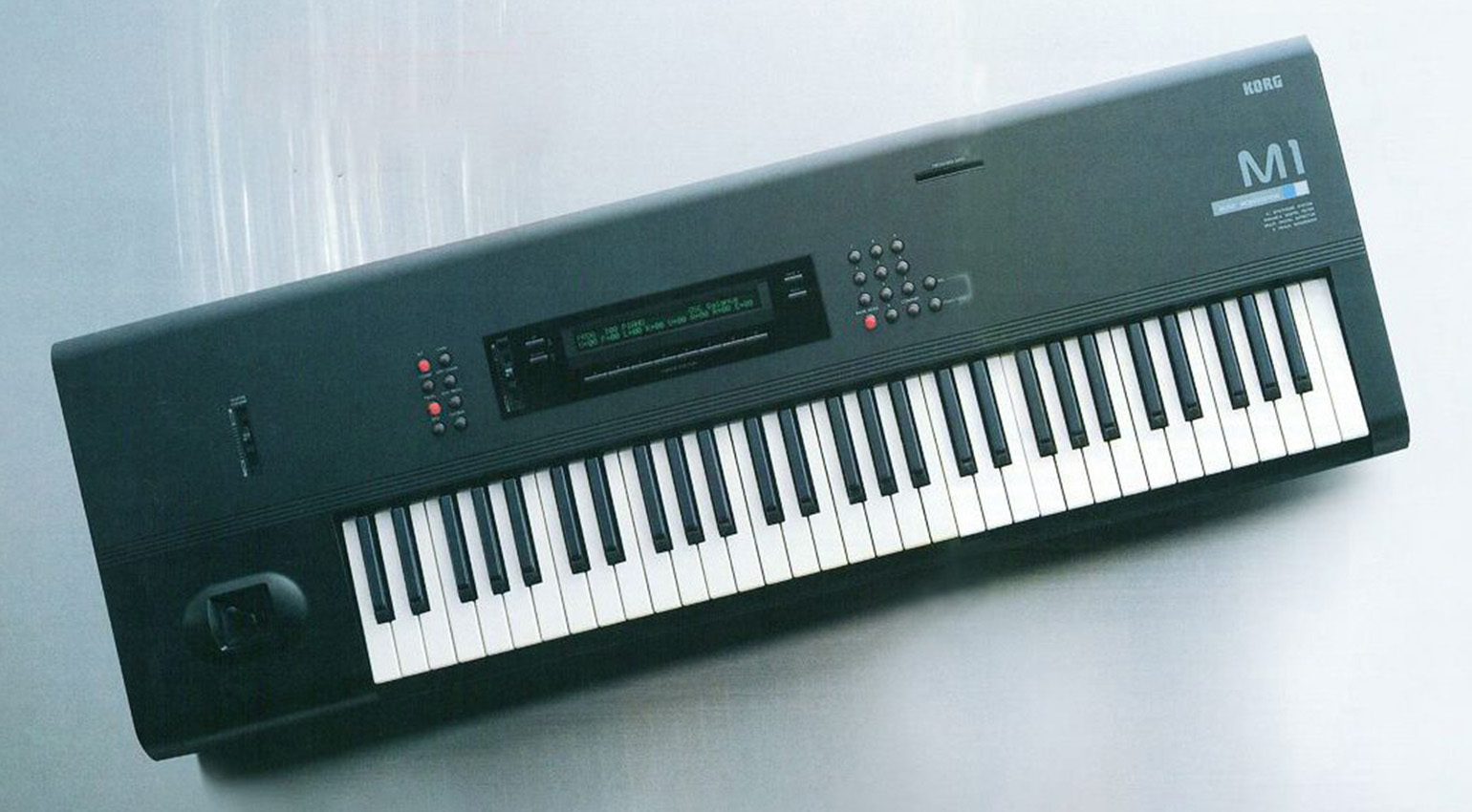
Therefore, it found itself a staple of House music and given that the M1 had already revolutionised the way people made music for a lot less money than a PC/Sampler/Synth setup, it ended up everywhere, much like the DX7’s E.Piano1 preset that preceded it.
In fact, the M1 had more than one incredibly popular preset that infiltrated the House music scene and that was the Organ Bass. This also had a nice, punchy attack portion and just like the DX7’s slap bass sound, really emphasised the bass in the mix.
But the M1’s Piano patch was, at one point, an absolute necessity in any club banger and when played as big 7th chords, seemed to deliver a sense of uplifting euphoria amongst the inhabitants of the dance floor. Or was that the chemicals? Ah, too long ago to tell!

Yamaha TX81z – Preset: Lately Bass
Much like the KORG M1 Piano, the TX81z’s ‘Lately Bass’ was ever-present in the dance music scene of the late 80s and early 90s with some studios and artists leaving that patch permanently selected, which in my opinion was a travesty as the TX81z, and its keyboard-endowed sibling, the DX11, was a very capable implementation of the second generation of Yamaha’s 4-Operator FM engine.
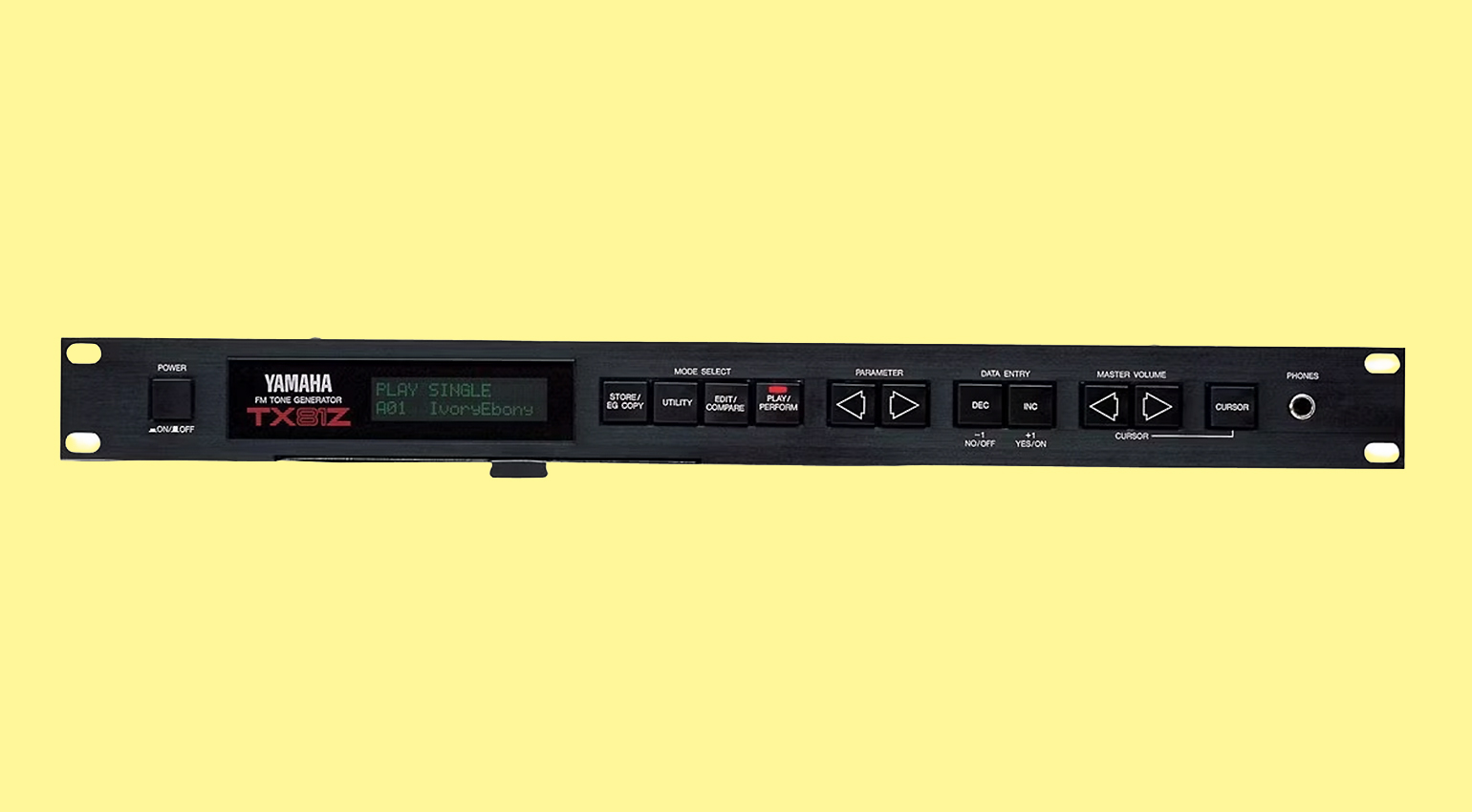
Lately Bass began life as Solid Bass on the DX21/27/100, a nice and thick bass sound that FM synthesis excelled at. But when that patch was translated to the TX81z/DX11, with their multiple operator waveforms, it notched it up a gear and became more punchy with some added fizz, too.
With many House, Techno and dance-oriented producers becoming increasingly bedroom-based, units like the TX81z were very popular as they were affordable and only took up 1U of rack space. Rumour has it that the patch was named after Janet Jackson’s floor-filler, ‘What Have You Done For Me Lately”, which is quite plausible.
The list of songs that use this classic bass tone goes on forever, but for me, Orbital’s ‘Chime’ is a great example, as are the tunes of Inner City, Adeva and a stack of classic Italo House. It’s still used today, and there are still many TX81z, forever stuck on that patch for a very good reason!
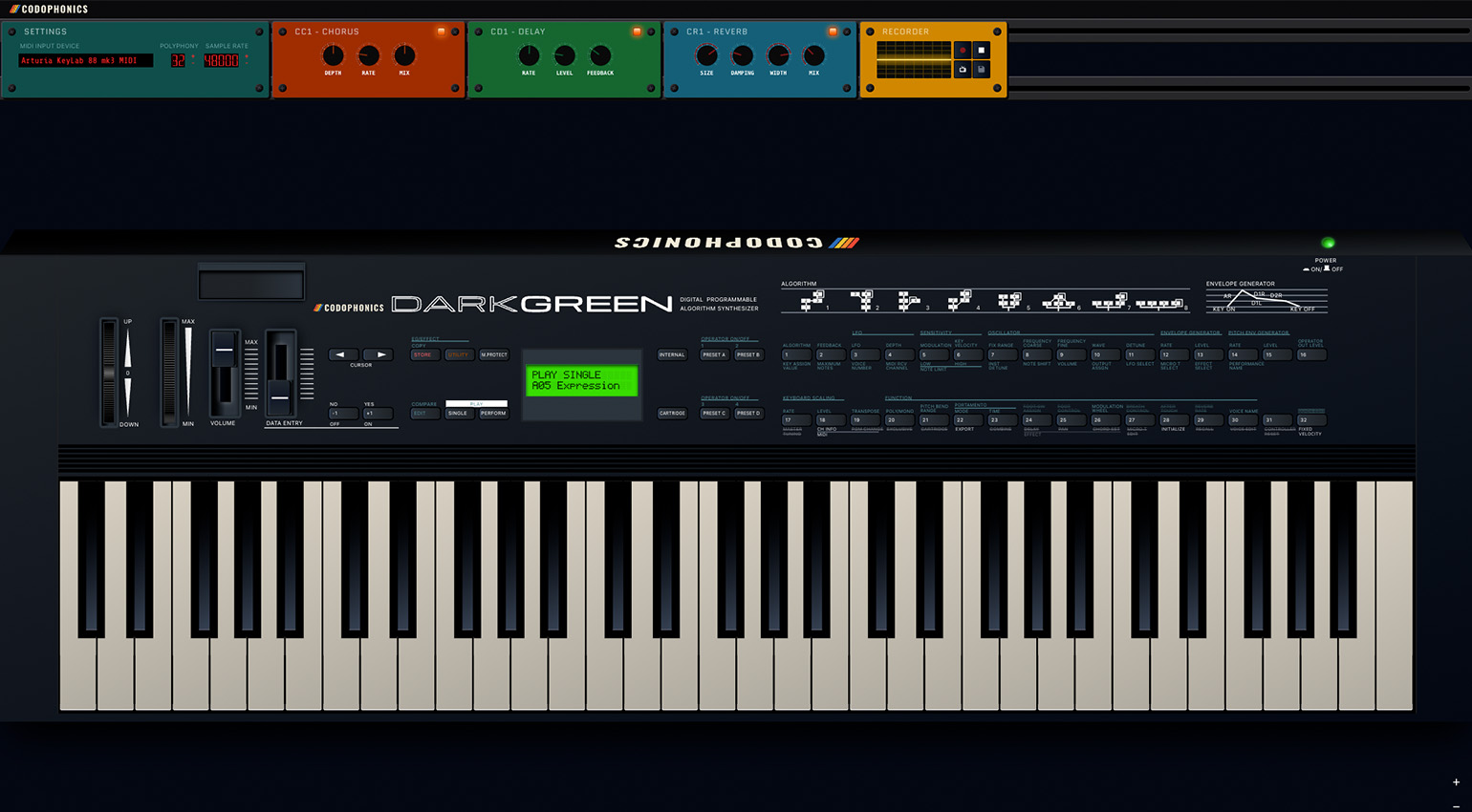
There’s never really been a great recreation of the TX81z, but check out the work of Codophonics, who have recreated the DX11 as a browser-based instrument with a view to making it into a plugin soon!
KORG Prophecy – Preset: 303Growler RBN
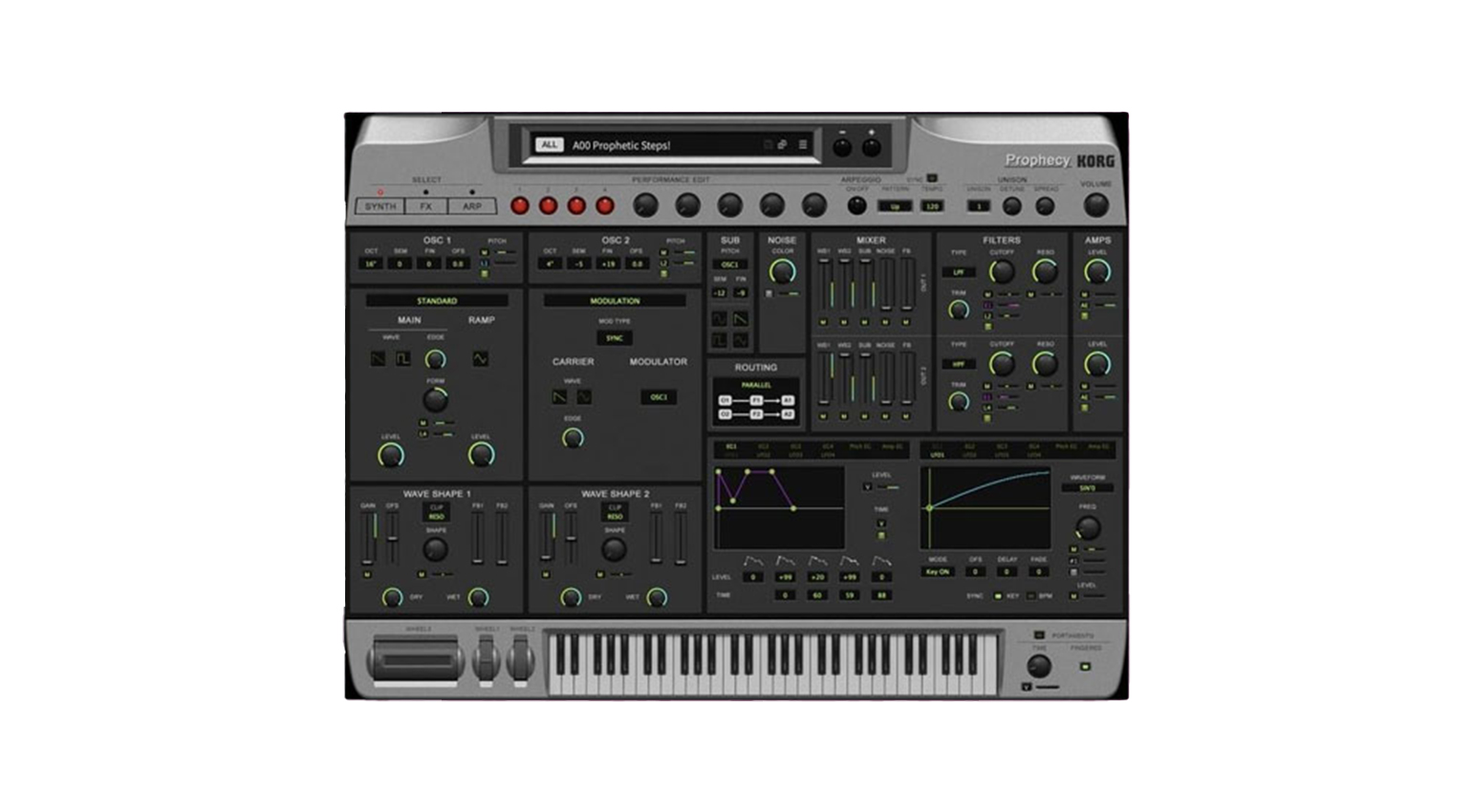
This last one might be somewhat contentious as it’s pretty much associated with one track by The Prodigy, from their ‘Fat of the Land’ album. But in this correspondents humble opinion, it was a bit of a watershed moment for virtual analog synths in popular music.
Sure, it was a clear recreation of the Roland TB-303 sound that had been popular for some time before the release of ‘Smack My Bitch Up”, but the Prophecy’s version seemed gnarlier, more aggressive and had attitude. And Liam Howlett was a huge Prophecy fan.
Like Jarre’s ‘Revolutions’ was almost an advert for the D50, ‘Fat of the Land’ was very much a showcase for the KORG Prophecy. Even though Yamaha had beaten KORG to release the first hardware physical model synth in the form of the VL1, KORG’s Prophecy was the instrument that really made an impression.
It was much more affordable, at around £1,300 GBP at launch, but it was both physical and analog modelling, so you had the choice of amazing brass and breathy winds, but also stunning Moog-like basses, searing miniKORG leads and, of course, that growling 303.

Coupled with plenty of expression controls such as aftertouch, three wheels and a ribbon, the Prophecy was an expressive player’s dream. I’d dismissed them out of hand at launch, questioning why anyone would spend that much money on a monophonic, 37-key synth at a time when 64-note polyphony and 32-part multi-timbrality were de rigeur. That was until I actually played one. I bought one on the spot.
A recent emulation of the Prophecy used the 303Growler patch as its demo, and it was instantly evocative and highly persuasive of its capabilities. Not a lot of synths have that magical combination of power and expression that the Prophecy had in spades.
In Conclusion
So that’s my small choice of 5 fantastic presets that had a huge impact on pop music back when they first appeared, but also still find plenty of use today. Of course, there are many other preset sounds that could have or should have made this list, but these were the first five that sprang to mind.
The moral of this tale is that you should never overlook the factory presets, as there are always great sounds in there that will inspire you and, as you have seen here, could go on to feature on a global smash hit anytime soon!
As I said before, if you feel strongly enough about a preset I left out, be sure to let me know in the comments. There are bound to be plenty!
*Note: This article contains advertising links that help us pay for this site. Don’t worry: the price for you will always be the same! If you buy something through these links, we will receive a small commission. Thank you for your support!

This might also interest you