1980s Synth Pop Production with Modern Budget Hardware – Perfect Match!
Travel back to the 1980s with this nostalgia-inducing gear selection.

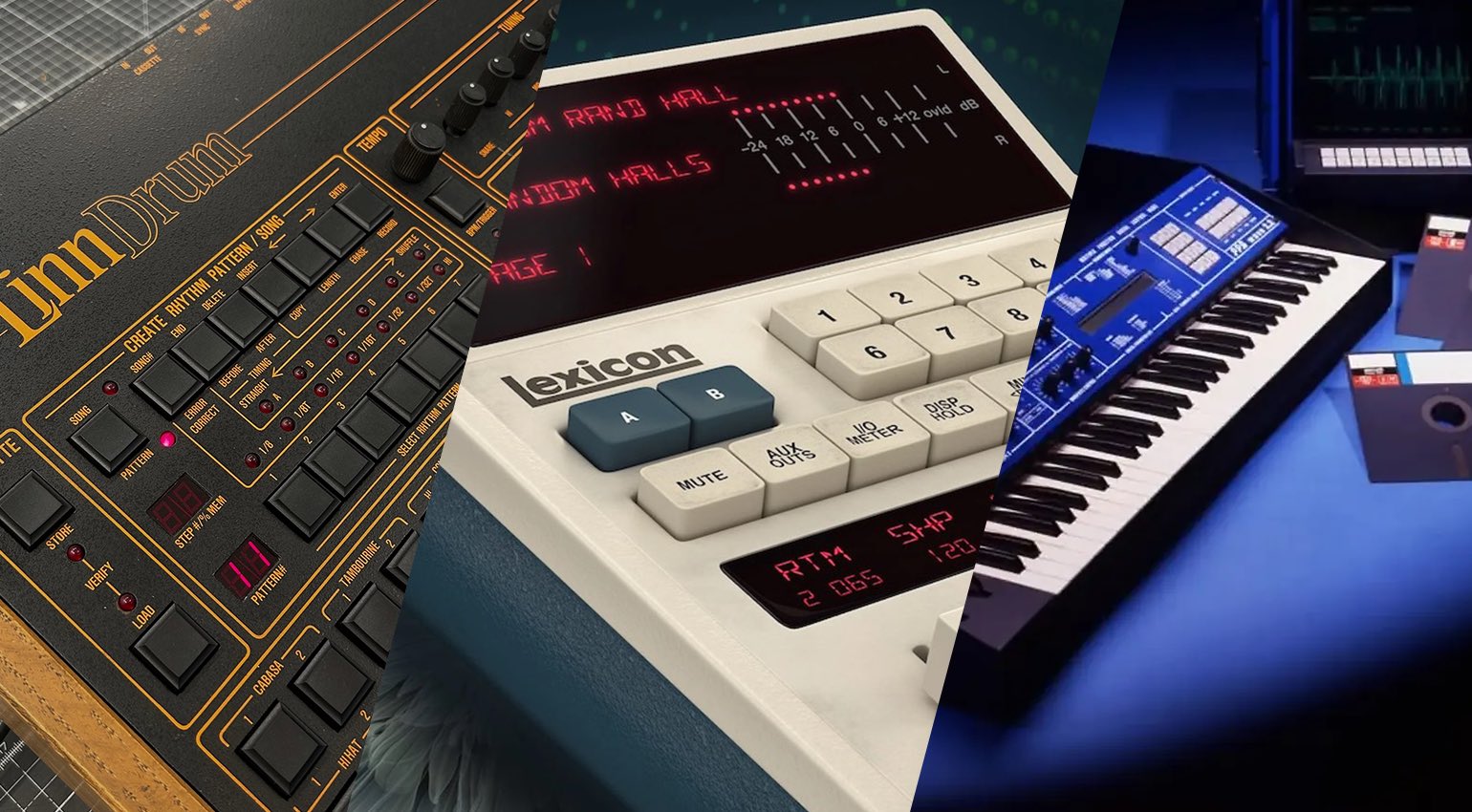
1980s Synth Pop Production with Modern Budget Hardware - Perfect Match! · Source: Vintage Synths and Co / Retrosound / Universal Audio / Instagram

Is it possible to put together an authentic 1980s synth pop production using affordable hardware? We’ve found gear that could be a Perfect Match!
In this Article:
The 1980s was the age of opulence in the music industry, with monstrous recording budgets, earth-shattering record sales, the rise of MTV, and the introduction of the compact disc (CD). Alongside this entertainment gold rush, the technology industry behind music production tools was also booming on all sides of the market.
While outlandishly expensive digital sampling workstations like the Synclavier and the Fairlight CMI provided cutting-edge sounds for those at the very top of the record production game, we also witnessed the gradual democratization of music creation, with home recording devices like the TEAC Portastudio and more accessible samplers like the E-mu SP-1200 and AKAI MPC that shaped culture through Hip-Hop and Electronic Music.
1980s Synth Pop Production: Behringer LmDrum
From Michael Jackson and Prince to Tears for Fears and Kate Bush, timeless records produced in the 1980s that are still streamed en masse today were produced with the LinnDrum as the rhythmic foundation driving the track. While the LM-1 and LM-2 EPROM-based digital drum machines are nothing special by today’s standards, their punchy, midrange-rich sound and mechanical feel seem to have a lasting, novel effect on all who hear them.
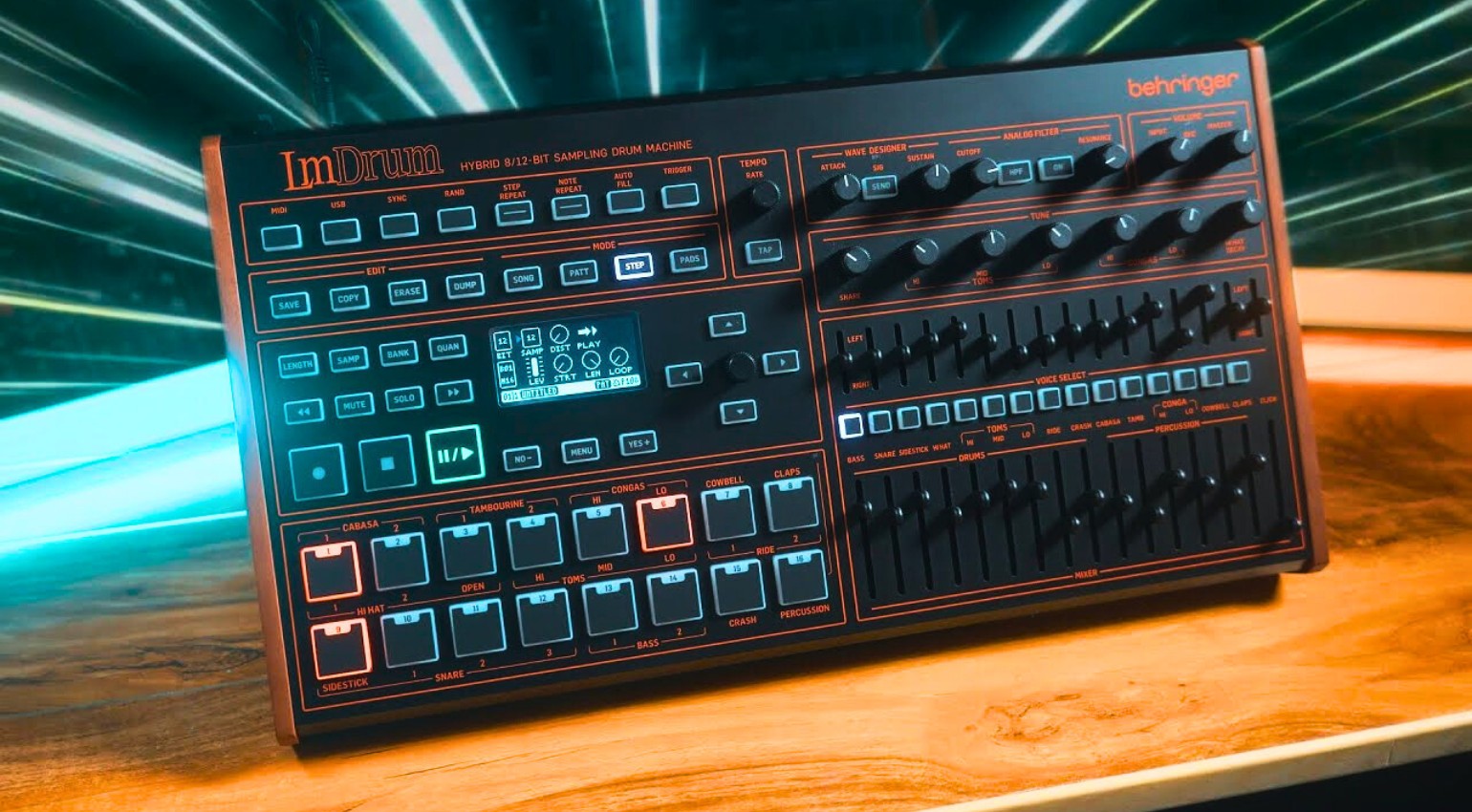
Most importantly, the LinnDrum gave artists like Prince, who was an excellent drummer, a new color palette and the sequencer provided creative immediacy that could spark crucial moments of inspiration in studio. Considering the LM-2 cost around $3,000 when it came out in 1982 and its predecessor, the LM-1, was closer to $5,000, it’s safe to say we’ve got it easy with today’s options like the Behringer LmDrum.
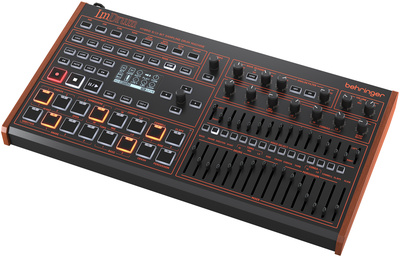
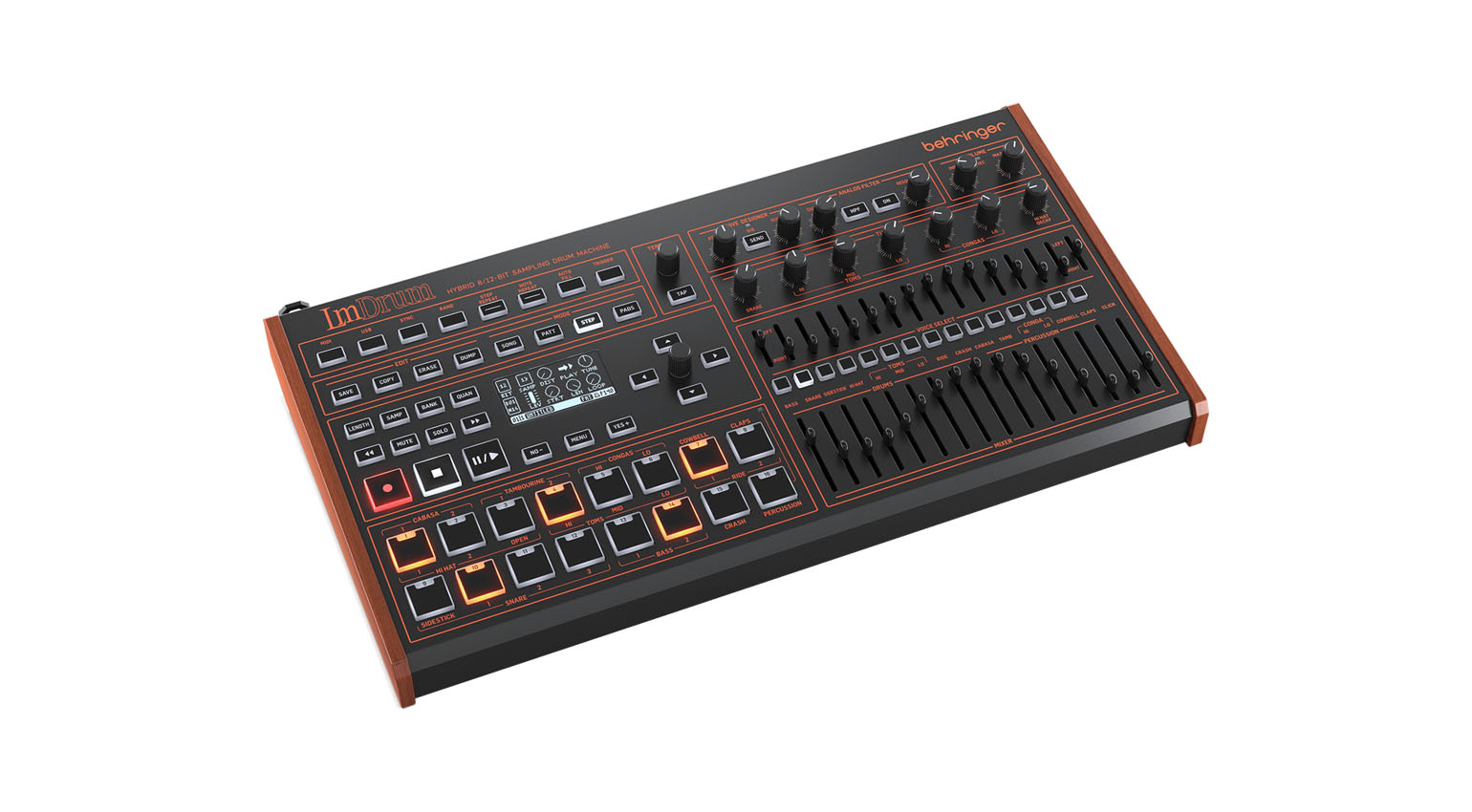
Compared to the original, the LmDrum has a collection of sounds from the LM-1, the LM-2, and the Linn 9000, as well as the ability to sample or load your own sounds. In addition, there is also a more advanced 64-step pattern sequencer, a range of onboard sound-shaping tools, and MIDI for linking up with other electronic instruments and effects.



1980s Synth Pop Production: Meris Mercury
If you scrolled down your favorite 1980s playlist, you probably wouldn’t reach halfway before finding several songs that made use of a Lexicon digital reverb unit in the production process. Looking back nostalgically, it’s hard to tell what made us all fall under the spell of digital reverb. Was it the distinctive sound of the reverb algorithms and the primitive digital converters, or simply the fact that almost every element in the mix was immersed in the effect?
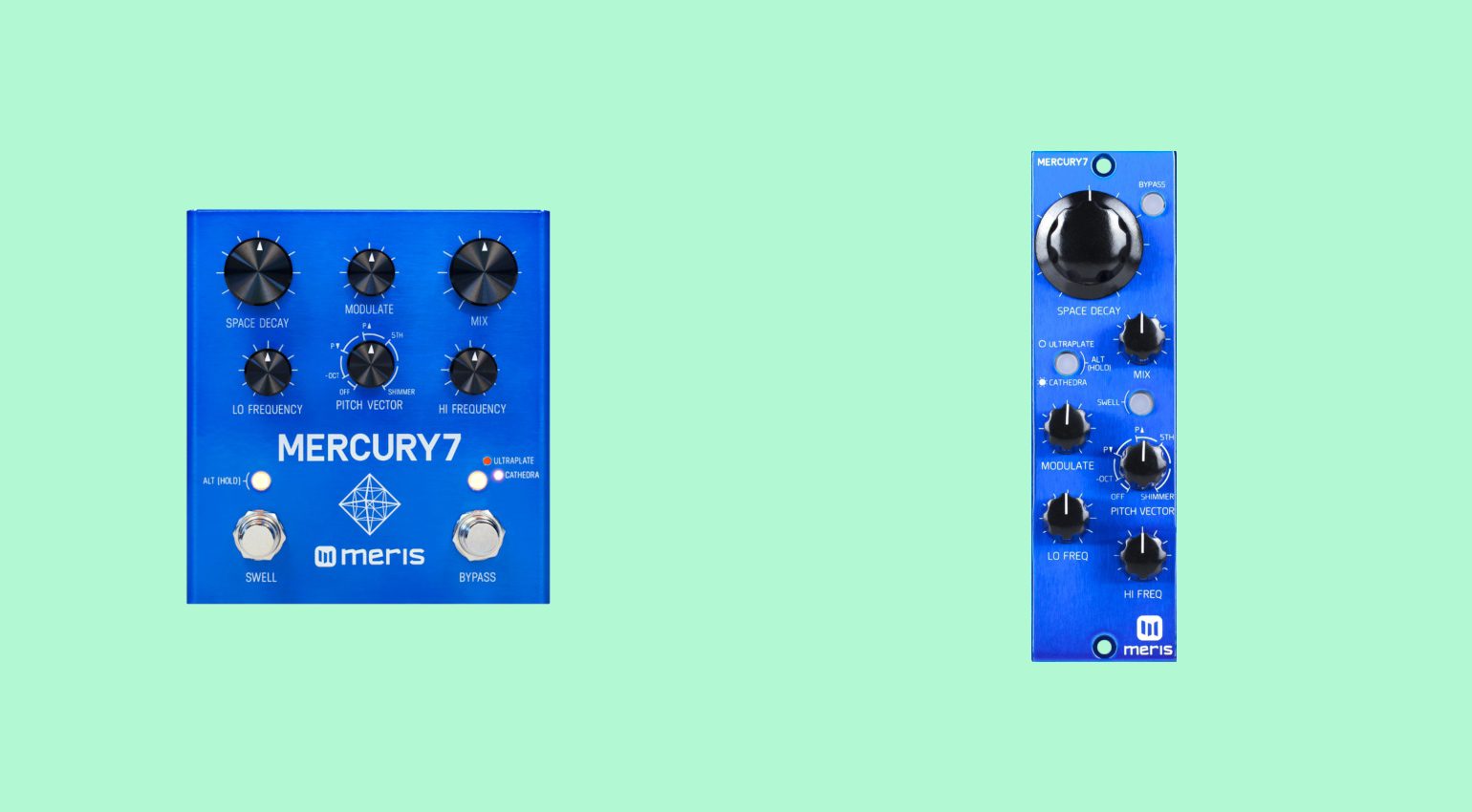
Either way, it remains a distinctive hallmark of music production that is still used today in retro-centric pop productions and electronic styles like Synthwave. Using a little too much of a Lexicon-style reverb, and it stops being a spatial effect and starts to become a time machine instead, instantly transporting the listener back to the days of neon lights and perm hairstyles.
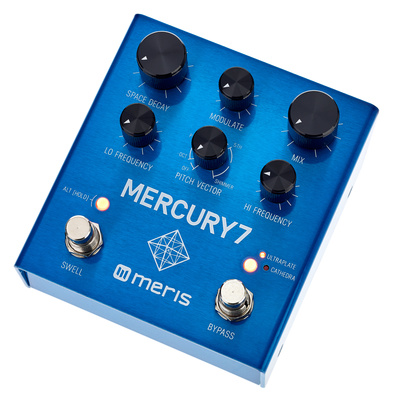
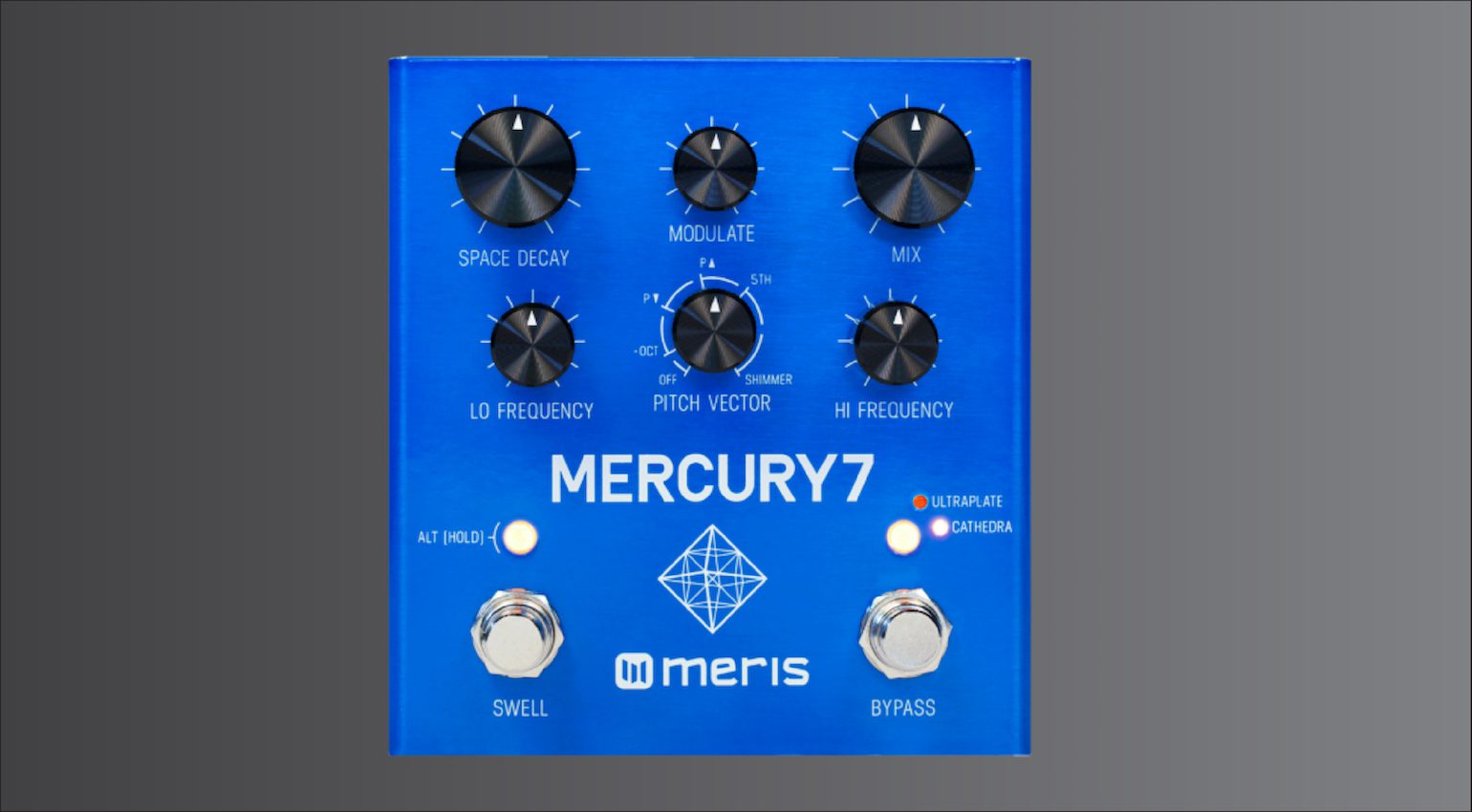
The Meris Mercury reverb range is very much tapped into this very aesthetic, with dreamlike algorithms inspired by the iconic Blade Runner motion picture score. Whether you choose the Mercury7 pedal, the Mercury7 500-series module, or the MercuryX, you’re getting studio-grade reverb quality and the ability to modulate, alter pitch, and create shimmering reverb effects.

1980s Synth Pop Production: Behringer Wave
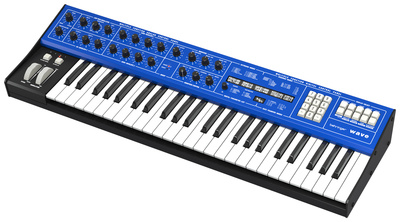
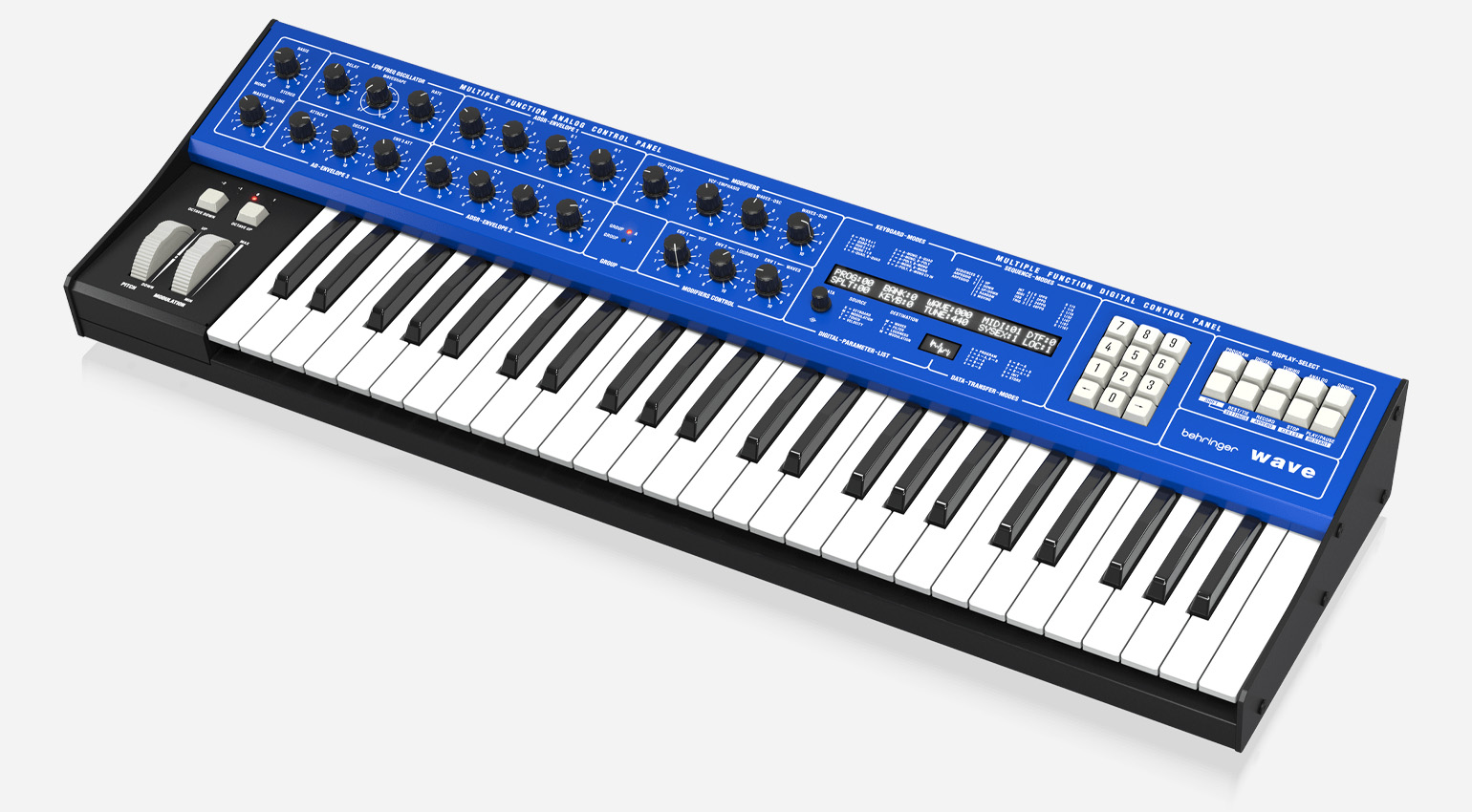
Many iconic synthesizers were developed and used on records in the 1980s, but few capture the magic of the musical era quite like the PPG Wave. This massive blue keyboard, produced between 1981 and 1987, introduced the concept of wavetable synthesis with workstation-like sound design and sequencing capabilities that far exceeded what was sonically possible with analog classics like the Sequential Circuits Prophet 5 and even the majestic Yamaha CS-80.
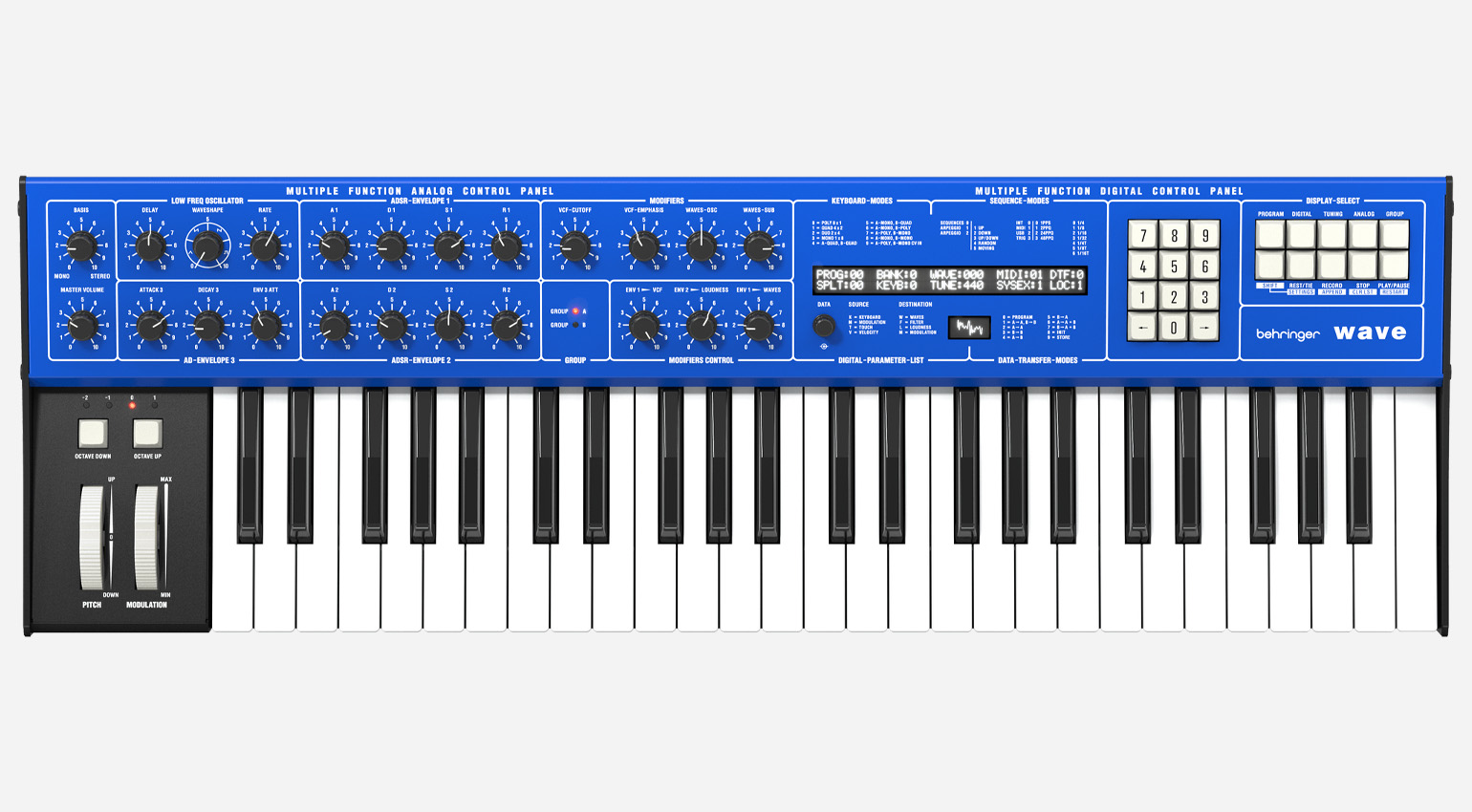
The PPG Waveterm microcomputer gave users the power to draw custom waveforms from scratch, sample and convert signals into waveforms, and even morph between alternate waveforms to create animated, evolving sounds. The key to the design of the PPG Wave was that it combined this flexible 8- or 12-bit digital sound engine with more familiar analog synth components such as the VCF and VCA sections for shaping sounds.
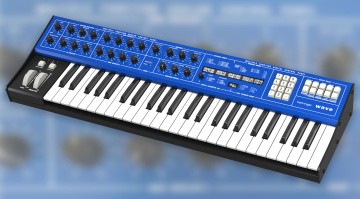
While finding a PPG Wave will likely be an expensive endeavor today, Behringer’s recreation gives you access to the iconic sounds with all the modern connectivity options you need to use the instrument with your DAW or other hardware devices in your studio. In addition, the keybed offers far more expressive playability, and you can choose between vintage and modern wavetable sonic characteristics.
1980s Synth Pop Production: Conclusion
The legendary combination of the LinnDrum drum machine, the PPG Wave synthesizer, and a healthy dose of Lexicon reverb shaped hit songs like Bronski Beat’s Smalltown Boy, Take On Me by A-ha, Frankie Goes To Hollywood’s Relax, and Everybody Wants To Rule The World by Tears for Fears.
While the emotion contained within the vocal performances and the songwriting style are probably far more important than the choice of instruments, this selection of vintage-styled creative tools provides a foundational blueprint for exploring the 1980s aesthetic in your own way. When you’ve spent some time creating music, it’s not hard to work out why using hardware is more fun than creating music in a DAW.
Furthermore, the affordable access we have to these instruments allows us to create a rather formidable music creation system without spending too much, and it’s far easier to get into the 1980s mindset if you start writing your songs from a DAW-less setup using hardware instruments and effects like these. Now, where on earth did I leave those shoulder pads?
More about 1980s Synth Pop Production:
- Check out the Perfect Match series on Gearnews
- Read about 1980s Reverb
- Thomann’s Guide to Home Recording*
*Note: This article contains affiliate links that help us fund our site. Don’t worry: The price for you always remains the same! If you buy something through these links, we receive a small commission. Thank you for your support!

This might also interest you