Yamaha CK Series: CK76 Joins the Lineup While OS 2.0 Adds New Sounds and Live Sets
Fresh new E.Piano sounds are waiting in the new operating system.

 4,5 / 5,0 |
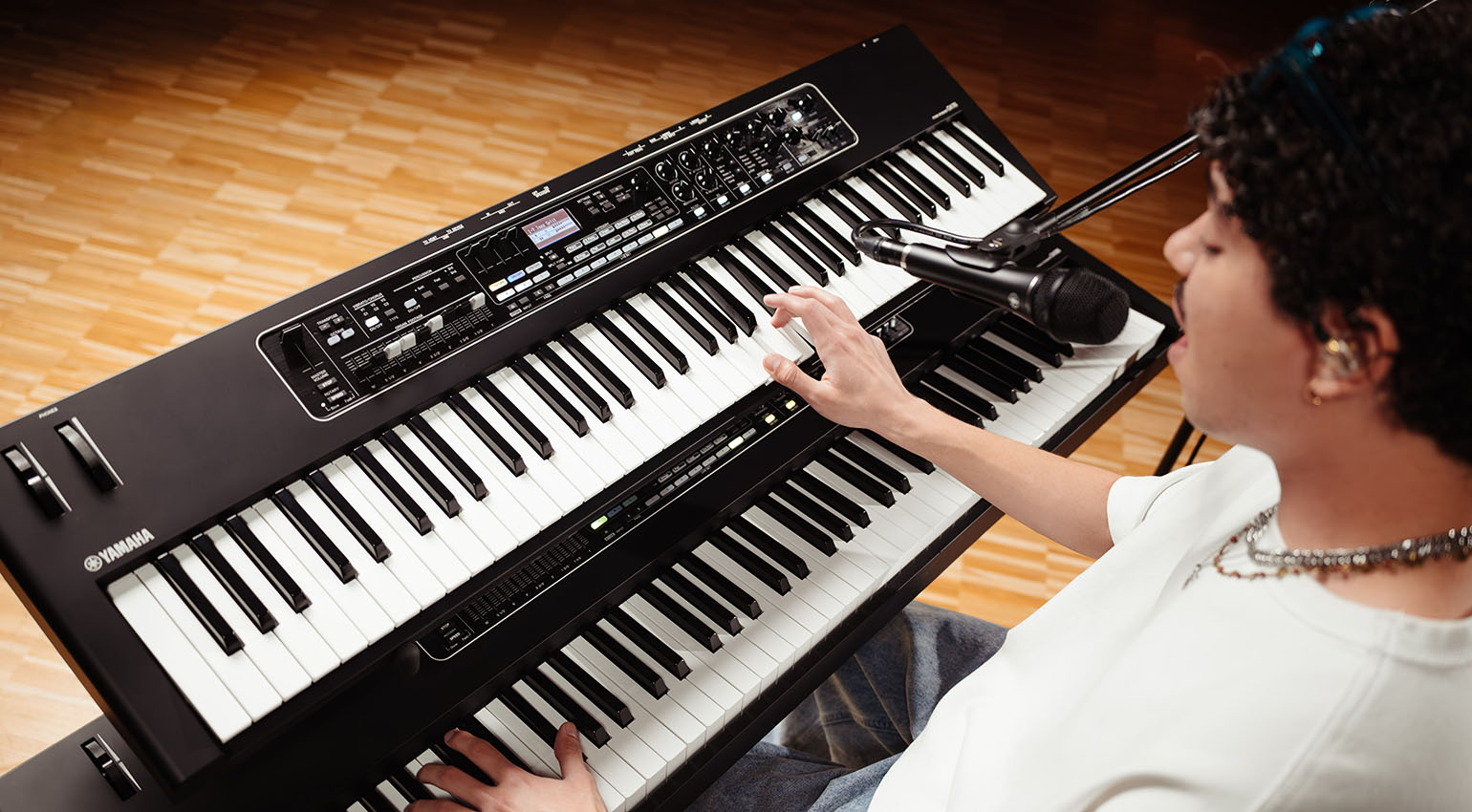
Yamaha CK Series Update · Source: Yamaha
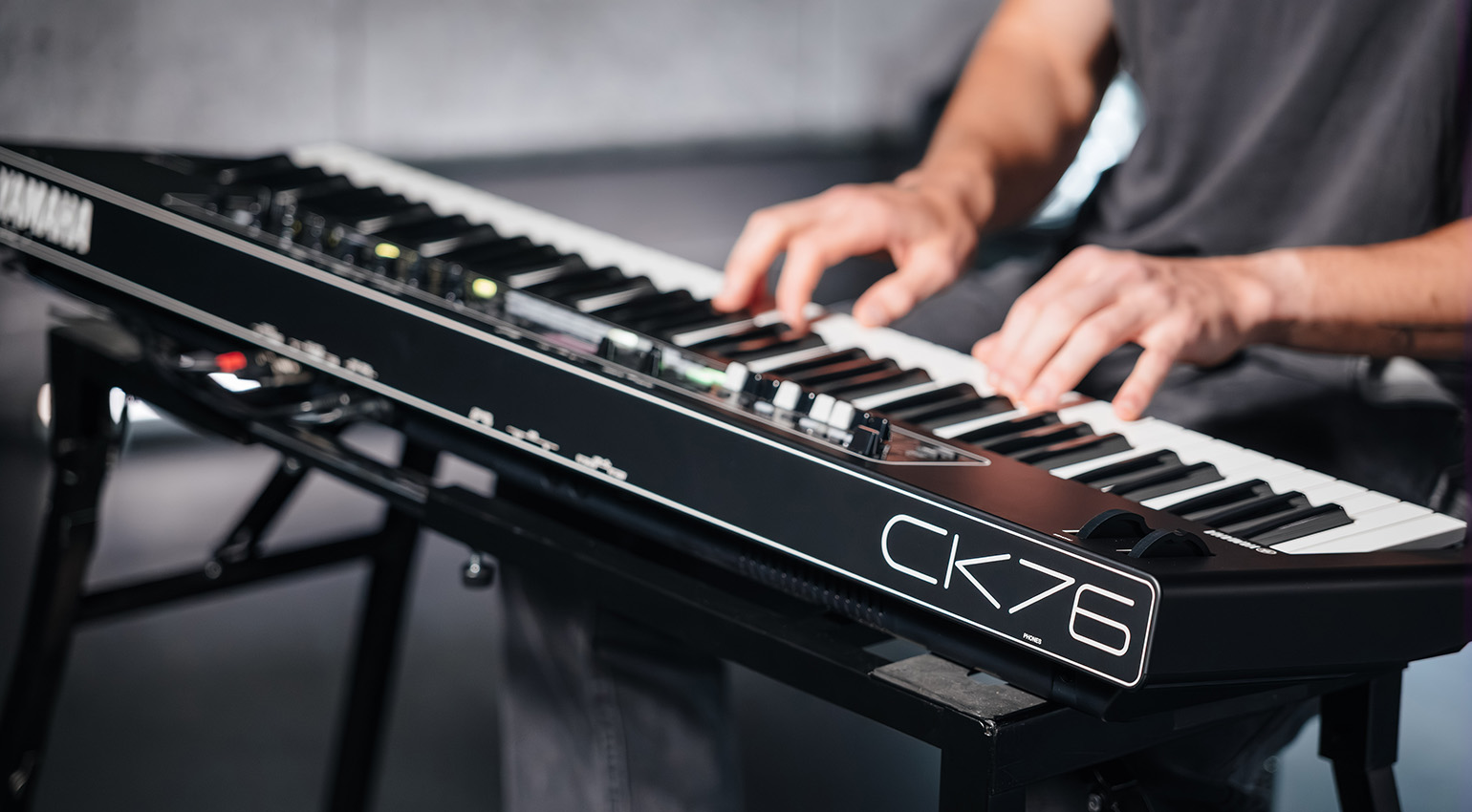
Yamaha CK76 · Source: Yamaha
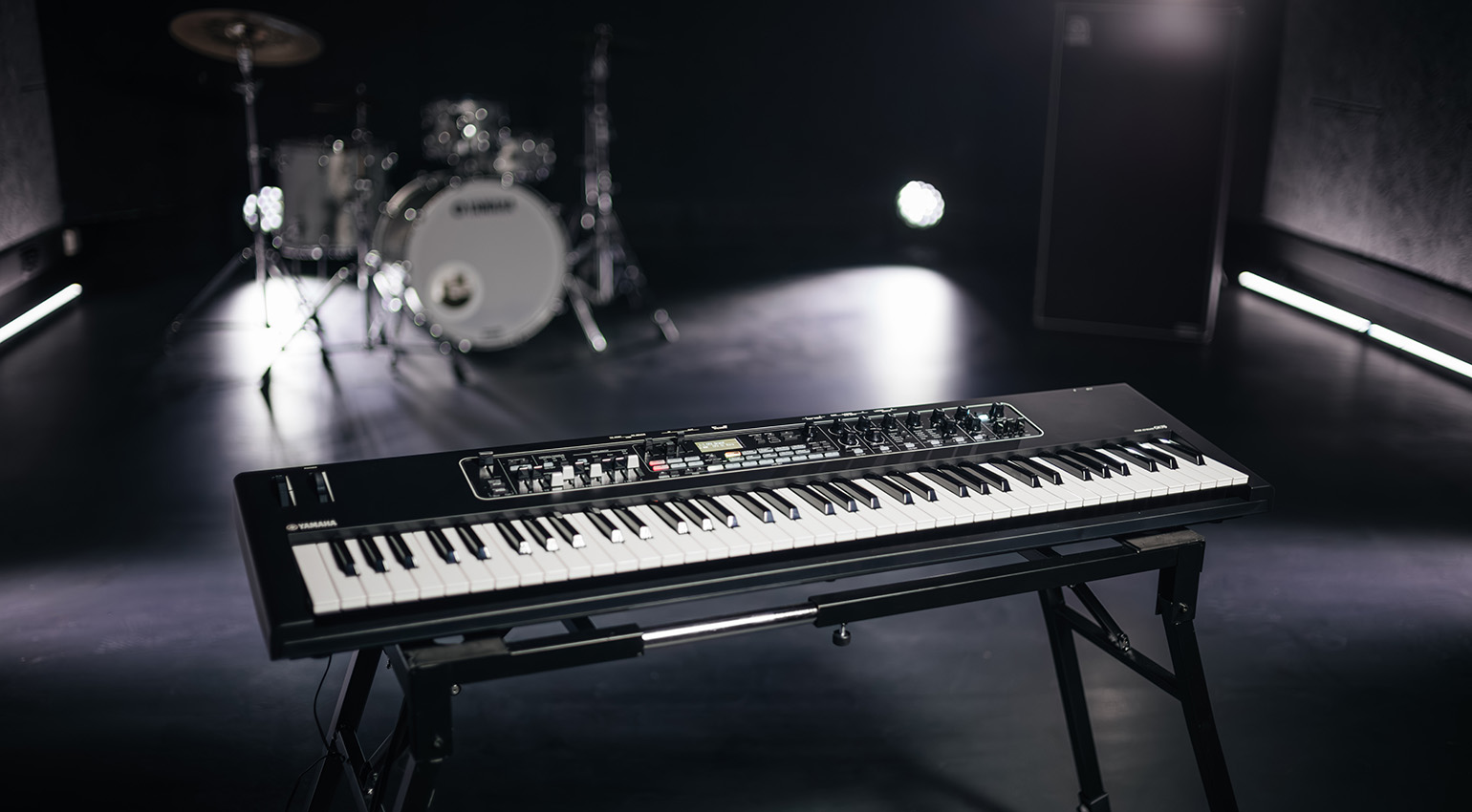
Yamaha CK76 · Source: Yamaha
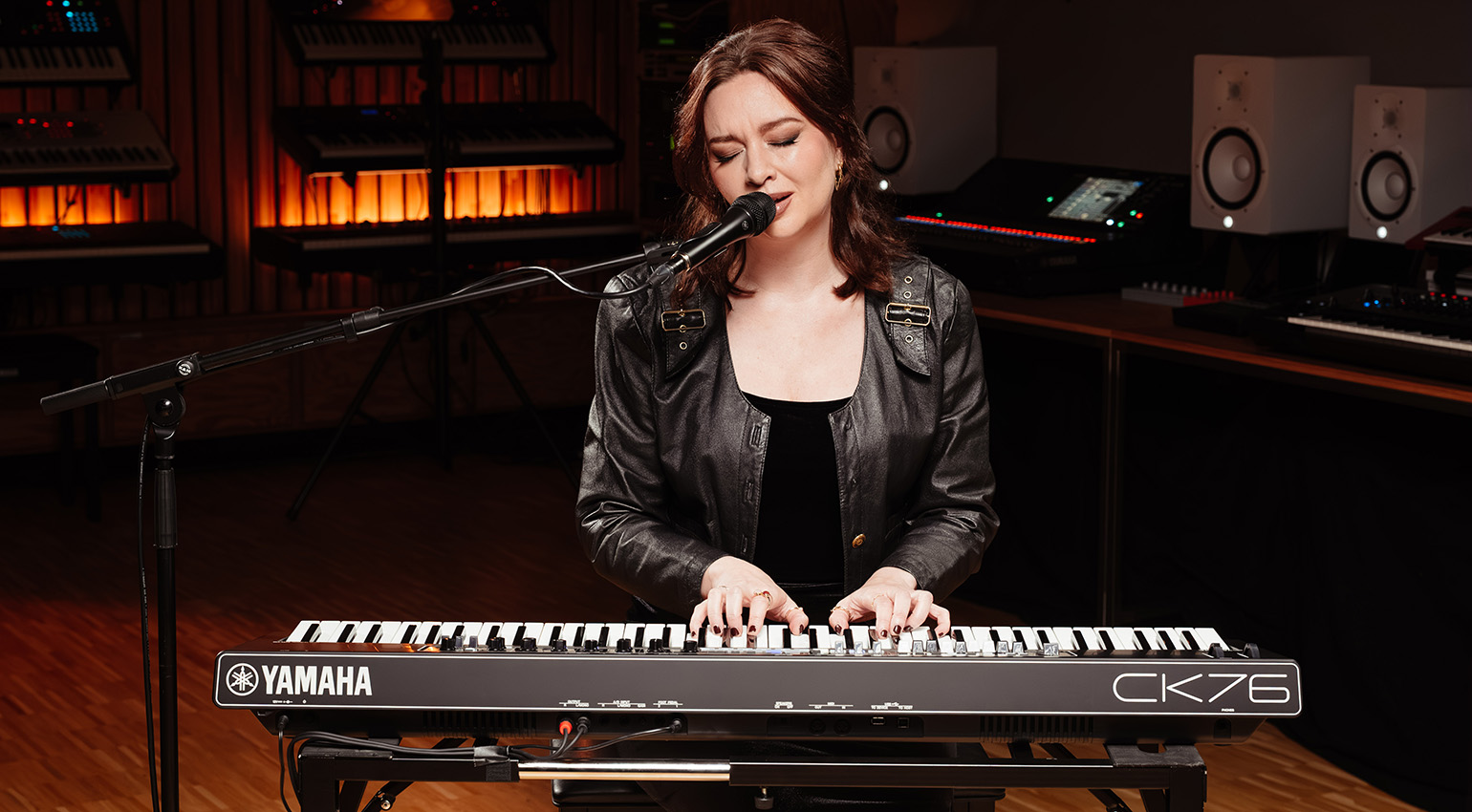
Yamaha CK76 · Source: Yamaha

Yamaha CK61 · Source: Yamaha

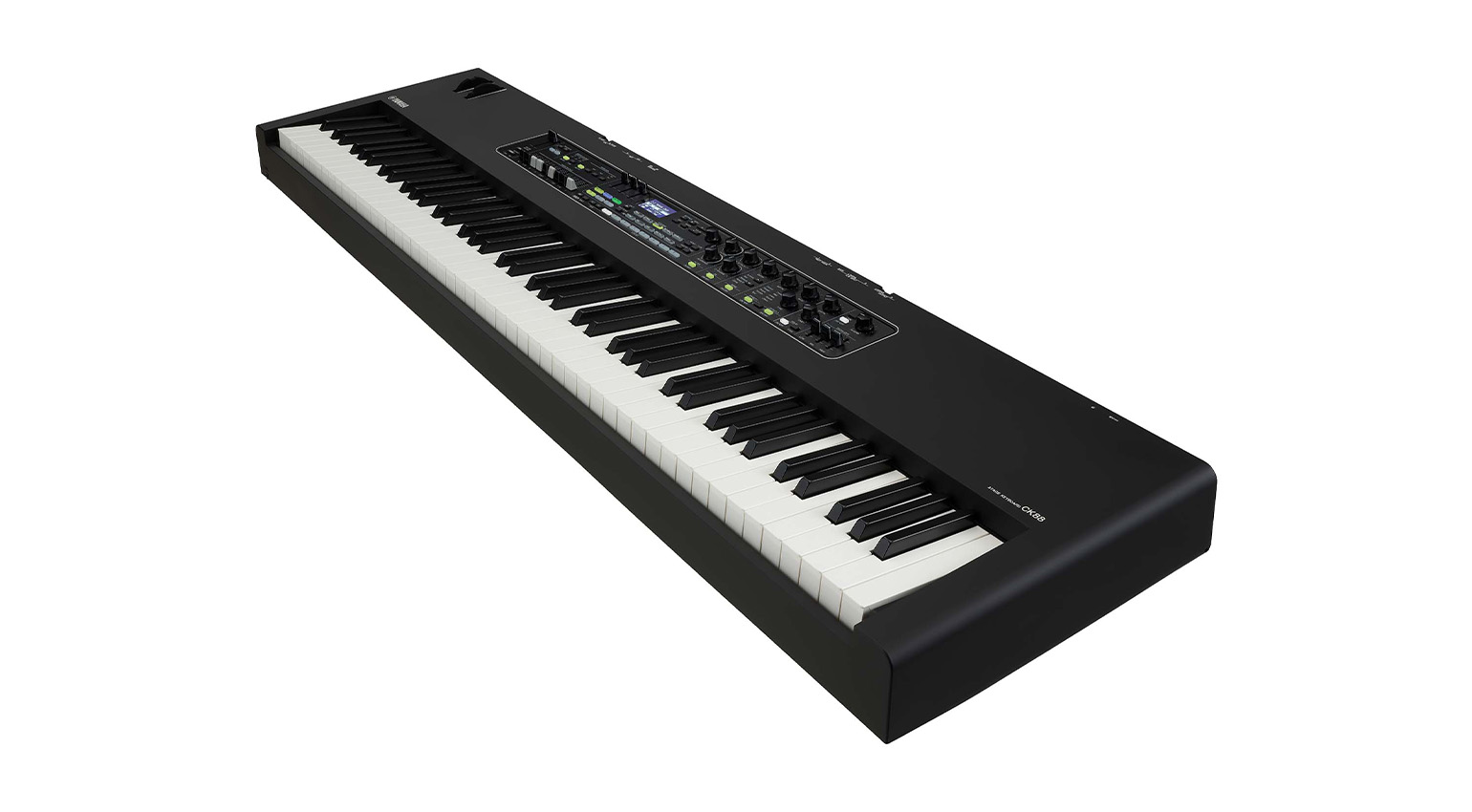
Yamaha CK88 · Source: Yamaha



Yamaha’s CK series gets a brush-up with a new 76-keyboard model plus fresh sounds, live sets and more.
All About the Yamaha CK Series
Yamaha CK Series: CK76 & OS 2.0
It’s been three years since Yamaha introduced the CK series of stage pianos. Today, the company announced a refresh of the line with a new model and operating system for existing units.
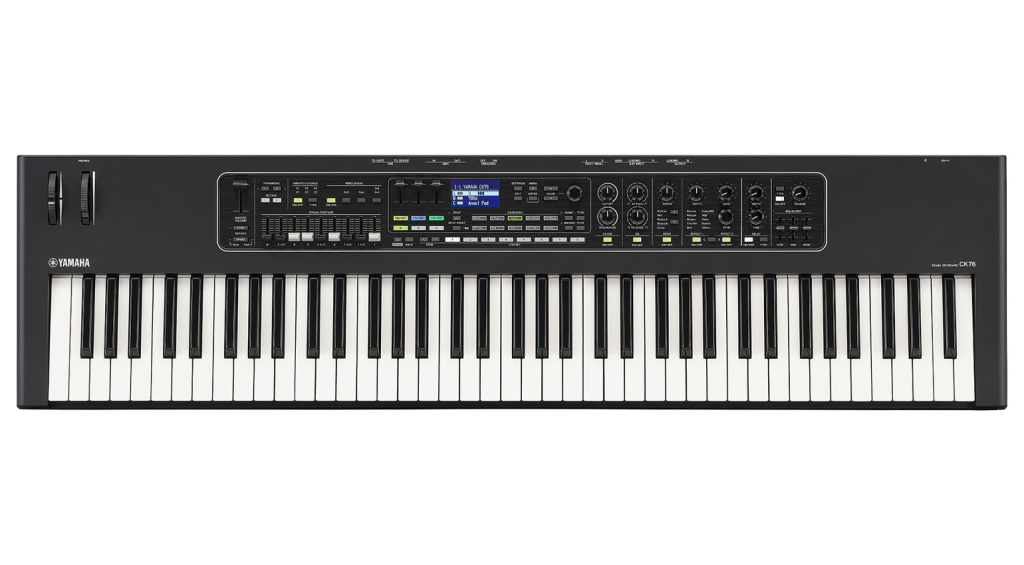
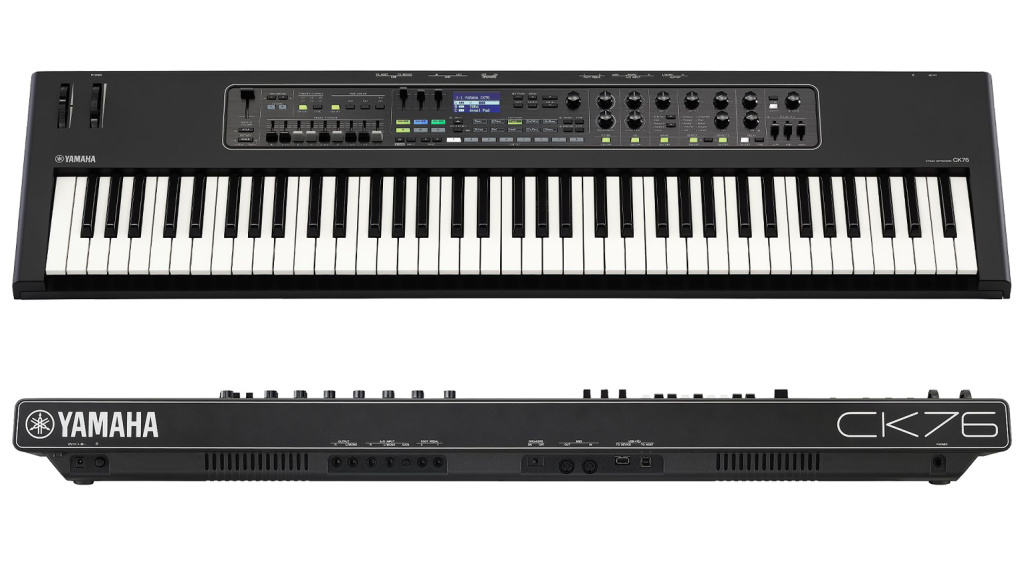
First, the CK76. Filling in the hole in the line is the CK76, a 76-key model that sits comfortably between the CK61 and weighted-key CK88. It has the same piano, organ and synth sounds as its brethren plus those convenient built-in speakers.
Now, the new operating system. Updating the CK series is OS 2.0, which adds three new E.Piano sounds – 74 Rd Studio, 67 Rd Bright/Dark and Wr Wide – plus eight Live Sets to show off the new pianos. Lastly, there’s a new Advanced Split Mode so you can assign a single part to multiple note ranges.
Owners of the CK61 and CK88 can update at the Yamaha site for free.
The Yamaha C76 along with the other two models is available from our affiliate partners Thomann* and Sweetwater*.





All Round Studio and Stage Keyboards
[15 March 2023 written by Robin Vincent] Pulling in elements from the Yamaha YC Stage Keyboard and CP Stage Piano, the CK Series CK61 and CK88 make for superbly portable all-rounders.
CK Series
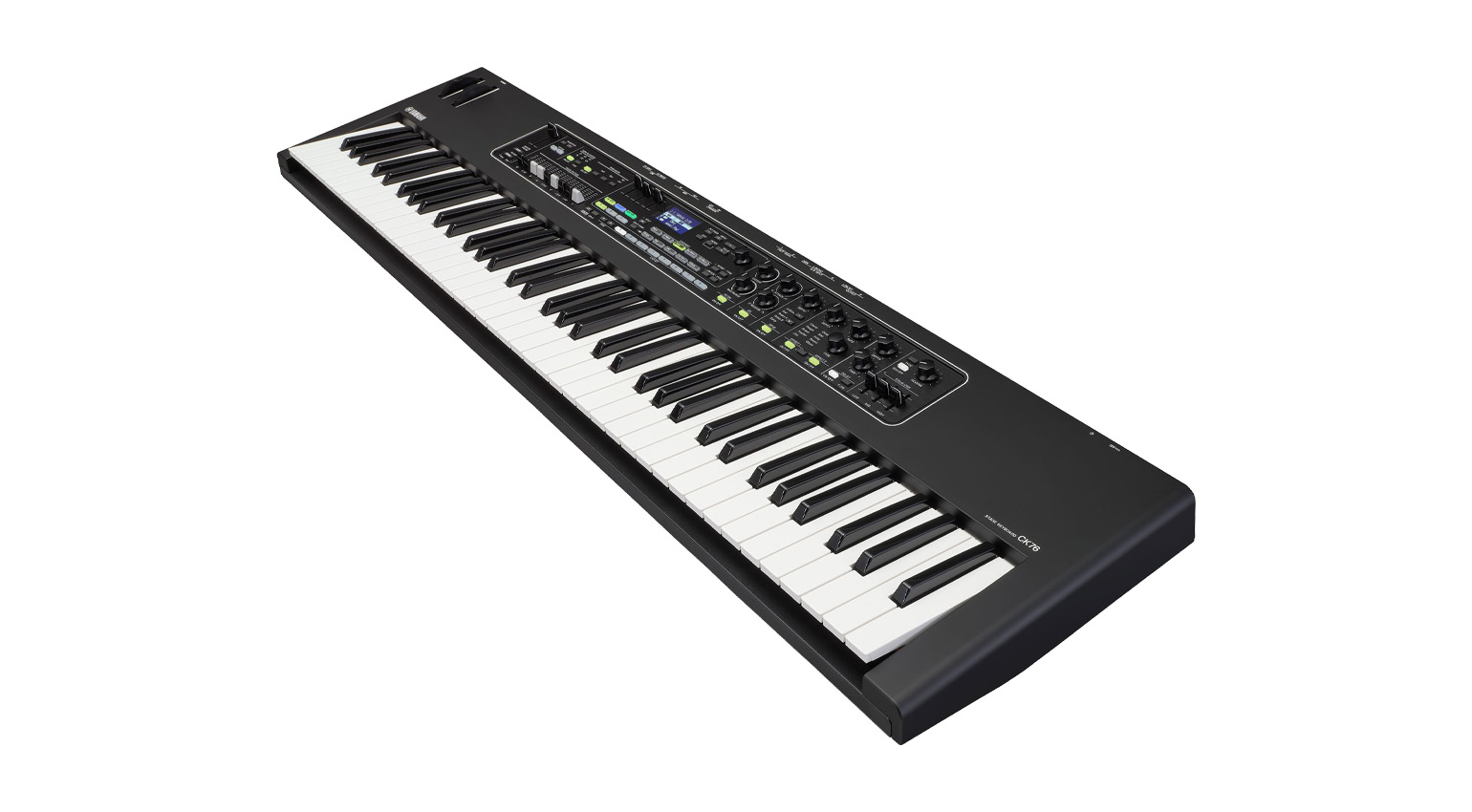
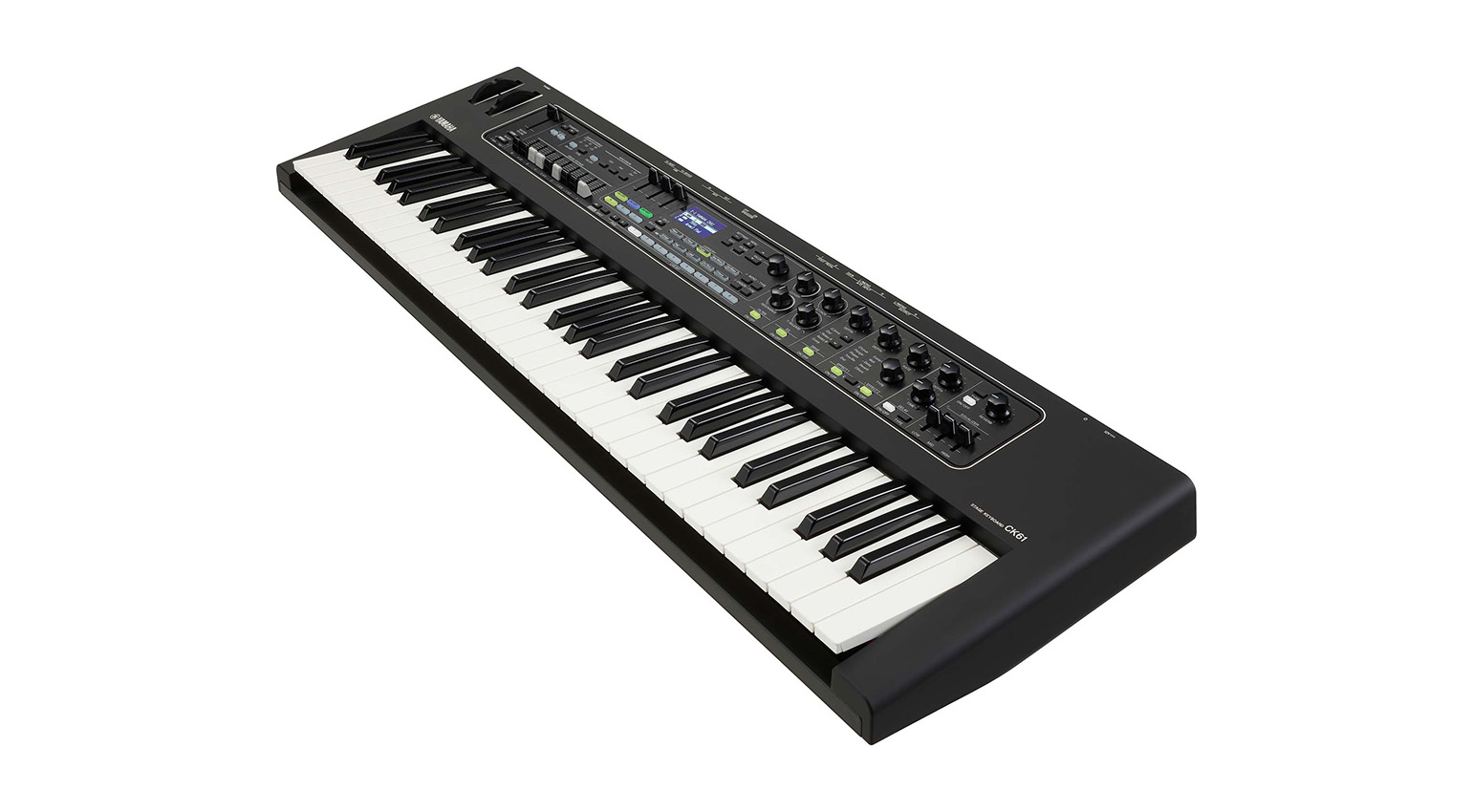
If the YC Series felt a bit complex and overwhelming and the CP series was just too much piano and not a lot else, then maybe the CK Series finds the right sweet spot. It brings together just enough of the YC hands-on business to remain intuitive and a really great piano sound. In either a lightweight 61-keyed version or a graded hammer action 88-keyed version, they might be just the job.

You’re not trying to deal with a huge library of sounds, but rather just the ones that are going to be perfect on stage. You get 363 possible tones drawing on the organ and synth sounds from the YC Stage Keyboard and the pianos of the CP Series. You’ve got 128 notes of polyphony to use. And you can layer up to three sounds and create Live Sets for instant recall.
Layout
The layout is really nice with some definite vintage influence and appears to have everything out and within reach. For the organs, you’ve got physical drawbars. For the synth you’ve got filter controls and an envelope right on the front panel. Two effect engines and overdrive are also accessible on the fly without menu diving. You can even plug a microphone or other instruments into the back to use the effects.
Both the CK61 and CK88 are battery-powered and come with built-in speakers. So even with the heavier keyboard and bulk the larger one is still very portable. You can plug them into your computer to use as audio and MIDI interfaces, or route audio into it via Bluetooth – it’s nicely versatile.
They are good-looking too, with a nice vintage vibe that’s not too flashy. I think it could be a really useful keyboard for gigs that will have the sounds you need and some great performance controls. And at around £1,000 and £1,500, the price feels about right. Undoubtedly the only question is, where’s the CK73?
More Information
*Note: This article contains advertising links that help us pay for this site. Don’t worry: the price for you will always be the same! If you buy something through these links, we will receive a small commission. Thank you for your support!

This might also interest you


2 responses to “Yamaha CK Series: CK76 Joins the Lineup While OS 2.0 Adds New Sounds and Live Sets”

The only question is…
Where’s the 76? Hate to say it, but this slavish genuflecting to the Rhodes 73 ignores the fact that the 76 note keybed size has been around for FAR longer than the 73, offers a low end that goes down to low E (perfect for LH bass), a more practical range for many instruments (you can do most Bach and Mozart and Beethoven on a 76) and, IMHO, the perfect size for splits that don’t feel cramped.
Even Rhodes realized 73 wasn’t enough!
Four decades of 76’s, and suddenly we’re supposed to make do with 3 notes less (and a low C) just because the bloody Rhodes had 73! Please!
One of my very favorite keyboards was 76 note Roland Fantom X and Fantom G. Felt awesome and could play most anything with that many keys! However, some 88 note keyboards have the pitch bend and mod wheel above and thus narrow the sides which is almost the same length as some 76 note keyboards with those controls off to the left. But, I agree, 73 is a cheap tease with not enough keys!