Who Needs Tube Amps in 2026? I Say: No One.
Tube Amps Shaped Guitar History. But Technology Is Changing the Rules.

 3,8 / 5,0 |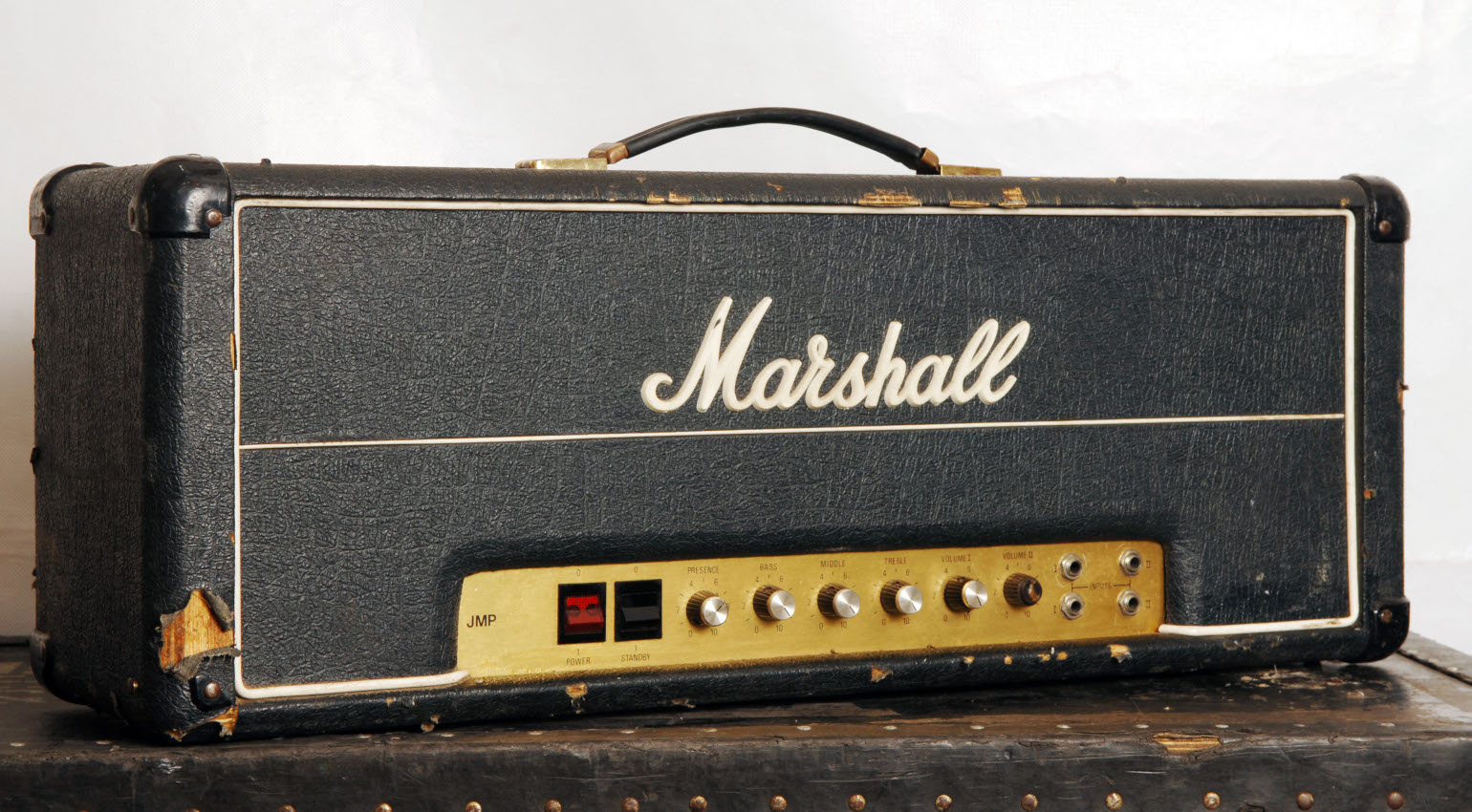

For decades, the classic tube amplifier has been regarded as the holy grail of guitar tone, and I have long been one of those who believed the same. The warmth, the dynamics, and the way a tube amp reacts to playing have shaped countless legendary recordings. But the question today is a different one: who needs tube amps? I say: no one.
Who Needs Tube Amps? My Take on That Topic
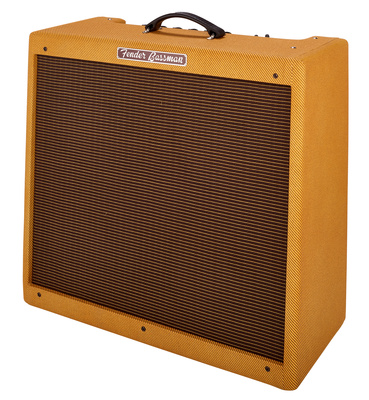
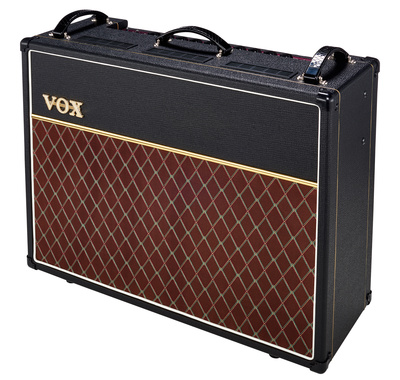
Marshall stacks on large rock stages, a growling Fender Bassman in a blues club, or the bell like Vox AC30 in an indie studio. Entire musical styles grew around these amplifiers. For many guitarists, the sight of glowing tubes belongs to their musical life just as much as the calluses on their fingertips.
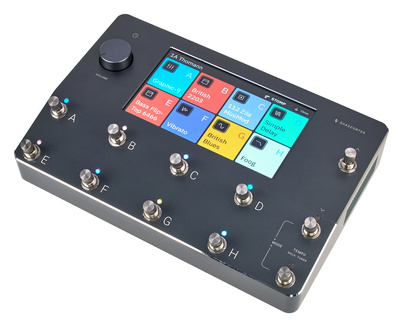
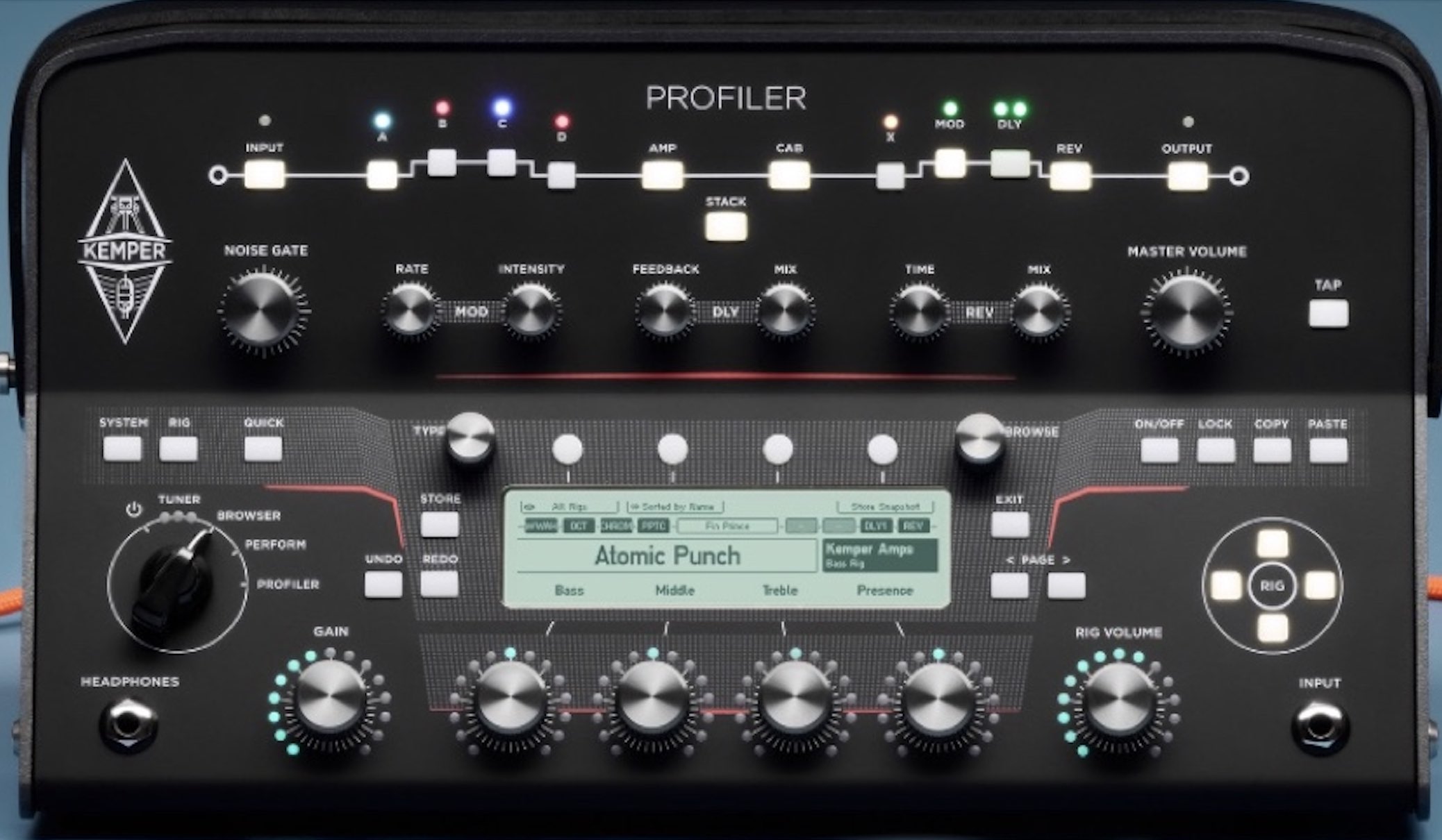
At the same time, the world of guitar amplification has changed dramatically in recent years. Digital modelers, profiling amps, and increasingly sophisticated software simulations now promise classic tube sound without the weight, the volume problems, or the maintenance. Devices such as the Kemper Profiler, the Neural DSP Quad Cortex, and modern plugins can simulate complete amplifier setups, including speaker cabinets, microphones, and room acoustics.
The question therefore becomes obvious: Who needs tube amps?
The short answer is no one. The longer answer is a little more complicated.



Who Needs Tube Amps: The Reality of Modern Guitar Setups
If you look around modern studios or tour productions today, you will increasingly see setups that would have been almost unthinkable ten or fifteen years ago. Instead of a massive Marshall half stack, there is often only a small rack or a pedalboard on stage. The guitar sound then goes directly into the PA system.
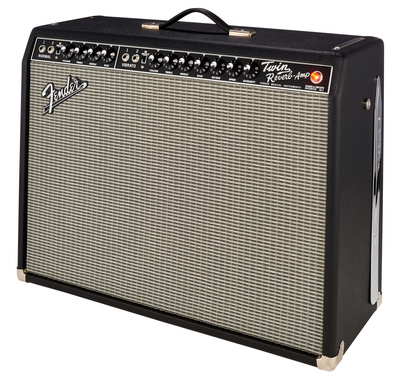
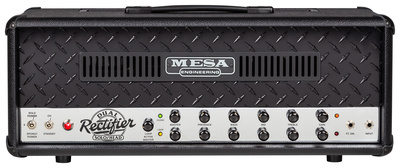
Devices such as the Kemper Profiler or the Neural DSP Quad Cortex have fundamentally changed how many guitarists create their sounds. These systems analyze real amplifiers or simulate their behavior in great detail. The result is a digital version of classic amps such as the Marshall JCM, the Mesa Boogie Dual Rectifier, or the Fender Twin Reverb. These sounds can be sent directly to the front of house mixing console or to an audio interface in a home studio.
This approach has already become standard in many recording situations. Instead of placing several microphones in front of a 4×12 cabinet, many producers now work with impulse responses, often shortened to IRs. These digital speaker simulations reproduce the sound and behavior of specific cabinets and microphone setups with impressive realism.
What used to require expensive equipment and a treated recording space can now be achieved with only a few clicks. A virtual setup consisting of a Celestion Vintage 30 cabinet, an SM57, and a ribbon microphone can easily be loaded inside a plugin or modeler.

Modern Live Setups
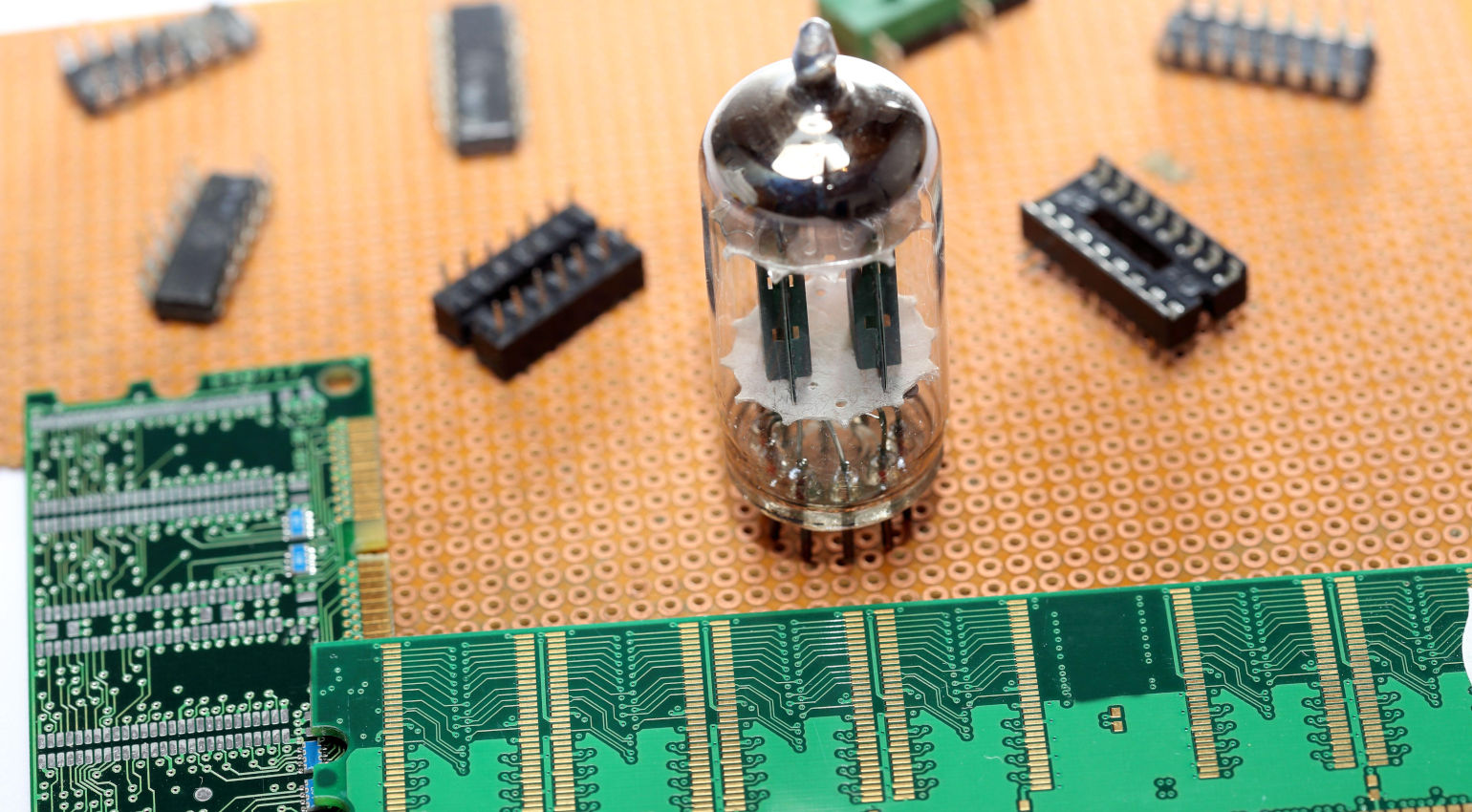
Modern technology also offers several advantages in live performance. The guitarist receives a consistent sound through in ear monitoring, while the sound engineer receives a clean signal directly at the mixing console. There is no crosstalk from drum microphones and no volume battles on stage.
The practical benefits of such systems are obvious:
- Consistent sound at every show
- Lower weight and transport costs
- Flexible sound changes via presets
Bands that tour regularly and play at a wide variety of venues particularly appreciate these advantages. Instead of transporting several heavy tube amplifiers, spending time adjusting them to the room, and dealing with unpredictable stage conditions, a compact rack or a single floorboard is often enough to connect to an existing sound system.
For many applications, this approach is simply the more efficient solution.
Who Needs Tube Amps: The Volume Factor
Another reason for the shift away from tube amplifiers lies in a problem that has followed guitarists for decades: volume.
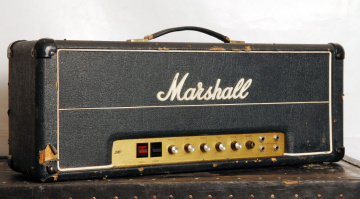
Many of the most famous amplifiers in rock history only develop their characteristic sound when they are played loudly. A Marshall Super Lead, an old Hiwatt DR103, or a classic Vox AC30 really begins to come alive at higher levels. At that point the power amplifier starts to saturate, the speakers compress slightly, and the sound develops the well known mixture of pressure, warmth, and aggression.
This is exactly the point that many musicians struggle to reach in everyday situations. And for many ears it is also difficult to tolerate for longer periods of time. At least when hearing health becomes a factor.
A 100 watt Plexi does not sound like it does on an AC/DC record when played at living room volume. The amplifier stays too clean, too stiff, and too controlled. Only when the power stage is pushed properly does the characteristic overdrive appear that shaped countless classic rock recordings.
But this volume level is hardly practical in many situations today. Rehearsal rooms are often located in densely populated urban areas. Clubs increasingly work with controlled stage volume. In a home studio you might want to record a guitar track late at night without disturbing neighbors or family members. And there is another important point. Your own ears usually have very little interest in extreme volume over long periods of time.
Technical Solutions
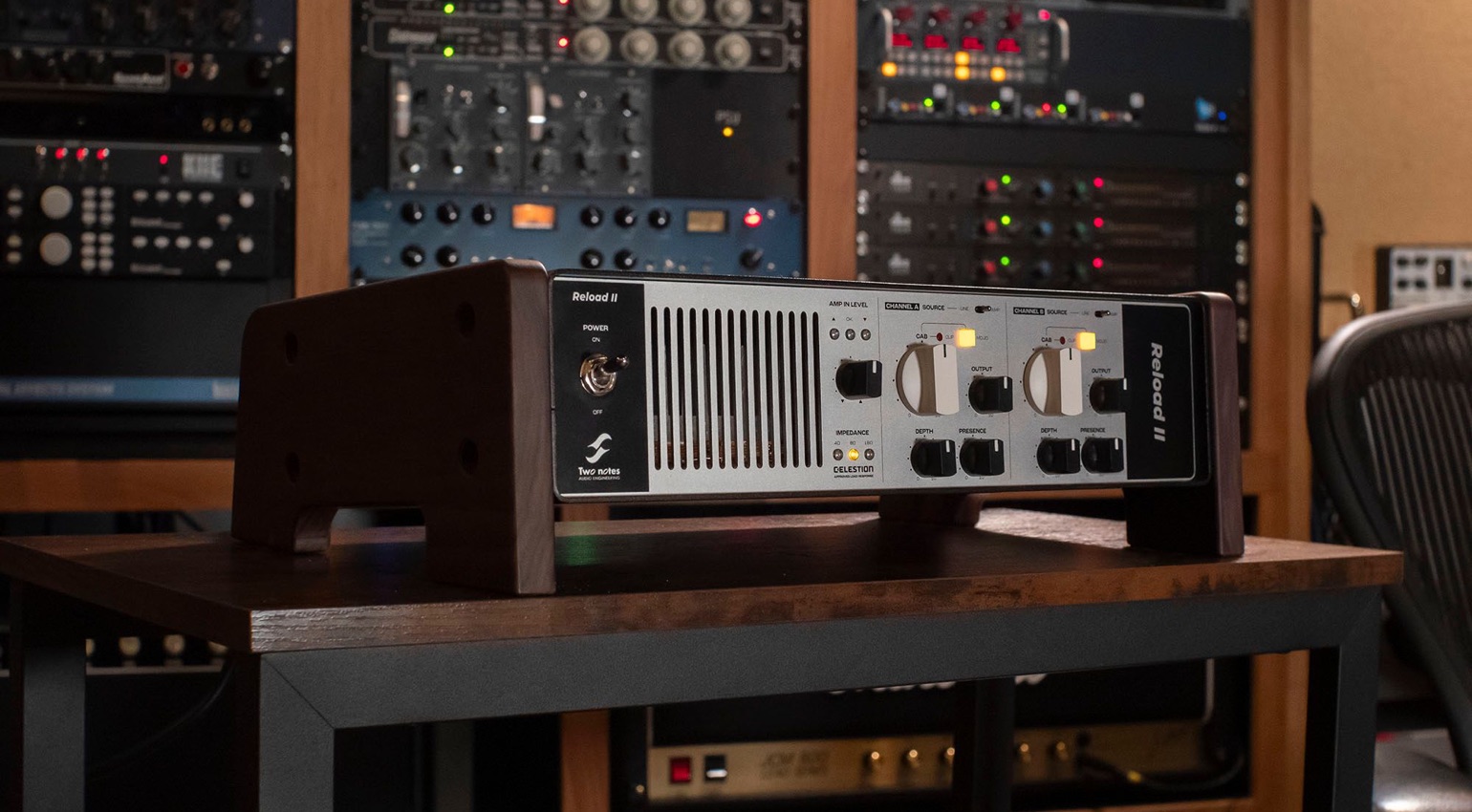
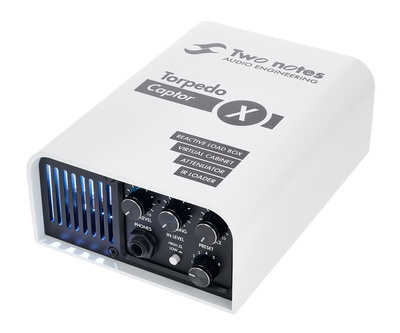
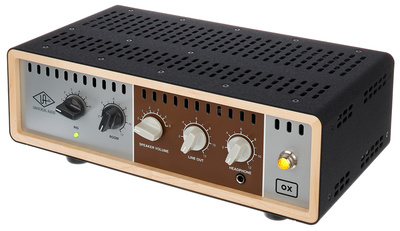
Of course, there are technical solutions to this problem. Attenuators or load boxes such as the Universal Audio OX, the Two Notes Torpedo Captor X, or the Palmer Supreme Soaker make it possible to operate a tube amplifier at more moderate volume levels. These devices absorb part of the amplifier power while the amp itself continues to run in its optimal operating range.
Even so, the classic tube amplifier often remains a device that was originally designed for higher volume levels and can therefore be impractical in many everyday situations. This is exactly where digital systems show their biggest advantage. The sound remains consistent regardless of the listening level.
A profile of a fully driven Marshall JCM800 can still sound convincing when played back directly through studio monitors or headphones. For many guitarists this is a decisive factor, especially in modern production environments and when considering the central question: Who needs tube amps?


Who Needs Tube Amps: The Sobering Truth
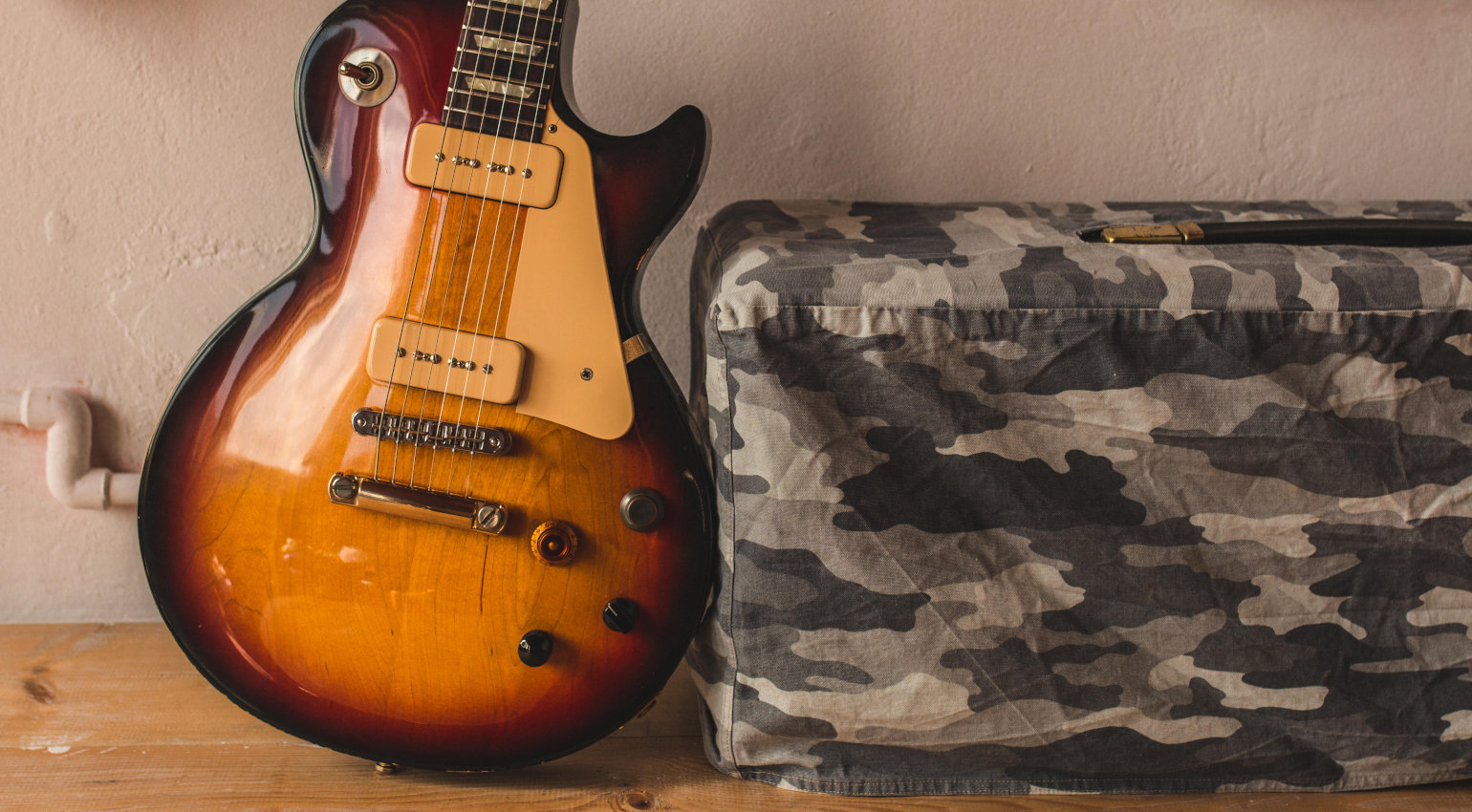
From a purely technical perspective, hardly anyone needs a tube amplifier anymore.
Modern modeling amplifiers, profilers, and amp simulations now deliver results that would have seemed impossible ten or fifteen years ago. The algorithms do not only replicate the behavior of the preamp, they also simulate the interaction between the power amplifier, the speaker, and the microphone. Even small details such as sag, power amplifier compression, or the behavior of an overloaded speaker are now modeled with remarkable realism.
This progress is particularly noticeable in the studio. Many modern guitar productions are now created entirely in the box. A guitarist records the track directly through an audio interface while software simulates the amplifier. Different cabinets, microphones, and mic positions can then be changed at any time. Achieving the same flexibility with real amplifiers and cabinets would require significantly more time, space, and effort.
There is another important advantage: reproducibility. Once a sound has been saved, it remains exactly the same. Anyone working with a digital setup can recall that sound at any time, whether in the studio, rehearsal room, or on stage.
From a purely practical perspective, there are many arguments in favor of the digital solution. Who needs tube amps? No one. However, the word “need” is the key point here.
The Moment When a Tube Amp Makes All the Difference
And yet there is a moment that keeps bringing many guitarists back to tube amplifiers.
It usually happens when you stand in front of a really good amplifier, turn it up slightly, and suddenly notice that something changes. The amplifier no longer simply reacts to the signal from the guitar. It begins to interact with the player.
The attack becomes more dynamic. If you roll back the guitar volume slightly, the sound immediately becomes cleaner. If you play harder, the tone becomes rougher and more aggressive. This reaction feels less like operating a static device and more like playing an instrument that responds directly to your touch.
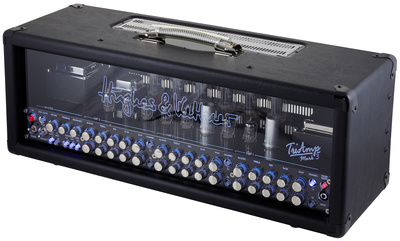
The tone emerges from the interaction between preamp, power amplifier, and speaker. When the amplifier begins to work properly, the sound does not only come from the speakers. It spreads into the room and creates a physical presence. In that moment the question is no longer “Who needs tube amps?” but rather “Who does not?”


The True Value of a Tube Amp
Perhaps this is where the real value of a tube amplifier lies. Today it is no longer absolutely necessary to produce a convincing guitar sound. Modern technology can reproduce an astonishing amount of that character, often with far less effort. For recording, touring, or working in a home studio, digital systems are often the more practical choice.
A good tube amplifier, however, offers something that is difficult to capture in specifications or technical data. It changes the playability of the instrument.
When the power amplifier and the speakers interact, a slight compression appears that changes how the guitar feels under the fingers. Chords sound larger, single notes sustain longer, and the amplifier reacts to even the smallest change in touch. The result is a different form of inspiration, as if the amplifier becomes part of the instrument itself.
That is exactly why classic tube amplifiers still appear in countless studios and on many stages. Not necessarily because they are required, but because they offer an experience that continues to excite many musicians.
Who needs tube amps? That is not really the question. We do not need them. But playing through a good tube amplifier can be incredibly satisfying. So no, we do not need them. We simply want them.
Conclusion: Who Needs Tube Amps? You Do Not Need It but You Want It
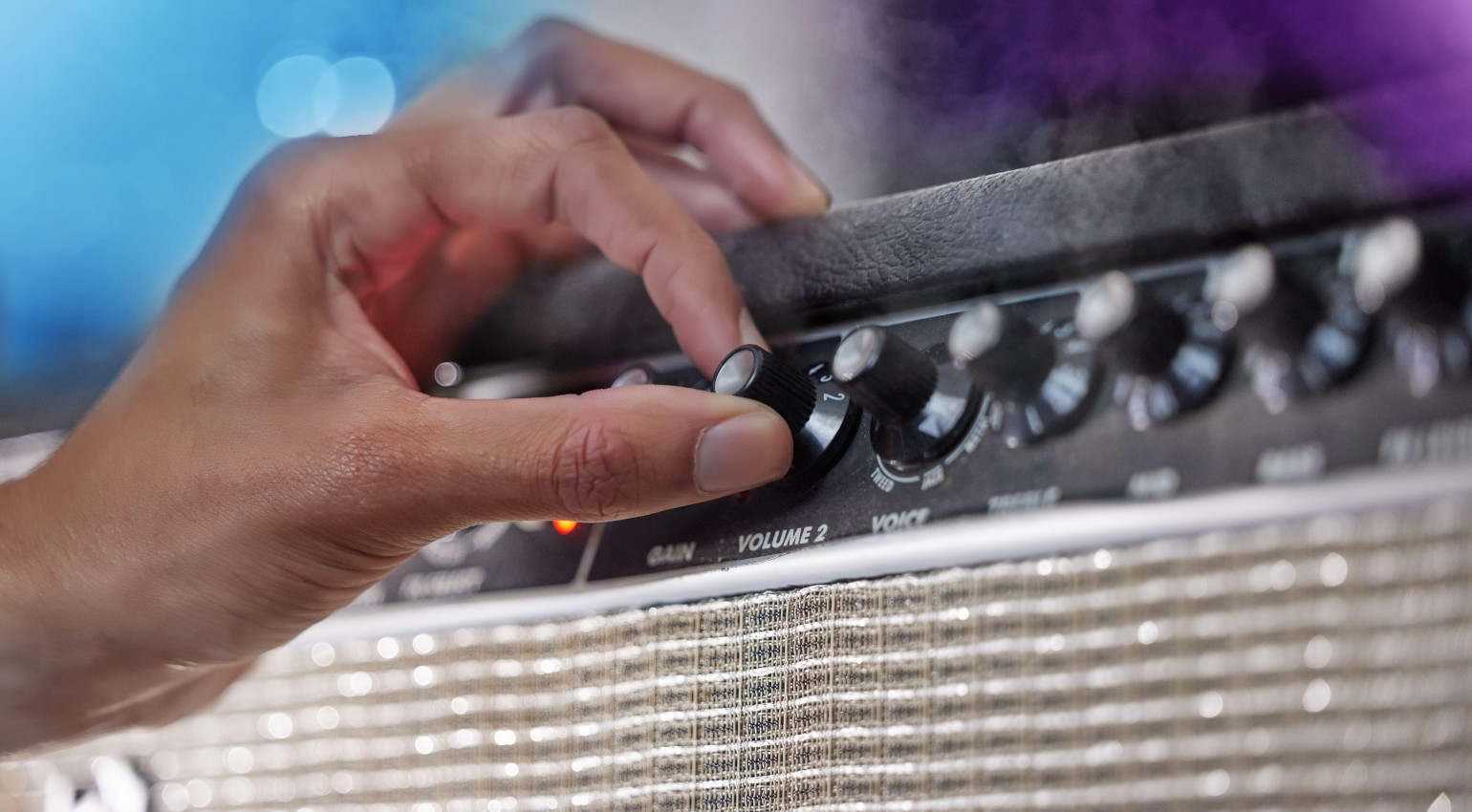
So back to the original question: Who needs tube amps today? The honest answer is probably no one.
With modern technology it is now possible to create excellent guitar sounds without ever lighting up a real tube. Digital systems are lighter, more flexible, and simply more practical in many situations.
And yet the tube amplifier remains a fascinating part of guitar culture.
Perhaps this is because a good amplifier is more than just a tool for making a guitar louder. When a tube amplifier is played at the right level, the interaction between the guitar, amplifier, speaker, and room creates a playing experience that feels different from many digital alternatives.
It is the moment when the tone responds directly under your fingers. The amplifier reacts to every nuance of your playing and suddenly the sound no longer feels like it only comes from the speakers. It seems to fill the room and become part of the performance itself.
So you do not necessarily need it.
But once you have experienced how a guitar feels through a fully driven tube amplifier, it quickly becomes clear that you will probably want it anyway. Who needs tube amps?
*This article was originally written by Jan Rotring for GEARNEWS.de.
*Note: This review “Who Needs Tube Amps“ contains affiliate links that help support our site. The price remains the same for you. If you purchase through these links, we may receive a small commission. Thank you for supporting our work.

This might also interest you
28 responses to “Who Needs Tube Amps in 2026? I Say: No One.”
I’ve had a couple different modeling amps. I always end up back with my Fender tube amps. If volume is a problem it can be easily overcome by using a lower wattage amp.
I disagree ill take a small tube combo any day over a profiler or modeler any day its not the same and if you don’t have a good sound man your sound will suck
wrong. imitation is not the same as perfect replication and ALL digital sound recreation is a lesser version of the real circuits and tubes and electronics. it simply isn’t there yet.
70% close isn’t 100% and everyone with ears can hear it.
it’s closer than it has been, but it isn’t equal.
plus people will always like actual physical items better than apps, even if they sounded identical.
tldr and I didn’t need to.
the current 2.7/5.0 rating says enough for me.
I am a relatively young guitarist and I completely disagree with the idea nobody really needs tube amps. I only play tube amps and have no desire to go to the modeling side even though I’ve tried. Recording or live it’s just a completely different experience while playing. And the sound and tone ? Still unmatched no matter which modeler you prefer. I’ll take a carefully curated pedalboard + tube amp vs any modeler out there 10/10 times. Tube amps will remain relevant now and into the future as long as guitarist exist. This is as ridiculous as saying “Who needs guitar players, when virtual guitar plugins exist? Say:No One.
you are entirely correct sir.
This promo is ten thousand in a series of why you need a $thing$ is because you want it. By this logic the only reason to buy a software box is because you want it. eh eh, no squirming now, you wrote it!
Been playing and recording for 46 years. Everything the author says is dead on in my experience
people get crap tones out of tube amps. if you were one of those people then amp modelling is for you. it will make you sound better, most likely.
if you are a real tone hound then amp modelling can never compare to the real deal.
it’s so fun to read stuff like this, then the comments. Guitarists have convinced themselves they can hear or feel some difference, no matter the facts. I work with a studio that has tons of vintage amps, including my modded Marshall, tons of classic Fenders, even a Dumble. They mostly collect dust. We tell clients ‘If you can tell us which is real, and which is a model, we’ll GIVE you $1000.’ Nobody- again NOBODY- has ever been able to tell the difference. Set up correctly, dialed in, and thru a cab, it’s perfect- all the way down to interaction with the pickups and speakers. Those that think they can tell the difference are working on outdated information, or a sad case of dementia. When done correctly, it simply IS identical. Those that want to claim otherwise will be left behind.
Here in Seattle, clubs are already banning large amps and uncontrollable stage volumes. Even hard rock and metal venues have begun the ‘No 4×12 cabs’ stuff, and it’s only going to get worse.
There’s nothing WRONG with having tube monsters, I love them, and own a bunch of them. But guitarists unwilling to bend will be left behind. Simply put, guitarists without a line-level solution won’t be allowed to play. EVERY guitarist who wants to play with other musicians needs to have a way to do this, and with the tech as advanced as it is down, it can be as cheap as FREE plug-ins, a $69 Valeton GP5, or a moderately priced 20 watt tube combo with a silent recording setting. Soon, if not already, using a 100 watt tube amp won’t be allowed, and the time to have an alternative is now.
There is a massive difference in how music is produced now and in the past. In your completely modern studio, no one can tell the difference because modern equipment has made everything sound the same. Connect that modeler to a 4 track rascal from 1987 and compare it to tube amps connected to the same input and no one would not be able to tell the difference. Digital studios make everything sound the same. Now you and others will say ,”yeah, it all sounds perfect!”. I can’t really argue that, but perfection achieved with digital means is not perfection. It’s fake, it’s plastic. It’s dull and lifeless. The singer doesn’t have to hit that note, an engineer can make it sound like they nailed it. The guitarist doesn’t need to nail that rhythm part all the way through, it can be copied and pasted from the one section he did perfectly. The drummer doesn’t need to be in time, it can be stretched or his hits can be played by a program that sounds perfect and fixes the irregularities. While engineers and software geeks find these things to be solutions to problems, musicians feel like they are being phased out. But the real issue is that there is no soul in modern music. No humanity, no reality. It’s one long digital sound that while perfect in the audio signals and wavelengths and whatever, lacks any joy or pleasure that can only come from being human. If a guitarist had to play his solo 70 times to make your hair stand up and tears flow when you hear it,, that’s an incredibly beautiful and meaningful performance. If he played for 8 minutes and said good enough, you can fix it up right ? Then with digital production and programming, a solo is made. That is not music, not meaningful, not authentic or beautiful. Sure, great job the computer geek, and impressive in that regard but that’s not music.
when I play solos in the studio setting I always keep the 1st one.
if I play it 100 times the 1st is always (almost) the one I use. it has character even the not perfect is great
when I lived in L.A., I met a guy who worked at Line 6, in 2000. He showed me how modellers were supposed to be used, with a PA. I also learned modellers aren’t clones, but emulations.
I’ve used them ever since, particularly live. sound guys live the lower stage volume, clean signal and I can route it into my floor monitor (can’t stand in ear).
People cannot hear the difference between tube and model. I’ve fooled tube heads for years because I understand the platform.
You’re very special aren’t you? Bless us with your Catalog of hit songs, surely you must have one.
well if you were to use anything but line six in your comment I believe it but frankly I never liked line 6. nothing they have produced impressed me
In a live setting digital preamps and effects leave much to be desired unless you can afford a tech. 20 and 30 watt modern tube amps have enough volume to play with a drummer and stomp box pedals are immediate when you stomp on them. For recording tho the sky’s the limit with plug ins and modelers. Especially in home studios.
show me the modelling amp that actually behaves like a real tube amp. I’ve tried them all.
don’t get me wrong, I’ve spent thousands of dollars I didn’t really have keeping my vintage tube amps working. I’d love to not do my that any more. but the tech isn’t there
Tube amps truly are a relic of the past it’s the fetish around it is rather annoying.
In a live situation even mediocre units will be indistinguishable from a vintage 100w tube amp.
If you truly care about the “amp in the room” feel. Get a Fractal device, there is zero difference with the real thing and none of the hassle (out of the box).
However I’d argue that, with a little fine tuning, all the big names (nDSP, Line6, Ik multimedia’s toneX, softube…) can get you there too.
tube amps can be compared to making love: with a tube amp you get everything you dreamed of; with everything else that is not tube it is very degrees of silicone some better than others…
it is in fact the tubeant that Define the era of 60s and 70s music there’s a reason for that and it’s not even comparable
well the digital setup is easier usually more cost effective and more expensive than what you can do out of the box but tube amp sits as the foundation of all amplification in particular for guitars there is no other way to view this all digital does is stand on the shoulders of giants a clipped version of the real thing such as Marshall fender Orange Laney into the more eclectic like train wreck Benson Sun City and other Boutique tube amps
you can feel it at high volume and while the ear may not be able to discriminate 100% accuracy the Soul and Spirit can
idiot
Hmmm.
you’re talking ball bag.
Sound is very nuanced.
I own many valve amps and the latest modeling stuff…I.e Fender bassman.And yet there are subtle differences.
The very essence of music and playing is just this.
To dismiss a whole genre of music making equipment at your say so would not only be laughable but at the detriment to the fabric of the art itself.Do one…
How can you write a article like this and not even mention Fractal?
Seems like most of the commenters above are responding to the article’s title instead of reading the actual article through until the end.
sound guys wanting to control stage volume are the ones who killed tube amps… once you kill stage volume and it’s all in ear monitors the wonderful response of the tube amp is not needed or able to be enjoyed
Tech does not sound like an amp.
Full stop.
If the tech designers know something that they can apparently tell players to make tech sound and behave exactly like an amp, as a few imply above, then why is this magic information not widely known 20+ years after this tech showed up? How do these people still have jobs? Why do the tech UI teams not sack the teach designers for not letting them add magic buttons, or magic workflows to release their tech’s magic powers upon even the most “untech” guitarists?
The answer is that tube amps do what they do better than tech. Now, tech may get there one day. But, it is not there now.
Full stop.
I think tube amps will become increasingly niche, but never go away fully. We need the “actual thing” that modelers emulate. This is similar for analog synths – we can emulate them almost perfectly, but always need the real thing to remind us what we’re emulating, even synths are already a thing that emulates. So even though I don’t use a tube amp for gigs anymore, I still have them at home and use them by default because it’s nice to go to the original source of amplified guitar sound.
Never even picked up an electric guitar, it was dead by 1990. You all want get yerselves out of the 60s and 70s, which are half-a-century ago. Stop arguing, chuck yer 5 grand guitars in the wheelie bin, and buy yerselves a hybrid drum machine instead (British humour) 😁
Its not about need. its about wanting a tube. I have several that are outstanding. Then now I also have a Fender Tone Master Pro. And absolutely love it. Tube will always have my heart though.
Put a tube amp and a digital modeler amp next to each other. If you can’t hear the difference don’t spend the extra money on a tube amp. I can definitely hear how much better a tube amp is.
I ditched my Katata 100 for a Vox AC4 HW after hearing them both. The Katana sounds like a CD player on low volumes compared to the Vox tube amp in my opinion.
You are currently viewing a placeholder content from Facebook. To access the actual content, click the button below. Please note that doing so will share data with third-party providers.
More InformationYou are currently viewing a placeholder content from Instagram. To access the actual content, click the button below. Please note that doing so will share data with third-party providers.
More InformationYou are currently viewing a placeholder content from X. To access the actual content, click the button below. Please note that doing so will share data with third-party providers.
More Information