The Sound of Black Hole Sun: Plugins, Budget Rigs, and Pro Studio Gear
Get closer to Chris Cornell's iconic rig!

 3,6 / 5,0 |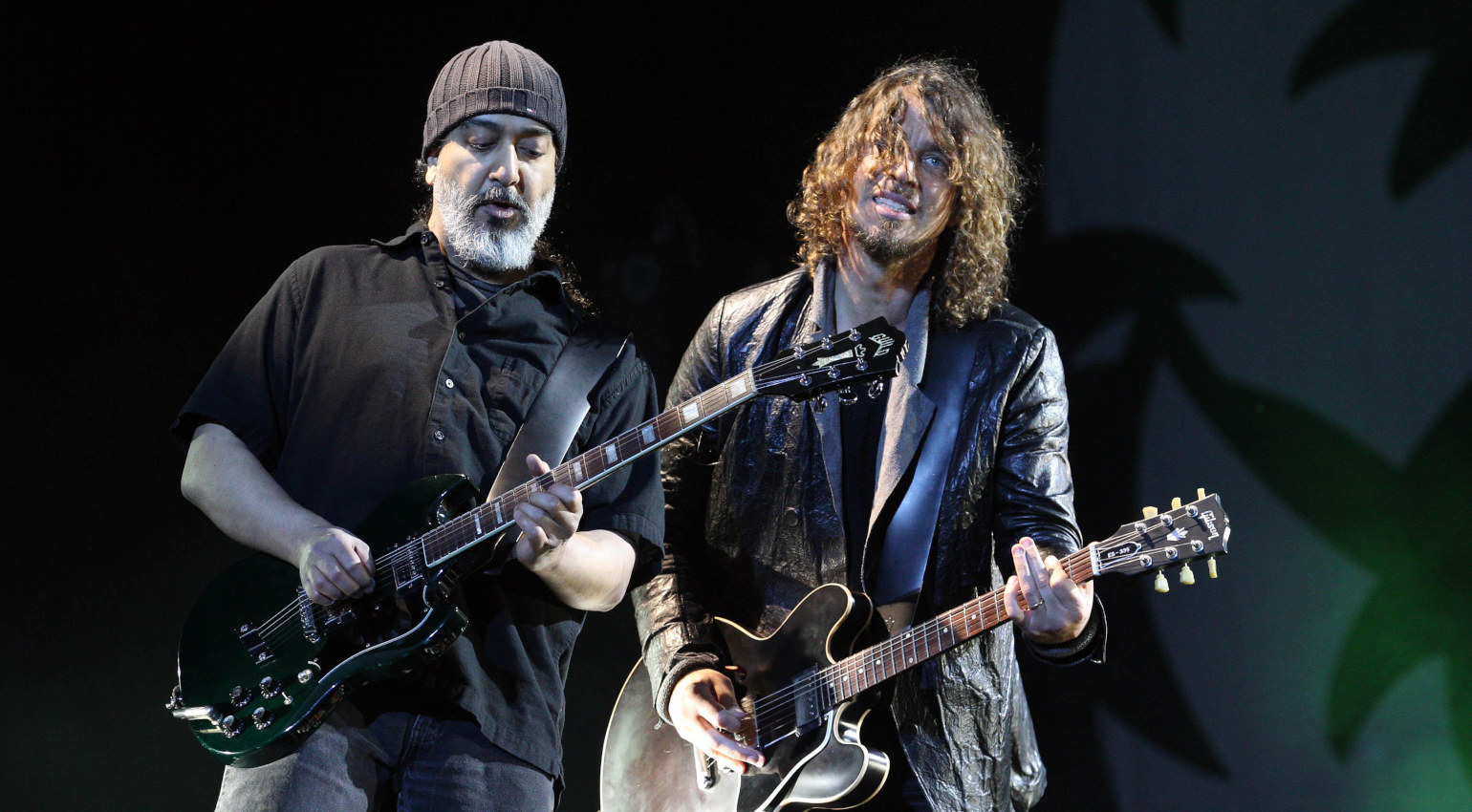
G5A87K Kim Thayil (left) and Chris Cornell of Soundgarden perform at the Hard Rock Calling music festival in Hyde Park, London. · Source: PA Images / Alamy Stock Foto

One of the most important grunge songs of the nineties also comes with one of the most versatile guitar sounds. The sound of Black Hole Sun, Soundgarden‘s biggest hit, is more complex to achieve than you might think. Let’s take a look at how to get closer to it with plugins, budget gear, or high-end studio equipment.
Everything about Black Hole Sun
Soundgarden’s Superunknown
Ten years. Let that sink in for a moment. Unlike the meteoric rise of Pearl Jam and, to some extent, Nirvana, Soundgarden had already been around for a decade before their fourth album, Superunknown, catapulted them to similar heights in 1994. By then, they had changed their sound dramatically several times.
Although Black Sabbath and Bad Brains were major influences, Chris Cornell and his bandmates developed a sound that evolved through several stages, from punk to hair metal to grunge. At the center of it all was Cornell’s voice, which could wail in anguish, scream in rage, or murmur. Superunknown, produced with Michael Beinhorn, was released in 1994.
And even though the band had already done numerous things differently to distance themselves from predecessor Badmotorfinger in terms of content and sound, Black Hole Sun was still an outlier. Cornell had written the song entirely on his own, and the band had to basically replay his demo, a novelty in Soundgarden’s history. But it was an experiment that paid off, winning a Grammy for Best Hard Rock Performance in 1995.
The Sound of Black Hole Sun: Chris Cornell’s Gear
But for the reason mentioned above, the sound of Black Hole Sun is primarily about Chris Cornell’s gear. According to producer Beinhorn, Cornell played a Gretsch Silver Jet as his main guitar during the recording of Black Hole Sun.
It was sent to a Marshall JMP 50 and a Mesa Boogie Dual Rectifier, each connected to a 4×12 cabinet. The signal was then mixed to create the final sound of Black Hole Sun. The Leslie effect from the intro comes from a Fender CBS Vibratone Leslie Model 16.
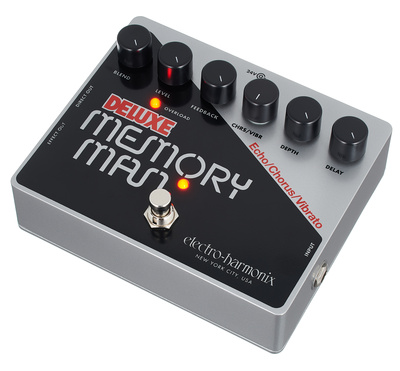
As for pedals, Cornell seems to have been rather sparing during the recordings; an EHX Memory Man appears to have been used for the larger delay sounds in the song. But that seems to be it.
The Sound of Black Hole Sound with Plugins
Marshall sound, Mesa sound, a touch of Leslie – done. As always in this series, we’re only talking about amps and pedals, virtual or analog; you’ll need a guitar and a cable (and the chords for the song). And if you’re using plugins, you’ll also need a DAW and an audio interface.
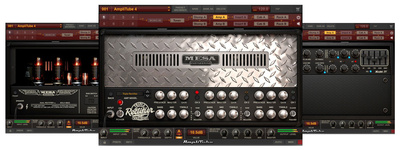
For the JMP 50, there is a VST called THU Made in Rock from Overloud that emulates this amp exactly. And when it comes to the Mesa sound, there are three solutions:
- AmpliTube MESA/Boogie by IK Multimedia*
- Mesa Boogie Mark IIC+ Suite by Neural DSP
- Cali Dual Three Channels Guitar Amplifier by Nembrini
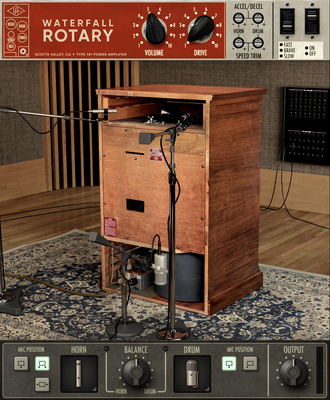
As for the Leslie effect, there is an excellent-sounding plugin version from Universal Audio.



Budget Gear for the Sound of Chris Cornell
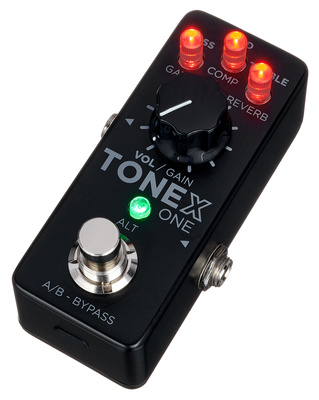
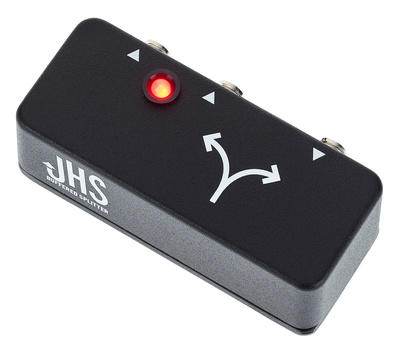
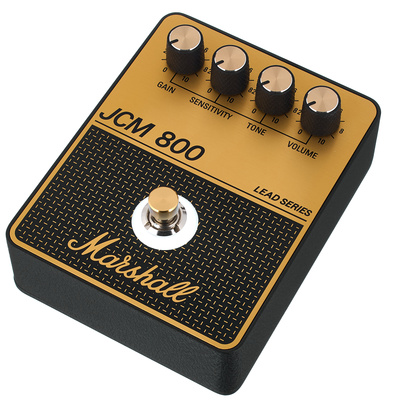
One way to get closer to both amp sounds is with IK Multimedia’s ToneX series*, since there are many ToneX profiles for JMPs and Dual Rectifiers. However, if you want to play both guitar sounds simultaneously, you’ll need a signal splitter that sends the signal to two amps/pedals. The Marshall JCM800 Distortion* is a good starting point for the Marshall sound as the JMP series was its quasi-predecessor.
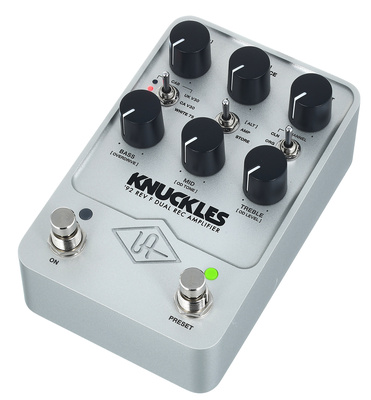
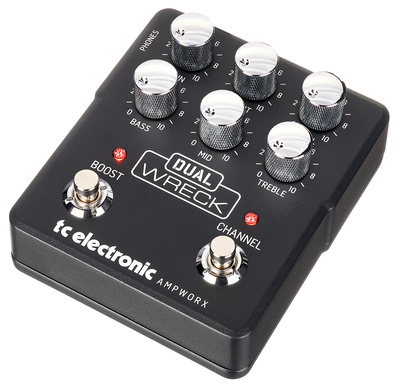
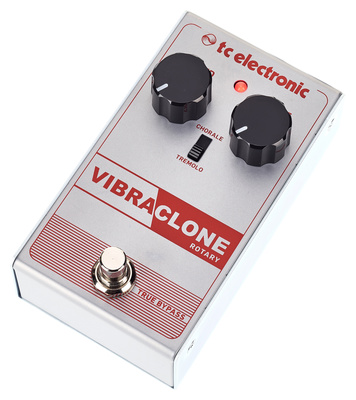
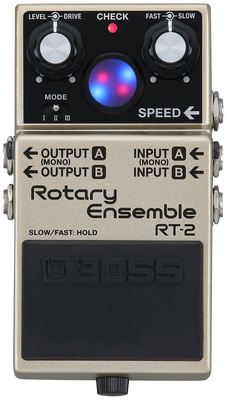
The pedal I’d recommend for a Dual Rectifier sound isn’t exactly cheap for beginners, but it sounds almost like one: the Knuckles* from UAFX. A cheaper alternative is the Dual Wreck Preamp from TC Electronic. For the Leslie effect, there’s the affordable TC Electronic Vibraclone or the recently released Boss RT-2.




Studio Guitar Equipment for Black Hole Sun
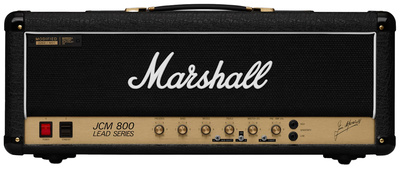
If budget isn’t a concern when it comes to the sound of Black Hole Sun, you can really splurge here. The Marshall 2203 Modified JCM 800 is an amp that doesn’t quite match the JMP 50 but comes pretty close. You’ll also find what you’re looking for something that comes close to the original Mesa/Boogie.
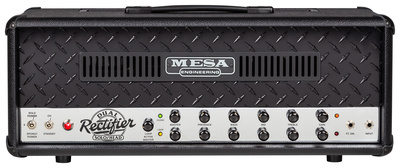
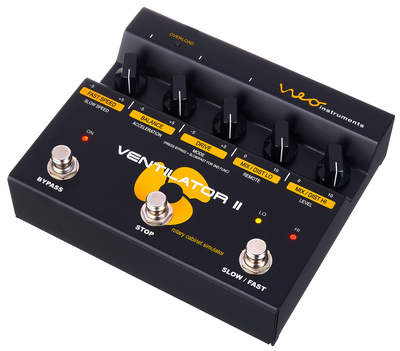
Because just about a year ago, a reissue of the Dual Rectifier came out. This mighty 100-watt monster is one thing above all else: loud. Therefore, it’s best to use a load box, otherwise the studio wall opposite will collapse. As for the Leslie effect, it doesn’t necessarily have to be a Hammond Leslie Box*; the NEO Instruments Ventilator II* offers a lot more sound than the cheaper models. Oh, and don’t forget the Memory Man*.



Conclusion on the Sound of Black Hole Sun
There are many ways to achieve Chris Cornell’s guitar sound. Which one will you choose? How did you get closer to the sound of Black Hole Sun? Let us know in the comments!
*Disclaimer: This post about the sound of black hole sun contains affiliate links and/or widgets. When you buy a product via our affiliate partner, we receive a small commission that helps support what we do. Don’t worry, you pay the same price. Thanks for your support!

This might also interest you