Tembo Kickstarter Hits $2M, discoDSP Upsets The Usual Suspects – Synth Journal

 4,0 / 5,0 |
It’s all kicking off this week in synth land as the Tembo Kickstarter hits $2M of advanced funding, whilst discoDSP have caused a furore with their dip into the open-source world of The Usual Suspects.
Synth Journal – March 19th, 2026
Musical Beings Tembo Hits $2M on Kickstarter
Resembling a Tic-Tac-Toe gameboard, or some form of stunted chequers, Tembo set out to be a simple, screen-free music-making device made of wood and using a grid-based system adorned with chips with inlaid magnets to trigger steps.
At first glance, you might dismiss Tembo as yet another hipster-esque musical tool designed to be looked at and fawned over rather than be used as a serious compositional tool. On closer inspection, however, Tembo is much more than that.

You can sample into Tembo, use its built-in sounds, and it has its own effects engine and some basic sound-shaping tools. The chips can be placed, stacked, and easily moved around to manipulate the beat, and there’s a built-in speaker and battery for a truly wire-free experience.
Well, if you’ll excuse the pun, Tembo seems to have struck a chord because, at the time of going to press, the Kickstarter campaign had raised more than $2,000,000, achieving nearly 4000% of its initial goal! That is a staggering achievement and a truly remarkable endorsement of Tembo’s appeal.
It has been such a rip-roaring success that the people behind Tembo, Musical Beings, had to draw the campaign to a close just days after it started! If you missed out, I suggest you sign up for the campaign to see if extra units might be made available, or a stretch goal created.
All we can say is congratulations to Musical Beings, and we hope to get our hands on a Tembo when they finally start landing in customers’ hands in January 2027! Find out more at the Musical Beings website.
discoDSP’s Retromulator Causes a Stir
If you’re not aware of the fantastic work by a dedicated team of software developers who go by the name of The Usual Suspects, you’ve probably been living under a rock or simply not at all interested in the accurate recreations of old hardware synths using defunct DSP processors.
Their work has given us virtually bit-perfect emulations of synths like the Roland JP-8000, Clavia’s Nord Lead 2, Waldorf’s MicroQ, Microwave 2 and XT, and the Access Virus A/B/C and Ti. By reverse engineering chips like the Motorola DSP563xx, versions of which powered these machines, they’ve been able to bring them back to life on our computers.
You might be thinking that this is a bit cheeky and possibly illegal, but users have to provide the synth’s firmware, and they also have to own the original hardware. Of course, with the internet being the internet, all of the ROM files are available online if you know where to look.
Of course, TUS can’t charge for this software, so it is all made available as open source, covered by a GNU GENERAL PUBLIC LICENSE Version 3, which, in essence, without regurgitating all the legal jargon, means that anyone can use, reproduce and alter the code, so long as they credit the originators and do not charge for it.
A couple of weeks ago, discoDSP, purveyor of some fine software synth plugins, released Retromulator. Using The Usual Suspects open source code, called Gearmulator, discoDSP produced a virtual 1U rackmount device that used the open source code, delivering what is nothing more than a preset playback instrument.
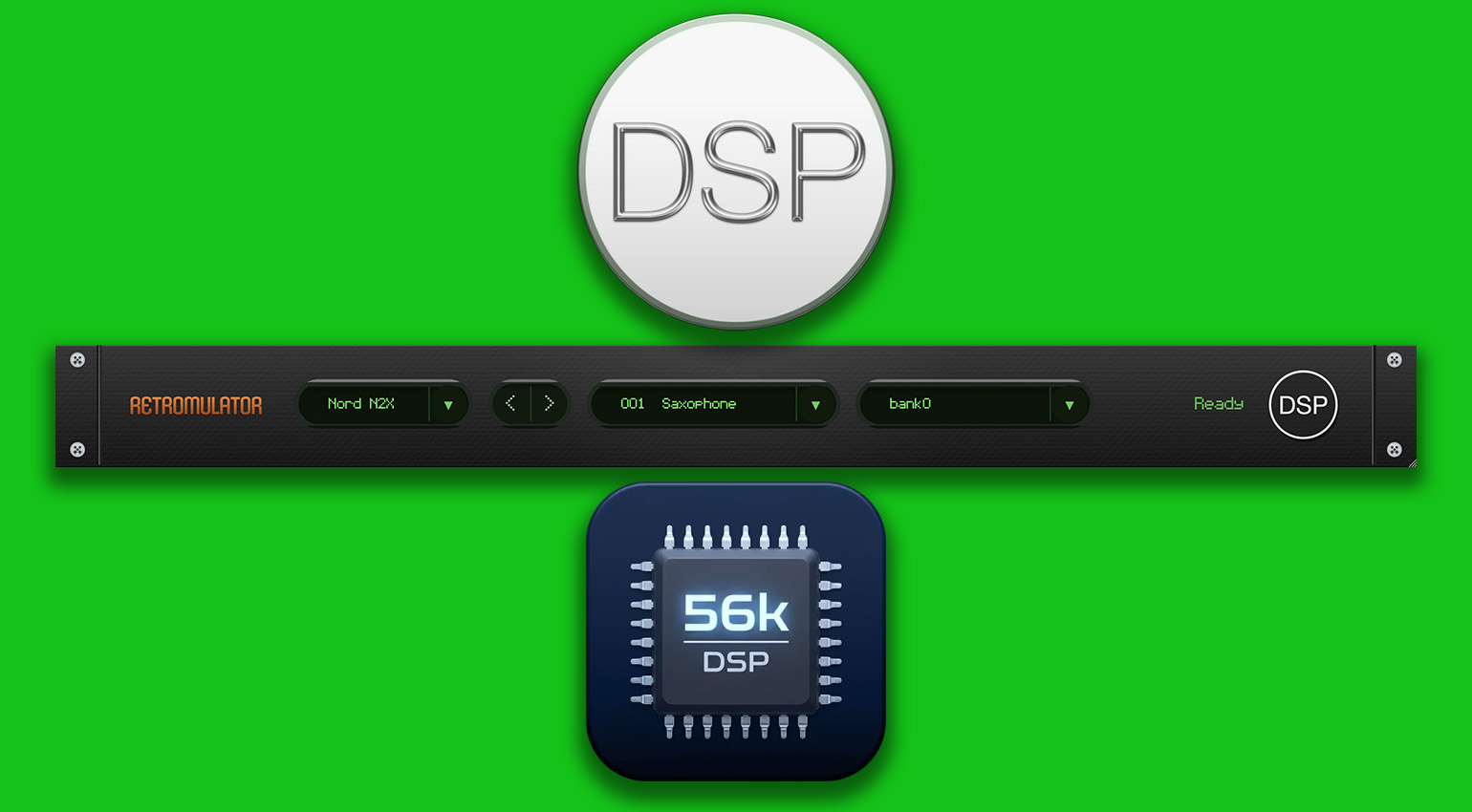
So far, so legal. discoDSP gave full credit, and there didn’t seem to be any issue until you noticed a big, fat ‘BUY’ button on the page. The internet, being the internet, latched on to this and started crying foul, and the message boards, forums and such-like, started filling up with bile and vitriol.
What most people didn’t notice was the fact, clearly stated, albeit at the bottom of the page, that buying a licence gave you priority tech support and would help continue to fund the Retromulator project. The plugin, however, was completely free. This didn’t appease the rabid folk online, and discoDSP came in for a battering.
discoDSP updated their website, attempted to clarify the position, but it seemed the damage was already done. A week or so later, they donated $1,000 to the TUS development fund, which was then promptly refunded by TUS, who said thanks but no thanks, and expressing their desire to remain transparent and free of any corporate funding.
Since then, discoDSP have expanded and enhanced the capabilities of Retromulator by adding engines such as the Akai S1000, Yamaha DX7, Wurlitzer 200A and Yamaha OPL3 alongside the TUS code. I get why people got upset, and it could have all been avoided if discoDSP had put a little more thought into the way they marketed it at the outset.
That said, I had to chuckle at how so many people were getting upset about a company supposedly breaking open source etiquette when the company behind said open source code was recreating other people’s work on the original hardware.
Ultimately, Retromulator is a pretty neutered device, offering nothing more than preset playback, although it has been “signed”, so it is much easier to install. I’m sure many people will find a use for it, but many more will prefer the TUS versions that offer so much more in terms of full UI access.
CME’s H12MIDI Pro Pre Orders Now Open
CME are fast becoming a hugely inventive and influential manufacturer in the world of MIDI connectivity. They’ve been around for some time, but really came to prominence when they perfected MIDI over Bluetooth with their WIDI product range.
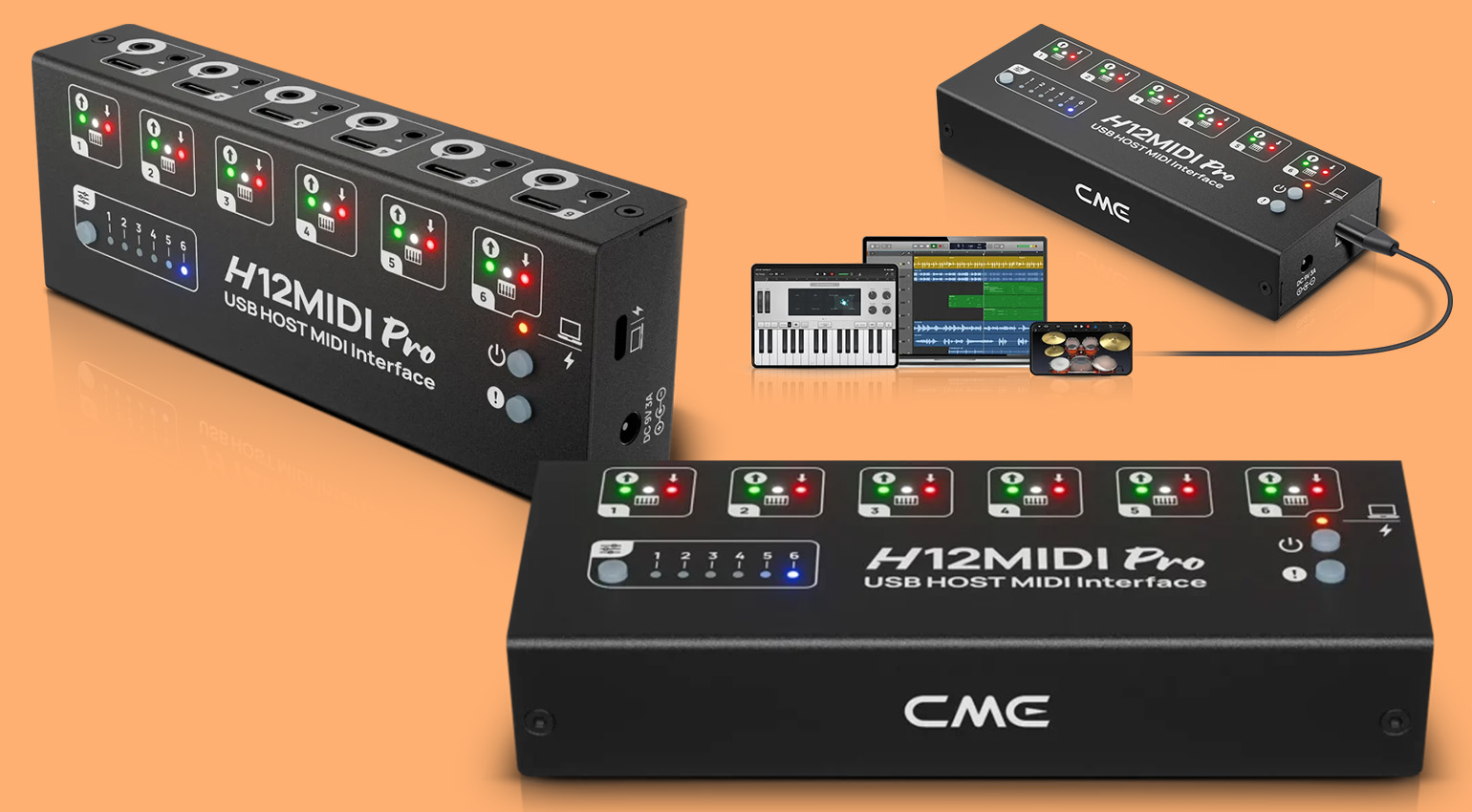
They’ve since been building a number of super-handy, affordable MIDI hubs and Thru-boxes that are finding fans all over the electronic music community, myself included. Now, their latest device offers amazing connectivity and portability.
The H12MIDI Pro gives you 6 MIDI In/Out ports via a pair of MIDI TRS jacks or USB-C connections. These ports can be routed, filtered, and mapped via CME’s free HxMIDI Tools app, available on Mac, PC and iOS. Hook the H12MIDI Pro up to a computer or iOS mobile device, and it will give you a further 8 pairs of virtual MIDI ins and outs.
It can be powered via USB or a guitar pedal, standard 9V 3A DC PSU. But the real beauty of the H12MIDI Pro is that you can store up to 6 configurations in the box itself, meaning that you don’t have to be permanently connected to a device, and can switch between these configurations on the fly.
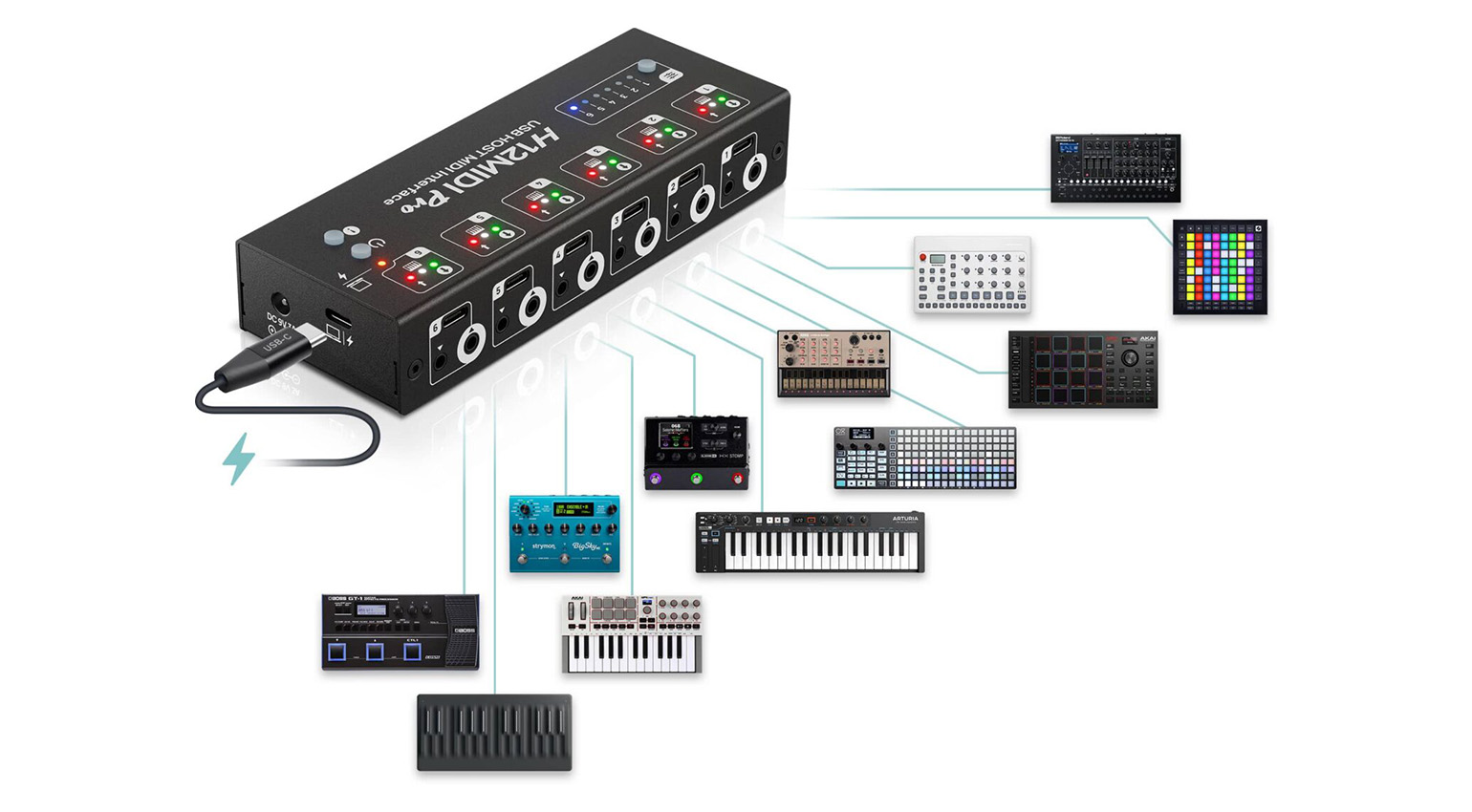
The H12MIDI Pro was initially planned to launch at the beginning of 2026, but a small issue was discovered at the hardware level, so CME delayed the launch until now to get that fixed. So if you want one of these at a discounted pre-order price of $139, discounted from the full price of $199, you’d better sign up now. The first batch is limited to 400 units!
X Audio System XTRIKE Set to Launch on Indiegogo
My colleague Adam covered this a while back, but X Audio System’s XTRIKE is about to go live on the Indiegogo crowd-funding site! XTRIKE is a unique wavetable synth that uses touch and impact as its interactive surface and boasts AI machine learning for on-device pattern learning.
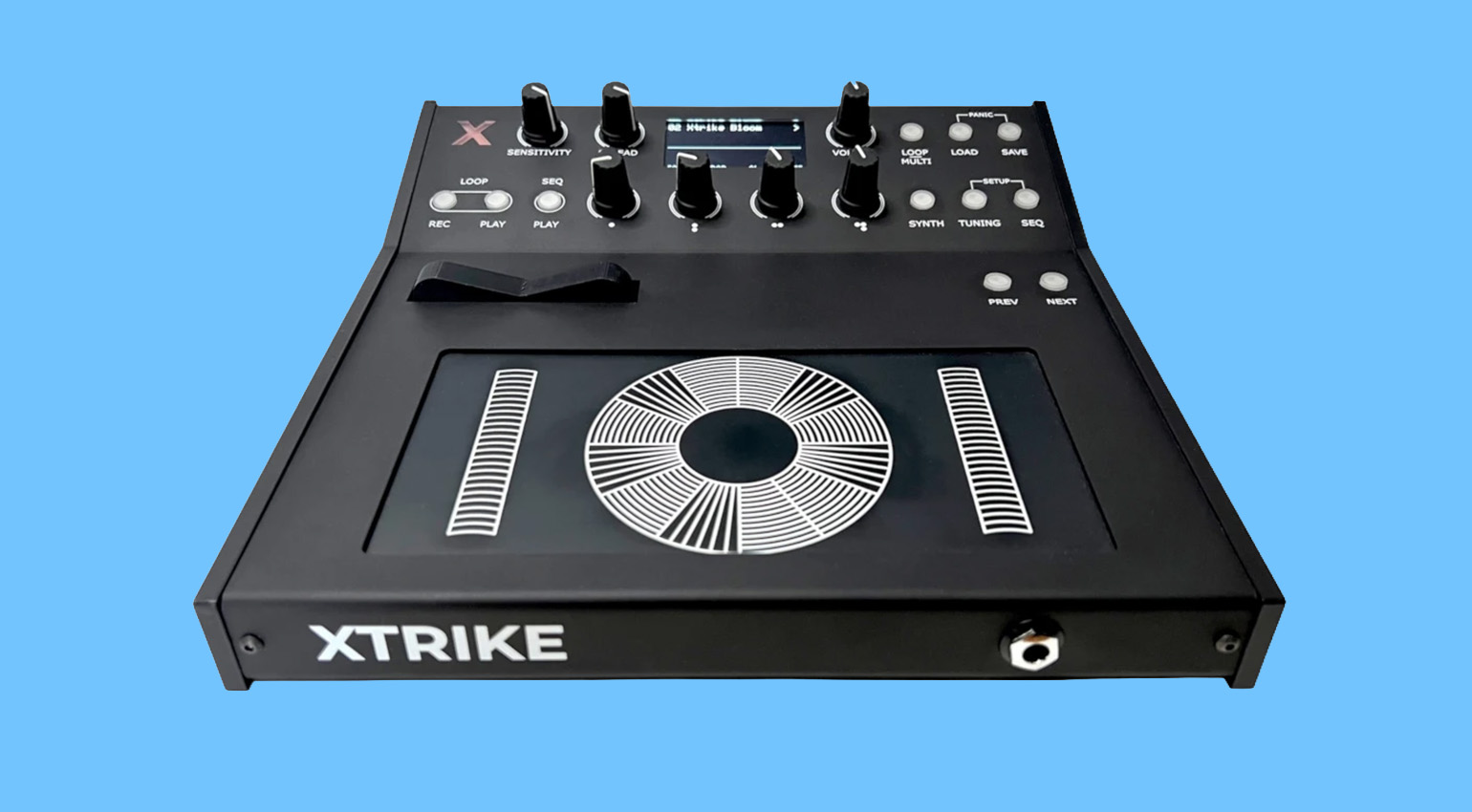
It’s a really cool way of creating music via wavetables that eschews traditional performance methods to deliver something really interesting and unique. It’s a 4-voice polyphonic and features an analogue-controlled wavetable synth engine.
It also boasts a 20-second stereo looper and 16-step sequencer, plus it can also handle micro-tuning, making it ideal for all sorts of musical styles. Judging by the video shown here, it looks really expressive and a lot of fun!
You can even draw and store your own wavetables within the device, as well as using the built-in waveforms in each oscillator. There’s a small but informative screen for useful feedback, and it will come with 100 factory presets to get you started. There’s no price as yet, but you can learn more at their Indiegogo preview page here!


This might also interest you