Sampling and Field Recording in 2026 as a Creative Process: How to Build Tracks From the World Around You
If You're Only Buying Sample Packs, You're Missing the Most Interesting Sound Source There Is

 4,4 / 5,0 |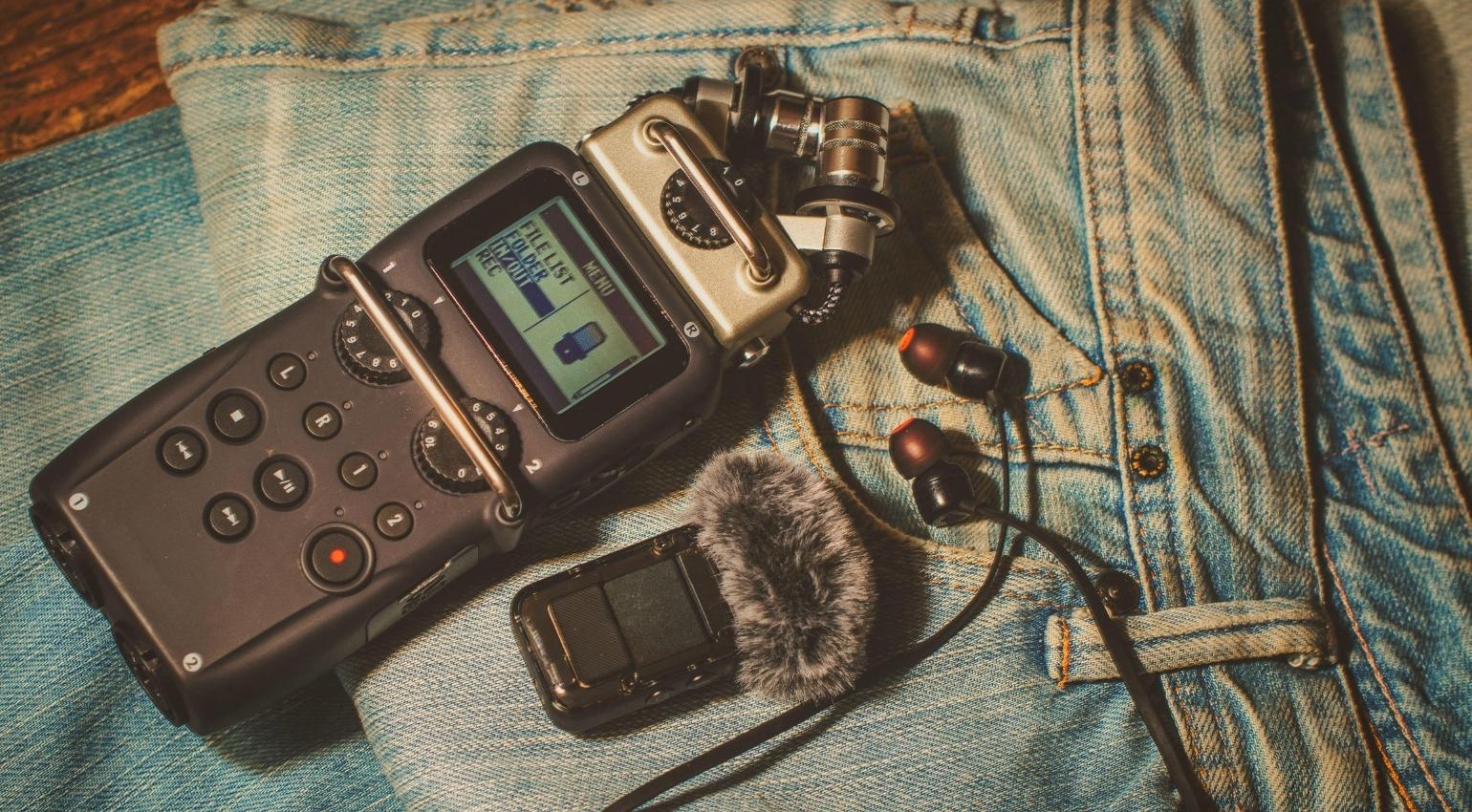
Sampling and Field Recording in 2026 as a Creative Process: How to Build Tracks From the World Around You · Source: Michelangelo Oprandi / Alamy

There’s a moment in music production when sample packs stop being exciting. You know every kick, every pad, every atmospheric texture making the rounds, because a thousand other producers are using the exact same packs. That’s where sampling and field recording as a creative process starts getting interesting. The idea goes back further than most people think: Depeche Mode went into factories and scrapyards in the 80s with portable recorders, capturing sounds no synthesizer in the world could replicate.
Today that same equipment is affordable, the software around it is brilliant, and the creative approach is more relevant than ever. If you want to understand how to build real tracks out of everyday sounds, ambient textures, and recorded environments, you’re in the right place. If you also want to know how to master your finished tracks for streaming, this is the place to start: Loudness War 2026.
Sampling and Field Recording at a Glance
How sampling and field recording work as a creative duo, what gear you actually need, and why the best sounds are often waiting right outside your front door.
- Field recording isn’t a niche topic. It’s one of the oldest and most effective ways to develop your own sound.
- You don’t need expensive equipment to make good field recordings. A solid portable recorder is enough to start.
- The most interesting sounds often happen by accident, which is why having a recorder ready at all times is a genuine production technique
- Sampling and field recording together create a workflow that makes your sound impossible to copy
- In the DAW, field recordings become instruments, textures, percussion, or atmospheres
- Hardware samplers like the Elektron Digitakt II or the Akai MPC One G2 let you process field recordings directly in the device
- Legally, your own recordings put you on solid ground, which isn’t always the case with third-party sample material
Sampling and Field Recording: Gear, Workflow, and Creative Techniques for Your Own Sounds
What Field Recording Actually Is and Why It Changes Your Sound
Before sampling and field recording as a creative process can really be understood, it helps to get clear on what we’re actually talking about. Field recording means capturing sounds outside the studio. Street noise, industrial sounds, nature, a creaking door, the hum of an air conditioner, running water. Anything that makes a sound is potentially usable.
The key difference from sample packs is uniqueness. A sound you record yourself exists in that form exactly once. No other producer in the world has that recording. That’s the creative core of sampling and field recording as its own approach.
What a lot of people underestimate: field recordings rarely sound usable straight out of the recorder. That’s not a problem, it’s part of the process. Pitching, granular synthesis, time-stretching, filtering, and effects are what turn a raw ambient sound into something musical. The scrapyard sounds from Depeche Mode were unrecognizable as scrapyard by the time they were processed. They were instruments.
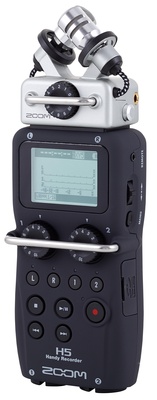
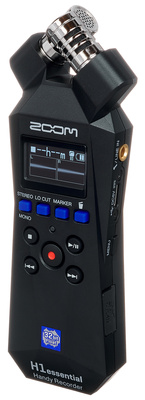
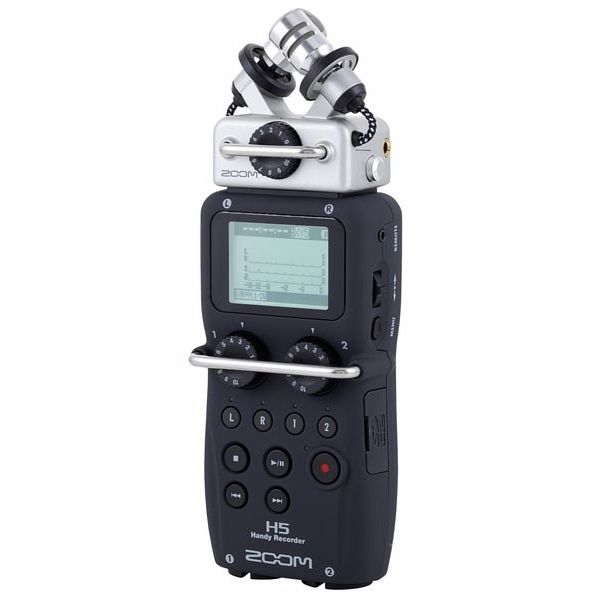
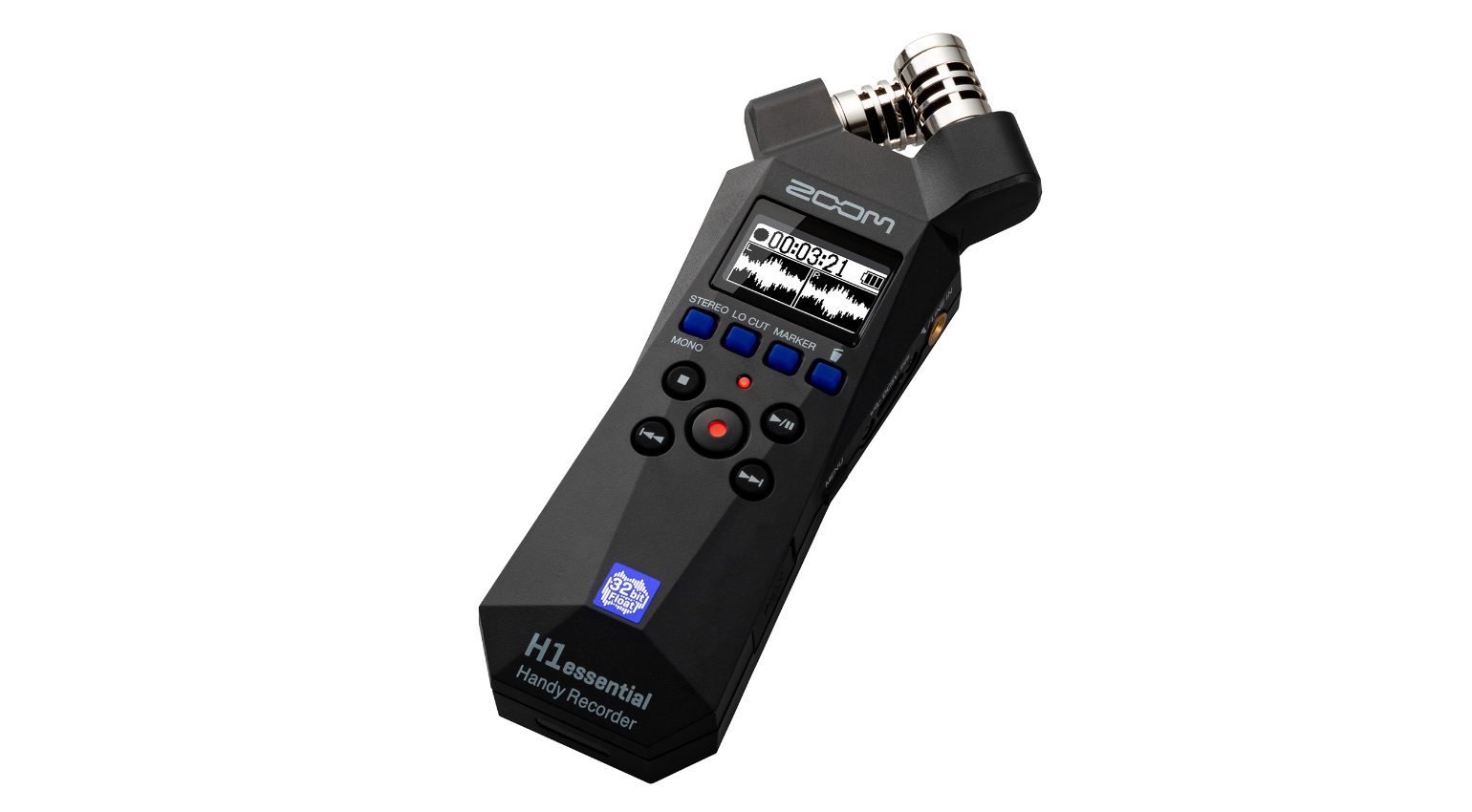
The Zoom H5* is a proven entry point for portable field recording, used by producers and film sound designers alike. If you want to start even cheaper, the Zoom H1essential* delivers usable results for under €80.



The Right Gear for Sampling and Field Recording
This is the part where a lot of people overspend too early. Getting into sampling and field recording doesn’t require professional film audio equipment. What you need is reliable, portable, and sonically honest.
Portable Recorders: The Foundation
A portable stereo recorder with built-in microphones is the most direct path into a sampling and field recording workflow. Zoom has dominated this segment for years, and for good reason: solid price-to-performance ratio, decent preamps, and XLR inputs for external microphones starting from the H5 model upward.
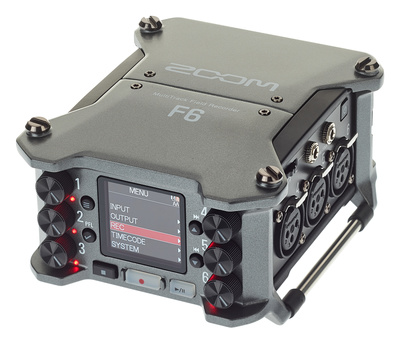
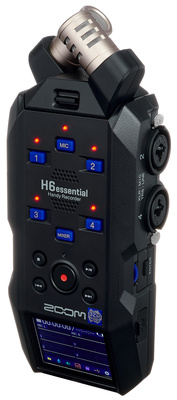
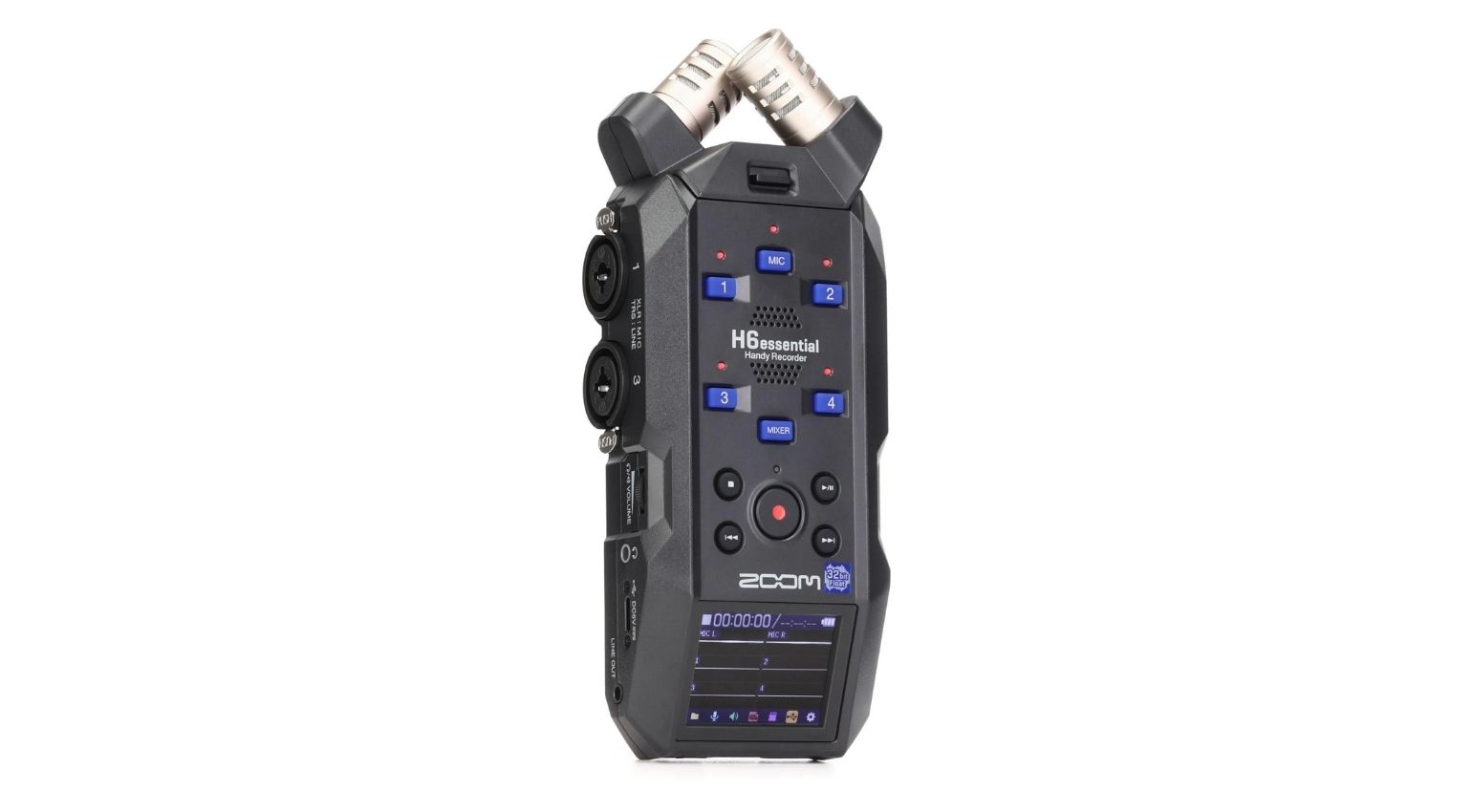
The Zoom H6essential* is the first choice for serious field recorders in this price range: six tracks, swappable capsules, solid preamps. If you need more channels and 32-bit float recording, which handles tricky level situations without any clipping risk, check out the Zoom F6*.

Microphones: Sound Starts Here
Built-in mics are fine for getting started. But if you want more precision in what you capture, external microphones make a real difference. For sampling and field recording, three types are especially relevant.
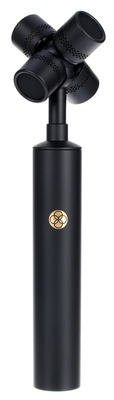
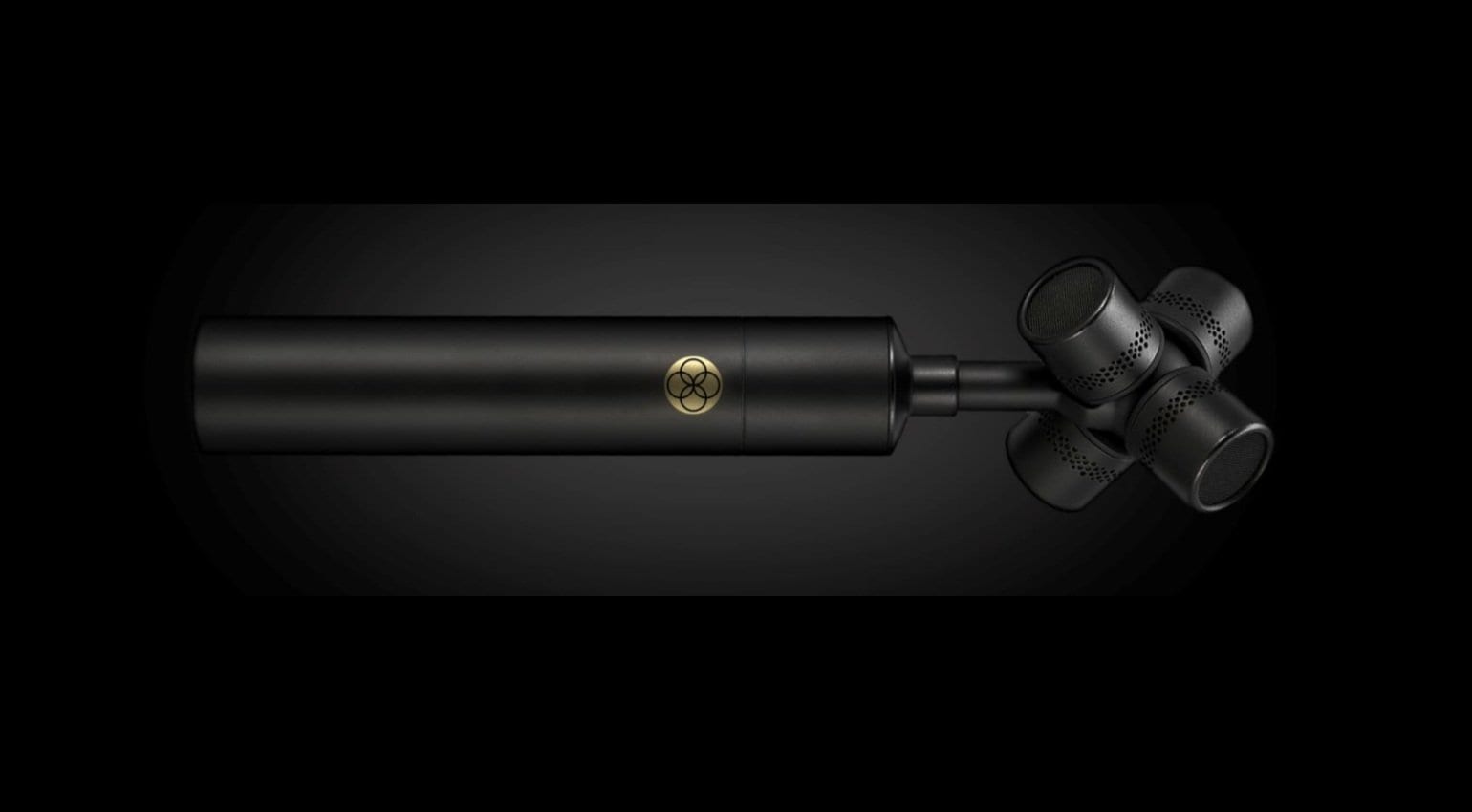
Stereo microphones capture a room the way it sounds, with real stereo width and natural depth. The Rode NT-SF1* is an Ambisonics microphone that records in 360 degrees, ideal for atmospheres and ambient environments. Alternatively, matching a pair of identical microphones works well too, just make sure to get the positioning right.
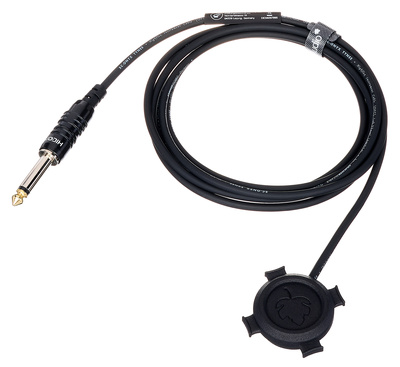
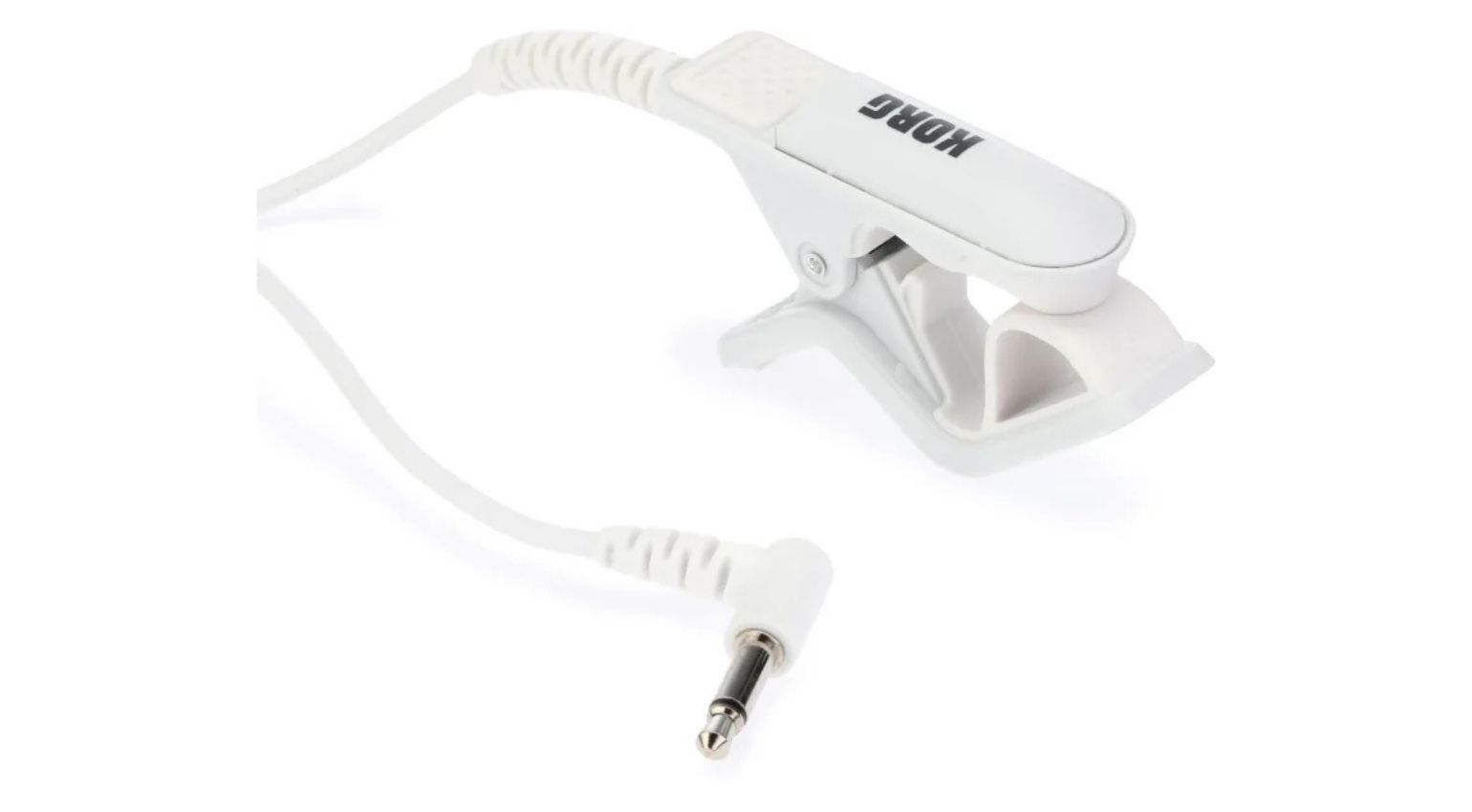
Contact microphones* pick up vibrations directly from surfaces. A contact mic on a refrigerator, a bridge, or a metal roof delivers sounds that no conventional microphone could ever capture. This is an entire world within sampling and field recording that most producers never explore.
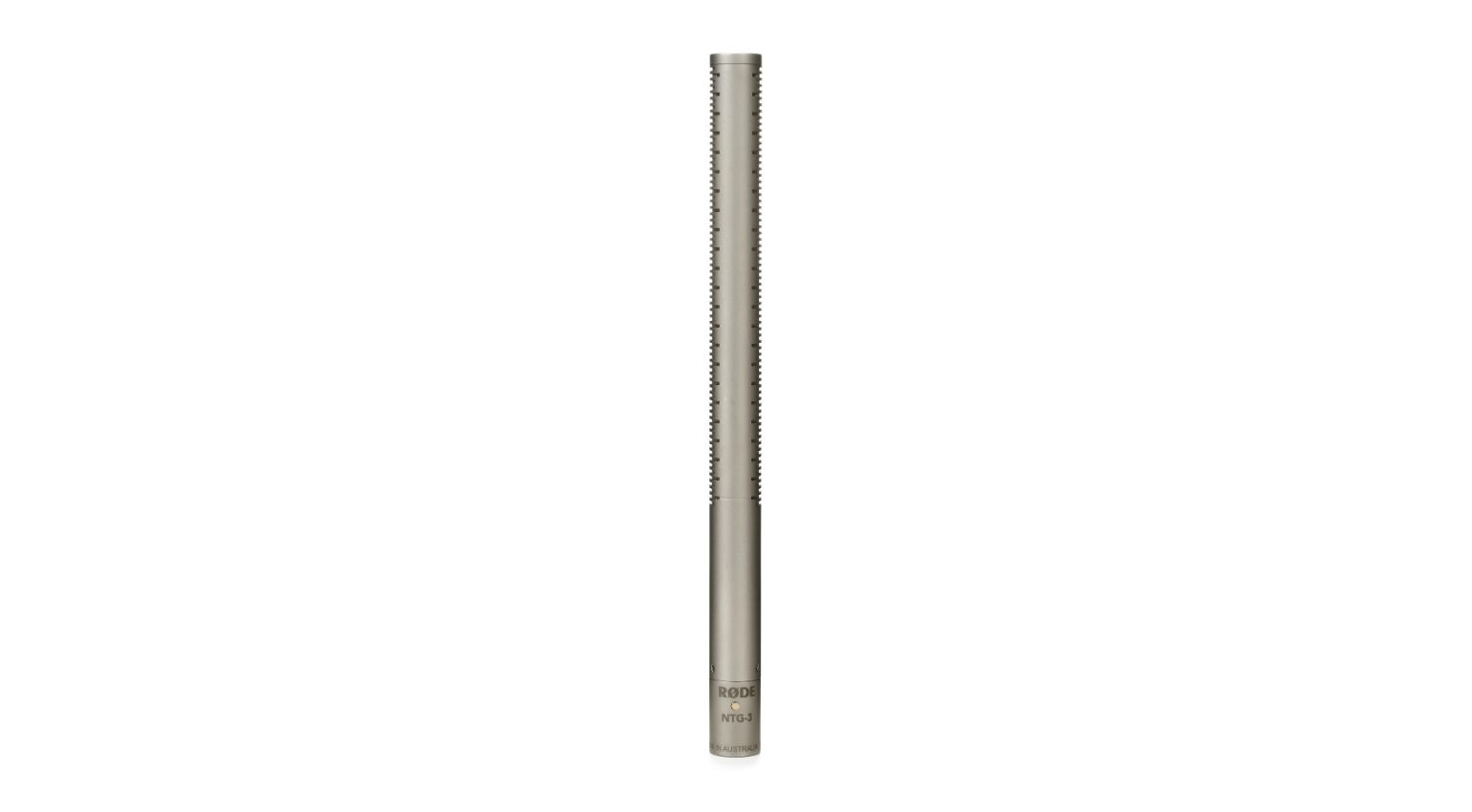
Shotgun microphones isolate individual sound sources from an environment. The Rode NTG3* is a classic used in both film sound and field recording. Reliable, unobtrusive, and consistently honest.



Software: Where Field Recordings Become Instruments
The real creative work starts in the DAW. Sampling and field recording as a production technique lives and dies by the processing stage. Ableton Live* is especially strong for this workflow because Simpler and Sampler turn any recorded audio material into a playable instrument directly inside the DAW. For dedicated granular synthesis, use the Granulator III device in Ableton Max for Live, or reach for Native Instruments Kontakt 8* for deeper instrument mapping across the full pitch range.




What the Creative Workflow Looks Like in Sampling and Field Recording
This is the heart of sampling and field recording as a production method. First-timers are often surprised by how little the original material has to do with the finished result. That’s not a flaw in the process, that is the process.
Step 1: Record. Go out without a specific plan. The best field recordings happen when you’re not thinking about what to capture, just listening. Industrial areas, train stations, parks after rain, kitchens, boiler rooms. Everything is a potential sound source. I record regularly when I’m out and about, often with the recorder sitting in my jacket pocket, because you never know what you’ll stumble into.
Step 2: Review and mark. Listen back to your recordings and flag interesting moments. Not everything will be useful, and that’s fine. Sometimes it’s a three-second texture buried in a ten-minute recording that turns out to be the gem.
Step 3: Import and pitch. Load the material into the DAW and experiment with pitch-shifting. A door creak pitched way down can become the perfect bass texture. A metal scrape pitched up can turn into a lead sound. Sampling and field recording often only reveals itself here, once you stop hearing the original sound and start treating the material as raw clay.
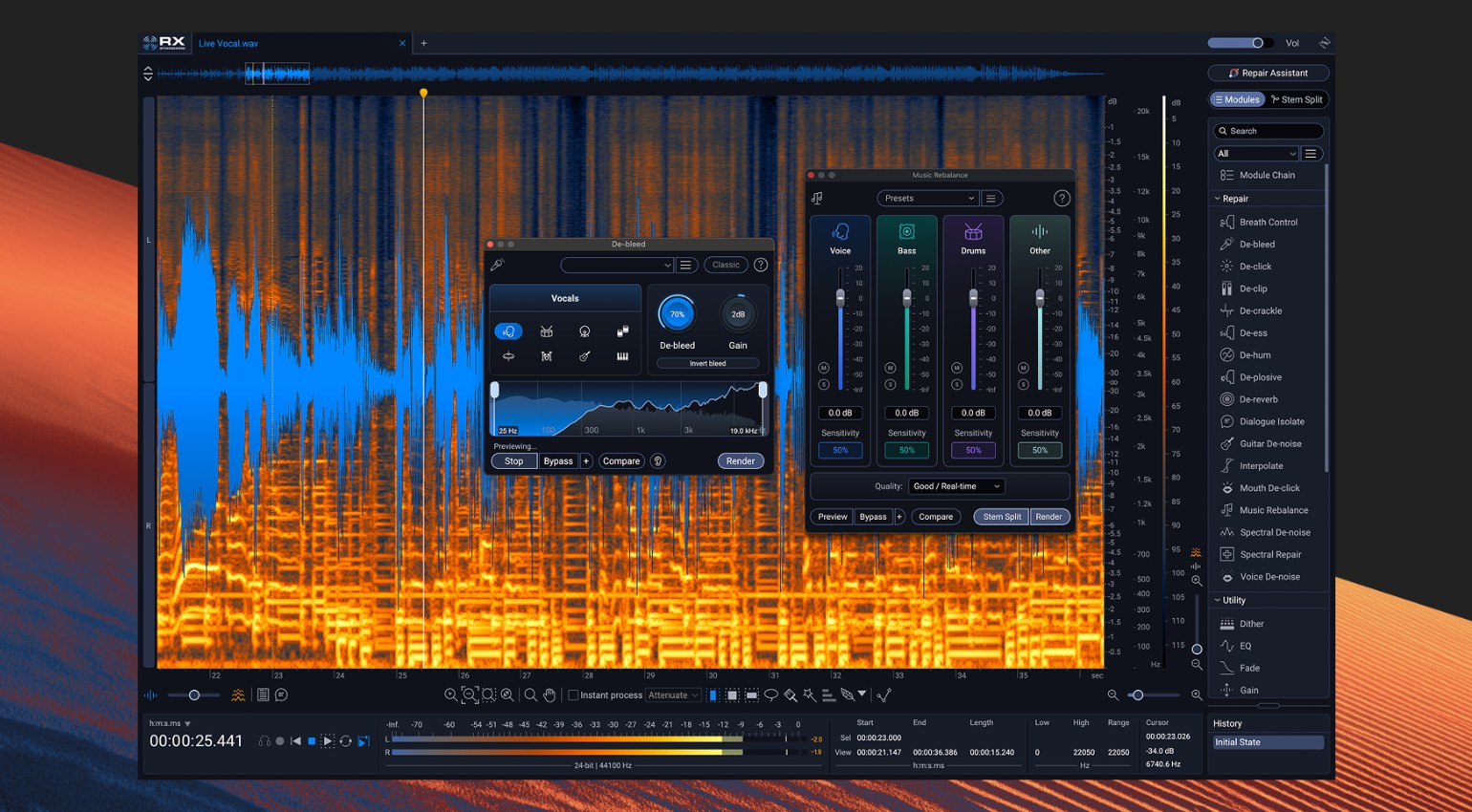
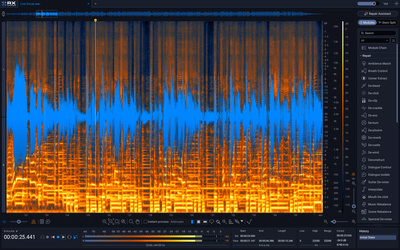
Step 4: Clean up with iZotope RX 12. Before the creative processing, a quick cleanup pass is worth it. iZotope RX 12* is the standard tool for this: wind noise, hiss, clicks, hum, all of it can be removed precisely without touching the sonic character. The new version also brings improved stem separation, which opens up new possibilities for sampling and field recording workflows.

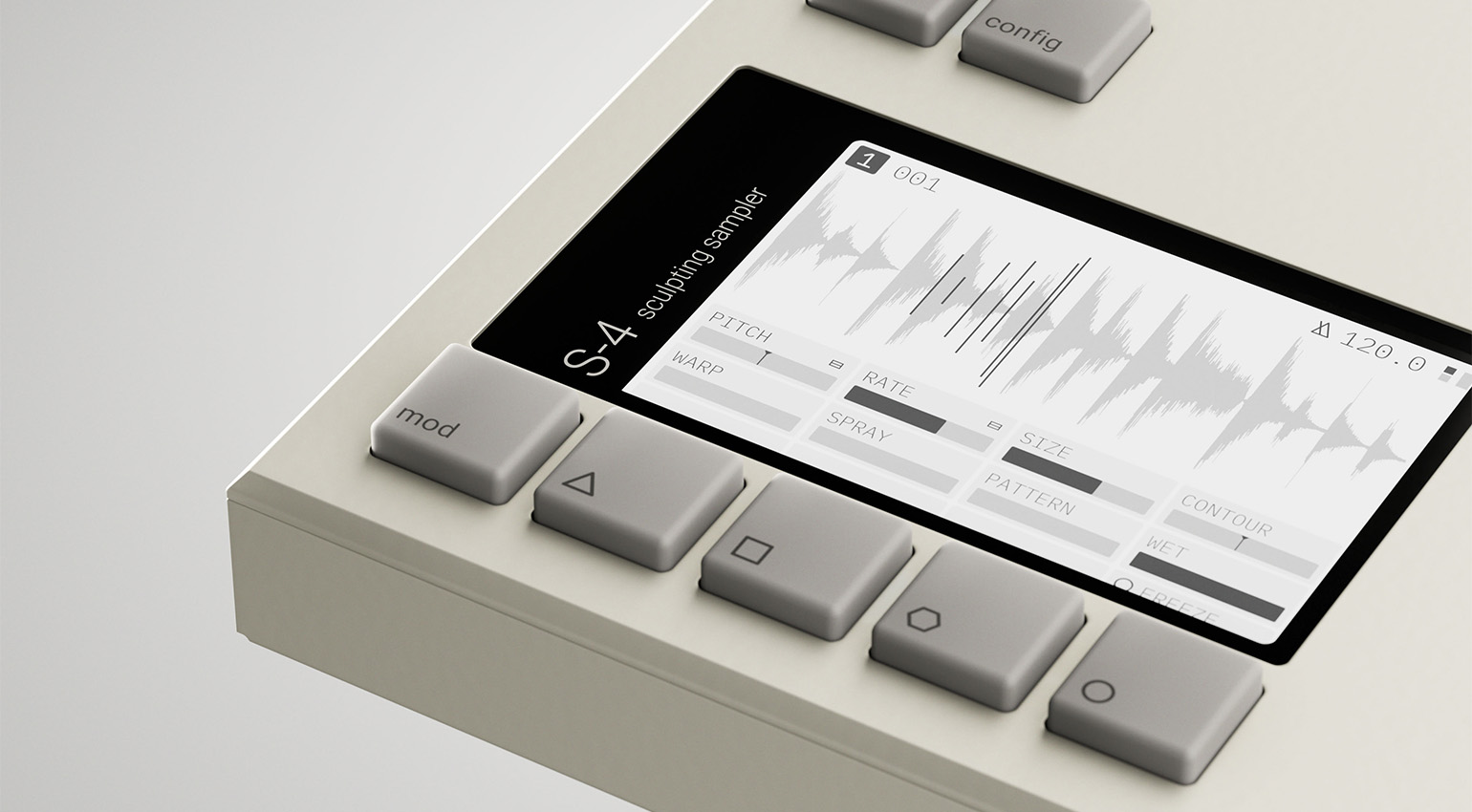
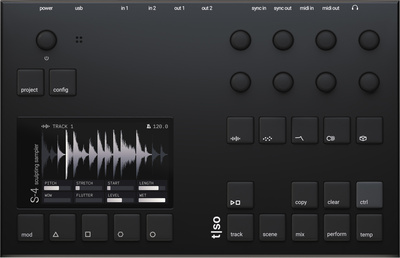
Step 5: Granular synthesis. Granular synthesis breaks audio into tiny grains and plays them back in different combinations. Water noise run through a granular engine becomes a pad. A drum recording becomes a rhythmic noise loop. Ableton Granulator III is free as a Max for Live device and the most direct path into granular synthesis from field recordings. The Torso S-4 is also worth a look as a dedicated hardware granular option.

Step 6: Layering. Field recordings rarely work on their own. They hit hardest when layered with synthetic sounds. A self-recorded texture underneath a synthesizer pad gives the sound a depth and uniqueness that no preset can ever deliver.
Processing Field Recordings in Hardware Samplers
Sampling and field recording doesn’t have to stay inside a DAW. Hardware samplers are sometimes a better fit for this workflow because they offer a more physical, hands-on relationship with the material.
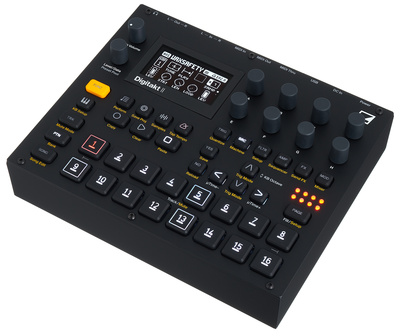
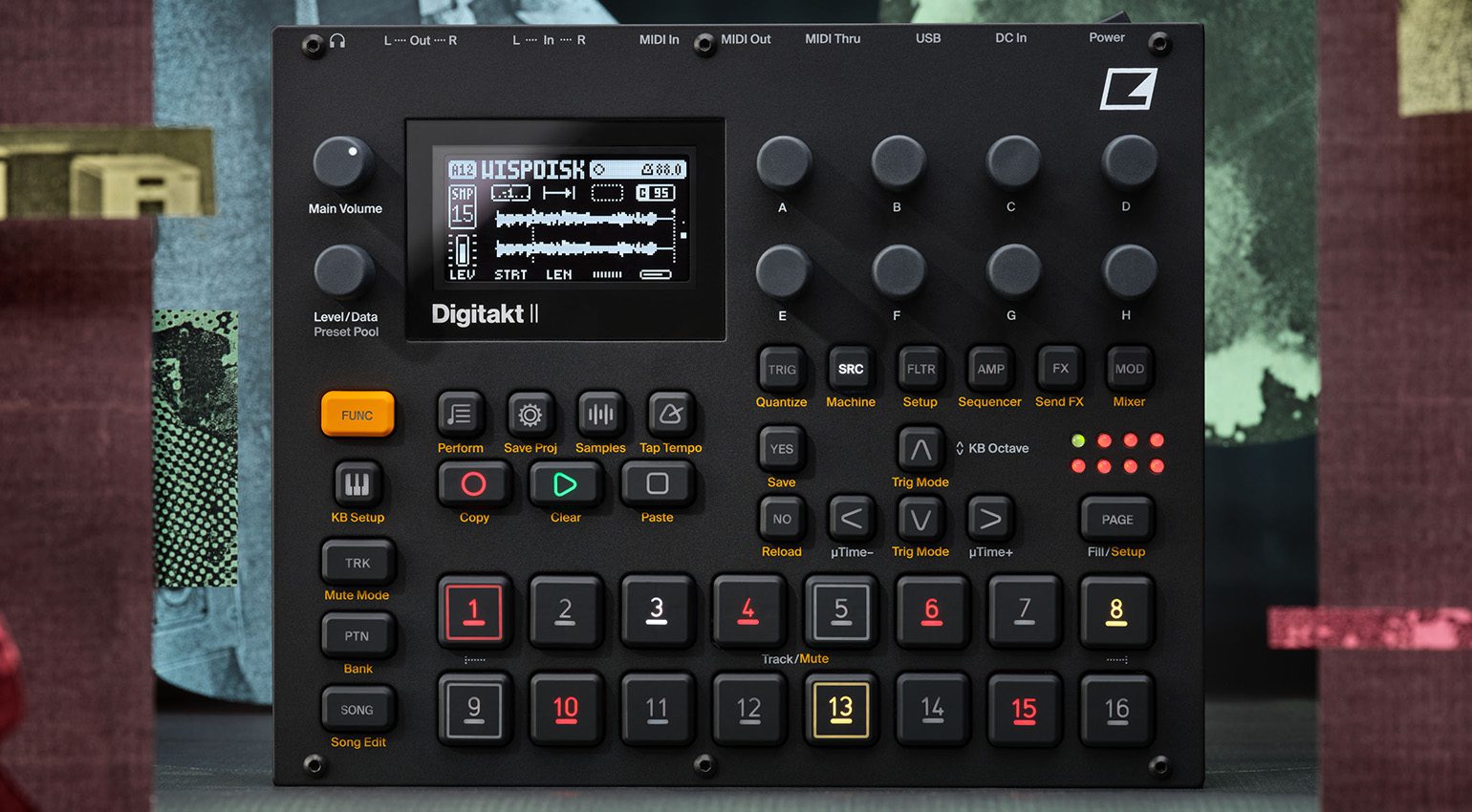
The Elektron Digitakt II* can record field recordings directly through its input, sample them, and immediately process them across the sequencer’s eight tracks. It’s live, direct, and forces decisions, which in sampling and field recording as a creative process is often exactly what you want.

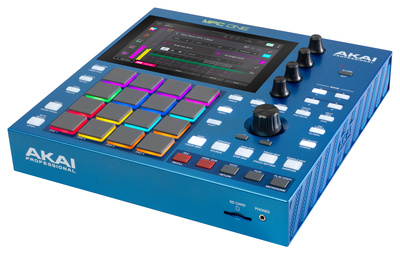
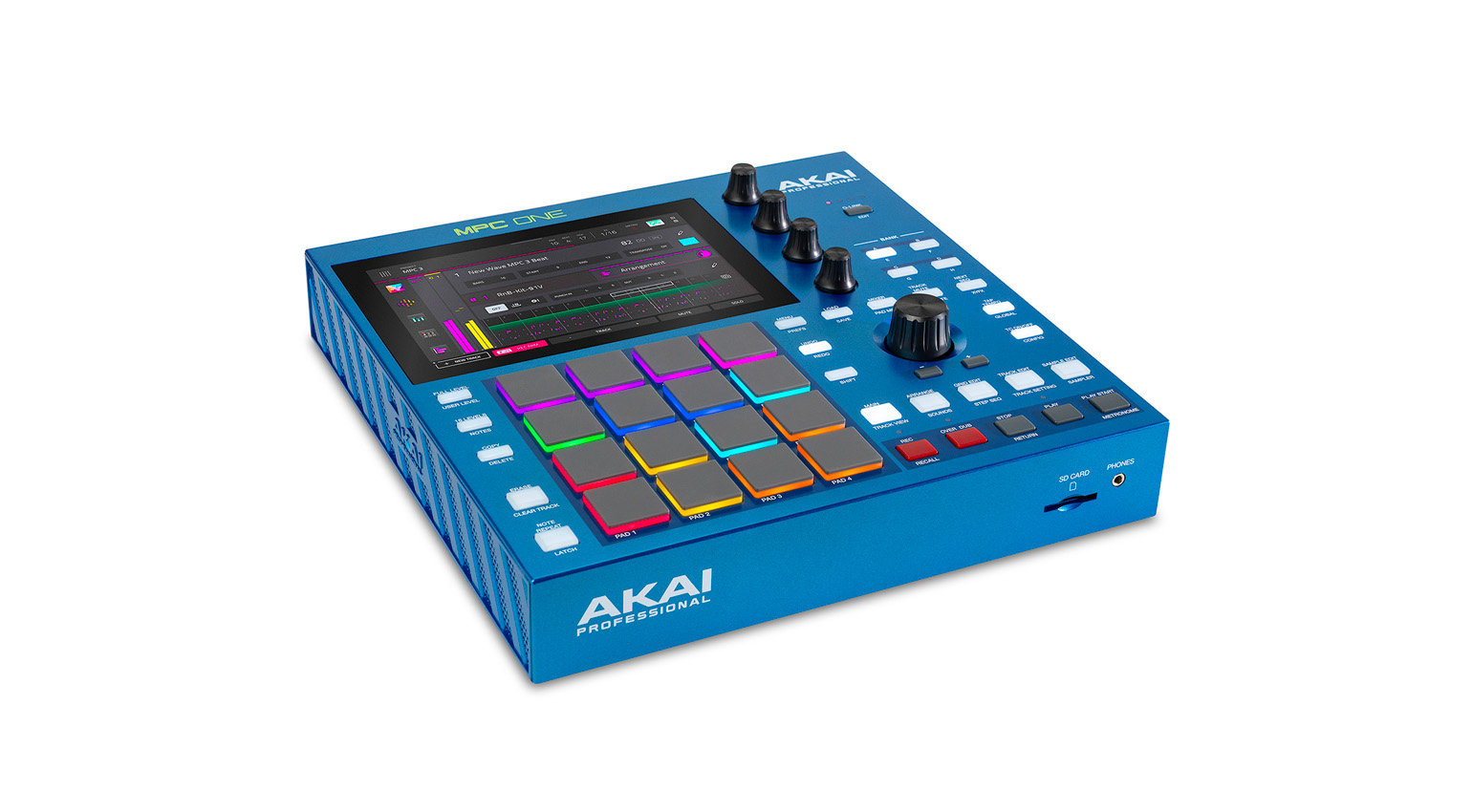
The Akai MPC One G2* takes it further: it combines hardware sampling with a complete operating system that handles pitch-shifting, timestretching, and rudimentary granular synthesis directly on the device. For producers who want to work without a laptop, this is a complete sampling and field recording environment in a single unit.

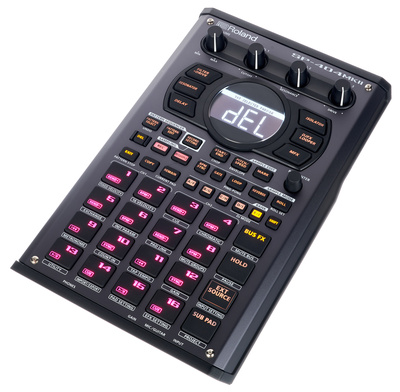
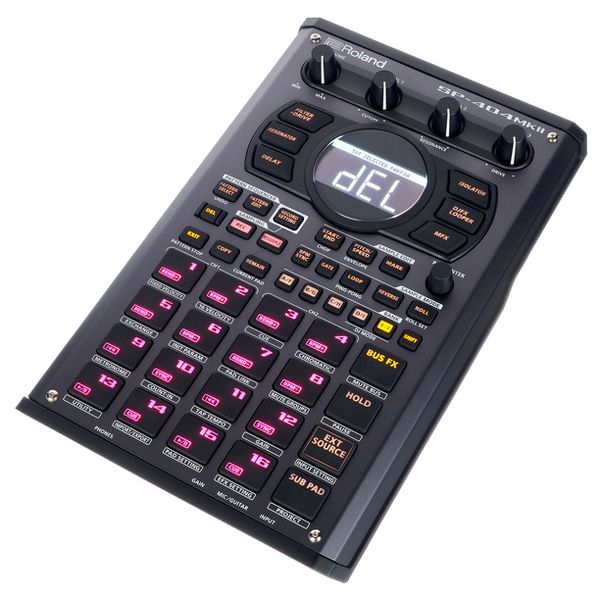
The Roland SP-404 MK2* is another classic option, especially popular in lo-fi and hip-hop production, because it combines sampling and field recording with a specific sonic aesthetic: warmer converters, more characterful noise floor, and a tactile feel that encourages experimentation.

Legal Peace of Mind: Why Your Own Recordings Are So Valuable
This is an aspect of sampling and field recording that often gets overlooked. Working with third-party sample material puts you in legally complex territory. The EU act on sampling from 2019 created more room to work, but unclear boundaries remain, especially for melodically recognizable samples.
If you record it yourself, that problem doesn’t exist. All field recordings you create belong to you. You can use them commercially, release them, and license them without restriction. That makes sampling and field recording not just creatively powerful but legally clean.
If you do want to work with external sample material, stick to licensed libraries or explicitly royalty-free sources. Plugin Boutique* carries a wide selection of licensed sample packs that integrate legally into any production.
Real-World Scenarios: How Field Recordings End Up in Actual Tracks
Percussion From Everyday Objects
The classic example. A metal can slapped on a table. A set of keys thrown onto concrete. The click of a mechanism. All of it becomes percussive material that, after pitching, EQ, and compression, integrates seamlessly into a drum bus. These sounds often give a groove exactly the organic quality that no drum machine in the world can reproduce. And hunting for them in your environment is genuinely fun.
Atmospheres and Textures as Pads
Water noise run through a sampler or granular synthesis plugin with a long release becomes a pad. A recorded factory hall, filtered and pitched way down, adds space and weight to a track without a single synthesizer involved. Sampling and field recording as a texture source is often subtler than as an instrument, but just as effective.
Melodic Sounds From Unexpected Sources
A water glass struck at different fill levels delivers pitches. A saw blade vibrating. Metal pipes resonating. All of these are tonal sources that can be tuned and turned into melodic elements in the DAW. Native Instruments Kontakt 8* with its mapping tools is especially practical here, distributing field recordings across the full pitch range and making them playable.
Common Mistakes in Sampling and Field Recording
Record With Focus, Not Just Length
The most common beginner mistake: recording for hours without ever using the material. Quality beats quantity every time. A focused 20-minute session with intentional listening beats four hours of background noise with no direction.
Think Further Than the Sound Itself
If you record a field recording and drop it straight into a track without processing it, you’re leaving most of the potential on the table. Pitch-shifting, granular synthesis, and effects are what turn an ambient sound into an instrument. The original sound is just the starting point.
Nail the Recording Hygiene From the Start
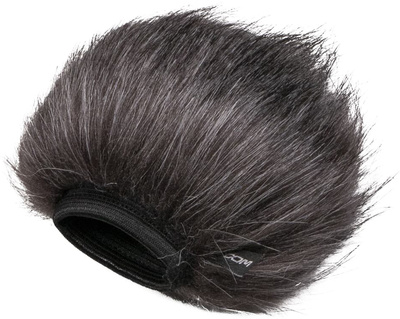
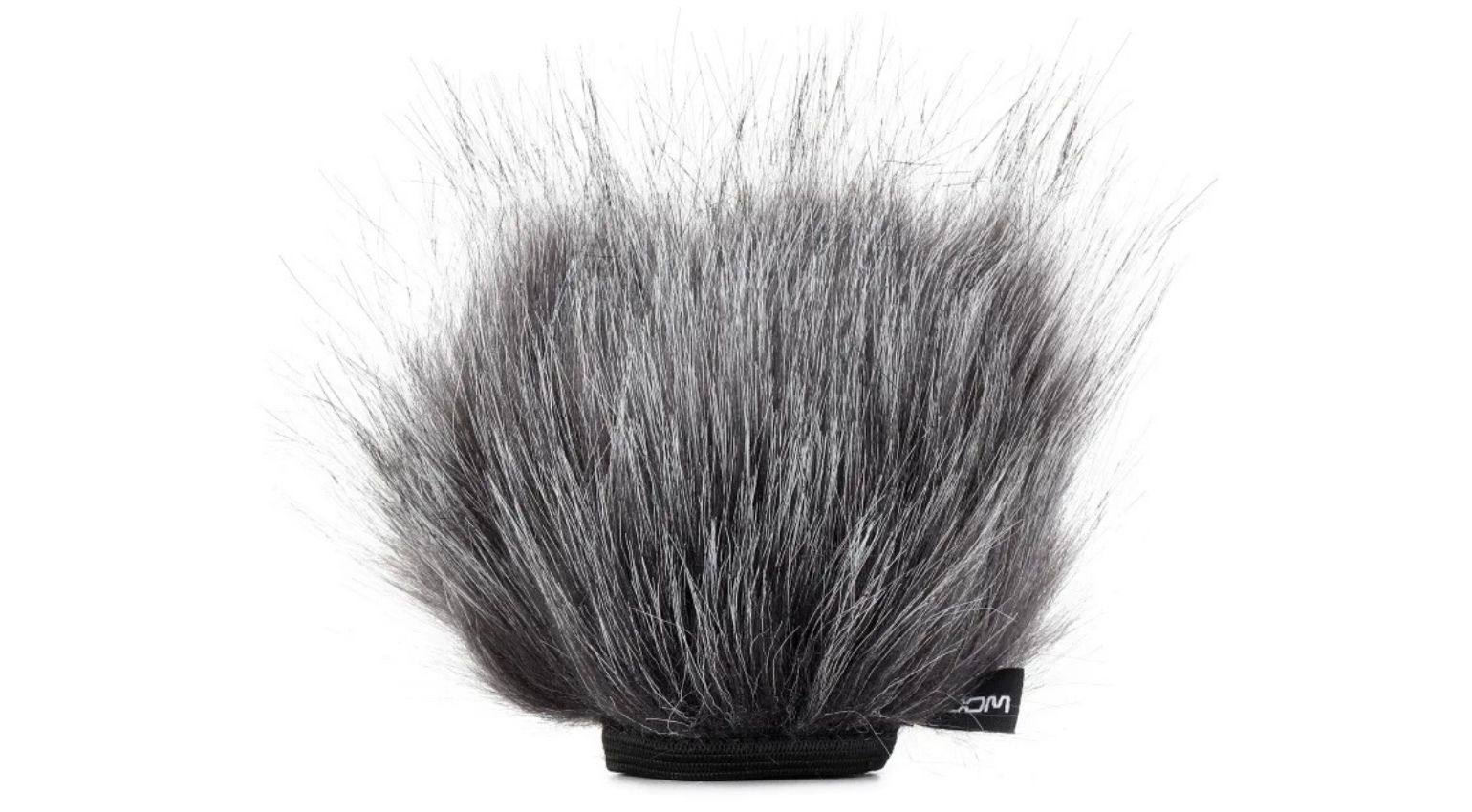
Wind, handling noise, self-noise from the recorder: these are all avoidable problems. A windshield for your recorder* costs almost nothing and stops good recording situations from being ruined by technical mistakes.
Try a Contact Microphone at Least Once
If you’ve been doing field recording without ever using a contact microphone, you’re missing an entire dimension of sampling and field recording. The sounds a contact mic picks up from surfaces have nothing in common with what a conventional microphone captures. It’s not just a supplement, it’s a completely different world.
FAQ: Sampling and Field Recording
Do I need expensive gear for field recording?
No. A Zoom H1essential for under €80 is more than enough to get started. The creative idea matters more than the equipment.
Can I use field recordings from public places commercially?
In most cases yes, as long as no recognizable voices or copyrighted music are captured. Private property requires permission. When in doubt, get legal advice.
How do I process field recordings in Ableton Live?
Drag the audio file into Simpler or Sampler. From there you have access to pitch-shifting, looping, envelopes, and filtering. For granular synthesis, use Max for Live devices like Granulator III, which is available for free.
What’s the difference between field recording and Foley?
Foley refers to the post-production recording of sounds for film and video, footsteps, clothing rustle, everyday sounds for a scene. Field recording is broader and refers to capturing sounds in real-world environments, regardless of the intended use.
Can I use field recordings directly in hardware samplers?
Yes. The Elektron Digitakt II, Akai MPC One G2, and Roland SP-404 MK2 all support direct sampling through the input. Record the sound, process it in the device, and build beats and melodies from it right there.
What recording level should I aim for in field recording?
Target peaks between minus 12 and minus 6 dBFS. That gives you enough headroom for unexpected loud events without clipping. With 32-bit float recorders like the Zoom F6, this is basically a non-issue anyway.
What is granular synthesis and why does it matter for field recording?
Granular synthesis breaks audio into tiny time slices and plays them back in various combinations and speeds. That turns any field recording into a dynamic, playable instrument. Ableton Granulator III and Native Instruments Kontakt both support granular synthesis directly.
Do I need to clean up recordings before using them in the DAW?
Recommended but not mandatory. iZotope RX 12 is the standard tool for this: wind, noise, clicks, and hum can all be removed precisely without damaging the sonic character.
Conclusion: Sampling and Field Recording Changes How You Hear Music
Once you start hearing the world as a sound source, you don’t stop. That’s not an overstatement, it’s something I see consistently with producers who integrate sampling and field recording into their workflow.
But: your own sound starts with recording your own sounds. No sample pack can replace what happens when you head out with a recorder and start listening to your environment differently. It changes your tracks, and it changes how you hear music.
Start small. A cheap recorder, or just your iPhone with the right app, a walk, ten minutes of recording. What you do with it in the DAW is entirely up to you. And next time you’re about to buy another sample pack, ask yourself first whether the sound outside your front door might be more interesting.
More on Sampling and Field Recording
- Loudness War 2026
- Monitoring Setup for Electronic Music Producers
- Analog vs. Digital in the Home Studio
- All Portable Recorders at Thomann*
- All Microphones at Thomann*
- All Sample Packs at Plugin Boutique*
*Note: This article about sampling and field recording contains affiliate links that help us keep Gearnews running. The price for you always stays the same! If you buy something through these links, we receive a small commission. Thanks for your support!

This might also interest you
2 responses to “Sampling and Field Recording in 2026 as a Creative Process: How to Build Tracks From the World Around You”

I spent nearly a decade documenting the Florida Cottage scene by field recording in male public toilets. Some incredible organic and deep throaty tones were obtained.
This was the processed via my Make Noise Shared System. I haven’t yet found a label to release the 14 hour long result, but it is available in the Court Sternographers notes when Miami Dade PD prosecuted me for making the recordings in the first place. Fascists!
Another excellent Marcus Schmohl hitpiece