Tracking: Recording Full Takes vs Punching In
We discuss two fundamentally different recording approaches.

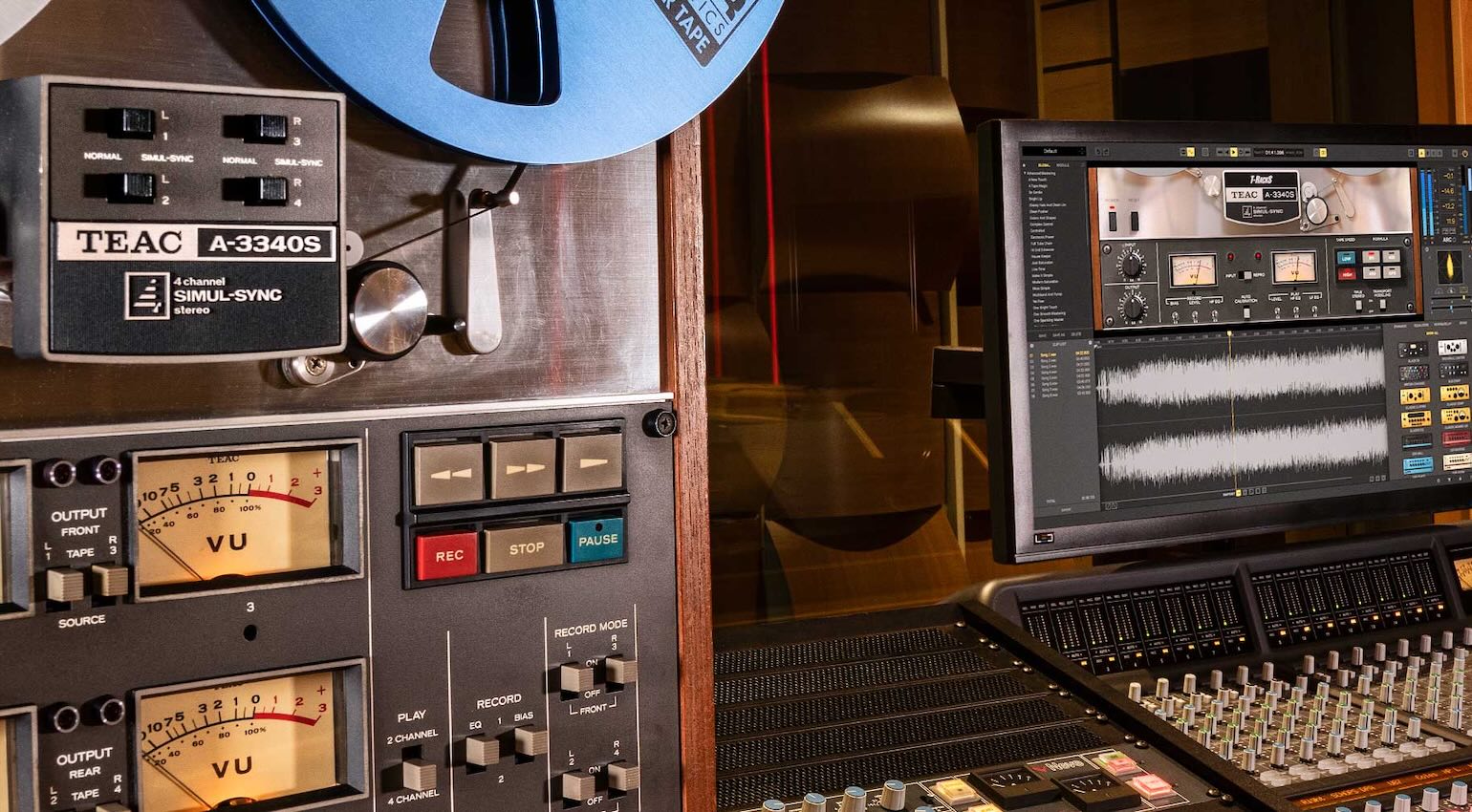

In this article about recording full takes vs punching in, we compare the strengths and weaknesses of the traditional and modern approaches to tracking.
In this Article:
Over the years, the way we approach recording has evolved for many reasons. Vocal tracking and production has become a process akin to a mosaic, where the end result may consist of hundreds of tiny slices extracted from a myriad of takes to form the perfect performance. This preference for punching in, rather than recording a full take of the entire song, is certainly a philosophical choice.
However, emotional authenticity can sometimes be sacrificed in favour of surgical precision. If we look back at old recording mediums, such as acoustic recording and magnetic tape, punching in every syllable simply wasn’t an option. The cost of the recording process and being limited to destructive editing forced musicians to deliver complete takes.
Recording Full Takes vs Punching In: Capturing the Moment
When we capture full takes of a song, we’re looking to expose the continuity of the performance. The process becomes like documenting a live show within a precisely controlled studio environment. However, even in the studio, there is a certain psychology to the arc of a complete take. The push and pull of the timing, the emotional dynamics between the sections of the song, and the micro-variations all contribute to the character and make the performance feel alive.
By committing to a full take, the artist ventures beyond hitting notes and explores the storytelling side of the discipline. Timeless songs like Michael Jackson’s Remember the Time or Ready to Die by The Notorious B.I.G. were built with complete passes that bring us closer to witnessing the artist’s skill level.
There’s a psychological aspect to this approach, as musicians psych themselves up over the duration of the performance. While a drummer can gradually lock the groove down tighter during a take, vocalists can grow in confidence, so they really nail the second chorus. These kinds of characteristics aren’t easy to recreate with a composite approach.
While the end result could be perfect from a technical point of view, performances comprised of loads of tiny micro-edits can sometimes feel static or lifeless. You might not think so at first, but our ears are remarkably sensitive to continuity and realism, even when we can’t quite express why something feels unnatural.
Another aspect is that full takes force commitment to a particular way of approaching a song. Rather than endless refinement and clinical alignment to the grid, we look at the bigger picture of the performance as a whole.
However, this approach requires consistency, dedication, and constant rehearsing to ensure that the performance is second nature. Making even a single mistake can be frustrating for some artists, and this is where punch-in recording comes to the rescue.


Recording Full Takes vs Punching In: Precision and Control
Over the years, punching in or recording over a specific area of a take has moved from a workflow necessity to becoming the primary method for tracking vocals and instruments. This is particularly prevalent in music styles that rely heavily on precision, such as pop, hip-hop, and metal.
Relying on this method is a no-brainer. Why would you re-record an entire take for one botched note? By using punching in, you can solve problems and maintain the consistency of the overall performance. It’s fast, precise, and unnoticeable when executed properly.
When it comes to vocals, punching in has transformed recording, allowing a different type of artist to enter the forefront of mainstream music. Instead of writing, rehearsing, and then recording, songs are often produced, recorded, and edited in a single session, where the writing happens in stages.
This also encourages experimentation, as an artist can record variations with different phrasing without having to perform the whole song. Furthermore, you can then comp these takes to create a final “Frankenstein” performance, with the best elements from each.
Naturally, with the lack of commitment and endless flexibility, there is the risk of overthinking. Every note can be surgically adjusted in Melodyne or VariAudio, so the temptation to chase perfection can become a problem. The key is to determine which approach best serves the song and to be decisive, or you can spend hours editing and be left with results that sound like AI-generated music.
Also, it’s important to note that, like recording a full take or overdubbing, punching in takes skill to master. The pitch, timing, tone, and emotional intent must match up, or it will sound like an amateur recording. Either the artist or their engineer must have the ability to listen critically, or it could be a long day at the office.


Recording Full Takes vs Punching In: Genre, Context, and Intent
When you’re caught between the choice of recording approaches, it usually comes down to the context.
Some genres, like jazz, blues, and folk, are intrinsically rooted in live performance. So recording full takes is the common route taken. Here, the authenticity of performance dynamics becomes part of the music’s aesthetic, and the imperfections are celebrated.
On the other hand, the more production-centric music genres like pop and EDM rely heavily on a precise end result. There is an expectation of tight, consistent timing and a polished, hyped vocal sound that isn’t easy to create without punching in. In these situations, punching in, comping, and doing micro-edits is the run-of-the-mill approach rather than being a crutch.
Of course, there are no hard and fast rules. Producers like Dr. Dre are famous for merging the feel of electronic and human performances to create songs that push the boundaries of commercial music. Overall, the choice becomes about serving the song rather than sticking to a pre-conceived philosophy or approach.
Recording Full Takes vs Punching In: Hybrid Workflows
In reality, the approach in most modern recording sessions borrows from both methods.
One of the most common workflows involves recording multiple full takes and then using punching in as a tool to edit the mistakes. This way, the integrity and continuity of the performance is preserved, while allowing the flexibility to improve specific areas.
Another widely used approach is to track the songs a section at a time. This still retains the precious performance continuity, and the artist is able to anticipate the next section of the song without feeling pressured by single-take perfection
The use of comping is also critical here. By combining the best passages from a few full takes, you get a balance between precision and cohesion. However, it’s essential to practice restraint. The more editing you do, the more unnatural the feel can become.
Recording Full Takes vs Punching In: DAW Considerations
In a modern DAW environment, either approach is easier than ever. With features such as pre-roll, cycle record, and take lanes, the process of punching in and comping is streamlined, and the risk is reduced with the flexibility of non-destructive editing.
However, this level of convenience can encourage a “fix it in post” mentality, which can be debilitating. Simply having the option to edit at a later stage shouldn’t change your decision-making process. Otherwise, it can slow down your sessions and stagnate performances.
Instead, try to think of the recording phase as a performance capture, rather than an exercise in problem-solving. Try to get the best initial take and sound you can from the get-go, whether you’re tracking full takes or punching in.
The relationship between the engineer and performer is also crucial. Some artists rise to meet the challenge of performing full takes, while others prefer the creative flexibility of punching in. By adapting your approach to the artist’s strengths, you ensure the best results.


Recording Full Takes vs Punching In: The Emotional Factor
One aspect often overlooked is the emotional component.
When listening to a song, you don’t think “Wow, I love how those drums are perfectly aligned to the grid”, you connect with the feel and groove of the drum pattern. An imperfect take with slight variations can carry all the right emotion, while a flawlessly edited performance can feel lifeless in comparison.
Of course, blatant mistakes shouldn’t be ignored, but we need to prioritize the elements that really count. An error correcting punch-in that doesn’t compromise the feel is an instant win. Meanwhile, if it stifles the flow, it may be worth leaving the imperfection in.
Recording Full Takes vs Punching In: Conclusion
When it’s time to track a song, our approach shouldn’t be about sticking to one philosophy. It’s about capturing a compelling and unique performance. Full takes have a gradual build of energy, continuity, and narrative. With punching in, we have digital flexibility, efficiency, and precision.
Each approach offers a powerful set of tools that can be used in different situations. The true skill lies in understanding when to apply a particular approach and being decisive enough to commit and move on.
In today’s music production landscape, almost anything can be edited on a macroscopic level. So our challenge is ensuring that the music comes across with its humanity intact, rather than striving for perfection.
More Info:
*Note: This article contains affiliate links and product widgets that help us fund our site. Don’t worry: the price for you always stays the same! If you buy something through these links, we will receive a small commission. Thank you for your support!

This might also interest you