Psychedelic Synthesizers: What Makes a Synth Trippy?
Lysergic synths from Moog, Roland, KORG, and more!

 3,4 / 5,0 |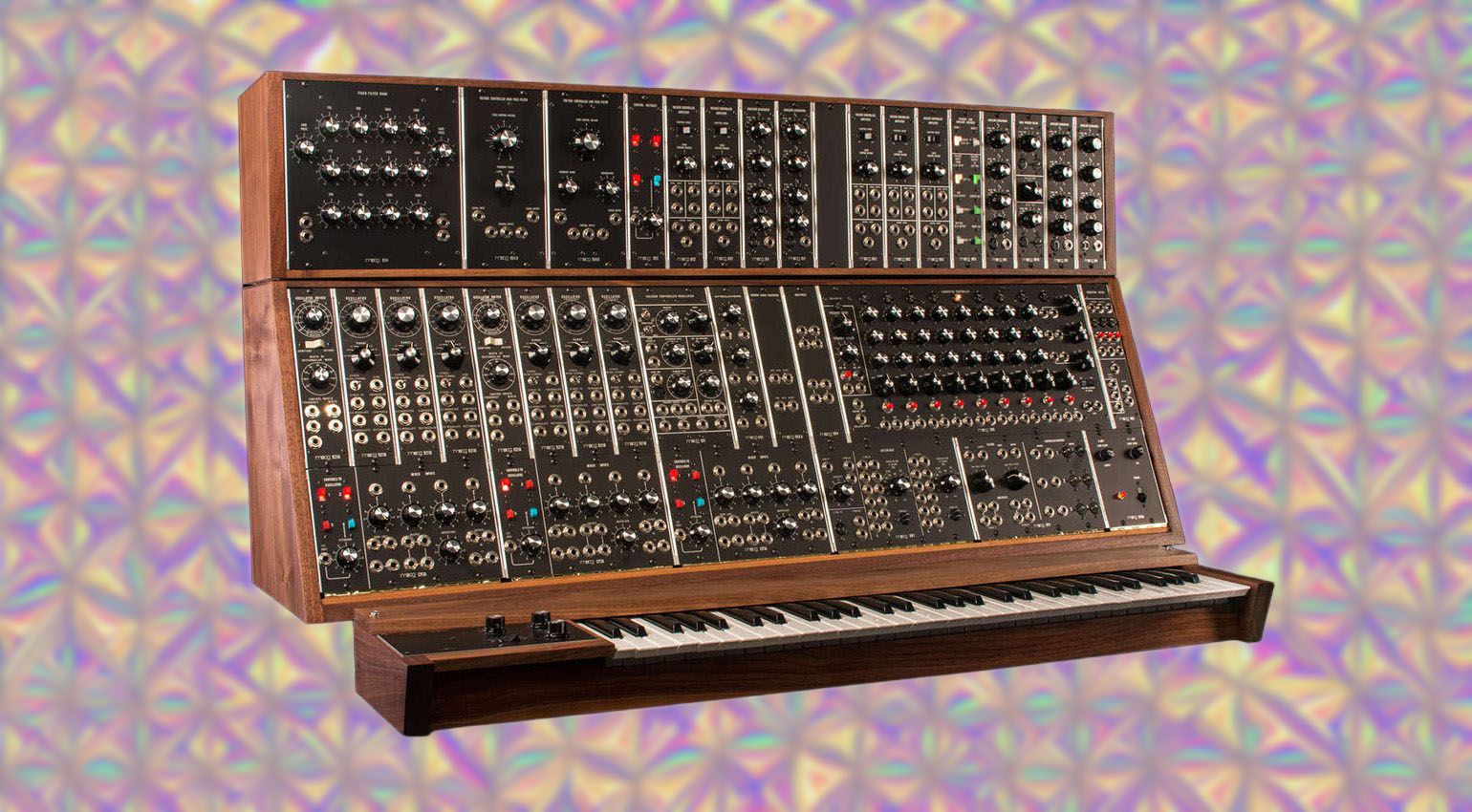

What are the best synths for out-there music? Come along as we explore psychedelic synthesizers and try to figure out what it is that makes a sound mind-blowing.
Psychedelic Synthesizers
Psychedelic Synthesizers: What Makes a Synth Trippy?
I’ve been thinking about psychedelic synthesizers a lot lately. Specifically, what is it that makes a synth trippy? When we think of psychedelic music, or at least the first wave of 1960s sounds, synths don’t really factor into things. There are organs and Mellotrons and the occasional harpsichord, but for the most part, synthesizers didn’t enter the musical equation in a big way until the 1970s.
And yet synthesizers can be very psychotropic. Is it just a case of slapping some tremolo on a pad and calling it a day? I think there’s more to it than that. So come along as I try to suss out just what makes a synth worthy of a head trip.
Psychedelic Synthesizers: Moog Modular
Synthesizers started appearing on records in the late 1960s. As popular music was pretty psychedelic overall at the time, it’s natural that big Moog Modulars would end up in freaky records – or freaky adjacent, at least. One of the first appearances of a Moog on wax was the song “Daily Nightly” by The Monkees in 1967. The Beatles also famously used a Moog on Abbey Road, although it was much less out there than Mickey Dolenz’s freaky deakies.
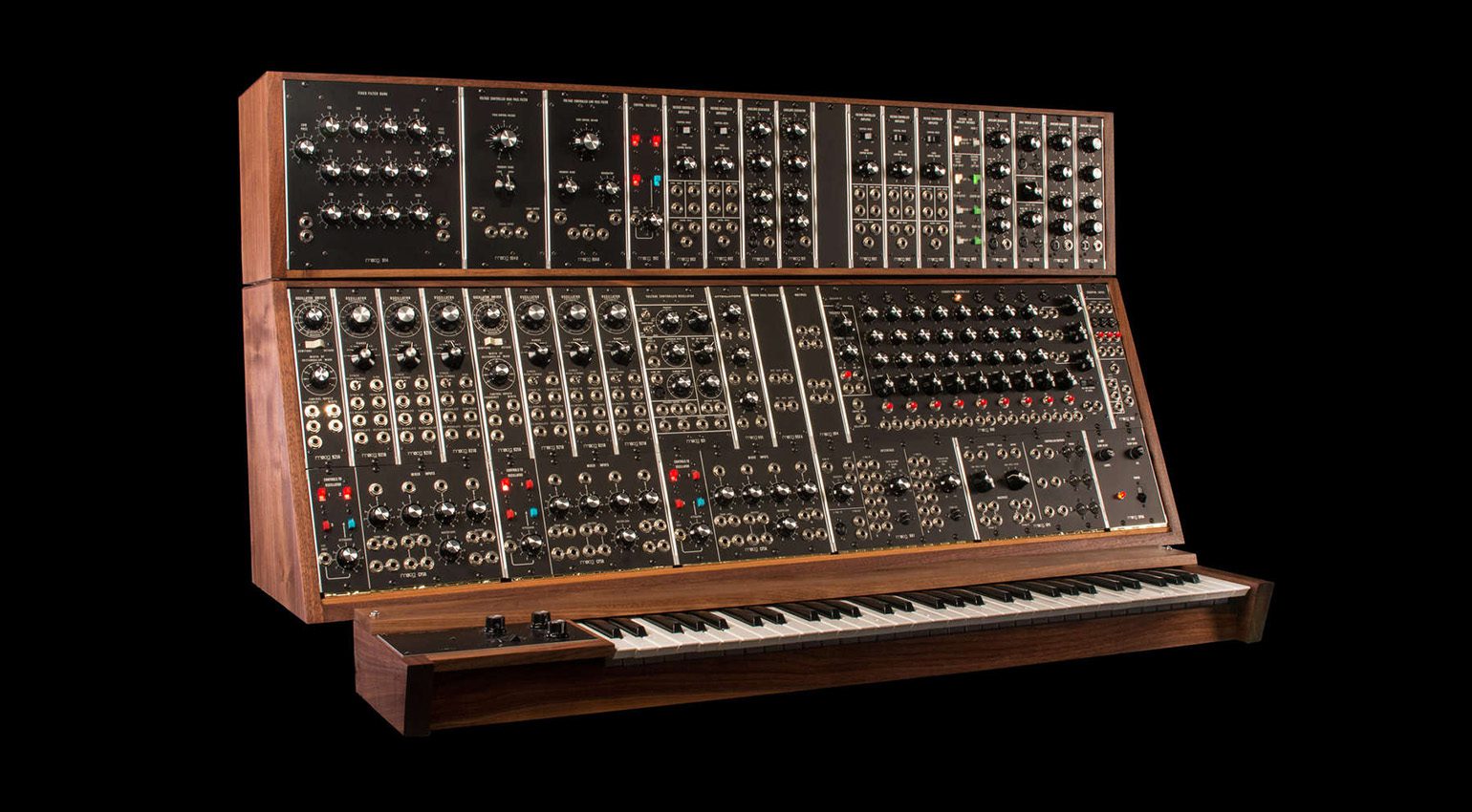
Around this same time, Moog records in general became popular, the so-called Moogspoitation trend, with tons of “switched on” LPs clogging the discount bins, many with brash Moog treatments overdubbed onto pedestrian covers of hit records. Some were really good though, like Jean-Jacques Perrey’s Moog Indigo, Bruce Haack’s The Electric Lucifer, and Dick Hyman’s Moog: The Electric Eclectics of Dick Hyman. What a name!
What’s psychedelic about the Moog? Given the sheer newness of synthesizers in general, their very nature was shocking and mind-expanding. Sometimes producers gussied it up with tape echo, but for the most part, just bare Moog was enough to get the walls melting.



Psychedelic Synthesizers: EMS VCS3 / AKS Synthi
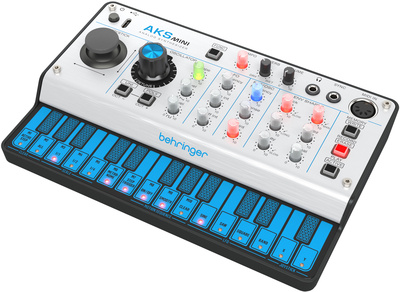
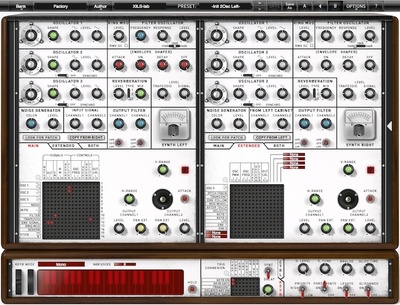
The next instrument to make a psychedelic splash was the VCS3 from EMS in 1969. You can read more about the history of EMS here, but the company was one of the first out of the gate with an instrument that you could actually take on the road with you without fear of throwing your back out. Things got even more portable with the arrival of the Synthi A and Synthi AKS in 1971.
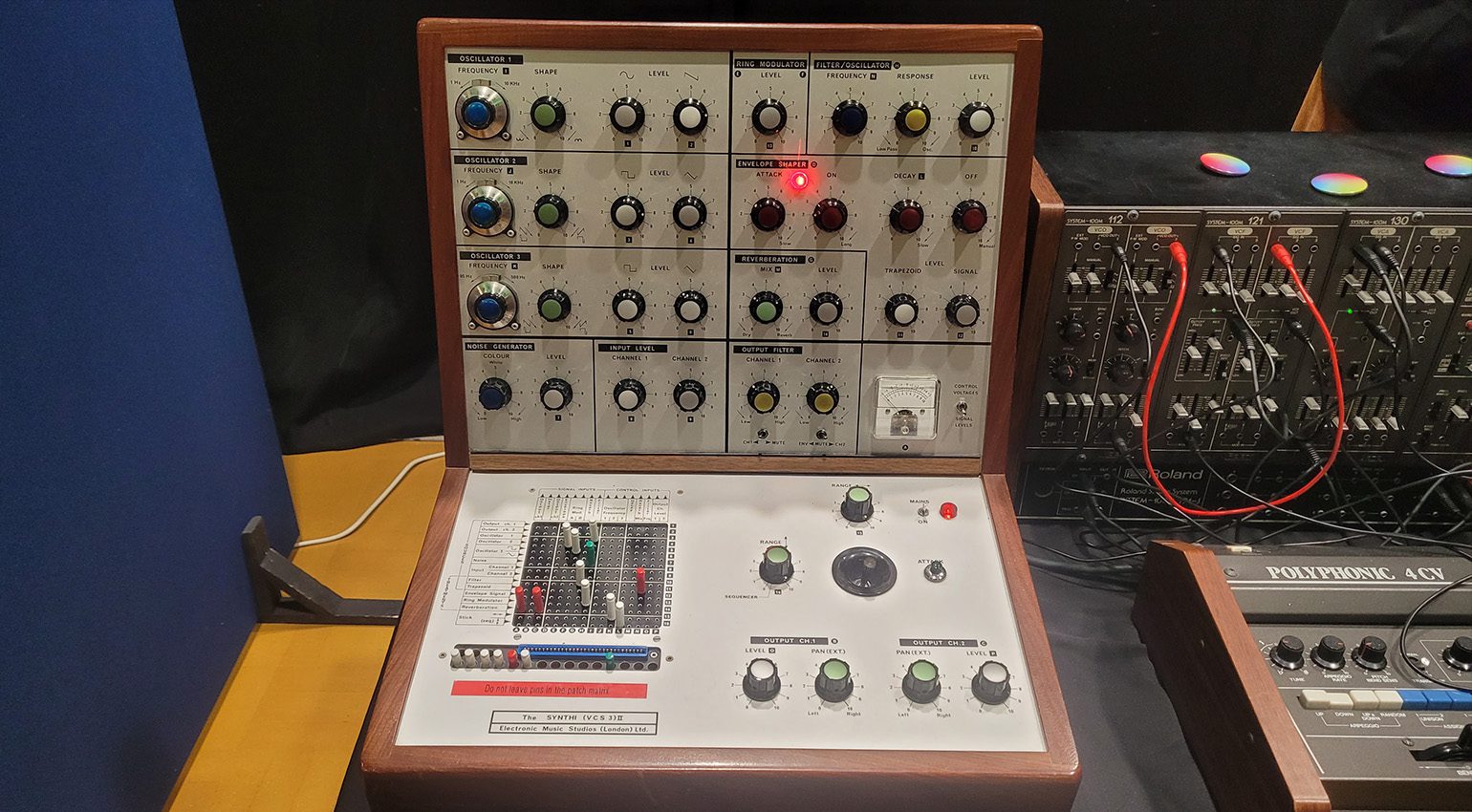
The most famous psych-out use of an EMS instrument is “On the Run” from Pink Floyd, with the Synthi AKS’s sequencer driving the famous eight-note line. Brian Eno also used an AKS during his time in Roxy Music to treat voice and instrument sounds. But for some real psychedelic synthesizer power, check out Hawkwind, with both the VCS3 and AKS Synthi getting abused by various members of the space rock band over the years. Can you imagine “Silver Machine” without the acid-tinged whoosh of the VCS3 draped all over it?
Where Moog expanded minds with novelty, EMS blew the doors of perception off their hinges with bad-trip-threatening feedback and howls.


Psychedelic Synthesizers: Roland Juno-60
Polysynths from the 1980s don’t often get classified as psychedelic, being so glossy and clean. But there’s more to psychedelia than just fuzz pedals and tape echo. Take “My Girls” from Animal Collective, for example. One of the trippiest bands of the 21st century, Animal Collective used the Roland Juno-60 as a springboard to lysergic pop paradise, employing it more like a dance producer would on the song.
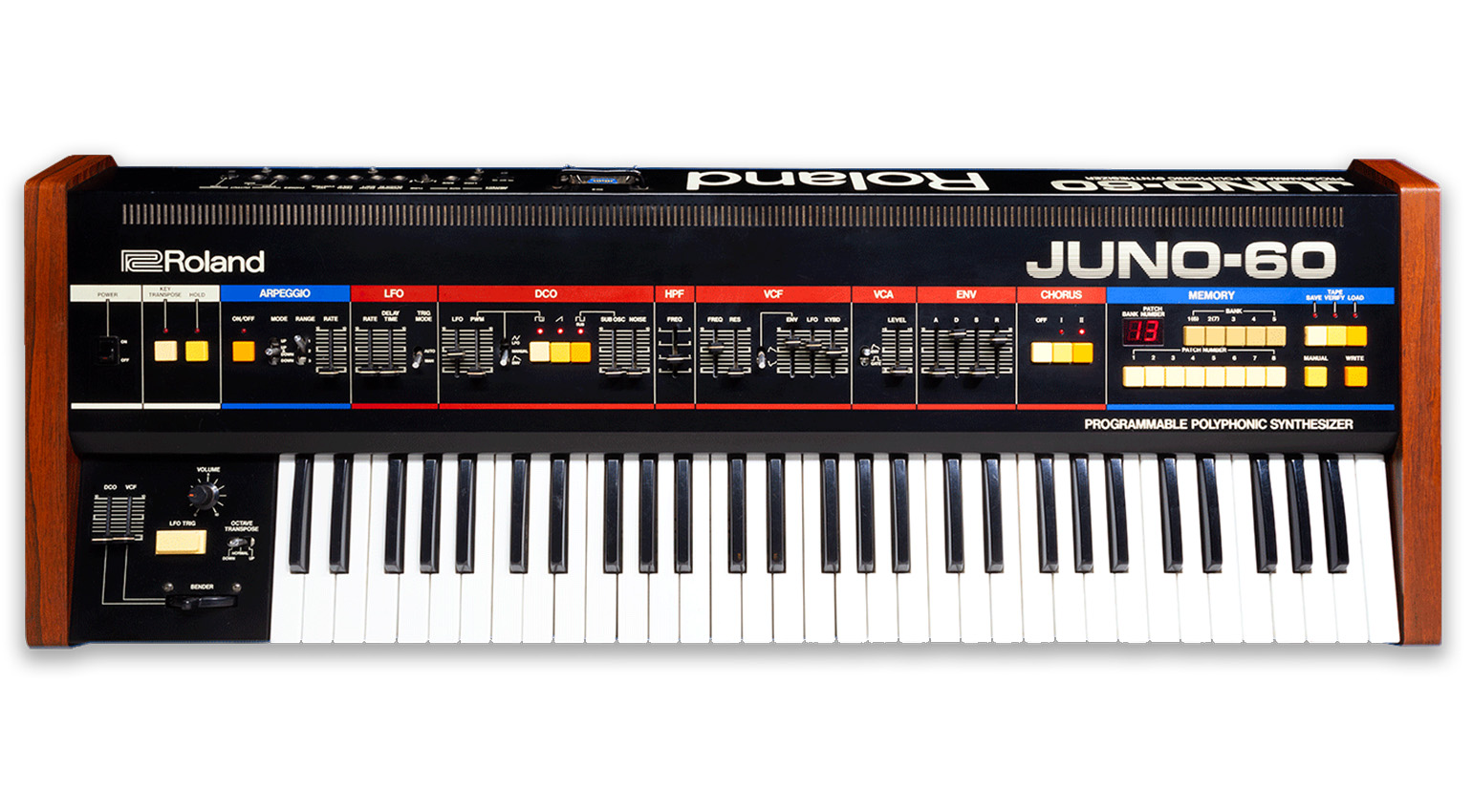
And speaking of dance music, the Juno has a long history with dance floor disruption as well as modern psych bands. Fingers Inc. famously used it on “Can You Feel It?” which isn’t so brain-blasting on its own, but taken in a larger rave context, it still qualifies. And then there’s Rabbit in the Moon, a Florida-based group that really should have come from home-of-the-hippie San Francisco and who were known to rock a Juno-60.
So, psychedelic? Not inherently, but like the music of Larry Heard, in the right context, the Juno-60 definitely qualifies.

Psychedelic Synthesizers: KORG microKORG
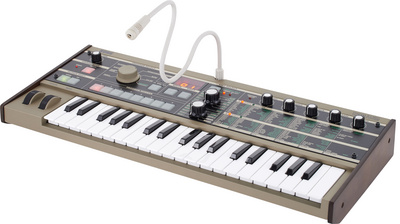
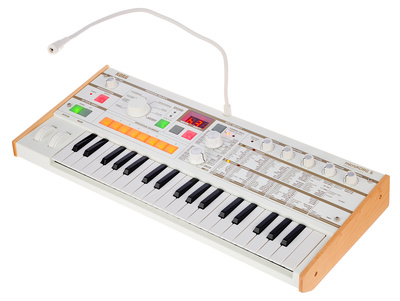
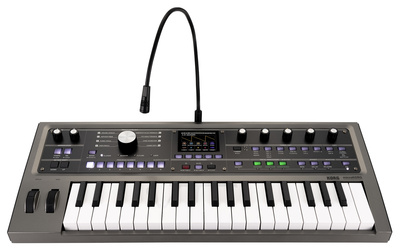
Here’s one that you may not have expected. The KORG microKORG is a control-starved take on the MS2000, and has confounded all industry expectations by remaining not only relevant but exceedingly popular for almost 25 years now. The fact that it’s used by so many bands with lysergic leanings has led me to include it in this list of psychedelic synthesizers.
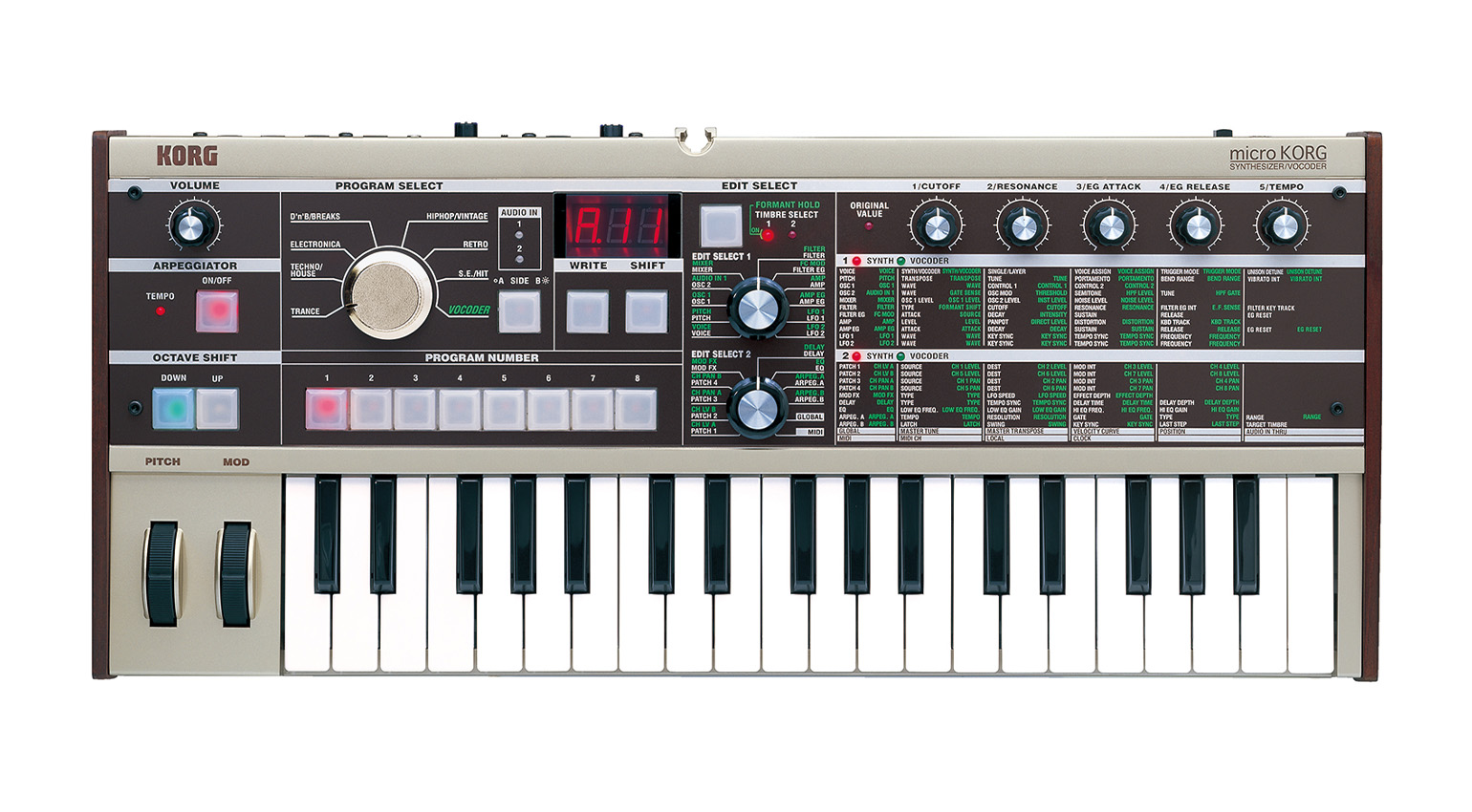
Pick a band (any band) from the last two decades with trance-out passages, freeform freak-outs and/or carefree abandon, and you’ll probably find a microKORG at play – or at least in their live rig. I’m thinking of Tame Impala, LCD Soundsystem, GIFT and many more. Its VA synth engine can do a great impersonation of most analog synths, which makes it a much safer option for the road than expensive vintage gear, but its sound is also pretty freaky on its own, with a plasticky and unreal sheen that sounds amazing through effects – which it also has.

Psychedelic Synthesizers: Roland TB-303
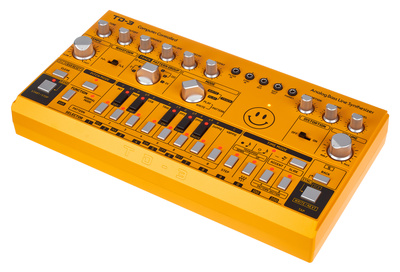
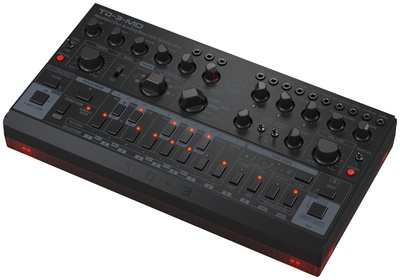
The point I’ve been trying to make in this list of psychedelic synths is that while effects can certainly help, the sound of many instruments makes them inherently psychedelic. Nowhere is that more true than with Roland’s TB-303, the bassline machine that failed upward into its own genre called – fittingly enough – acid house.
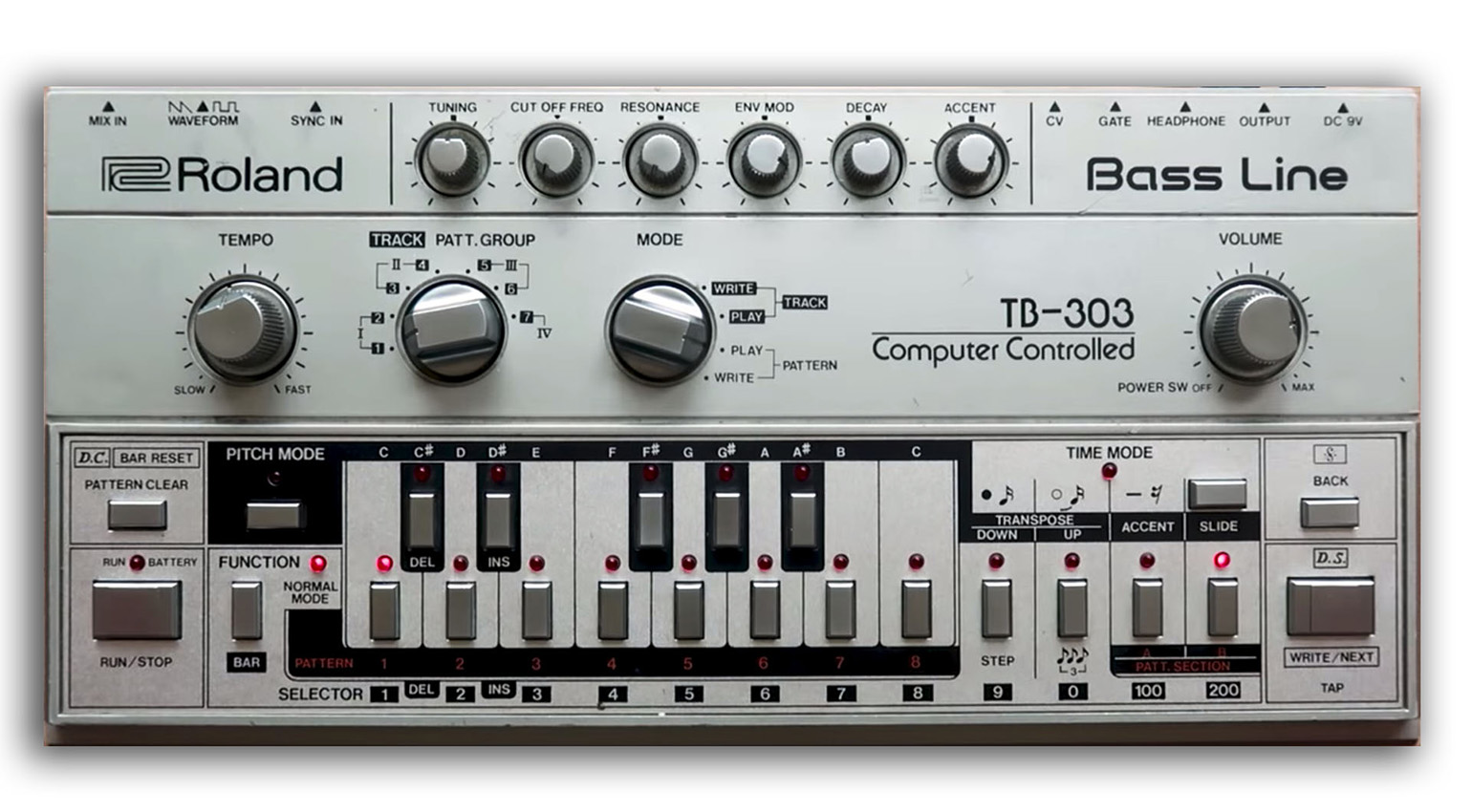
Born in Chicago in the 1980s, acid house soon jumped borders and spread to the UK via Ibiza, Spain, where it got disseminated to the world via rave. While first-wave Chi-town trax are plenty trippy in their own right, things got really out there when Germans and Belgians got a hold of the little silver boxes and started making trance. I can’t mess with trance post-1995 (melody? Ew), but this early stuff is exceedingly kaleidoscopic – and often deliciously dark, just a hair’s width away from someone declaring “I’ve got the fear!” on the dance floor at The Omen and spending the next 10 hours fighting off demons in their mind.
The sound of the 303 is as evergreen as ever, but unfortunately not nearly as bad-trip bent as it used to be. Maybe it’s time to bring that edge back.
More Information
*Note: This article contains advertising links that help us pay for this site. Don’t worry: the price for you will always be the same! If you buy something through these links, we will receive a small commission. Thank you for your support!

This might also interest you