Logic Pro Alternatives for Windows Users: Not Willing to Join the Mac Cult?
Music Production Software for Windows.

 3,2 / 5,0 |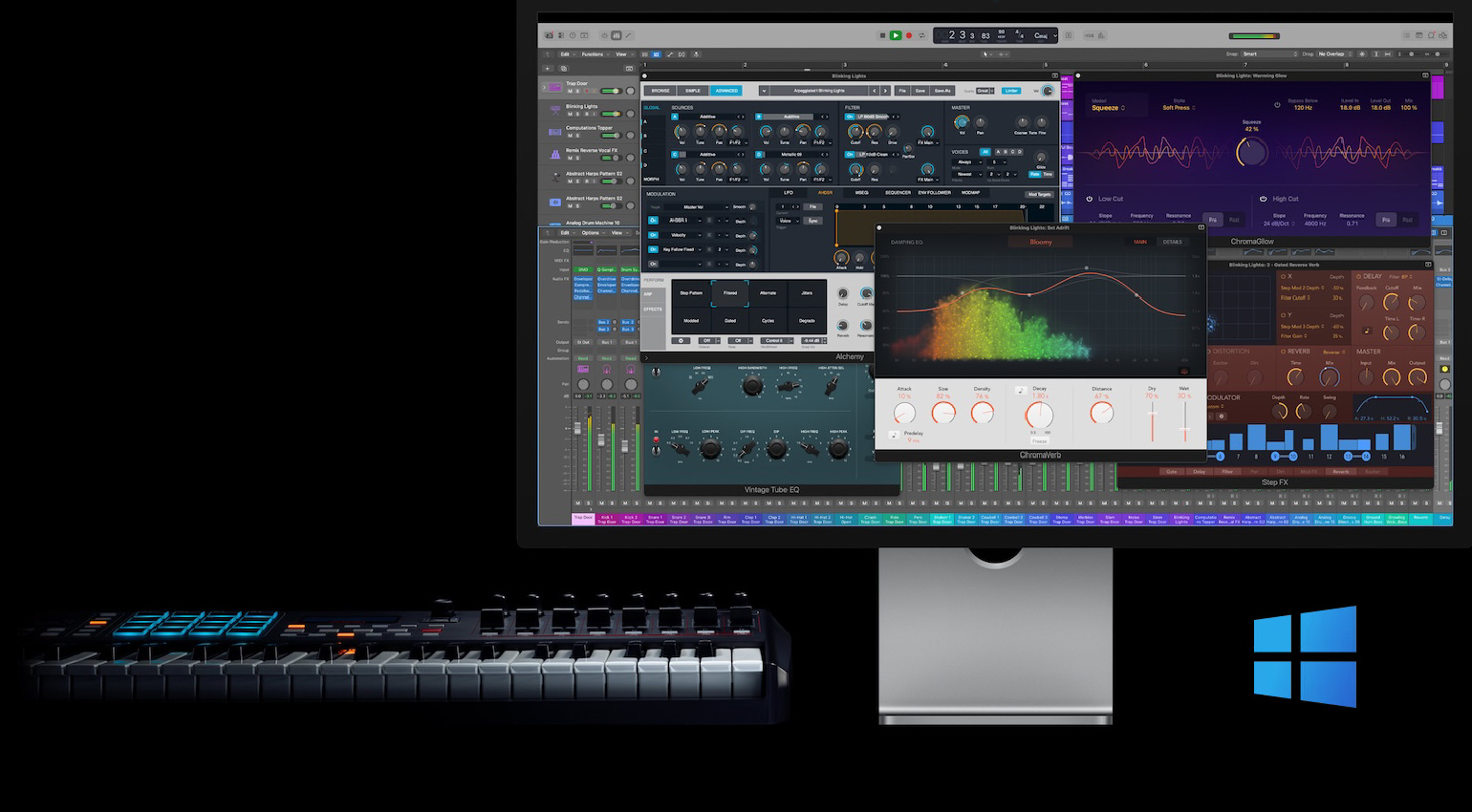
Logic Pro Alternatives for Windows Users: Not Willing To Join The Mac Cult? · Source: Apple / Microsoft

Do you like some of Logic Pro’s features and workflow, but aren’t keen on buying a Mac just to run it? Here are some Logic Pro Alternatives for Windows.
In this Article:
It’s hard to believe that Logic Pro used to be available as a multiplatform DAW. In fact, in 1993, Emagic released the first version of Logic Notator for the Macintosh and Atari ST, with a Windows version made available the following year. From this point until Emagic was acquired by Apple in 2002, Logic was available on Windows, up to what was called Logic Platinum version 5.5.1.
Logic Pro Alternatives for Windows
As you can imagine, the move to make this popular DAW exclusive on macOS disrupted the industry at the time, and many users switched to alternatives such as Pro Tools and Cubase, especially in combination with Reason, which had ReWire, a now-discontinued protocol that allowed you to route channels from Reason into the ReWire host DAW.
Despite its platform exclusivity, Apple consolidated the powerful Emagic software instruments as included plugins in 2004, with Logic Pro 7. Today, the included instruments and effects remain the primary strength of Logic Pro as a music production platform. With this in mind, if you’re looking to create a similar experience on Windows, the DAW you choose should allow the same freedom.
Logic Pro Alternatives for Windows: Cockos Reaper
Cockos Reaper is a flexible DAW created by Justin Frankel, who gave us Winamp. Over the years, this llama whippin’ DAW developed a cult following and is available on Windows, macOS, and Linux. One of the most attractive things about Reaper, besides the price ($60 for a personal license), is that it has extremely low system requirements.
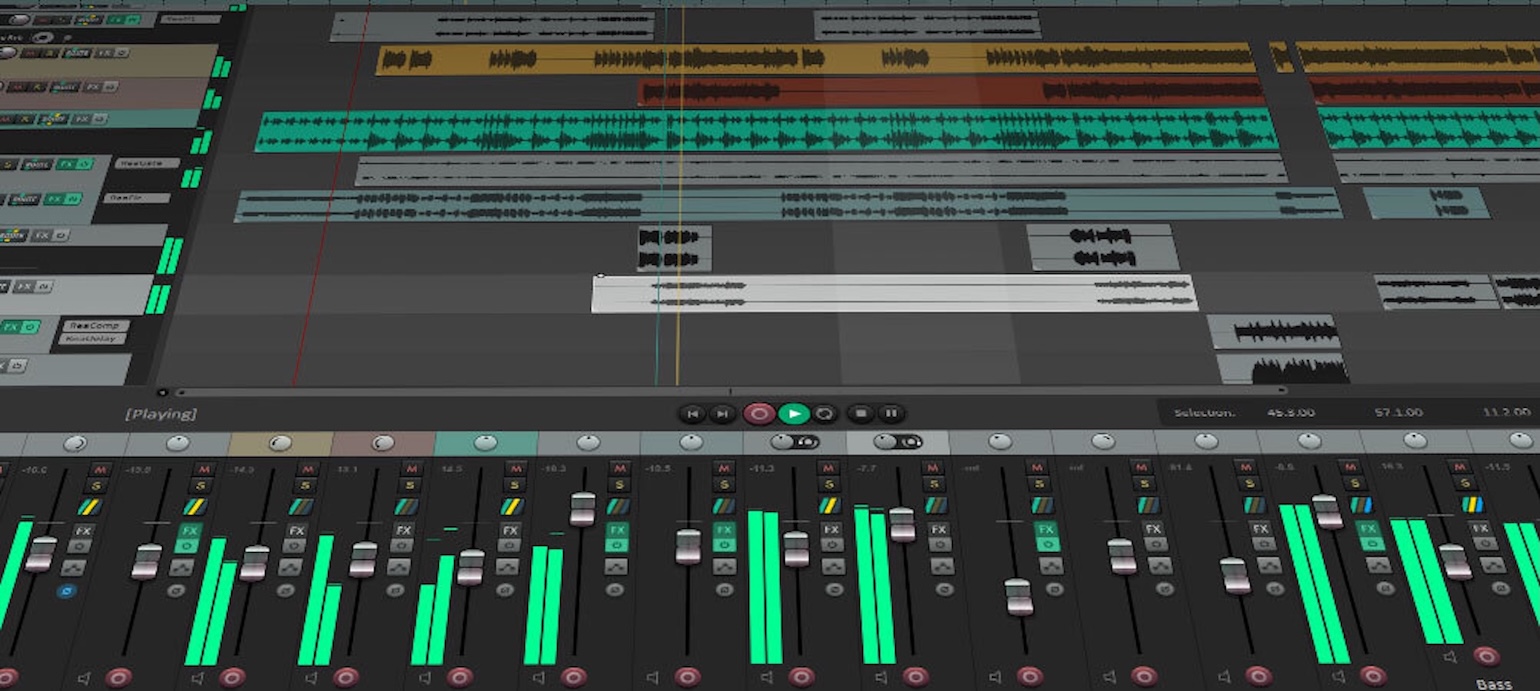
This means that if you have an old office-grade PC lying around that was bought in the last 15 years, you can probably install Reaper and turn it into a grass-roots music-making station. The installation footprint is also very economical, taking up under 250 MB of space on your hard drive.
Sure, one could argue that Reaper doesn’t have a massive content library like Logic Pro, but it does include an impressive collection of simple but functional instruments and effects, including the ReaPlugs and JSFX Library. What’s more, Reaper offers plugin compatibility with VST2, VST3, AU, LV2, CLAP, and DX formats, and you can even select a GUI skin that looks like Logic Pro.
Logic Pro Alternatives for Windows: Reason
Now that LANDR has acquired Reason Studios and dropped the price of the popular music production DAW, it is a more competitive alternative to Logic Pro than ever. In addition to being more affordable, it’s also available as the Reason Rack plugin, which gives you access to its wealth of instruments and effects within any DAW platform.
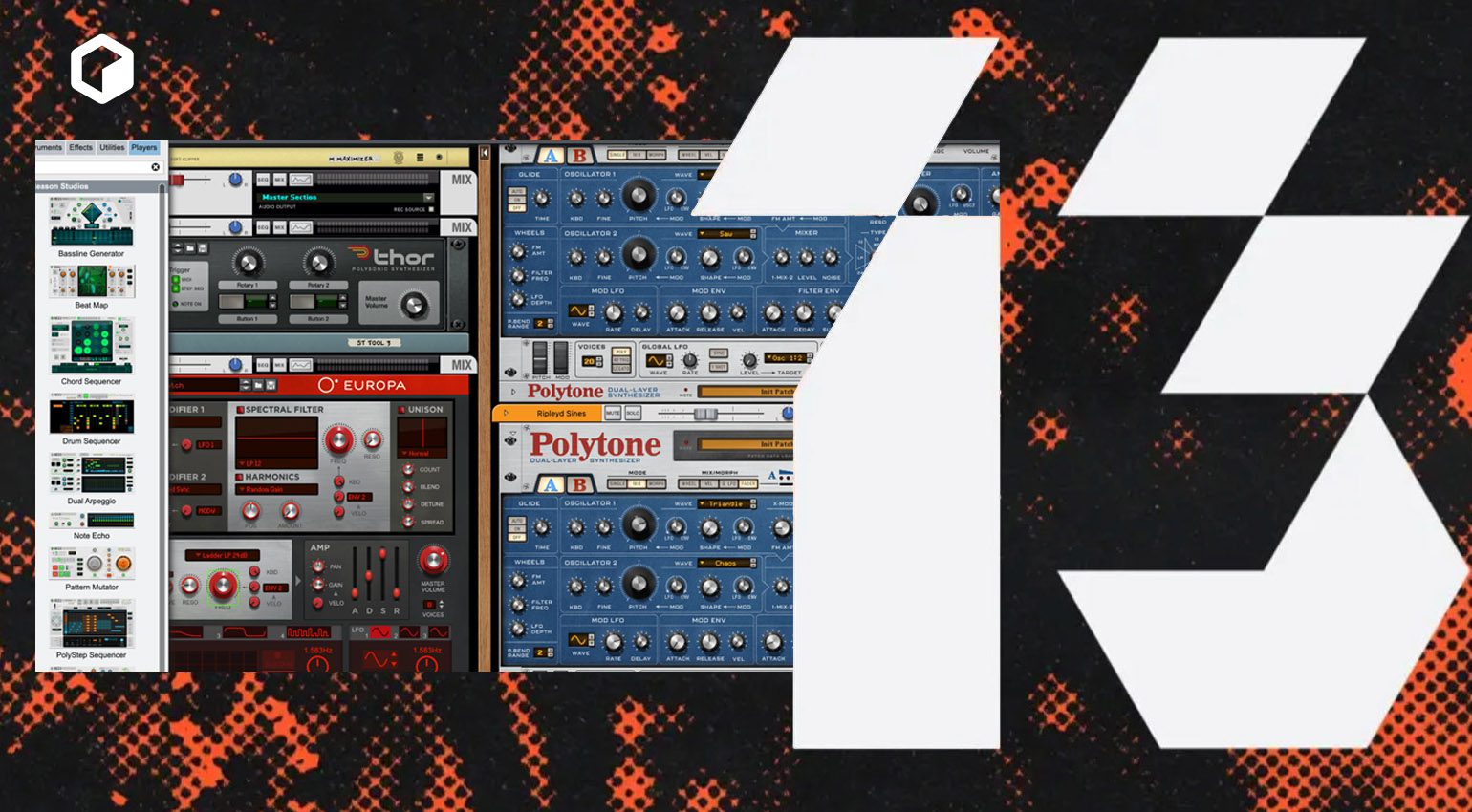
Being a skuemorphist representation of an analogue studio, Reason’s interface does take some getting used to. However, its incredible range of built-in devices includes instruments like synthesizers, samplers, and drum machines, a range of creative and functional effects for mixing and sound design, and a sound library with over 32,000 patches, loops, and samples.
Besides VST support, Reason also offers a wide world of Rack Extensions and ReFills to expand the capabilities of the DAW even further. These can be purchased via the Reason Studios Shop or directly from the creators of a particular ReFill pack. Overall, with the power of its included instruments and effects, Reason is one of the best alternatives to Logic Pro. Get it at Thomann.*



Logic Pro Alternatives for Windows: Fender Studio Pro
From its initial release in 2009, PreSonus Studio One was available to Windows users, and this remains true under its new branding as Fender Studio Pro. Possibly the closest pound-for-pound Logic Pro competitor, Studio Pro even outperforms its Mac-only counterpart in a few areas, especially when it comes to guitar effects modeling.
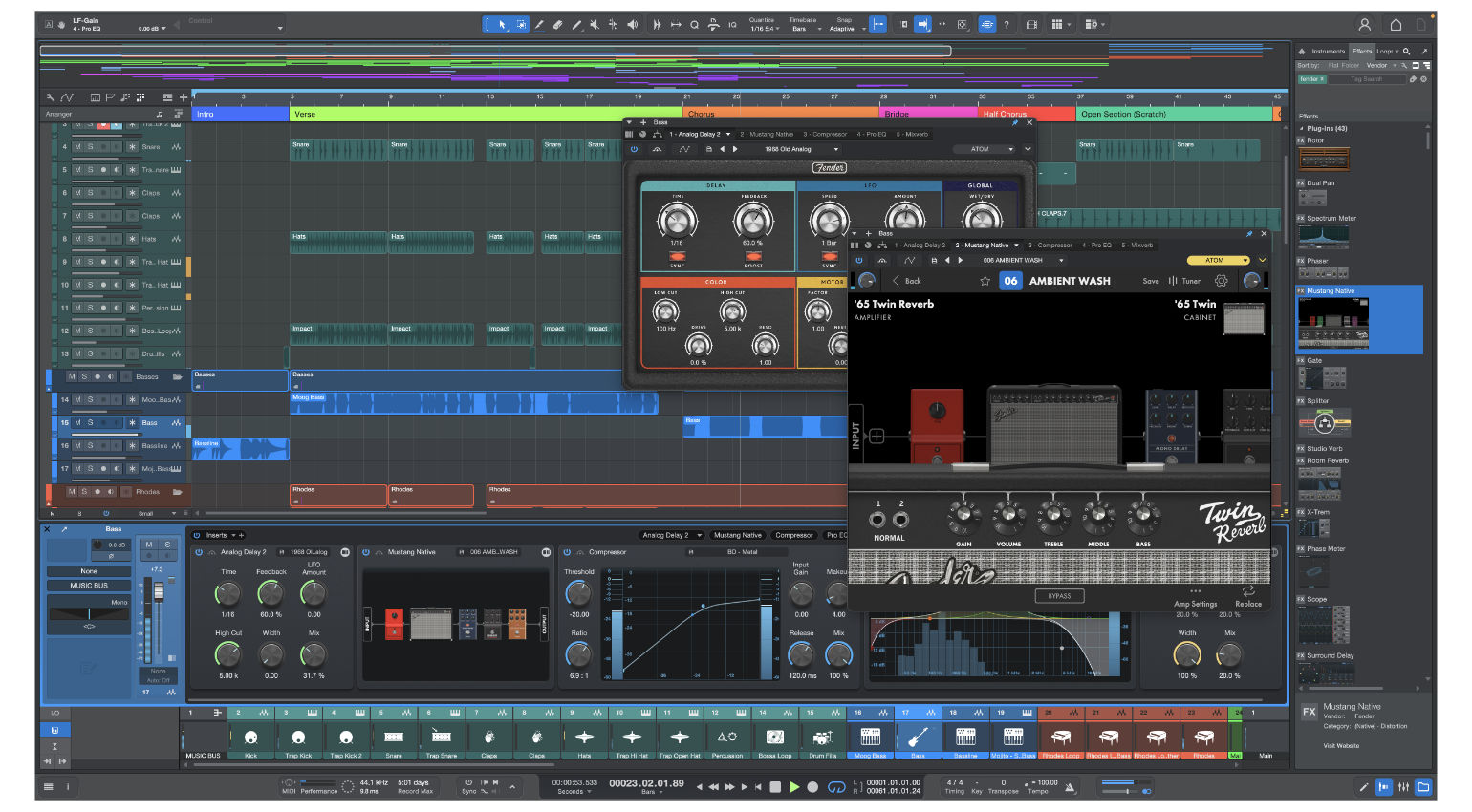
With the included Mastang and Rumble Native plugins, you can access up to 39 guitar amps, 20 bass amps, and 76 effects pedals for building authentic tones. There is also a range of virtual instruments, including the Sample One, Impact, and Presence sampler instruments, and the Mojito and Mai Tai synthesizers.
Studio Pro also comes with a range of 45 native effects plugins for mixing, including recreations of classic compressors like the 1176 and LA-2A, as well as more modern production tools. In addition, there is AI-powered stem separation, Splice integration, and a Chord Assistant with intuitive features to help you build arrangements quickly. Get it at Thomann.*

Logic Pro Alternatives for Windows: Image-Line FL Studio
On Windows, FL Studio has always been one of Logic’s main competitors, particularly for beat-orientated music production. Although the cost of the full All Plugins Edition is more than double the price of Logic Pro, FL Studio is scaled into four different options (Fruity, Producer, Signature, and All Plugins), and each offers free perpetual updates, which adds plenty of value.
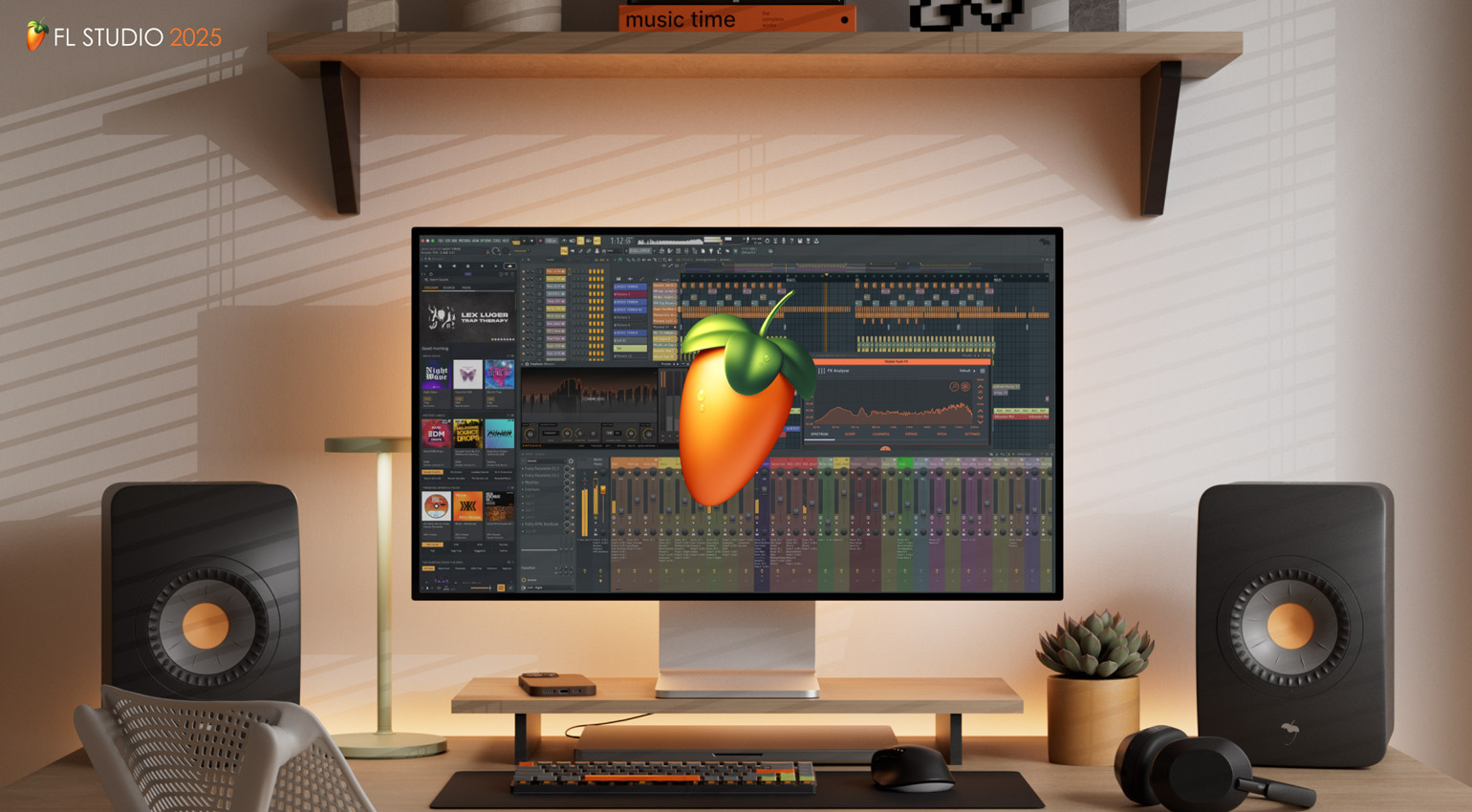
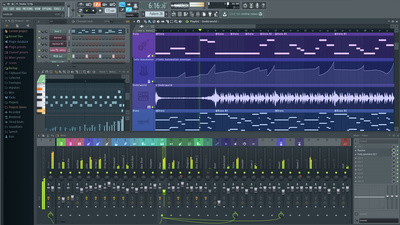
The creative immediacy, as you move between the Channel Rack and Playlist, is one of FL Studio’s standout features. This is why it is so popular with producers of genres like Deep House, Amapiano, and Trap. Over the years, FL Studio has become a more comprehensive music production ecosystem, with 116 instruments and effects in the All Plugins Edition and stem separation functionality.
This includes a wide range of synthesizers of different types, pitch shifting, beat slicing, and transient shaping tools, as well as some unique plugins like the Fruity Convolver. Overall, FL Studio is a formidable and underrated alternative to Logic Pro that offers an intuitive workflow that gives it an edge for certain production styles. Get it at Thomann.*

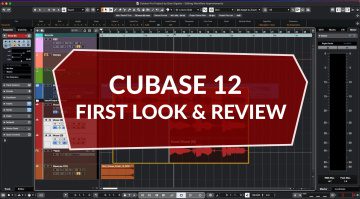
Logic Pro Alternatives for Windows: Steinberg Cubase
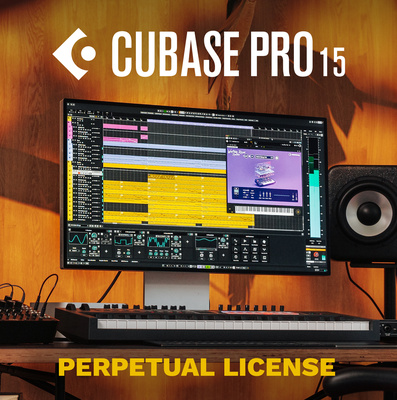
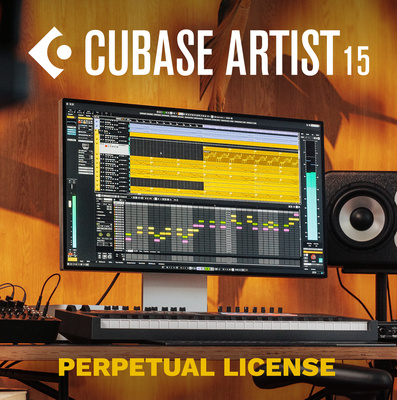
Another formidable alternative to Logic Pro, which has been available on Windows since 1992, is Steinberg Cubase. However, before we compare the features, it’s important to note that while a Logic Pro perpetual license costs $199, Cubase has a tiered structure with three versions (Elements, Artist, and Pro), and you have to pay each year to stay up-to-date with the current version.
Although you’re paying a lot more for the added instruments and effects, they are comparable to Logic’s for the most part, and there are some aspects, like VariAudio, which are superior to Flex Pitch in Logic Pro, for example. While one could make the case that Logic offers a far wider range of instruments and effects, the strength of Cubase is in its recording and audio editing functions.
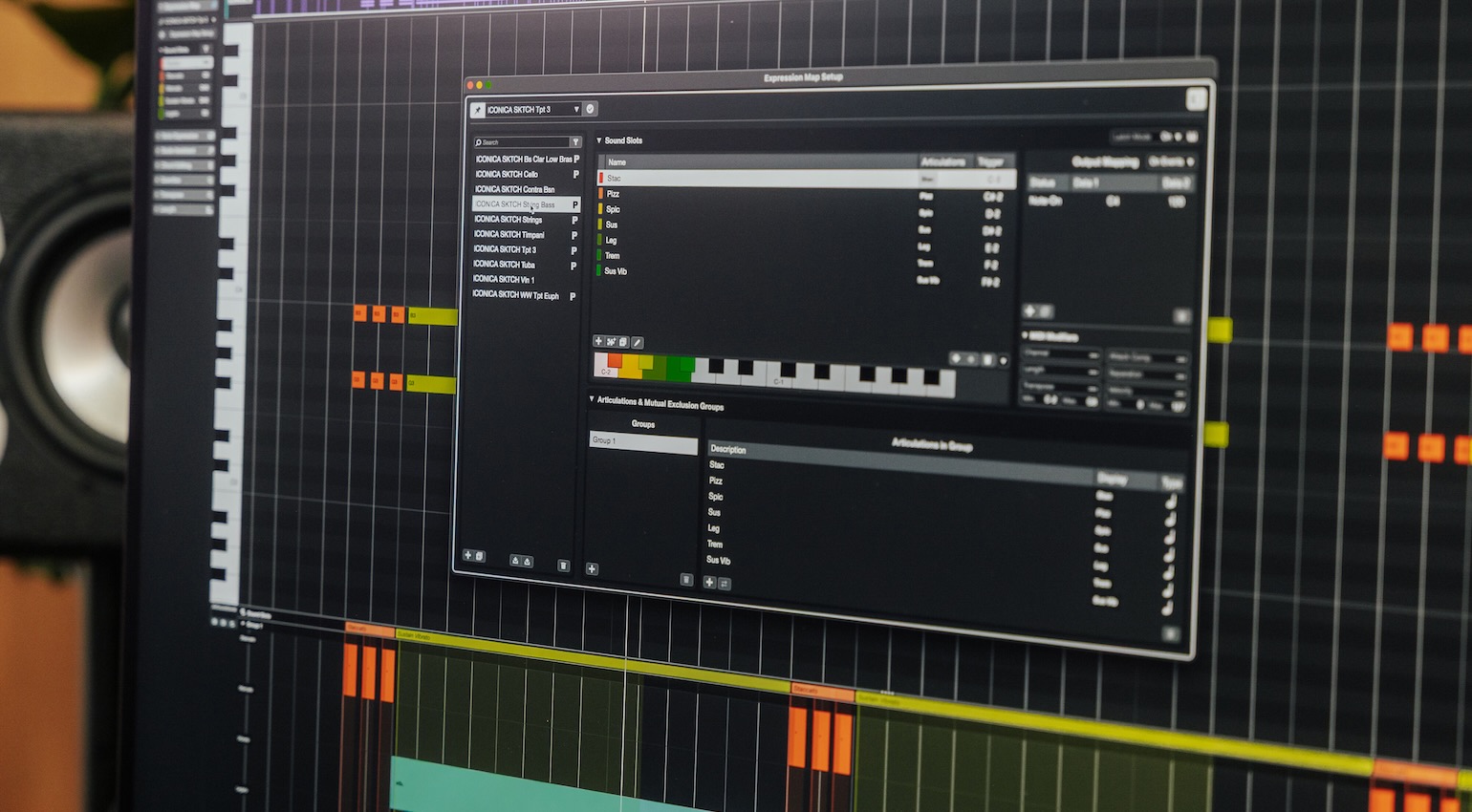
If you can justify the expense, there are certainly benefits to using Cubase Pro, like the Expression Maps feature, which lets you manage different orchestral articulations from a single MIDI track. This is one of the reasons that it remains the preferred choice of professional motion-picture score composers. Get it at Thomann.*


More about Logic Pro Alternatives for Windows:
*Note: This article contains affiliate links that help us fund our site. Don’t worry: the price for you always stays the same! If you buy something through these links, we will receive a small commission. Thank you for your support!

This might also interest you

5 responses to “Logic Pro Alternatives for Windows Users: Not Willing to Join the Mac Cult?”

You are currently viewing a placeholder content from Facebook. To access the actual content, click the button below. Please note that doing so will share data with third-party providers.
More InformationYou are currently viewing a placeholder content from Instagram. To access the actual content, click the button below. Please note that doing so will share data with third-party providers.
More InformationYou are currently viewing a placeholder content from X. To access the actual content, click the button below. Please note that doing so will share data with third-party providers.
More Information
Cubase is the best!
Walk into 100 pro studios.
Notice 96 of them use Macs.
Ableton is very good for PC, and Pro Tools
“The Mac cult…”
I was a die-hard Windows/Linux systems builder who refused to pay the Apple tax. Then I got over myself once I bought a used Mac Mini to dabble around with, and found out what it was like not only to have wider software compatibility, but to have a DAW host that just works.
Using Windows for music production is a choice, I guess… but not a very good one, in my opinion.
If you’re not forced to use Windows because of your employer’s policies, there is only two usecases where a Windows is the better choice: developing software for Windows specifically, and gaming. But with GeForce Now etc.., gaming on Mac is no longer a problem.