Bus Processing: Mix Cohesion and Control

 4,7 / 5,0 |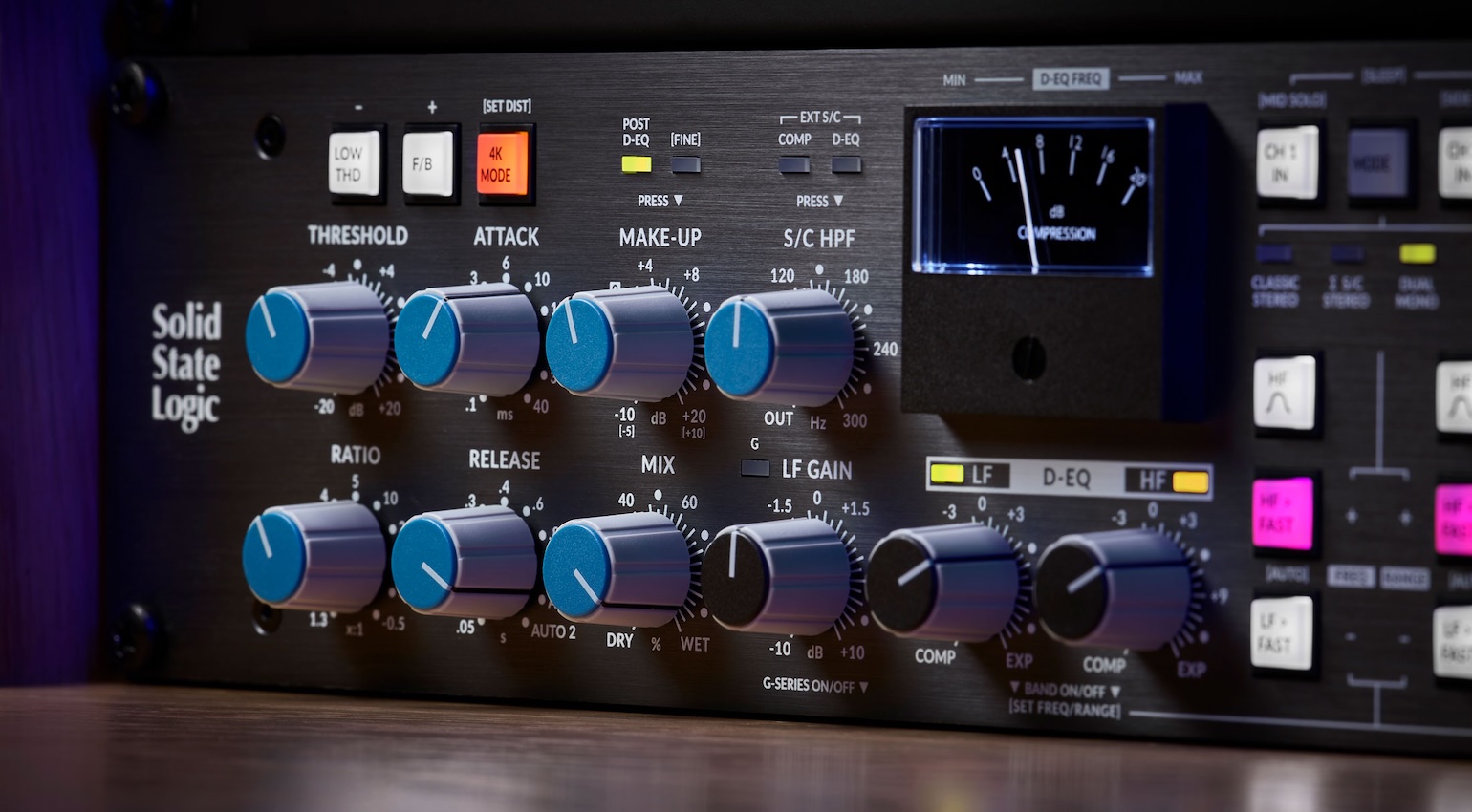

We look into bus processing, a music production technique that can transform a mix, giving it a more professional and unified overall sound.
Bus Processing – Key Facts
- Bus processing is an essential mixing technique
- Uses effects such as compression, EQ, and saturation
- Processing chains are applied to vocal, drum, and instrument subgroups as well as the main mix bus
- Streamlines mixing workflow
- Takes a more subtle “big picture” approach than channel processing for cohesion and unity
- Parallel processing provides increased flexibility
- The main bus chain reinforces the structure of the mix
In this Article:
The practice of processing the main mix bus has been a part of the multitrack recording process since the very beginning. In the late 1950s, the first console Les Paul famously designed with Rein Narma had an accompanying bus compressor, which later became the famous Fairchild 670 that we know and love today.
Of course, treating signals individually is important, particularly for setting the frequency range and dynamic range of each instrument. However, bus treatment looks at the bigger picture in terms of how the elements interact in the mix. This gives us control over the tone and dynamics of a mix as a singular entity, for improving its overall impact.
Bus Processing: Group Signal Flow
If you’re new to music production, you may be wondering what a bus is. Well, when we talk about bus signal processing, we are usually referring to the main stereo output bus of your DAW. However, when you get a little deeper into mixing, one of the most effective techniques involves grouping your channels onto different buses.
This means that you assign the outputs of all your vocal tracks, for example, to the same aux channel so they can be processed as a single stem. When you repeat this process with the drums, guitars, and synths, you can control your entire mix on eight faders rather than 80, which makes it far easier to manage.
When assigning channels to buses, your strategy should depend on the style of music and the kind of mix your client wants. We generally take a different approach with channel grouping for music recorded with microphones compared to electronic dance music. Nevertheless, the goal is to process the combined energy of the group of signals for a more cohesive sound.


Bus Processing: Compression
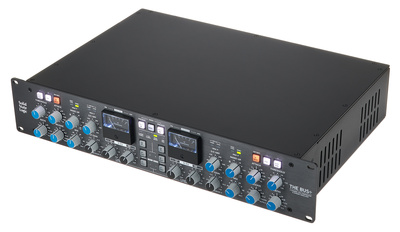
When we use compressors on our main output or on channel groups, we are trying to glue the different signals together rather than controlling the dynamic range. When we compress a kick or snare drum recording, we might shape the peaks of the waveform and sculpt the envelope of the sound. However, with bus compression, we’re aiming for subtle consistency.
For this reason, the settings we use for bus compression usually include more conservative attack times to maintain transient clarity, release times that groove with the bpm of the track, and lower ratios (1.5:1 – 3:1). With this in mind, our gain reduction usually doesn’t exceed 3 dB. Naturally, the compressor’s job varies depending on the material.
For instance, drum bus compression can improve focus, power, and rhythmic unity by acting on the sustain of the signals and leaving the transients untouched. Meanwhile, for a vocal bus, we can meld the different vocal layers into one, and an instrument bus compressor can glue a range of timbres into a cohesive wall of texture.
Knowing your compressor types matters, so you might choose a VCA compressor for its accuracy, an opto compressor for its musical peak leveling, and a vari-mu compressor for the refined movement it adds. Remember, the compressor must interact with the bus, not dominate it.
Bus Processing: EQ and Saturation
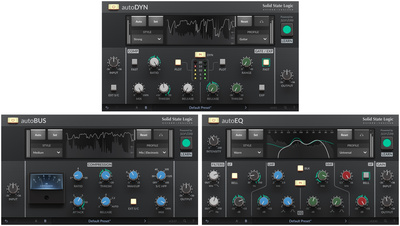
When we use EQ on buses, we’re always looking at the role this group of instruments plays within the context of our mix. So instead of performing surgery, we are painting with intentional broad strokes for balance. Because you’re affecting multiple signals at once, the slightest EQ adjustments can really transform your mix tonally.
Generally, we’re going to roll off any unwanted low end from our drums and instruments, and even creating a pocket for the vocals to cut through. In addition, we can add detail to vocals and shape crucial midrange elements before they get to our main mix bus. Here, we’re using wide Q-factor settings and minor gain adjustments, so if you have to boost or cut by more than 6 dB, you need to look closely at the channels running into that bus.
We can also use saturation to introduce harmonics for added density, which complements this broad approach to EQ. On your buses, using saturation blends elements in an organic way. We can get thicker drum transients, add weight and cohesion to synths, or improve the intelligibility of vocals without savage EQ boosts.
Like compression, the goal with bus saturation should be subtle enhancement. Unless you’re mixing a Nine Inch Nails record, you want to preserve the overall clarity and just colour your elements slightly.

Bus Processing: Parallel Techniques
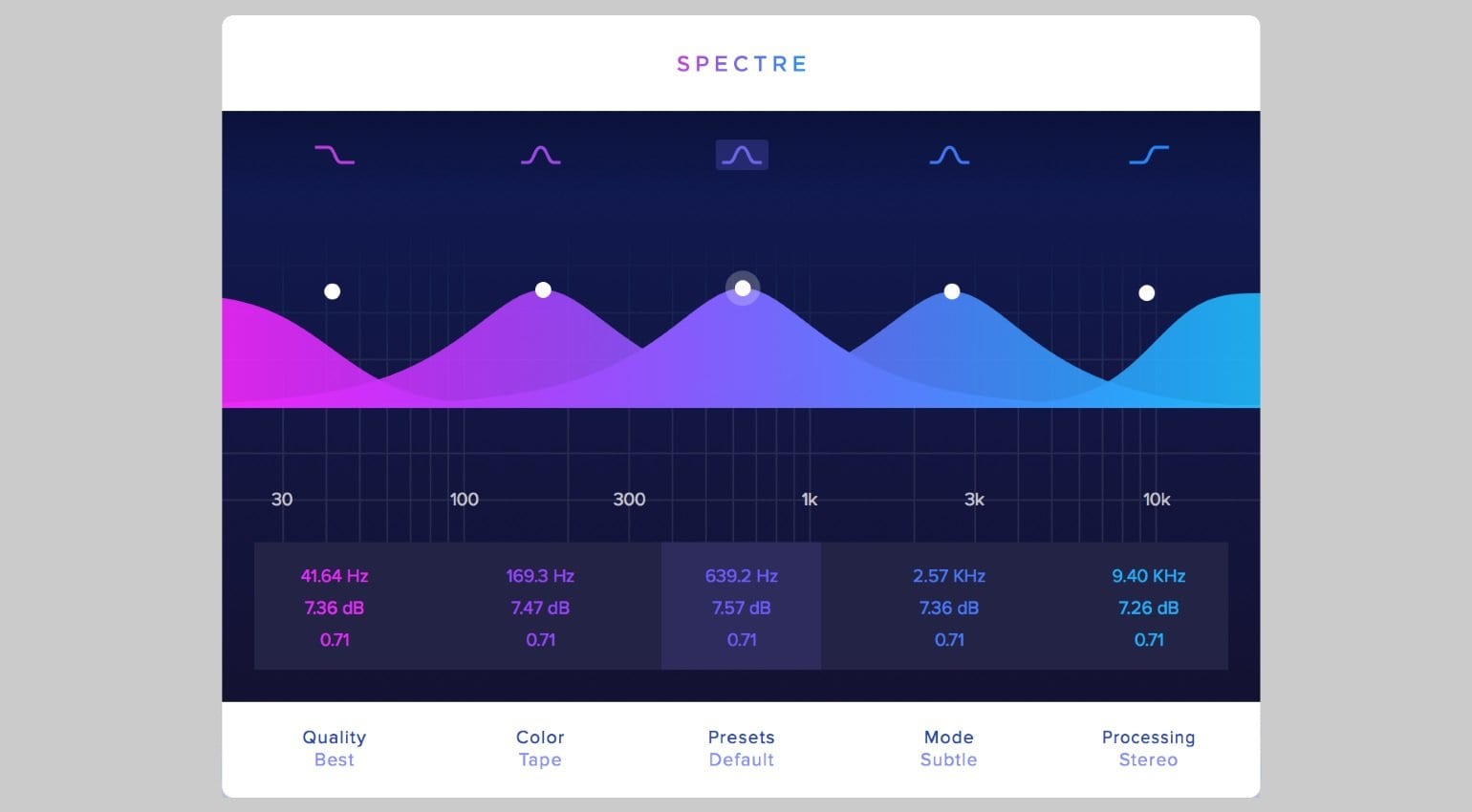
With parallel processing, we can widen the potential of bus mixing workflows. This means we are putting the effects onto a duplicate signal and blending this output with our original dry input signal. Because we have the final say over how much of the processed signal gets heard in the end, we can be far more aggressive and break rules with techniques that might not work with in-line processing chains.
This is particularly effective on drums and vocals, because we can increase density and sustain without squashing the transients. Meanwhile, we can use distortion in parallel to add a layer of texture, for thickening clean sounds, while parallel EQ can emphasize tone without interfering with the dynamics.
When dealing with dense mixes, clarity and impact are equally important, so the flexibility of parallel processing makes sense. Rather than being stuck with one sound, we can get creative and then dial back the processed signal as required. For enhancing specific types of channel groups, we can also use multiband processors for shaping different frequency ranges, mid-side EQs for targeting areas of stereo groups, and dynamic EQs for strengthening frequency-based relationships within a group.

Bus Processing: Main Mix Treatment
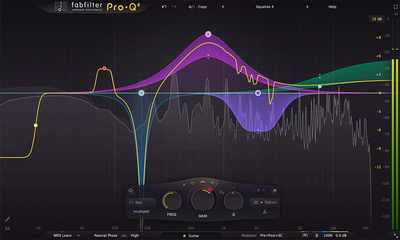
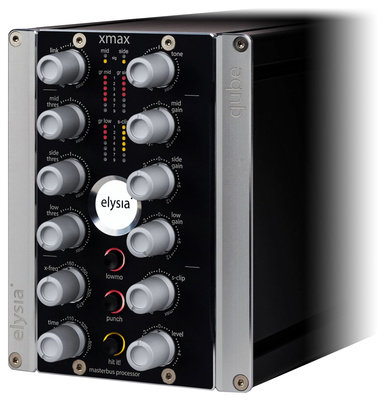
Because your main mix bus is the final processing stage before mastering, it requires the most restraint. When processing the mix bus, we aren’t trying to correct issues. Instead, we are looking at system-wide optimization in preparation for mastering. These days, many producers and engineers use a mix bus compressor from the very beginning, so it adds balance to all decision-making.
Usually, a mix bus chain has subtle compression, broad EQ, slight saturation, and essential metering. In each case, the processing aims to improve cohesion, translation, and overall balance. Even the slightest tweaking on the mix bus can affect the track drastically, so careful management of headroom and gain staging is crucial.
Stacking the mix bus with character enhancers or overloading the gain usually reduces clarity and destroys dynamics. When approaching the mix bus, it’s important to think about the track on a structural level. This way, you can ensure that each sound is breathing and complementing the other elements, while maintaining the cohesive feel of the track as a whole.

More about Bus Processing:
*Note: This article contains affiliate links that help us fund our site. Don’t worry: the price for you always stays the same! If you buy something through these links, we will receive a small commission. Thank you for your support!

This might also interest you