Beatport Now Bans Fully AI-Generated Music, Effective Immediately: New Detection Tool in Action
77% of Users Say They'd Rather Hear Music Made by Real Humans, According to a New Survey

 4,3 / 5,0 |
Beatport Now Bans Fully AI-Generated Music, Effective Immediately: New Detection Tool in Action · Source: Beatport

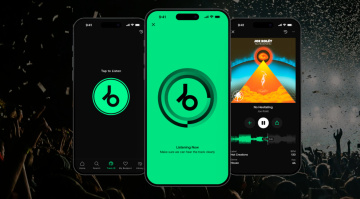
Beatport is stepping up its fight against AI-generated music. The dance music download store just implemented a detection tool from Beatdapp into its catalog, designed to filter out fully or predominantly AI-generated tracks right at upload. The company’s underlying AI policy dates back to January 2025, what’s new is the technical enforcement behind it. How well the tool actually performs, though, is something we’ll only find out over the coming months.
Beatport AI Ban: Everything on the New Beatdapp Detection Tool and the Survey Results
What the Expanded Beatdapp Tool Actually Does
Music that’s entirely AI-generated will now get withheld during the ingestion process, with rightsholders notified directly. AI-assisted music is a different story: “Music created with AI assistance will still be accepted, provided the finished track remains majority human-made,” Beatport’s policy page states. These releases get tagged accordingly on import, so Beatport’s curation team knows exactly what they’re looking at during review.
Beatdapp was already a known Beatport partner for streaming fraud detection, and this new AI detection tool now extends that existing partnership to music identification too.
Only 77% Want Music from Real Humans
According to Beatport, this decision directly reflects where its own community stands, and a large chunk of that community is DJs. A recent survey of Beatport users found that 60% wouldn’t play AI-generated tracks in their sets, with 77% expressing a clear preference for supporting human creators. Just 8% said they’re open to playing AI music at all, and another 13% said they’d consider it if artists and labels were fairly compensated. Well, I guess there’s a place for everyone.
Beatport CEO Matt Gralen framed the move this way: “Beatport exists to serve DJs and empower artists & labels. This means partnering with our community and providing confidence in what our platform offers. While new production techniques have driven electronic music forward since the beginning, there is a difference between a tool that assists human creation and a system that replaces it entirely. Beatport is built on the former.”
Beatdapp co-founder and co-CEO Andrew Batey added that the music industry has always embraced new technology, but what’s needed now is the infrastructure to bring genuine transparency to the age of generative AI. Combining AI music detection with existing fraud detection capabilities, he said, strengthens the platform’s integrity while protecting human creativity.
Jay Ahern, chief strategy officer at the Association for Electronic Music (AFEM), added that this approach aligns with AFEM’s own AI principles, keeping human creativity at the center while recognizing that not every use of AI is the same. Human intent and creative control, he said, need to sit alongside consent, licensing, transparency, attribution, and fair compensation.
Context: Beatport Is Responding to a Flood
The timing here isn’t a coincidence. Just last month, Paris-based streaming giant Deezer confirmed that around 50% of daily uploads to its platform, roughly 90,000 tracks, are now AI-generated. Earlier in August, Spotify announced it would start labeling AI-generated artist profiles with a new “AI Persona” badge. Back in June, an investigation by The Atlantic revealed that AI developers are using roughly 21 million copyrighted tracks to train their generative models.
Bottom Line
A ban on fully AI-generated music paired with an automated detection tool is a genuinely consistent and important step, especially for a DJ-focused platform like Beatport, and the company’s own survey shows a clear majority of the community backing this decision. It’s probably not going to work perfectly for a while, though.
AI-generated music is reliably detectable as long as it stays untouched, but once it gets edited, layered with real human vocals, blended into other sounds, or otherwise reworked, detection gets a lot harder, no matter how sophisticated the tool is. Still, the direction here is exactly right. Transparency and a clear stance beat having no rules at all, even if the technical execution isn’t flawless yet. Where do you stand on this?
More Information
- Beatportal: Beatport Expands Beatdapp Partnership to Detect AI-Generated Music
- More on Beatport
- More on AI and Music

This might also interest you