Best Punk Guitar Setup for Beginners: Sound like Blink-182, Green Day or The Ramones on a Budget
Sound like your heroes with this gear!

 2,0 / 5,0 |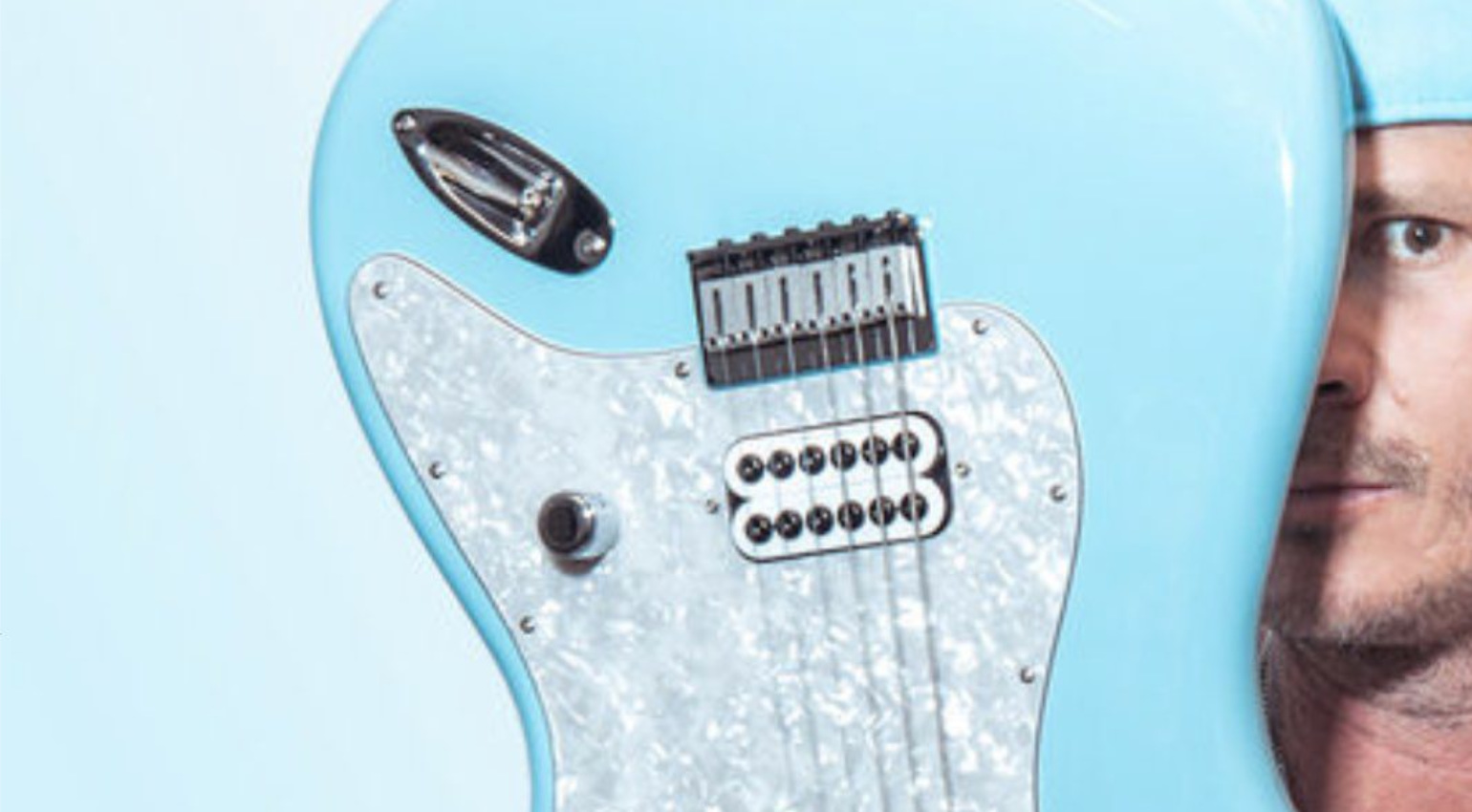
Best Punk Guitar Setup for Beginners: Sound like Blink-182, Green Day or The Ramones on a Budget · Source: Fender

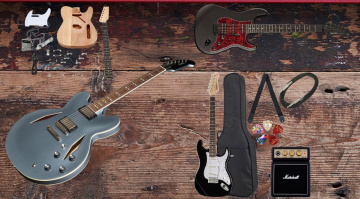
You’re looking for the best punk guitar setup for beginners, either for yourself or as a present? Then you’ve come to the right place! We collected three setups, each with a guitar and an amp, to get you started. And don’t forget to look for the accessories like cables, strings, and picks!
Key Takeaways
- Telecasters cut through a mix with bright, aggressive single-coil snap; SG-style humbuckers deliver warmer, thicker crunch — pick your punk flavor
- 20W solid-state amps are the beginner sweet spot: enough volume for rehearsal, headphone out for late nights
- Budget tip: Harley Benton HB-20R + Squier Sonic Tele gets you a complete, giggable setup for under €250
Get your Info here
What Is Punk Rock and When Did It Start?
Now, for those familiar with the history of the genre, this is meant as a starting point, and there will be a lot of differing opinions on who started what and which band was the most influential in what era. Adding your own research is highly encouraged. Generally speaking, if you ask around, most agree on two bands as the first ones that were called punk bands: The Ramones and the Sex Pistols.
That means, punk is over 50 years old already! What makes a song a punk song? Lightning fast drums, often close to 200 beats per minute, simple song structures, short songs (often under 1-2 minutes), three, sometimes four chords, and often politically charged lyrics, proclaiming social injustices. And a strong DIY ethos.
While local punk scenes have often remained true to these up until today, whenever punk bands went mainstream, they faced accusations of selling out. Just ask Green Day. The impact of The Ramones, Sex Pistols, and The Clash led to a flood of bands in the 80s and 90s like Dead Kennedys, Black Flag, Green Day, Bad Religion, and NOFX. By the end of the 90s and the early 2000s, a wave of pop punk groups like Blink-182 or Sum41 took a bit of a different approach to punk, both musicially and in terms of what the songs were about.
Where Is Punk Today in the Musical Landscape?
Punk has never been gone, but many local scenes undergone massive changes in recent years. Bands like Lambrini Girls, Amyl and the Sniffers or even Idles to an extent have shown that while the core message of Punk is still one of community and the fight against unjust circumstances, both the music and the focus of the lyrics have changed.
Still, fast drums, distorted guitars, and angry vocals are at the core of this new wave. And if you’ve discovered a few punk bands recently and your fingers are itching to strum a few chords or a loved one can’t stop talking about how they want to join their first punk band, look no further!
We’ve collected a few suggestions for the best punk guitar setup for beginners, with three electric guitars, three amps, and some necessary accessories like cables, strings, and picks to get you going.
What to Look For in a Punk Guitar
The one thing you might want to research is what kind of guitar your heroes play. Generally speaking, there are four types of electric guitars commonly found in punk rock: Stratocaster, Telecaster, Les Paul, and SG. What you want to avoid is a guitar with a floating tremolo: punk is about downstrokes and power chords, not whammy bars, and a floating bridge creates tuning problems under that kind of abuse.
Besides the body shape, the most important part of a guitar’s sound is its pickups. Most commonly, there are two types of pickups: single-coil (sound clearer, more defined) and humbucker (sound denser, heavier).
What to Look For in a Punk Amp
Punk doesn’t need a complicated amp. You need a clean channel for quieter moments and a dirty channel that actually delivers lots of analog distortion. Analog circuits sound better at this price than most digital modelers.
Wattage: 20W is the sweet spot for home practice and small rehearsal spaces. Anything under 10W will struggle with a drummer in the room; anything over 30W becomes unwieldy for a beginner. A headphone out is worth having for late-night practice. Let’s check out the best punk guitar setup for beginners!
Best Punk Guitar Setup for Beginners: Three Budget Guitars to Choose From
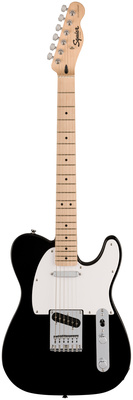
Squier Sonic Telecaster
The Tele is the original punk guitar, and the Sonic line is currently the best Squier has made at the entry level. This model comes with a poplar body, maple neck, and two ceramic single-coils. It’s lightweight, plays well out of the box, and has that glassy, cutting tone that puts single-note riffs right through a mix.
The bridge pickup with a bit of gain does exactly what a punk rhythm guitar is supposed to do. Six-saddle hardtail bridge means tuning stays stable under aggressive strumming. If you’re not sure which guitar shape suits you, start here. An easy choice for the guitar for the best punk guitar setup for beginners.
Get the Squier Sonic Telecaster from Thomann*.


Epiphone SG Standard
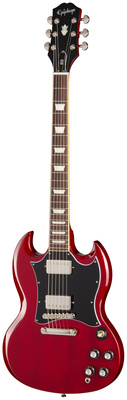
The SG is the other classic punk body shape, lighter than a Les Paul, double-cutaway for upper-fret access, and with humbuckers that give you a thicker, warmer crunch. The Standard series ships with ProBucker pickups and a LockTone Tune-O-Matic bridge.
If the Ramones Telecaster sound is the bright end of punk, the SG covers the opposite flank: Green Day, early My Chemical Romance, anything where the riff needs body and weight. It sits naturally in the “punk that got bigger” lane without ever losing its edge, and it’s another easy choice for best punk guitar setup for beginners.
Buy the Epiphone SG Standard from Thomann*.

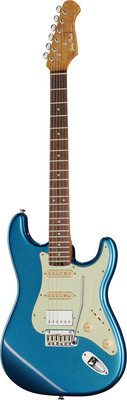
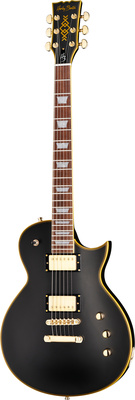
Harley Benton ST-Modern or SC-Custom III
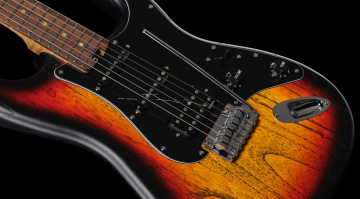
Strats are arguably the most versatile (and fought-over) guitar models on the market. And for punk rock, you’re going to want a model that offers both humbucker and single-coil sounds. This model does that. And it looks amazing.
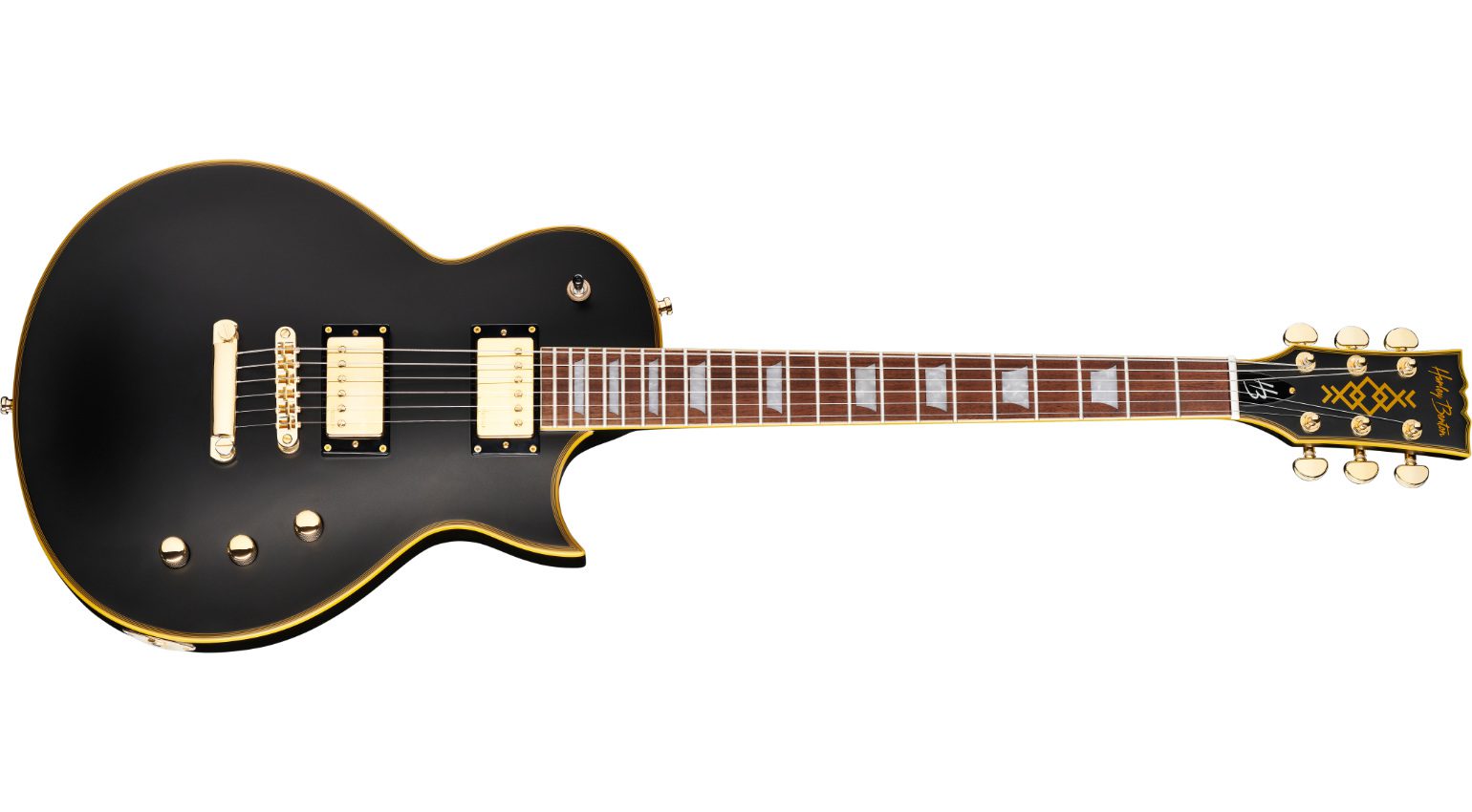
The other contestant for best punk guitar setup for beginners is Harley Benton’s SC-Custom III series, which is based on Gibson’s famous single-cut guitars. If your preferred guitar sound is a bit more relaxed and midrange-heavy, think Green Day, then these models are perfect for you!
Get the Harley Benton SC-Custom at Thomann*.

Best Punk Guitar Setup for Beginners: The Amps
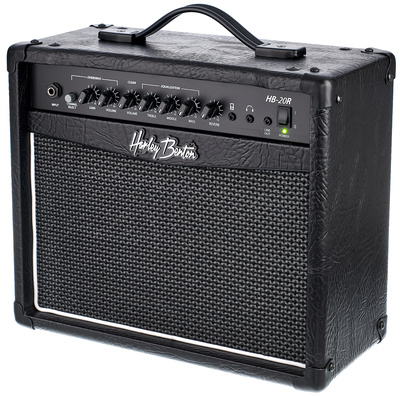
Harley Benton HB-20R
At €79, this amp holds up better than it has any right to. It features 20 watts, two channels, onboard reverb, a 3-band EQ, and a headphone out. The dirty channel won’t make you forget you’re playing a budget amp, but it produces a usable crunch that works for power chords and three-chord punk without sounding like a toy.
If you’re not sure how serious you are about playing and you want to get started without spending much, this is the honest choice.
Get the Harley Benton HB-20R at Thomann*.
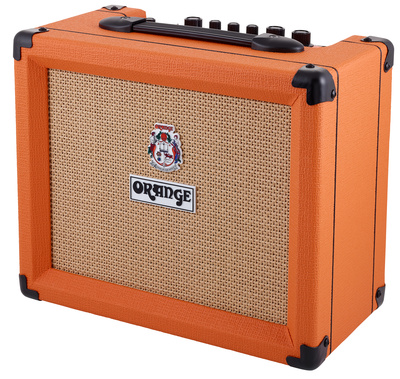
Orange Crush 20RT
Orange built its reputation on British crunch, and the Crush 20RT delivers that character in a bedroom-sized box. The tiny orange box features an all-analog signal path, onboard reverb, built-in tuner, and a CabSim headphone output for late-night practice.
The dirty channel is the reason to buy this over cheaper options: it has actual dynamic response: roll back your guitar’s volume, and it cleans up, digs in, and it bites back. The RT version adds reverb and a tuner over the standard Crush 20, worth the few euros extra.

Marshall MG15G
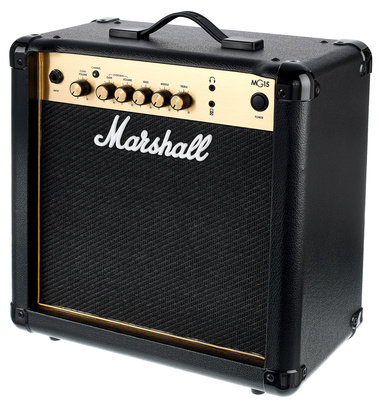
15 watts, two channels, 8″ speaker, additional headphone output: the Marshall MG15G is about as pure as it gets for beginner amps. No digital nonsense, no effects (see what I did there?), but still the legendary sound of the British amp maker.
For the best punk guitar setup for beginners, this model is the most beginner-friendly amp in terms of how easy it is to use.
Accessories: Cables, strings, and picks
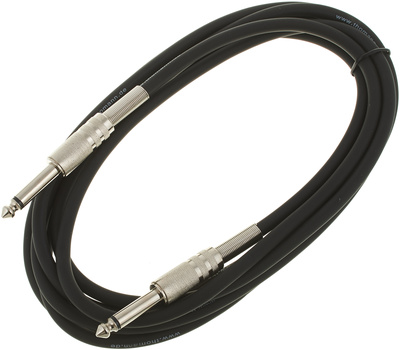
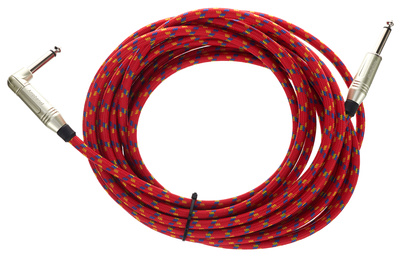
Let’s keep this brief. You’ll need a cable to connect your guitar to the amp, you’ll need a couple of picks with different levels of thickness so you can find out which one os right for your, and you’ll need strings. Not at first, your first guitar will hopefully come with strings attached!
But if you catch the punk bug and don’t stop playing, there is going to be a point where the B or G string snaps. For cables, it mostly depends on what length you’re looking for. Shorter lengths are better if you mainly play at home, longer cables make moving around in the rehearsal room more comfortable.

In the beginning, I highly recommend trying out different picks with different levels of thickness. Because once you find the one you feel most comfortable with, it’s going to be a much better experience.

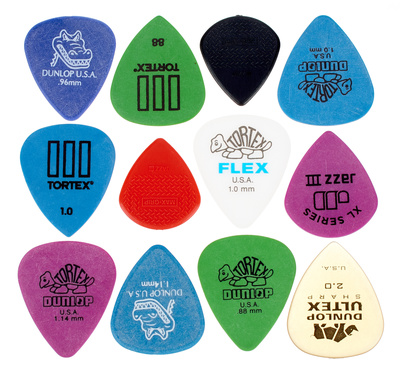
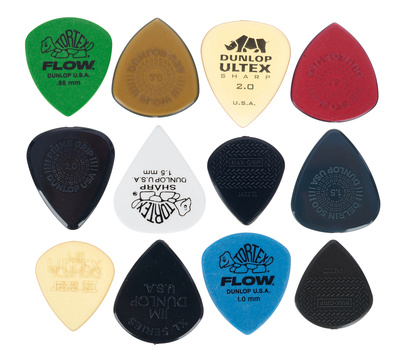
As for strings, it all depends on what string gauge your guitar came with. And if you’re comfortable with it. Check out Thomann’s string zone*.
Conclusion
Found what you’re looking for? Did we miss that one guitar or amp, that every punk rocker starts with? What would have been your best punk guitar setup for beginners?
Let us know in the comments!
FAQ on the Best Punk Guitar Setup for Beginners
Do I need a distortion pedal if my amp already has a dirty channel?
Not necessarily. The amps listed here all have usable gain on their own. A Boss DS-1 adds an extra layer of crunch and can push the amp harder useful, but it’s optional, not required.
What’s the best guitar body shape for punk?
Telecaster for classic/old-school punk (bright, cutting, aggressive), SG or Les Paul for heavier or modern punk (warmer, thicker). Both are correct.
Is a 20-watt amp loud enough to play with a band?
For rehearsal with a live drummer, 20W solid-state (like the HB-20R or Orange Crush) sits at the edge: it’ll work in a small room, mic’d at a gig.
*Disclaimer: This post contains affiliate links and/or widgets. When you buy a product via our affiliate partner, we receive a small commission that helps support what we do. Don’t worry, you pay the same price. Thanks for your support!

This might also interest you