Oberheim OB-6 Editor Brings Your Obie Into Your DAW: Synth Journal
The best of the rest of this week's synth news.

 4,0 / 5,0 |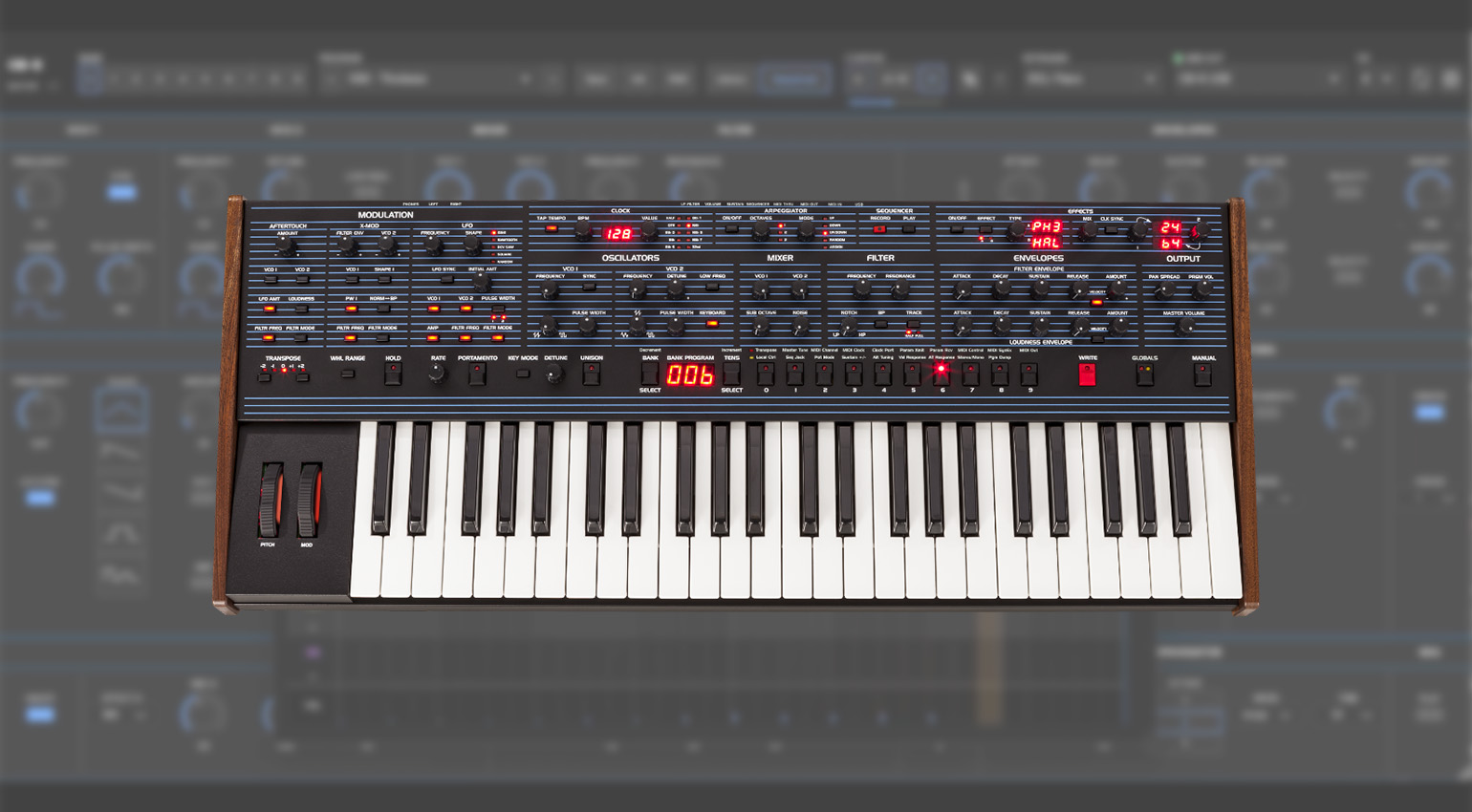
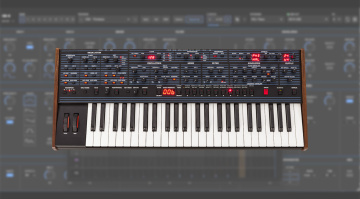
Voidcontrol MIDI OB-6 Unofficial Oberheim OB-6 Editor · Source: Voidcontrol MIDI / Oberheim

Ever wanted your Oberheim OB-6 inside your DAW? Now you can have that thanks to an unofficial editor. That and more in this week’s Synth Journal.
Synth Journal
Voidcontrol MIDI OB-6 Unofficial Oberheim OB-6 Editor
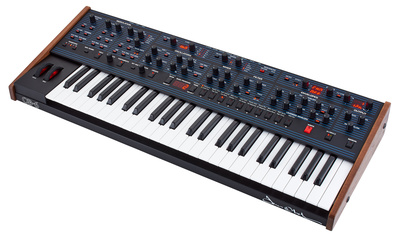
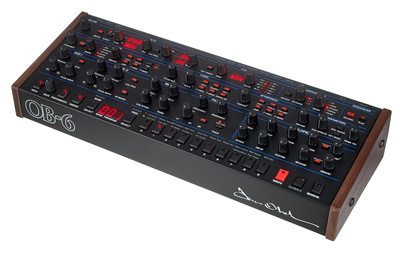
The Oberheim OB-6 has to be one of the best analog synthesizers of the 21st century. Released in conjunction with Sequential, it’s got the best of both companies – and sounds just incredible. While it may have all of the hardware juice that you need, you can’t really control it from your DAW. Or at least you couldn’t until now.
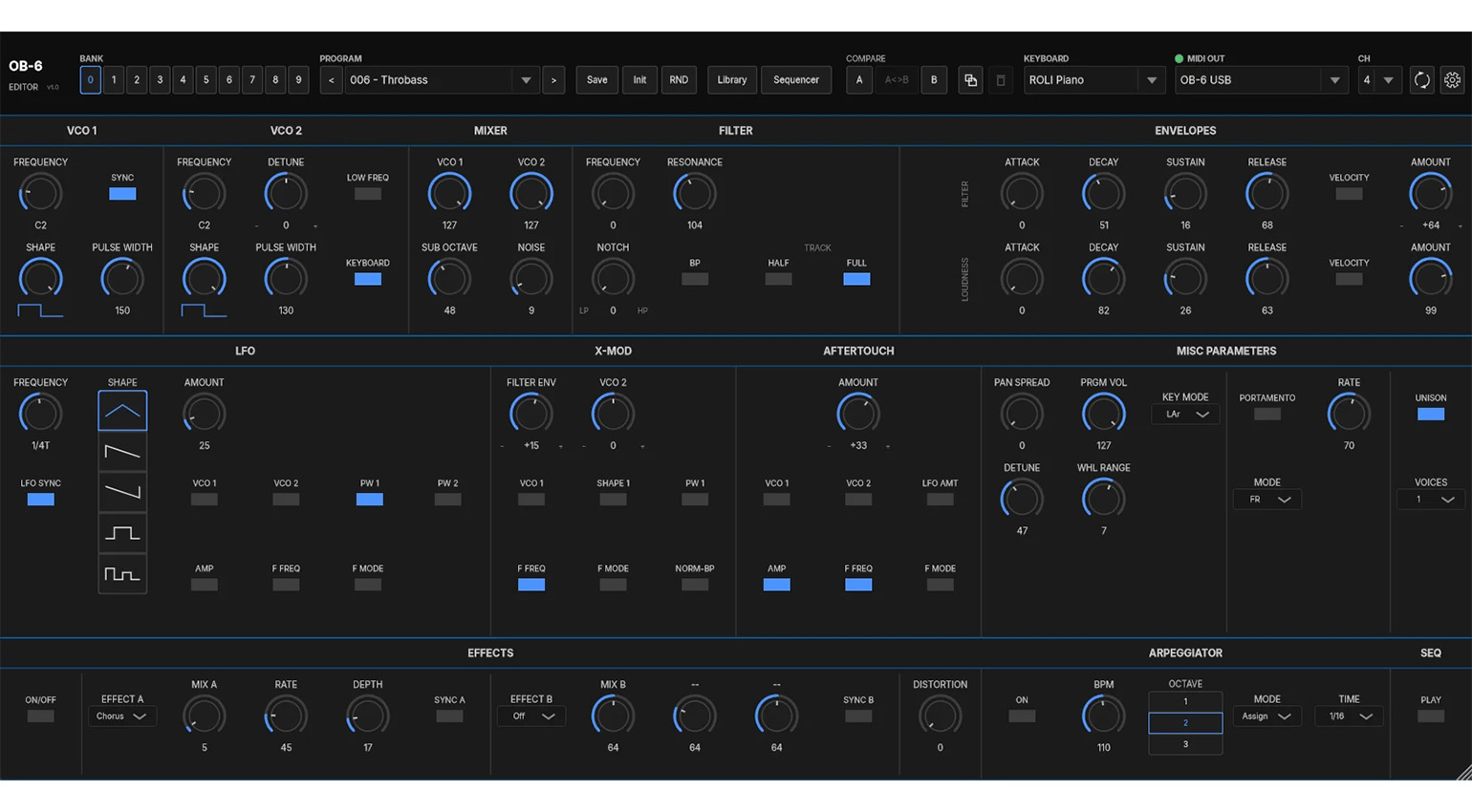
Voidcontrol MIDI reached out to let us know about OB-6 Unofficial Editor, an (ahem) unofficial editor for the Oberheim OB-6. The editor lets you use your OB-6 in your DAW (“I wanted my OB-6 to fit into my DAW the way my soft synths do”) and adds some new functionality to boot. With the software, you get full parameter control of your Oberheim OB-6, auto sync to keep the hardware and software aligned in real time, full DAW automation, a patch library, A/B snapshots with morph, a polyphonic sequencer, and init and randomize parameters.
The editor is available as a VST3 plugin. It’s currently Windows only but Voidcontrol MIDI is working on a Mac version. It costs $40.


Benedetto Schiavone Zen-Core Editor-Librarian V.2.0 With B67 ZEN FM Engine
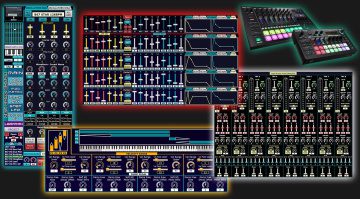
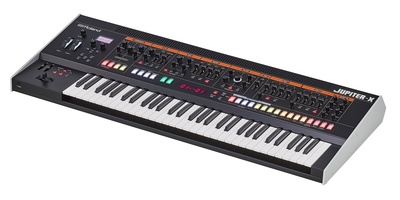
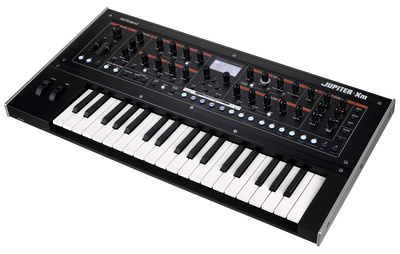
The editors keep on coming this week. Here’s another, this time from developer Benedetto Schiavone. Called Zen-Core Editor-Librarian V.2.0, it works with ZEN-Core hardware instruments Jupiter-X/Xm, AX-Edge, the FANTOM-EX series and FANTOM-0 series. The USP is that it adds a new synthesis engine called B67 ZEN FM to the instruments – or rather, it gives you access to the instruments’ FM capabilities in a focused and streamlined way.
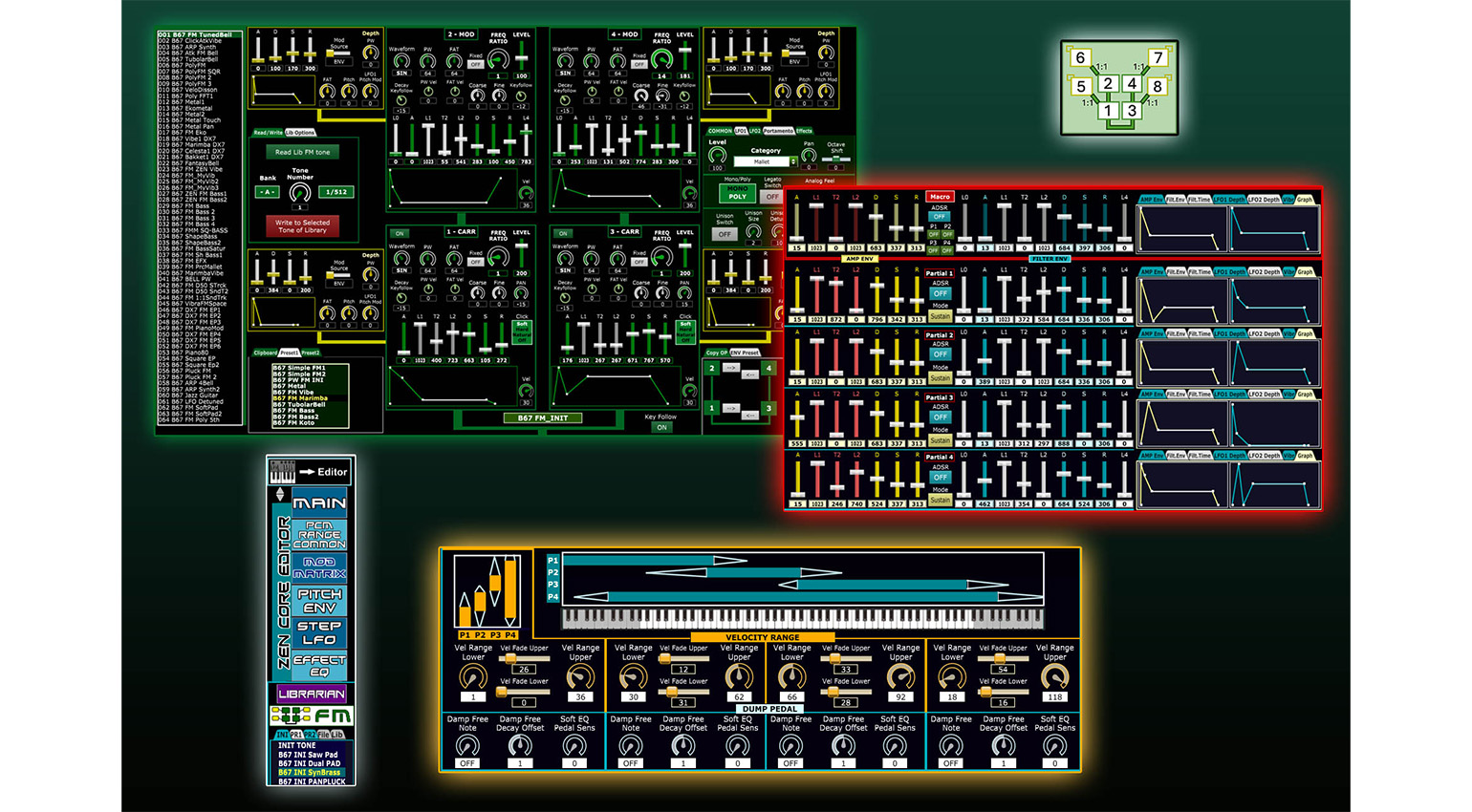
Elsewhere, the editor lets you program the aforementioned synthesizers on your Mac or Windows computer. It adds macros, editing of hidden ZEN-Core synthesis parameters not directly accessible in the synths, a four-track step sequencer, and 24 new presets. There’s also a library section for patch management, as you might expect.
The editor costs $35.





sonicLAB SSNN
Ready to have your mind blown? SSNN is the latest release from sonicLAB. If you know sonicLAB, you know to expect the unexpected. This time is no different. SSNN stands for Spiking and Sounding Neural Network and uses a spiking-type neural network comprised of 960 neurons across 32 layers to process audio that you feed it, with each spike a discrete audio event. The result is a complex and glitchy sound that IDM and experimental artists will immediately fall in love with.
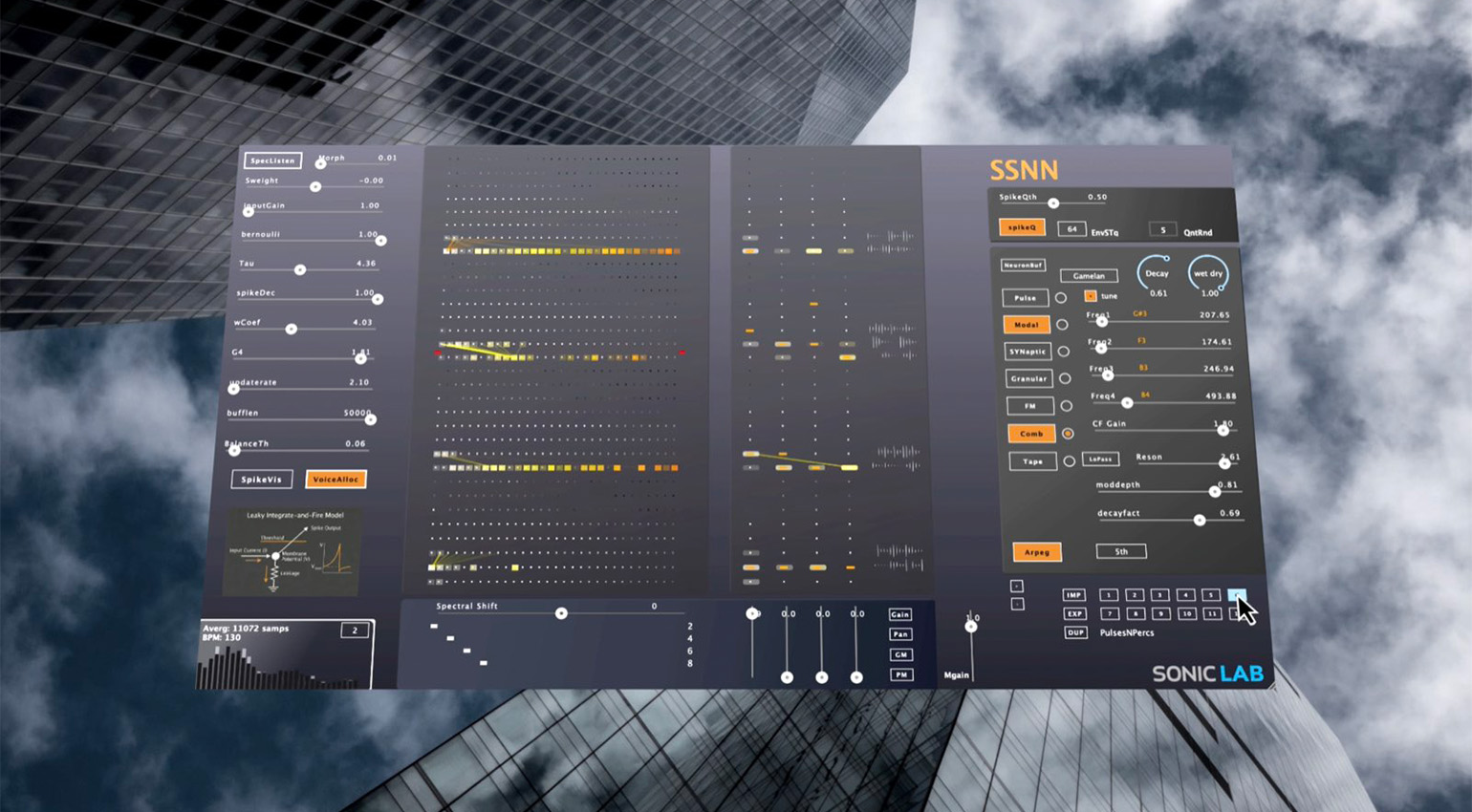
SSNN has a synthesizer section too, with Pulse, Modal, SYNaptic, Granular, FM, Comb, Tape and Arpeg synthesis engines for the neural spikes to drive. It’s also got closed-loop resynthesis, spectral control, and FFT-driven learning. I’d be lying if I said I understood this, but I do understand the beautiful sounds in the demo video. Maybe that’s enough for you, too?
SSNN is available as a VST3 and AU plugin for Mac and Windows. It currently costs £65 but that will eventually go up to £89.
Scaepe Noisferatu
Let’s stay in glitch mode a little while longer, shall we? From spiking neural networks to BitBend address manipulation, I bring you Noisferatu, a gorgeously noisy experimental and generative texture synthesizer from Scaepe.

Noisferatu offers 45 noise algorithms across five banks, with a sound that focuses on crackles, noise scapes, drones and overall chaos. There are four knobs to shape (“but never control”) the output. It uses creative approaches like generative wavetables, BitBend address manipulation, probability gates, bitwise logic operations and combinations of these. Again, if I said I understood what these things mean, I’d be lying. And again, that doesn’t matter as Noisferatu is a whole lot of crazy fun.
Here are the banks to help you understand better what Noisferatu can do:
- Bank 1: Wavetables (9 algorithms) – Generative buffer-based textures
- Bank 2: Noisy Textures (9 algorithms) – Noise-based processing
- Bank 3: BitBend Wavetables (9 algorithms) – Buffer playback with binary address manipulation
- Bank 4: Blips & Tones (9 algorithms) – Melodic/rhythmic generators
- Bank 5: Logic Disorder (9 algorithms) – Bitwise chaos on oscillators
If that sounds like something you could go for, head over to Thonk and pick up a DIY kit for £69.
Cabaret Voltaire Live on KEXP
Industrial and electronic music legends Cabaret Voltaire are currently on tour. They stopped by the KEXP studios in Seattle, Washington in May to record a short set, and it’s now on YouTube. If you’re anything like me (and if so, I’m so sorry), you grew up listening to the Cabs. The Sensoria 12” is an all-time favorite. To have them back out on the road now is pretty incredible, as is the show captured here.
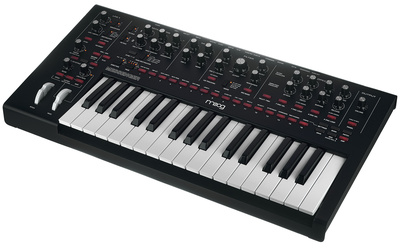
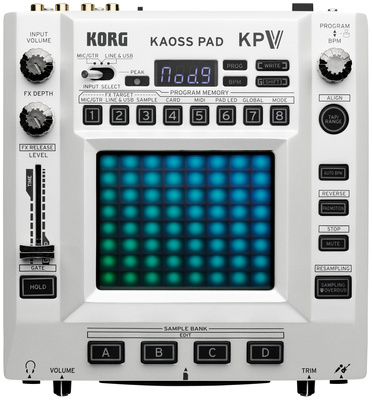
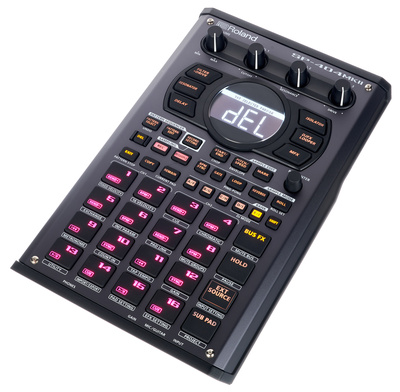
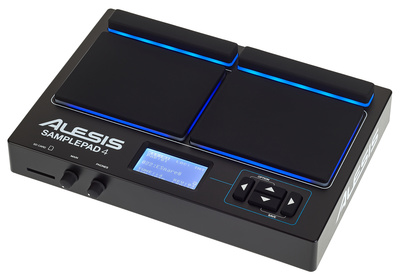
As this is Gearnews, I’d be remiss if I didn’t mention at least some of the gear. There’s a lot less vintage than I was expecting, but then again, taking old kit on the road can be expensive. Better to have a selection of solid, recent gear onstage instead. Looking at the video, I spy a Moog Messenger, a KORG KAOSS Pad, what looks like a Roland SP-404, an Alesis Samplepad 4, and a lot more. What did you recognize?



More Information
- More about synthesizers
- Buy synthesizers at Thomann*
*Note: This article contains advertising links that help us pay for this site. Don’t worry: the price for you will always be the same! If you buy something through these links, we will receive a small commission. Thank you for your support!

This might also interest you