Essential Outboard Gear Every Studio Should Own
Important pieces of studio hardware.

 2,6 / 5,0 |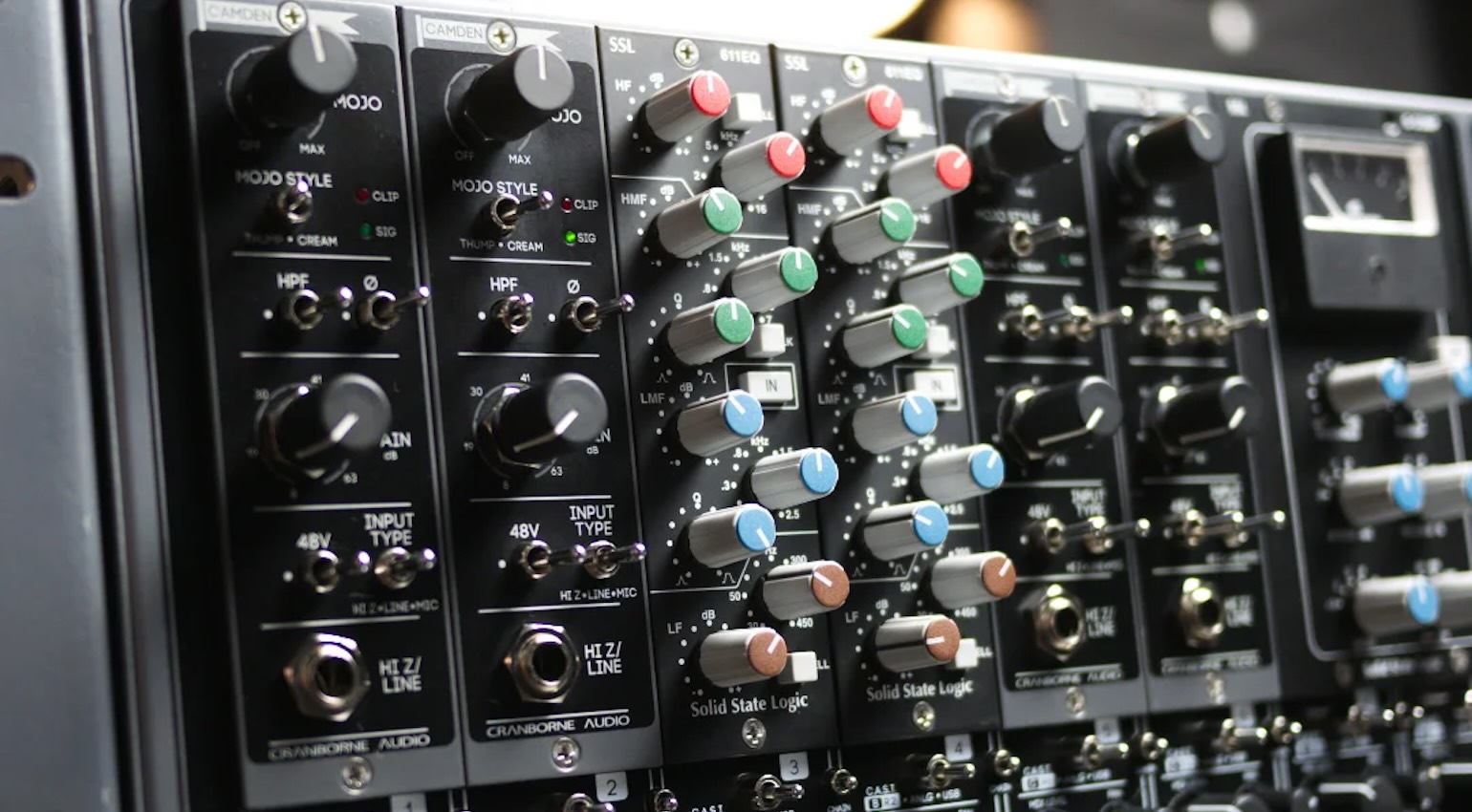

We look at some essential outboard gear for equipping a studio for multichannel recording and discuss some different ways to set it all up.
In this Article:
Most home studio setups are configured according to a musician’s specific workflow. However, things change drastically when you start to think about hosting live recording sessions with multiple performers playing together in a single take.
Suddenly, considerations like I/O channel counts, talkback, and monitoring come into play, as each musician needs to hear themselves and communicate with the engineer to make the session run smoothly.
While so much of our signal processing happens post-recording in a DAW, there are still some hard and fast rules for dealing with analogue signals, and tools like patchbays that enable flexible analogue workflows. Let’s check out some key aspects of the recording chain and learn more about some essential tools that make the recording machine run.
Essential Outboard Gear: AD/DA Converter
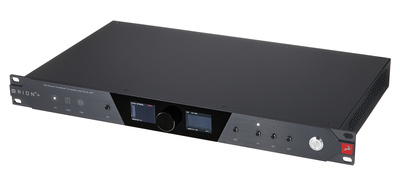
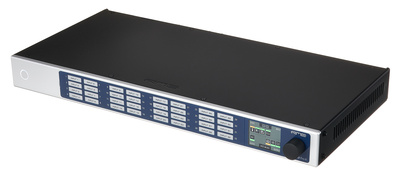
A DAW-based studio cannot function without an audio interface, so it’s a given that every studio has one. However, a top-of-the-range UA Apollo interface only has 16 inputs, which isn’t quite enough for a pro studio. This means it’s worth checking out a dedicated AD/DA conversion system instead, where you are paying for the conversion quality and channel count rather than an external DSP engine.
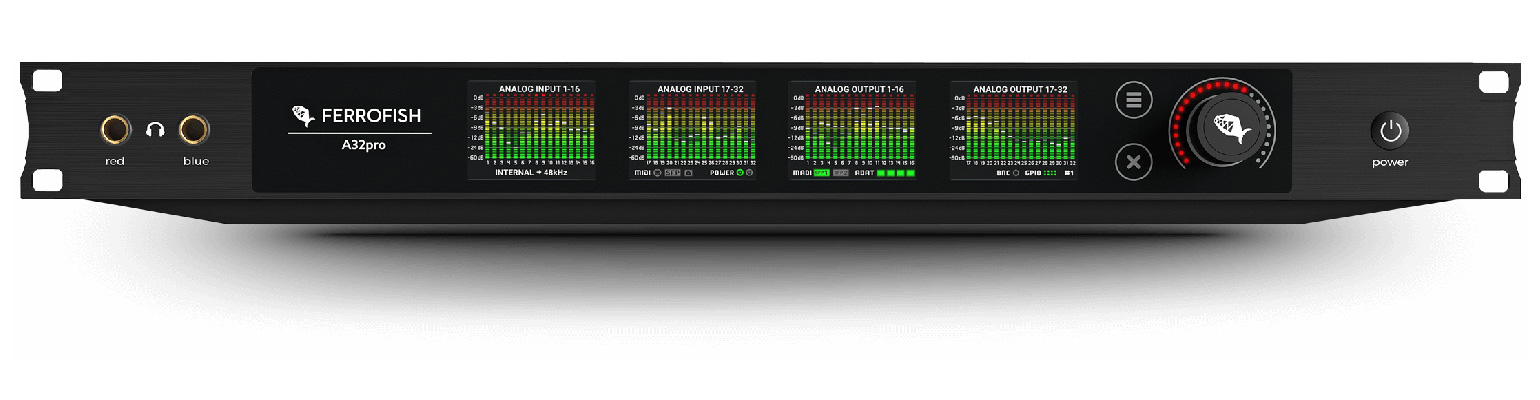
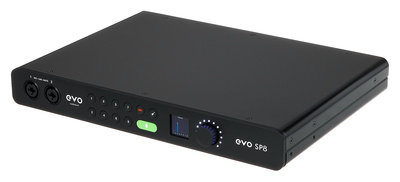
When you’re mixing exclusively in your DAW, you don’t actually need multiple channels of digital-to-analogue conversion, so you can focus on the channel count for the input stage (A/D). By using ADAT mic preamps, you can prioritize your input stage and spend less on your audio interface, because it’s simply an ADAT I/O box, and the conversion is being done by the mic pre.
Naturally, the ability to route multiple signals in and out of your DAW gives you more flexibility for adding hardware inserts or doing analogue summing during mixdown. This does push up the price tag, though, so try to map out your studio’s channel routing before you start your gear shopping spree. Get it at Thomann.*




Essential Outboard Gear: Microphone Preamp
No matter what kind of audio interface you have, eight mic preamps just isn’t enough to track an entire band live, even if you record the vocals at a later stage. Traditionally, studios had consoles with built-in mic preamps, but today’s modern studios are mixing in the box, so having a console simply for tracking doesn’t make that much sense financially.
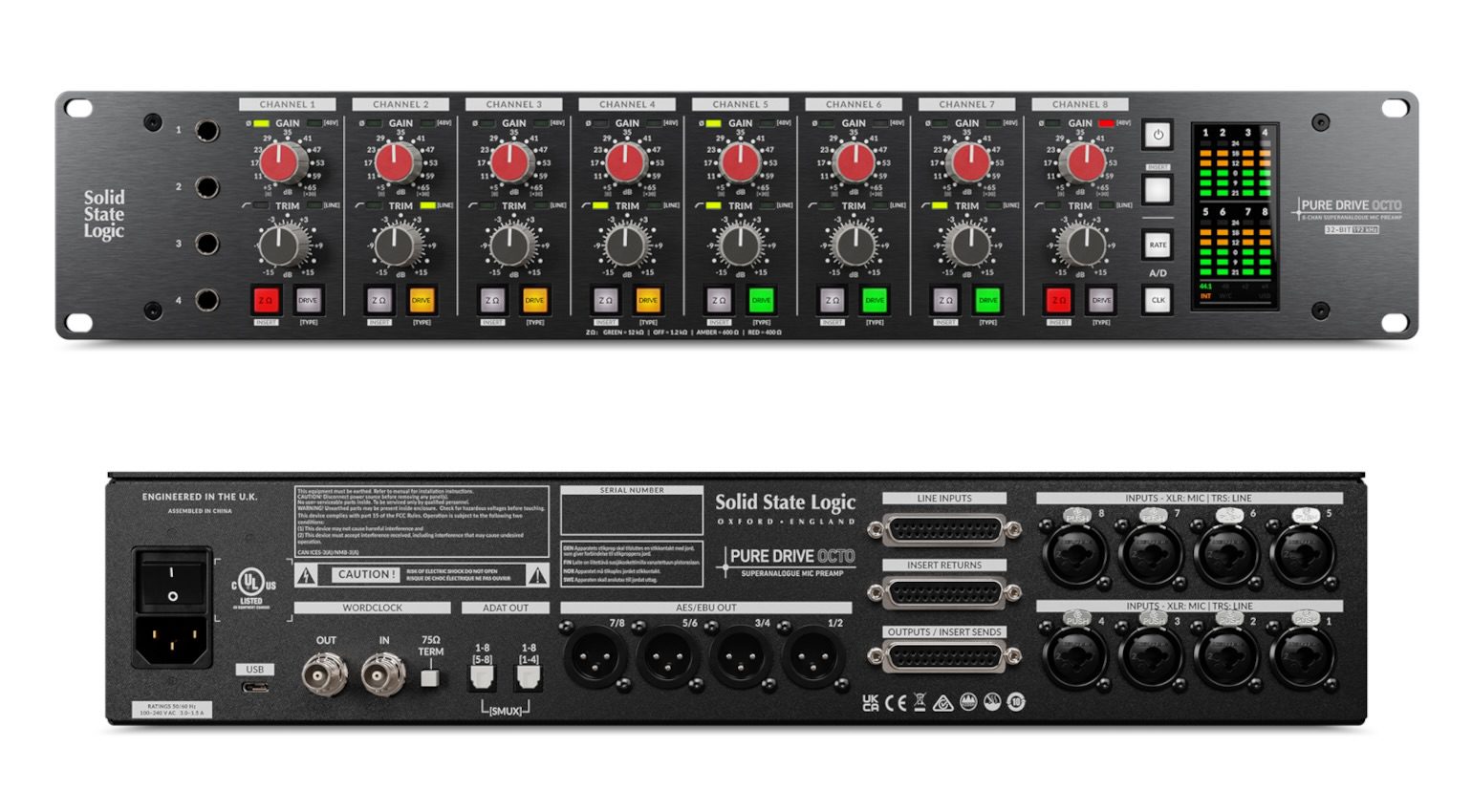
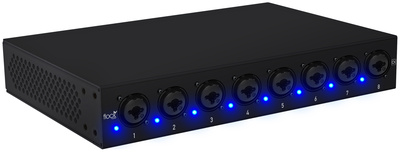
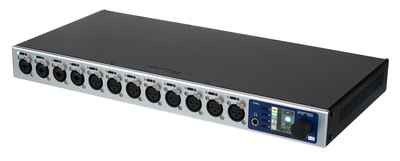
Apart from providing mics with sufficient gain and phantom power, a preamp’s primary function is to convert the signal to line level so it can be routed via the patchbay and then into your DAW. However, some mic preamps have analogue-to-digital conversion stages built in, so you can send the signals directly into your audio interface via ADAT.
If you consider that you might need up to 24 mic preamps to run a session comfortably, things can get expensive, especially when you start looking at high-end preamps that add character to the sound. Another thing to think about is if your current audio interface or A/D converter has sufficient inputs and the right connectivity, so be sure to take care of that first. Get it at Thomann.*




Essential Outboard Gear: Patchbay
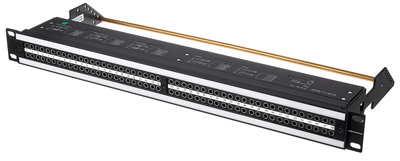
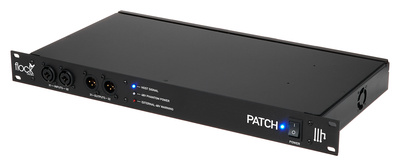
A patchbay is a necessary tool for routing analogue signals from one side of your studio to the other. This provides incredible flexibility, because you can plug every piece of gear into the patchbay permanently and then quickly patch signals when you need to route signals or create processing chains for a particular project or application.
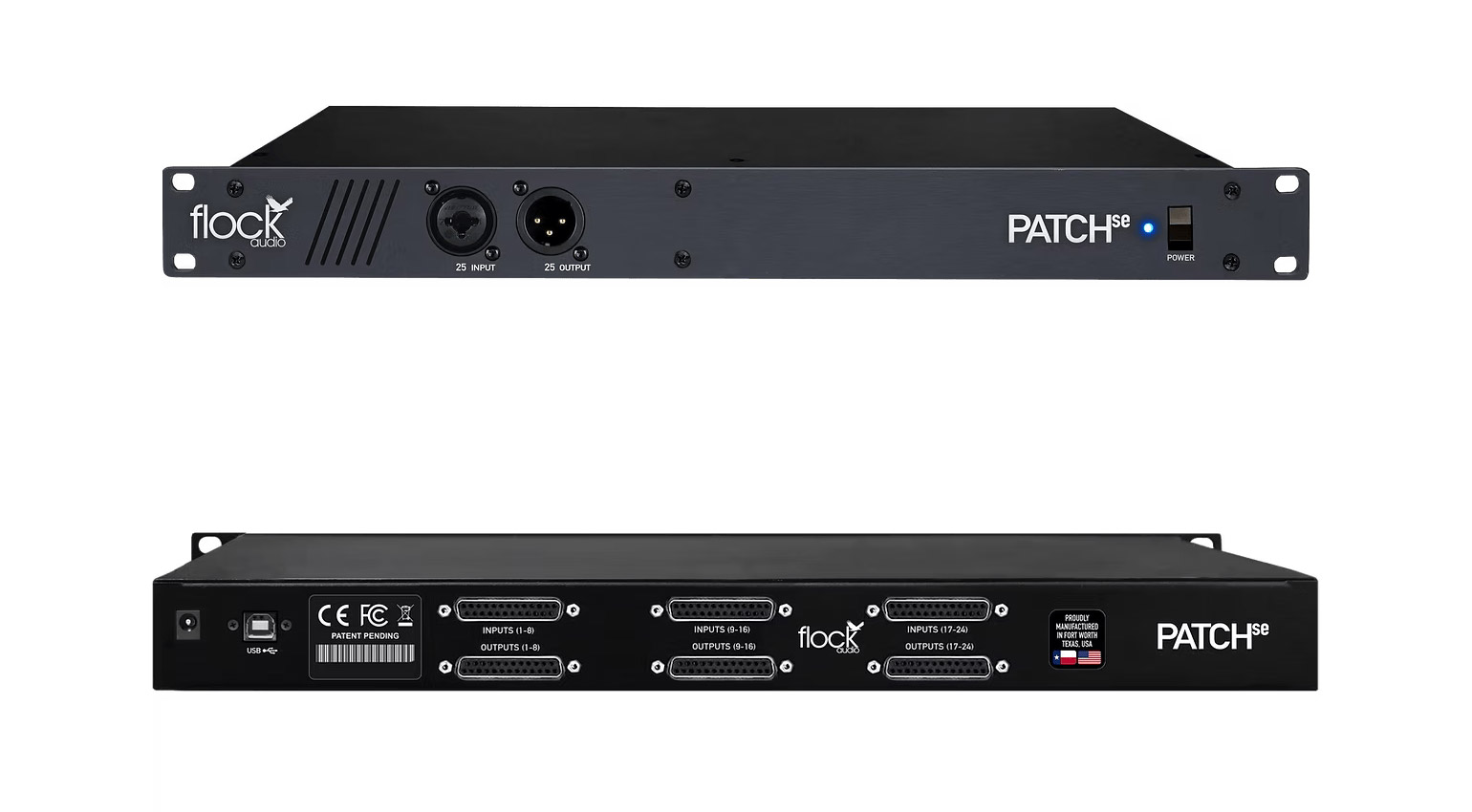
Patchbays come in various shapes and sizes, and manufacturers like Flock Audio have even created software-controlled patchbays so you never have to use an actual patch lead or even leave your chair. Typically, a patchbay is connected directly to the D-Sub connector of your multichannel mic preamp and routed to the D-Sub inputs on your AD converter.
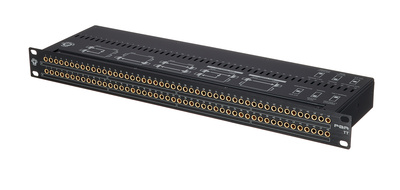
However, the potential of a patchbay is expanded when you also have outboard compressors and EQs connected, and you can quickly assign these hardware processors to your input stage or your DAW inserts if needed. If you prefer physical patching, bantam jack options are generally better because you can fit higher channel counts in a single rackspace unit. Get it at Thomann.*



Essential Outboard Gear: Compressor
Picking up an 1176 clone for a home studio setup is one thing, but when you need dynamics processing across 24 input channels, it requires a completely different level of financial investment. For this reason, even some of the high-end mixing consoles you’ll find on the market today don’t have compressors on every channel.
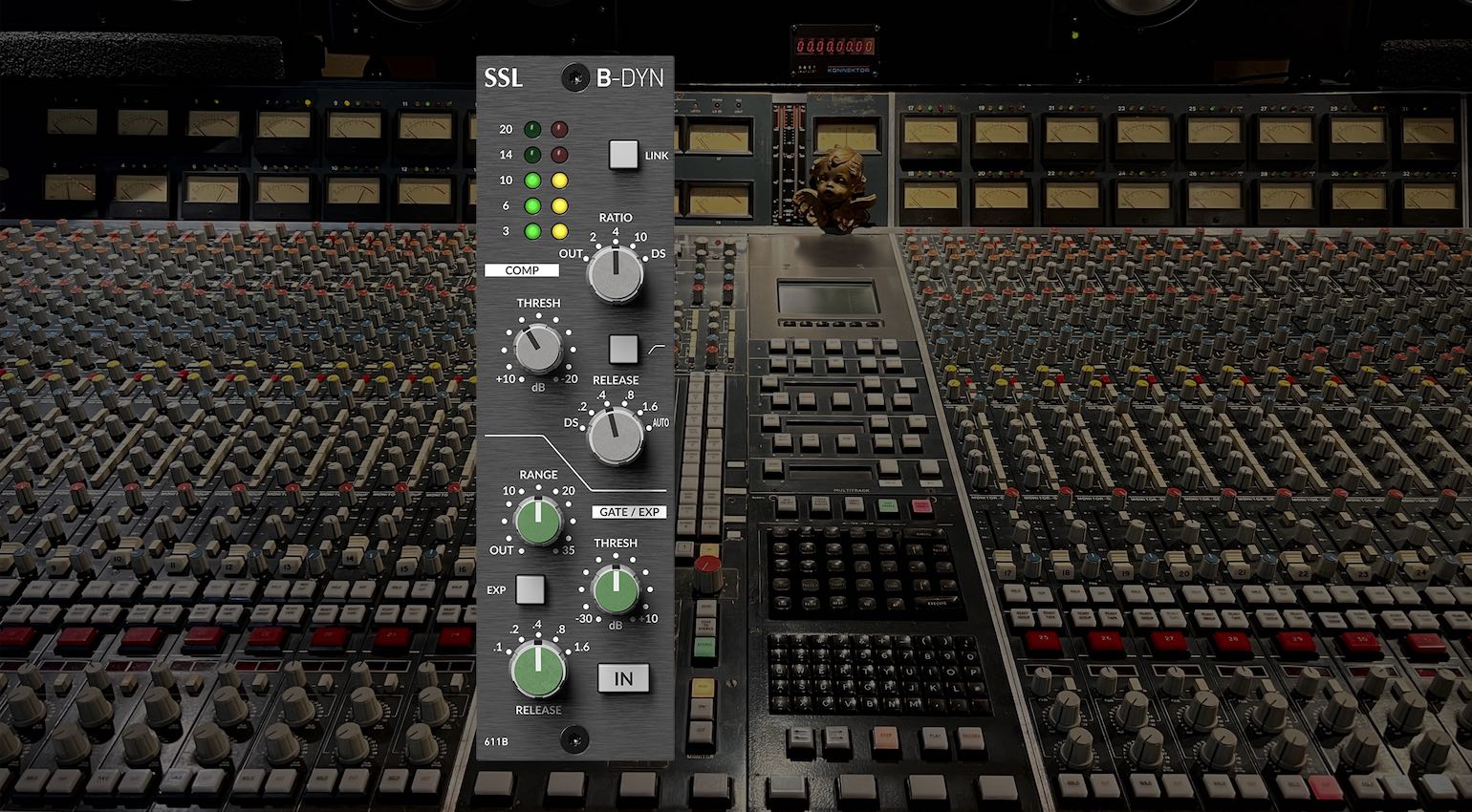
Whether you’re recording vocals or instruments, tracking through a compressor allows you to smooth out the rough edges of a performance, shaving transients and providing cohesive balance in a musical way. A compressor’s makeup gain stage can also add tonal character to a signal, introducing grit and harmonics that give a recording a unique edge.
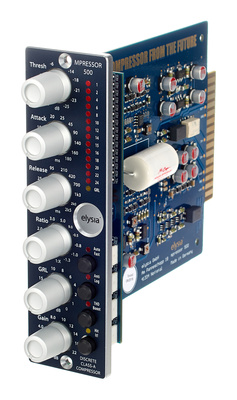
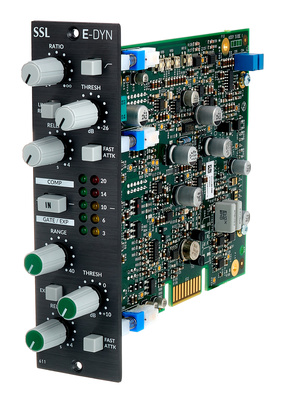
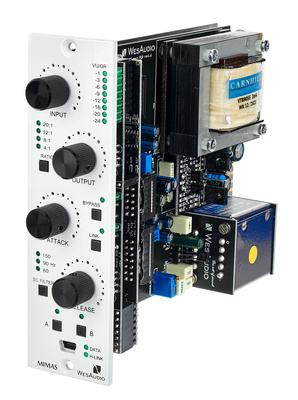
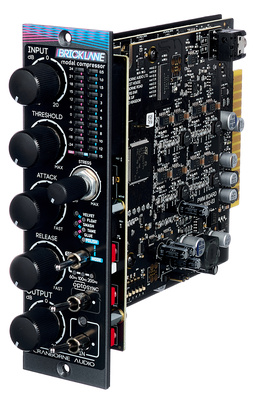
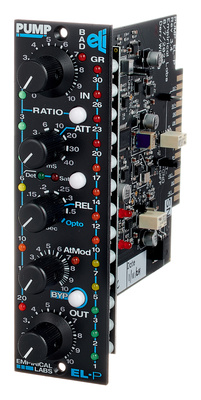
There are many different types of compressors (FET, Opto, VCA, Vari-Mu, etc.), and some are more versatile than others, so it’s important to think about what type of application you’re doing. Although 19-inch rack units allow high voltage circuitry, which means higher headroom and lower noise, 500-series modules are more affordable, and you can fit 10 of them into a 3U chassis. Get it at Thomann.*




Essential Outboard Gear: Headphone Distributor
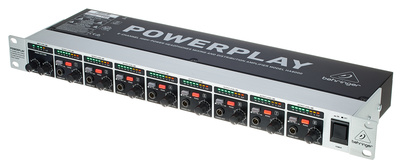
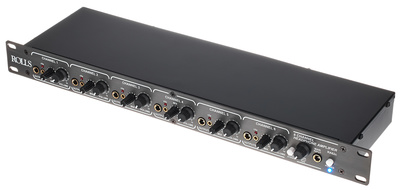
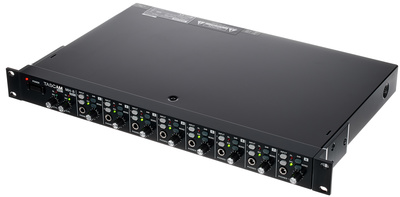
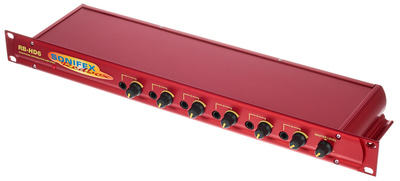
Creating a recording environment for bands and ensembles requires headphone feeds for each individual performer. While most audio interfaces and mixers have one or two headphone outputs, this isn’t sufficient for a whole band of musicians. To solve this problem, you need a headphone distributor with enough channels for the sessions you’re planning.
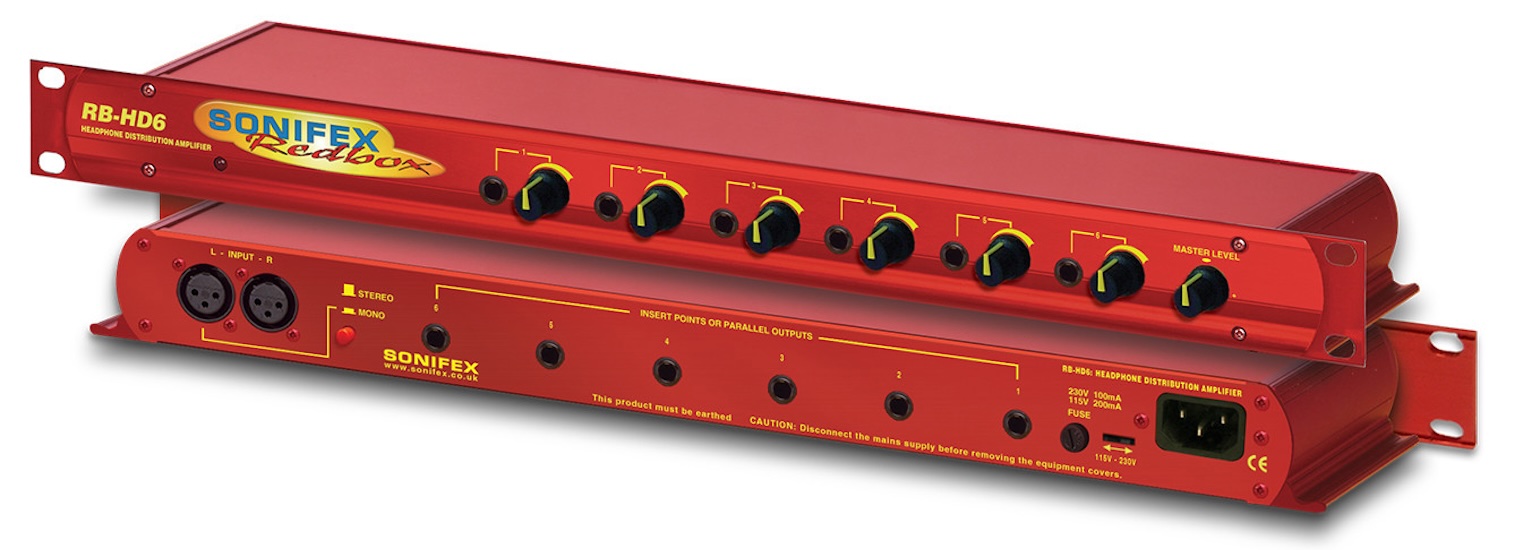
It’s important to note that a headphone distributor is essentially a signal splitter with level controls for each channel. If you’re looking to power your super high-impedance (600 ohms) audiophile open-back headphones adequately, you’ll need a headphone preamplifier that is powerful enough for the task, and this is a different type of device altogether.
The average headphone distributor will provide enough power to adequately drive low-impedance closed-back headphones, so keep this in mind. Also, when selecting a distributor, make sure you check what inputs it takes and that you have the correct cables, as these tend to differ from one manufacturer to another. Get it at Thomann.*




More about Essential Outboard Gear:
*Note: This article contains promotional links that help us fund our site. Don’t worry: the price for you always stays the same! We will receive a small commission if you buy something through these links. We appreciate your support!

This might also interest you
One response to “Essential Outboard Gear Every Studio Should Own”
Essential studio equipment that makes you a few dollars from advertising, perhaps? 😁 1170, Fairchild 670? Missed an ad opportunity there! What about the obligatory Minimoog that sits untouched in the corner ‘cos the drummer still hasn’t worked what it is? What about the LM Drum sat on the shelf at the side with 15 cables into the 64 track mixer? What about the box of tablas and tambourines for when the long hairs come in half-stoned and thinking they’re the first….. 😁