Vintage-Inspired Recording Gear: No School Like The Old School
Recording gear inspired by classic designs.

 5,0 / 5,0 |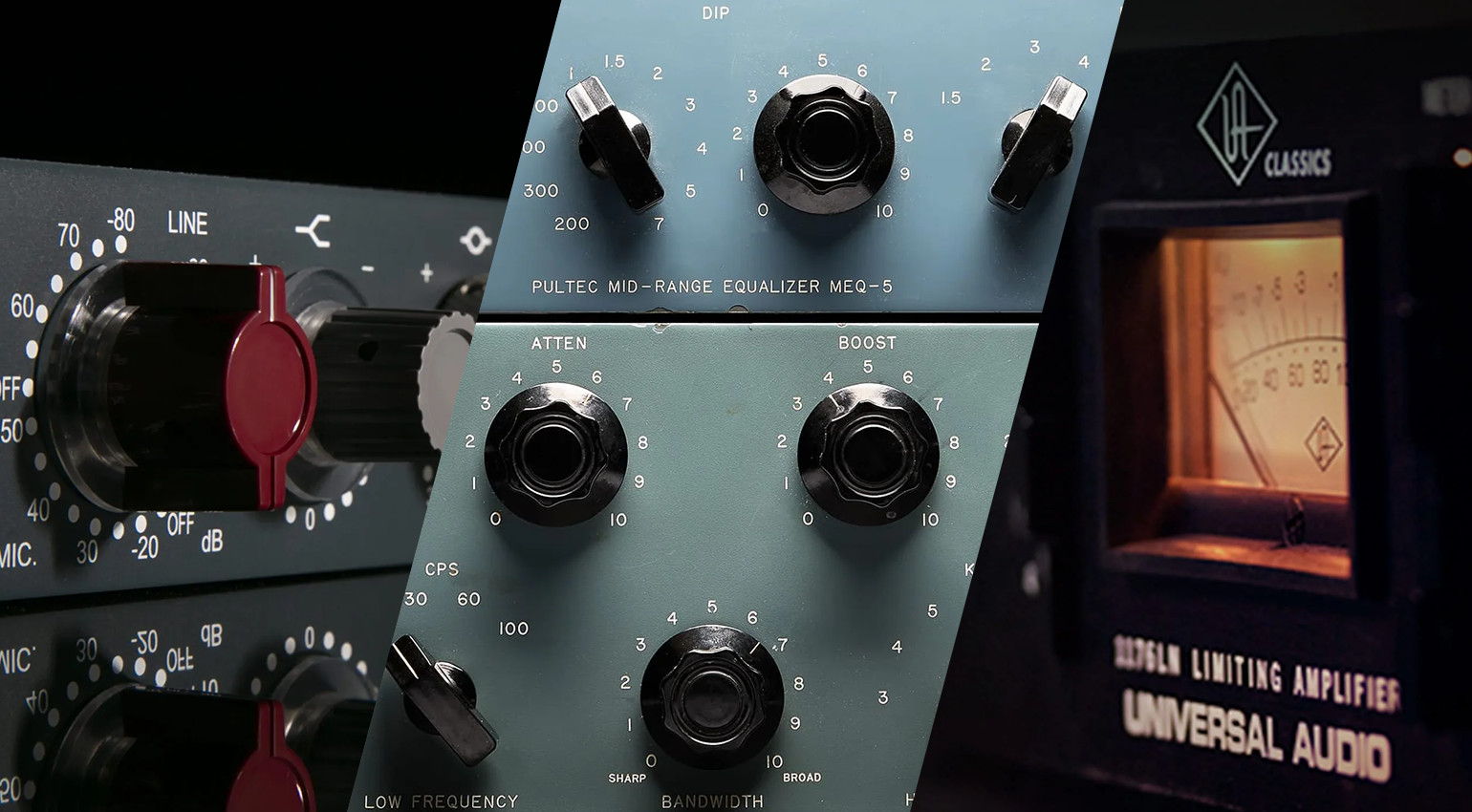
Vintage-Inspired Recording Gear: No School Like The Old School · Source: AMS Neve / Universal Audio

We explore vintage-inspired recording gear that continues to appear in home and professional recording studios, even in today’s digital landscape.
In this Article:
Whether we use plugin recreations or hardware clones, retro-styled gear still plays a major role in the way we record and produce music today. Some of this equipment is used at the very beginning of the recording chain, including mics, preamps, and compressors, which we use for tracking.
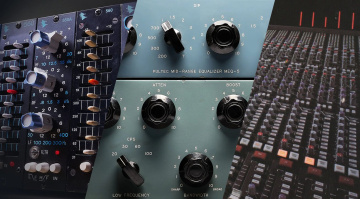
Other vintage-inspired equipment finds its way into the mixing process, where it’s used on DAW inserts to add flavour to elements on individual channels, bus groups, and the main mix bus. While we love the character of its sound, vintage-inspired gear has endeared itself to the recording process through the use of simple, familiar interfaces that allow you to get results quickly.
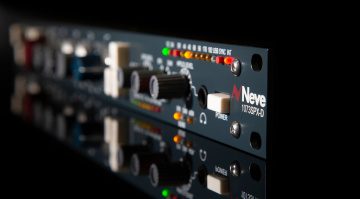
Vintage-Inspired Recording Gear: Neve 1073 Preamp/Channel Strip
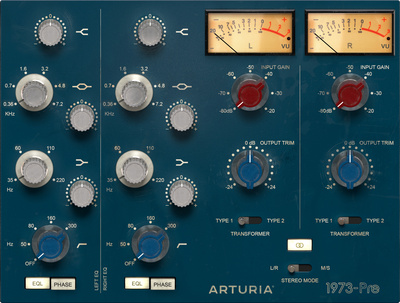
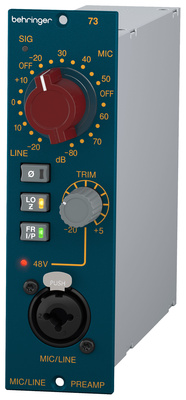
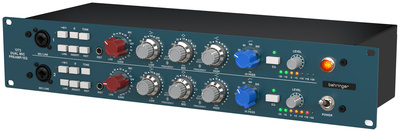
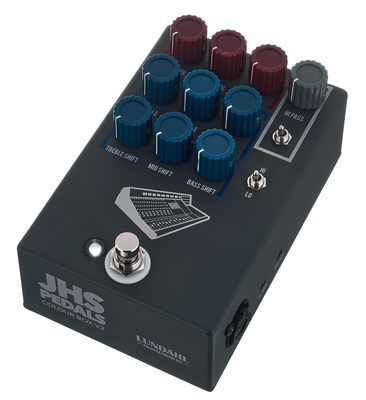
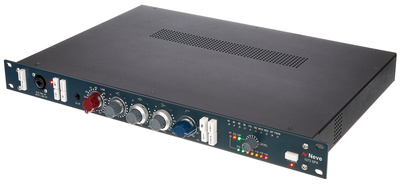
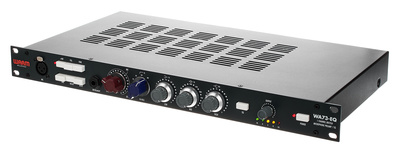
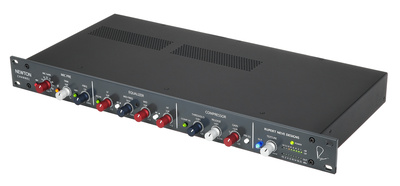
Whether it costs $300 or $3000, you are probably more likely to find a recreation of the Neve 1073 in a studio than any other piece of recording equipment. Because of the popularity of the design, you can find it in plugins, 500-series modules, 19-inch rackmount units, and even guitar pedals in different price ranges. It excels on vocals, guitars, and drums, but you can get great results on anything.
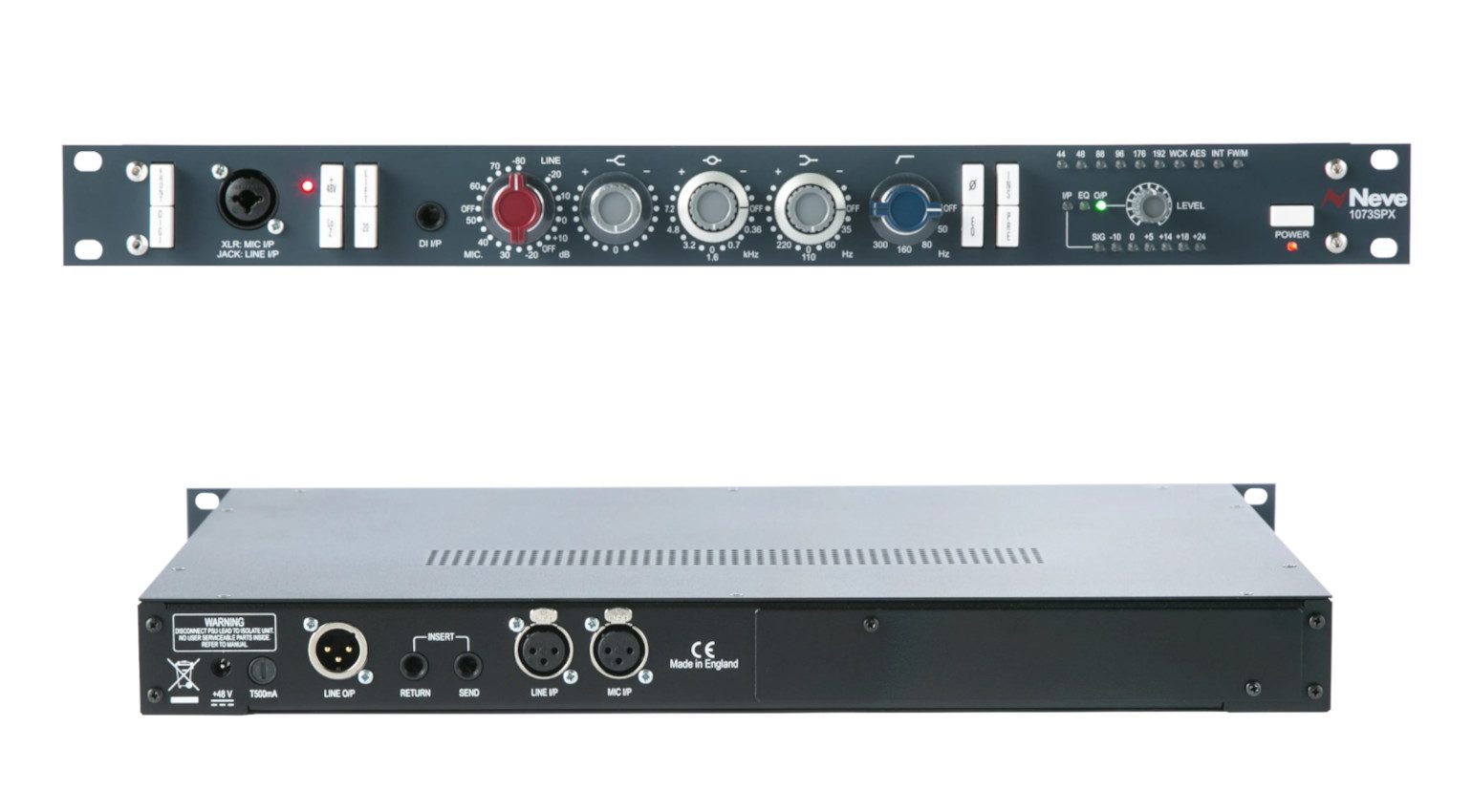
The design also varies from one manufacturer to the next, so traditionally, the 1073 was a transistor-based mic preamp with a 3-band inductor EQ for shaping sounds. However, you can find modern examples without the EQ section, which makes them more affordable, but you don’t get the amazing tonal benefits of that musical EQ. In addition, there are also versions that even have compressors like the Newton and Shelford Channels from Rupert Neve Designs.
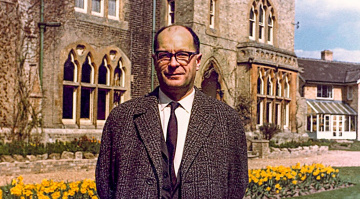
The 1073 is famous for its use on so many iconic records, but its design was also part of a movement away from the post-war era of tube circuit electronics. With transistor-based designs, pioneers like Rupert Neve were able to build consoles with far higher channel counts than tube consoles of the same size, like the A88 console built for Wessex Studios in London in 1970, which was the first Neve console to use the 1073 channel strips. Get it at Thomann.*








Vintage-Inspired Recording Gear: UREI 1176
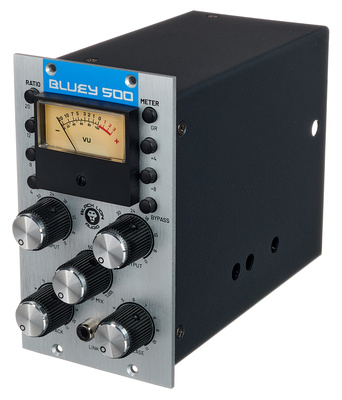
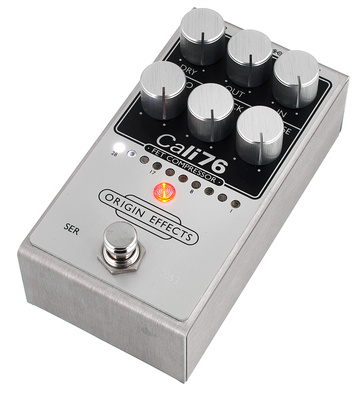
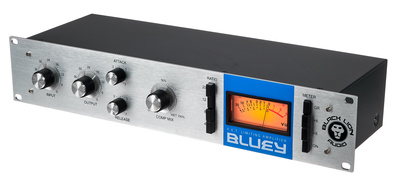
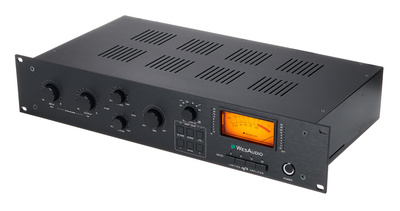
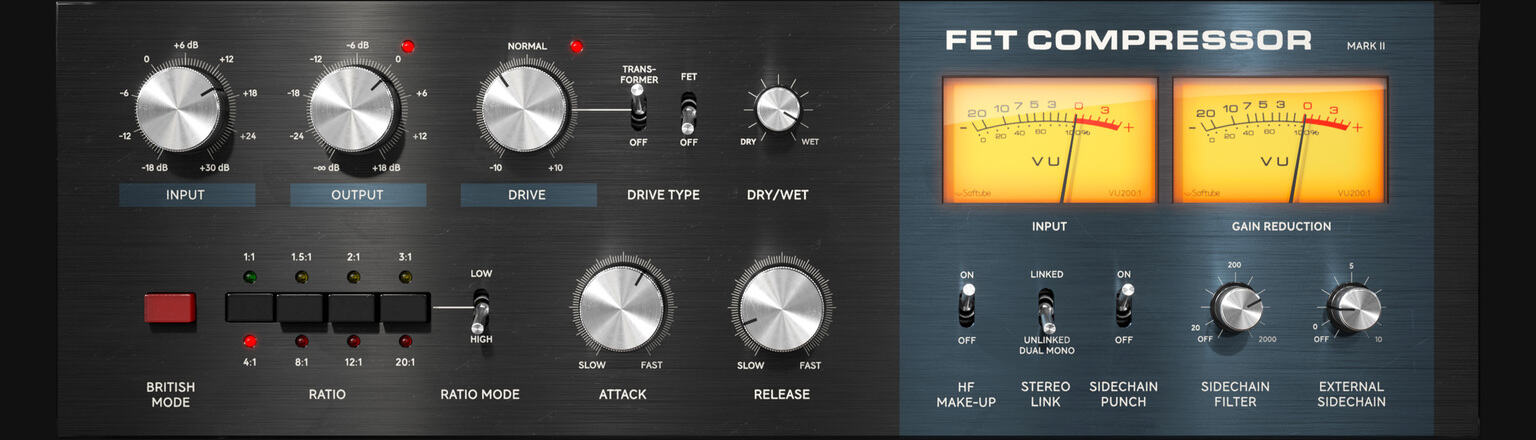
The 1176 is easily the most widely used vintage-style compressor. So vast is the range of options available that some studios may own and use several different plugin and hardware versions for different applications. Like the 1073, the original 1176 helped usher in a new era of recording gear, as electronics moved from tubes to transistor-based designs.
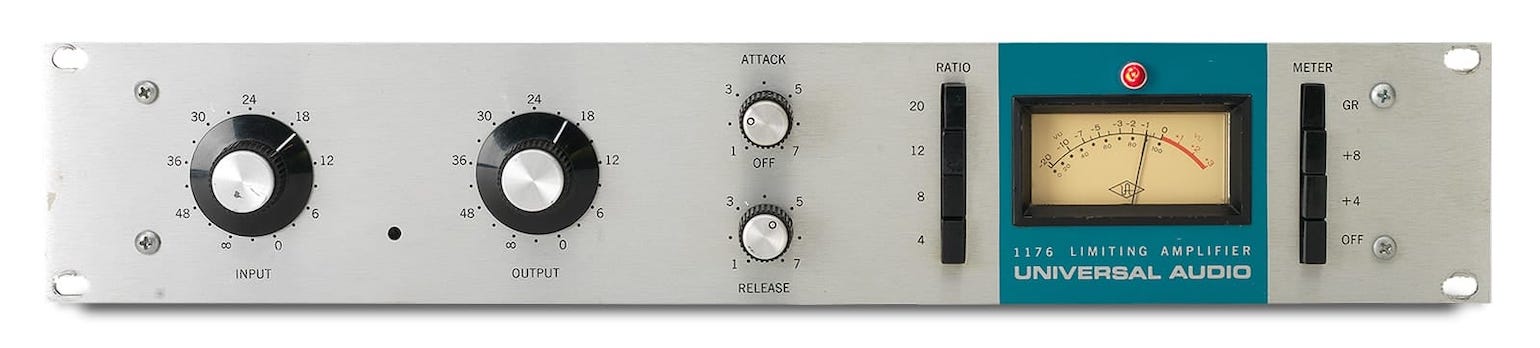
Like its tube-based predecessor, the 176, the 1176 used a simple set of controls, with input-dependent threshold, and originally there were four ratio buttons (4:1, 8:1, 12:1, and 20:1) that allowed the “all-buttons in” trick discovered by British engineers in the late 1960s. This caused the 1176 to pump unpredictably, affecting time constants and adding gritty harmonic distortion.
The 1176 sounds amazing on guitars and drums, but it brings a particular magic to pop and rock vocals. What is astounding is the massive amount of gain reduction that can be present on the meter, but the vocal still sounds warm, present, and natural with a defined push toward the front of the mix. Get it at Thomann.*




Vintage-Inspired Recording Gear: Neumann U87
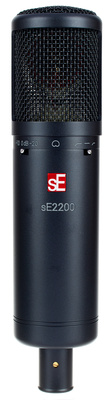
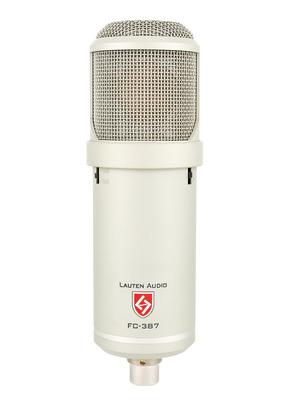
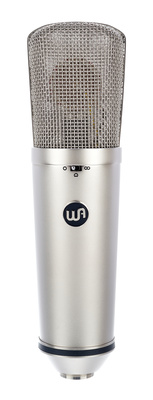
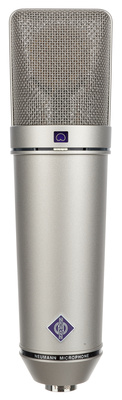
The Neumann U87 first appeared on the market in the late 1960s and has since established itself as the industry standard for vocal recording. The combination of a transformer-balanced FET circuit design and the K87 pressure-gradient condenser capsule proved to be a winner, and it required far less maintenance than its tube-based predecessors, the U67 and U47.
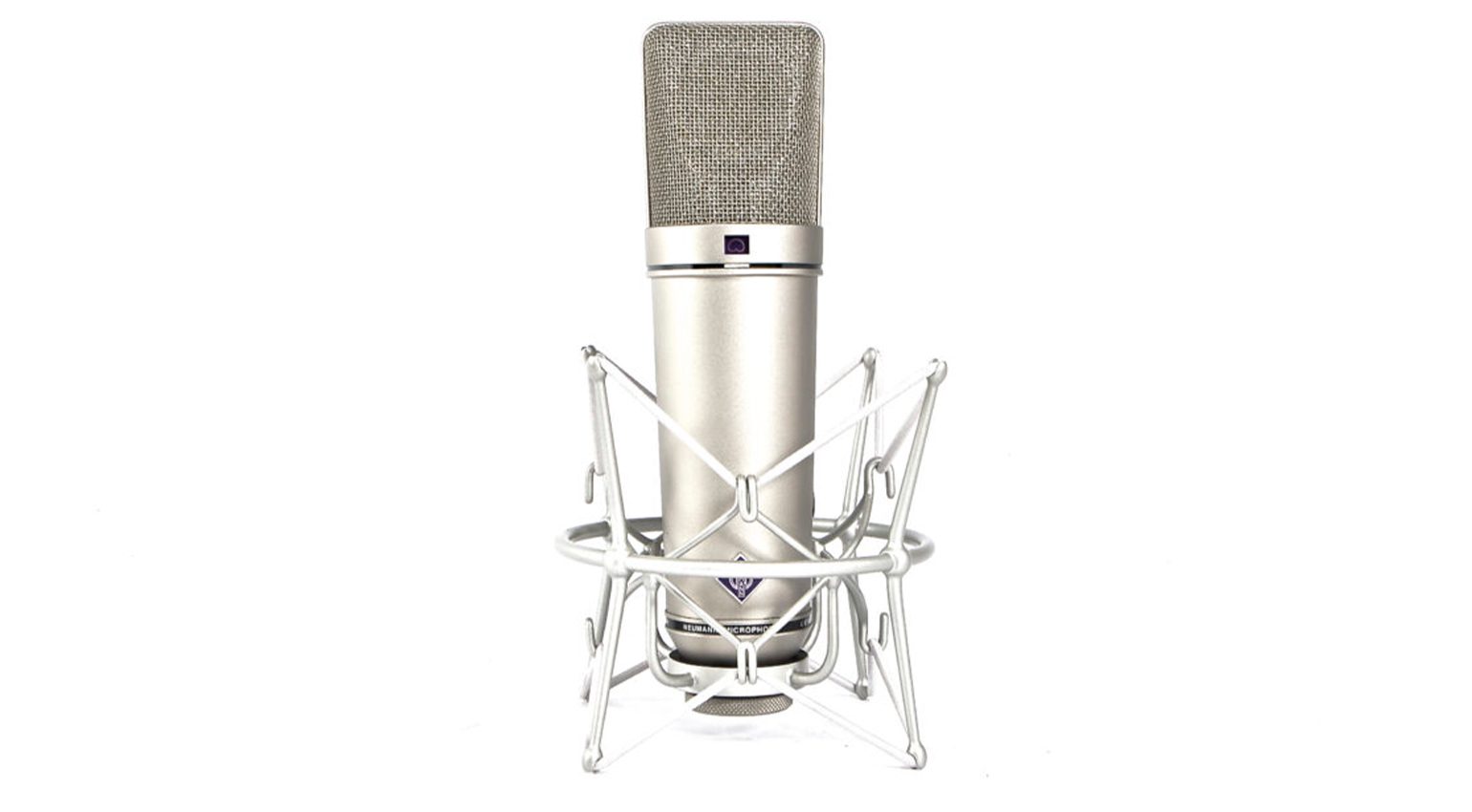
The reason it’s such a popular choice for vocals is its natural, relatively uncoloured sound throughout the range, and the signature glossiness it gives the high frequencies. Because most vocal processing is done in the DAW environment these days, the sound profile of the U87 keeps it relevant, as a clean sound is always preferable in this workflow.
While not every studio has the budget for a U87 straight away, there are other options that can get you in a similar ballpark when paired with the right preamp and post-production chain. Also, the U87 is an excellent choice for stereo overhead configurations for drums as well as vocal and instrumental ensembles. Get it at Thomann.*



Vintage-Inspired Recording Gear: Teletronix LA-2A
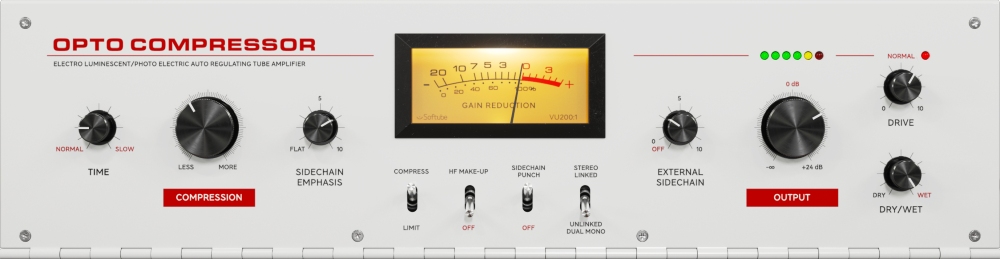
Another incredibly popular compressor for tracking and mixing is the LA-2A. Loved for its musical compression curves and incredibly simple, 2-knob interface, the LA-2A was introduced in the early 1960s and featured low-noise tube circuitry and the innovative optical T4 attenuation resistor, which allowed the release time to be determined by the input signal.
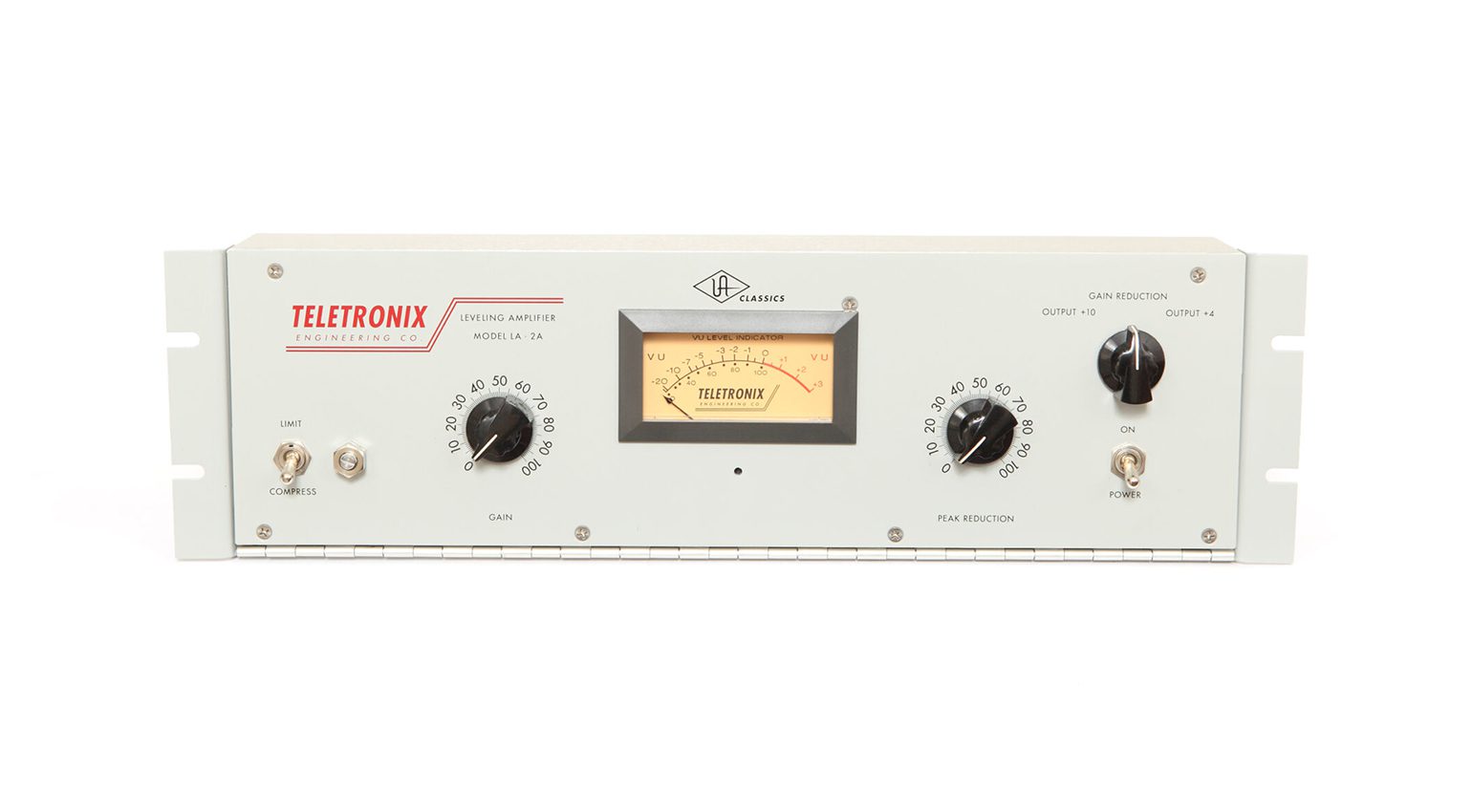
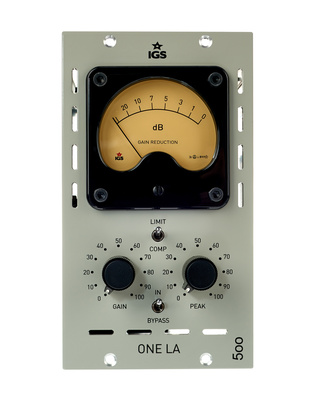
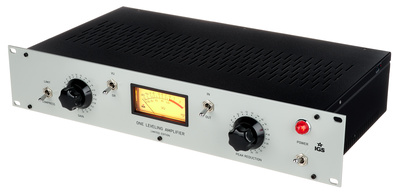
Because it’s so simple and forgiving, the LA-2A is a great tool for beginners, and it’s been cleverly recreated in plugins, 500-series modules, 19-inch rackmount units, and guitar pedals. The speed at which the LA-2A responds is not the fastest, so you wouldn’t use it as your primary transient-shaping processor for drums, for example.
However, it’s really effective for preserving the natural dynamics and ambience in a performance, while accentuating the nuances. This is why it’s often used at the end of a vocal chain, after an 1176, which is doing most of the heavy lifting. The LA-2A is extremely versatile, but shines on vocals and bass guitar. Get it at Thomann.*


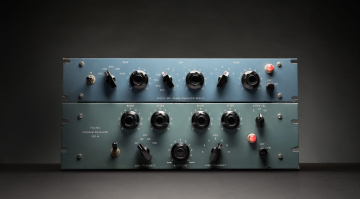
Vintage-Inspired Recording Gear: Pultec EQP-1
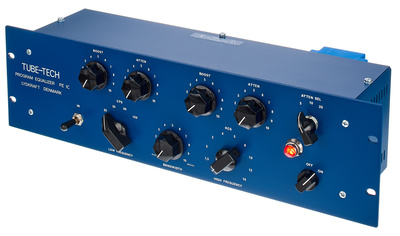
Easily one of the most famous EQs ever designed, the Pultec EQP-1 is a passive EQ with a tube gain stage introduced in the early 1950s. The tube gain stage is particularly essential in its design because of the gain loss associated with passive circuits. This ensures that the signal remains at the same volume, but it also softens transients and sweetens harmonics.
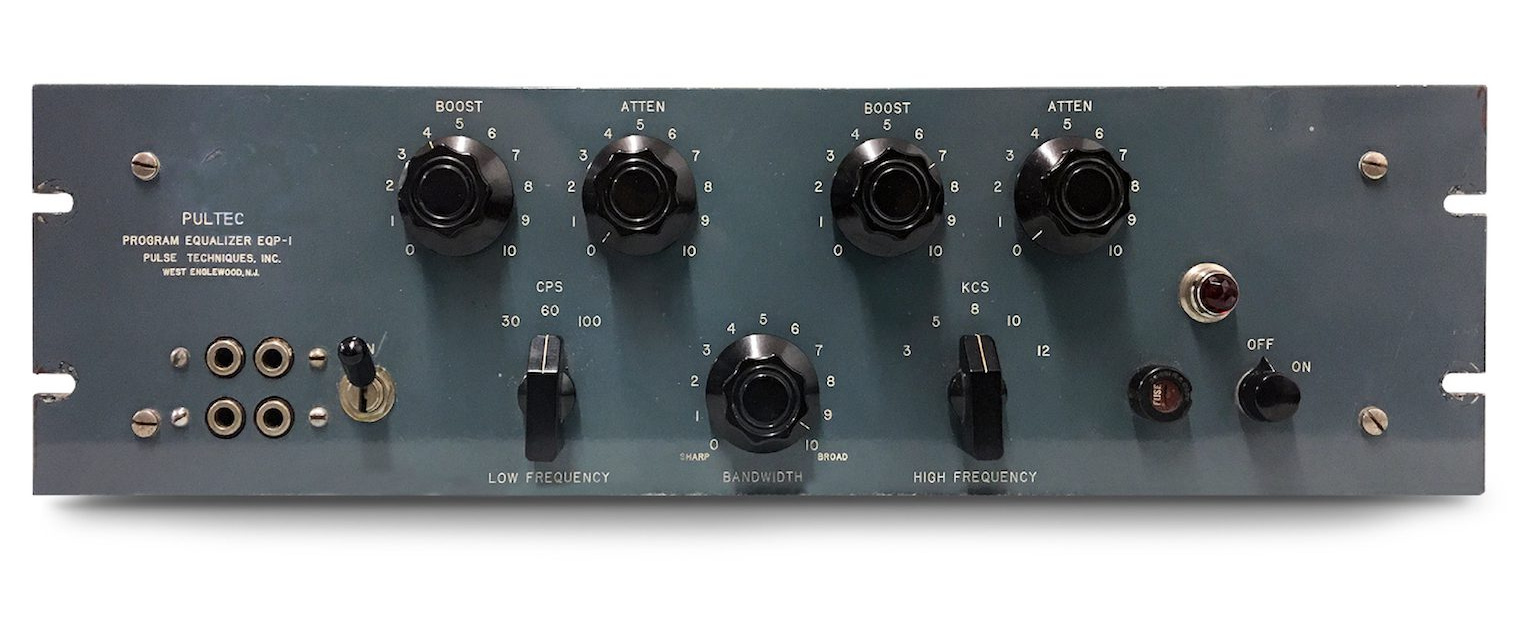
Possibly the most interesting thing about the EQP-1 is that its manual specifically advised against boosting and cutting at the same frequency point. However, this became known as the Pultec trick, a technique that made this EQ famous, particularly through the way it was used by engineers on kick drums and bass guitars.
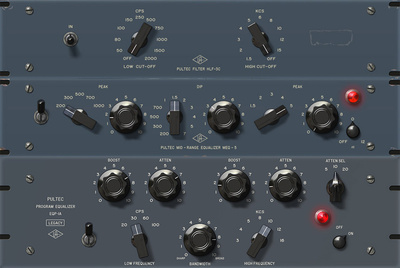
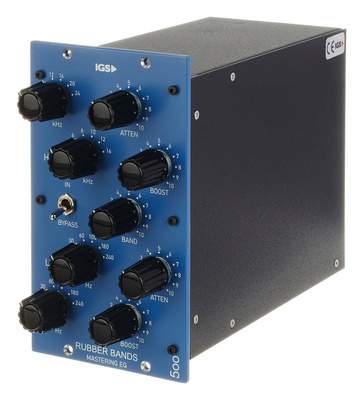
The smooth, musical character of the EQ curves also makes it a great choice for vocals. Overall, because of the set frequency bands, Pultec-style EQs are great for learning the basics of equalization and training your ears to recognize the key areas of the frequency spectrum without relying on plugin visualizers. Get it at Thomann.*


More about Vintage-Inspired Recording Gear:
*Note: This article contains promotional links that help us fund our site. Don’t worry: the price for you always stays the same! We will receive a small commission if you buy something through these links. We appreciate your support!

This might also interest you