Mastering Basics for Producers: Learn How To Finalize Your Tracks
Learn about the basic fundamentals of the mastering process.

 4,5 / 5,0 |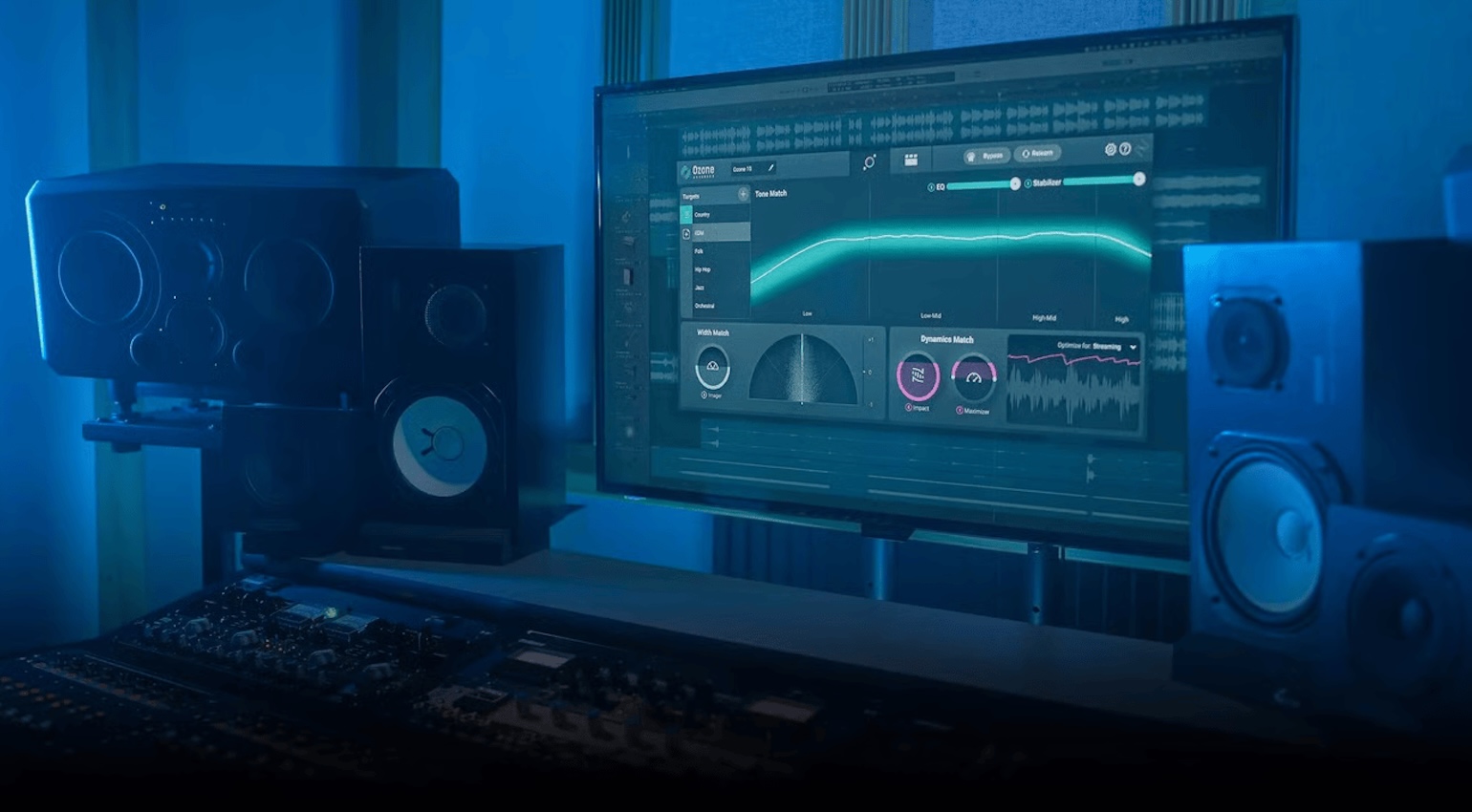

We look at mastering basics for producers with the goal of demystifying the various aspects of the finalization process and how to go about it.
Key Facts about Mastering:
- The mastering phase is the final step in the music production process before publication. Here, engineers optimize the tonal balance, dynamics, and loudness for consistent translation across different playback systems, streaming platforms, and physical formats.
- The mastering process starts by having a good mix with sufficient headroom and the appropriate crest factor for the genre. For beginners, you’ll want to leave 3-6 dB of headroom for the processing chain.
- Mastering compression and EQ is generally applied subtly, with slight adjustments helping to enhance the overall punch, clarity, stereo image, and translation.
- In today’s landscape, mastering is less about maximum loudness and more about matching the competitive audio quality with the genre and getting the track to translate well in any environment with its dynamics and emotional content intact.
In this Article:
When you’re new to the music production process, the mastering phase can seem like invoking some kind of arcane magic from a different realm. While there may be plenty of apparent evidence to the contrary, mastering engineers are not wizards. They simply possess intimate knowledge of audio fundamentals and which tools to use to refine a mix to meet certain standards.
Instead of correcting mistakes, mastering is about preserving the intention of the mix and enhancing aspects such as loudness, translation, and overall consistency. With even a rudimentary understanding of mastering, you can make more informed decisions in the production and mixing phases to get better results.
Mastering Basics for Producers: What Does Mastering Actually Do?
Mastering is the final step in the audio production process. In this stage, the completed mix is treated in preparation for the intended playback mediums, such as streaming platforms or physical formats like vinyl.
Generally, the mastering process is about:
- Tonal balance
- Dynamics control
- Stereo enhancement
- Loudness optimization
- Translation
- Consistency across an EP or album release
Note that this doesn’t make mastering a magic solution for a weak mix. Overdriven vocals, badly recorded drums, or clashing instruments fighting for space in the mix should be rectified well before the mastering phase. The better the mix, the more effective the mastering process becomes.
Mastering Basics for Producers: Start With Sufficient Headroom
A common mistake made by beginners is to export a mix that is either clipping or loaded with a chain of mastering plugins on the main bus. Using Ozone or the Ultramaximizer plugin on a clipped mix is leveling, not mastering, and it doesn’t automatically correct your gain structure. While today’s mastering engineers can simply gain down a mix that is clipping, it’s far more difficult to correct a waveform with a crest factor that doesn’t suit the type of audio, be it commercial music or film.
For beginners, it’s worth leaving 3-6 dB of peak headroom for mastering your own tracks. However, as you gain more experience, you’ll find that understanding the relationship between the peak and RMS level in a waveform (crest factor) and the difference between apparent and actual loudness is more important than leaving a couple of dBs of headroom.
The reason for this is that, like mixing, a particular approach to mastering comes down to taste. We simply don’t work the same way with an accapella trio as we do with an industrial noise band, so the sonic character of the material and the expectations of the genre will determine the approach. Unless you’re shaping the sound with creative intent, don’t simply insert plugins on your master bus to make it louder.
Mastering Basics for Producers: Reference Tracks
Using appropriate reference tracks is also a highly effective tool in the mastering process, as this presents a stylistic picture or ballpark to work towards. Through comparisons with professionally mastered releases, we can make more informed choices regarding low-end power, stereo width, perceived loudness, and the overall tonal balance and brightness.
Your reference tracks should match:
- Genre
- Energy
- Playback environment (club, streaming, or car stereo)
- Predominant vocal style
- Aesthetic
To avoid being misled, always use level-matching when comparing references, because louder songs can often sound more exciting. Also, the use of reference tracks can stop you from doing too much processing. When your master is too loud, too bright, or too bass-heavy in comparison to your references, it’s a good sign to dial things back.
Mastering Basics for Producers: Using EQ Subtly
Generally, whether using broader (Baxandall) or more precise (Sontec) EQ curves, the approach is subtle when mastering. In the context of a dense mix, fine adjustments in key areas can make a noticeable difference. Because we’ve usually ironed out most of the creases in the mixing phase, broad tone shaping is more common.
For example:
- Gently boosting a high shelf adds a more open feel
- A cut in the lower midrange reduces mud
- Boosting the lows slightly reinforces weight and warmth
Mastering EQ adjustments can often be boosts and cuts of 2 dB or less.
If you’re suddenly making extreme adjustments, this tells you that there are problems you should revisit in the mixing phase. In mastering, linear-phase EQs are often used because they alter the phase the least. However, a minimum-phase EQ can still produce great results on the appropriate material.
Mastering Basics for Producers: Compression and Dynamics
In mastering, the approach to compression is more about controlling dynamics for consistency and cohesion than making the mix pump overtly. This means there might only be 1-2 dB of gain reduction going on. With slow attack times, the transients breathe, and this maintains the punch, while moderate release times can reinforce the natural pace of the song.
Generally, the aim is to:
- Smooth out any inconsistencies in the dynamics
- Improve cohesion
- Slightly increase the perceived density
- Preserve the dynamics within key performances
Over-compressing is the quickest route to a flat and lifeless master that is tiring to listen to. Even in the loudest Slipknot song, the dynamics are still absolutely essential. When your compressor is active, keep a close ear on those transients. Hit bypass and then engage, and if the drums have lost impact, lift the threshold slightly.
Mastering Basics for Producers: Limiting and Loudness
Generally, a mastering limiter is the final processor in the chain, which simultaneously increases loudness and prevents clipping. Because streaming platforms often use normalization, having the loudest master in the world isn’t as advantageous as it once was. In fact, brickwalled tracks can actually sound small, boxy, and harsh after being normalized.
Rather than aiming for MAX loudness, go for:
- Clarity and articulation
- Depth and power
- Translation
- Musicality
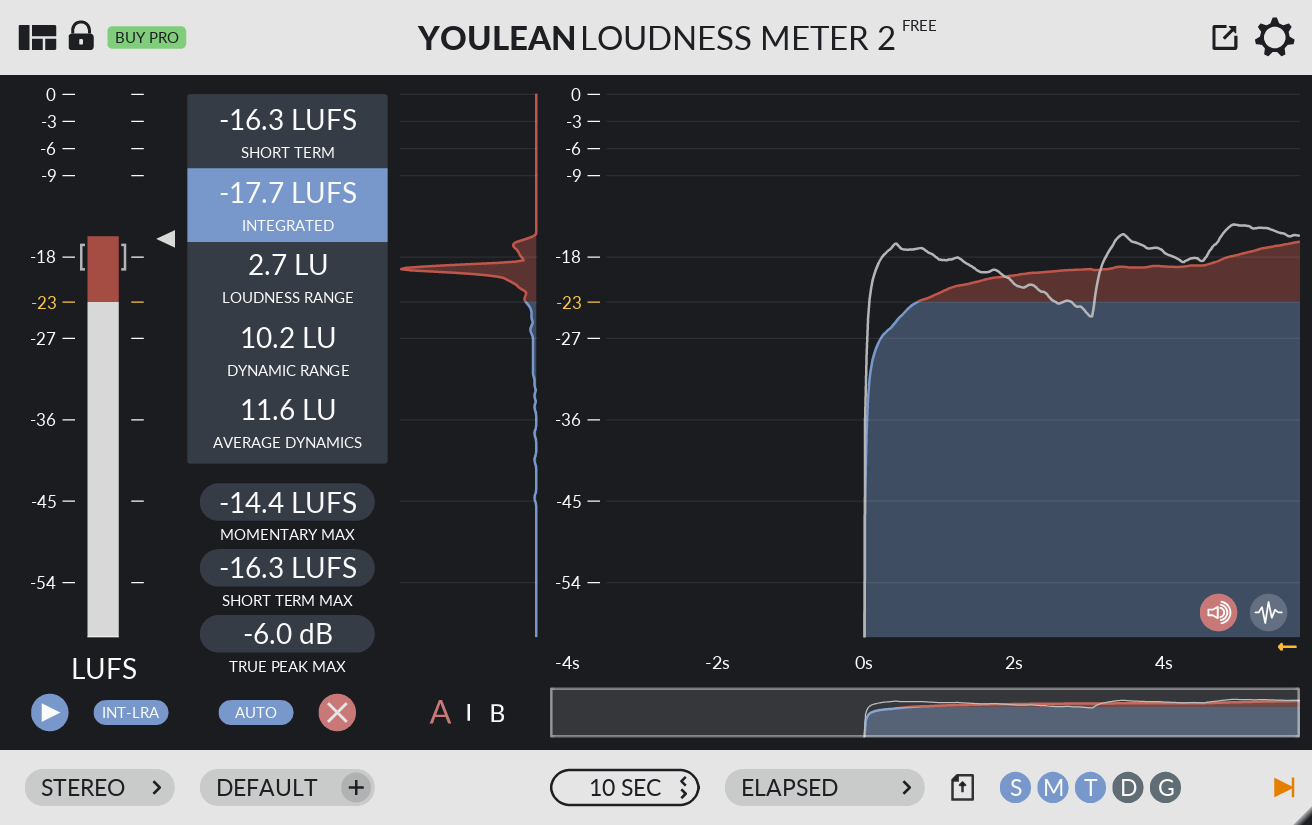
Try to achieve a balanced master that still breathes dynamically. Often, we see producers and engineers using LUFS metering to get a reading of the loudness factor. Remember that our goals are going to vary, depending on the style of music. However, we still need to understand concepts like the difference between integrated and short-term LUFS, as well as true peak level.
Mastering Basics for Producers: Stereo Imaging
By using stereo imaging processors in mastering, we can create a more impactful listening experience, but this needs to be implemented with restraint.
Too much stereo widening can lead to:
- Poor mono compatibility
- Weak center channel
- Phase issues
- Unstable low end
For beginners, a safe approach is to keep the low frequencies as central as possible (mono), while giving more stereo spread to the highs. To ensure the core elements of the track remain balanced and cohesive, remember to check the master in mono.
Mastering Basics for Producers: Checking Translation
If it only sounds good on your studio monitors, you’re not quite done yet.
Check your master on:
- Headphones
- Laptop speakers
- Smart phone
- Earbuds
- Bluetooth speaker
- Car stereo
- Home hi-fi
Look out for:
- Vocal clarity
- Low-end consistency
- Harshness in the highs
- Stereo image balance
- Overall translation
Good mastering is about improving playback consistency for any environment, not optimizing for one system.
Mastering Basics for Producers: Take Breaks For Perspective
When mastering a track, ear fatigue can become a serious problem. When you’ve been listening to the same track for an extended period of time, your perception of the track’s balance, dynamics, and brightness can become unreliable. This is why it’s important to take breaks regularly to refresh your ears.
By monitoring quietly, you can also get a more objective take on the track, which lessens the urge to over-process. An experienced engineer makes important decisions fast, trusting subtle adjustments and only focusing on making changes that are absolutely necessary.
Mastering Basics for Producers: Recommended Tools
The best tools to get started are all in your DAW; in fact, some of the best mastering engineers I know started out with nothing more than the stock plugins in Ableton Live. If your DAW has a mastering plugin like Logic Pro, always compare the results you get without it, because it’s important to understand what automatic mastering processors are doing.
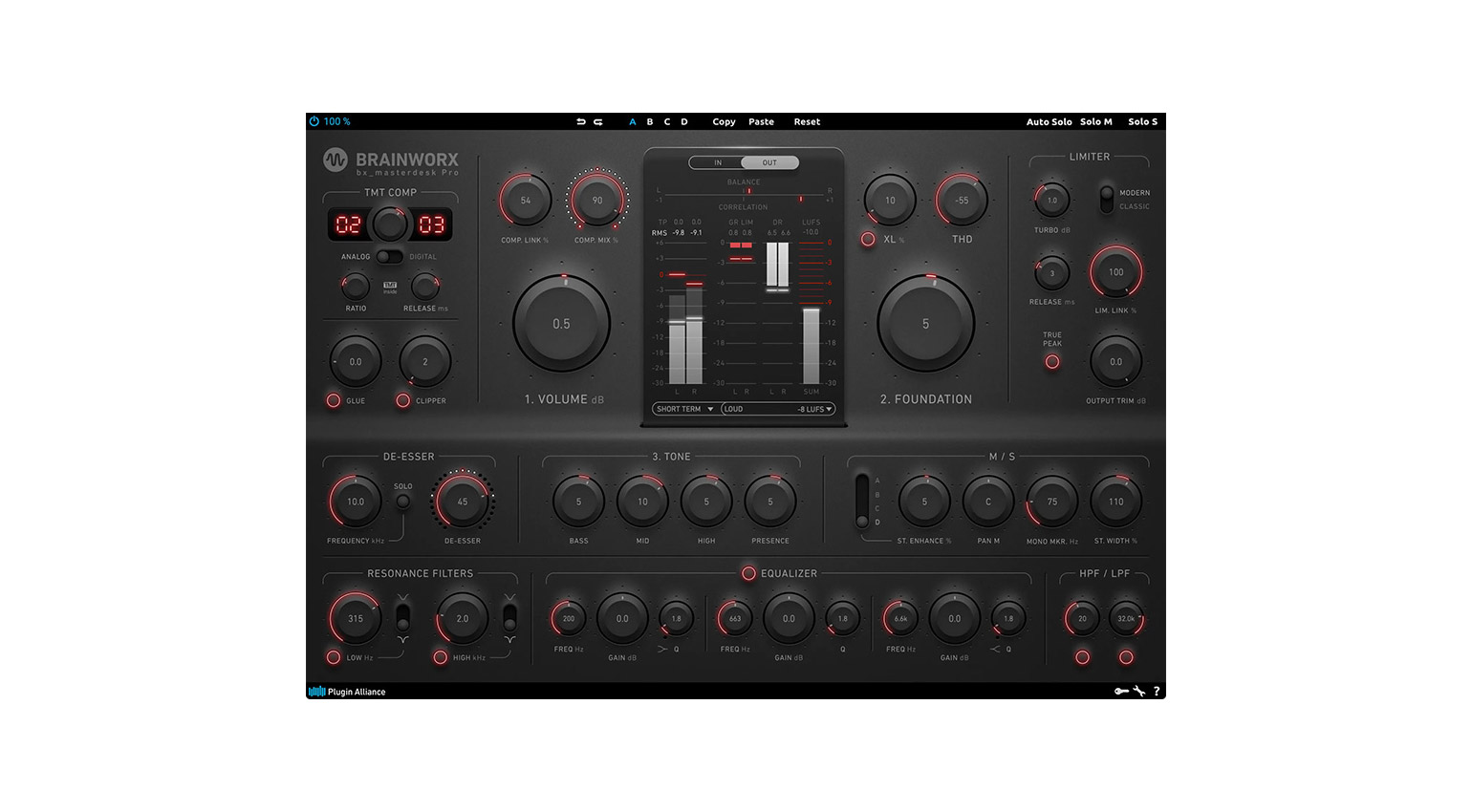
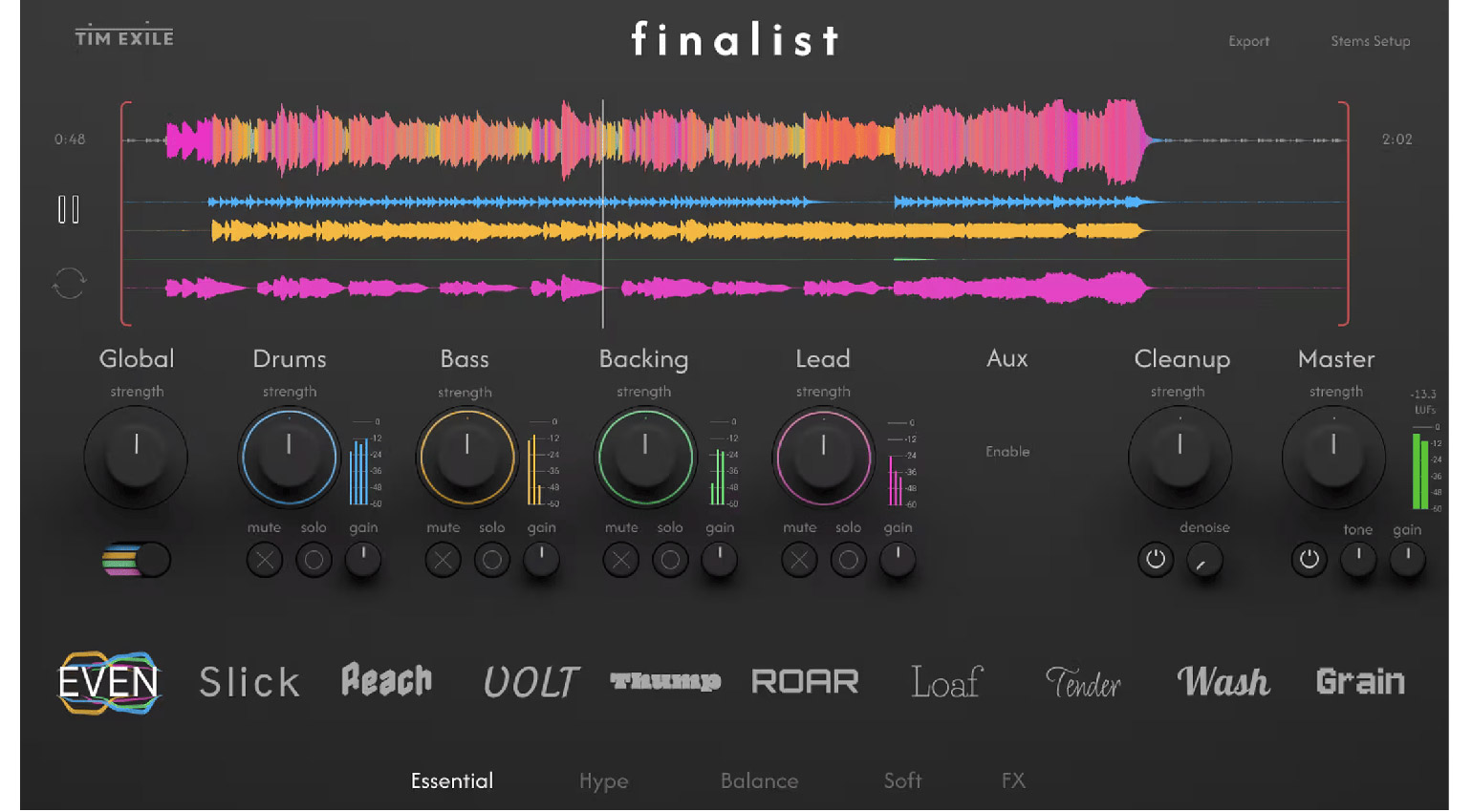
Once you understand the basics of mastering compression, EQ, stereo imaging, and limiting, you can try other tools like the Brainworx bx_mastering studio, which is a free app, or the bx_masterdesk PRO plugin, which has slightly more extensive metering and controls. For a more instant solution for producers, try Tim Exile Finalist, which works with stems to mix and master the track.
- Brainworx bx_mastering studio FREE
- Get Brainworx bx_masterdesk PRO at Thomann*
- Tim Exile Finalist at Plugin Boutique*



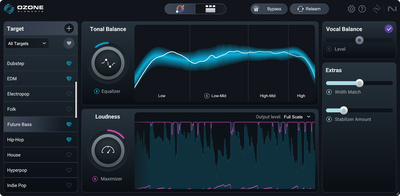
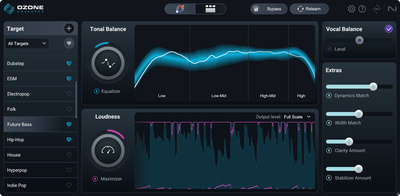
Another sure way to start mastering your own tracks as a producer is with iZotope Ozone. Its combination of excellent presets, assisted processes, and curated modules gets results fast. Also, there are three upgradable tiers, including Ozone Elements, Standard, and Advanced, so you can choose the solution that suits your needs.
The only caveat about using Ozone as a beginner is that there are so many macros and processes going on under the hood, which makes it difficult to really get to grips with each module and how it’s affecting the sound. Because mastering is about subtlety and precision, professional engineers tend to use an array of carefully chosen tools rather than a single all-in-one solution.

Obviously, this is far more expensive, so if you’re planning to take this route, a good place to start is with a professional metering plugin like ADPTR AUDIO Metric AB or Youleen Loudness Meter Pro, which has a free version. This ensures that you are hitting the right loudness readings for the various streaming platforms and physical mediums you might be mastering for.
Mastering Basics for Producers: Conclusion
Mastering is a process of refining rather than correcting audio. This is why the best masters start with excellent mixes that are made up of strong arrangements with good production techniques. If you’re learning about mastering for the first time, try to focus on preserving the emotional intent of the song through balance, clarity, and translation rather than loudness alone.
Listening carefully and making subtle adjustments with a few clean, transparent processors is a far better route than a ton of plugins dialed up to the max. As you develop your critical listening skills, using well-chosen reference tracks for comparison, you’ll become more confident in your decision-making.
FAQs
1. What is audio mastering in music production?
Mastering is the final phase of the audio production process, where we optimize and enhance a completed mix to achieve consistent clarity, tonal balance, and loudness across all possible playback environments and streaming platforms.
2. Why is mastering important for producers?
The mastering process makes a track sound finished, as its dynamics, loudness, EQ, and stereo balance have all been optimized to compete with other commercial releases in its style across playback systems like headphones, earbuds, car stereos, and club PA systems.
3. How much headroom should a mix have before mastering?
Most pro engineers will simply advise you not to deliver a mix that clips, but as a beginner attempting to master your own tracks, it’s recommended that you provide around 3-6 dB of headroom for your processors in your mastering chain to function optimally.
4. What plugins are commonly used in mastering?
Generally, plugins such as compressors, EQs, saturators, limiters, and stereo image processors are used in mastering, as well as loudness metering, to ensure accuracy.
5. Can mastering fix a bad mix?
The mastering phase can enhance a great mix, but it cannot accurately solve issues like badly recorded instruments, clipped vocal mics, or clashing elements in the mix.
More Info:
*Note: This article contains promotional links that help us fund our site. Don’t worry: the price for you always stays the same! We will receive a small commission if you buy something through these links. We appreciate your support!

This might also interest you