ACME Synth Works Jupiter-8 Clone: Shut Up and Take My Money!

 4,3 / 5,0 |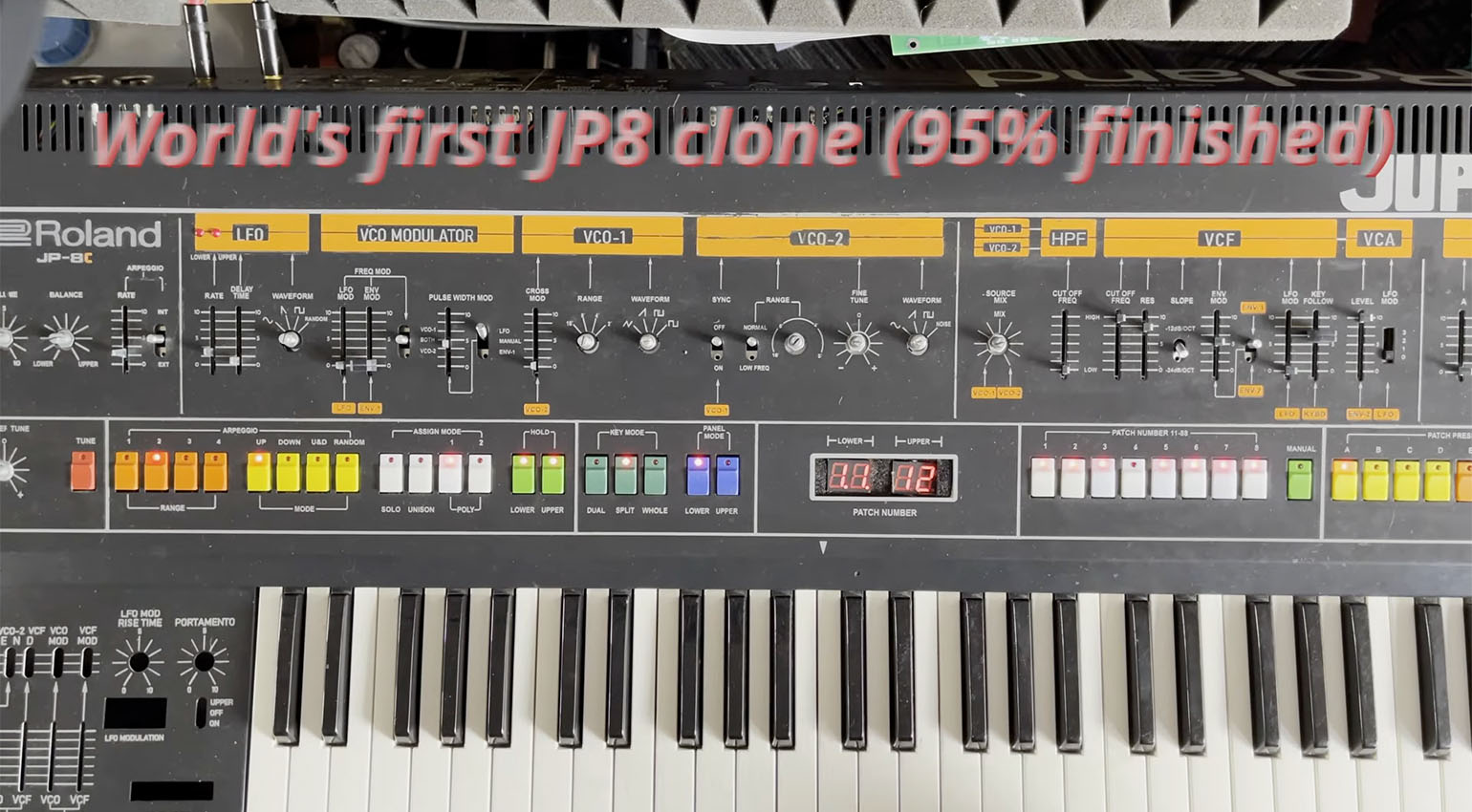

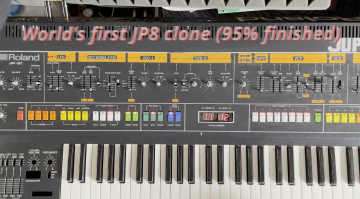
The “world’s first fully 8-voice Jupiter-8 clone” is 95% finished. Will the ACME Synth Works Jupiter-8 Clone become a full product?
ACME Synth Works Jupiter-8 Clone
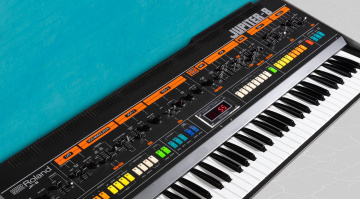
Well, looky here. Just the other day I ran a story called “5 Synths That Need a Remake,” and number three on the list was the Roland Jupiter-8. Today I see this. It’s not Roland doing the remake, granted, but it is apparently a one-to-one clone. The only issue is that it may not see the light of day…
ACME Synth Works Jupiter-8 Clone: The World’s First?
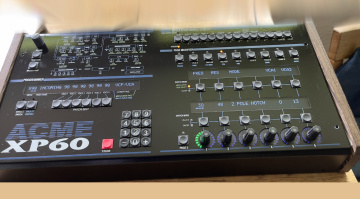
You may remember ACME Synth Works. I wrote about the company early last year when I reported on its XP60, a clone of the Oberheim Xpander. That is apparently still happening, but meanwhile, ACME has dropped this new planet-sized bomb on us via YouTube.
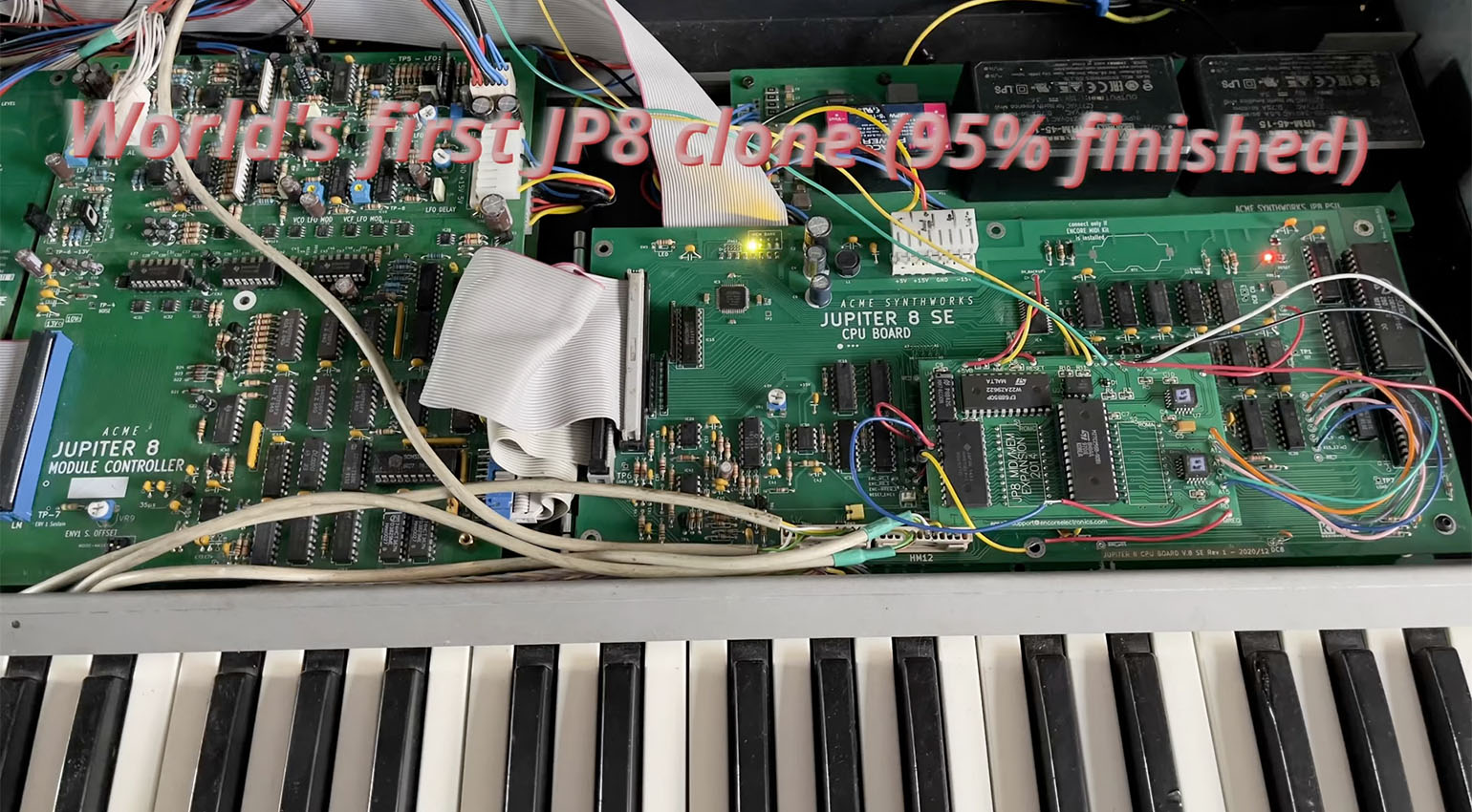
Calling it the “world’s first fully 8-voice Roland JP8 clone,” this ACME Synth Works Jupiter-8 clone looks to be a one-to-one recreation of Roland’s famous 1981 analog poly synth.
ACME says it has eight discrete voices and the original voice architecture, with a circuit that follows the original Jupiter-8 design and uses a 14-bit interface board. Additionally, it will support all functions from the original instrument.
Although the original JP-8 used through-hole PCBs, ACME plans to do some as surface mount to simplify assembly and make manufacturing easier.
ACME Synth Works Jupiter-8 Clone: Let the Chips Fall
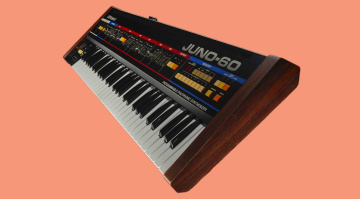
If you’re wondering what’s inside, ACME is using the IR3109 chip for the filter, which was in the original Jupiter-8, as well as the SH-101 and Juno-6/60. The YouTube description also lists the BA662.
As for envelopes, ACME has chosen to recreate them using analog hardware and not software, “using different ICs while preserving the original behavior.”
ACME Synth Works Jupiter-8 Clone: Pricing and Availability
The ACME Synth Works Jupiter-8 clone is 95% finished, according to ACME. You can see it in action in the embedded YouTube video, which was recorded straight from the output, with only a subtle external delay added.
At the moment, ACME is focused on finishing the XP60 (great news there), so they don’t have the resources to turn the Jupiter-8 clone into a product… yet. “Long term, I could imagine building a very small number of units,” they say.
However, ACME adds that this would be a high-end instrument manufactured at small scale, “not a mass-produced product and definitely not in the ‘budget clone’ category.”
There’s no price listed, but if enough people seem interested, ACME may set up a mailing list on its website (link below) like it’s done for the XP60.
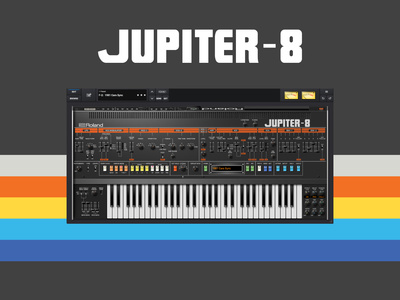
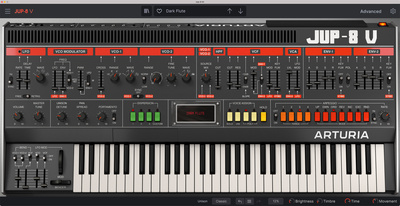
If you’re hankering for a Jupiter-8 clone and don’t mind a tabletop format, Black Corporation’s excellent ISE-NIN is still available. And there are, of course, many software versions on the market.






More Information
- ACME Synth Works homepage
- All about synthesizers
- Buy synthesizers at Thomann*
*Note: This article contains advertising links that help us pay for this site. Don’t worry: the price for you will always be the same! If you buy something through these links, we will receive a small commission. Thank you for your support!

This might also interest you