The Return of Delay Lama (sort of) – Synth Journal
Ooo-aahh-eeee-ooooh

 4,8 / 5,0 |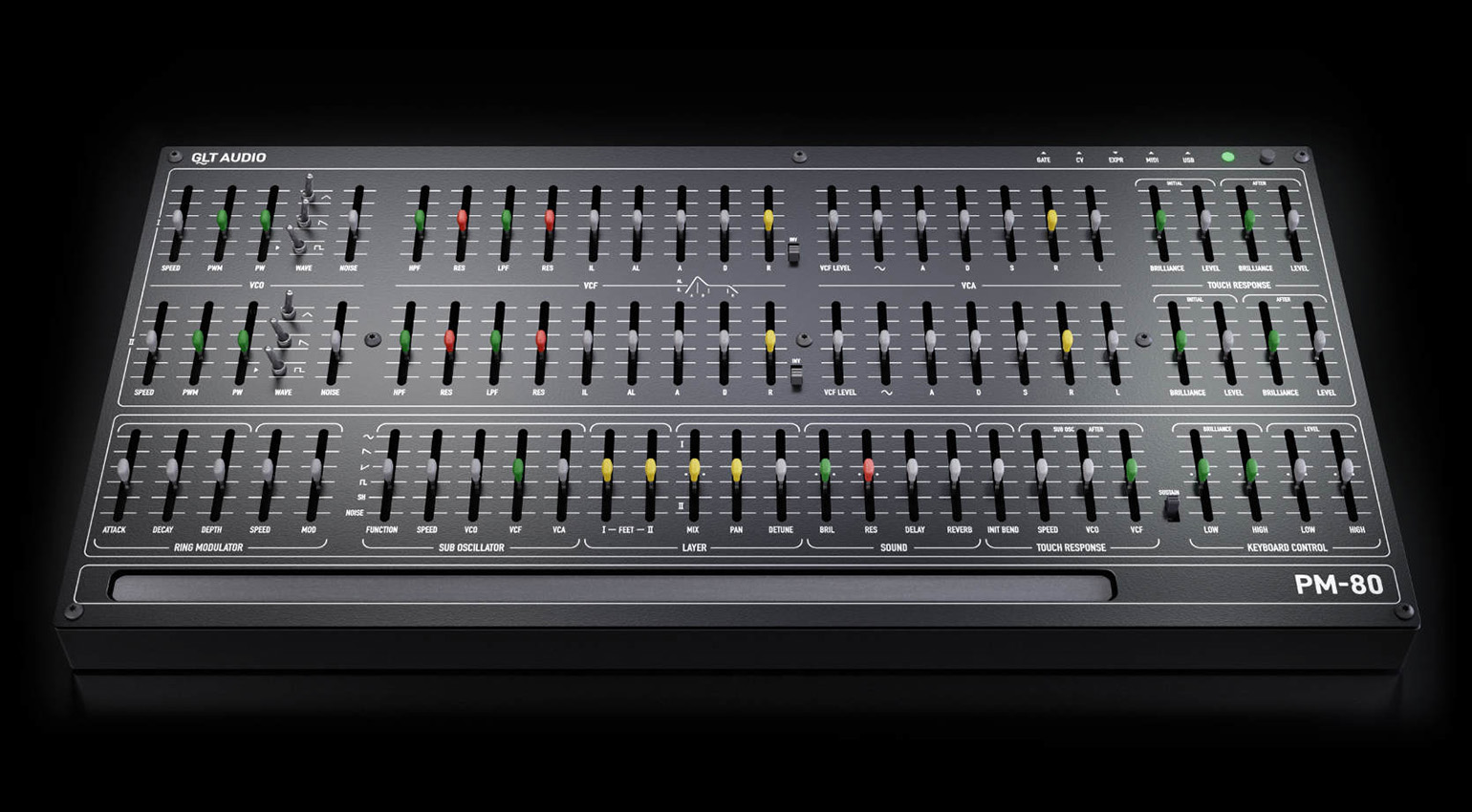

If you don’t know about the legendary Delay Lama plugin from back in the day, then do we even know each other? Long out of development, it is one of those plugins that refuses to die in the minds of those of us who fell in love with it. All this and more in this week’s Synth Journal.
Synth Journal – The Return of Delay Lama (sort of)
Krazy Sandi Delay Lama
Some people made actual tracks with Delay Lama, but if we’re all honest, most of us just loved to play around with it, probably under the influence of some chemical substance, or was that just me? Delay Lama was a free plugin from AudioNerdz and was probably the first proper vocal synthesis plugin.
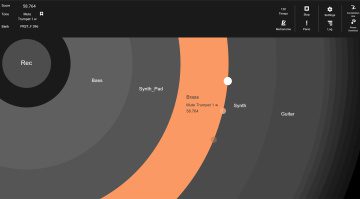
Twiddling the basic controls, or simply dragging on Delay Lama’s flag emblem, scooted you around the various formants whilst the cute little animated Tibetan Monk moved in sync. It was free, delightfully addictive and just plain fun. And then it just died away…
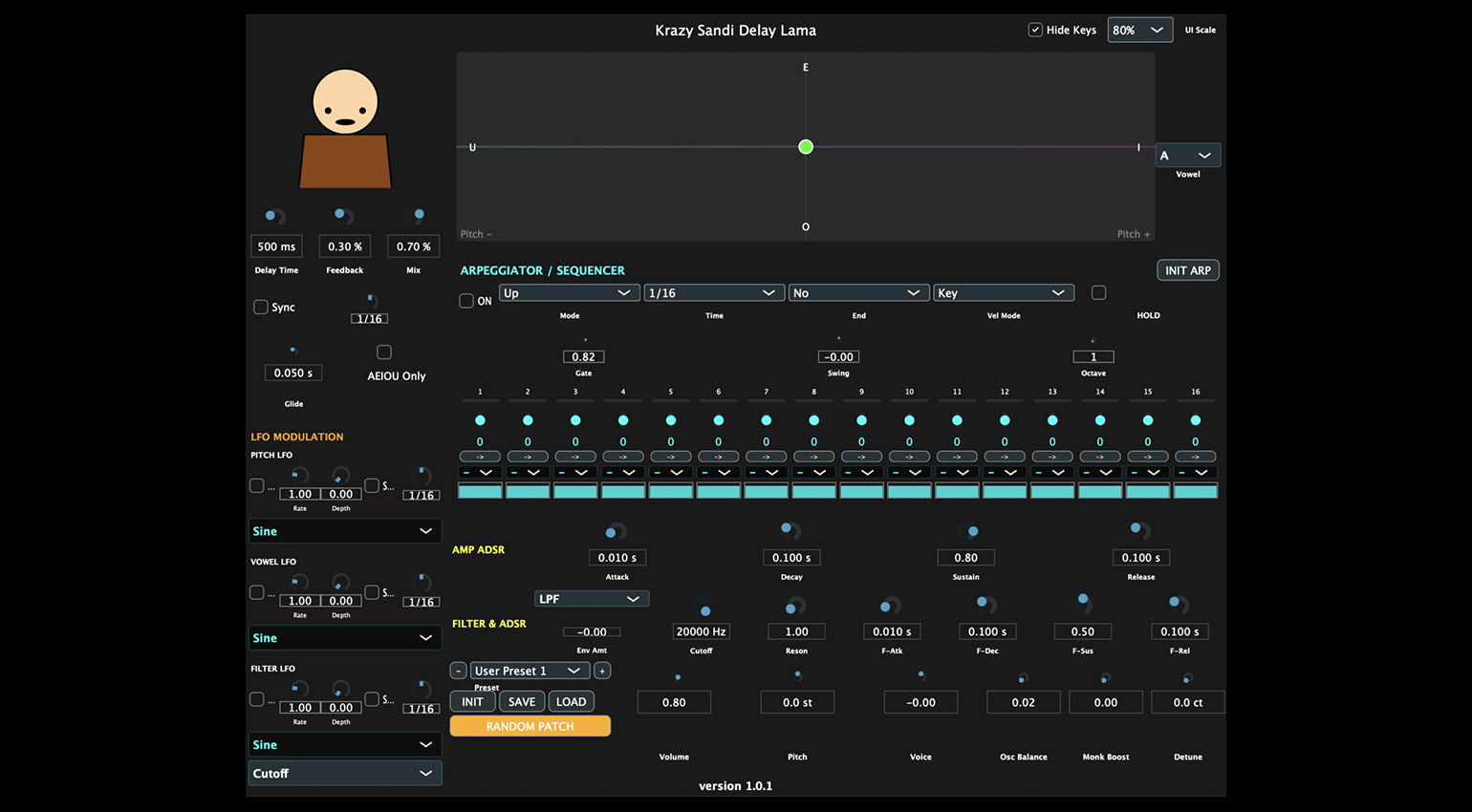
Various people have tried to emulate it, both in software and hardware, but Mythoz have taken the Delay Lama concept and expanded on it in such a way that it becomes infinitely more useable. Whilst it retains the simplicity of the original, they’ve added an arpeggiator and sequencer, envelopes and filters and LFOs. It’s a proper instrument now!
And best of all, it’s free! Grab the VST3/AU for macOS and Windows here!
GLT Audio PM-80
I’m always slightly wary of dedicated hardware controllers designed to be used with a single plugin. They generally take up as much room as an instrument and yet make no noise themselves, relying on you owning the chosen plugin.
What happens when that plugin is no longer supported, or the connection interface becomes obsolete? But, on the other hand, I can see the appeal if that particular plugin is an essential part of your toolkit. Well, we have not one, but two such things to look at this week.
First up is the PM-80 from GLT Audio, and there’s no disputing what plugin this is intended for. Well, I say that, but this will actually work with a number of CS-80-inspired plugins such as Arturia’s CS-80 V, Cherry Audio’s GX-80, Softube’s Model 77 and Xils ‘The Eighty’, plus a few more besides.
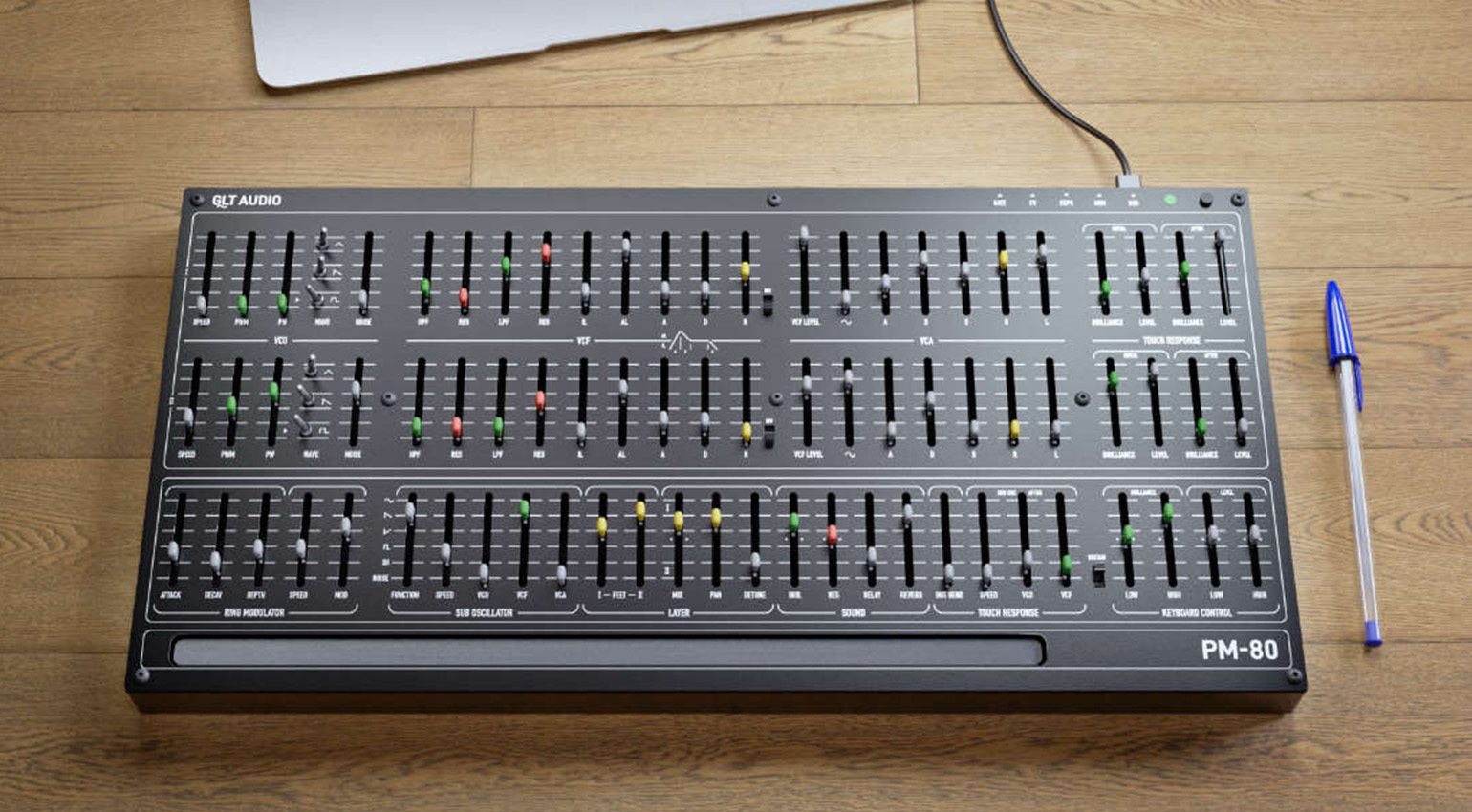
The PM-80 uses 75 Alps Alpine 30mm faders and even includes a 30cm ribbon controller for those all-important Vangelis slides. All of this is housed in a nice, screen-printed faceplate. Better still, they plan to share the source code running inside so that you can customize the firmware to your liking.
But they’re keen to point out that with additional magnetic overlays, the PM-80 will extend beyond the CS-80 and can be used for other synth plugins. These will be pre-printed and made available separately, along with blank strips for you to create your own.
GLT anticipate the price to be €499 plus shipping and fees. Add your name to the waiting list now.
Soundforce SFC-Mini V4
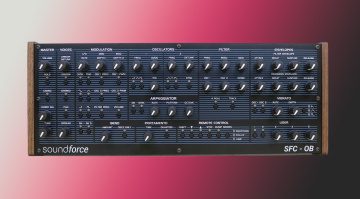
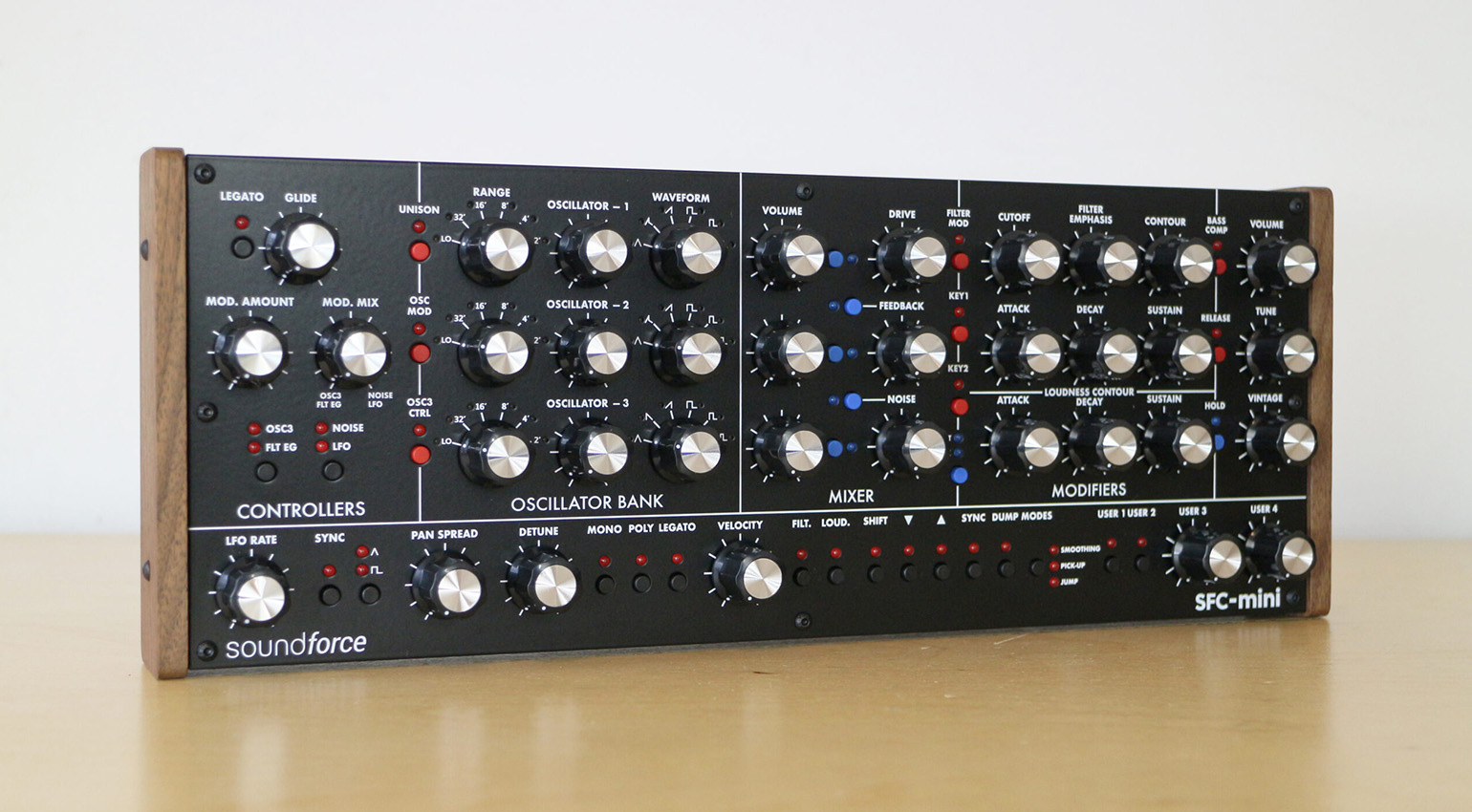
Soundforce have been in the dedicated controller game for some time, and this is version 4 of their Mini controller. Once again, no prizes for guessing which type of plugin recreations this is for. Closely mimicking the front panel of the revered Minimoog, the SFC Mini certainly looks the part.
It comes with compatibility built-in for Minimoog recreations from Arturia, Cherry Audio, UA, Softube, Synapse Audio, GForce, Plugiator, NI and even Moog Music, including their iOS Minimoog app. Soundforce controllers are famed for their build quality and the Mini V4 is no exception.
Walnut side panels, and a sheet metal chassis, the V4 features 2-way communication between the plugin and controller with LED’s on the hardware showing exactly where the plugin settings are. It’s a very lovely thing, as all Soundforce controllers are.
But for the price, you could get something like a Behringer Model D. That little box will scratch your Minimoog itch in both the true analog and hands on control departments for half the money, or thereabouts.
But i’m sure there are people who will prefer the plugin+controller option for a myriad reasons, and if that includes you, then you can’t do much better than this! You can buy the SFC Mini V4 for €429 (inside the EU) and €354 (outside the EU). Non-EU customers can expect duties and customs charges.
Light Reft CONCRETE
Following on from their MONOLIT MIDI controller, Light Reft brings us the CONCRETE, a stereo sound processor that combines digital drive algorithms and an analog filter. In other words, if you want to destroy your sounds in musical ways, this might just be for you.
Featuring a hybrid signal path and unique sound shaping capabilities, the CONCRETE is an expandable sound processing tool that will crunch and crush whatever audio you pass through it. I say expandable because you can download effects engines to it to further its abilities.
The analog filter is both high and low pass and can be modulated by the onboard controls or over MIDI. There are three distortion engines, including Tube, Tape and Fold, and they can be expanded on by way of those future downloadable updates.
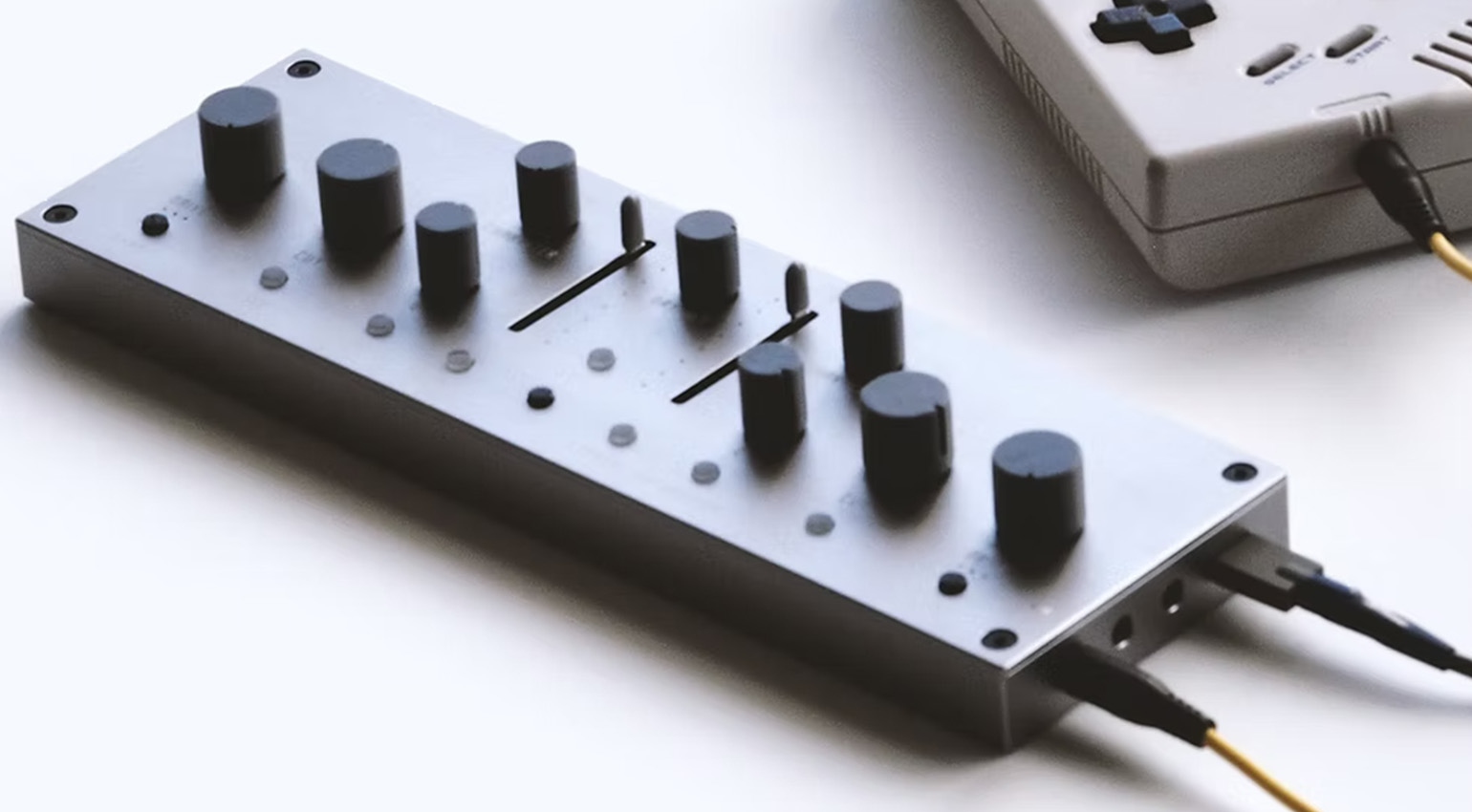
CONCRETE is designed to be more of a performance tool, with its simple and cleanly laid out control surface, but it will work in any environment and can even function as an audio interface, ideal for laptop performances.
RIFFOSC for KORG microKORG 2 by Frostmod Audio
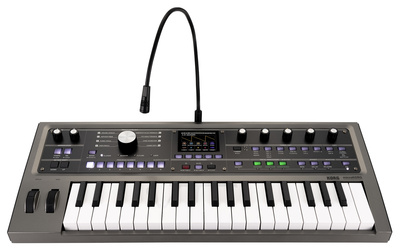
One of the best things about KORG’s ‘Logue range is the ability to upload new features such as oscillators to them. My little NTS-1 is packed full of 3rd party FX plugins, many of them by Sinevibes. So when they added similar functionality to the new microKORG2, it was a very welcome addition.
RIFFOSC from Frostend Audio is an oscillator plugin that delivers 8 voices of polyphony and two tunable supersaw oscillators featuring 7 individual saw oscillators per voice. As we saw with The Usual Suspects JE-8086 emulation of the JP8000, the legendary supersaw was made of exactly this, plus some filtering and a bit of high-speed magic.
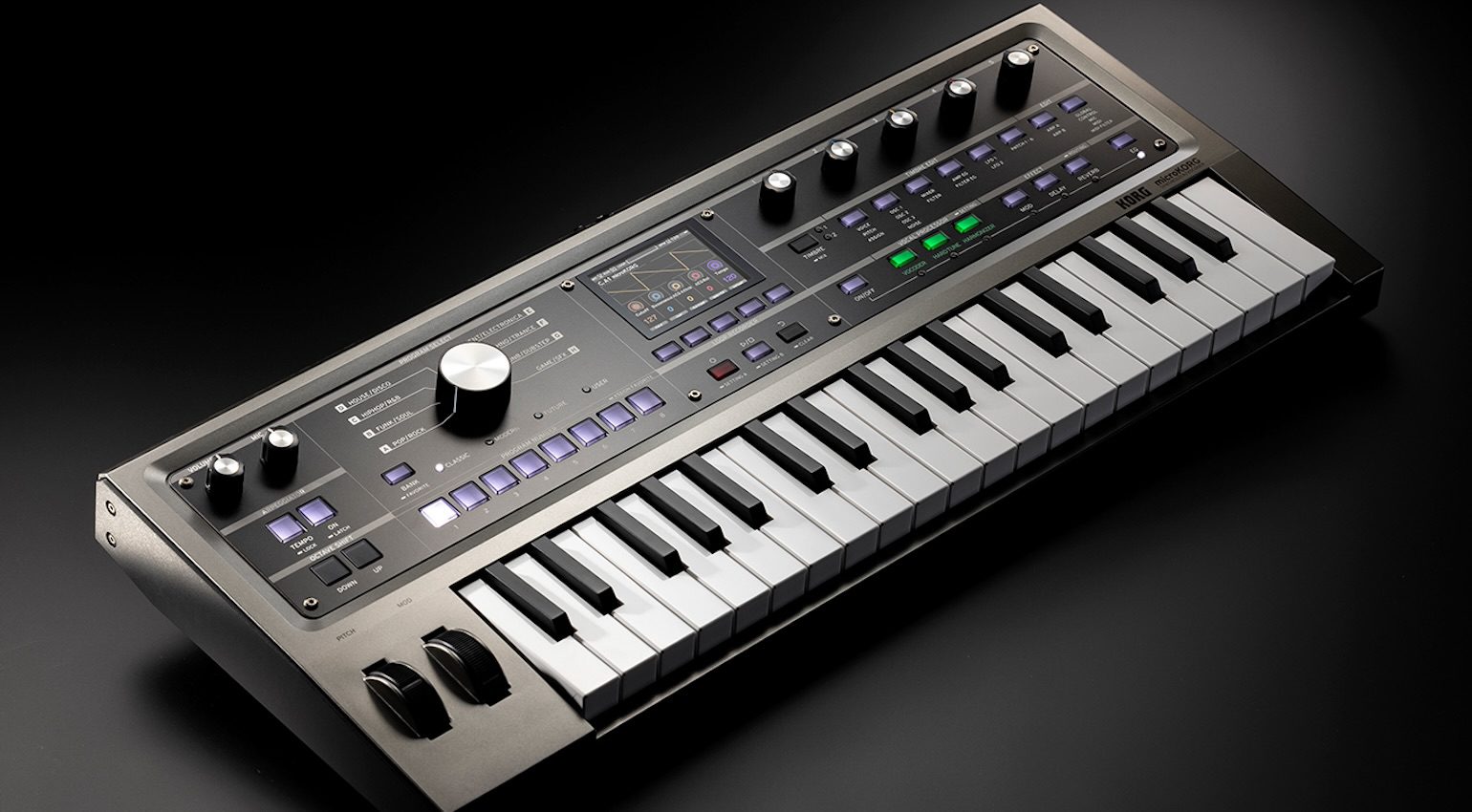
It’s a classic sound that, whilst inextricably linked to trance and techno, can still work beyond those genres and does sound rather bloomin’ nice! What’s more, RIFFOSC is priced at ‘pay-what-you-want’, so chuck them a few bucks and get this in your microKORG2 now!


*Note: This article contains advertising links that help us pay for this site. Don’t worry: the price for you will always be the same! If you buy something through these links, we will receive a small commission. Thank you for your support!

This might also interest you