Apple iTunes Turns 25: From Music Player to Digital Legend
How a Small App made Apple Big

 4,3 / 5,0 |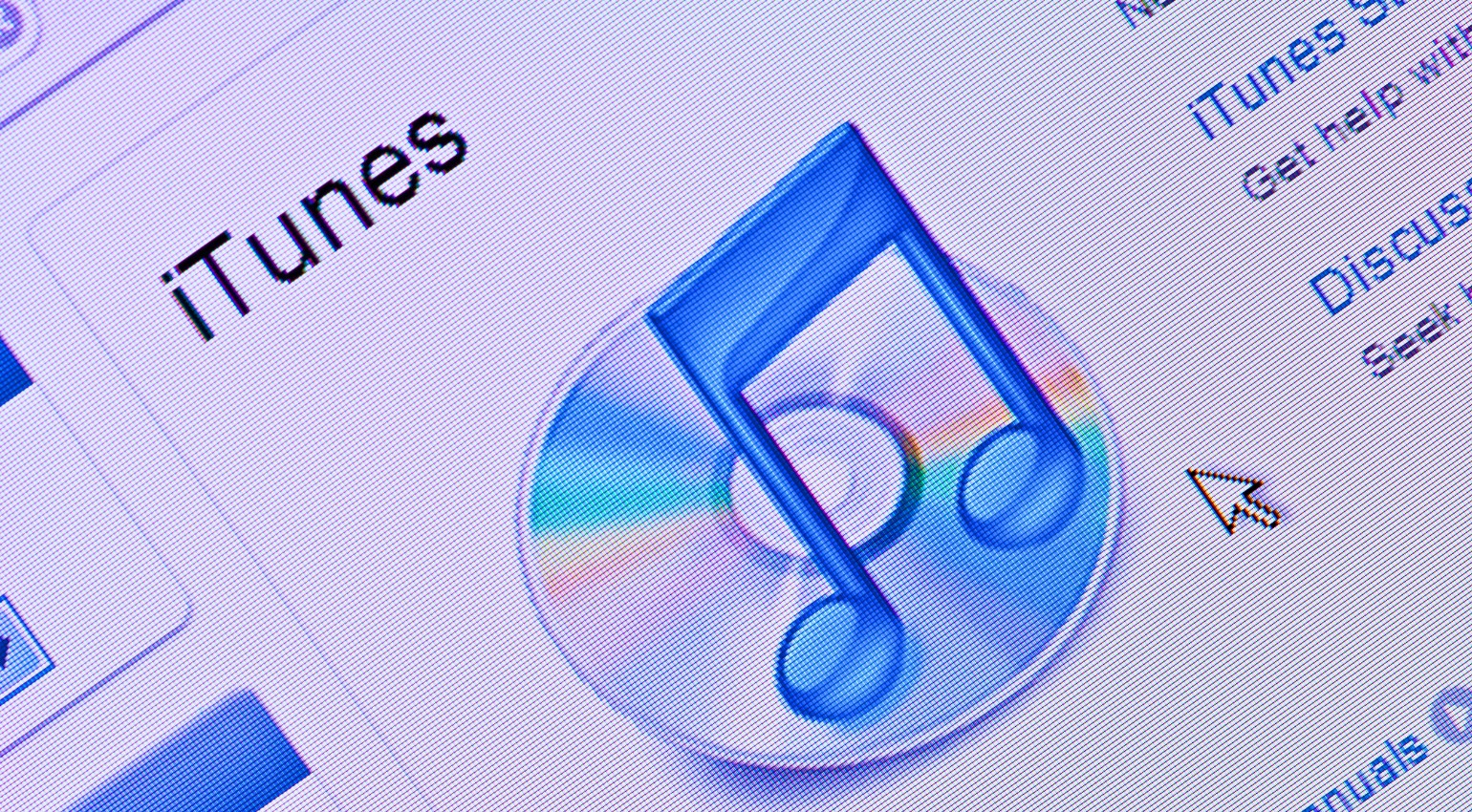

25 years ago: Apple iTunes was ‘born’ – today, that sounds like something from a bygone era. Anyone who owned a Mac in the early 2000s probably remembers how revolutionary this program was. It all started inconspicuously. In 1999, Bill Kincaid, Jeff Robbin, and Dave Heller at Cassady & Greene developed an MP3 tool called SoundJam MP. It was software that could play, organize, and burn CDs – a real highlight at the time. Happy birthday!
25 Years Apple iTunes
The Grand Anniversary: From Ripping and Burning to the Streaming Era
Apple immediately recognized the potential of this music software. They bought SoundJam in early 2000 and brought the developers into the company. A year later, on January 9, 2001, Steve Jobs presented the result at Macworld in San Francisco: iTunes 1.0 – “the easiest way to organize and enjoy music on your Mac.” No one could have guessed that it would become one of the most influential programs in music history.
Jobs’s famous promise that iTunes would “change the music industry” initially sounded like a typical Apple slogan. But he was right. The “rip, mix, burn” concept resonated with the spirit of the times: importing CDs, creating playlists, and burning music with a single click – all possible with one application. The interface was clear and the operation was intuitive. Suddenly, the Mac became a personal music center. Just a few months later, the first iPod hit the market. In combination with iTunes, a closed ecosystem was created in which the hardware and software worked together perfectly. This made Apple a pioneer in digital music distribution and laid the foundation for a new way of consuming music.
The Software That Made CDs Obsolete
In the years that followed, iTunes grew far beyond its original concept. In 2003, the iTunes Music Store was launched. For the first time, songs could be purchased legally, easily, and individually. Apple thus ushered in the end of the classic album era and changed the purchasing behavior of millions of users. Versions for Windows, podcasts, TV series, movies, and finally apps followed, turning iTunes into the control center for almost all digital media. However, this success came at a price. With each new feature, the program became more extensive, cumbersome, and confusing. What was once an elegant music program became a “digital general store.” Apple employees even joked that iTunes could offer calendars, email, and a browser.
The turning point came in 2019 with macOS Catalina. At the developer conference, Craig Federighi joked that Apple had finally decided to “split up iTunes before it boils coffee.” There was a serious background to this joke: After almost two decades, Apple officially ended the iTunes chapter. It was replaced by three specialized apps: Apple Music, Apple TV, and Apple Podcasts. What had long been standard on iPhones was now also coming to Macs. Many saw this as a relief, as the software had simply become too bloated. However, the euphoria was short-lived. Many missed the simplicity and flexibility of the old version, considered one of the most stable and user-friendly music platforms of its time.
iTunes is Turning 25, and Many Would Like to Have it Back!
Despite its demise, iTunes remains a significant piece of tech history that decisively impacted the digital music world. iTunes was more than just an app; it symbolized the shift from physical sound carriers to digital media. It laid the foundation for streaming platforms, changed the relationship between artists, labels, and listeners, and demonstrated that music can be an experience combining design, technology, and emotion.
Twenty-five years later, iTunes is no longer being developed, but it lives on in Apple Music and countless iPod memories. Perhaps people miss what seemed obvious back then: a program that made music simple, direct, and tangible. That is precisely why today’s 25th anniversary of iTunes is not only an anniversary but also a piece of nostalgia. We are already looking forward to the next updates to the app.
More Information

This might also interest you