The Best Budget Reverb Pedals for your Home Studio
Affordable reverb pedals for your home studio.

 3,7 / 5,0 |

No matter the style of music you’re making, your choice of reverb is an essential part of your overall sound. We’ve selected some of the best budget reverb pedals for use with any instrument in your setup.
In this Article:
These days, many synths, samplers, and drum machines you’ll find have built-in reverb and other effects too. The trouble is, these effects often have a limited selection of parameters, and the quality of the reverb can be disappointing.
High-quality hardware and even software reverbs like Altiverb are a considerable investment. So how does one go about getting a decent reverb sound without dropping the equivalent of a 3rd world country’s deficit?
The Best Budget Reverb Pedals
The answer lies as much in the technique as the reverb you choose. If you’ve ever tried mixing music before, you’ll understand the limitation of using a reverb effect as an in-line processor.
Instead, using reverb in parallel is an extremely versatile approach, and using an aux send of a compact mixer is an affordable way to do this. Moreover, using a stereo chorus (30-50% mix) on your reverb is a neat trick to make it sound more expensive.
Some reverbs have a wealth of different algorithms, while others offer a more detailed set of parameters with which to alter the sound. We’re specifically looking at stereo reverbs, so you can use them on a wide range of instruments.
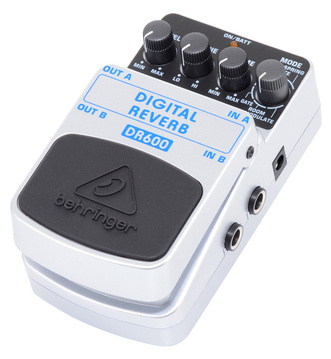
The Best Budget Reverb Pedals: Behringer DR600
If you’re just looking for the basics, the DR600 does just that. With six 24-bit digital reverb modes, including spring, plate, hall, gate, room, and modulate, you have enough to get started.
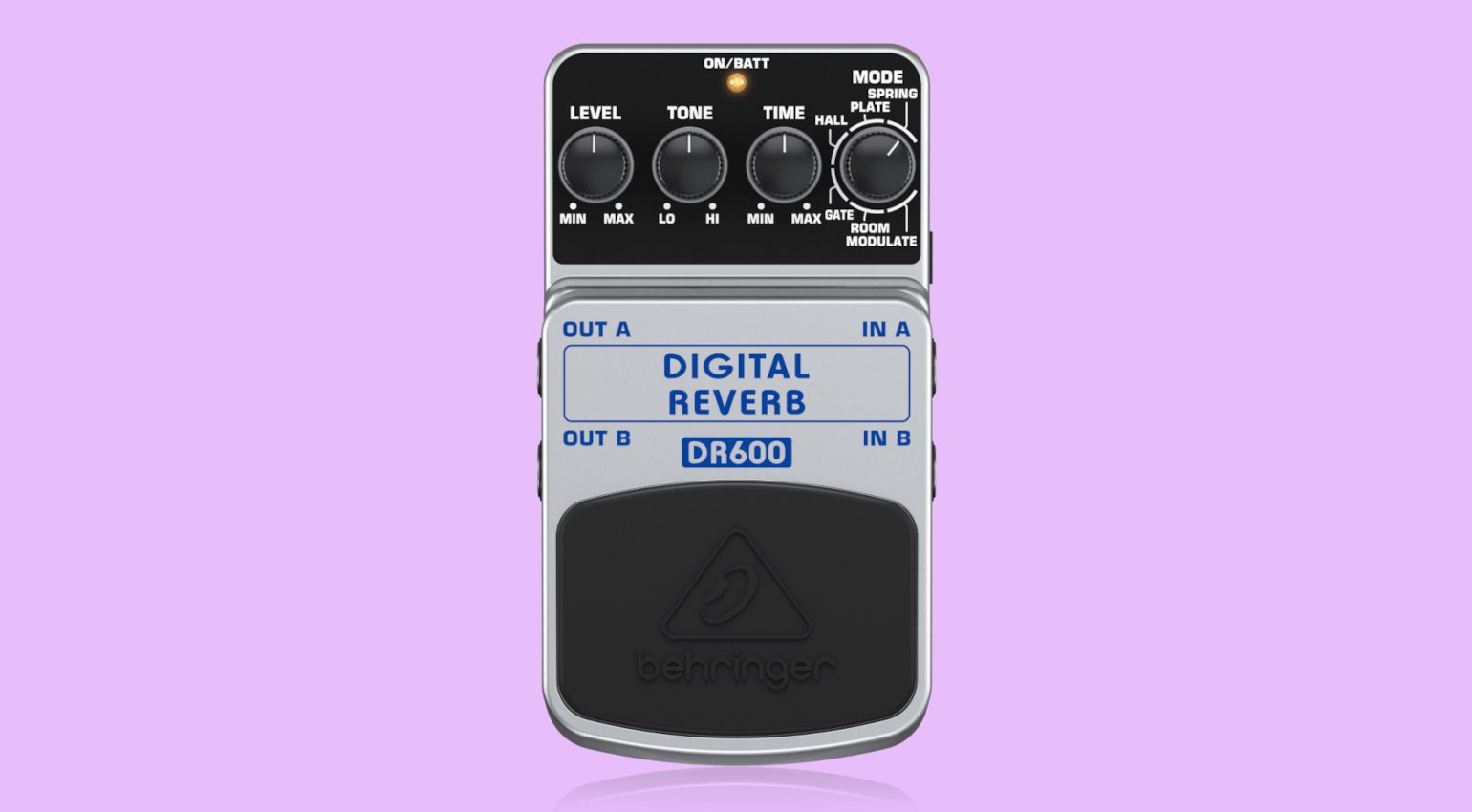
There isn’t much in terms of precise sound sculpting controls, so your best bet is to find a mode you like and play with the reverb time and tone until you’re happy.
Overall, the DR600 is a great option for beginners and those checking out hardware workflows for the first time.
- More from Behringer


The Best Budget Reverb Pedals: Joyo R-14 Atmosphere Reverb
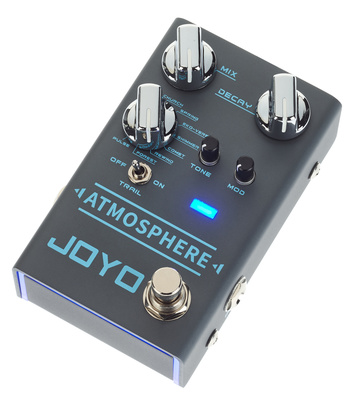
When you’re looking for a selection of reverb algorithms that are slightly out of the ordinary, the Joyo R-14 is an excellent choice. The most basic settings are the more familiar plate, church, and spring modes, and there are six more adventurous algorithms for more expressive applications.
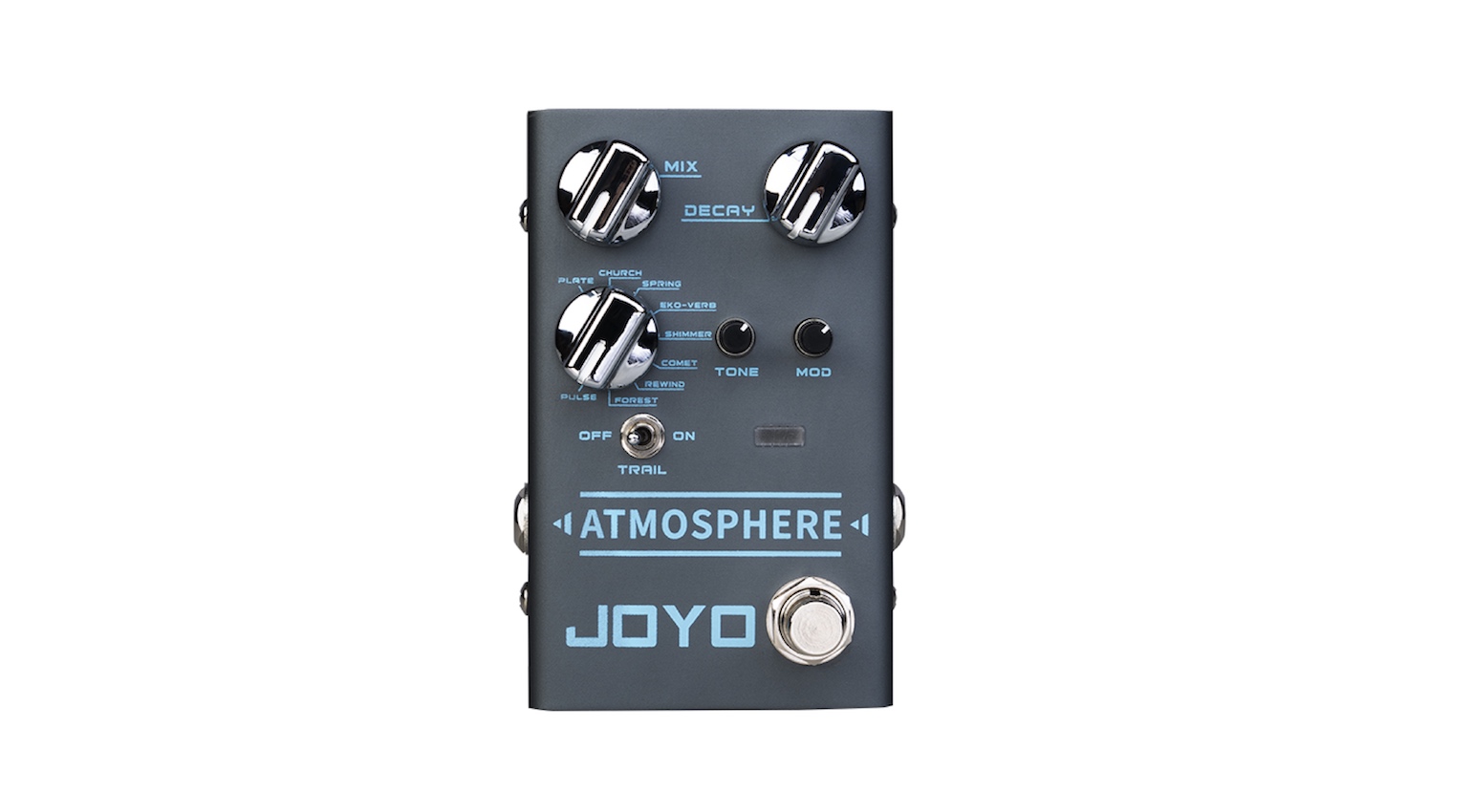
These include EKO-VERB, a combination of echo and repeating reverb, which is a similar concept to the legendary Space Echo. Next, you have a choice between a surreal SHIMMER reverb and a unique COMET setting that adds motion to sounds. Also, there is a REWIND setting which emulates a reverse tape echo effect, an outdoor FOREST setting, and a fluttering PULSE mode.
Overall, the R-14 might not be the best pedal to take on tour with you, but it’s certainly an inspiring tool to add to your home studio. It is appealing not only for guitarists, but for electronic musicians looking to add dimensionality to synths and drum machines. Additional controls include wet/dry mix, decay time, tone, modulation, and trail mode. Get it at Thomann.*

The Best Budget Reverb Pedals: Flamma FS02
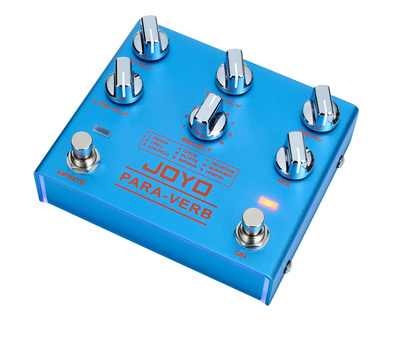
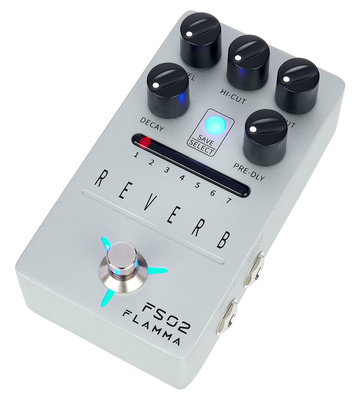
With the Flamma FS02, you get 7 different modes, including Room, Hall, Church, Cave, Plate, Spring, and Mod. In addition, each of these numbered algorithms has a slot where you can save and recall your own settings.
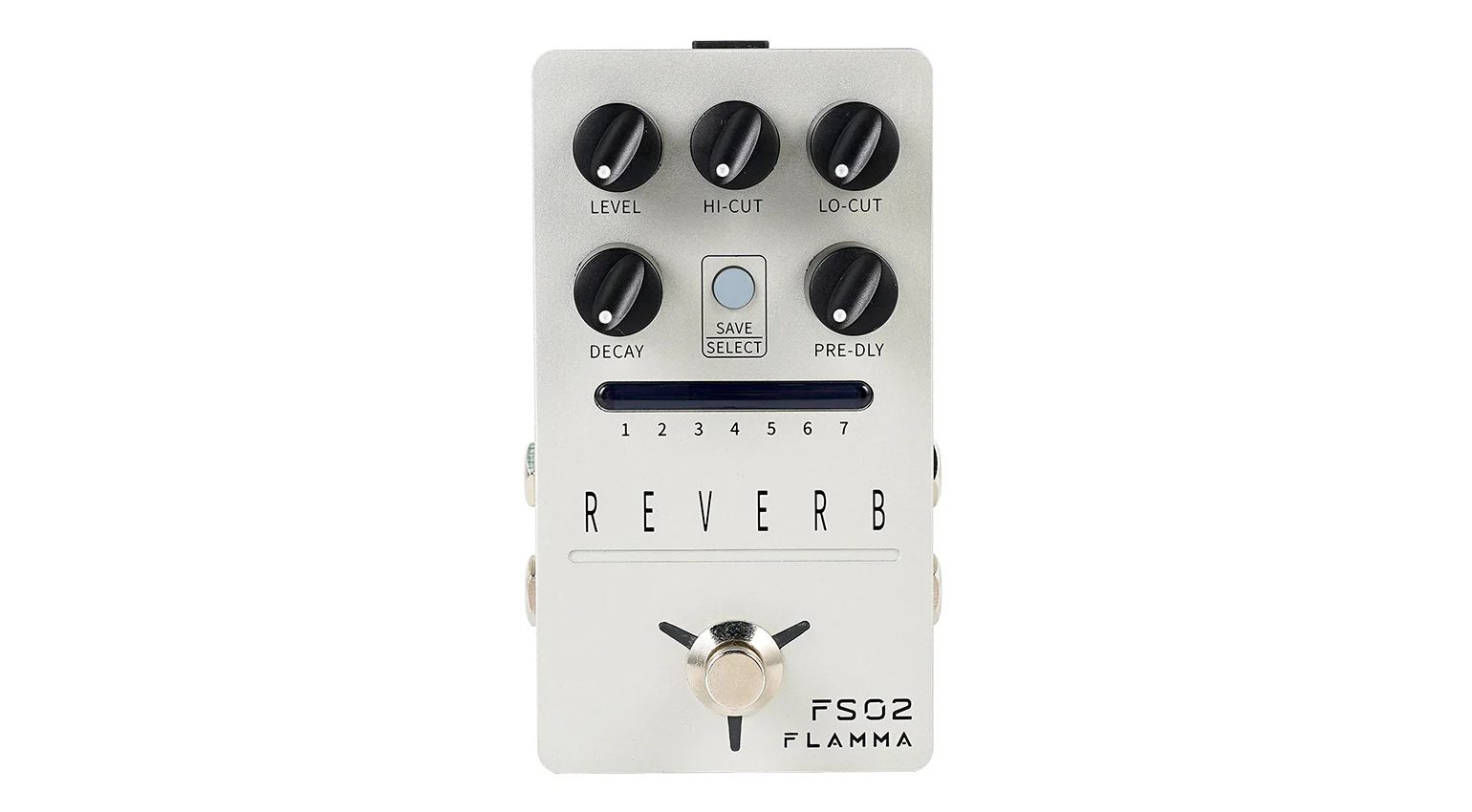
Apart from the high and low cut filters, the pre-delay control is an important addition. This gives you a fair degree of control, as you can really separate the reverb from the original sound if you desire.
Holding in the footswitch while powering on will toggle trails on or off. So you can get naturally decaying reverb tails or stick with the envelopes of the algorithm you’re using.
- More from Flamma

The Best Budget Reverb Pedals: Nux Verb Core Deluxe
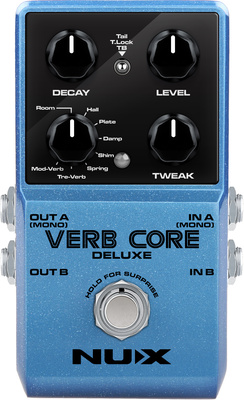
The Nux Verb Core Deluxe is a simple but versatile stereo reverb pedal with eight algorithms ranging from the basics to more exciting modulated reverb settings. The more familiar modes include a realistic room setting, a Lexicon 224-inspired hall setting, and a vintage EMT 140-style plate setting.
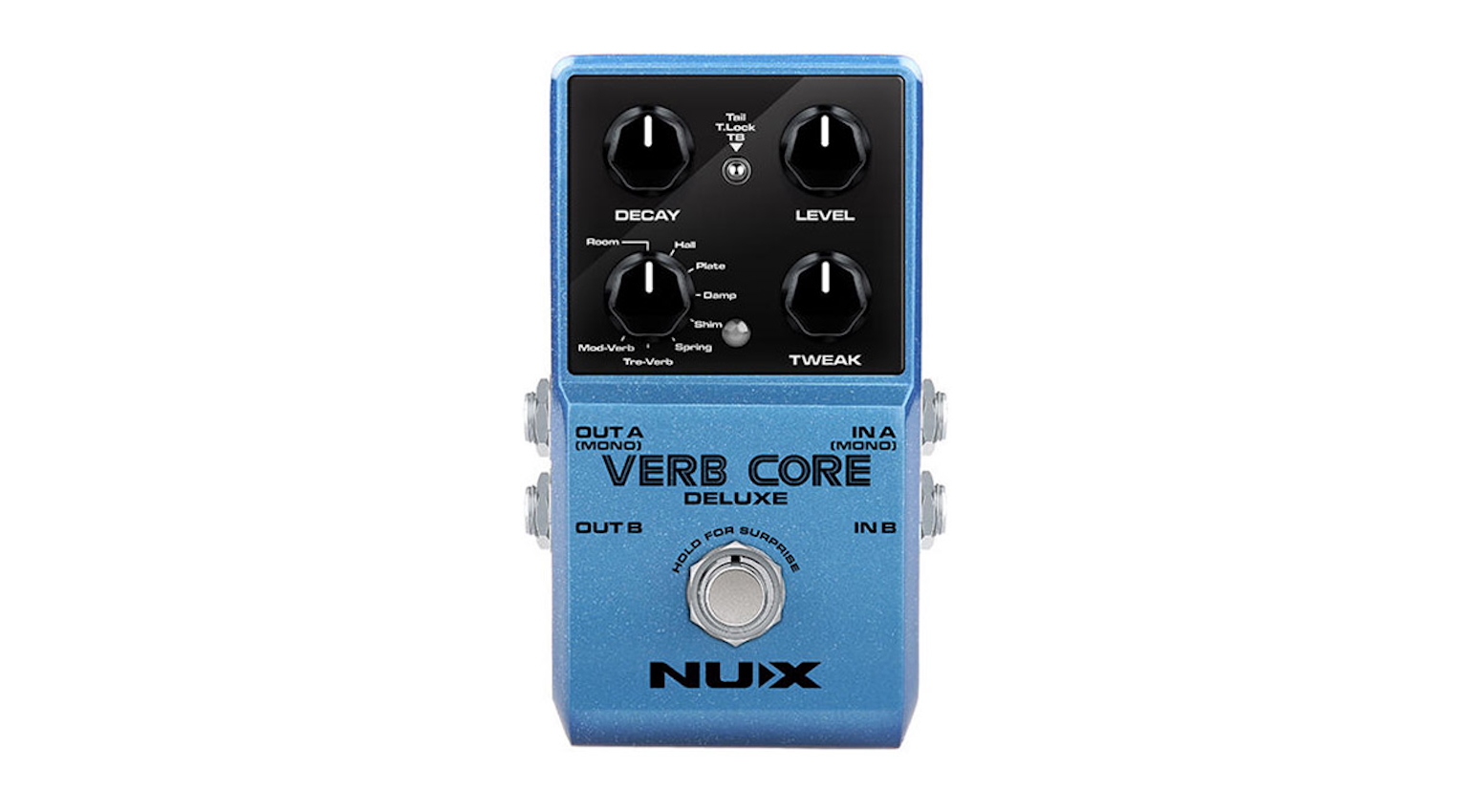
Next, you have a choice of an expansive Damp reverb, a Shimmer verb, and a Surf Rock spring reverb. Finally, there is a tremolo verb and a mod-verb, which add expressive movement and animation to the sound. This is particularly interesting when combined with phrasings that are in time with the modulation.
The controls of the Verb Core Deluxe are simple, making it an ideal choice for performance-based tweaking. You can adjust the decay time and wet/dry mix globally, but then there is also a mode-specific “Tweak” control for adjusting the tone or modulation amount depending on the reverb setting you’ve selected. Get it at Thomann.*

The Best Budget Reverb Pedals: tc electronic Hall of Fame 2
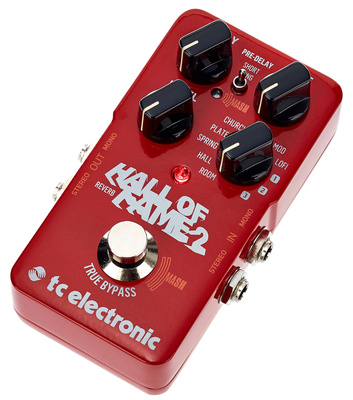
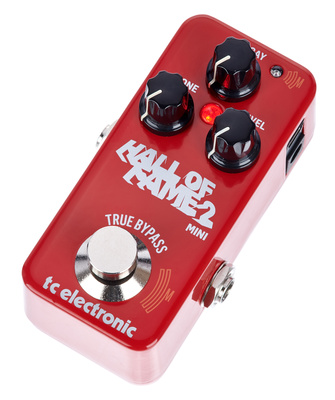
The popular Hall of Fame 2 provides a great balance of sounds and dynamic playability. You get 8 different reverb types, and 3 slots for saving your own presets or downloading them with the TonePrint app.
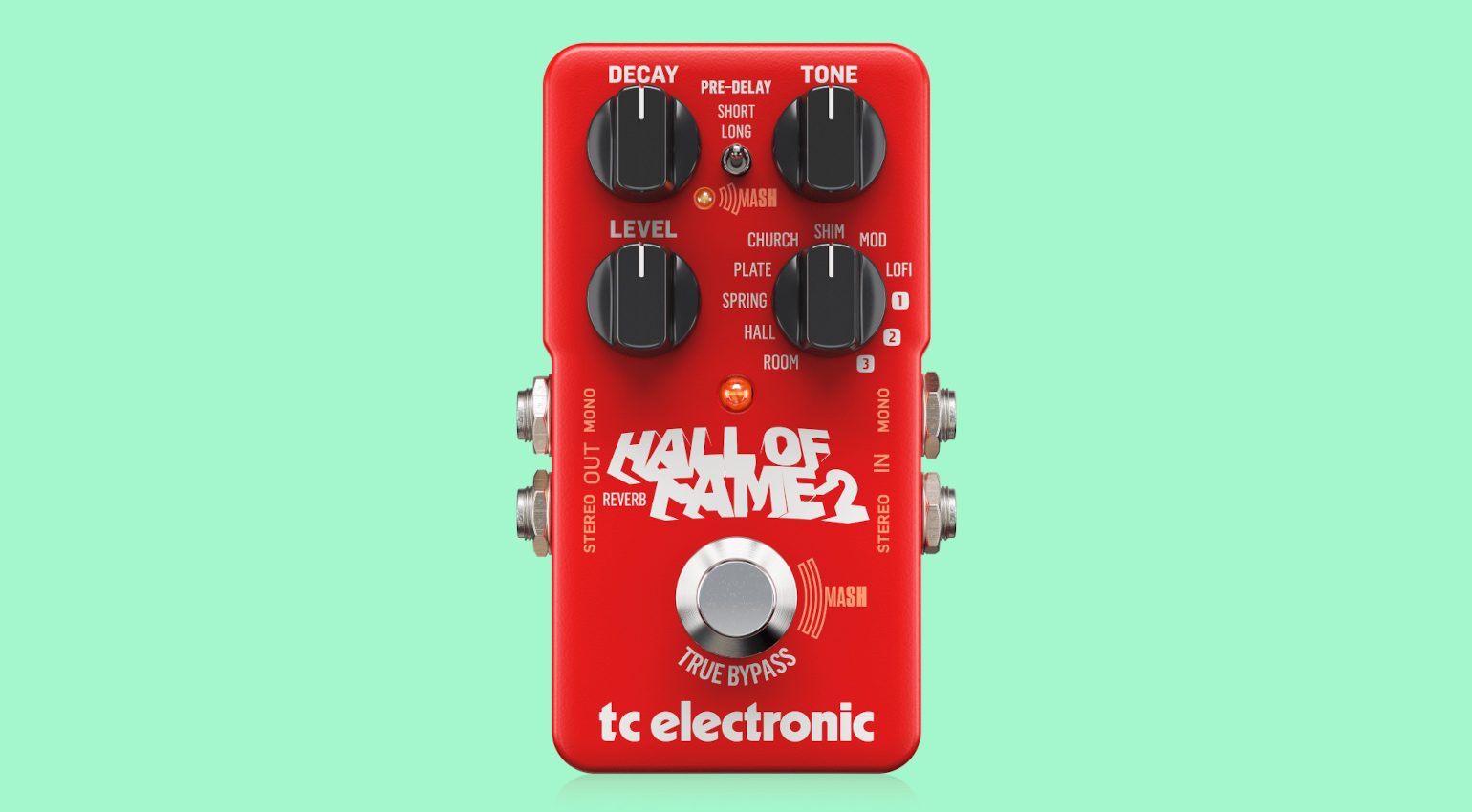
You can also alter the pre-delay time with a simple switch, and the footswitch offers pressure sensitivity with the expressive TC MASH feature.
When you combine the built-in algorithms with the TonePrint library of 279 presets from top artists, the Hall of Fame 2 provides a lot of value for the price.
- More from tc electronic

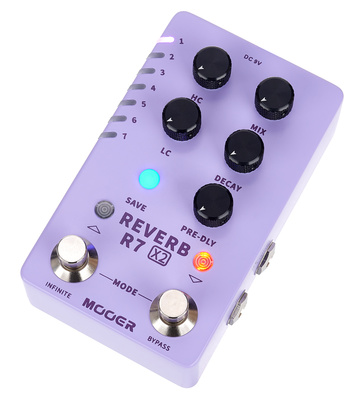
The Best Budget Reverb Pedals: Mooer R7 X2
The Mooer R7 X2 provides a collection of 14 reverb effects from Mooer’s A7 and R7 pedals. This includes Room, Hall, Church, Cave, Plate, Spring, Studio, Mod, Reverse, Wrap, Shake, Crush, Shimmer, and Dream.
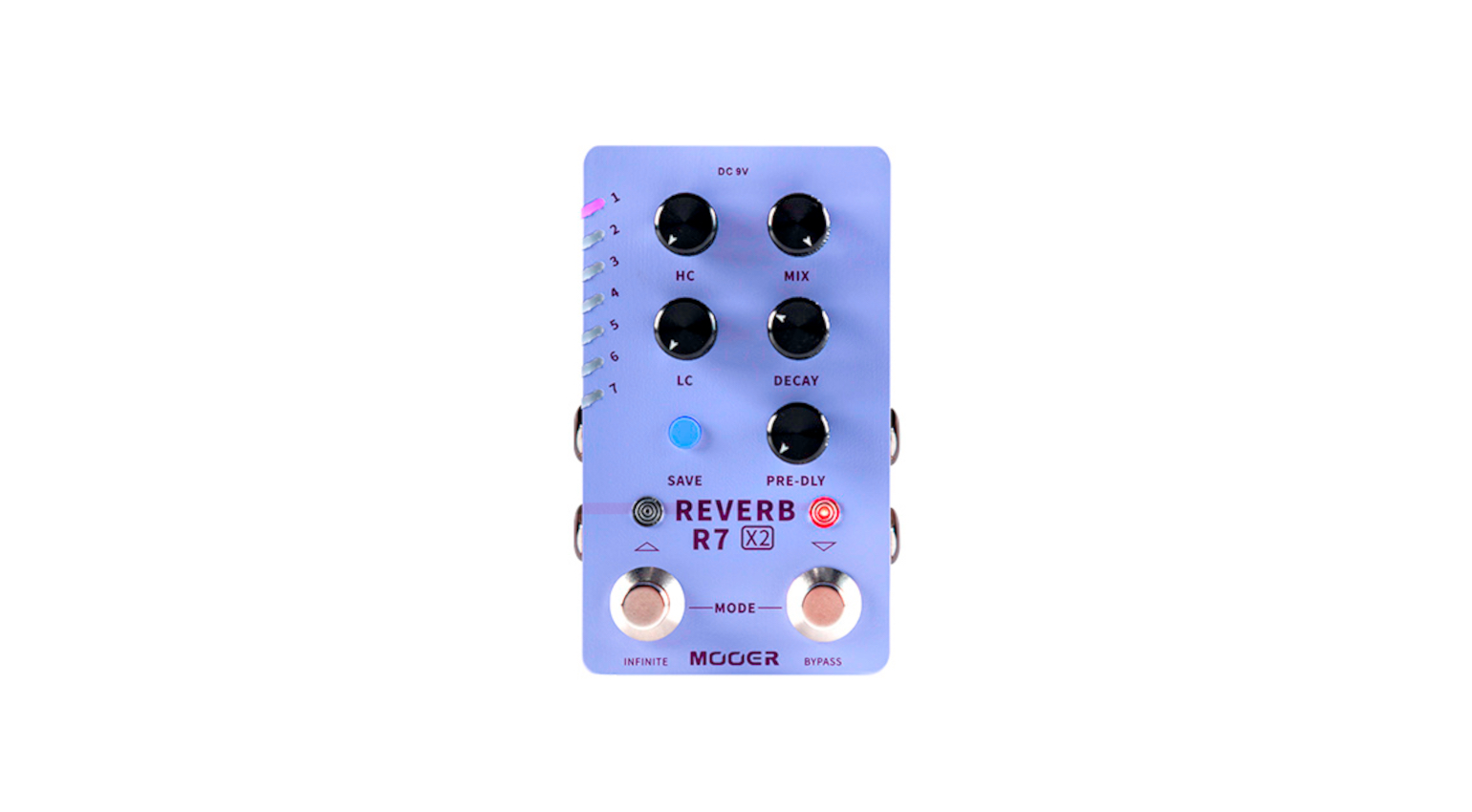
In addition, the controls give you plenty to play with. You have adjustable high and low-cut filters, controls for decay and pre-delay times, as well as mix amount.
Reverb tails can be set to natural, standard, and infinite. So the amount of control is quite deep for such a compact pedal.
- More from Mooer

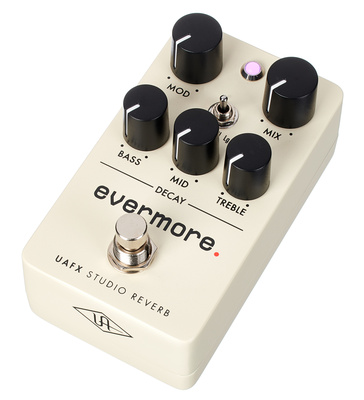
The Best Budget Reverb Pedals: Universal Audio UAFX Evermore Studio Reverb
The Evermore Studio Reverb from the UAFX series gives you three different settings modelled on the famous Lexicon 224 digital reverb processor from the late 1970s. As you probably know, this reverb sound, and the sound of its successor, the 480L, became a staple for producers and engineers throughout the 1980s.
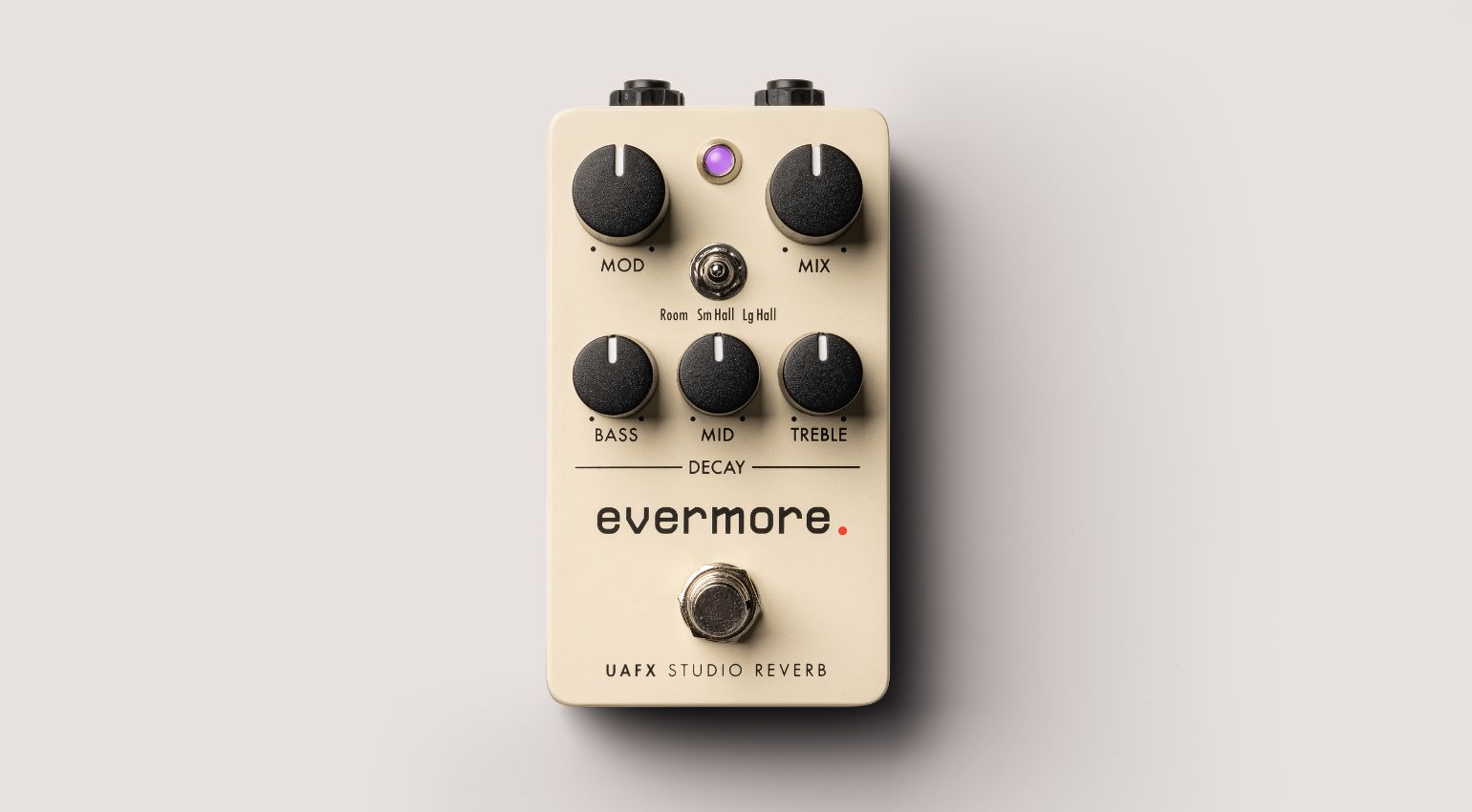
This gives you authentic room, small hall, and large hall algorithms with a modulation control, two pre-delay settings (short and long), and a three-band EQ for shaping the tone of your reverberated sound. This makes the Evermore useful on more than just guitars; you can also use it on synths for creating Blade Runner-like ambient effects.
What’s more, if you have a noise gate in your pedal board, which many guitarists do, you can use this to create classic 1980s gated-reverb effects on drum machines. Although the Evermore only gives you variations of one classic reverb, it’s one that is certainly worth having in your pedal board, whether you prefer to use it subtly or go full-on 1980s. Get it at Thomann.*

The Best Budget Reverb Pedals: Boss RV-6
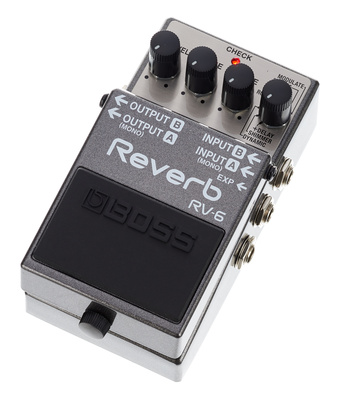
The Boss RV-6 is a great-sounding digital reverb pedal with 8 different settings, including +Delay, Shimmer, Dynamic, Room, Hall, Plate, Spring, and Modulate.
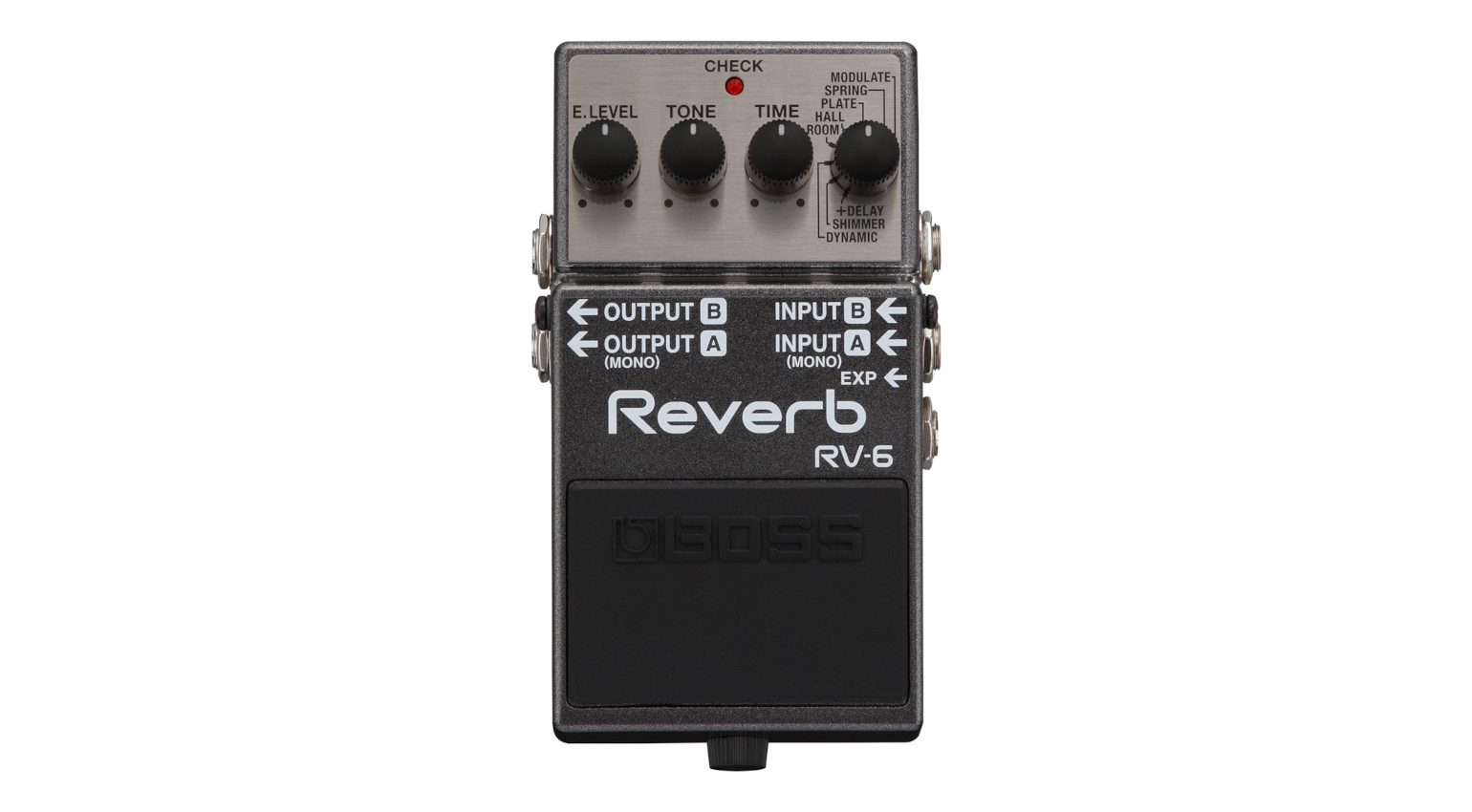
The controls may look a bit sparse, but as with many classic reverbs, there isn’t too much tweaking necessary, so the time and tone knobs are enough to get a decent sound.
In addition, you can add an expression pedal for controlling the reverb density, which is a great effect to use on stage for guitars, keyboards, or vocals.
- More from BOSS

The Best Budget Reverb Pedals: Behringer Spring Reverberation 646
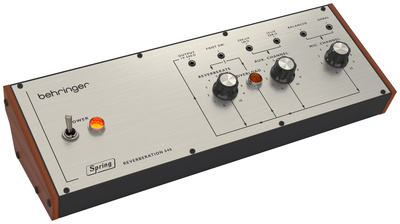
It may not be a pedal, but the Behringer Spring Reverberation 646 can be activated via footswitch, and it’s an affordable way to get that authentic spring reverb sound. This unit was inspired by the Grapian 636, a coveted 1960s British spring reverb and preamp unit used by artists like the dub pioneer Lee “Scratch” Perry, as well as Pete Townshend of The Who.
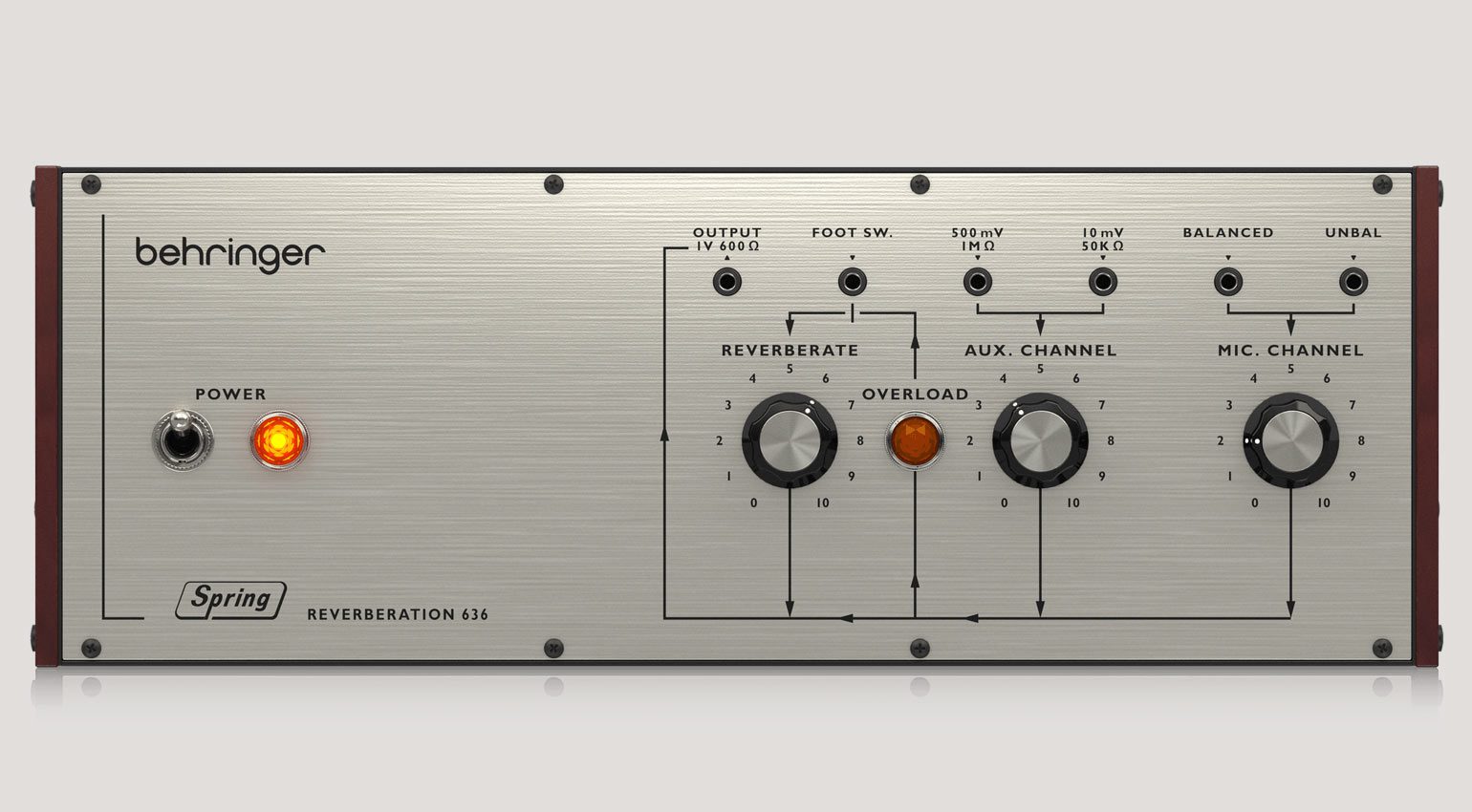
The 646 captures the gritty sound of the original, with the dual mechanical spring set and the preamp stage that gives you the ability to overdrive the inputs and add warm saturation to the signal. In addition, there are aux inputs for balanced and unbalanced parallel effects chains, and all the quarter-inch connections are duplicated in 3.5 mm on the front panel.
This allows the 646 to link with your Eurorack system, and you can even mount it as a 72 HP module. Overall, the 646 is a useful addition to your synth rig, pedal board, or you can simply use it as a desktop unit in your home studio. Getting the feel of a vintage spring reverb without having to pay collector prices is certainly a plus. Get it at Thomann.*
More about the Best Budget Reverb Pedals:
- Thomann’s Guide to Reverbs
- All about pedals
- More about reverb
Videos:
*Note: This article contains promotional links that help us fund our site. Don’t worry: the price for you always stays the same! If you buy something through these links, we will receive a small commission. Thank you for your support!

This might also interest you