Why is the Neve 1073 such a sought-after Mic Preamp?
That legendary microphone preamp.

 3,8 / 5,0 |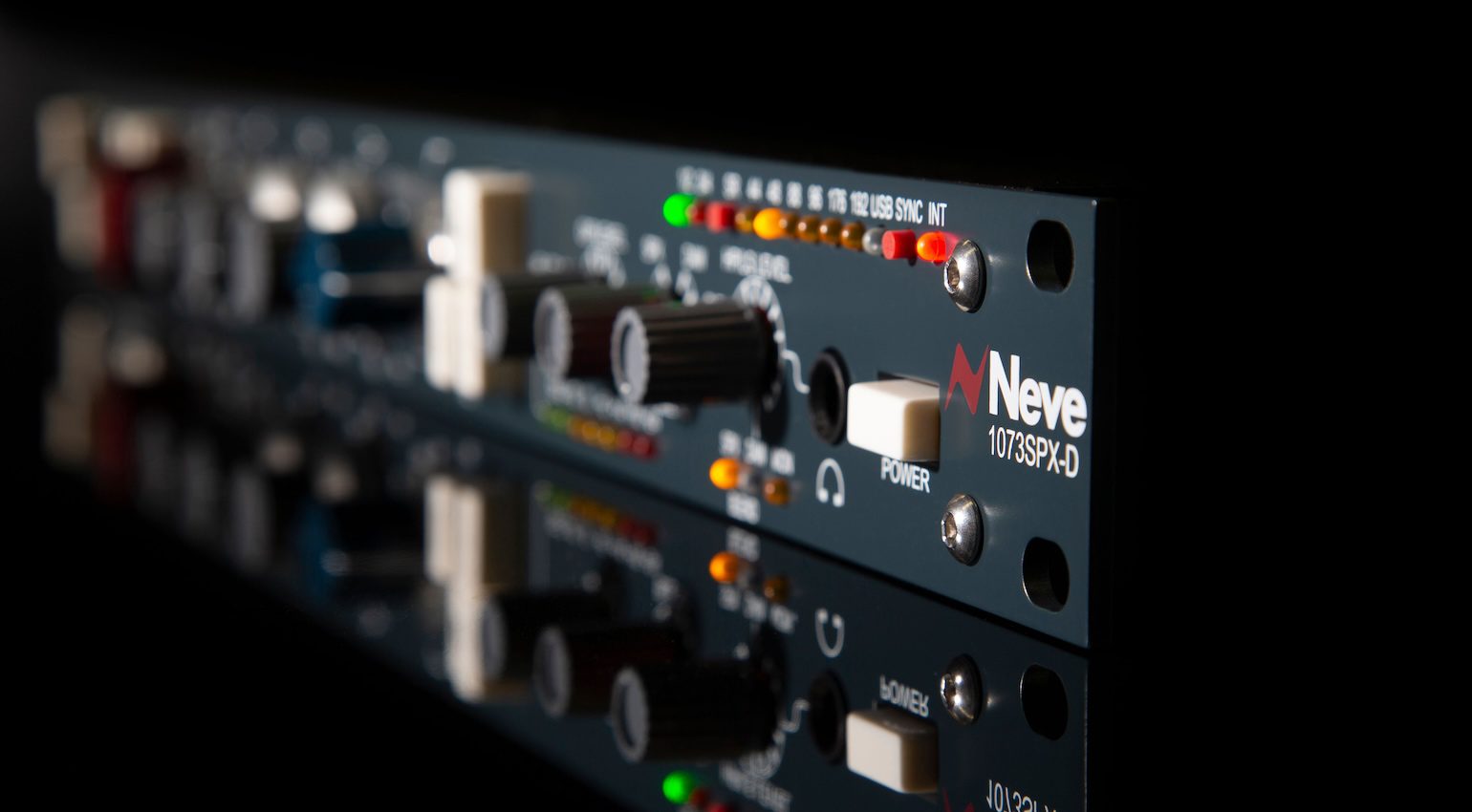

When it comes to input stages, few are held in as high regard as the Neve 1073. As a transformer-based preamp, it remains the standard tool for quality recording worldwide.
In this Article:
The 1073 has been used on countless notable albums since its introduction, but why does it remain such a mainstay in modern recording culture?
The Neve 1073: A truly classic design
Back in 1970, a time when tube circuitry still ruled, the 1073 was a solid-state channel strip originally designed by Rupert Neve and his team for the A88 Wessex console. With transformers on both the input and output stages, the 1073 produces great results with a wide range of sources using virtually any microphone you can find.
As you can expect, it quickly caught on and was incorporated into many of Neve’s early consoles. The inductor midrange EQ made the 1073 an essential studio tool due to its musical character.
Also, the fixed frequency bands were selected to process a larger frequency spectrum rather than the EQs on the early Neve broadcast consoles, which were geared for speech.
Which is the best Neve 1073 preamp for your setup?
Few of us will ever own vintage 1073s, and with the options available today, it’s hard to justify the cost. However, there are plenty of designs modeled on the original that will suit your workflow and budget.
Whether you choose the 80-series, standard rackmount, or 500-series, there really is something out there for everyone. Most important, however, is the layout and topology.
While some 1073-style pres out there offer the same functionality as the original, others simply offer the gain stage without the EQ. Furthermore, some designs provide additional features like compression, so keep this in mind when comparing prices.
Neve 1073 Preamps: Behringer 1273 and 73
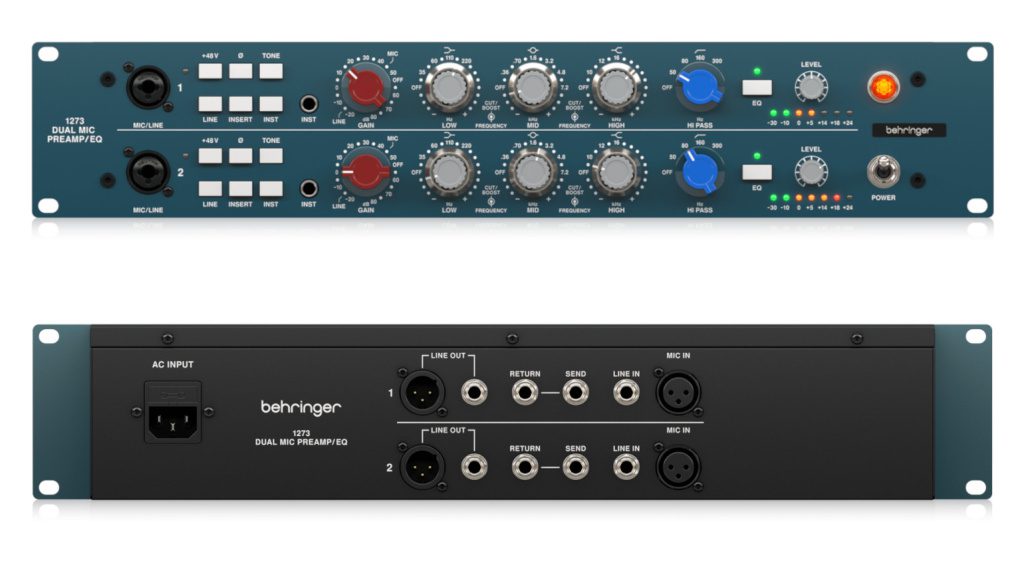
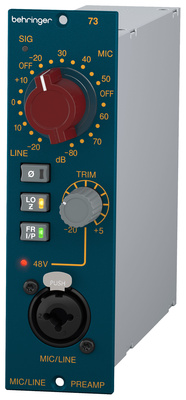
Luckily for most of us, Behringer recently entered the 1073 game and now offers two practical and affordable options for bringing the classically styled preamp into your home recording workflow. With the 1273, you get a dual rackmount version with the entire 1073 channel strip and parametric EQ section for tracking and mixing.
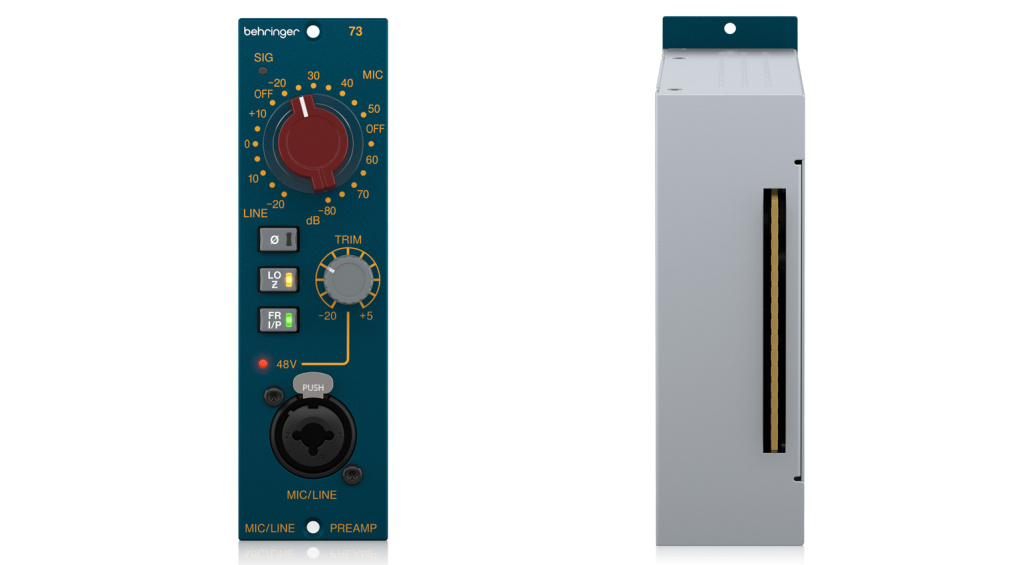
Alternatively, the 73 is a 500-series module that gives you a vintage mic preamp and instrument input stage, perfect for expanding your recording front end or touring lunch box without having to break the bank. Overall, Behringer has hit it out of the park with these two options, as everyone under the sun now has access to a 1073 in their own right.


Neve 1073 Preamps: Warm Audio WA73-EQ
Warm Audio is famous for making vintage designs accessible at reasonable prices, while still ensuring a decent level of quality. The WA73-EQ gives you all the hallmarks of the original 1073 with some practical additions that make it even more versatile.
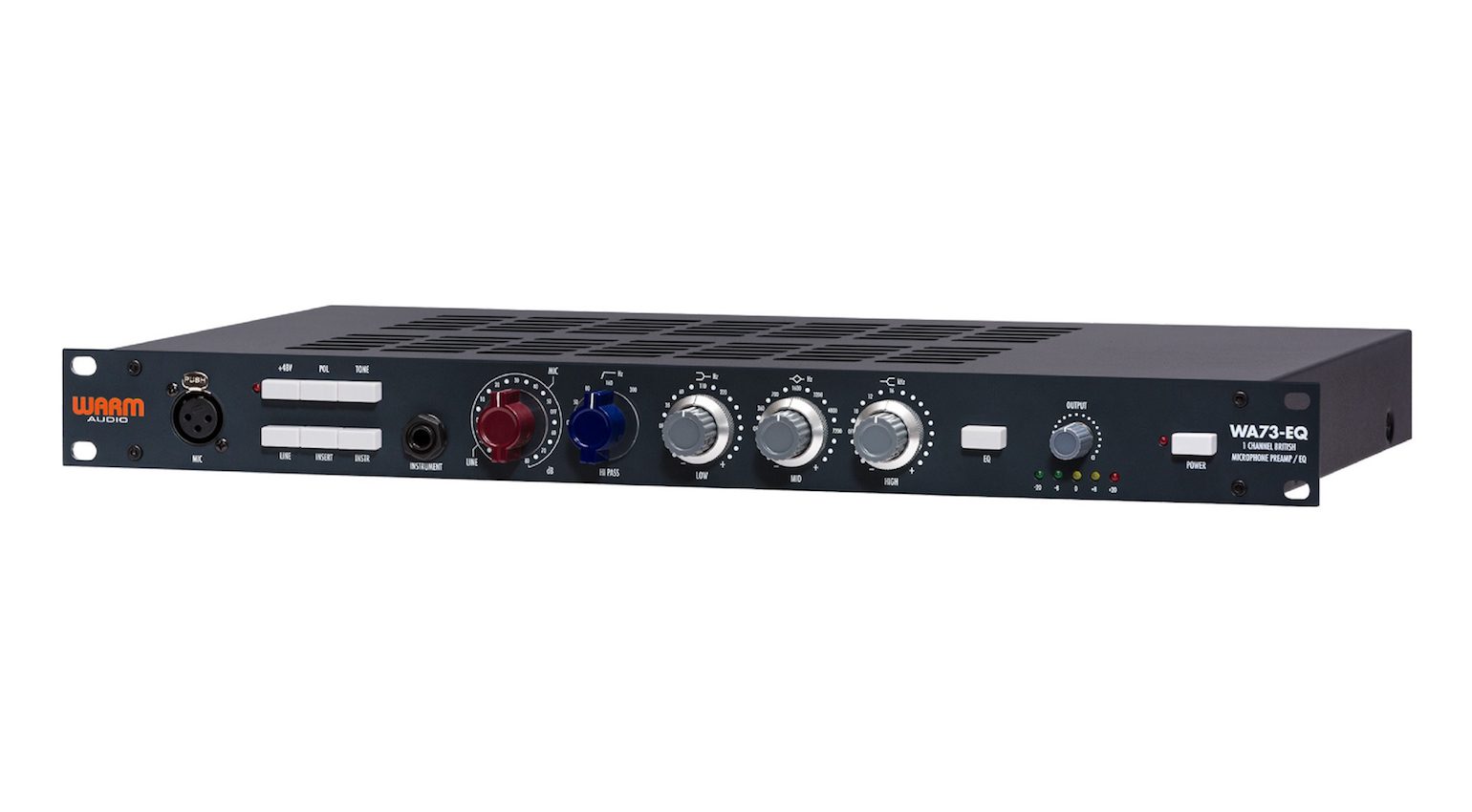
For example, there is an XLR mic input and an instrument input for easy access on the front panel. Meanwhile, the rear panel has an insert path, should you wish to add an external compressor into your input chain.
The three-band inductor EQ with a switchable high-pass filter can also be bypassed, and there is an output gain knob to accurately control your recording level.
- More from Warm Audio

Neve 1073 Preamps: BAE 1073D
The 1073D brings the famous console channel strip to the 500-series format in classic BAE style. This means uncompromisingly high-quality design and pristine analogue signal path.
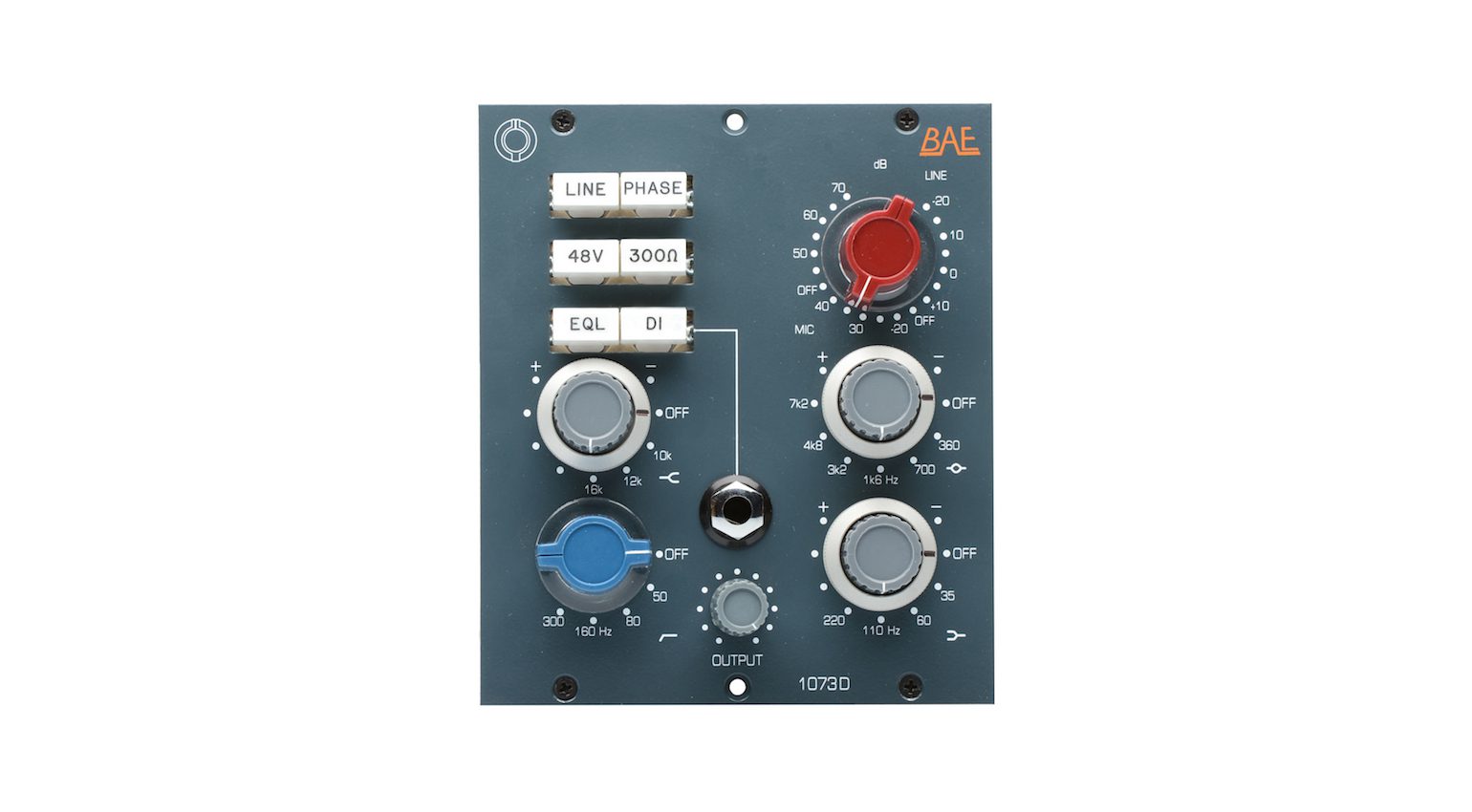
This monster three-space unit has some neat features like the mic impedance switch, which shifts between 1200 and 300 ohms. Just like the original, each of the EQ bands and the high-pass filter can be switched off.
This means you get all the magic and precision of the 1073 EQ for carving signals any which way. Many regard BAE designs like these as the best vintage Neve clones on the market, which makes the 1073D one of the more pricey 500-series modules available.
- More from BAE
Neve 1073 Preamps: Great River MEQ-1NV
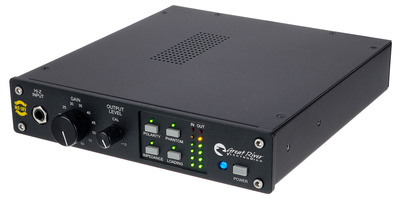
As a manufacturer, Great River Electronics is a true pioneer of modern preamp technology. The tone-centric design approach makes the MEQ-1NV one of the most desired channel strips ever built.
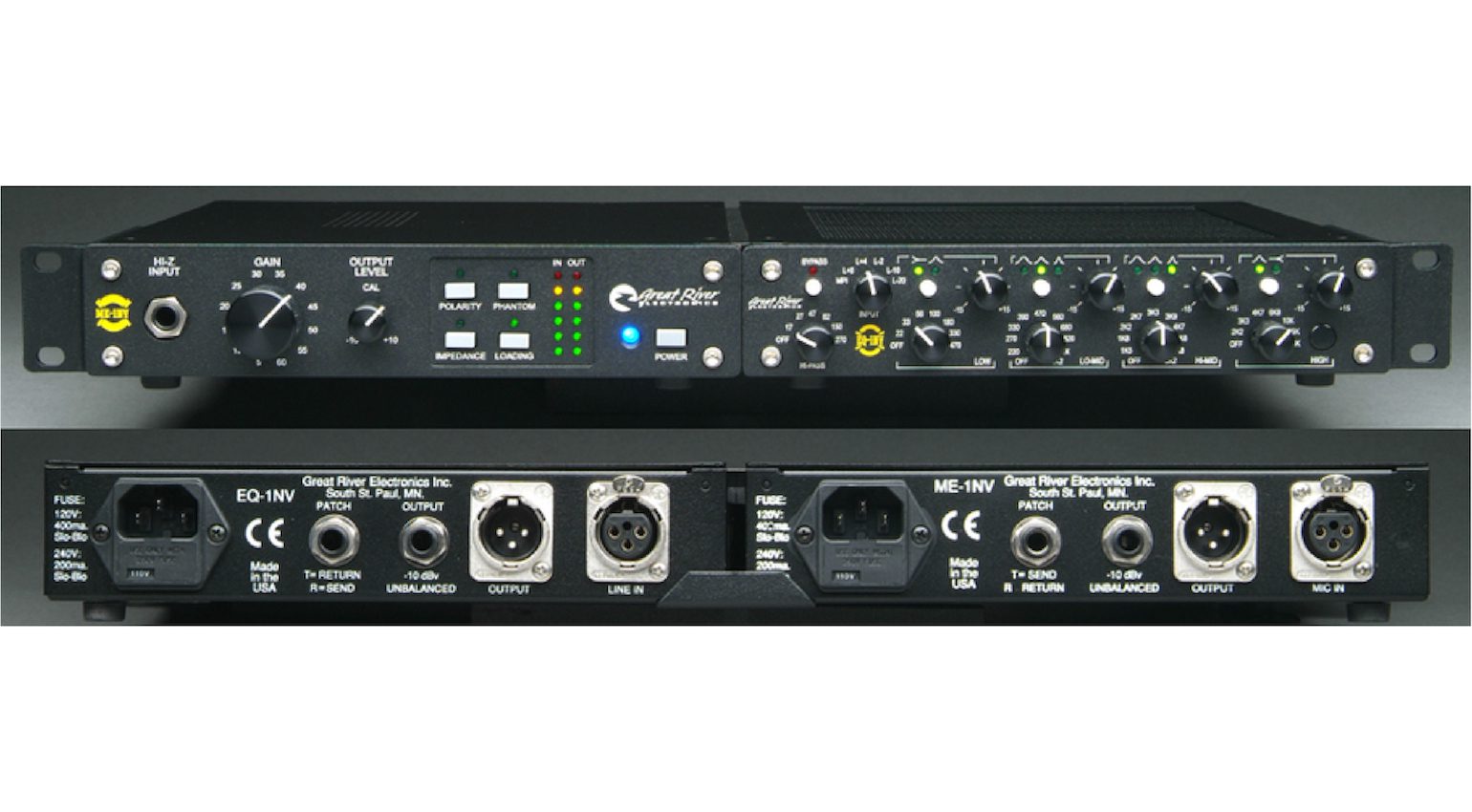
Comprised of two separate units in a 1U rack space, the MEQ-1NV gives you the ME–1NV 1073 modeled preamp and the EQ-1NV four-band EQ, based on the 1081/1084.
Apart from the massive discrete gain, high headroom, and incredibly low-noise floor, the modular design gives you more flexibility. This means you can also buy both units and rack ears separately to fit your spec.
- More from Great River Electronics

Neve 1073 Preamps: Phoenix Audio Ascent Series
Formed in the mid-1990s by specialist console tech Shaun Leveque and ex-Neve designer David Rees, Phoenix Audio brings its own fresh and modern approach to the world of Class-A Neve-influenced designs. The distinctive difference between the Ascent Series preamps and most of the other recreations of the classic 1073 is the transformerless input stage.
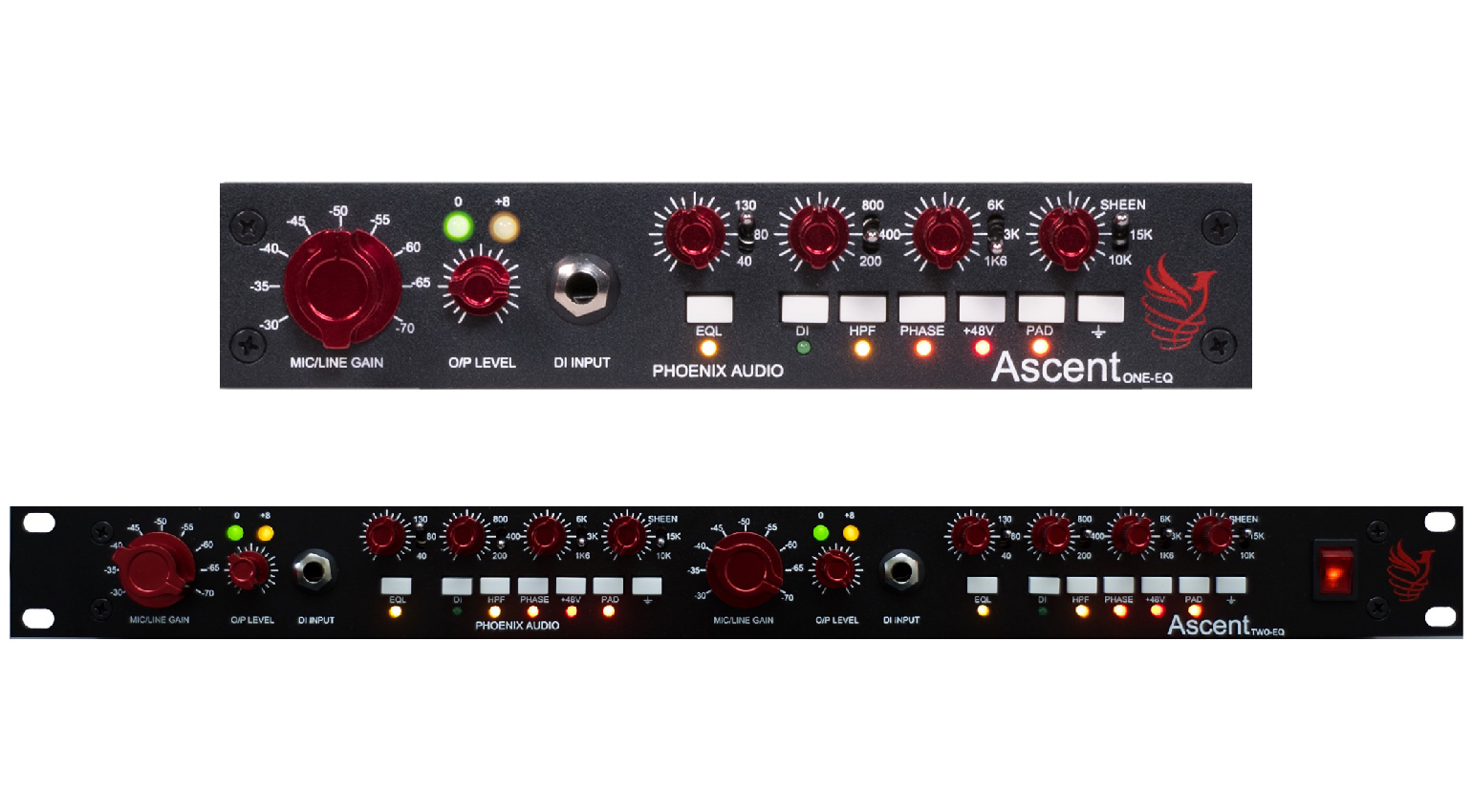
This provides a certain punchy and clean immediacy to the way these units amplify signals, offering highly articulate transient response for detailed vocals, guitars, and drums. However, there is also a custom-wound transformer on the DSOP-2 Class-A output stage, so you can dial in those warmer, saturated tones when you need them.
What’s also interesting is the Ascent Series preamps that feature the 4-band Gyrator EQ. This gives you up to 16 dB of boost or cut range with selectable bands in the lows (40, 80, and 130 Hz), low midrange (200, 400, and 800 Hz), upper midrange (1.6, 3, and 6 kHz), and highs (10, 15, 25 kHz “Sheen”).
Neve 1073 Preamps: Aurora Audio
Founded by former Neve engineer Geoff Tanner, Aurora Audio brings together decades of experience in Class-A design. The idea behind the Aurora Neve-style preamps is to recreate the original 1073 circuitry with the exact transformer specs that Marinair used in the creation of the early Neve consoles.
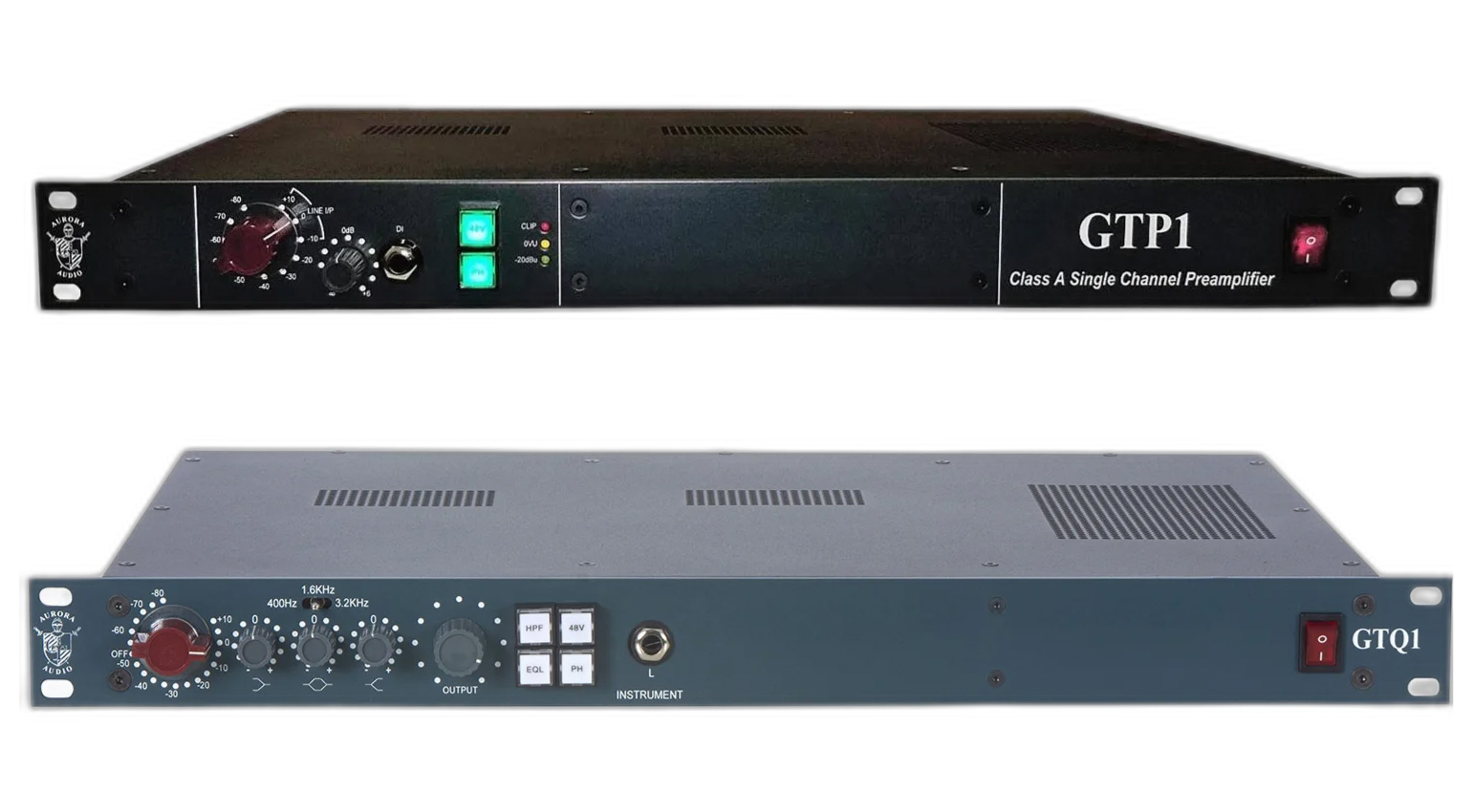
However, Aurora Audio gear is also designed to meet today’s standards, with the lowest possible noise floor and a cleaner, more modern sound. These preamps will make any mic shine, from sensitive condensers to the quietest ribbons, and they give you the same musical inductor EQ curves, but with more precision and without the low-midrange buildup common in vintage designs.
Don’t get the wrong idea though, if you push the gain on these preamps, you’ll induce the same colourful saturation and harmonics as you’d expect from a vintage 1073, so you get the best of both modern and vintage sensibility. In the Aurora range, there are preamp-only options, like the GTP1 (also in 500-series), the GTQ1 with inductor EQ, and the GTQC channel strip with dynamics.
Neve 1073 Preamps: AMS Neve 1073 Range
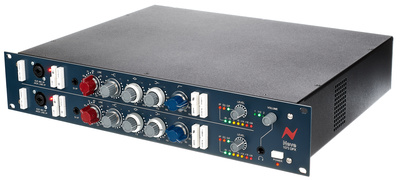
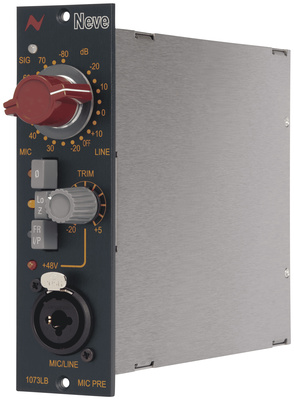
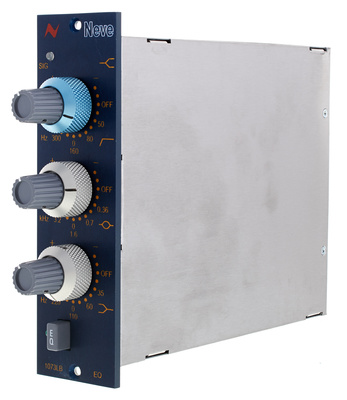
Based in Burnley, UK, AMS Neve is the original company Rupert Neve founded as Neve Electronics in 1961, and later sold in the mid 1970s. Today, the 1073 series is built to the same level of technical excellence as it always has been, with its signature transistor-based gain stages, Marinair transformers, and inductor-based EQs.
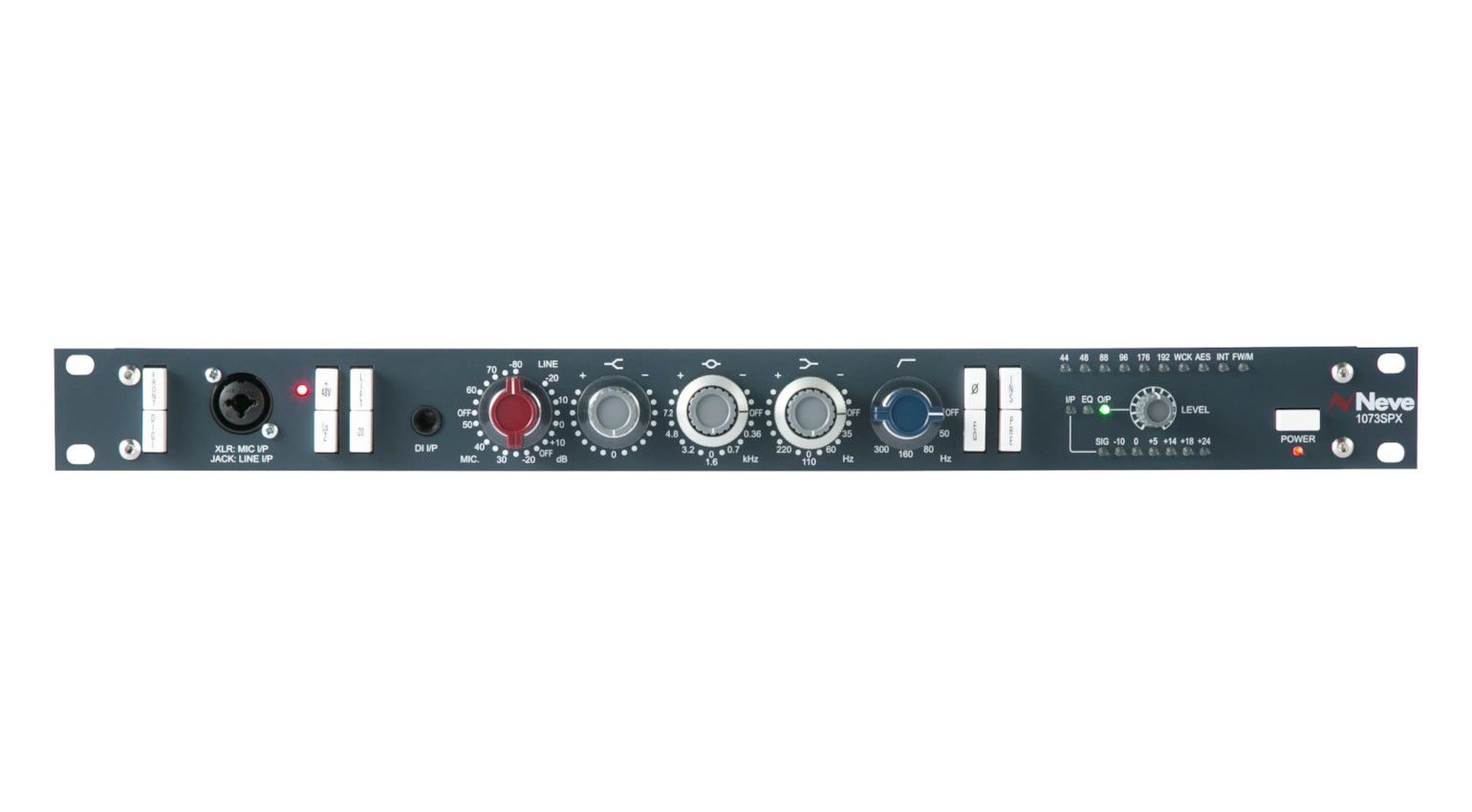
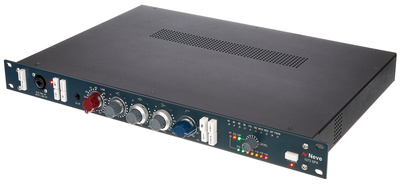
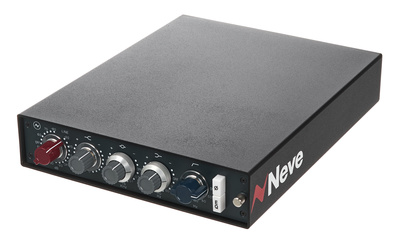
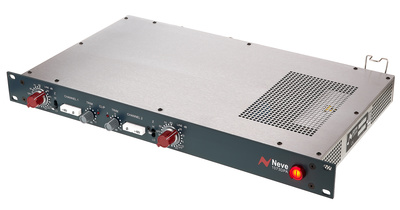
The Neve 1073 is available in almost every format you can think of, from 19-inch rackmount to 500-series and 80-series modules, and you can find versions with or without the inductor EQ section if it’s not necessary for your application. What’s more, Neve has options in the 1073 range with integrated AD/DA conversion stages.
This allows you to incorporate the 1073 into a wide range of professional broadcast, live sound, and studio recording setups, or use it as an audio interface with a classic analogue front end. In addition, the range includes everything from single-channel to 8-channel options, so you can scale your system as big as you require. Get it at Thomann.*

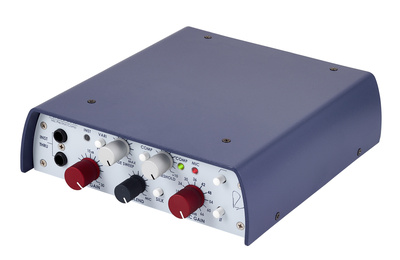
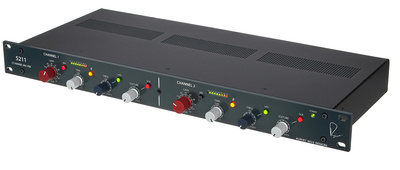
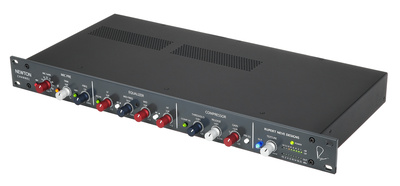
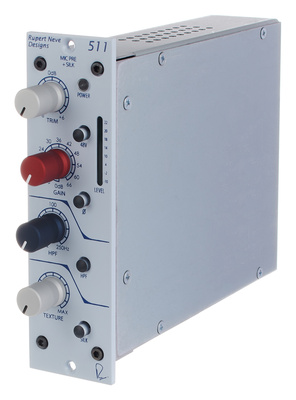
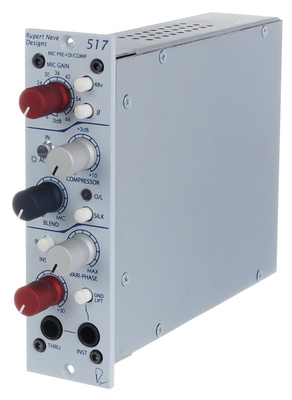
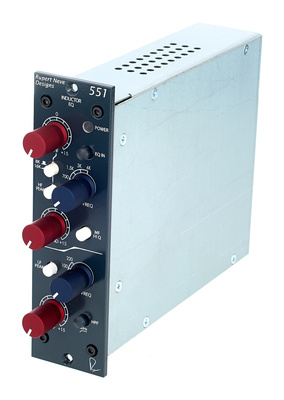
Neve 1073 Preamps: Rupert Neve Designs
In 2005, Rupert and Evelyn Neve partnered with Joshua Thomas to form Rupert Neve Designs, the company that continues this prestigious legacy of audio design innovation. Besides the design philosophy and values, RND is a culmination of all the technological experience Rupert Neve gained throughout his career.
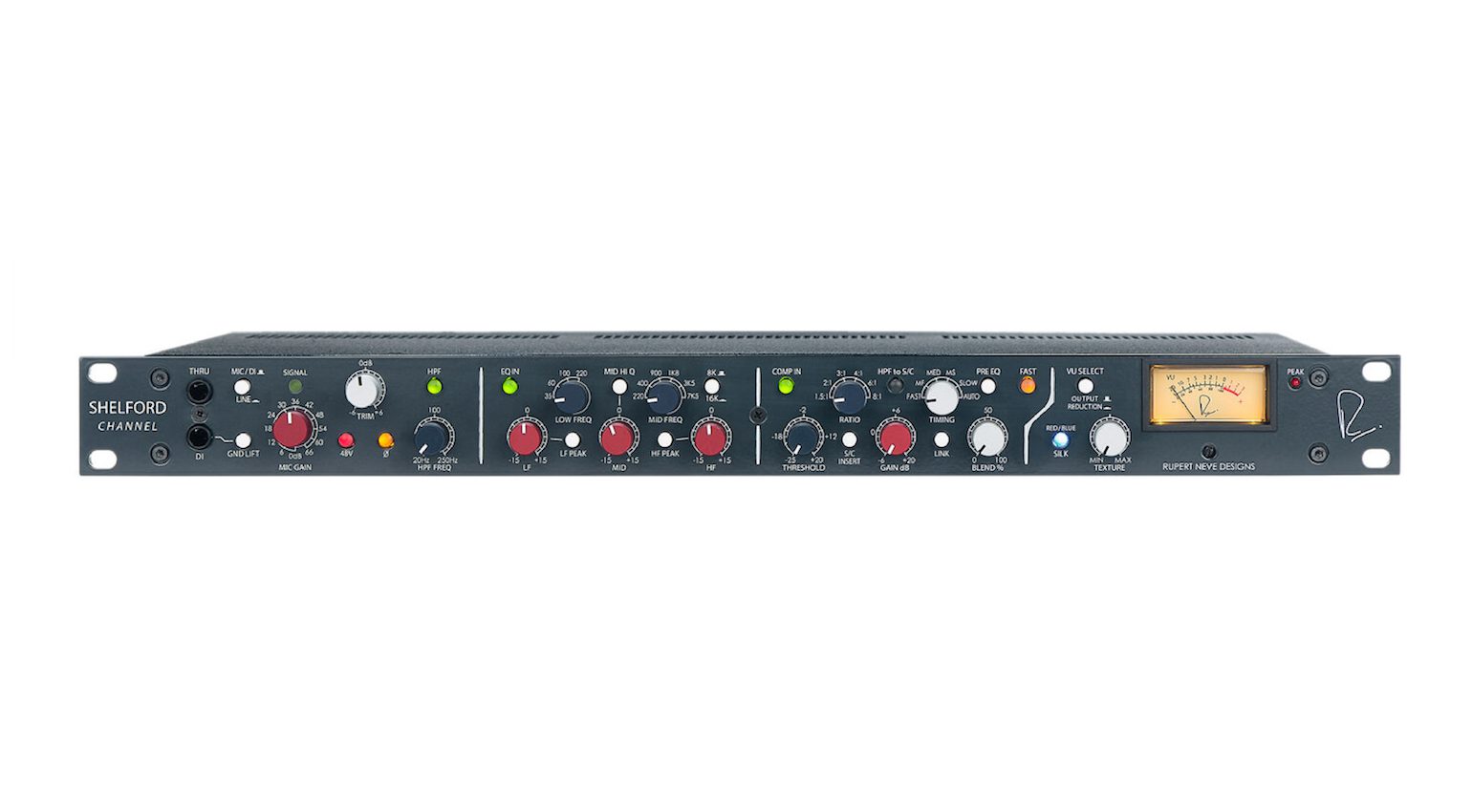
While many other companies are focused on meticulously recreating classic designs, RND is looking to exceed what was previously possible with audio electronics. This means there is an emphasis on expanded bandwidth and headroom for the cleanest, most detailed signal reproduction with modern flexibility.
Naturally, all the hallmarks of the Neve sound are still present, and the unique Silk circuit is implemented in different ways across the RND range. This allows you to access that vintage tone and sweeten harmonics when you need to, while giving you the best options for studio and live sound currently available. Get it at Thomann.*


More about Neve 1073 Preamps:
Videos:
*This post contains affiliate links and/or widgets. When you buy a product via our affiliate partner, we receive a small commission that helps support what we do. Don’t worry, you pay the same price. Thanks for your support!

This might also interest you
4 responses to “Why is the Neve 1073 such a sought-after Mic Preamp?”

I bought and returned the Warm Audio 73, the Heritage 73, and the BA73. I ended up with a Shelford Channel – which uses much higher voltage rails (more headroom than the others in my list) and its versatility and incredible sound is in a class all in its own. It can be surgical, or it can be colorful – or a mixture of both. I ended up getting a second one to have a stereo pair. I can’t recommend these enough. Anything you throw at it (including re-amping DAW things), instantly sounds better. Better = thicker, girthier, more “3d”, etc (forgive the terms but I don’t know how else to describe it). Overtime I think it will become a classic on its own.
Make a full article about Neve 542. I believe it will be the most complete on the internet! 🔥
You forgot about the Avedis MA5
The MA5 is the best sounding Neve 10 series preamp that ever was. It’s what top professional engineers are using today in place of the original Neve 80 series consoles, for recording.
All of the preamps in your article are lesser quality clones of Neve 1073 modules and yet none of them sound better than an original module powered correctly with the right amount of voltage.
I’ve worked on many records on original Neve 80 series consoles.
I’ve A/B all these clone modules against original Neve 80 series consoles.
Everything from Brent Averill, Vintech Audio, Dan Alexander, Chandler LTD-1, Great River, Aurora Audio, AMS-Neve, AML, Chameleon Labs, Heritage Audio, Warm Audio, and… **Behringer** ??
First of all, the AMS Neve modules are just as much clones as any of the others. They don’t sound like an 80 series console, especially the non-handwired modules. AMS uses Carnhill transformers which do not have the tone of the original Marinair transformers.
Geoff Tanner is the only Neve tech who has access to original Marinair transformers built by the same people who built them for Neve in England, but just like the original Neve 80 series consoles, the Aurora Audio gear is difficult to maintain and you really need to have an on-site studio Tech to keep them going because Aurora Audio doesn’t offer customer support unless you live in California and can drop it off in person and you know where their wotkshop is. Some of the top studios in California use the Aurora Audio gear and have a personal relationship with Geoff do they get their stuff serviced but for anybody else out there, you better have your own Tech. These are the closest thing to the original Neve sound that you’re going to find on the market today besides the Avedis MA5.
Avedis worked for Geoff Tanner for many years repairing original Neve consoles and building custom modules for customers. Avedis also worked for Brent Averill and has designed BAE’s best module and power supply system.
Not only is Avedis the world’s top Neve expert after repairing most of the 80 series Neve consoles in the United States and abroad, but he also has the best set of ears and he’s younger than Geoff and will have many more years of productivity.
If you want the best Neve 80 series sound, get an Avedis MA5 because it sounds superior to all these clones that were made by companies that have never even looked inside of a real Neve 80 series console and to make matters worse… these companies all start out their design process with production cost limitations already in place and profit margins in mind.
Not Avedis
Avedis started out with a no compromises approach to his MA5 design and had his transformers custom wound after analyzing piles of original Marinair transformers pulled from old Neve desks. all these clone companies use OEM Chinese Transformers from companies like Altran and other inferior transformers from Carnhill, Reichenbach and Sowter that don’t produce the real Neve 80 series console sound.
What Avedis figured out is that the biggest ingredient to the real Neve sound is in the transformers and that if he can’t get his hands on the original Marinair transformers, then he’s going to have the original Marinair transformers recreated to exact specifications using the exact same materials. Thanks to Avedis, the real Neve sound lives on.
Rupert Neve himself was not the designer of any of the 80 series consoles. the engineers at Neve UK collaborated on the design of these consoles and Geoff Tanner and Avedis are the only living persons who have the original schematics, with correction notes added to them. Other schematics floating around online are incorrect and are earlier versions that didn’t have the corrections added to them. All of the Neve Clone companies including Rupert Neve Designs are basing their clones on those incorrect schematics which is why all of their products sound nothing remotely like original Neve 80 series consoles.
I have tried the RND Shelford Channel and it sounds spectacular but it doesn’t sound like an original 80 series Neve console. The best thing that RND has created is their DI box. That DI box sounds incredible in front of the AVEDIS MA5 and yes… better than the Shelford Channel.
The AMS Neve hand wired modules sound closer to the original Neve 10 series console modules than anything from RND, BAE, Heritage, Vintech, Great River, Warm, Behringer but they don’t sound as close as the Avedis MA5 or the Aurora Audio GTQ2.
The AML 1073 module is close in sound to the AMS NEVE hardwired 1073.
So here’s the proper ranking from best to worst:
1. Avedis MA5
2. Aurora Audio GTQ2
3. AMS Neve 1084 / 1073 hardwired
4. AML EZ 1073
5. BAE 1073 / 1084
6. RND Shelford Channel
7. Heritage Audio 1073
8. Vintech Audio X73
None of the other products sound anything like or in any way similar to a Neve 80 series console preamp or EQ.
Putting 1073 on something doesn’t change the fact it’s a crappily designed and assembled “clone” – you pick which ones.