Warm Audio: How One Frustrated Musician Built a Global Studio Gear Brand – Behind the Scenes
Inside the World of Warm Audio

 5,0 / 5,0 |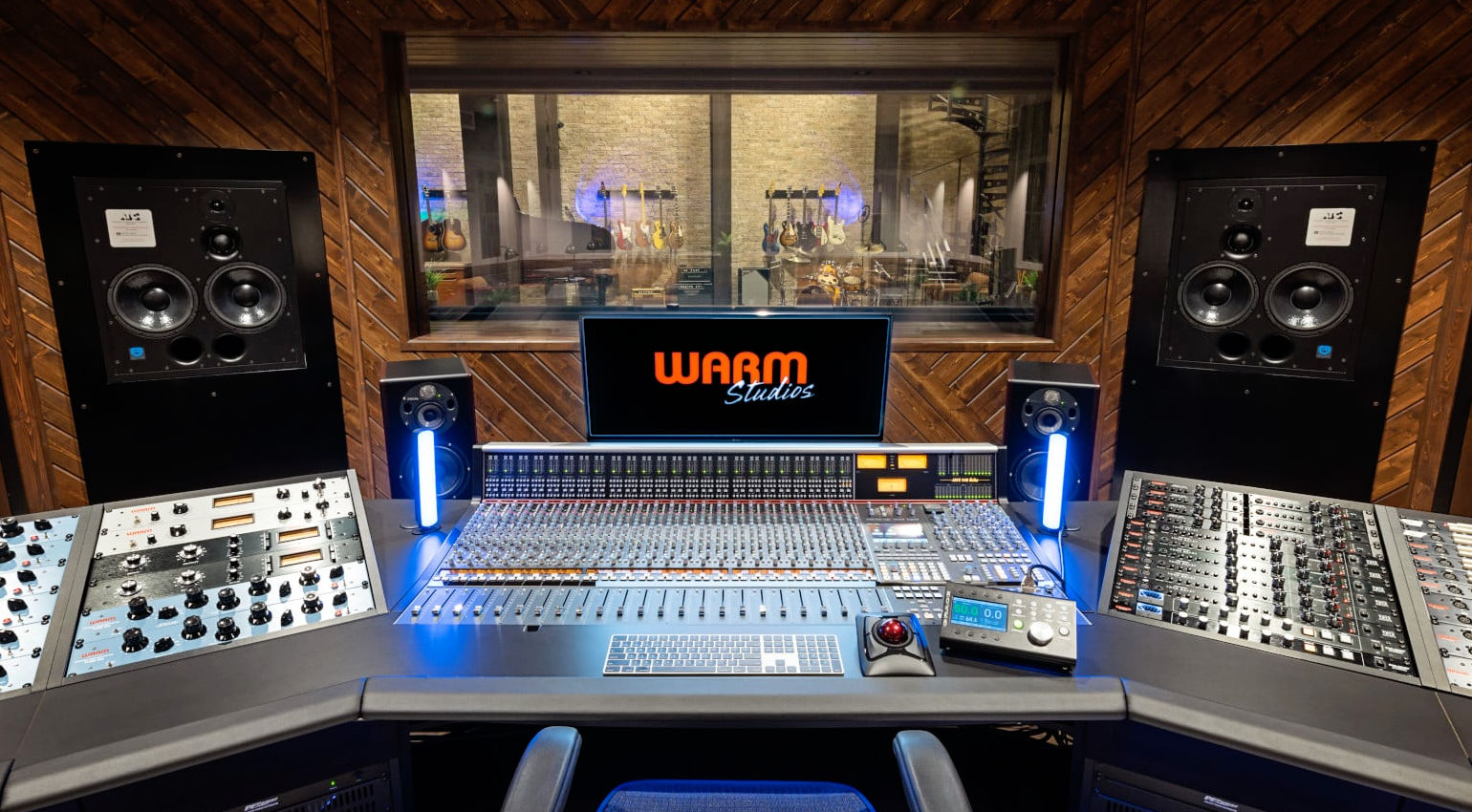
Warm Audio: How One Frustrated Musician Built a Global Studio Gear Brand - Behind the Scenes · Source: Warm Audio

The story of Warm Audio does not begin with a large company or a perfectly equipped studio. It begins with frustration. In the late 1990s musician Bryce Young tried to record his band and quickly realized that professional studio sound was still out of reach for many musicians. Instead of accepting that limitation, he started opening studio equipment, studying components, and rebuilding circuits to understand how great recordings were actually made. What began as curiosity slowly turned into a vision. High quality studio hardware should not be reserved only for large studios but also be accessible to smaller production environments. This behind-the-scenes article explores how that idea eventually grew into the Warm Audio brand known today.
Key Facts
- Warm Audio was founded in 2011 in Texas by musician Bryce Young
- The goal was to make classic studio hardware affordable for smaller studios
- Many devices use high quality components such as CineMag or Carnhill transformers
- The company tests every device in its Austin headquarters
- Between 80,000 and 100,000 devices pass through quality control each year
- WA now produces microphones, preamps, compressors, equalizers, and effects
- The brand increasingly develops its own designs alongside classic recreations
Inside Warm Audio: From Garage Project to Global Studio Gear Brand
How Warm Audio Made Classic Studio Gear More Affordable
Warm Audio is a studio equipment manufacturer founded in Texas in 2011 by musician Bryce Young. At that time there were very few affordable alternatives to legendary studio hardware. Devices such as the 1176 compressor, the LA-2A, and classic Pultec equalizers were considered almost unreachable benchmarks for many musicians. WA set out to change this situation by building affordable versions of classic studio gear while still using high-quality components. This approach still defines the company today. Instead of reducing component quality, Warm Audio relies on established manufacturers and larger production volumes.

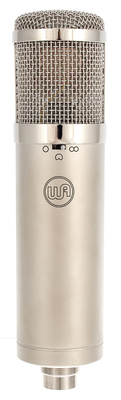

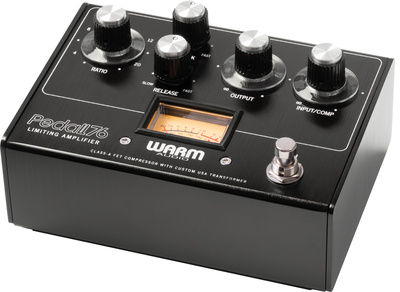
This strategy shapes the entire product development process. Transformers from companies such as CineMag and Carnhill, along with selected tubes and other components, form the basis of many Warm Audio devices. Larger production volumes reduce manufacturing costs while the sound quality remains intact. Within only a few years this principle helped establish WA as a well-known name in the pro audio and recording industry. Many musicians and engineers appreciate the opportunity to use classic studio circuits through the company’s gear at a much lower price.
Inside the Warm Audio Studio Where New Gear Gets Tested
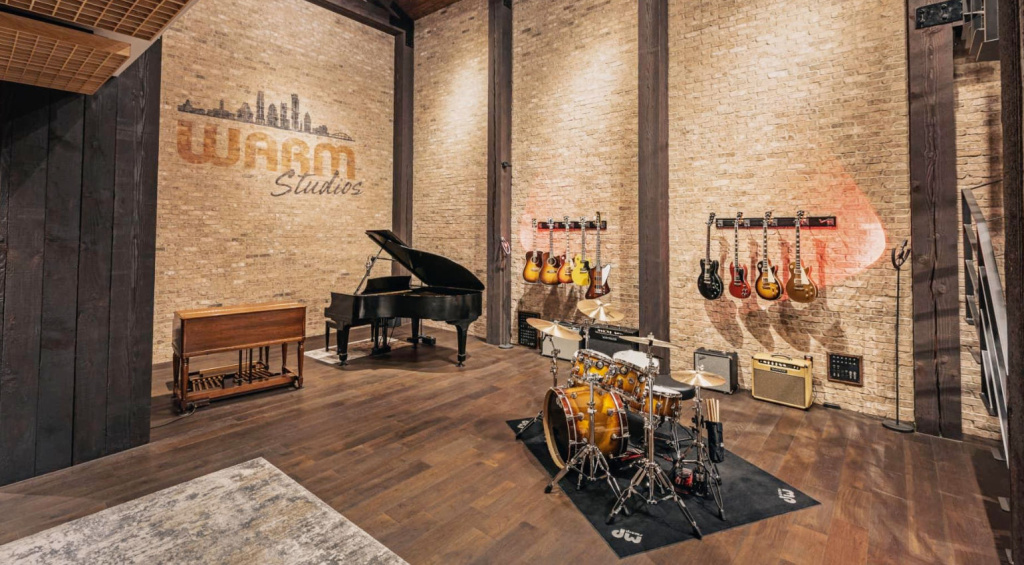
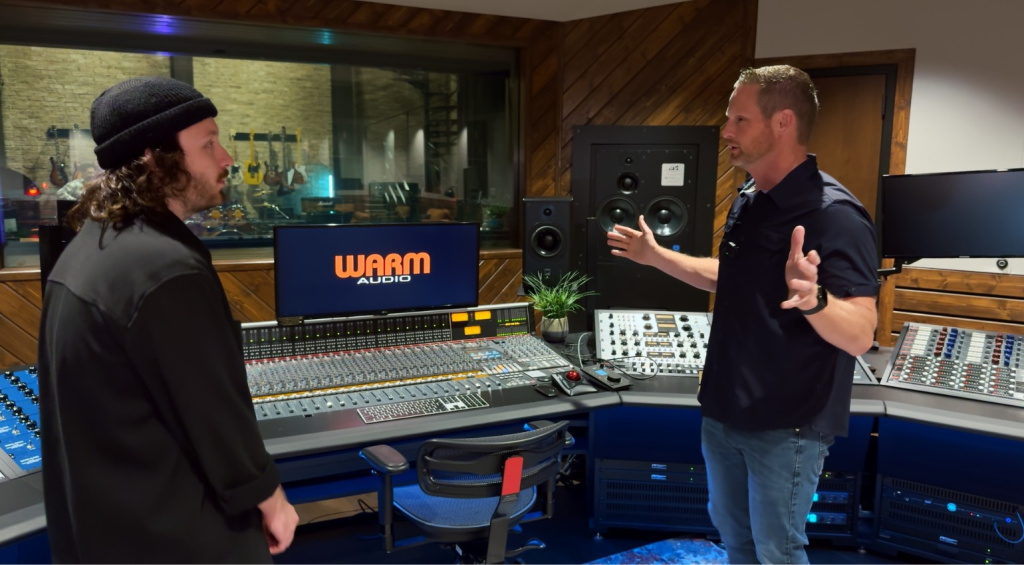
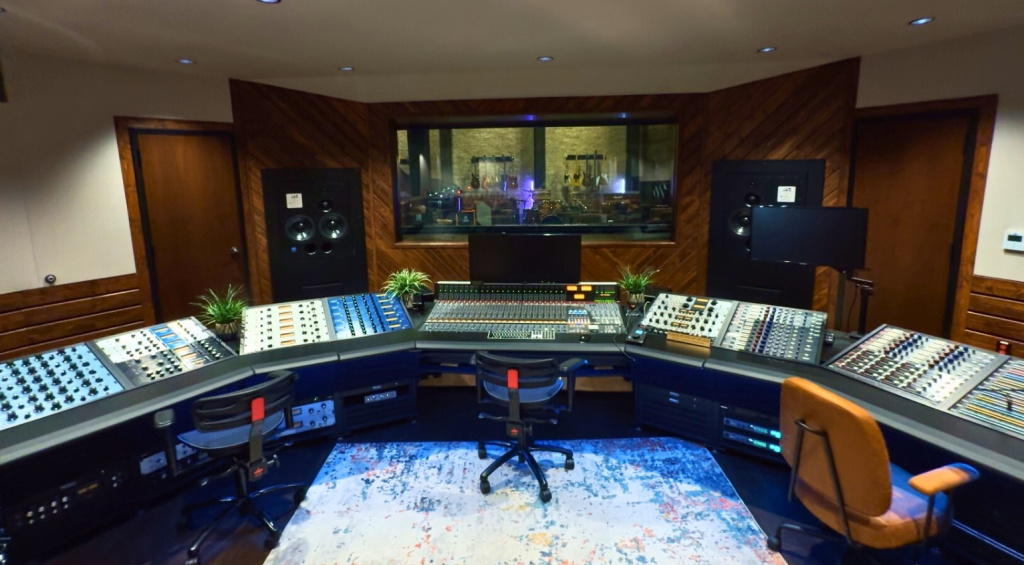
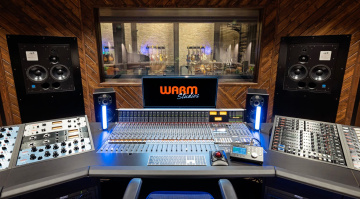
Walking through the Warm Audio headquarters in Austin quickly reveals that this is more than just an office building. Behind the desks and development rooms sits a fully equipped recording studio where ideas immediately turn into sound. The main live room feels almost cathedral-like with its open architecture and carefully designed acoustics. Musicians rehearse, engineers test new gear, and prototypes are pushed through real recording sessions. Product development and music therefore happen in the same space, often at the same moment.
This studio complex serves several purposes. Warm Audio tests its own products here under real production conditions. At the same time professional bands and ensembles use the rooms for recordings. This creates a direct connection between product development and practical use. New microphones, preamps, and compressors can be evaluated immediately within a musical context. The interaction between engineering and music therefore plays an important role in the company culture.

Classic Instruments Inside the Warm Audio Studio
The equipment inside the studio reflects this philosophy as well. Alongside many devices from the Warm Audio portfolio you also find classic instruments that appear in countless productions. The permanent setup includes a Hammond B3 with Leslie, a Yamaha grand piano, and a Fender Rhodes. These instruments provide authentic sound sources for demonstrations, recordings, and video productions. The studio therefore becomes a creative environment where technology and musical inspiration meet.
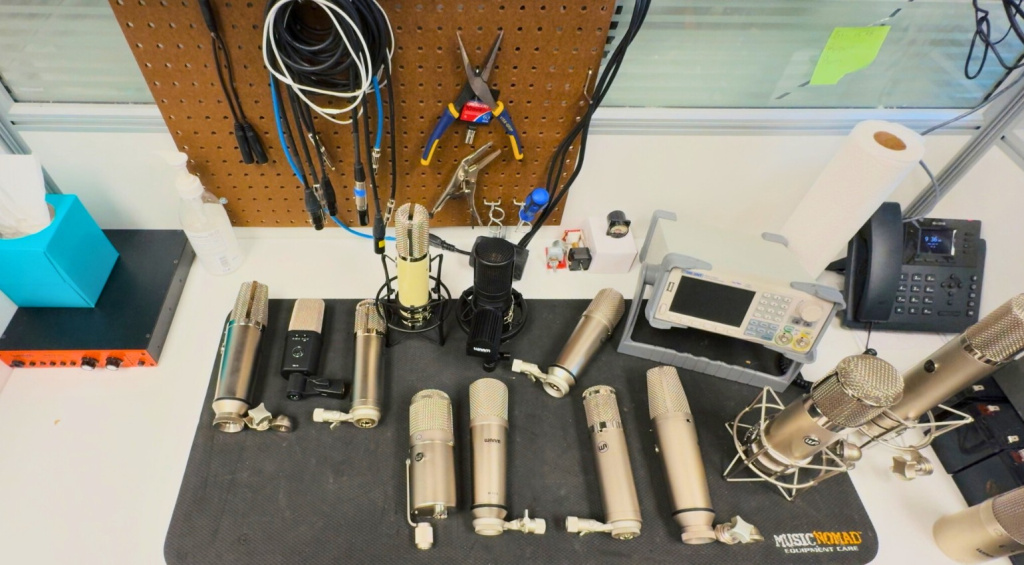

The tour of the facility continues with the quality control department. Here another key element of the Warm Audio philosophy becomes visible. Every product goes through several stages of quality control, including technical measurements and careful listening tests before leaving the facility. Only when both evaluations meet the expected standards does the product leave quality control. Each year between 80,000 and 100,000 WA devices pass through this quality control process.
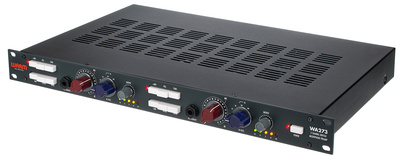
Quality Control: How Warm Audio Tests Every Device
Many of these products are assembled outside the United States. Nevertheless Warm Audio inspects every device internally before shipment. This procedure ensures consistent and traceable quality. For a company operating at this scale the process represents a considerable effort. At the same time it demonstrates how seriously WA takes the balance between affordability and sound quality.
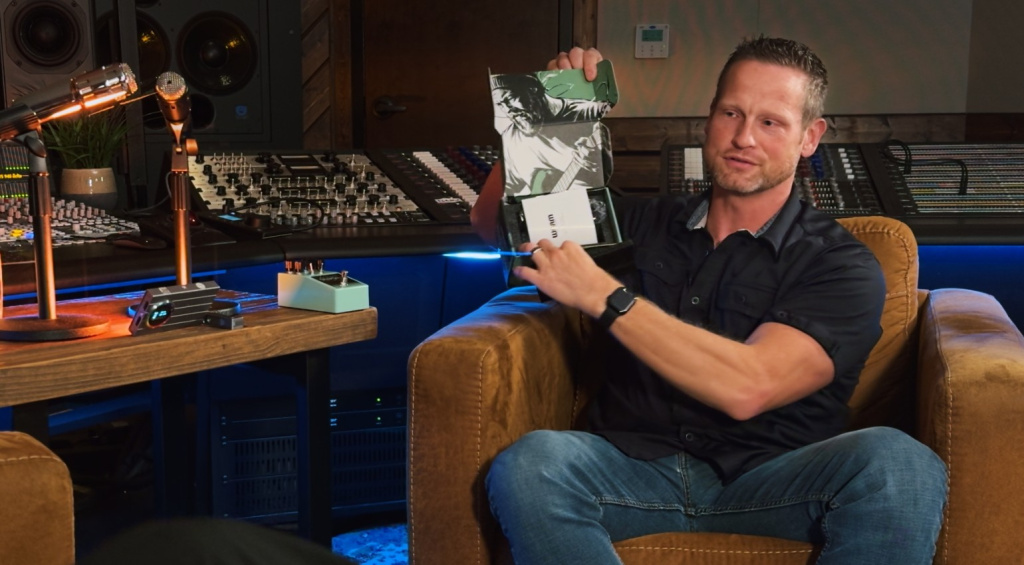
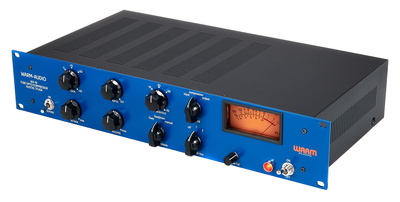
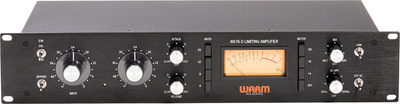
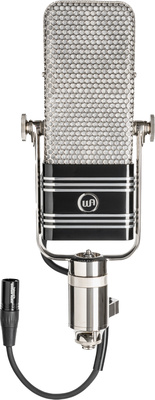
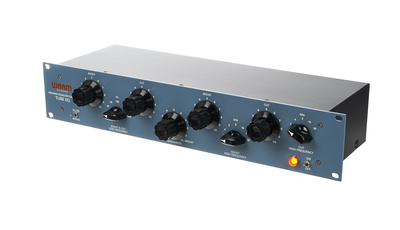
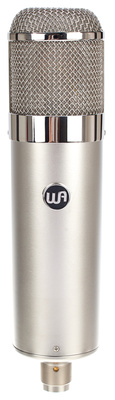
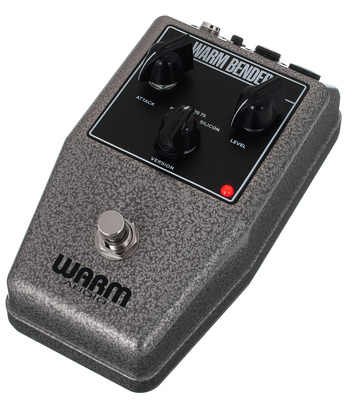
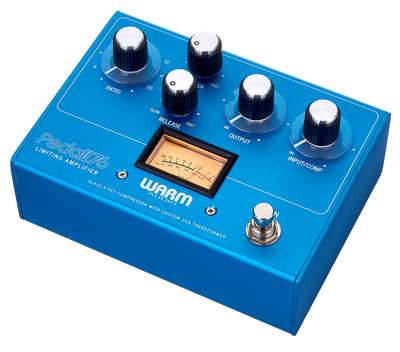
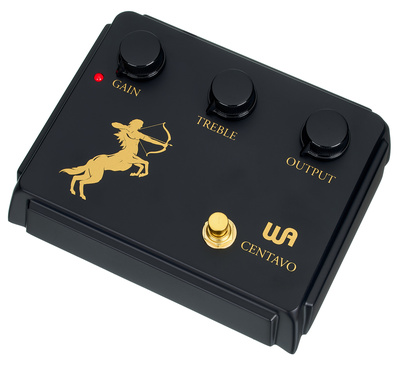
Today Warm Audio produces microphones*, preamps*, compressors*, equalizers*, and other professional recording equipment used in studios around the world. The portfolio also includes DI boxes* and effects devices*. Many products reinterpret historical studio designs, but the company increasingly develops its own concepts as well. Devices such as the Tone Beast preamp* show that WA is moving beyond recreating classics and exploring original ideas.
The Future of Warm Audio
This direction may become even more important in the future. In our Interview founder Bryce Young has already hinted that additional independent designs are currently being developed. Warm Audio is gradually expanding its position within the market. While the brand is still closely associated with classic studio circuits, it is slowly forming its own identity.
A look behind the scenes at Warm Audio reveals far more than a gear manufacturer. The company grew out of one musician’s determination to understand why great recordings sounded the way they did. That curiosity eventually became a mission: make professional studio sound accessible to more musicians. Today WA represents a generation of studio devices that bring classic recording aesthetics into modern production environments. For many producers this means something simple but powerful: the sound of legendary studios is no longer reserved for a small circle of professionals.
More Information
*Note: This review contains affiliate links that help support our site. The price remains the same for you. If you purchase through these links, we may receive a small commission. Thank you for supporting our work.

This might also interest you