This Is the Gear Legends Use: William Orbit and the Sound Behind “Ray of Light”
How One Producer Reshaped 90s Pop With a Juno-106 and a Handful of Effects

 5,0 / 5,0 |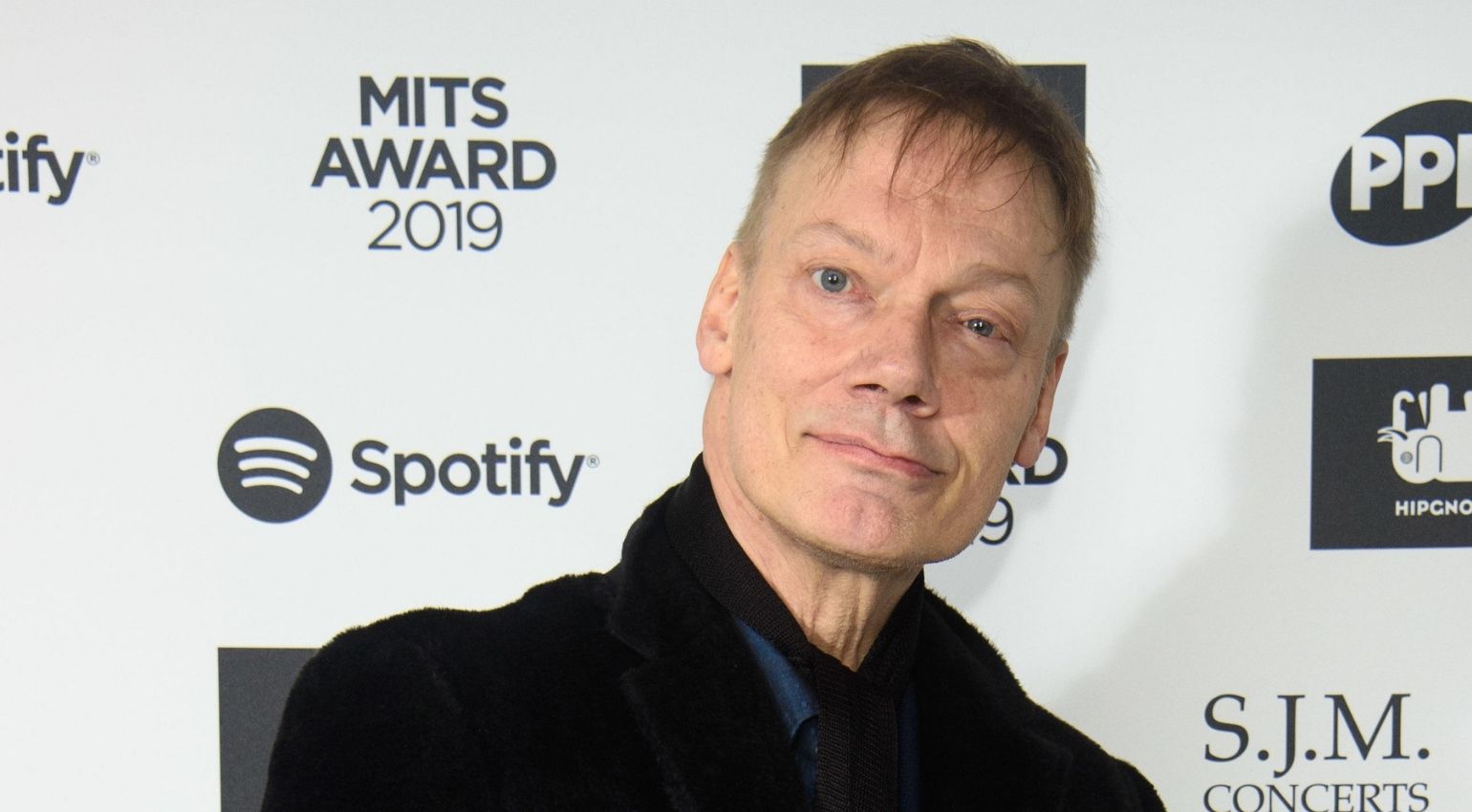
This Is the Gear Legends Use: William Orbit and the Sound Behind "Ray of Light" · Source: PA Images / Alamy

William Orbit passed away at his home in London on July 23, 2026, at the age of 69. With only three synthesizers, a Korg MS-20, a Roland Juno-106, a Roland JD-800, he created the epoch-making work Luminous, which pushed electronic music into the pop mainstream. While the term “legend” is overused today, he is the only person who truly deserves this title.
William Orbit at a Glance
- Kept a stripped-down, improvised setup right through his final sessions
- William Orbit, born William Mark Wainwright, died July 23, 2026, at age 69 at his home in London
- Won multiple Grammy Awards, including for Madonna’s “Ray of Light” (1998)
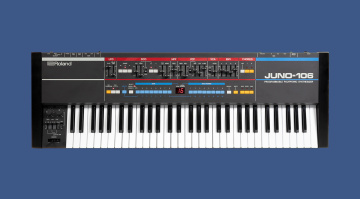
- Core studio gear for decades: Korg MS-20, Roland Juno-106, Roland JD-800
- Signature bass and delay chain: Juno-106 into a Drawmer compressor into a Korg SDD delay, timed in milliseconds instead of tempo sync
- Produced for Blur, Prince, Britney Spears, U2, and Pink
- Co-founded Torch Song in 1980, later ran his own label, Guerilla Records
- Last studio album “The Painter” came out in 2022, “WFO” followed in 2024
William Orbit: His Life, Career, and the Machines Behind His Sound
From Busker to the Most In-Demand Sound Designer of the 90s
He was born December 15, 1956, in London, and grew up in Palmers Green as the son of two schoolteachers. School wasn’t for him. He left at 16 and drifted through odd jobs for a while, busking around London and Paris and slowly getting better at guitar along the way. Eventually he landed a jazz guitar gig at the Kings Head pub in Islington, which sounds almost too on-the-nose for how his career would later unfold.
The actual door into studio work opened at Basing Street Studios on Portobello Road. He worked there as an assistant and learned, from the inside, how a session actually gets built. Not from a manual. From watching it happen.
In 1980 he formed Torch Song with Laurie Mayer and Grant Gilbert. Cassette releases first, then a deal with IRS Records. At the same time, he was quietly earning a reputation producing other artists out of his own 24-track room, Guerilla Studios. Who came through that door is a bit of a wild list on its own: Cocteau Twins, Gary Numan, Sting, even Ricky Gervais. By 1990 the studio had grown into a label of its own, Guerilla Records.
There’s a pattern here that shows up early and never really leaves. Orbit didn’t stockpile gear. He picked a few machines and learned them properly, down to the quirks nobody else bothered to explore. It’s the exact habit that made him one of the most in-demand producers in pop within a decade.
Not Much Gear, Huge Sound: Orbit’s Studio Philosophy
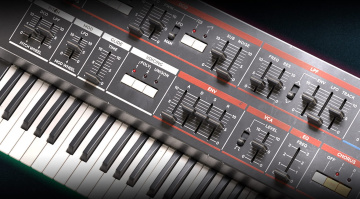
Ask most producers with a résumé like his what’s in the rack and you’ll get an inventory. Orbit gave a different answer in one of his most-quoted interviews about the “Ray of Light” sessions. Not much gear, he said. Mostly retro. A Korg MS-20, a Roland Juno-106, a Roland JD-800. Most of the album, by his own account, came out of that one Juno.
The MS-20 did more than the obvious synth work too. Some of the sharper, almost guitar-like textures on the record actually came from that synth, and most people listening never realized it. He rounded things out with a Yamaha DX7, a Novation Bass Station, a Roland JP-8000, and a handful of odd modules nobody remembers the names of anymore.
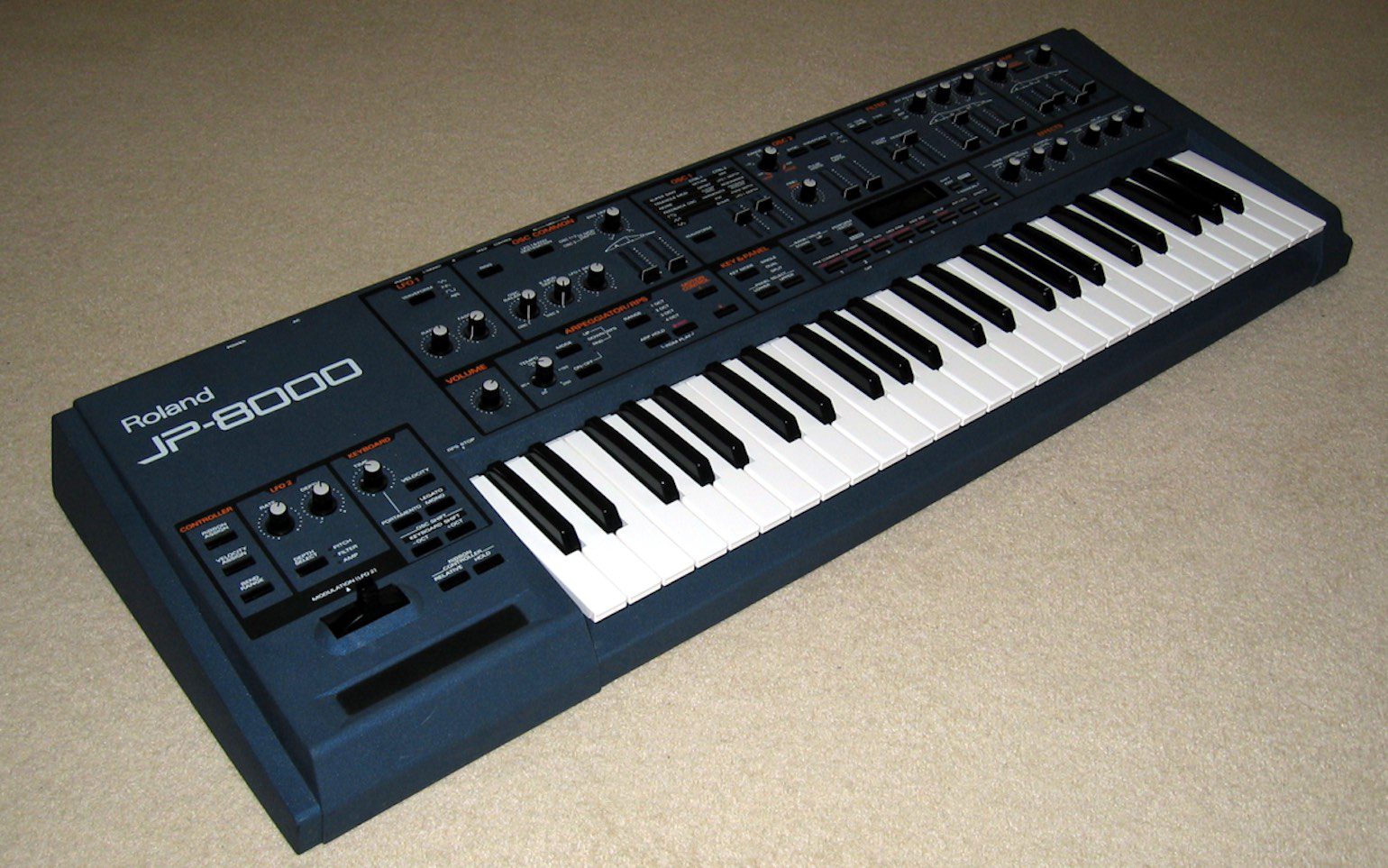
Roland gear kept turning up throughout his career, and that wasn’t an accident. Years after his first big interview in 1991, he was still using the same Klark Teknik EQ, the same Roland Dimension D, the same Trident 80B desk. No upgrades for the sake of upgrading. If something worked, it stayed. He’d rather squeeze more out of a familiar tool than start over with something new and unfamiliar every time a session began.
The Millisecond Method: William Orbit’s Signature Sound
This is the part that actually explains how his brain worked. On MusicTech’s “My Forever Studio” podcast, he walked through his go-to production chain in detail: a Roland Juno-106 running into an old Drawmer compressor, feeding a Korg SDD delay. But here’s the detail that matters. He set the delay time in milliseconds, not in the tempo-synced values everyone defaults to now. A dotted quarter note, roughly one and a half beats. At 120 BPM, that lands around 375 milliseconds.
Why does that matter so much? Because it’s precision aimed at sounding effortless. You hear it clearest in “Water From A Vine Leaf,” where the whole trick sits exposed right there in the intro.
His approach to reverb followed the same logic. One box, a Lexicon PCM 70, carried him through “Ray of Light” and through work with Blur, Caroline Lavelle, Beth Orton, and Melanie C. He compared reverb to tasting a dish while cooking it, a little goes further than people think, and you don’t need six different units doing the same job.
The tracking process itself sounds almost chaotic by comparison. Sounds went to tape in an ad-lib style, gear running live in the room like a performance rather than a session. He’d go back afterward, comb through the tape, and pull the strongest moments into a sampler to keep shaping. Simple idea. Not remotely simple in practice once the editing started.
From the Tape Archive to Pro Tools: William Orbit’s Later Years
Limitation kept shaping his work well into his later career. In one of his last major interviews, with MusicRadar, he explained that he’d recorded almost entirely to multitrack tape between 1983 and 1997. Pro Tools didn’t enter the picture until the Madonna sessions came around. Fourteen years of tape adds up fast: roughly 110 two-inch reels, all eventually digitized into one enormous archive.
He later mined that archive for new material, pulling old textures out and reworking them almost like presets from his own past.
When asked whether he’d leaned on a lot of vintage gear for his comeback record, his answer wasn’t what you’d expect. He said he had a lockup full of synths sitting mostly unused, most of them lent out to other people because nobody was touching them. Even a producer at his level wasn’t hoarding equipment out of habit. He used what a session actually needed and left the rest alone.
His final studio was in Venice, right on Campo San Polo, with a back door he claimed was reachable only by gondola. Whether that’s exact truth or a good story, it fits him either way. “The Painter” came out in 2022. “WFO” followed in 2024. And the method underneath both records never really changed.
His Legacy: Pop With an Electronic Soul
Electronic music doesn’t need volume to reach people. “Ray of Light” is the clearest proof of that. Ambient textures and trance elements got woven into pop songwriting so carefully that millions of listeners absorbed the electronic DNA without ever registering it as electronic at all.
Look at the client list and the range gets almost absurd. Blur. Prince. Britney Spears. Pink. Somehow his fingerprint survived every single one of those collaborations intact.
There’s a real lesson in here for producers working with limited gear today. Owning more was never the goal for William Orbit. Understanding less, more deeply, always was. If you’re prone to Gear Acquisition Syndrome, this one probably stings a little.
DIY: Build Your Own William Orbit Setup
Starter Setup: “Retro Pop Basics”
Who it’s for: Producers and songwriters chasing that warm, slightly gritty 90s synth sound who aren’t ready to gamble on a used vintage original just yet.
Recommended gear:
- Behringer K-2 MKII (Korg MS-20 clone)
- Behringer JN-80 (Roland Juno-6/60 clone, tonally close to the Juno-106)
- Behringer JT-4000M Micro (JP-8000-inspired hybrid synth)



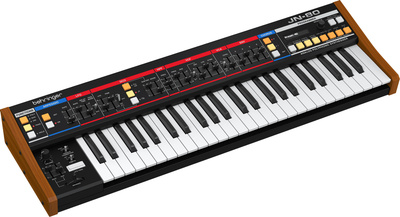
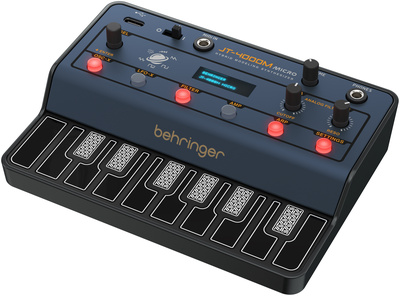
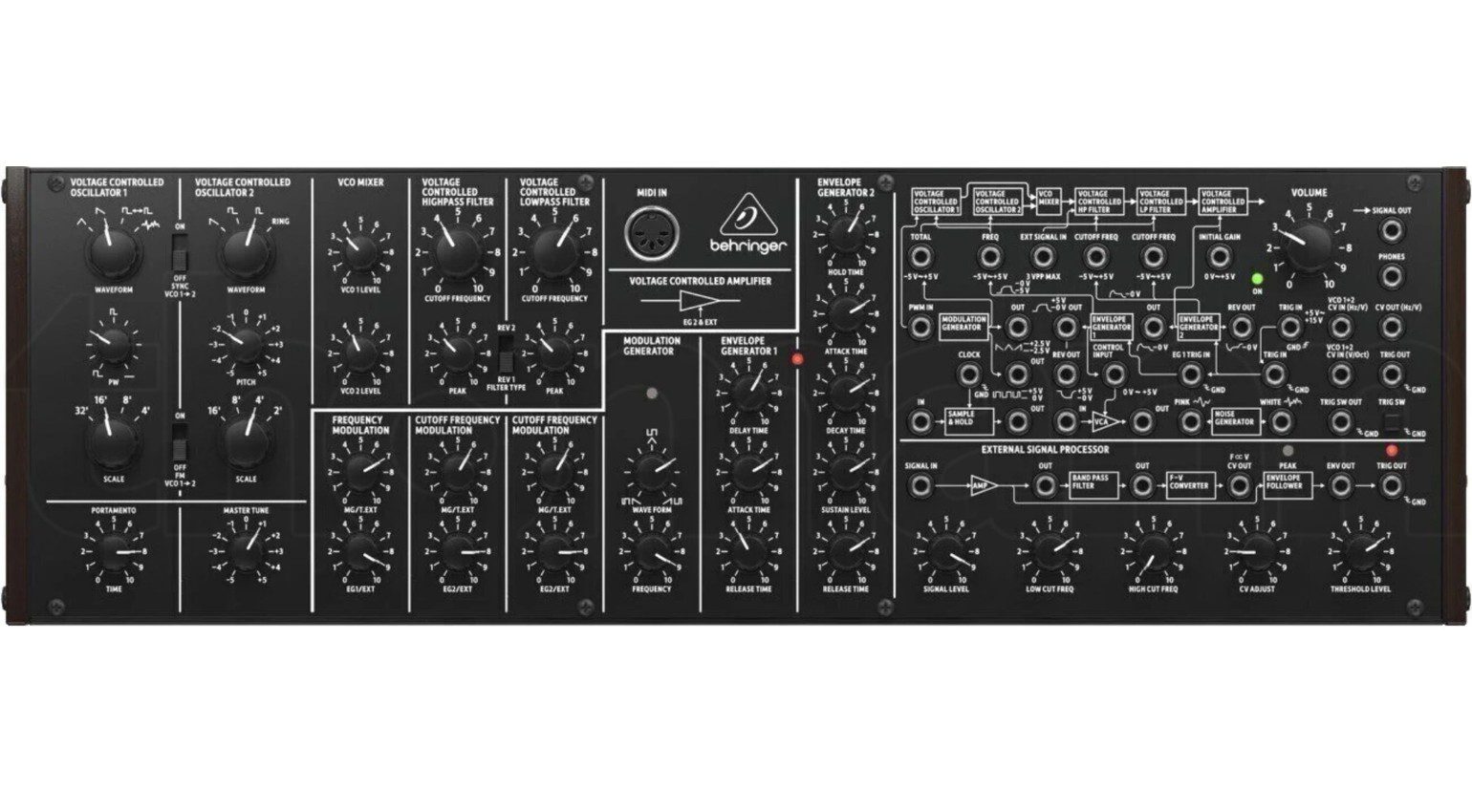

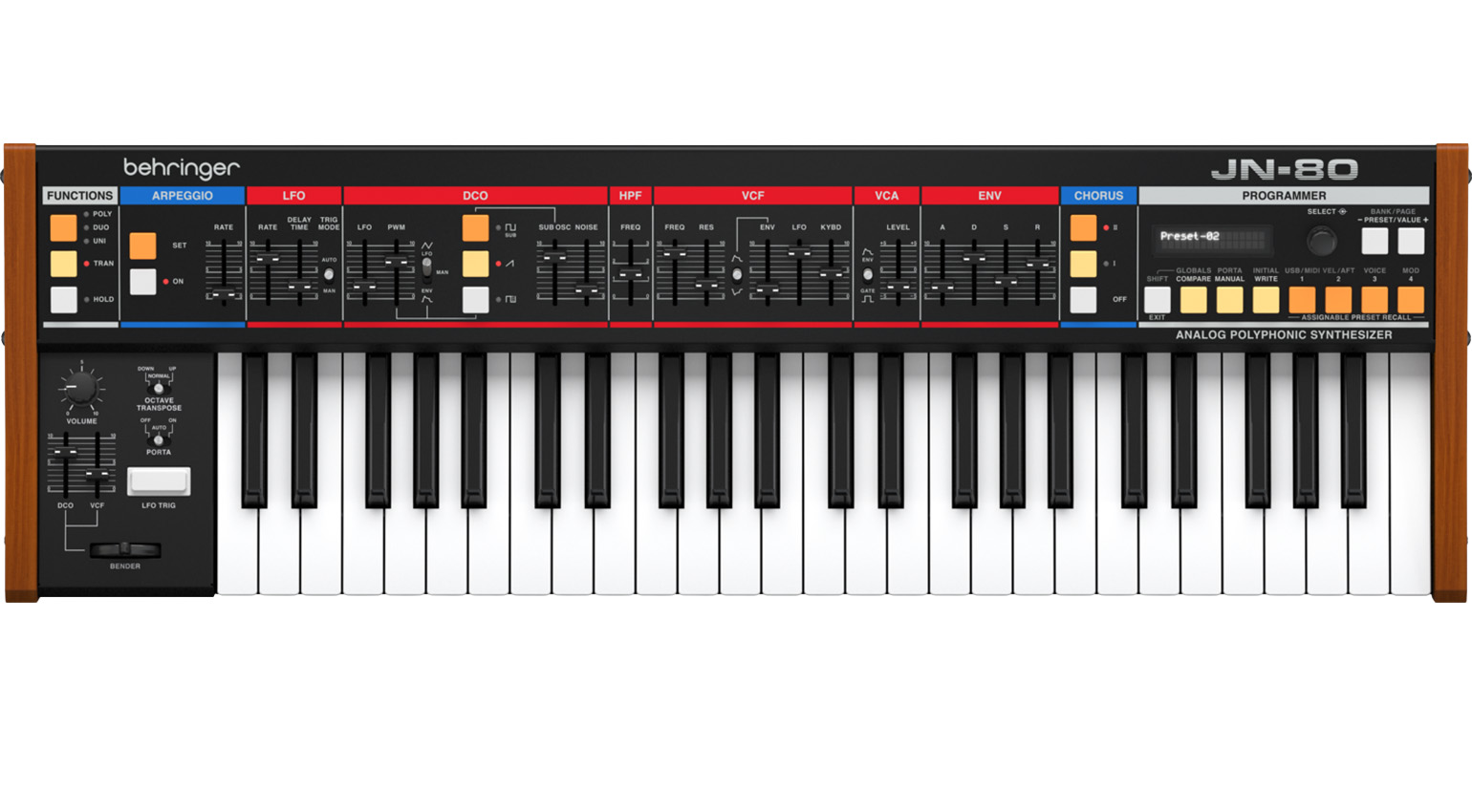
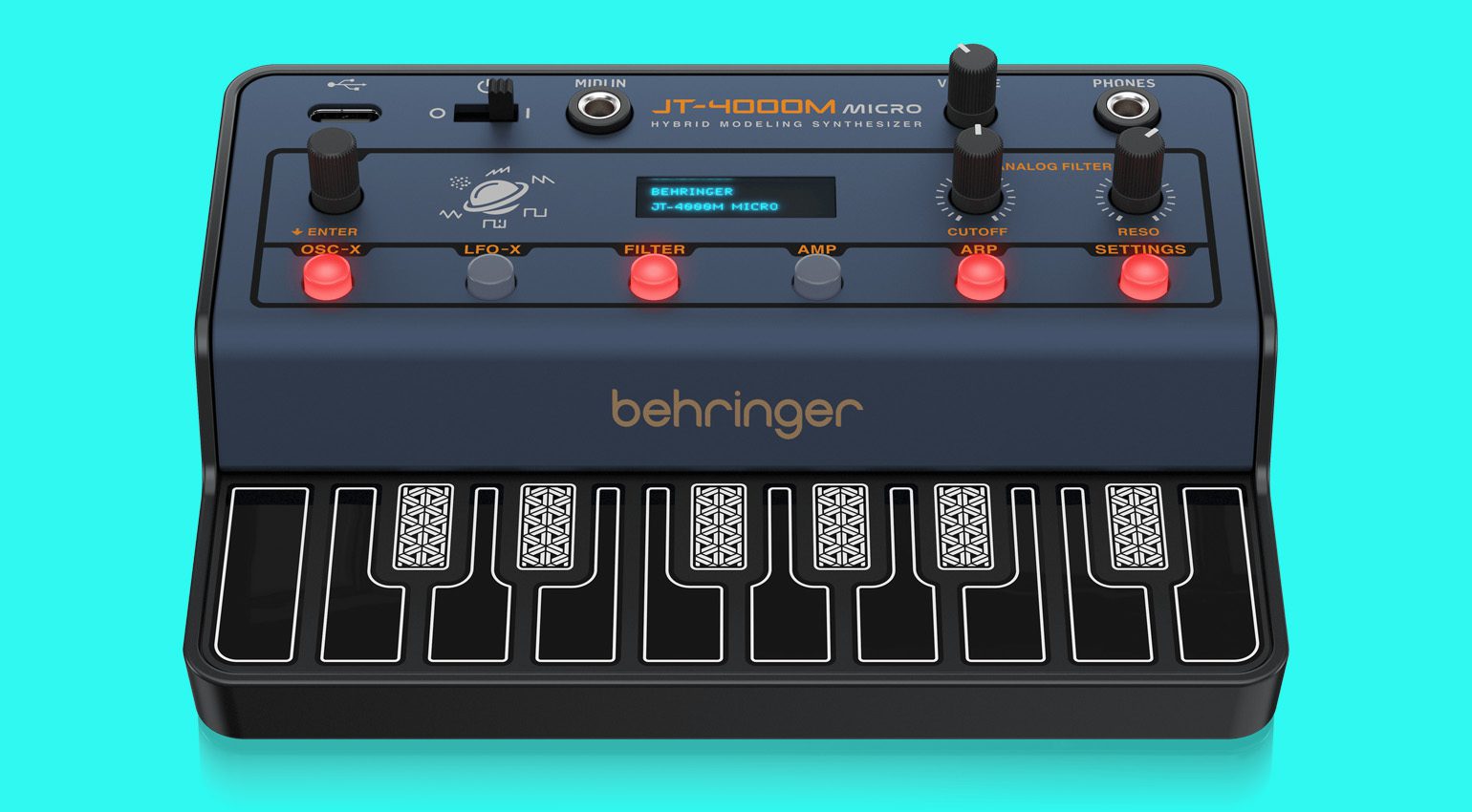
Why this setup works: Three synths get you within reach of William Orbit’s core rig, and none of them require chasing a used original into four-figure territory. The K-2 MKII covers those sharp, near-guitar MS-20 stabs. The JN-80 brings back the Juno chorus and that warm DCO character. The JT-4000M Micro handles the JP-8000 corner that turns up in his later material too.
Advanced Setup: “Studio Producer”
Who it’s for: Anyone trying to recreate the actual production moves, the millisecond delays, that particular reverb restraint, inside a modern DAW.
Recommended gear:
- Roland Juno-X
- Drawmer 1973 or a comparable compressor channel strip standing in for the original Drawmer unit
- FabFilter Pro-R 2 or a similar algorithmic reverb plugin

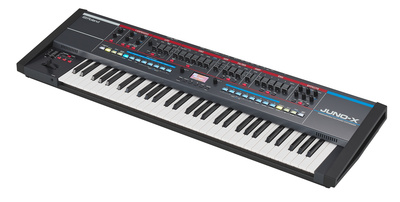

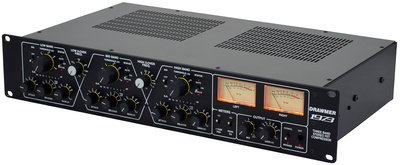

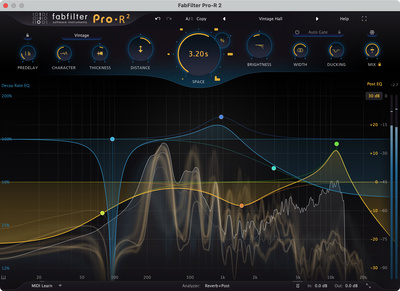
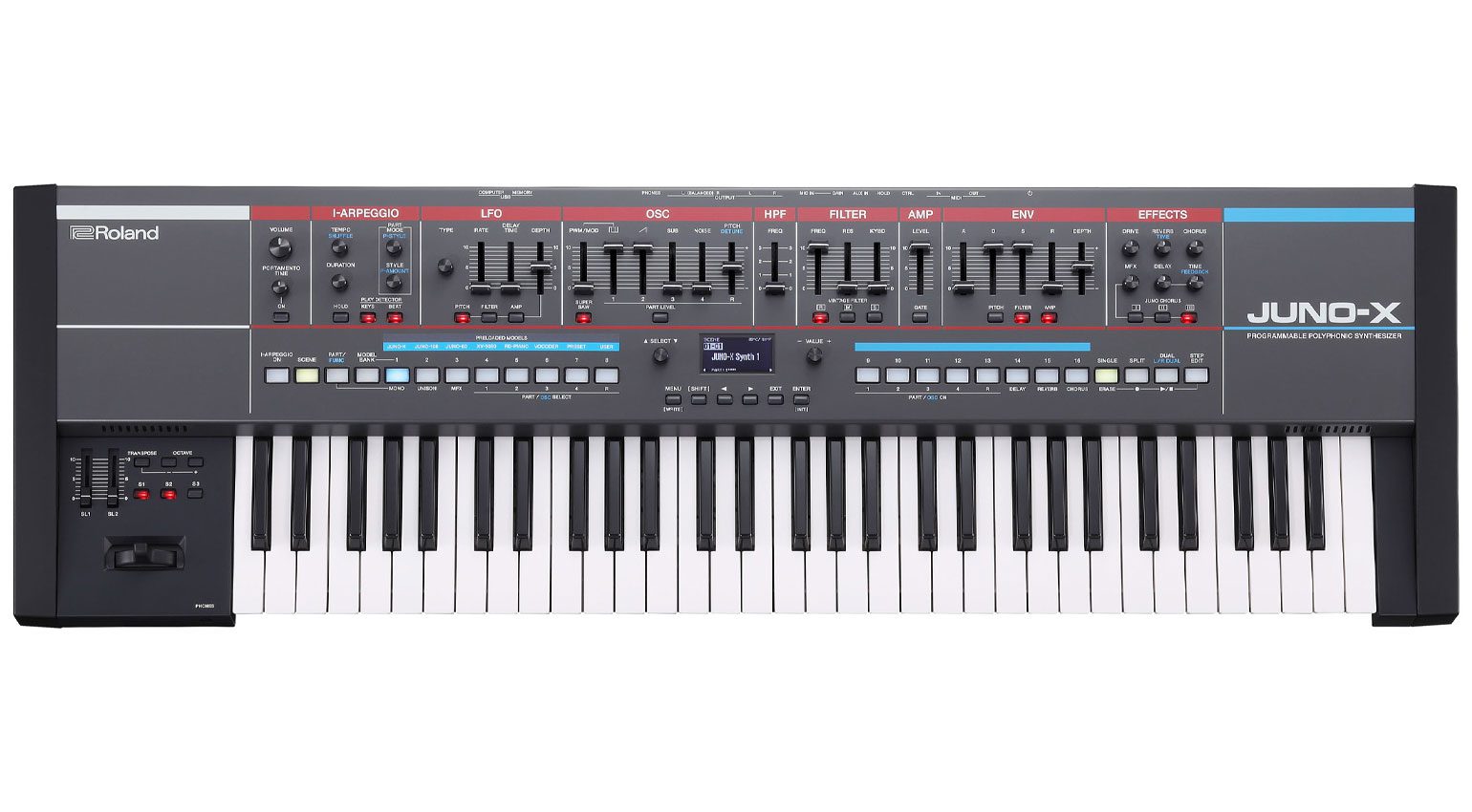

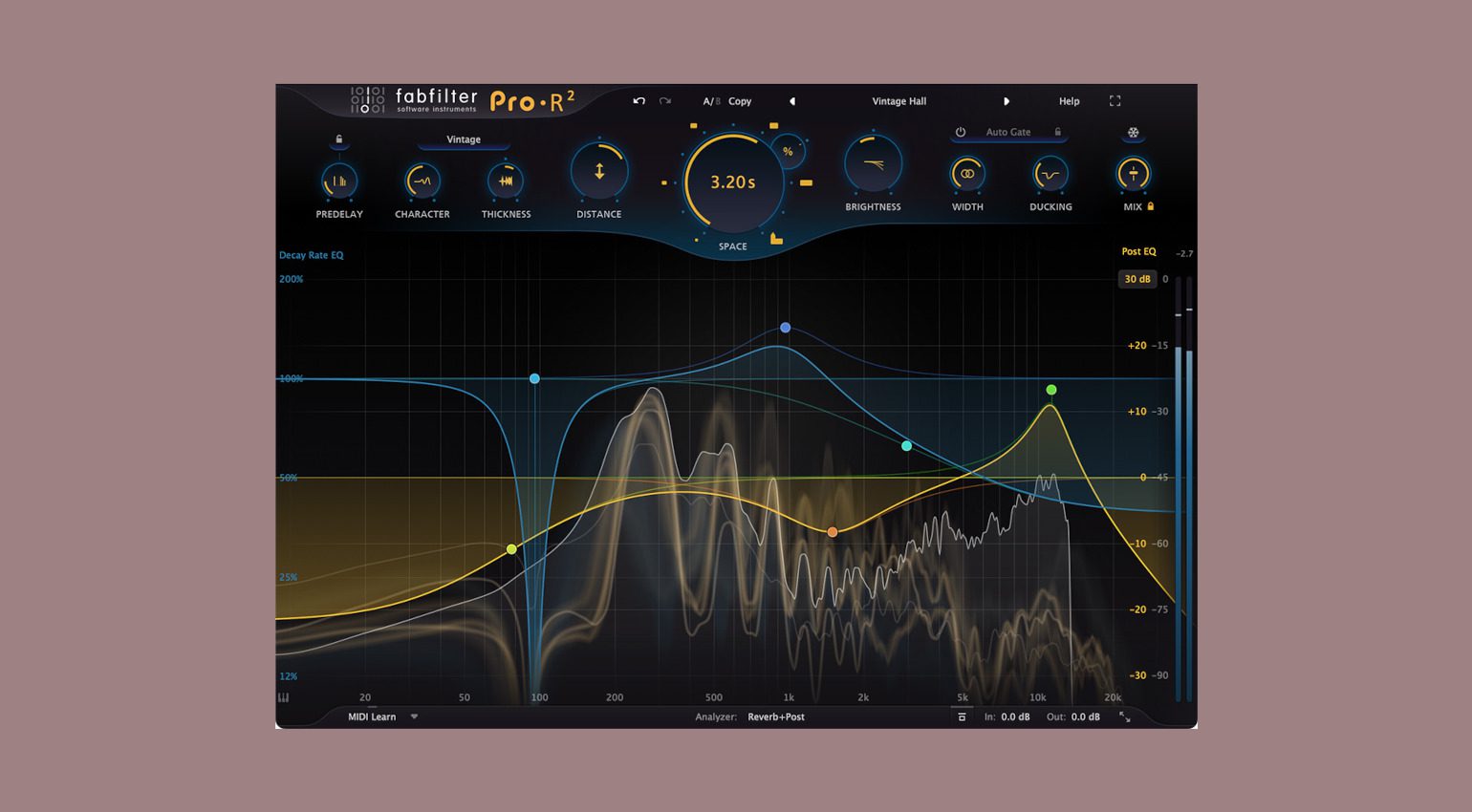
Why this setup works: The Juno-X supplies the tone. A tube or opto compressor steps into the Drawmer’s role. A solid algorithmic reverb plugin covers what the PCM 70 used to do. The exact brand matters less than the habit behind it: set delay times in milliseconds, not on the tempo grid, and treat reverb as seasoning rather than a coat of paint over everything.
Reference Setup: “As Close to the Original as It Gets”
Who it’s for: Collectors and studio owners who want the actual 90s rig, no substitutes, no compromises.
Recommended gear:
- Roland Juno-106 (used, vintage market)
- Korg MS-20 Mini
- Roland JD-800 (used, vintage market)
- Yamaha DX7 (used, vintage market)

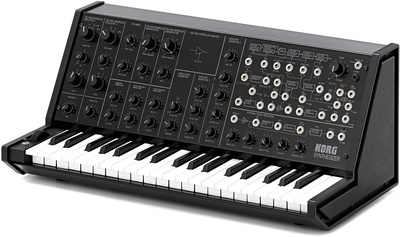
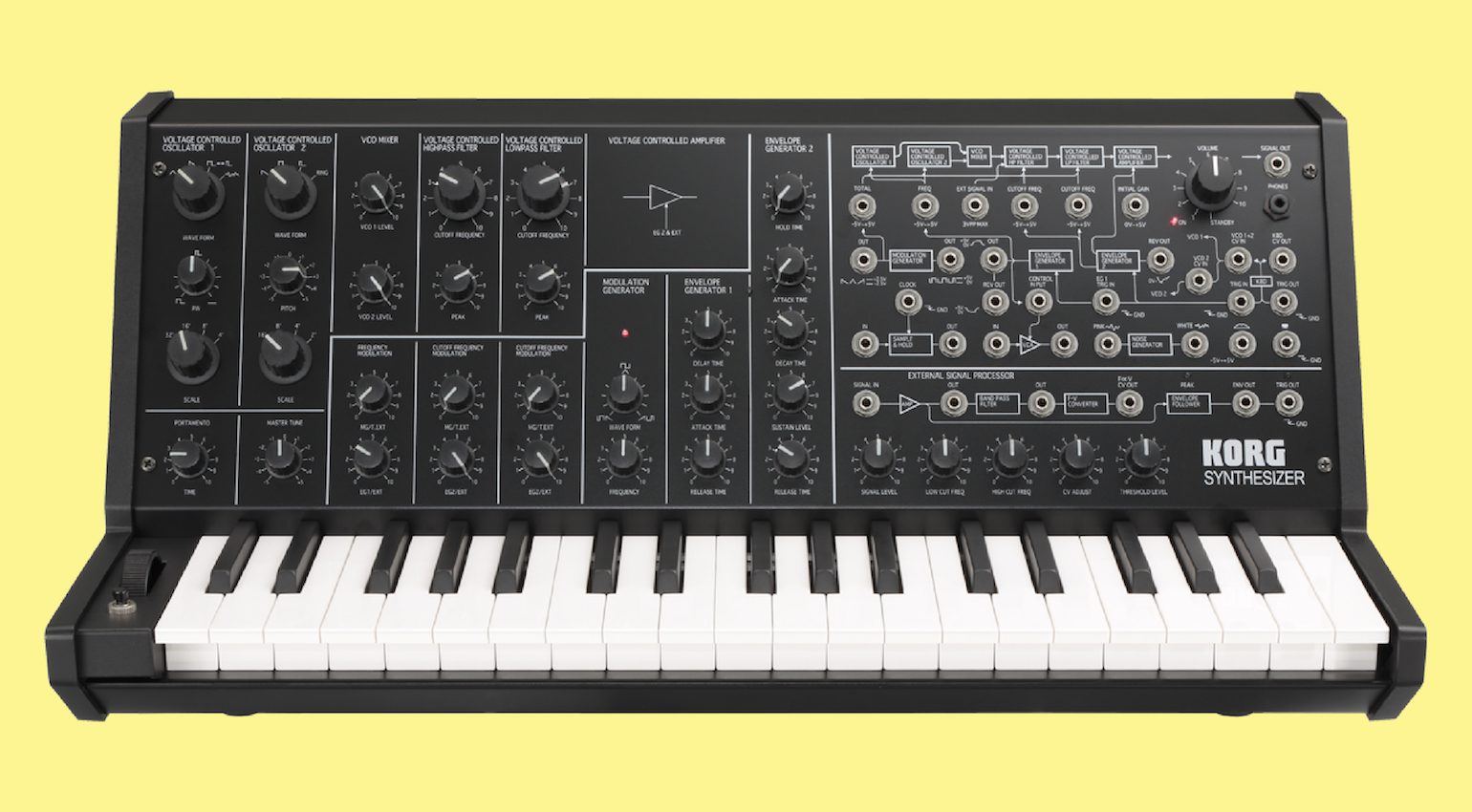
Why this setup works: This is about as close as you’ll get to what actually sat in his studio during the 90s. New to buying vintage synths? Check a reissue buying guide first. Prices and condition swing wildly at this end of the market, and it’s easy to overpay for something that needs a full service.
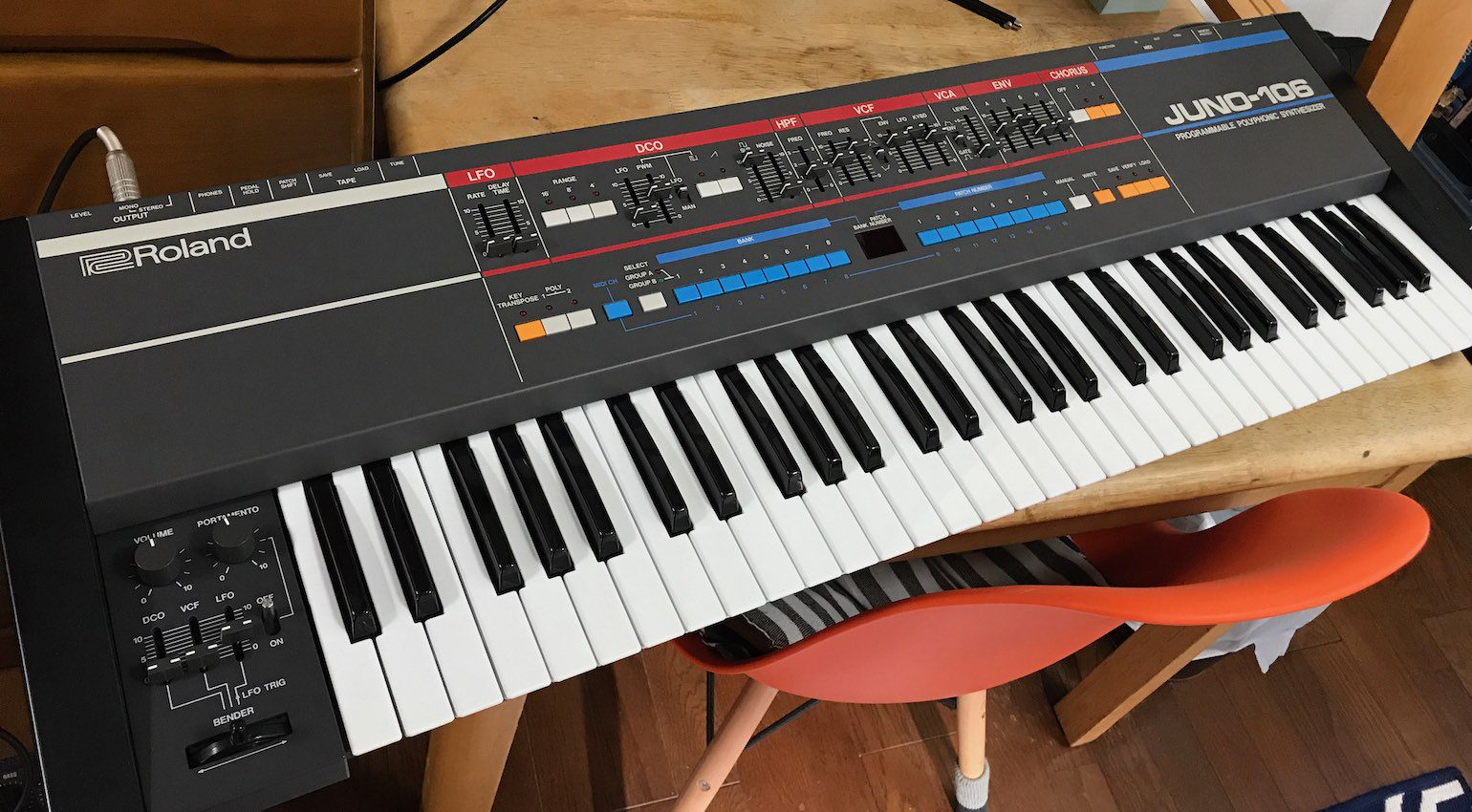
Conclusion: Reduction as a Signature
Some of the most influential pop albums of the last thirty years came out of a producer who never chased more gear. He chased depth. He wrung everything he could out of a handful of machines until the result was unmistakably his own. Juno-106, MS-20, one Lexicon reverb, one delay set in milliseconds. That combination reached more people than most sprawling studio setups ever will.
Plugin bundles keep piling up. Sample libraries multiply every year. Against all that noise, William Orbit’s whole principle only gets louder. Less machine, deeper understanding of what it actually does, that’s what he left behind, and it’s still audible in every track that carries his name.
More Information About William Orbit
*Note: This article about William Orbit contains affiliate links that help us keep Gearnews running. The price for you always stays the same! If you buy something through these links, we receive a small commission. Thanks for your support!


This might also interest you