The Best Surf Guitar Gear: Everything You Need for that Summer Sound
Catch a wave and you're sittin' on top of the world

 4,9 / 5,0 |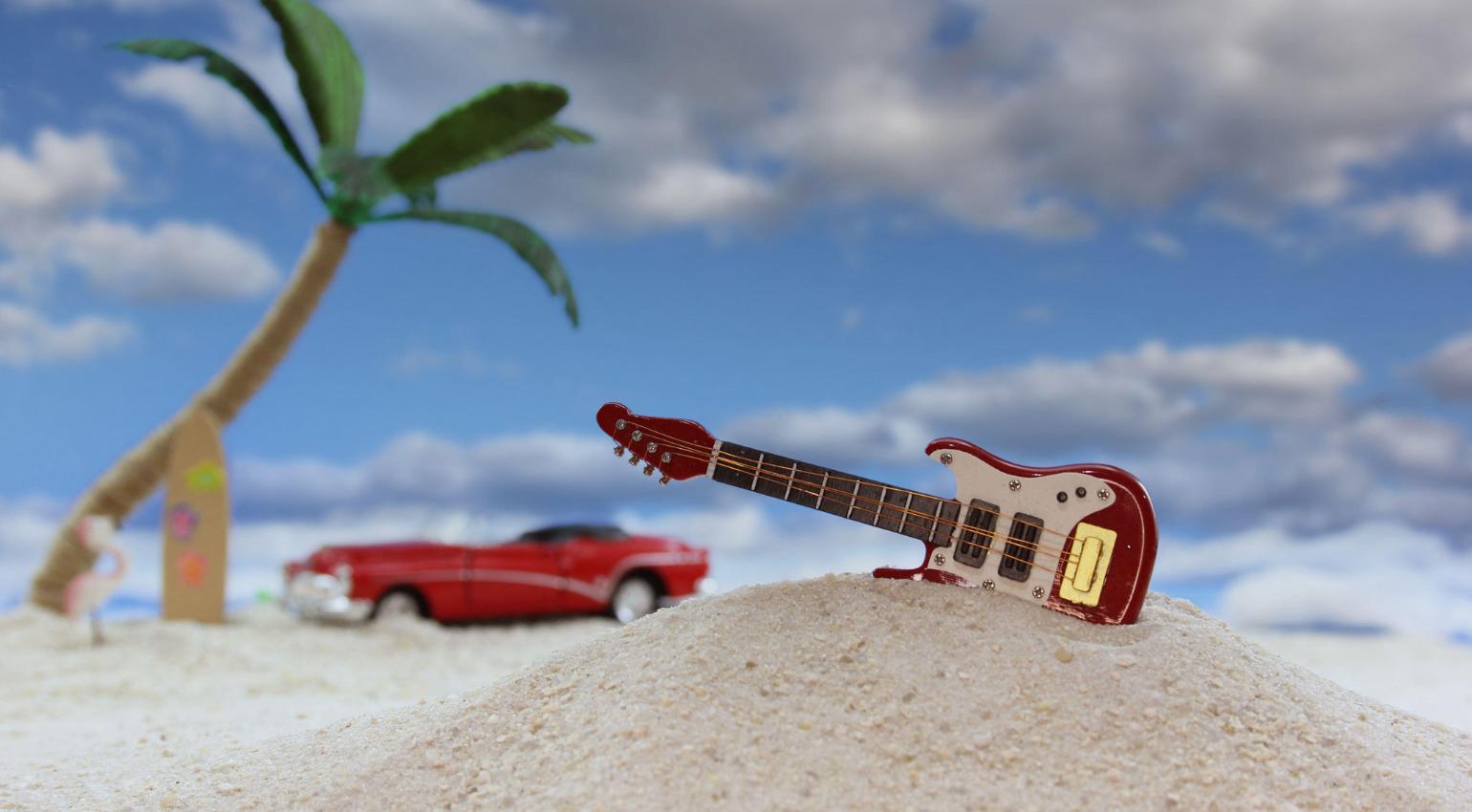
The Best Surf Guitar Gear: Everything You Need for that Summer Sound · Source: Lori Martin / Alamy Stock Photo

Surf Guitar is one of my favourite genres as it’s so fun and easy to listen to. What isn’t so easy is getting your sound right. Stick around to see our picks for optimum slinky surf sounds.
Surf Guitar Gear
Key Information about Surf Guitar
- Surf guitar emerged in California in the early 1960s, pioneered by bands such as The Ventures and The Beach Boys.
- Defined by bright high-headroom Fender amps, fast tremolo picking and foreign scales, surf became an era-defining sound as a breath of fresh air for the aiways.
- True surf tone is technique-driven, rather than bought via gear. However, with the right guitar and amp combo, you’re already halfway there.
Classic Examples
Surf guitar dates back to the early 1960s. A chance for war babies to spread their wings and live a little. Over in California, select groups and players were writing songs and riffs about their fun in the sun.
Originally just instrumental music, the genre evolved into a favourite pastime. I cannot even begin to imagine what I’d be like on a surfboard, but the jangly tones of a Chantays riff gives me far too much confidence.
The genre captured the excitement of the period and gave the electric guitar its own voice. Rather than the guitar being used for accompaniment, instruments such as the Stratocaster became a frontman in its own right. Let’s check out some iconic gear that you’ll need to capture the essence of surf guitar.
Stratocasters
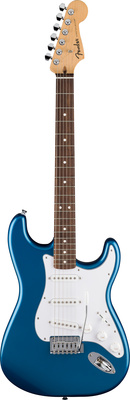
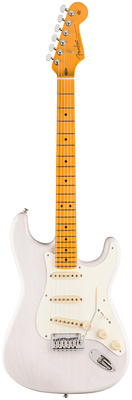
Brought to our attention in 1954, the Fender Stratocaster has been a favourite amongst players for over 70 years. Loved by almost everyone, the strat leant itself nicely to surf guitar music.
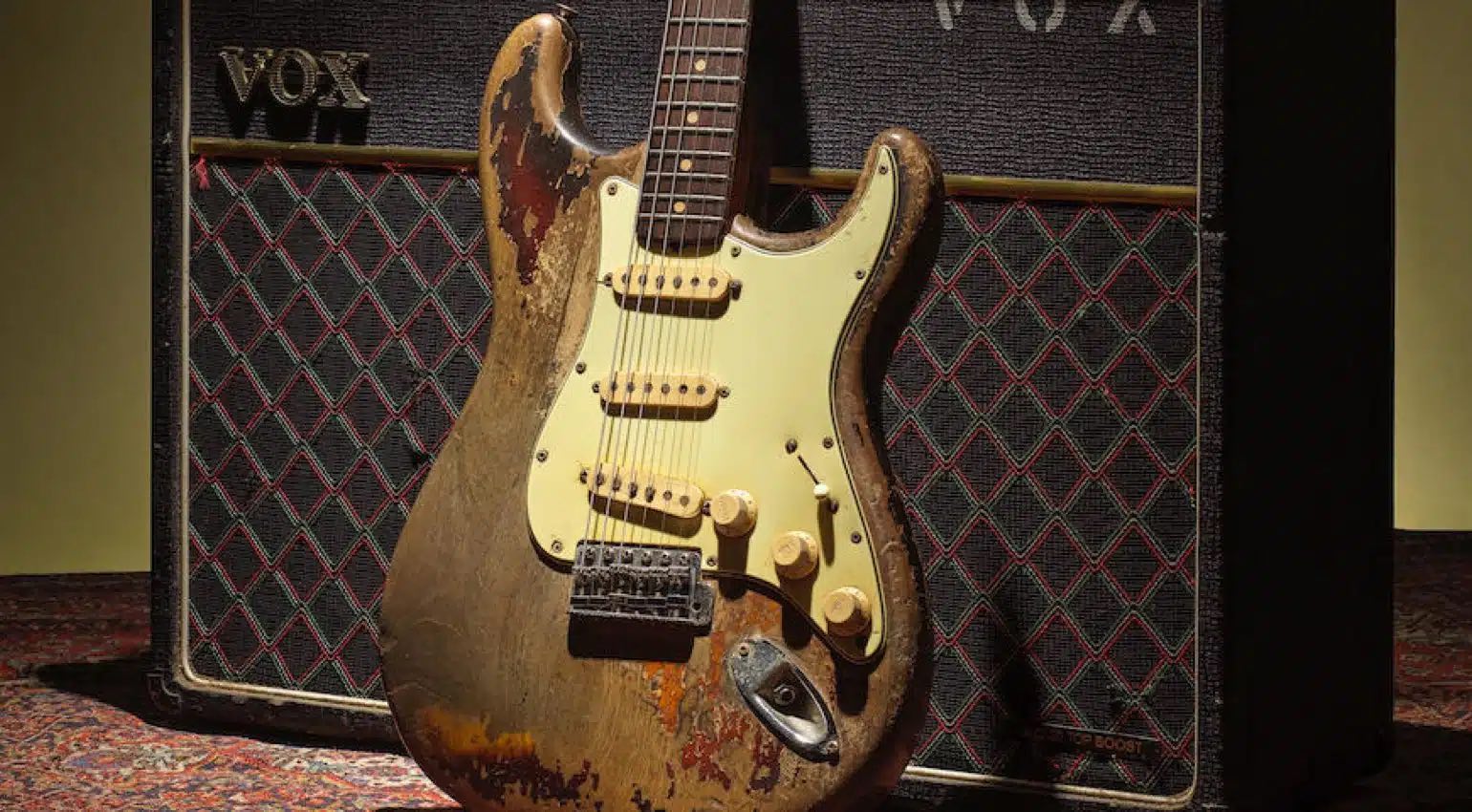
The three single-coil pickups provided the snap and spank that we know and love. Furthermore, it also had the range and versatility for some deep, driving rhythm tones. The ash bodies of the early models and single-piece maple necks were comfortable to play, and could provide a world of different sounds.
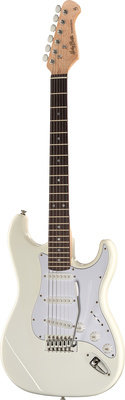
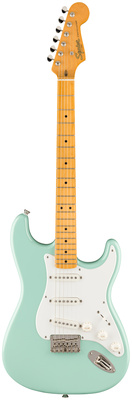
Now in 2026, there are so many ways to get into an S-style guitar. You probably have one in your collection already! The key attributes to look for are those single-coil pickups and the integrated tremolo system. A first for any guitar back in the 1950s.




Jaguars and Jazzmasters
The offsets called! They want some time under the spotlight too. The Stratocaster is the poster boy for surf guitar, but offset guitars also have a lot to answer for.
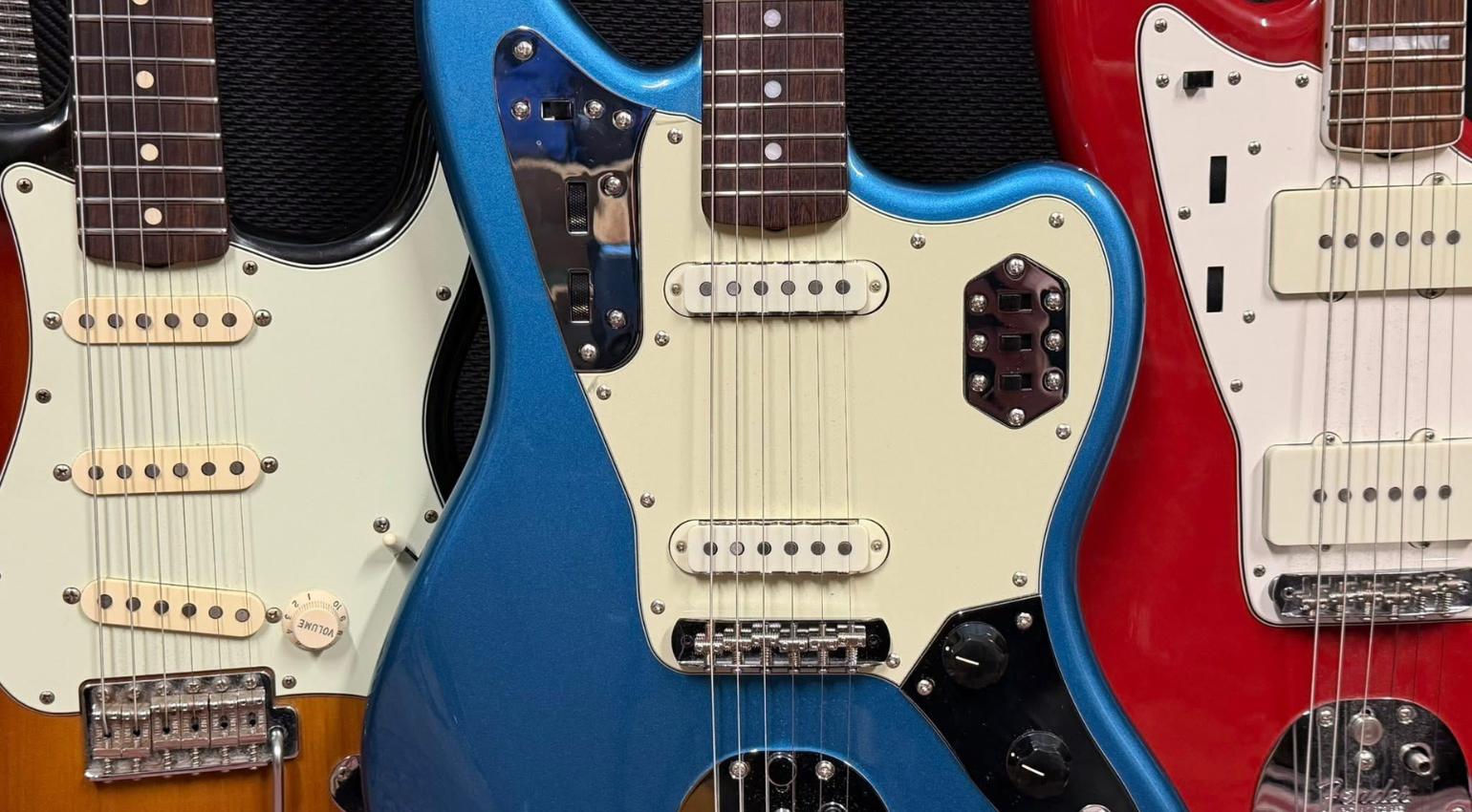
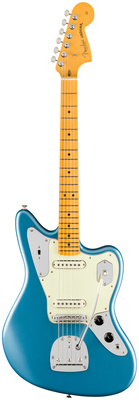
The expressive tremolo system and short scale length make the *Fender Jaguar a great tool for the genre. Their bright trebly pickups worked wonderfully with the amps of the time. These are perfect for that drip sound that we associate with surf.
Alternatively, the *Jazzmaster could also be your weapon of choice. By contrast, these have a floating vibrato system, which makes for some dramatic pitch bends. Moreover, the distinctive wide-coil pickups do what Telecasters and Stratocasters just can’t, and provide a deep, wet sound that cuts through the mix.
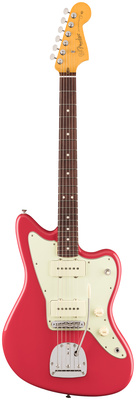
Amps
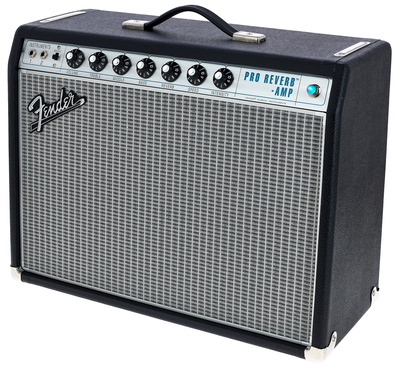
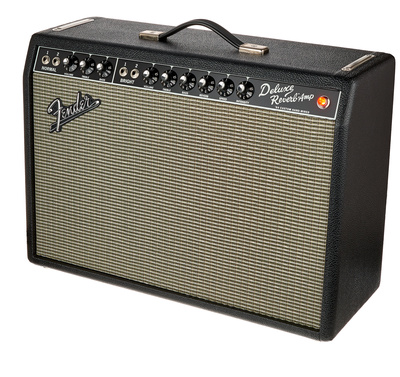
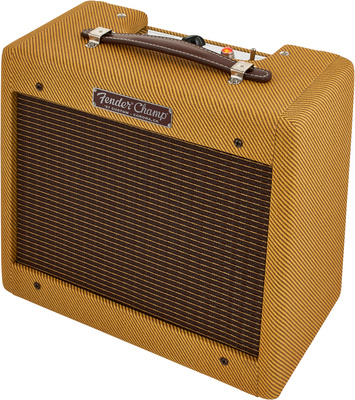
Amplification was limited back in the day. We don’t know how lucky we are to have the modellers and AI amps at our disposal. However, all of these new amps feature Fender Reverb-style tones, which speaks volumes about the amps used for surf guitar.
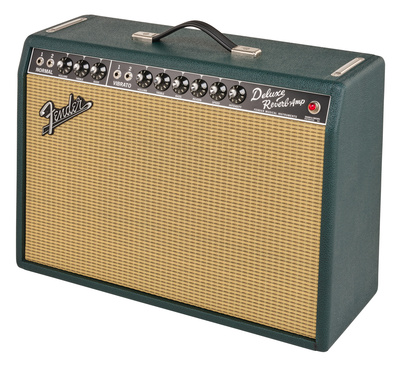
The Fender blackface or silverface amps were the gold standard back in the 1960s. What does this mean? This terminology refers to the colour of the control panel on various Fender amps. Essentially, the amps of the day provided high volumes with little gain, allowing for sweet, rich tones without distorting too heavily.
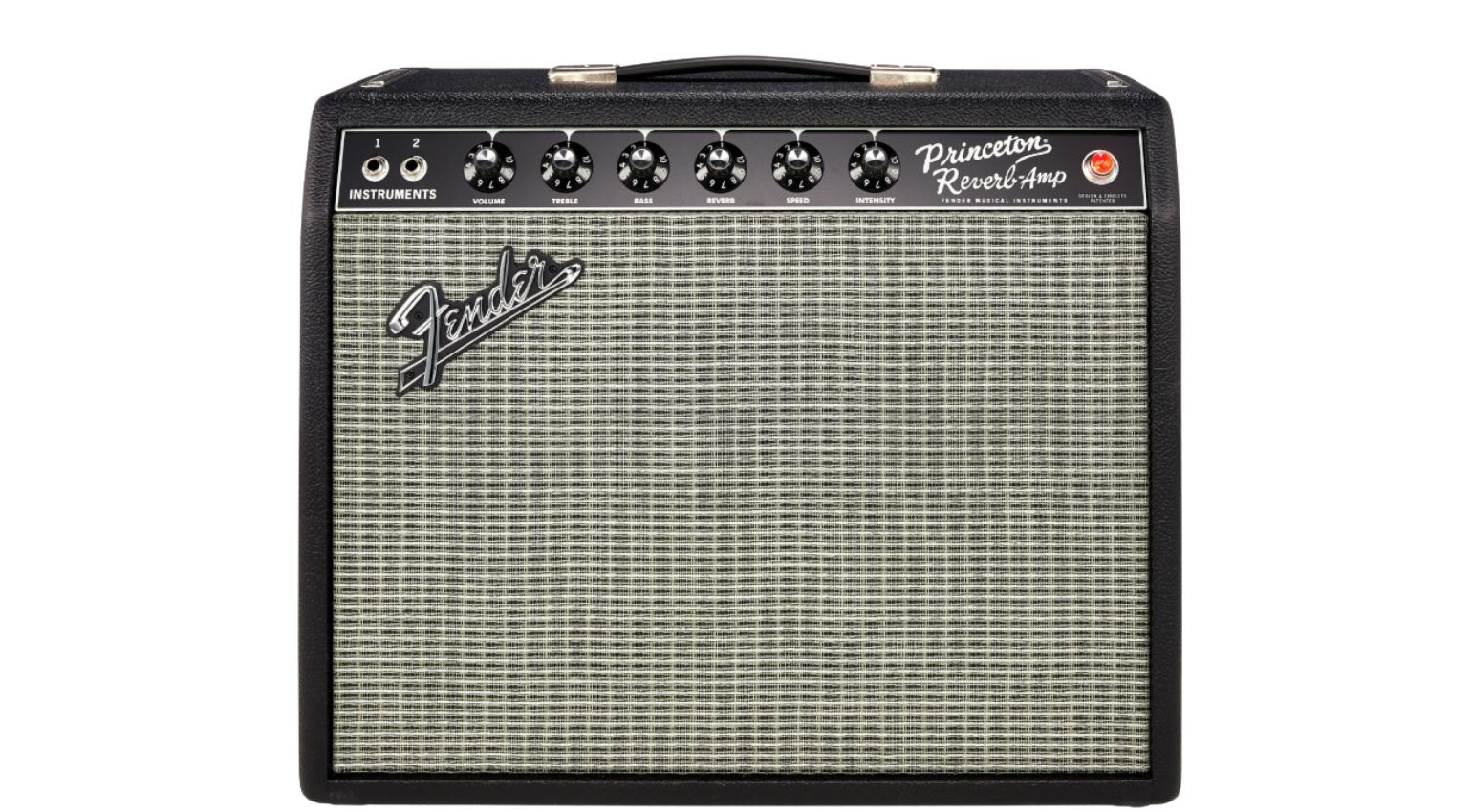
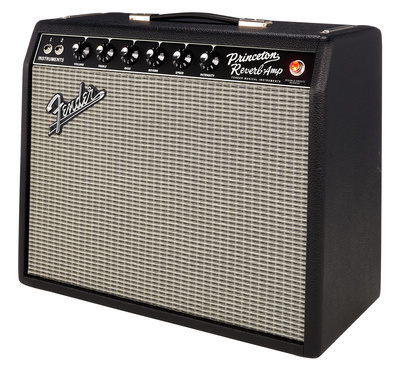
What comes to mind straight away for modern players looking to emulate surf sounds is the *Princeton Reverb. This tube amp features that all-important reverb tank, as well as built-in tremolo and a single 10-inch loudspeaker.
Pedals
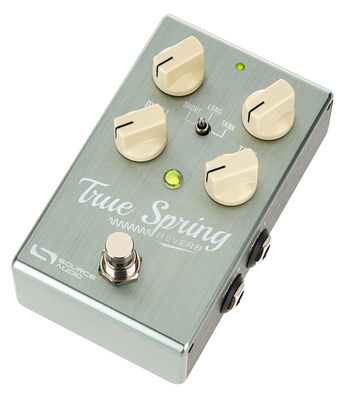
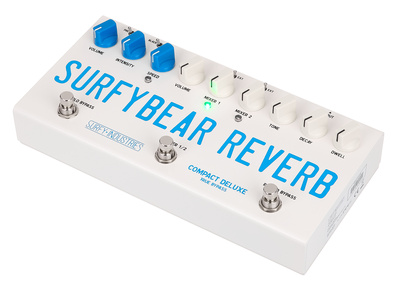
Why were the Fender amps so popular for surf guitar? They had the drip. And, because Fender just make the best clean tones out there. However, the drip refers to that wet reverb sound. This is thanks to a large reverb tank in the back of the amps, which is essentially a large spring coiled up. Hence the term, spring reverb.
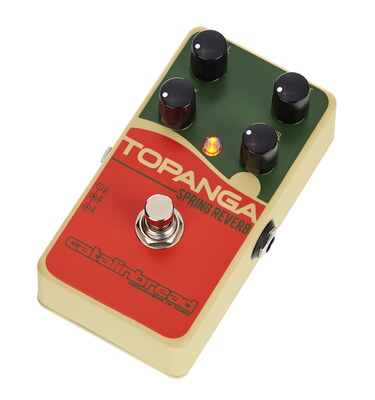
Hall, room and plate don’t even close. In order to get that drippy reverb sound, you want the real deal. But there are several pedals on the market that aim to replicate those tones, and for a fraction of the cost, too.
Reverb pedals are great for your direct rig and pedal board. Allowing you to switch between full surf and regular playing. As much as I love the surf sound, you don’t want it in your signal all of the time.



Strings
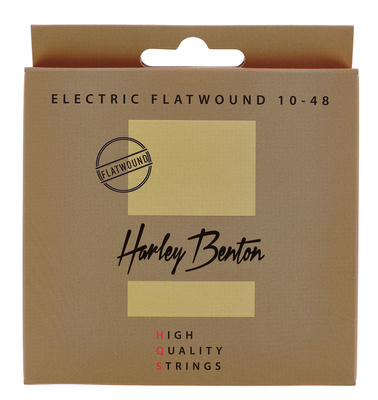
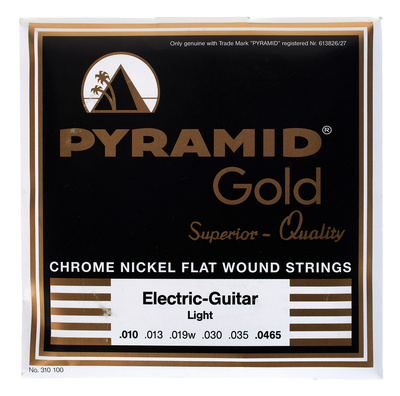
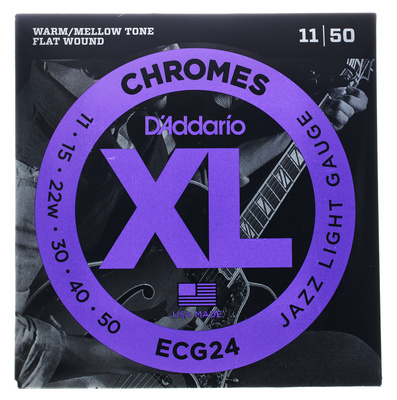
Okay, so we’ve looked at guitars, amps and pedals. But we’re still missing one key ingredient. What strings do you need for surf guitar? For that warm, muddy, mellow tone, flatwound strings are the way to go.
Flatwounds aren’t just for bass players! A lot of the low-end surf melodies are played with flatwound strings. Overall, they’re great for fast playability and achieve that rhythmic thumb that the genre demands.
Your regular slinky strings will do just fine, too! But if you want to go that step further for surf guitar gear, I’d lean towards some of these.


Videos
Further Information
- Essential Guitar Tones and How to Get Them
- Guitar Pickups: How Players Misuse Them
- Brian Wilson Dies at 82
*This post contains affiliate links and/or widgets. When you buy a product via our affiliate partner, we receive a small commission that helps support what we do. Don’t worry, you pay the same price. Thanks for your support!

This might also interest you

One response to “The Best Surf Guitar Gear: Everything You Need for that Summer Sound”

Way off. The classic surf sound is a brown-panel amp with an outboard reverb tank placed *before* the input