SM7B Alternatives: The Best Broadcast Mics
Is the Shure SM7B the only option for content creation and home recording?

 3,9 / 5,0 |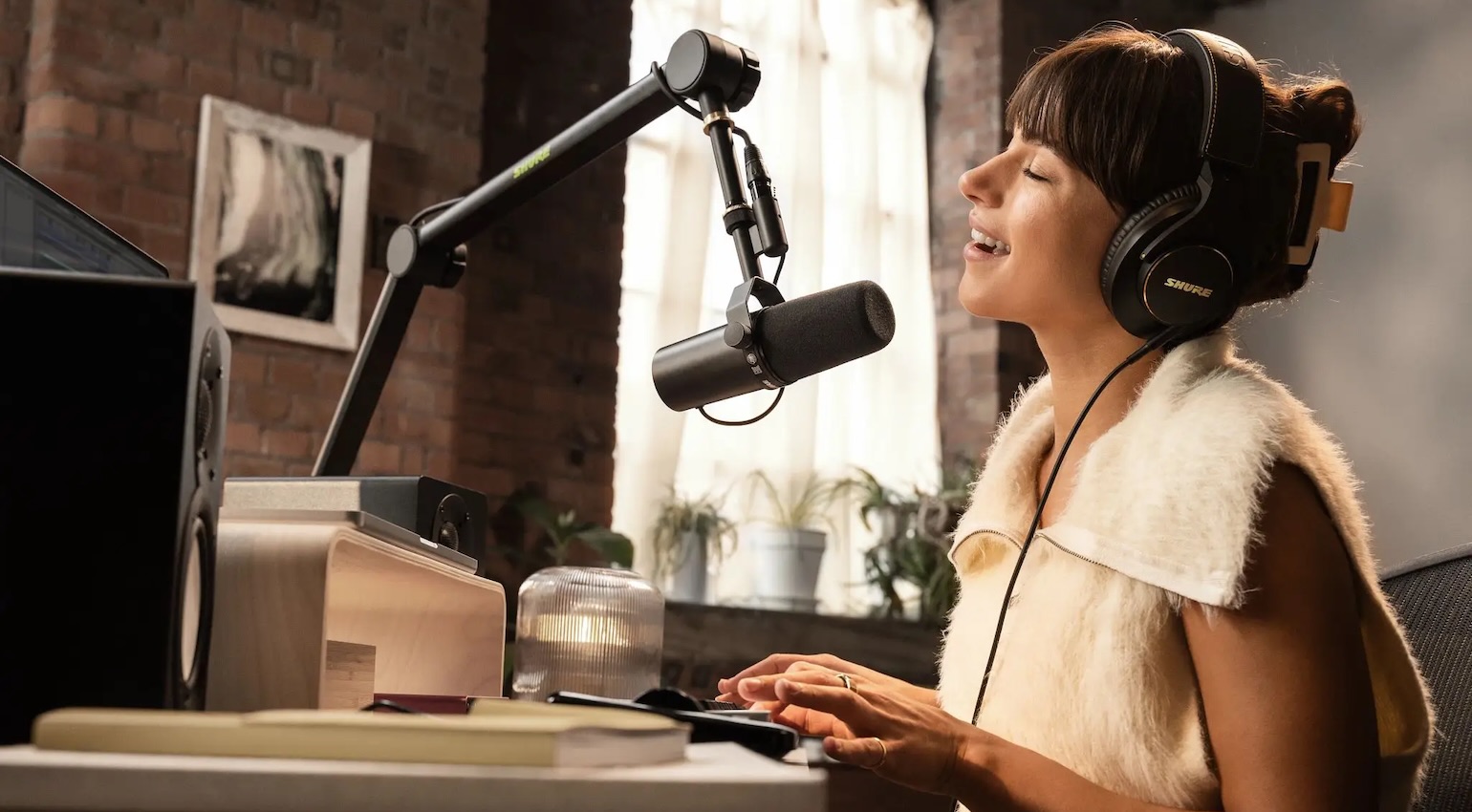

We investigate a selection of different SM7B Alternatives. These are broadcast-style mics for speech and vocal recording in different price ranges.
Key Facts about SM7B Alternatives:
- SM7B alternatives often use humbucking coil transducer designs, offering excellent off-axis rejection and protection from electromagnetic interference. This makes them ideal for use in untreated environments.
- Because the SM7B is a low-output device (150 ohms), newer alternatives often provide higher sensitivity, with built-in preamps in some cases that require less discrete gain to operate without a Cloudlifter or professional preamp.
- USB microphones are widely used SM7B alternatives, allowing you to record directly into a DAW, while some hybrid options have XLR ports that let you incorporate an audio interface at a later stage.
- The best affordable SM7B alternatives often use broadcast-style voicing. With built-in plosive and sibilance reduction, and a tightly controlled midrange for a mix-ready sound, even before you add compression or EQ.
In this Article:
Why is the SM7B so popular?
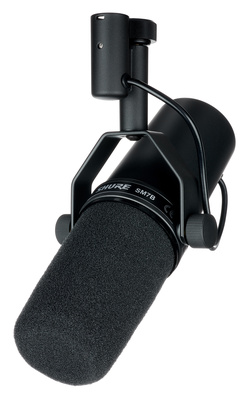
If you’re on stage, it’s the SM58. If you’re in the studio recording vocals or a podcast, or you’re doing content creation, it’s the Shure SM7B. No other mic is as widespread as this dynamic microphone in these situations.
With the first iteration, the SM7 being released in 1973, then the first update, SM7A coming out in 1999, and the SM7B in 2001, this range of microphones has been a studio go-to for fifty years!
The SM7B is to the SM7A what the SM58 is to the SM57, by the way. You just get a protection shield (foam in the case of the SM7B), but the inside is the same. And when 2008/9 came around, and podcasting exploded, the Shure SM7B was the choice of most podcasters.
What should SM7B alternatives offer?
Replacing a microphone with such an iconic sound (and look) is no easy feat. But there are quite a few equally good-sounding choices. You might be looking for a cheaper solution. Or one that does not need an audio interface. Or you’re finding the SM7b just too bulky for a recording or live-streaming setup.
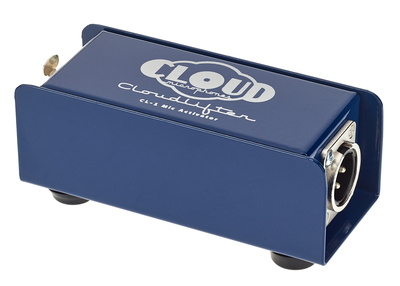
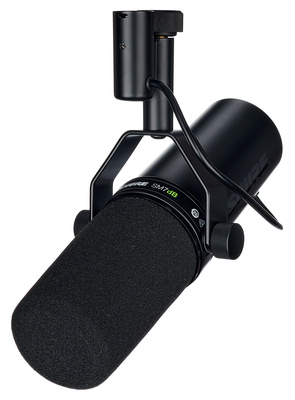
One thing, many first-time users stumble over with the SM7B is the amount of gain you need to amplify its signal. That’s one of the reasons portable preamps like Cloudlifters have become so popular. And that’s also why Shure just released the Sm7dB with a built-in preamp.
But while you’re at it, do take a look at the OG. Add a preamp like the Cloudlifter CL-1, so enough gain is added that you don’t have to scream at the top of your lungs. And its more recently released sibling SM7dB is available as well.



SM7B Alternatives: RODE
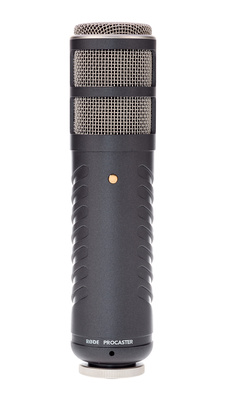
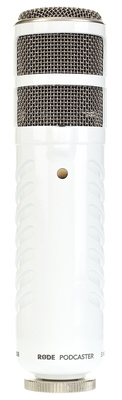
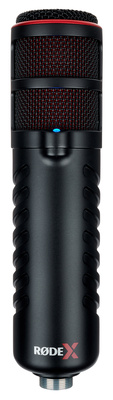
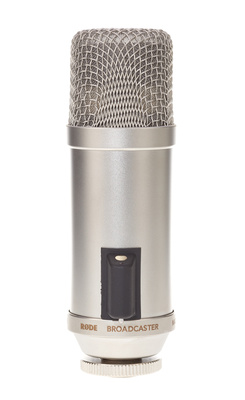
The Australian microphone manufacturer, RODE, has been making recording more affordable since the early 1990s, with innovative solutions that have become household items in professional and home studios. Within RODE’s range of broadcast-style mics, the cheapest option is the PodMic, which also has a modern USB version with DSP processing and an XLR connection.
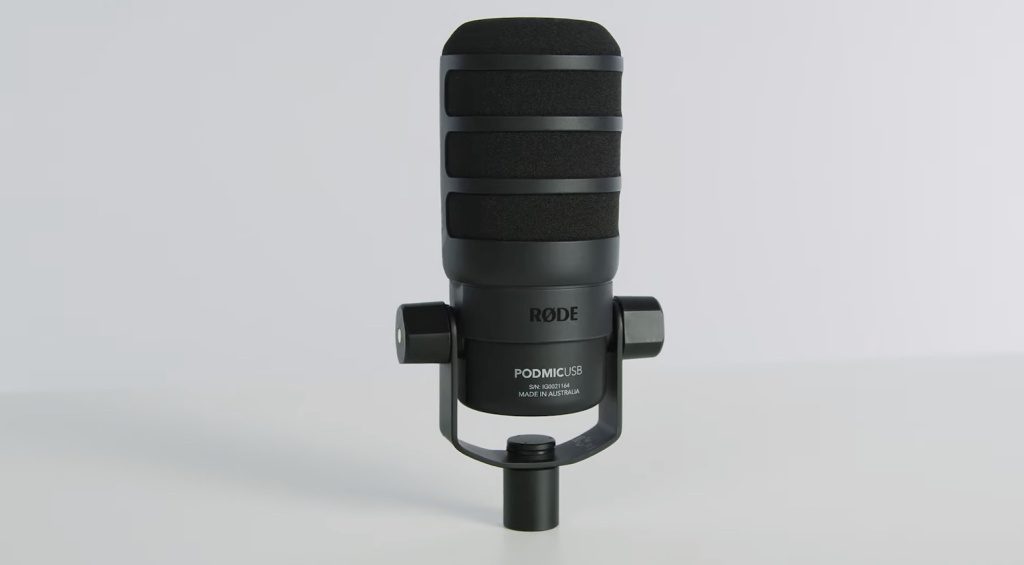
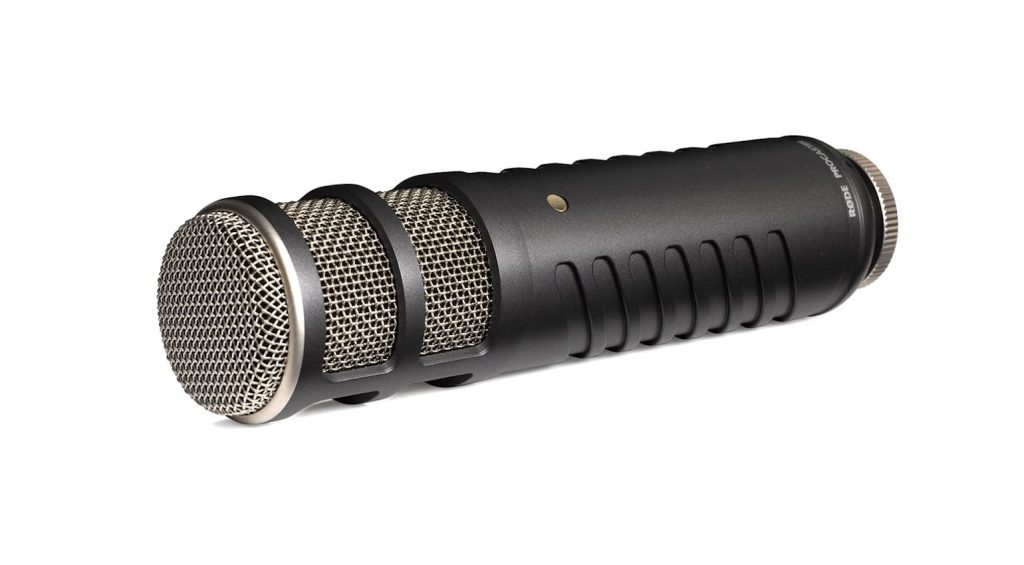
Next, there is the more traditional SM7B/RE-20 alternative, the Procaster and its USB iterations, the now-discontinued Podcaster, and the updated XDM-100, geared towards streaming and gaming. Meanwhile, a little higher up the price range, you’ll find the Broadcaster, which is actually a condenser mic designed specifically for broadcast applications.
Overall, the RODE range offers a great balance of affordability and quality, as you’d expect. However, be aware that most of the dynamic XLR mics mentioned will require a Cloudlifter or another decent-quality external mic preamp to optimize the gain level for streaming and recording. Get it at Thomann.*

SM7B Alternatives: sE Electronics DynaCaster DCM
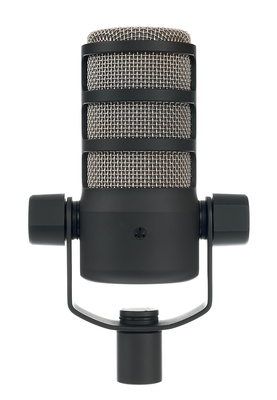
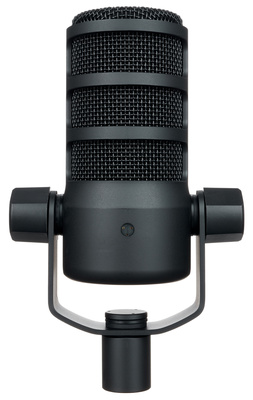
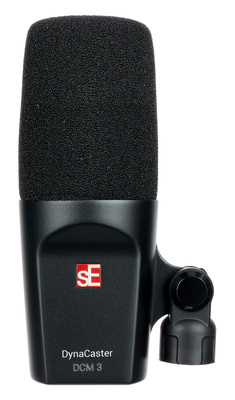
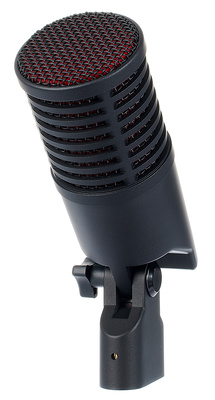
The sE Electronics DynaCaster DCM series has three different options for different budgets. Starting at the bottom, the DCM3 is a basic moving-coil dynamic mic with a built-in pop filter that is ideal for podcasting or streaming. With its high impedance rating (600 Ohms), the DCM3 will require a decent preamp to optimize the signal level.
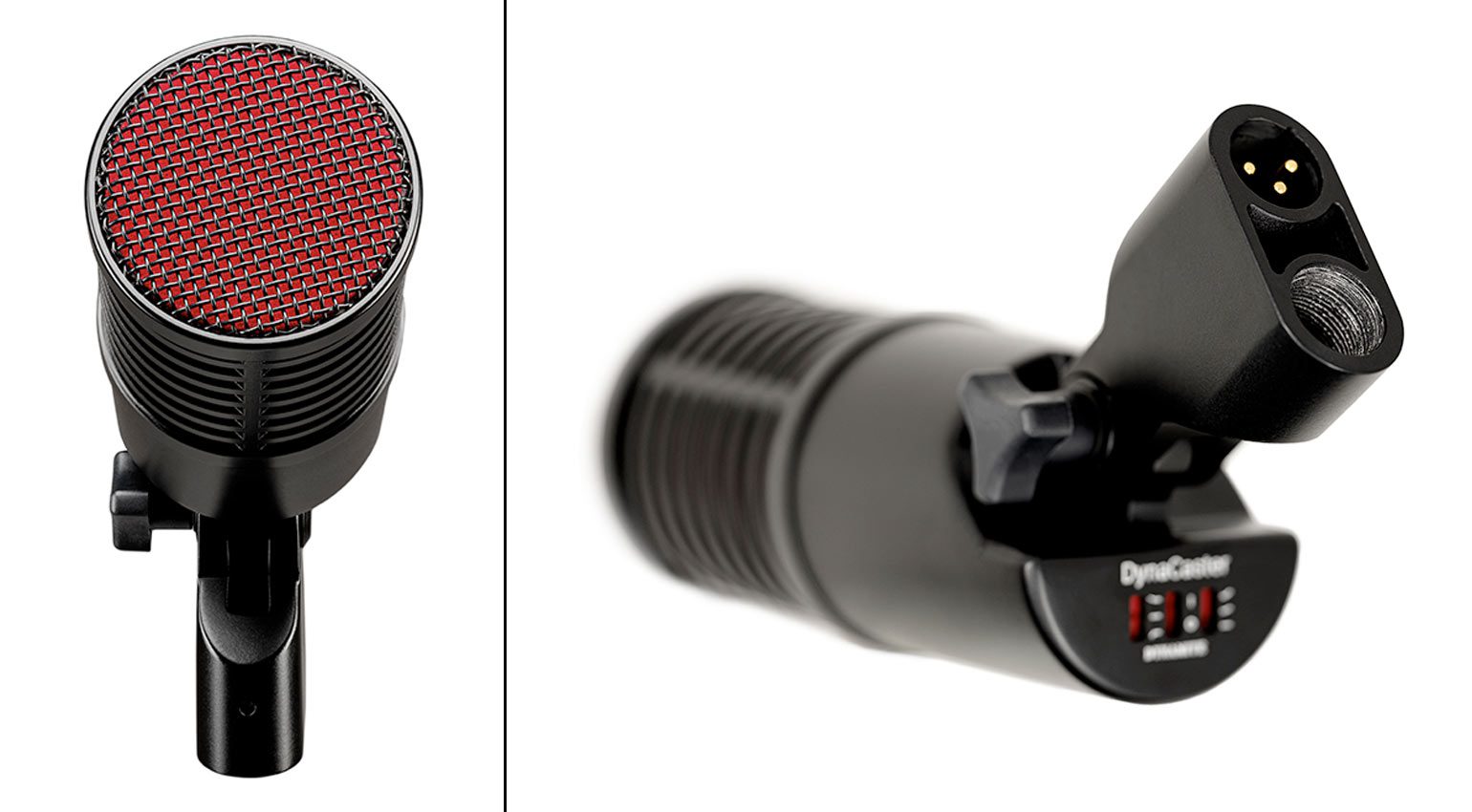
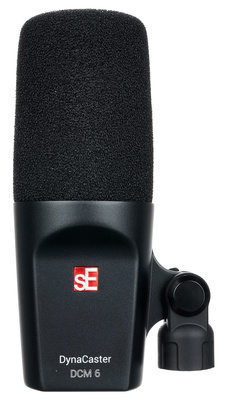
If you don’t have a preamp, the DCM6 is a better option, with the same compact design as the DCM3 but featuring an integrated Dynamite preamp, which boosts the gain by 30 dB. At the top of the range, you’ll find the DCM8, which is a little pricier but a far more formidable alternative to the SM7B.
The larger DCM8 has a three-layer pop filter, integrated shockmount, and the Dynamite preamp, which runs on 48V phantom power. Also, there are two EQ switches that let you customize your low-end and highs to get the cleanest signal for any application. This is great for reducing the proximity effect and increasing the high-frequency detail. Get it at Thomann.*

SM7B Alternatives: Audio-Technica
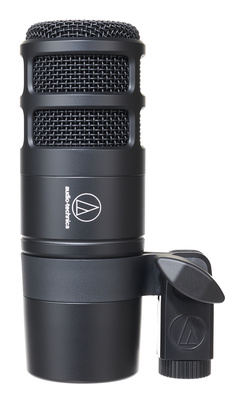
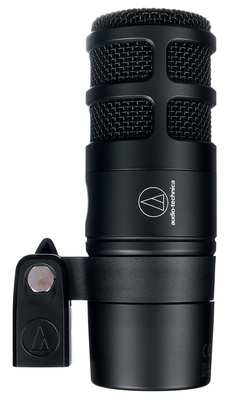
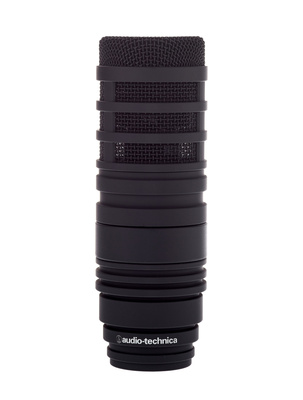
Like RODE, Audio-Technica is renowned for creating affordable recording solutions, but the Japanese manufacturer has been building mics since the late 1970s. In its line of dynamic broadcast-style mics, you’ll find the AT2040 in the sub-$100 range, with its built-in wideshield and shockmount to reduce sibilance, plosives, and handling noise.
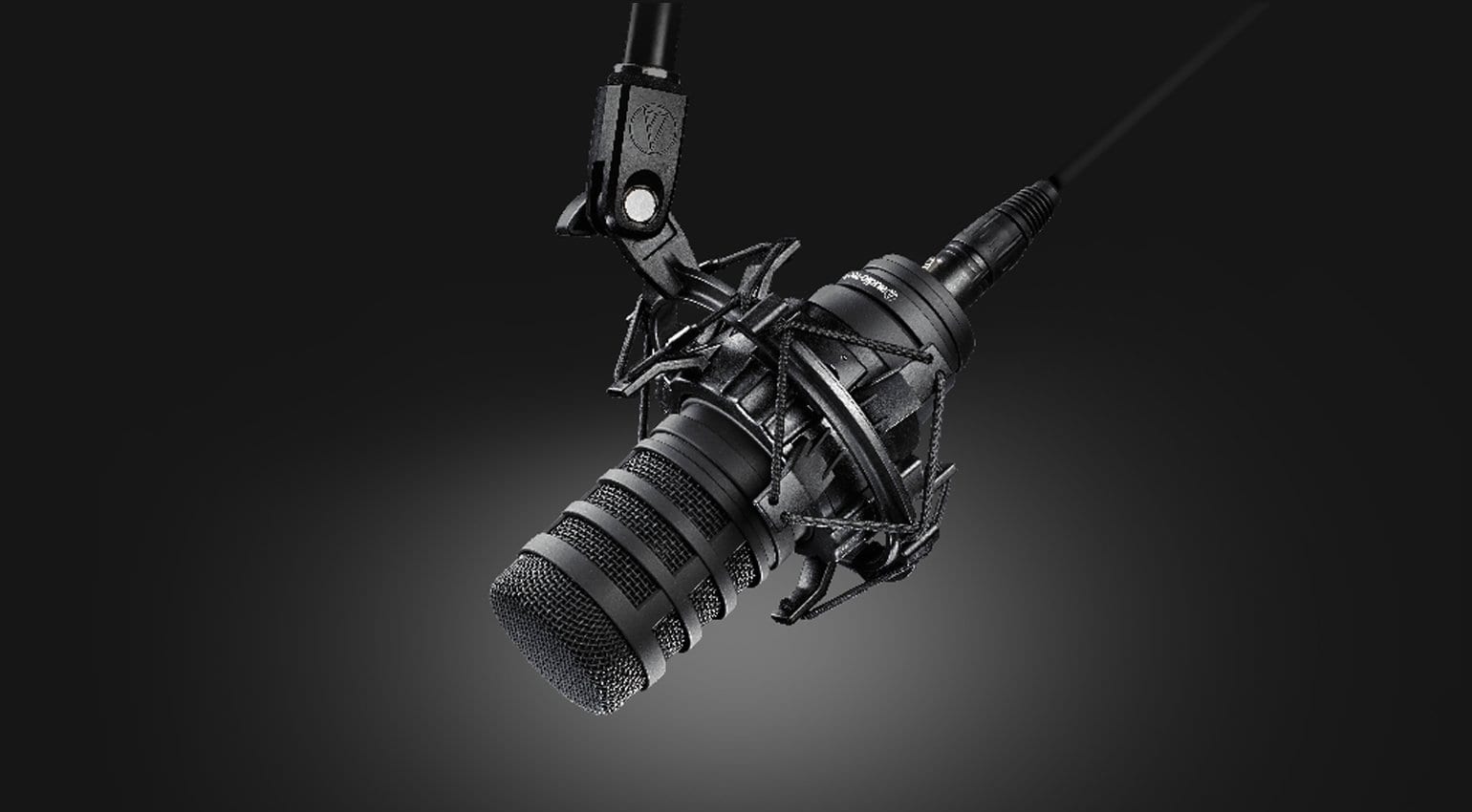
There is also a USB version of the AT2040, with direct monitoring and a useful mute switch for in-stream workflows. Finally, approaching the price range of the SM7B, there’s the BP40, which is a more like-for-like alternative. As you’d expect, the BP40 offers some enhancements, such as a switchable low-cut filter, and it’s a higher sensitivity device (450 ohms) than the AT2040 (600 ohms).
Overall, these options for broadcast applications are constructed for lasting durability with the sound quality you can expect from Audio-Technica. As they are still high impedance devices, however, both the AT2040 and BP40 will require a Cloudlifter or external preamp to boost the signal for use with the average audio interface. Get it at Thomann.*

SM7B Alternatives: Aston Microphones Stealth
The Aston Microphones Stealth is one of the most complete alternatives to the SM7B available, covering almost every aspect of its feature scope. Like the SM7B, the Stealth is a large-diaphragm moving coil dynamic mic with a cardioid pickup pattern and great off-axis rejection, suitable for a wide range of recording applications.
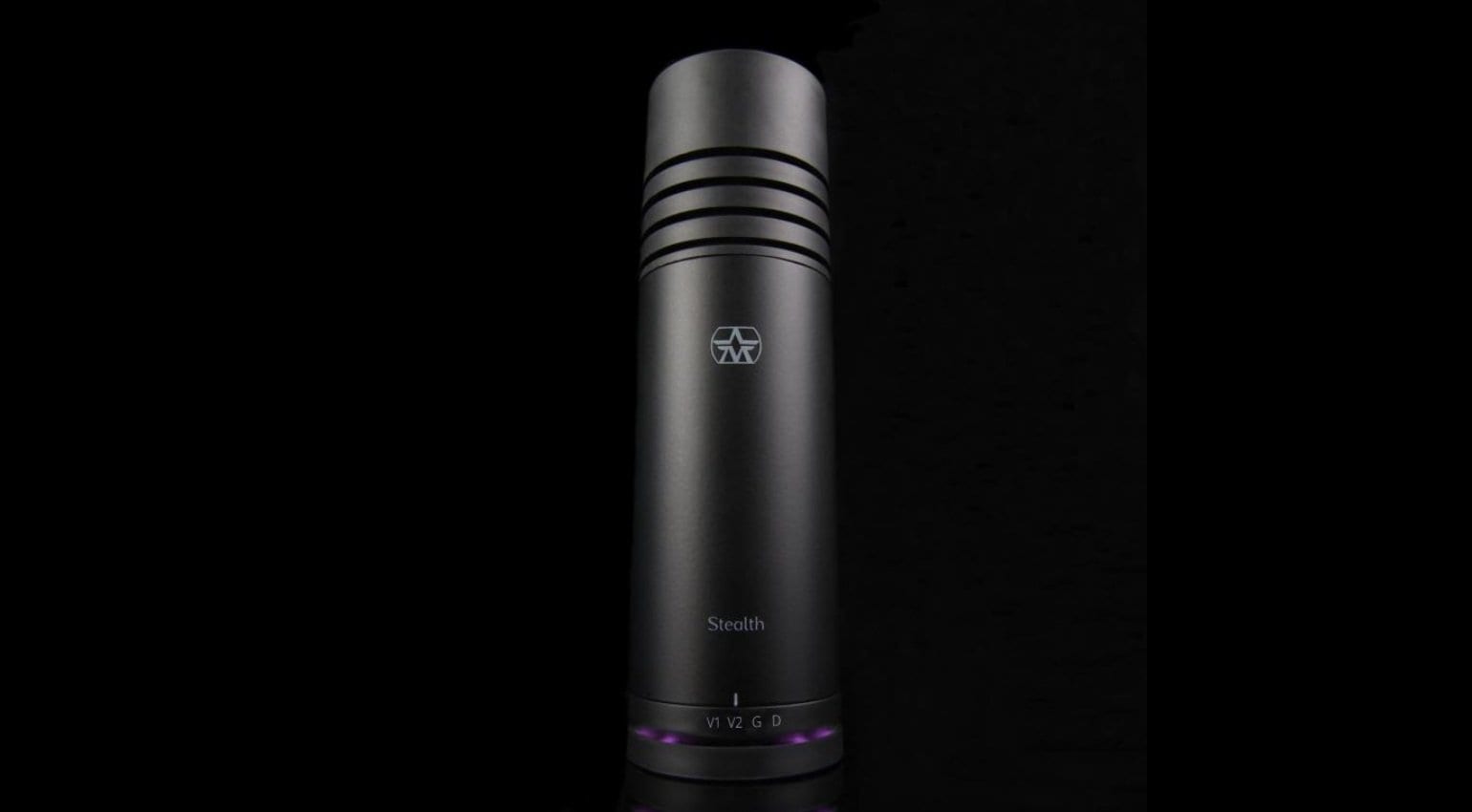
If you already have a decent preamp, the Stealth can operate in passive mode, or you can simply activate phantom power to use the built-in preamp if you need to boost the gain. To capture different sources, the Stealth has four different voicing settings. These include settings optimized for male and female vocals, a setting for acoustic guitar and guitar amps, and a dark mode, which gives you a classic ribbon mic sound.
Overall, the Stealth is an impressive competitor with solid construction quality and a Sorbothane internal shock mount with a Stainless Steel Faraday cage, as well as a built-in 6mm acoustic foam pop filter. Meanwhile, the Stealth Broadcast edition includes the Stealth Side Mount. Get it at Thomann.*

SM7B Alternatives: Sennheiser
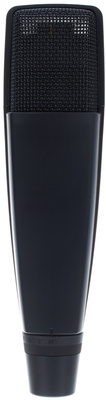
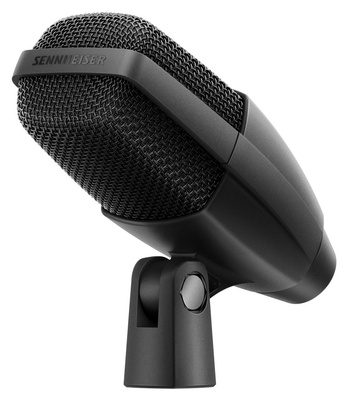
Easily one of the most respected microphone manufacturers in the post-war recording era, Sennheiser has a range of options that compare to the SM7B and even exceed its capabilities in some cases. The most obvious SM7B alternative in the Sennheiser lineup is the MD 421, which is, in fact, a much older design from the early 1960s.
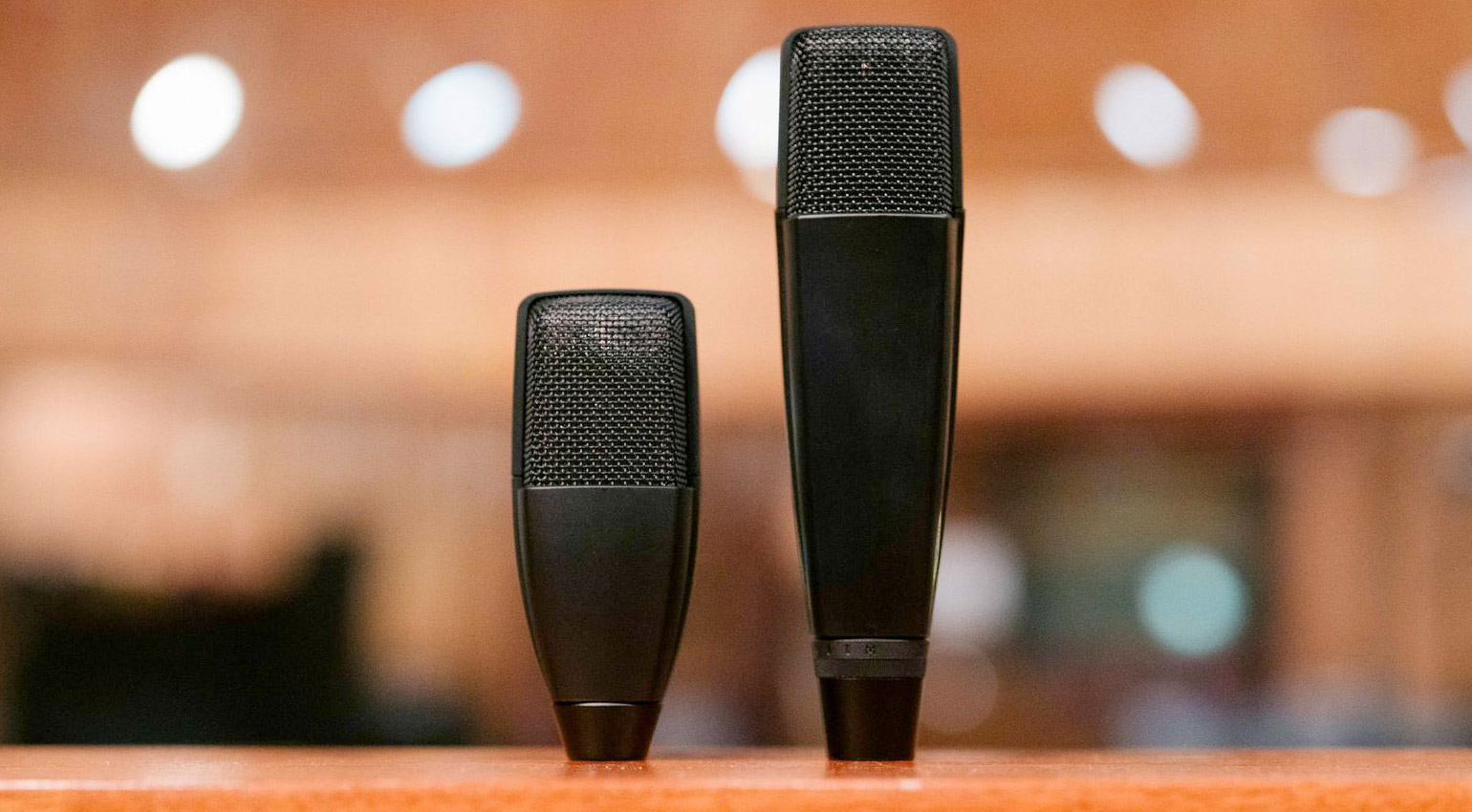
Due to its exceptional transient response, the MD 421 has been used in most professional studios for decades for recording toms. There is also a more affordable and compact version, the MD 421 Kompakt, but it doesn’t have the five-position switch that changes the low-end voicing. Meanwhile, in the more premium end of the range, there’s the MD 441 U, which excels on vocals and sounds closer to a high-end condenser than the average broadcast mic.
Another exciting part of Sennheiser’s range is the shotgun mics, including the MKE 600 and the renowned industry-standard MKH 416. Apart from their obvious, on-set applications, these mics are excellent for voiceover and content creation, particularly when you want a mic that doesn’t appear on camera. Get it at Thomann.*




SM7B Alternatives: Shure MV7
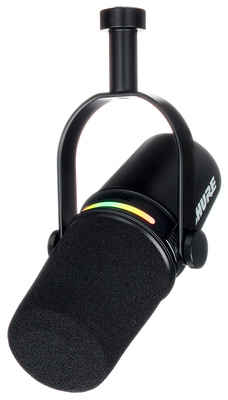
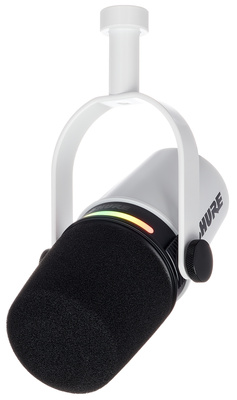
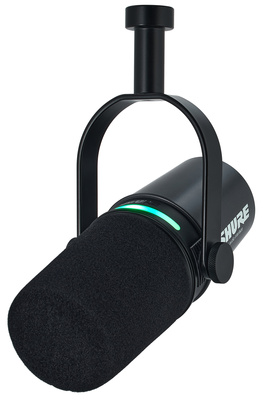
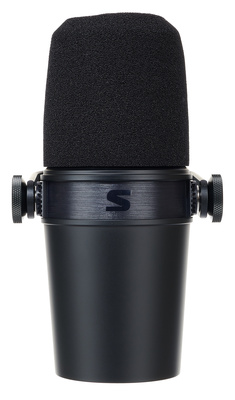
A Shure alternative to a Shure microphone? While not matching the legendary, pristine quality of the SM7B, the Shure MV-7 offers similar sound characteristics. It sports a similar look, and is about half as big (useful for cramped home-recording bedroom situations), and the MV7 Plus and MV7i don’t even require an audio interface!
SM7B Alternatives: Universal Audio SD-1
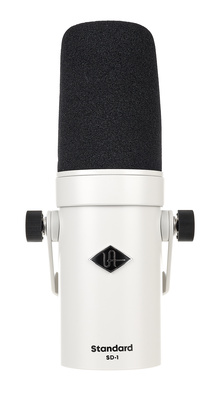
The SD-1 or Standard Dynamic Microphone Model 1 looks very similar to the SM7B and produces similar results in its most basic configuration. However, the SD-1 is designed to be used with the accompanying Hemisphere Modeling system, which allows you to mimic the sound of classic dynamic and ribbon mics from Sennheiser, RCA, and beyerdynamic.

In addition, the Apollo Unison preamps let you match these legendary mic profiles with a collection of famous preamps and channel strips. This makes the SD-1 a versatile addition to your home studio, with so many situations where it will come in handy.

SM7B Alternatives: Electro-Voice RE 20
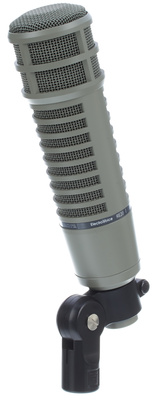
No other mic is recommended as often as the RE 20 from EV. How so? It looks different, it’s even more expensive, the sound character is quite different, and it’s a physically larger mic. However, the RE20 has been around even longer than Shure’s SM7 range, being introduced in 1968!
Like the Origin earlier, it’s a definite eye-catcher in your livestream. And while the SM7b offers a legendary sound, that sound can be a bit too natural or flat to some ears. In comes the Electrovoice RE 20 with its emphasized lows and highs. This is the sound of broadcast radio! If it’s good enough for Dr Frasier Crane…

SM7B Alternatives: Neumann BCM 705
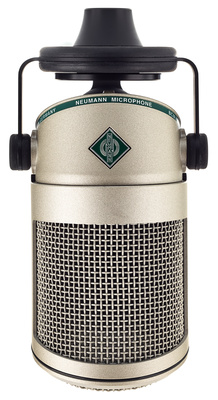
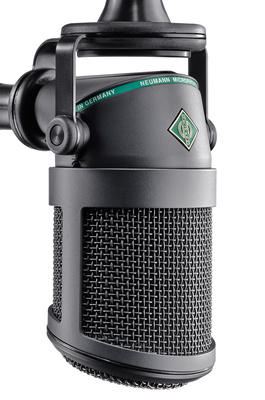
The 705 is the dynamic moving coil mic in Neumann’s BCM range of broadcast microphones, designed to give you that classic FM radio announcer voice. With its hypercardioid pickup pattern, the BCM 705 has been designed to get up close and personal, and its internal shock mount and integrated pop shield reduce plosives and any handling noise from repositioning the mic during takes.
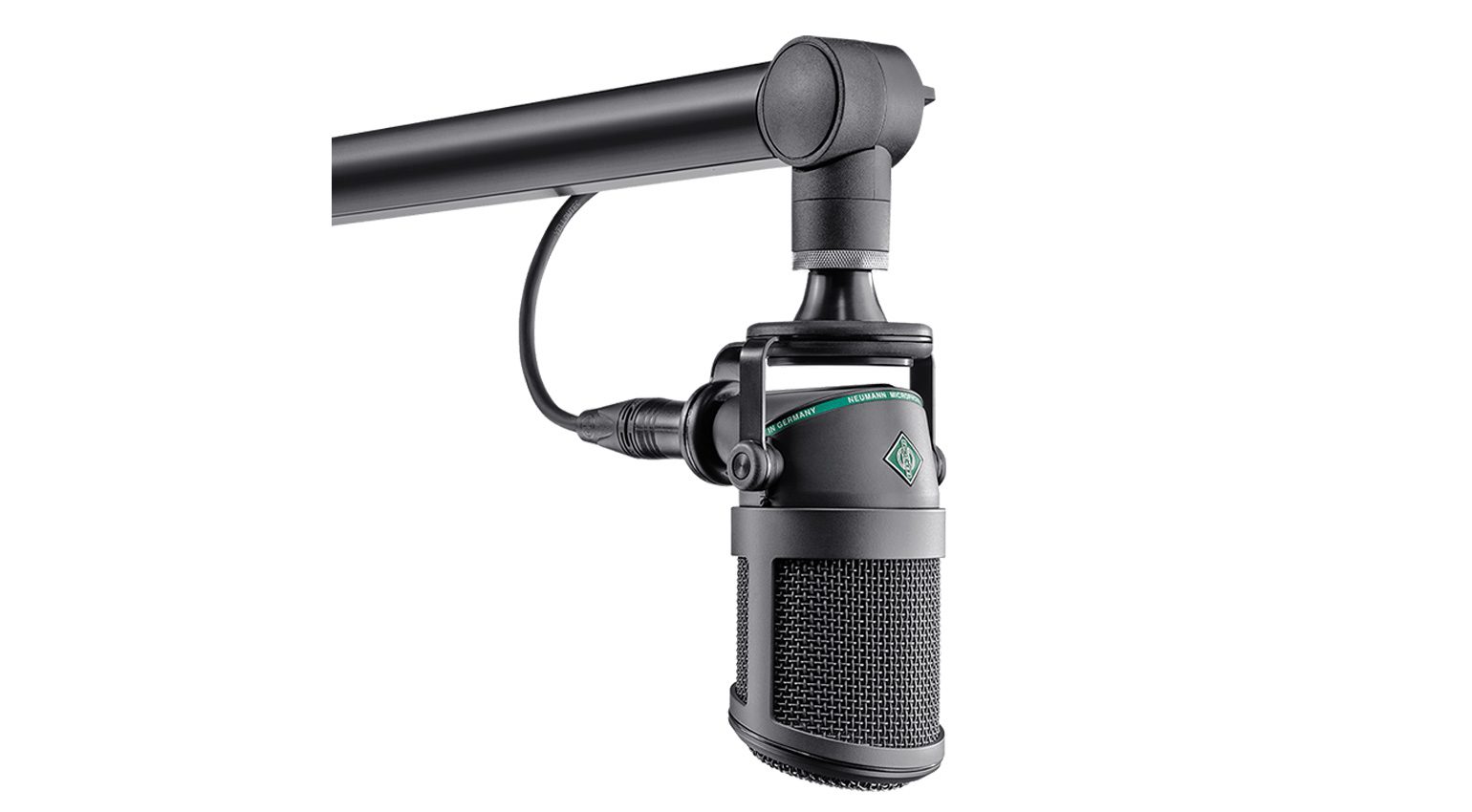
The frequency response is best suited for the human voice range, with a subtle boost just above 2 kHz to enhance the clarity of speech. In addition, there is a gradual low-end roll-off that counteracts the proximity effect. This means you can get as close to the mic as you like, and there’s the optional WS47 windshield for added protection.
While the BCM 705 doesn’t require phantom power, it’s a low-output mic like the SM7B, so you will need a gain boosting device like a Cloudlifter or similar to optimize the signal. The BCM 705 is also equally versatile, so you can use it on loud vocalists, guitar amps, or brass instruments. The only drawback is that you pay dearly for it, being the Neumann option. Get it at Thomann.*

FAQs:
1. What makes a mic a good Shure SM7B alternative?
A decent SM7B alternative provides excellent rejection of background noise, smooth frequency response in the vocal range, and sufficient output for operation with the average audio interface.
2. Are SM7B alternatives good for podcasting?
Most SM7B alternatives are designed for speech and vocal recording in untreated environments. This makes them an ideal choice for podcasting, content creation, live streaming, and voiceover applications.
3. Do SM7B alternatives need a Cloudlifter?
This isn’t always the case. Newer broadcast-style mic designs are often more sensitive than the SM7B, requiring less gain and allowing them to run directly into the average audio interface.
4. Are USB/XLR microphones good SM7B alternatives?
Hybrid USB/XLR mics are attractive alternatives because they have the plug-and-play immediacy of USB recording as well as XLR connectivity for more professional setups.
5. Are cheaper SM7B alternatives worth it?
Many of the more affordable broadcast-style mics you’ll find provide vocal intelligibility and noise rejection comparable to the SM7B. This makes them good value alternatives for beginners.
Conclusion
Was the mic you were looking for on our list? What would you have suggested? With the market of vocal mics growing at such a pace, it’s impossible for such a list of SM7B Alternatives to include them all. But you might have an idea or two where to start.
More about Shure SM7B Alternatives:
*Note: This post contains affiliate links and/or widgets. When you buy a product via our affiliate partner, we receive a small commission that helps support what we do. Don’t worry, you pay the same price. Thanks for your support!

This might also interest you
3 responses to “SM7B Alternatives: The Best Broadcast Mics”

The main reason that the RE20 is widely used by broadcasters is its lack of proximity effect (EV’s “Variable-D” technology), which makes it possible to vary distance from the mic (intentionally or unintentionally) without dramatic changes in tone. This sets it apart from the great majority of cardiod mics.
This list is not complete without the Earthworks Audio Ethos, such a great alternative to the SM7b
The E-V RE320 deserves a mention as well – as seen on the Meidas Touch podcasts on YouTube.