Roland Alpha Juno: Classic Synths – The One and Only Dominator
There’s more to the Alpha Juno than “What the.”

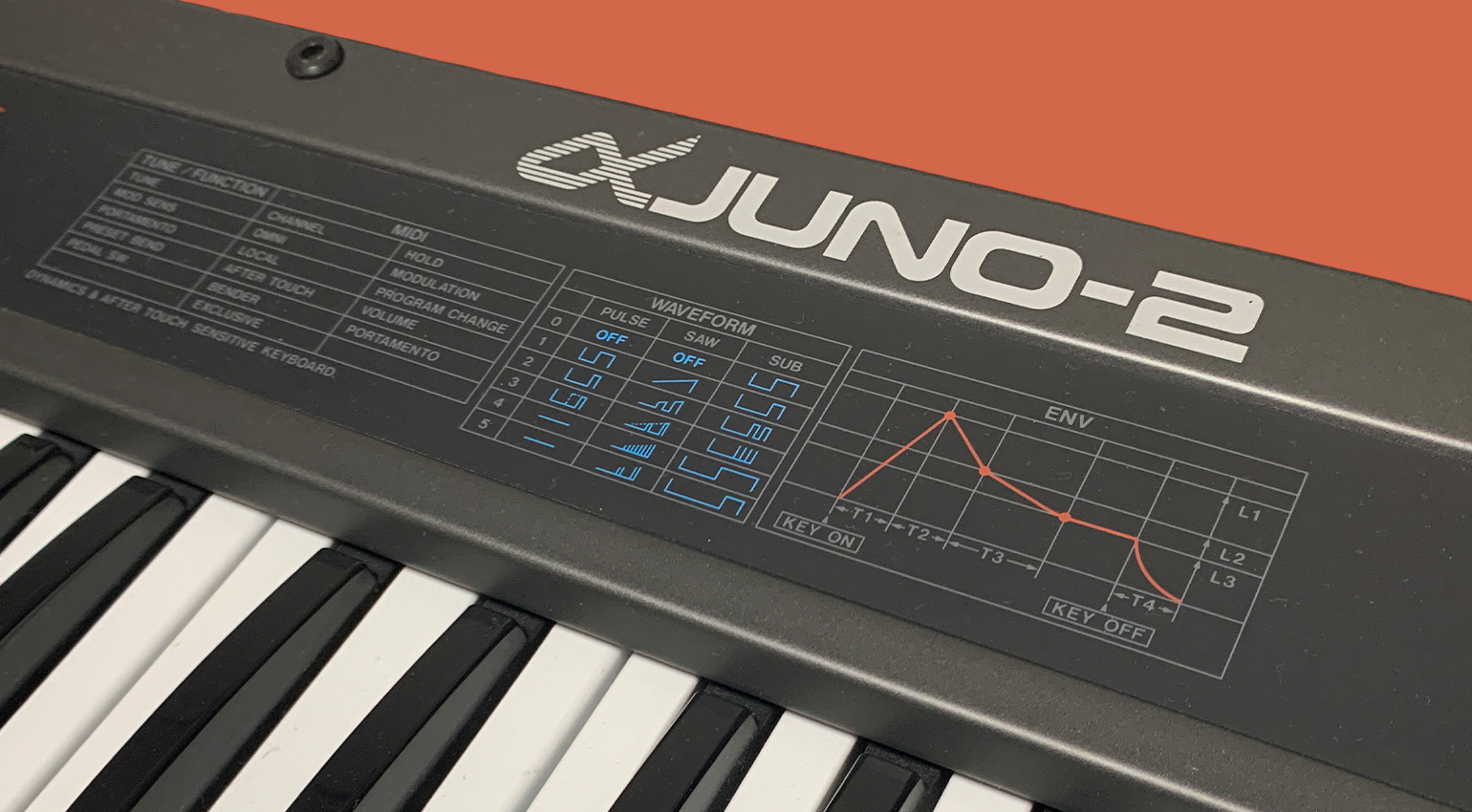

Many people may know the hoover sound but they don’t know it’s from the Roland Alpha Juno. That’s why this synth remains perhaps the best-kept secret in vintage analog.
Roland Alpha Juno
Many people know the sound of the TB-303, that squelchy squiggle. They know the boom of the TR-808 and slicing, metallic hats of the TR-909. And while these same people will surely have heard the hoover sound before, that evergreen buzzy synth stab that started in hardcore rave and has since crossed over to pop consciousness, they’d be hard-pressed to identify its source synth, the Roland Alpha Juno.
This is the story of the Alpha Juno, its history and impact on the culture – and why it remains an affordable vintage synth, despite being a 1980s Roland analog poly.
Alpha History
In 1985, Roland followed up the popular Juno-106 with the Alpha Juno, a similarly six-voiced analog poly synthesizer with all the hallmarks of the Juno series. Like its predecessors, it had a single DCO with saw, square and noise plus a sub-oscillator, a single LFO, and a 24dB/Oct resonant lowpass filter as well as a chorus. There were also significant differences, which we’ll get to in a minute, but the main selling point was that this was a polyphonic analog synthesizer with a sub-£1000 price tag.
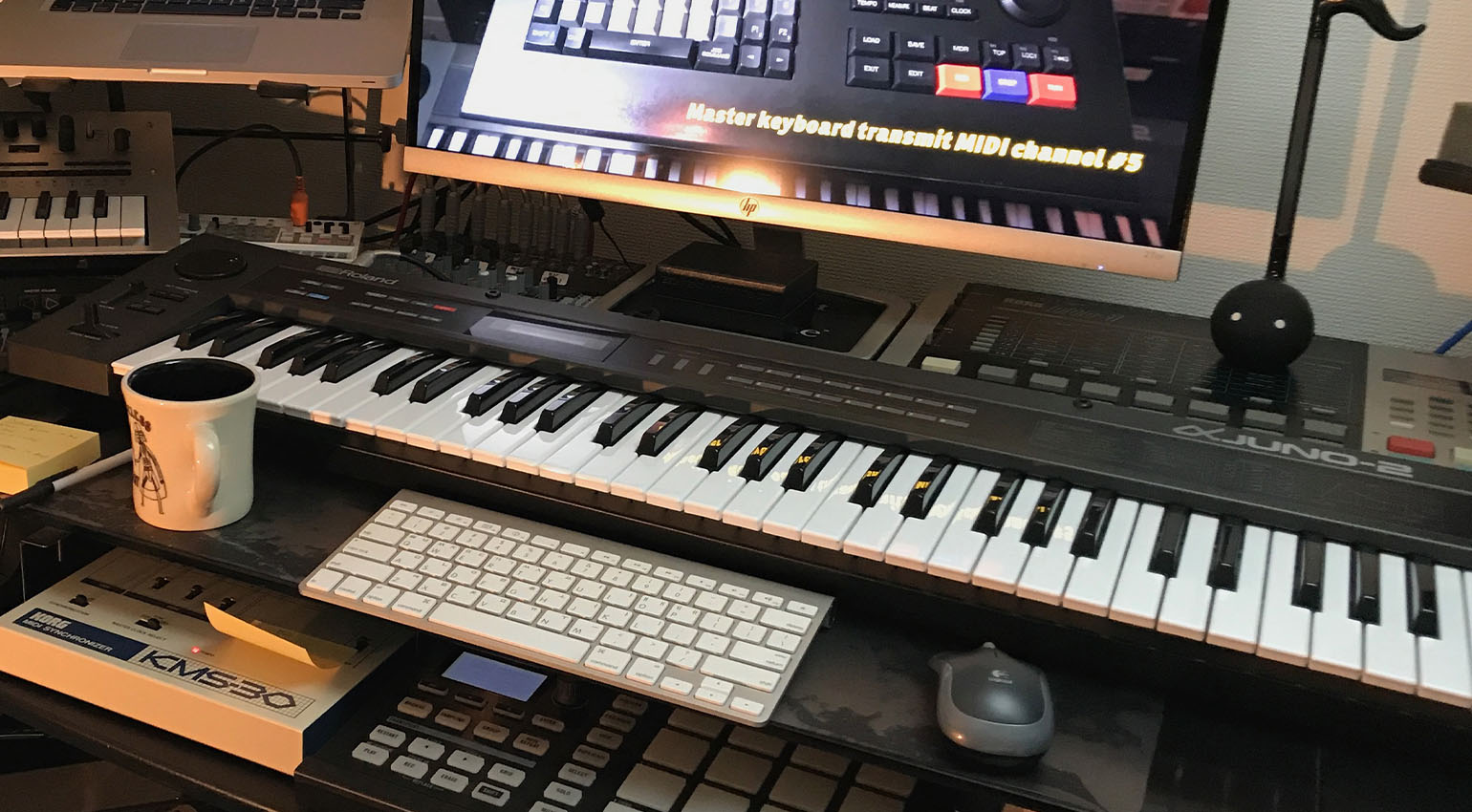
Actually two synthesizers, because the Alpha Juno came in two versions: the Alpha Juno-1 (or JU-1), and Alpha Juno-2 (or JU-2), which increased the keyboard length to five octaves and added velocity sensitivity and aftertouch, plus a cartridge slot for patch storage, to the proceedings. According to Sound On Sound, they sold for £575 and £799 at the time, making them consistent with previous entries in the low-cost Juno line.
Unlike the 106 and 6/60, however, there were no onboard controls save for the new Alpha Dial for data entry and a few membrane buttons. It clearly took design cues from the Yamaha DX7, the synth everyone wanted – and every company felt it had to copy. If you absolutely couldn’t do without sliders, you could add on the optional PG-300 programmer for an extra £200.
The Alpha Sound
Although it may look like a Juno on paper (and at the cash register), the sound of the Alpha Juno was decidedly different from its siblings. For one, the filter didn’t self-oscillate. The envelopes were different too, offering multi-stage designs with eight parameters, including level, time, and a key follow function. You could also use it to control oscillator pitch, new for a Juno.
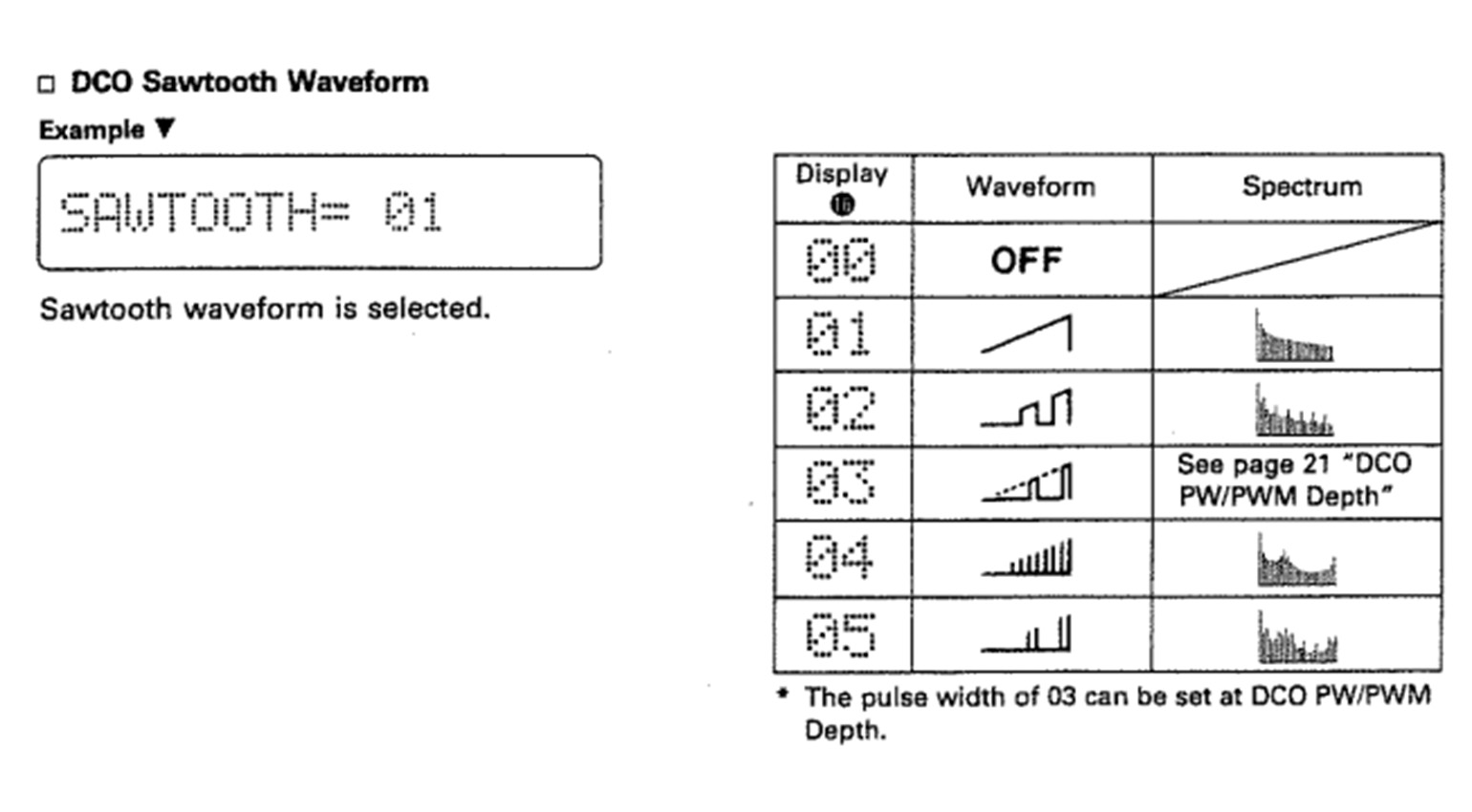
But the biggest difference lay in the oscillator section. Yes, you got sawtooth and square waves, with a square sub-oscillator, but uniquely there is pulse width modulation for both the square and sawtooth waves as well as static sawtooths (sawteeth?) of different duty cycle positions (five of these), plus three squares, and six subs, four one octave lower and two at two octaves lower. These unusual waveshapes give the Alpha Juno a unique sound, especially when you get that sawtooth PWM going.
Also worth mentioning is the chorus circuit, which lets you control the rate to a much finer degree than the 6/60 and 106.
This all gives it a clean and bright sound that’s excellent for synth pop. I especially like the strings and pads on the Alpha Juno.
Alpha Variants
The Alpha Juno was available in five different models over the course of its lifetime, which lasted until 1987. There were the JU-1 and JU-2, both released to the market at the same time. Interestingly, both models had home market equivalents. The HS-10 SynthPlus 10 looked like a JU-1 but with a list of presets in the upper right corner rather than the synth nerd-baiting waveshape table and envelope graphic. The HS-80 SynthPlus 80 was the real head scratcher, though. With its all-black enclosure and big stereo speakers, it turned the slim JU-2 into a bloated and very heavy beast.
For those who preferred their synths in black boxes, the Alpha Juno joined Roland’s MKS lineup as the MKS-50. The two-year lag between Alpha Juno launch and the appearance of the MKS-50 gave Roland’s engineers time to add 16 programmable chord memories and the ability to store performance parameters on a per-patch basis.
Alpha Hoover: Wanna Kiss Myself
Now, for that sound. In 1991, the New York duo of Mundo Muzique and Joey Beltram released a record called “Mentasm” under the name Second Phase on R&S Records. It was a massive hit on European dance floors, propelled to popularity through the use of the Alpha Juno-1. Specifically, preset 86 in the Memory group, called “What the.”
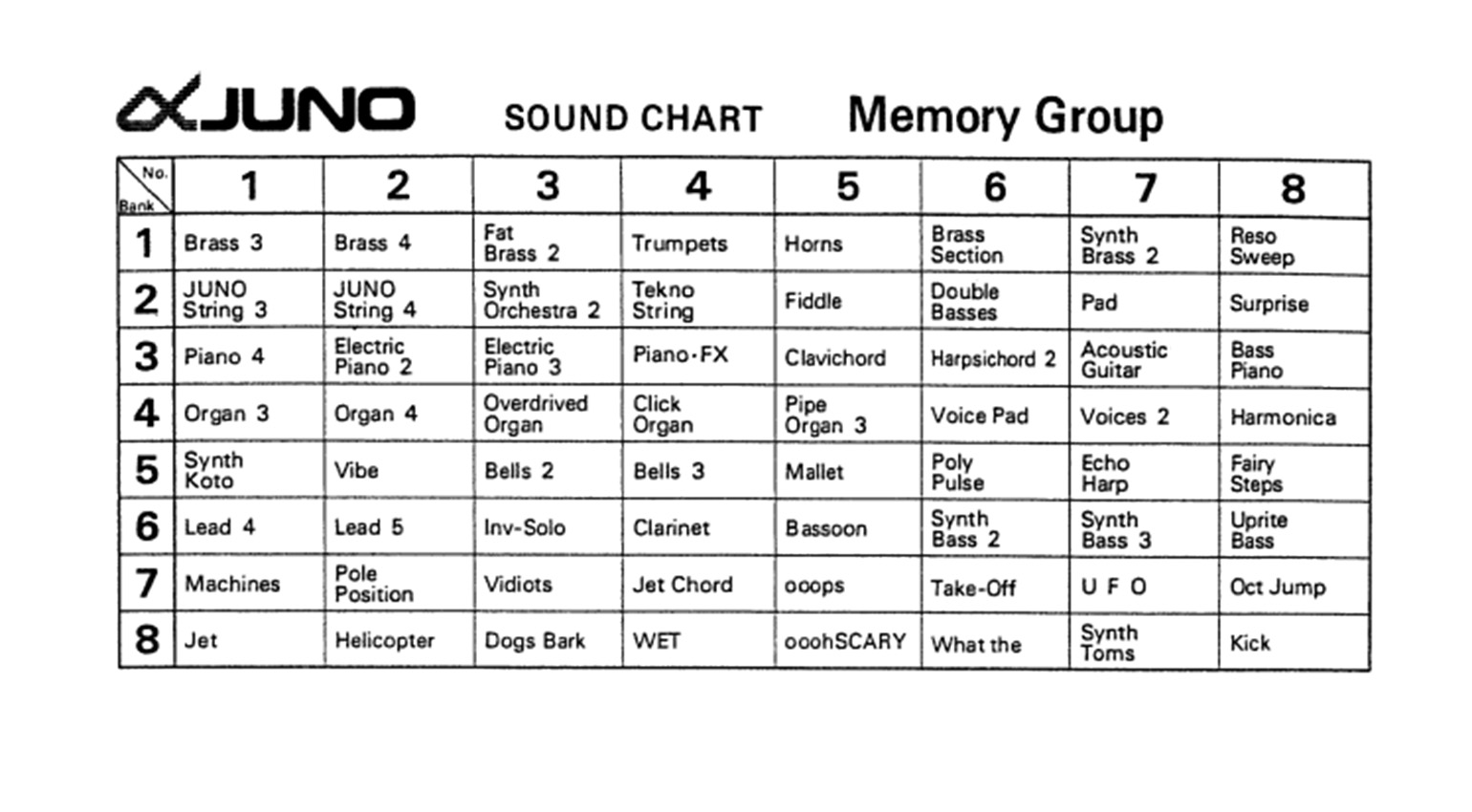
The “What the” patch, programmed by none other than Eric Persing, makes use of both the sawtooth PWM and pitch envelope to create the bizarre sound. Rather than play it straight off the Juno, Second Phase sampled it into Beltram’s Casio FZ-1 sampler, and it’s this that gives the Mentasm a unique feel.
It would be “Dominator” by Human Resource, however, that gifted the sound to the world. Starting the track in isolation, the hoover sound (as it was now known) got sampled by pretty much everyone, including The Prodigy (“Charly”), T99 (“Anasthasia”), and Underground Resistance (“Fury”), before making the jump to other genres like drum and bass and even pop, eventually appearing on tracks by Rihanna, Justice, and Lady Gaga.
My Alpha Juno Journey
As an old ex-raver, of course, I knew the hoover. I always preferred Joey Beltram’s remix of “Domninator” to the original (followed closely by Frank De Wulf’s version), but really, any Dominator was a good Dominator. I had always wanted an Alpha Juno, but wouldn’t you know it, I ended up with an HS-80 first.
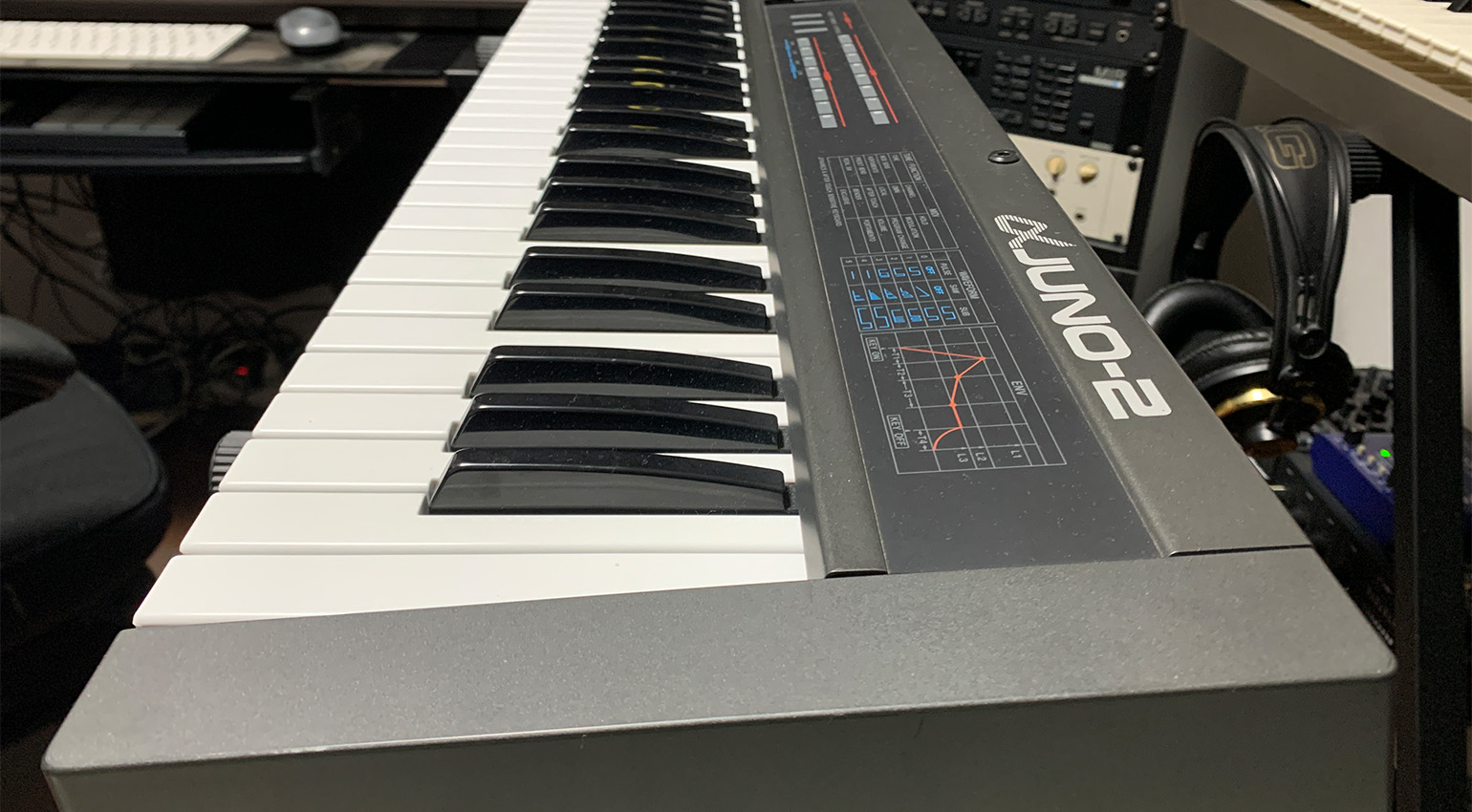
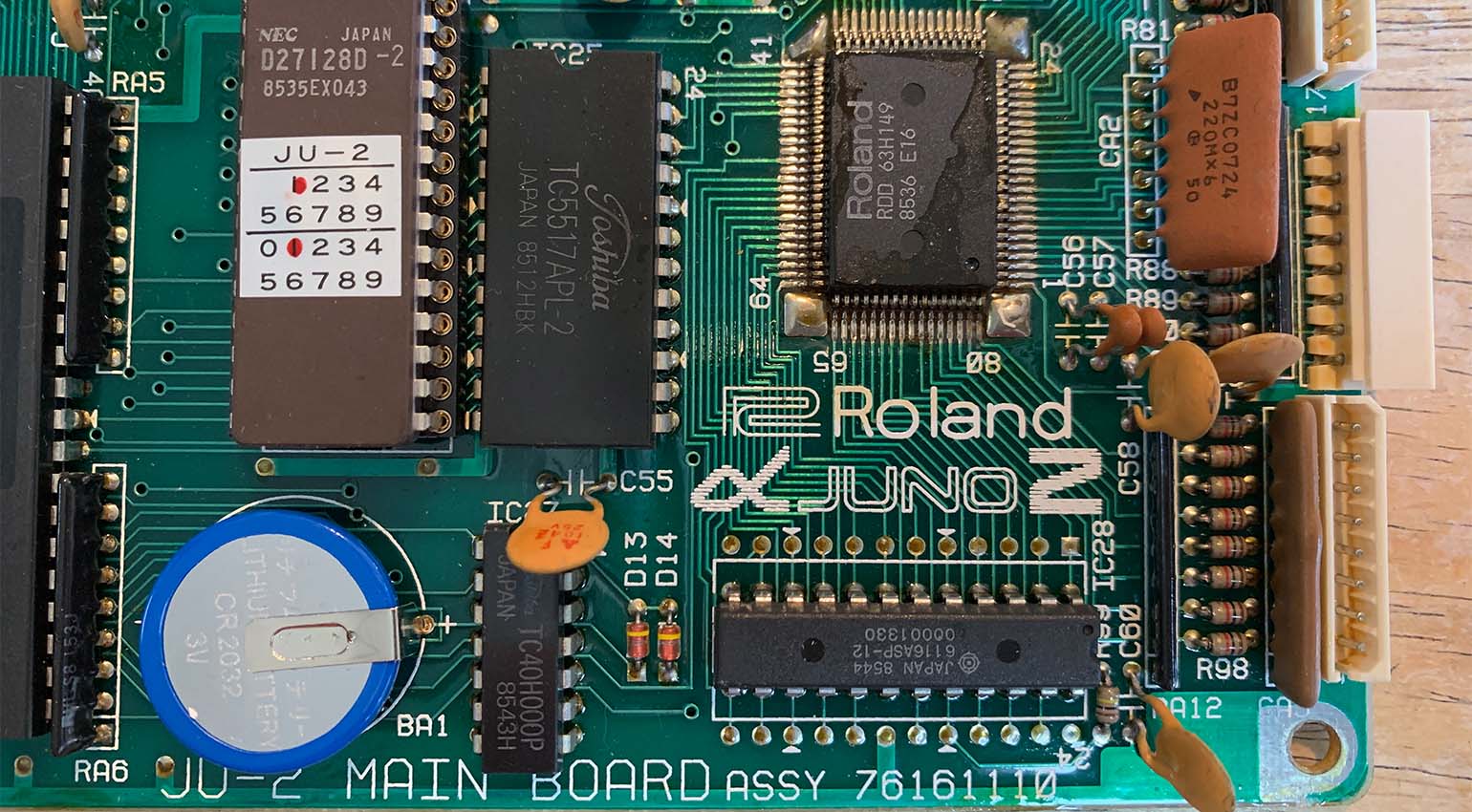
Although the HS-80 had the sound that I wanted, it didn’t have the look, so I eventually traded up for a real Alpha Juno-2. It’s had its share of issues over the years, including the usual dead battery. I had to replace the LCD screen with a modern OLED as the original is prone to developing an annoying whine, and now some of the keys have stopped sounding. I imagine it just needs a good cleaning, but the screen replacement was kind of a hack job, so I’m dreading opening it up. I have to replace the battery anyway, so it seems like I can’t put it off any longer. I also like to use it as my main MIDI keyboard, as I love the feel of the keybed.
Get the Alpha
If you’re after an Alpha Juno of your own, you’re in luck, as they’re not all that expensive on the used market. While you may be tempted to go for the JU-2, be aware that the aftertouch strip will go bad. Even if yours still works, it will be weak anyway. There are a few aftermarket replacements out there, but they’re not cheap. You’ll also probably want to change out the screen at some point too. Or you could avoid the hassle of both these issues and get an MKS-50.
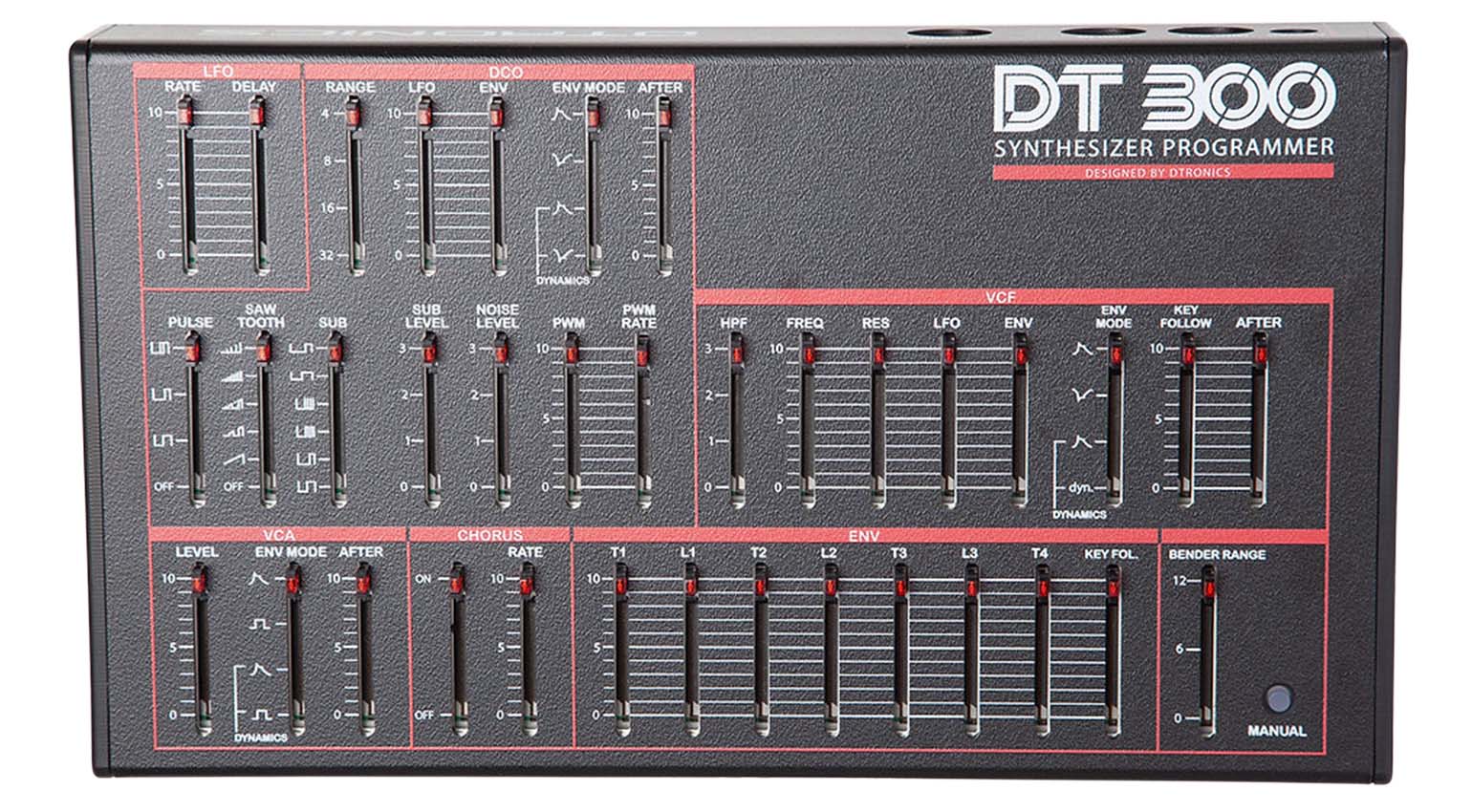
Either way, you’ll probably want a controller. The original PG-300 is rare, hence expensive, but two companies make replacements. DTronics does the DT-300 while Retroaktiv has the MPG-50.


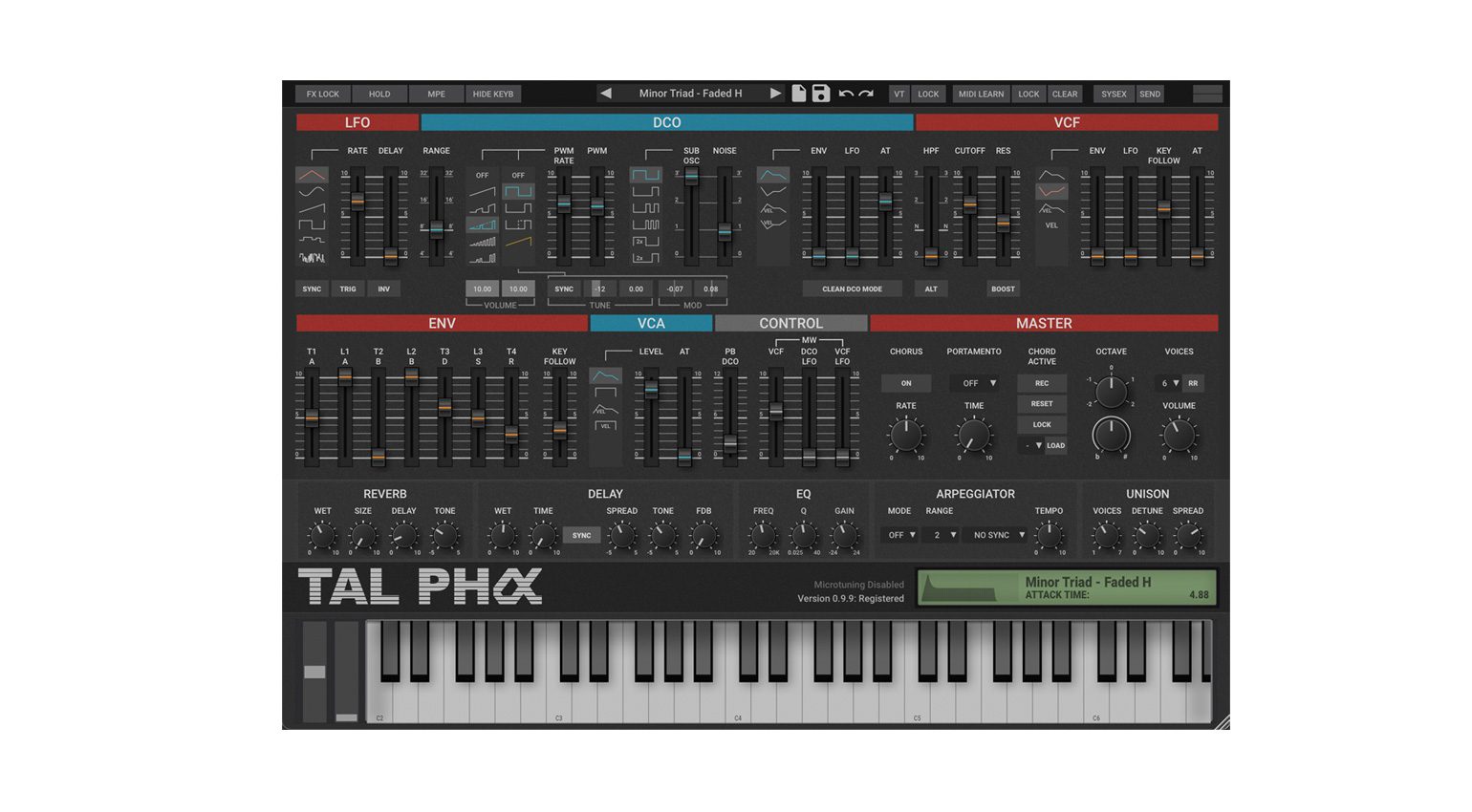
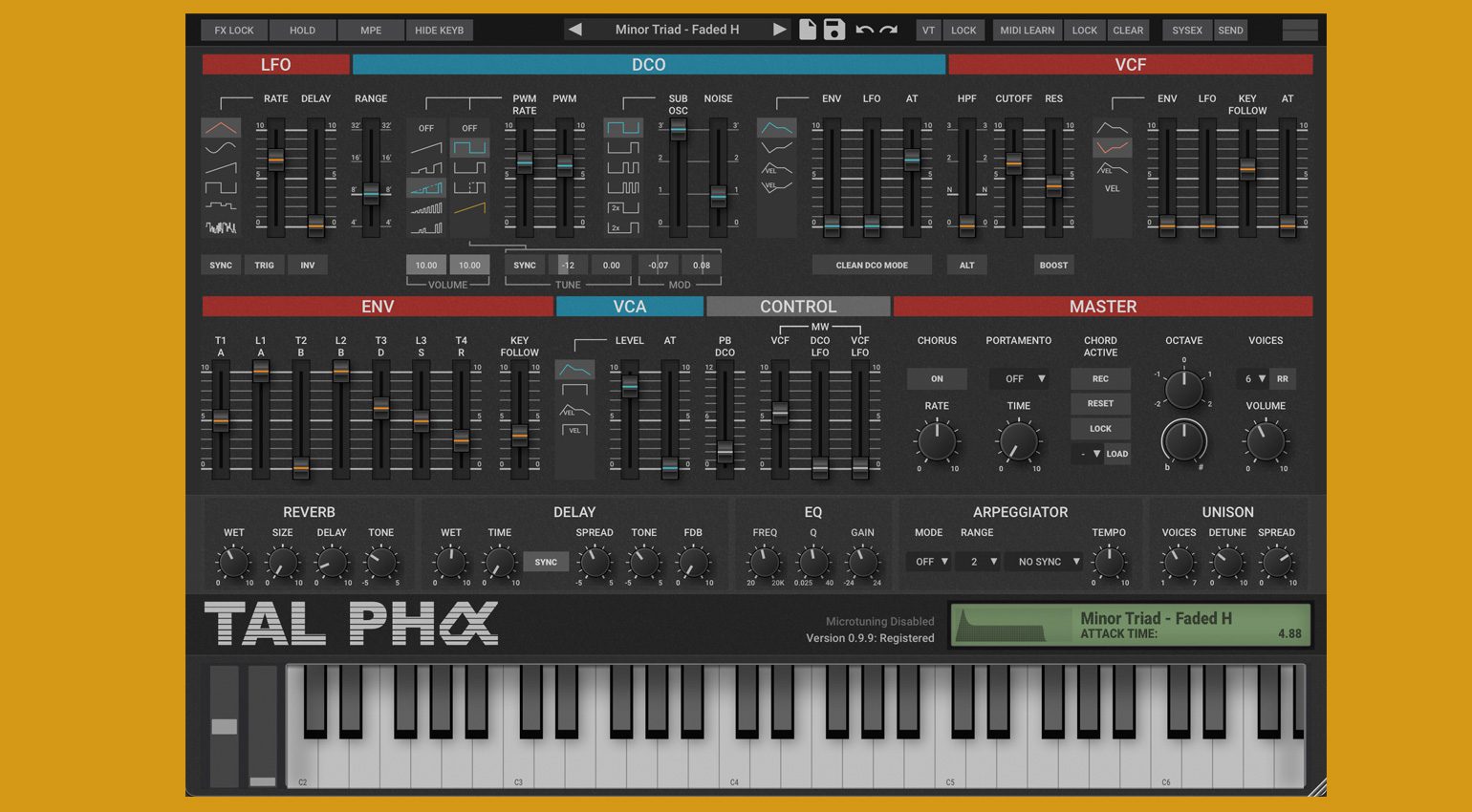
In terms of software, there are two emulations that I know of. The first to come out was Audio Realism’s ReDominator, available as a plugin or Reason Rack Extension. More recently, TAL released the TAL-Pha, which can read SysEx from the originals and also act as an editor.

More Information
- All about synthesizers
- Buy synthesizers at Thomann*
*Note: This article contains advertising links that help us pay for this site. Don’t worry: the price for you will always be the same! If you buy something through these links, we will receive a small commission. Thank you for your support!

This might also interest you