Mono Compatibility: Why Does It Still Matter?
A mix that sounds good in mono usually sounds good everywhere.

 2,0 / 5,0 |

We discuss some different aspects that contribute to mono compatibility and how it can help your mixes stand up on any playback system.
In this Article:
We live in the immersive audio era, where the use of ultra-wide stereo reverbs and spatial plugins is the norm. So why are we still concerned about mono compatibility? Well, the truth is that mono playback devices are still in the majority, from mobile devices like smartphones and tablets to Bluetooth speakers and smart TVs, as well as venue sound systems and broadcast audio chains.
If your mix doesn’t translate well in mono, the impact of the song is gone. Besides the balance of instruments and vocals that you may have spent hours working on, featured musical elements could even get lost in the process. Appreciating mono compatibility isn’t about rejecting the creative potential of stereo and multichannel formats; it’s about getting your mix to shine on any playback system.
What Does Mono Compatibility Actually Mean?
When we sum a stereo mix to a single mono channel, the level of compatibility shows us how much of the overall balance, musical intention, and clarity is preserved. With mono playback, we’re combining the left and right stereo channels into a single channel. This means that elements in the stereo mix that rely on polar variation between the channels can experience cancellation in varying degrees.
The physics of waveforms is the root cause of this phenomenon, as it determines that two signals containing similar content will cancel eachother out in different areas of the frequency spectrum when summed to mono, depending on the degree of phasing. This can be used to make elements sound larger than life in stereo, but they can also sound hollow in mono if mixed incorrectly.
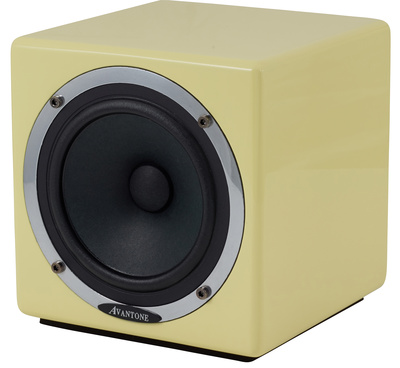
Therefore, when we look at mono translation, it’s not about duplicating the stereo mix, but rather tackling problematic areas that sabotage the mix. These critical factors may come across subtly, so it’s important to check on a reliable system like a coaxial cube monitor. Remember, mono checking is about quality control, not limiting your creativity.


Mono Compatibility: Common Problems
One of the main culprits that exaggerates a stereo mix is the overuse of stereo widening or imaging processors. These tools often introduce phase offsets between left and right or emphasize side channel information in mid-side encoding. While they may sound impressive in stereo, these effects can be unpredictable in mono, particularly with the behaviour of primary rhythm and low-end elements.
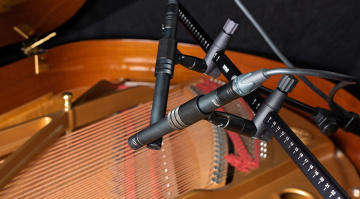
Another factor to consider is the use of stereo and mid-side recording techniques and the phase issues between mics. With drum overheads, ambient room mics, or stereo mic’d guitars, we can run into phase problems from suboptimal mic placement. The resulting tracks need to be time-aligned, or phase cancellation can occur.
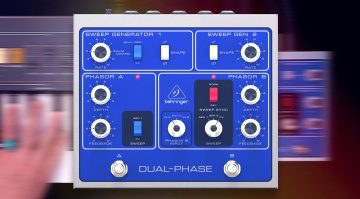
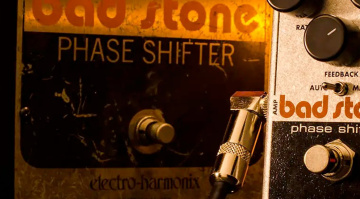
Delay effects like chorus, phaser, and flanger can also create problems when used in stereo, because modulation effects are naturally reliant on changing phase. If you keep the wet/dry mix at a more moderate setting, you can retain clarity. Lastly, stereo low frequencies are always an issue because they rely heavily on your position between the speakers. This is why we usually mix bass in mono for broadcast audio and club sound systems.

Mono Compatibility: Monitoring
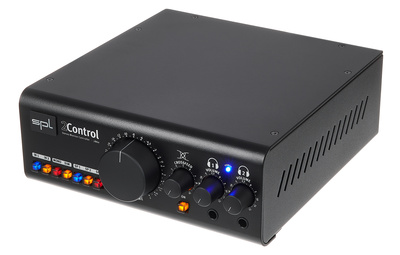
One of the easiest ways to ensure there is no shocking reveal moment is to develop a habit of checking your mix in mono. You can do this throughout the mixing process and even during production, as most DAW systems and monitor controllers have a mono sum function. Prevention, as they say, is better than cure, so this method helps you isolate problems before they become part of your mix.
As you switch into mono, listen out for specific signs such as tonal balance changes, low-end reduction, disappearing elements, or an overall loss of energy and punch. Your vocals and main elements, like the kick, should usually gain focus in mono. If one or more of the primary elements of your mix disappear or become phasey, investigate further.
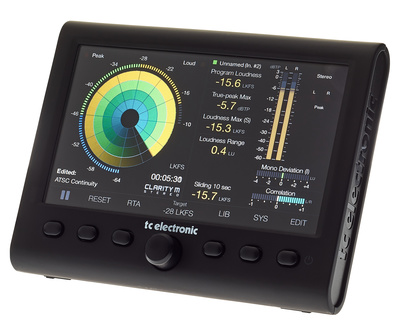
Plugins that offer correlation metering or phase scopes can offer visual assistance, but these are no substitute for critical listening. A reading of around +1 on a correlation meter means the mono compatibility is sound. Meanwhile, if it goes below zero, there could be phasing issues. Also, learn to trust your ears by listening to pro reference tracks in mono and noticing the differences.

Mono Compatibility: Mono-Safe Width
One sure way to ensure compatibility is to build the core of your mix in mono before branching out into stereo. When you balance your dynamics, levels, and EQ in mono, you can trust that the main components are gelling without relying on stereo separation. With a solid mono foundation, stereo width becomes an expressive enhancement instead of something you rely on completely.
Another avenue worth exploring is mid-side processing. By using compression, EQ, and effects differently across the mid and side channels, you can enhance width and improve clarity. However, if you only boost the side channel low frequencies, you’ll hurt the mono translation. A useful practice is to keep everything below the lower midrange in the mid channel, which is a feature many mastering compressors have for the purpose of vinyl mastering.
The panning of elements in your mix is also crucial, as hard-panned sounds usually translate perfectly in mono. However, it can be problematic if there is a similar signal duplicated across the stereo with timing and phase variances. Rather than trying to make every sound in your mix super wide, use contrast in your arrangement, as well as tonal and spatial depth for greater impact.
Also, pay close attention to reverbs and delays because early wide reflections can smudge in mono. You can combat this by using panned mono delays, adjusting pre-delay times, and using the dry signal to duck the wet.

Mono Compatibility: Real-World Testing
The best thing about mono translation is that it isn’t a vague pseudo-scientific exercise. It shapes the way a mix performs out in the real world. Since stereo information depends on the listener’s vantage point and we want to avoid phase issues in a venue, large PA systems often sum the low-end to mono. This makes the kick/bass relationship absolutely crucial in electronic dance music.
To ensure a consistent user experience, platforms like radio, TV, streaming, and social media apps often regulate the stereo content in an audio file for playback. If your mix relies on elements with immense stereo width, it may come across as blurred or unbalanced when it goes through these processes.
The way we listen to music also reinforces how essential mono translation is. The most popular devices like iPhones, Alexa speakers, and other Bluetooth devices are often playing back in mono. Regardless of how good your track sounds in studio, if it fails the mono test, your listeners can lose interest.

More about Mono Compatibility:
*Note: This article contains affiliate links that help us fund our site. Don’t worry: the price for you always stays the same! If you buy something through these links, we will receive a small commission. Thank you for your support!

This might also interest you