Mix Translation: Sound Good On Every Playback System
We discuss some of the key aspects of mix translation.

 1,0 / 5,0 |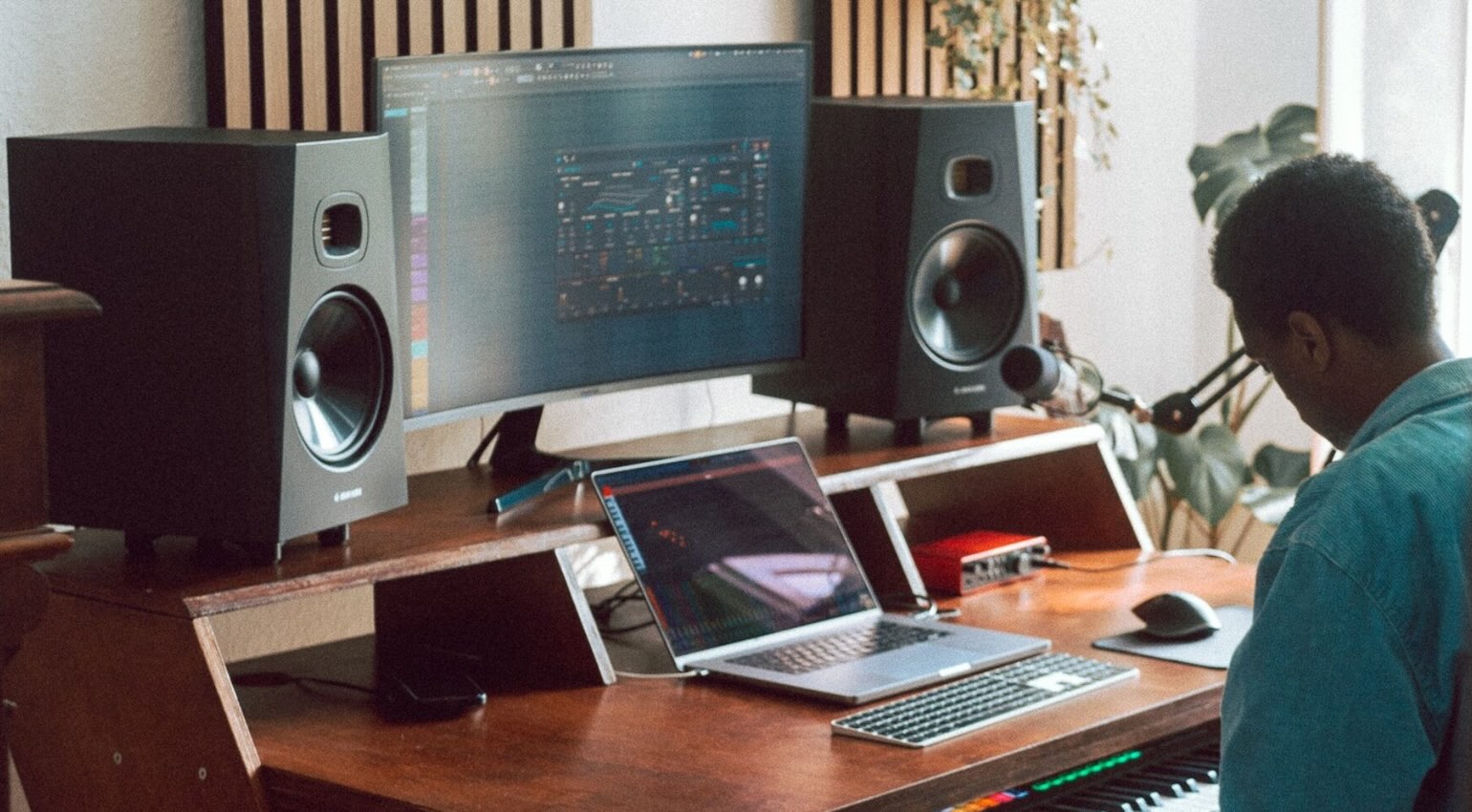

When you don’t understand mix translation, it can be such a confusing time. Spending hours in studio, only to find that core elements aren’t hitting right.
In this Article:
When a mix translates properly, it maintains the emotional impact and balance, whether it is played through a giant PA system, a car stereo, or tiny laptop speakers and earbuds. The reason this is such an important consideration in music production is that the average listener you are trying to reach isn’t listening in a treated environment with studio monitors.
First impressions count, and this means your music must translate onto the most commonly used playback systems. This makes it essential that your mixes are able to pass the real-world test, as it’s a definitive skill of a pro mix engineer.
Mix Translation: Monitoring Accuracy
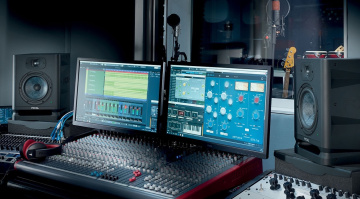
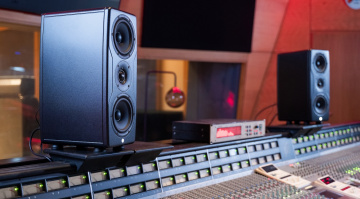
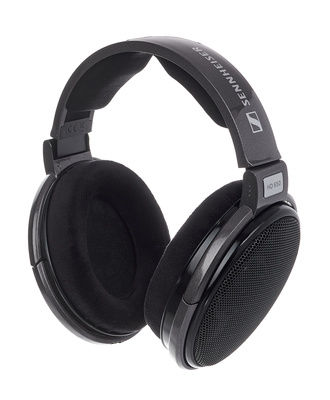
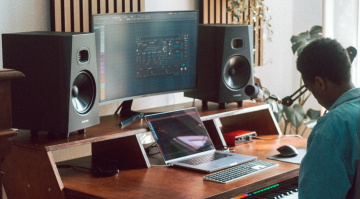
It’s impossible to correct frequencies you aren’t hearing, so transparent monitoring becomes the highest priority when it comes to mix translation. However, this can be easily misunderstood. The problem starts with monitors or headphones that enhance or mask certain parts of the frequency range, rather than giving you a true and accurate representation.
For mixing, your playback system should be as unforgiving as possible in order to reveal any flaws you need to address. A smiling Hi-Fi EQ curve with bass boost and enhanced highs can make listening exciting, but it forces your ears to compensate and make decisions that aren’t going to translate on every playback system.
Also, the room acoustics and positioning of the speakers play an important role. In an untreated environment, you can find comb filtering, standing waves, and low-frequency doubling that affect your perception, while suboptimal speaker placement can distort the stereo image. Your monitoring level is a factor too, so using moderate levels (around 75 SPL) can reduce Fletcher-Munson bias.
Mix Translation: Balance > Detail
Achieving translation happens through balance rather than complexity. Although we have the most precise audio tools at our fingertips these days, the human ear responds to the relative signal levels within a mix rather than detailed processing. A mix with good translation prioritizes elements like the vocals, main groove, and key melodic parts, so you get the picture on any playback system.
Focusing on the minute sonic details of each individual instrument won’t necessarily make your mix translate better. However, the relationships between your kick and bass or the balance of the vocals compared to the rest of the instruments are a great starting point. Aspects like transients and sustained parts must come across clearly at high or low listening levels.
One way to immediately test your mix is to turn your monitoring level way down. If the core elements of the mix remain clearly audible and intact from an emotional perspective, the translation is usually good. This is why too much tinkering with micro-dynamics and automation can reduce translation. A mix built on subtleties that are only apparent in a clinical listening environment won’t perform on consumer audio systems.


Mix Translation: Frequency Management
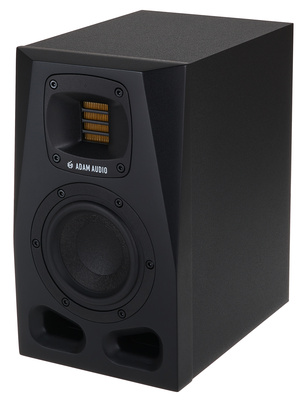
The imbalance of frequencies is a common point of failure for translation. Although your $2000 monitors can reproduce any part of the audio spectrum with ease, this simply isn’t the case with consumer audio devices. For this reason, if your ultra-low 808 bass or “psycho acoustic” vocal sheen doesn’t cover the right frequency ranges, they won’t hit nicely outside of your studio.
Because low-end reproduction differs so much from one sound system to the next, it’s worth taking extra care. By using saturation to introduce harmonics, we can alter the timbre of a sub bass sound so that the notes being played register in the low midrange. Then, when our kick and bass are sitting right, the foundation of the track becomes clear and obvious, which translates perfectly.
Ever noticed that midrange elements like a QOTSA guitar riff translate wonderfully? It’s because the reproduction of this part of the spectrum is quite consistent in most consumer devices. This means that if your mix has midrange clarity without being busy, it is likely to translate better. Also, be cautious with high frequencies, as your glistening enhancement may sound tinny on consumer systems.

Mix Translation: Dynamics and Loudness
When a mix translates from a dynamics perspective, it feels tight and punchy, but still animated. Although the effect of severe compression may be impressive on studio monitors, it can actually cause a reduction in clarity and punch on consumer devices. On the other hand, if your dynamics are out of control, the mix won’t scale up to a club sound system.
Instead of just loudness, dynamic aspects like transient punch, groove, and articulation will help your mix to translate. Vocal intelligibility, drum transient clarity, and a well-maintained rhythm component will cut through on any playback system. Another thing to consider is streaming loudness standards, as this can play a major role in translation.
If we push for max LUFS, it can destroy the relationships between essential contrasting elements, which makes it sound boxy after normalization. By matching loudness levels correctly, you preserve the dynamics, which ensures your track translates from an emotional perspective. This means controlled performance dynamics, instrument group dynamics, and main mix headroom.

Mix Translation: The ‘Real World’ Test
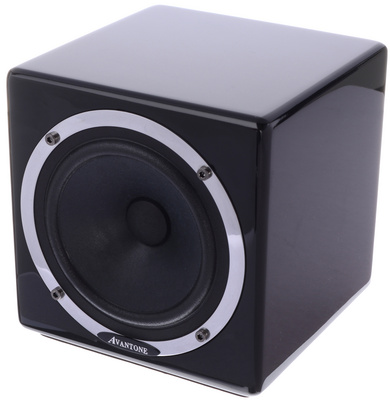
A good mix translates everywhere, not just in your studio. This is why pro engineers often use different playback systems to scan for problems before sending the final mix off to clients.
Here are some of the traditional translation checks:
- Car stereo – midrange harshness and bass balance
- Smartphone – midrange clarity and mono compatibility
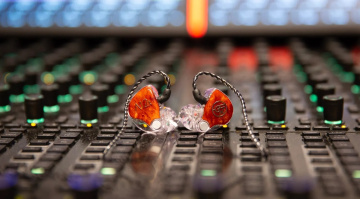
- Consumer headphones and earbuds: sibilance and stereo imaging
- Coaxial mono speakers – overall balance and masking
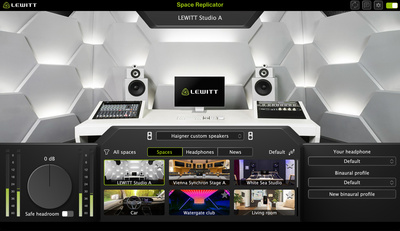
There are also plugins available that simulate these systems for monitoring on headphones. In addition to this, it’s important to use commercial reference tracks in a similar music style. This gets your ears accustomed to mixes that translate well and how they sound on your studio monitors.
Keep in mind that the purpose of a translation check is to help you make broader adjustments rather than entering a cycle of endless mix revisions. A mix that doesn’t translate anywhere probably has a fundamental issue, such as balance, frequency distribution, or your monitoring system, rather than a quick fix.

More about Mix Translation:
*Note: This article contains affiliate links that help us fund our site. Don’t worry: the price for you always stays the same! If you buy something through these links, we will receive a small commission. Thank you for your support!

This might also interest you