Guitar Journal: That Sold Out Michael Schenker 1971 Flying V & More
Plus, Richie Sambora reunited with stolen Gibson Explorer and a 64 pickup guitar!

 5,0 / 5,0 |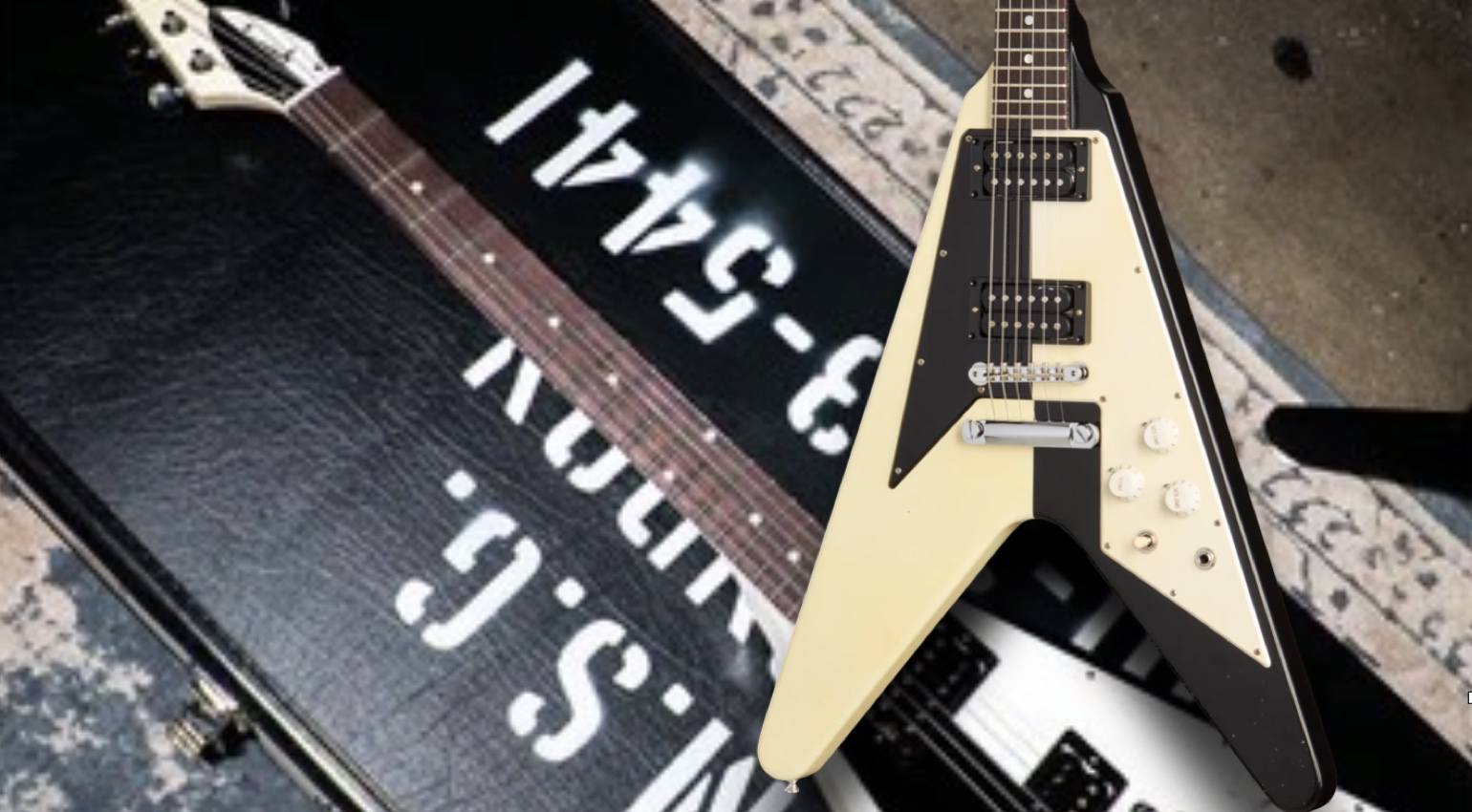

This week, we look at the ‘blink, and you’ll miss it’ highly limited run Michael Schenker Gibson Custom Flying V, which sold out almost instantly. Then we look at the stolen Richie Sambora guitar he has just been reunited with after decades. Finally, we take a peek at a 64 pickup guitar!
Guitar Journal
Michael Schenker Limited Edition
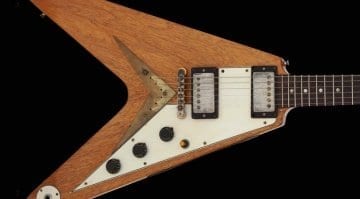
Gibson only made 50 of the Custom Michael Schenker 1971 Flying V exclusively via their online store; they sold out worldwide immediately, and everyone (who was a fan of the guitar) was annoyed they missed out. Metallica’s Kirk Hammett now owns the original Medallion #56.
Gibson produced only a limited number of “Medallion Series” Flying V models in the early 1970s, and Schenker’s customized black-and-white paint job really set it apart from the crowd.
The Gibson Custom Shop has recreated it as a limited run, and last week, they all went within hours of release online.

Murphy Lab Collector’s Edition
Each guitar was a Murphy Lab recreation of the famous black-and-white Flying V that Schenker has played for decades. These Collector’s Edition models are always high-priced and ultra-exclusive, so hopefully the relic work on these was well done.
Not Cheap!
It came with a pair of T-Top humbuckers and the solid mahogany body paired with a three-piece mahogany neck, minus the headstock breaks, but with all the nicks and scratches recreated.
Each guitar costs £14,899 in the UK (about $16k), and they still sold out in under a day. Every guitar featured Schenker’s hand-signed signature on the rear of the headstock and comes housed in a custom-built replica flight case adorned with authentic MSG graphics. Plus, a Commemorative #56 Medallion and the Certificate of Authenticity.
Hopefully, we could see a standard US run or perhaps an Epiphone run in the future, as this guitar really is part of modern guitar history.
Richie Sambora Reunited
Richie Sambora has been reunited with his heavily modified Gibson Explorer, a guitar stolen from him 41 years ago!
Purchased when Richie Sambora was just a teenager, this Explorer was a labor of love that took three years to perfect. Working on a tight budget, the young guitarist upgraded the instrument piece by piece as funds allowed, slowly molding it into his signature tool.
Stolen Explorer Returned
However, the story nearly ended in 1985 when the guitar was stolen from a warehouse while Bon Jovi was touring internationally. For decades, the instrument was presumed lost to history—until it unexpectedly resurfaced in Matthieu Lucas’s collection at Matt’s Guitar Shop in Paris.
The story of the missing guitar has just been released on YouTube, and gives some hope to anyone who has had an instrument stolen. Gemini said
Matthieu Lucas explains that he acquired the instrument from a seller claiming to be from Michigan who identified it as Sambora’s authentic Explorer. He notes that this was a landmark acquisition, as guitars from Bon Jovi’s early era almost never reach the open market.
To ensure the guitar’s authenticity after purchase, Lucas conducted extensive due diligence by providing photographs to Sambora’s representatives for official verification. Richie is now reunited with his old guitar and hopefully will be playing it again soon.
64 Pickup Guitar
While a 64-pickup guitar might seem like a gearhead’s hallucination, this instrument is a functional reality. Conceived by David Wieland of Dark Art Guitars for his master’s thesis in electrical engineering, the Polymap system redefines the boundaries of pickup technology.
Polyphonic Pickup Madness!
Wieland’s creation is a polyphonic system capable of capturing 64 distinct pickup signals at once!
This experimental tech is housed in a headless, eight-string Alchemist model featuring a 26.5” scale length. To accommodate the massive electronic array, the guitar’s swamp ash body and maple burl top have been extensively routed, leaving what the builder calls a giant hole to house the hardware.

Polymap
The Polymap system features 64 active pickups organized in an 8×8 grid beneath the strings. The analog signals from these pickups are processed and converted into digital data by several converters.
A specialised internal chip then packages these signals into a single stream that travels out of the guitar through a standard coax cable. Once it reaches a computer via a USB interface, a custom plugin lets you mix and control all 64 channels in your recording software. For added convenience, the guitar draws power from the same coax cable.
Looks crazy, and I’m sure it would be a lot of fun (and somewhat confusing) in the studio. What’s next? Can you beat 64 pickups in one guitar?

This might also interest you