Guitar Genres: 5 Styles Every Player Can Learn From
Is it time to switch things up?

 5,0 / 5,0 |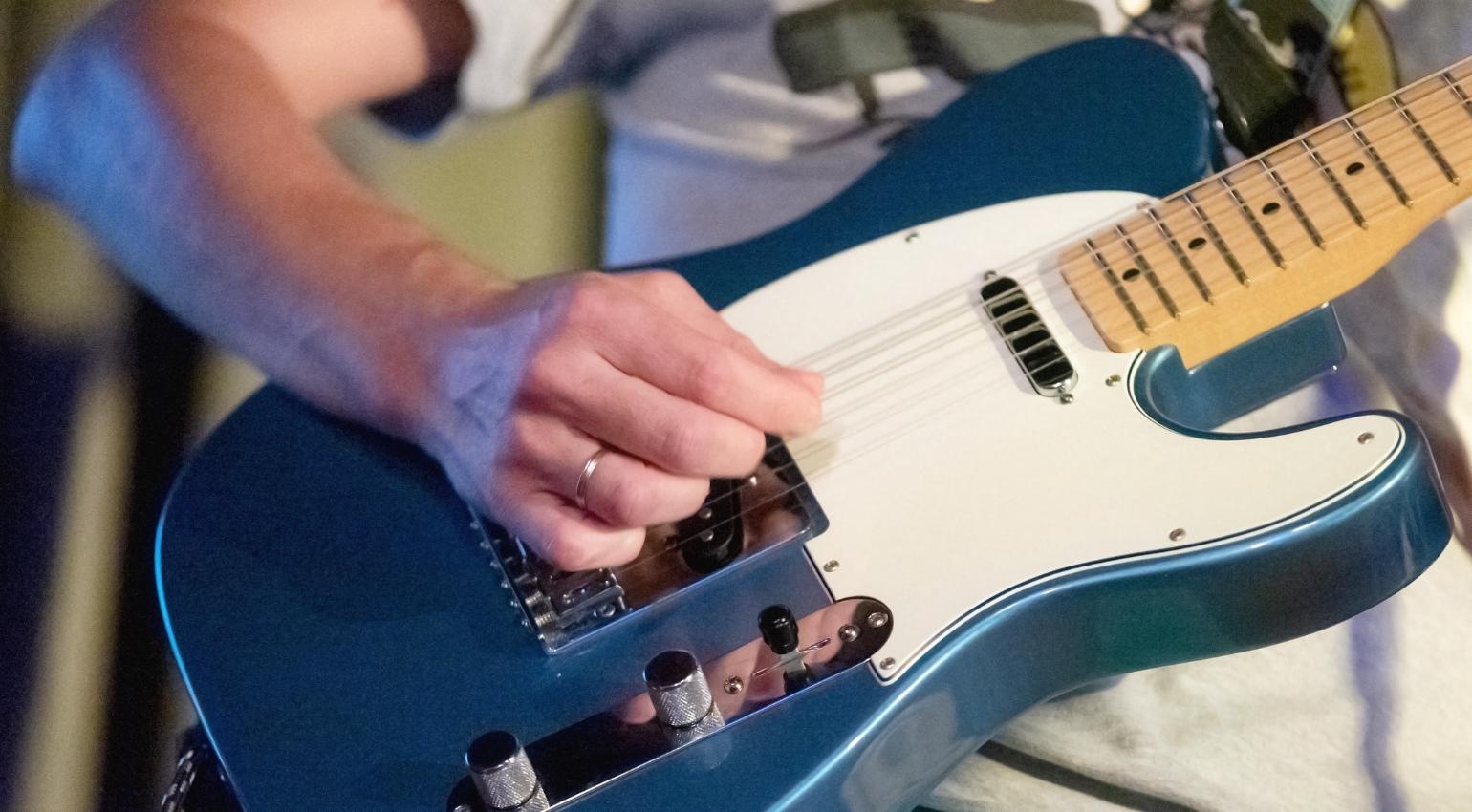
Guitar Genres: 5 Styles Every Player Can Learn From · Source: Alamy Stock Photo / DAVID HERRAEZ

Guitar genres outside your usual listening can teach many lessons to help you improve as a player. Here are 5 techniques you can learn from different styles.
5 Guitar Genres to Try:
Why Learning New Genres is Good
Don’t be stuck in a rut, get out there, and explore! As a gigging guitarist, I believe that all players should experiment and sample loads of different styles to expand on your taste and ability. Plus, you can blend certain styles together to give you greater tools to work with.
All About Different Guitar Genres:
- New guitar genres develop different skills, from bluesy chords and funky rhythms to country bends and ska’s offbeat approaches.
- Learning outside of your regular genres can make you a more versatile guitarist. Don’t be that person who only plays one thing; you have to explore to grow.
- Rock, blues, funk, ska and country each bring something new to the table, giving players practical ways to improve on rhythm, lead playing and musical vocabulary.
Rock
Starting us off in our look for new guitar genres is a real staple. Here, we’re going to be looking at the magic of power chords. This is aimed more at beginners, but who knows, you could just learn something new.
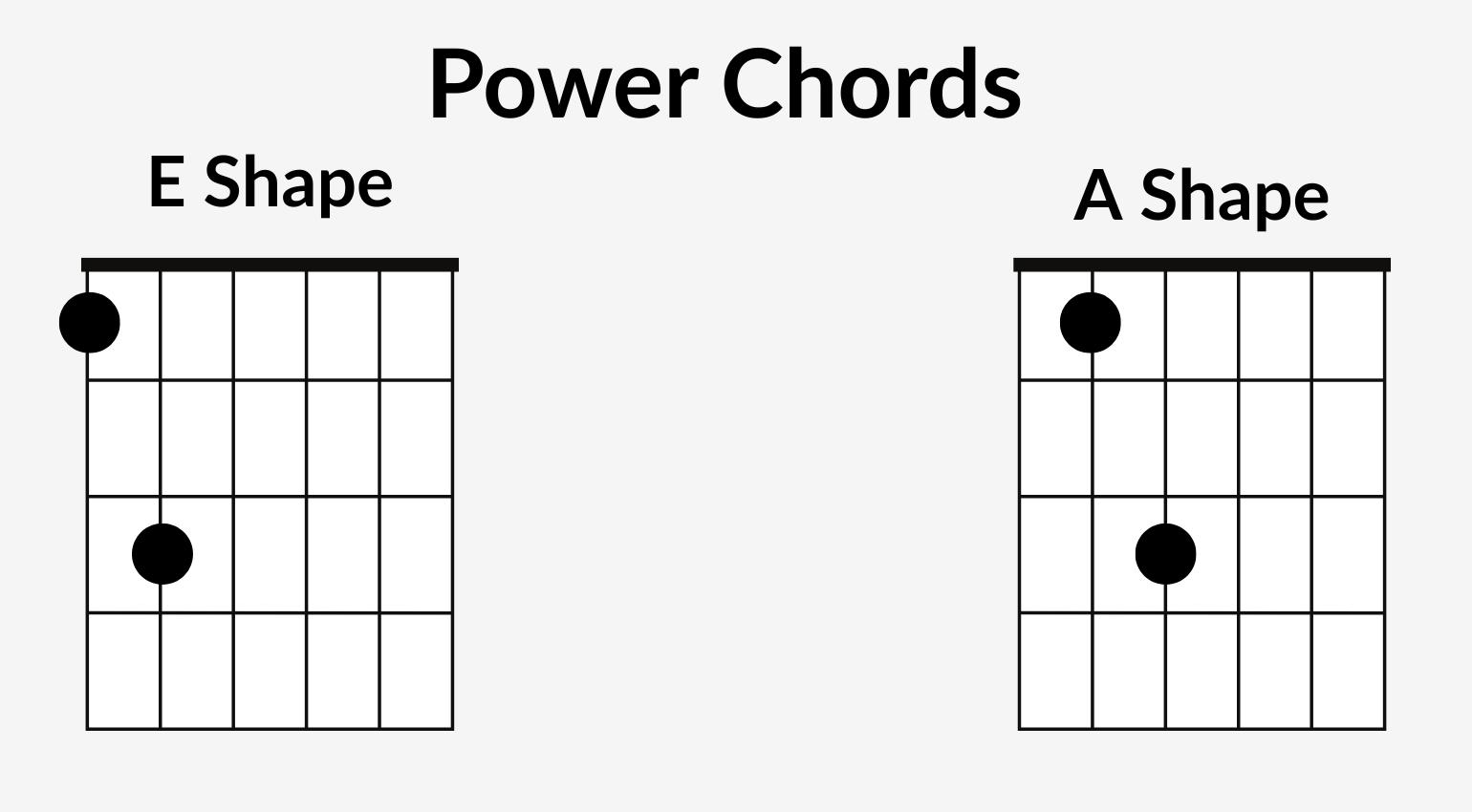
For many, power chords may seem like a basic guitar technique. But do you actually know what a power chord is? Unlike a regular chord, where you need a root note, major 3rd and perfect 5th intervals, a power chord uses the root and 5th.
As for our guitar genres, this gives the chord a harsher edge with the major 3rd removed. Power chords are great for playing tricky chords, as the shape will stay the same across the neck. Moreover, they’re the stepping stone from rock into metal. There are two shapes: E and A.
Blues
Sticking with the chord theme, we’re going to blues as one of the next guitar genres. Back in the early 1960s, bands such as The Beatles had to convince venues that they were playing blues, rather than rock. How times have changed.
This time, we’re going to be looking at the importance of 7th and 9th chords. These are what we call stylistic features. You could take a regular A major chord, and it sounds just fine. However, if you add the 7th degree of the scale onto that chord, all of a sudden it sounds like the blues genre.
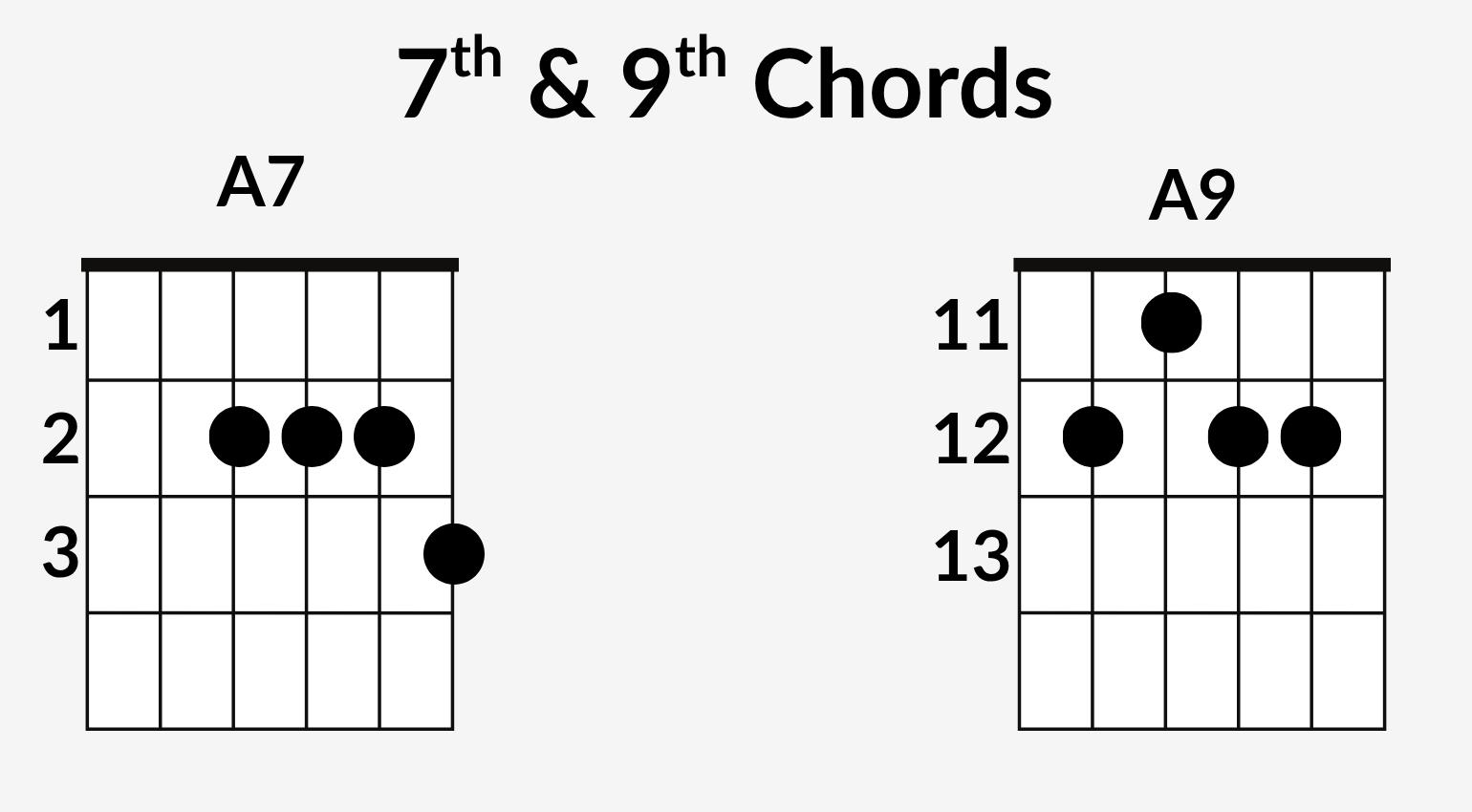
Naturally, there are loads of places on the neck to play these chords, but this image shows some to try. Furthermore, a 9th chord is the cream of the crop when it comes to dressing your chords in a blues style. This is really useful for ending songs on, or making them stand out. Just think of the harsh stabs in Taxman; there’s your 9th chord.
Funk
Most things in musical theory link together; therefore, in our next guitar genres deep dive, we’re going with minor 7th barre chords. Perfect for getting funky.
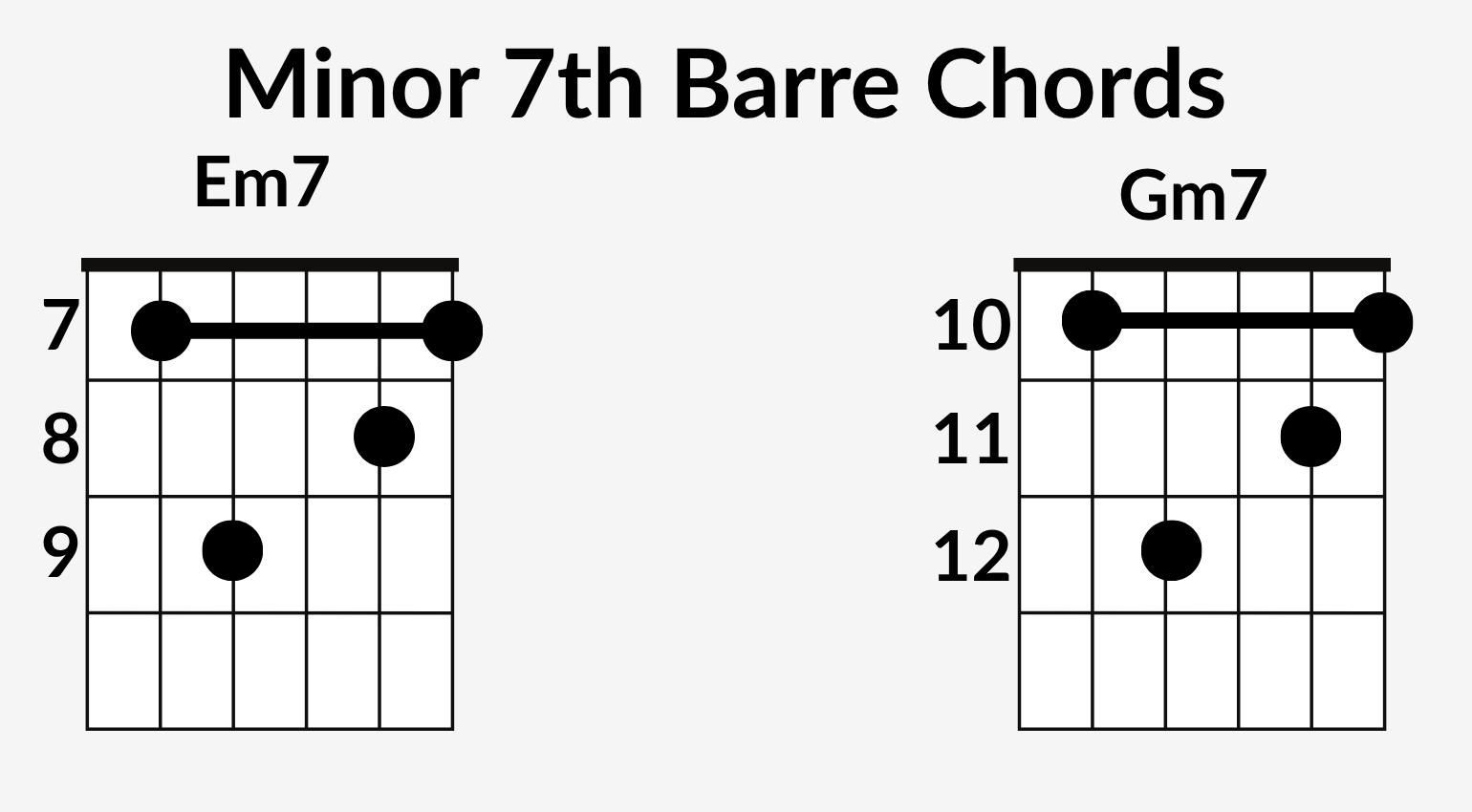
Just think of something like Good Times with Nile Rodgers behind the wheel, or Long Train Runnin’ by The Doobie Brothers. What do they have in common? Minor 7th barre chords are the backbone of any great funk track.
To play these, you need to barre a fret, and then hammer on with the 5th and minor 3rd. These minor 7th shapes look like regular A-shape barre chords, just with your third finger removed. This gives them that 70s sparkle that we all know and love.
Ska
Next up, onto some rhythm work. The whole point of exploring new guitar genres is to gain skills from each. Ska and reggae tracks usually play short, staccato chords on the offbeat. Let’s see what that looks and sounds like.

In a bar of 4/4, we’d usually count one, two, three, four. Whereas with ska music, you’d typically hear the guitar on the and of every beat. Hence, offbeat. If you were to clap on the beat, the gap in the middle of each clap is the offbeat.
What else can ska music teach players looking at new guitar genres? Most of the time, artists won’t use open chords and will try out different voicings to help achieve the short, staccato sounds. Learning these shapes is great for unlocking the fretboard.
Country
Concluding our look at new guitar genres, why not try considering country? Country music is back in vogue at the minute, but there have always been some killer lead guitar parts in these songs.
If you’re unfamiliar, don’t worry; it’s not all Stand By Your Man. Here, we’re going to look at some awesome double stop bends. Play these, and you’ll automatically grow a set of brown leather boots and a cowboy hat.
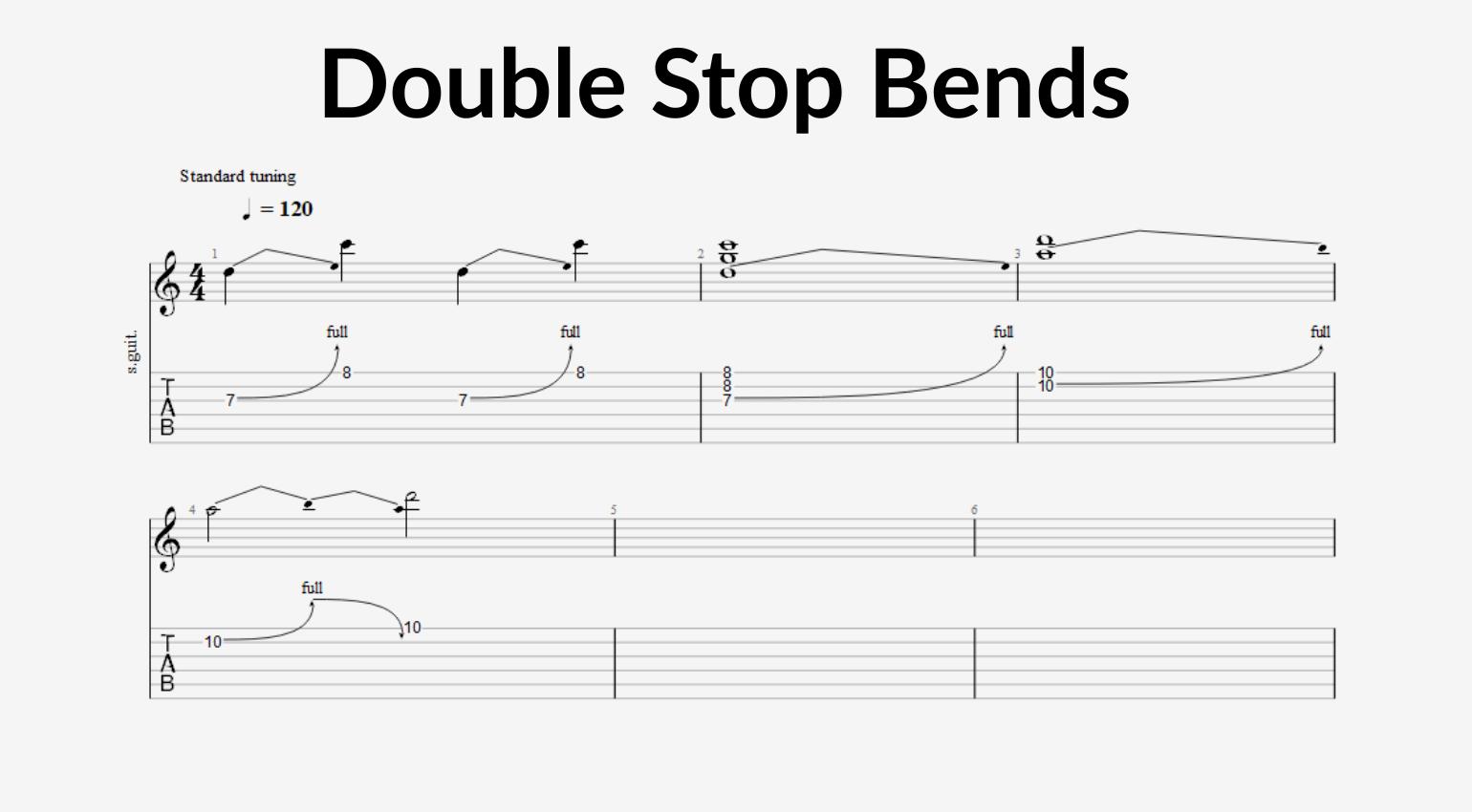
As a genre, country is so versatile. From these double stop bends to Drop D riffs, there are loads of angles you can take. Whether you’re playing anything from Take It Easy by The Eagles to Ain’t No Love In Oklahoma, your guitar playing will shine whichever route you choose.
Gear by Genre?
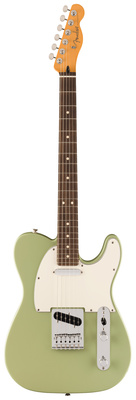
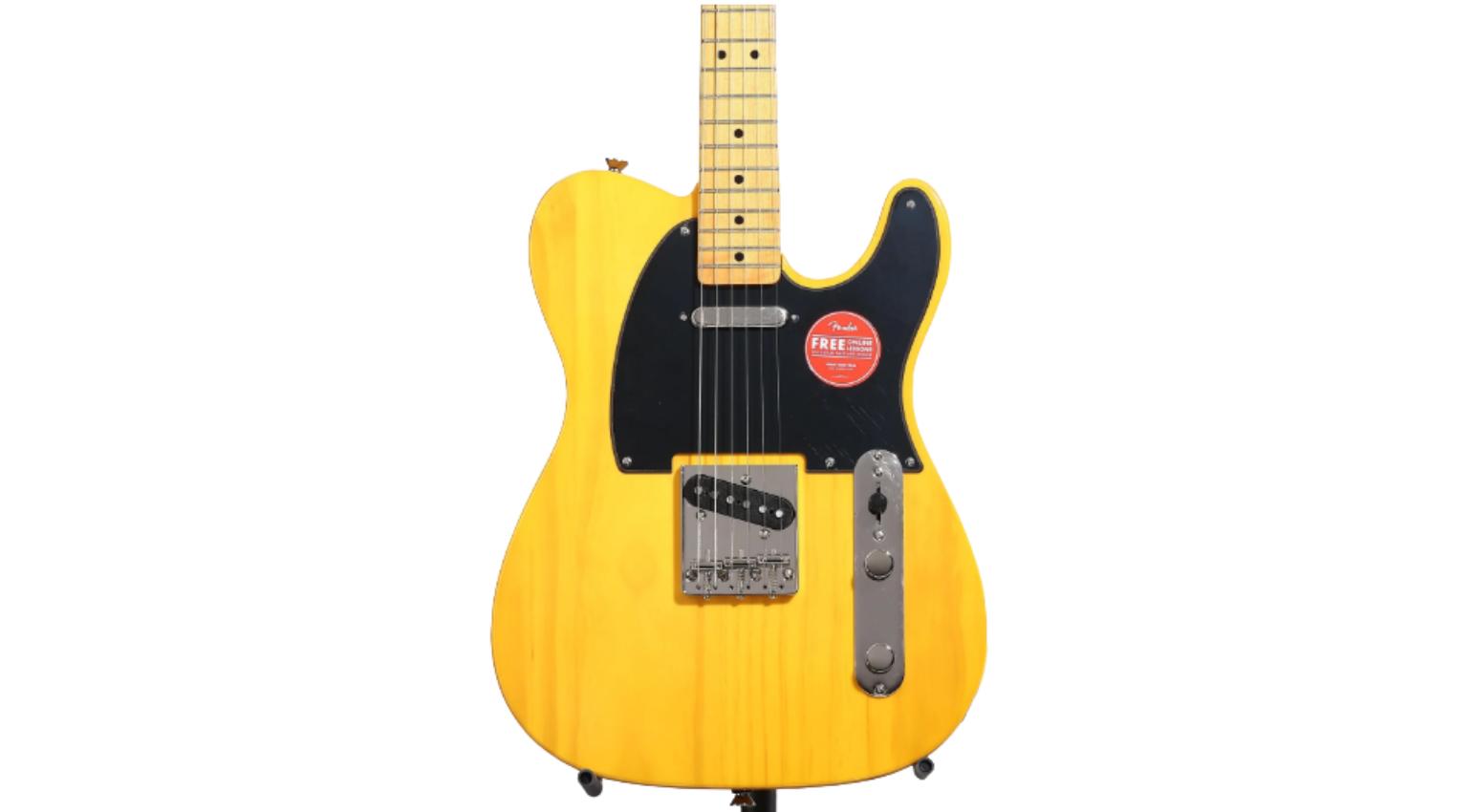
We all love having a guitar collection. However, I can honestly say that a humble *Telecaster will serve you well for everything we’ve looked at today. That biting bridge pickup is great for rocky power chords, as well as those country double stop bends. Whereas the smooth single-coil neck pickup gives you the warmth for 9th and m7th chords. It’s a win-win.



Videos
Further Information
*This post contains affiliate links and/or widgets. When you buy a product via our affiliate partner, we receive a small commission that helps support what we do. Don’t worry, you pay the same price. Thanks for your support!

This might also interest you