It’s Heavy, It Breaks, and It Won’t Stay in Tune (And We Love It)
The headstock snaps, the G-string binds, and it weighs a ton!

 4,0 / 5,0 |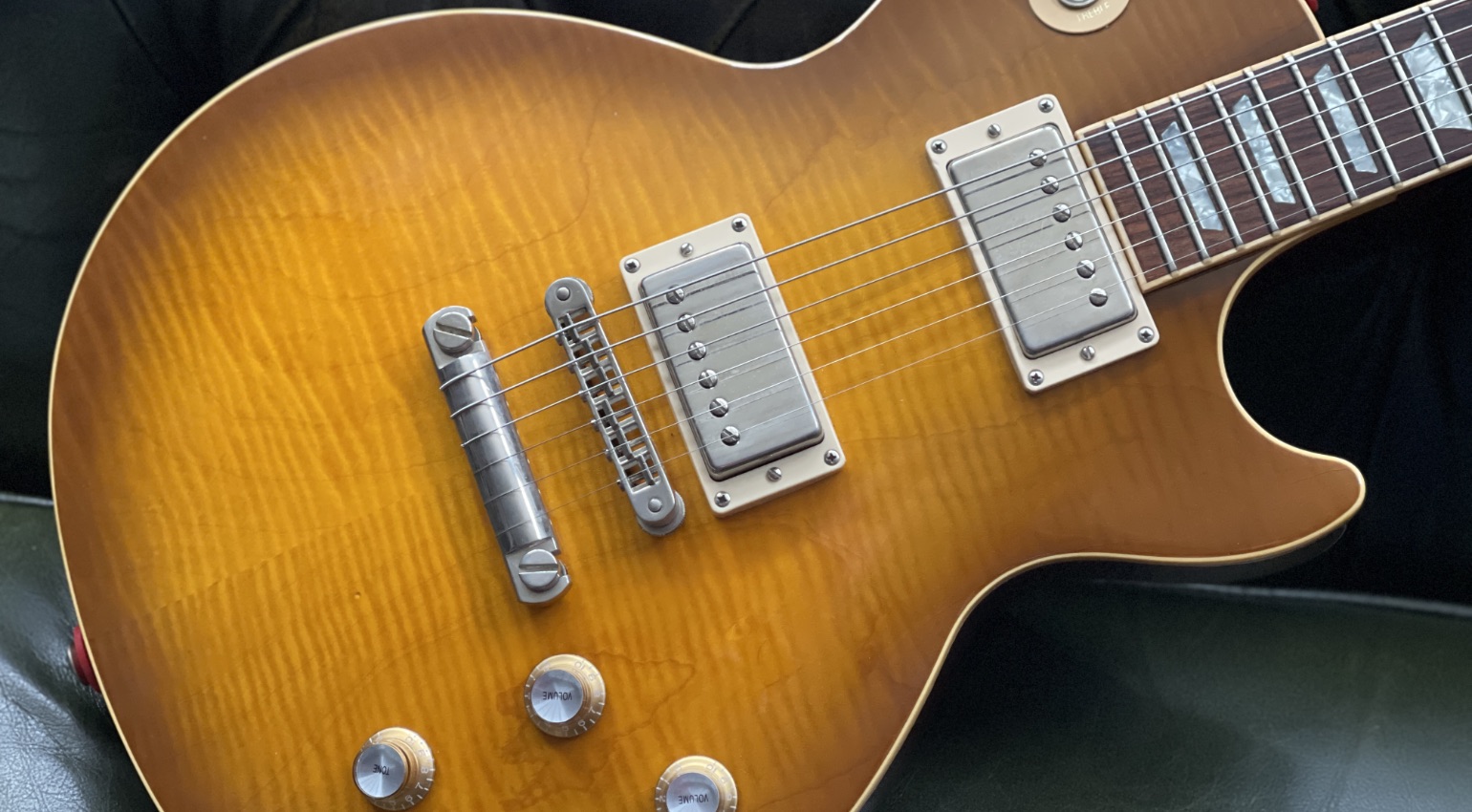

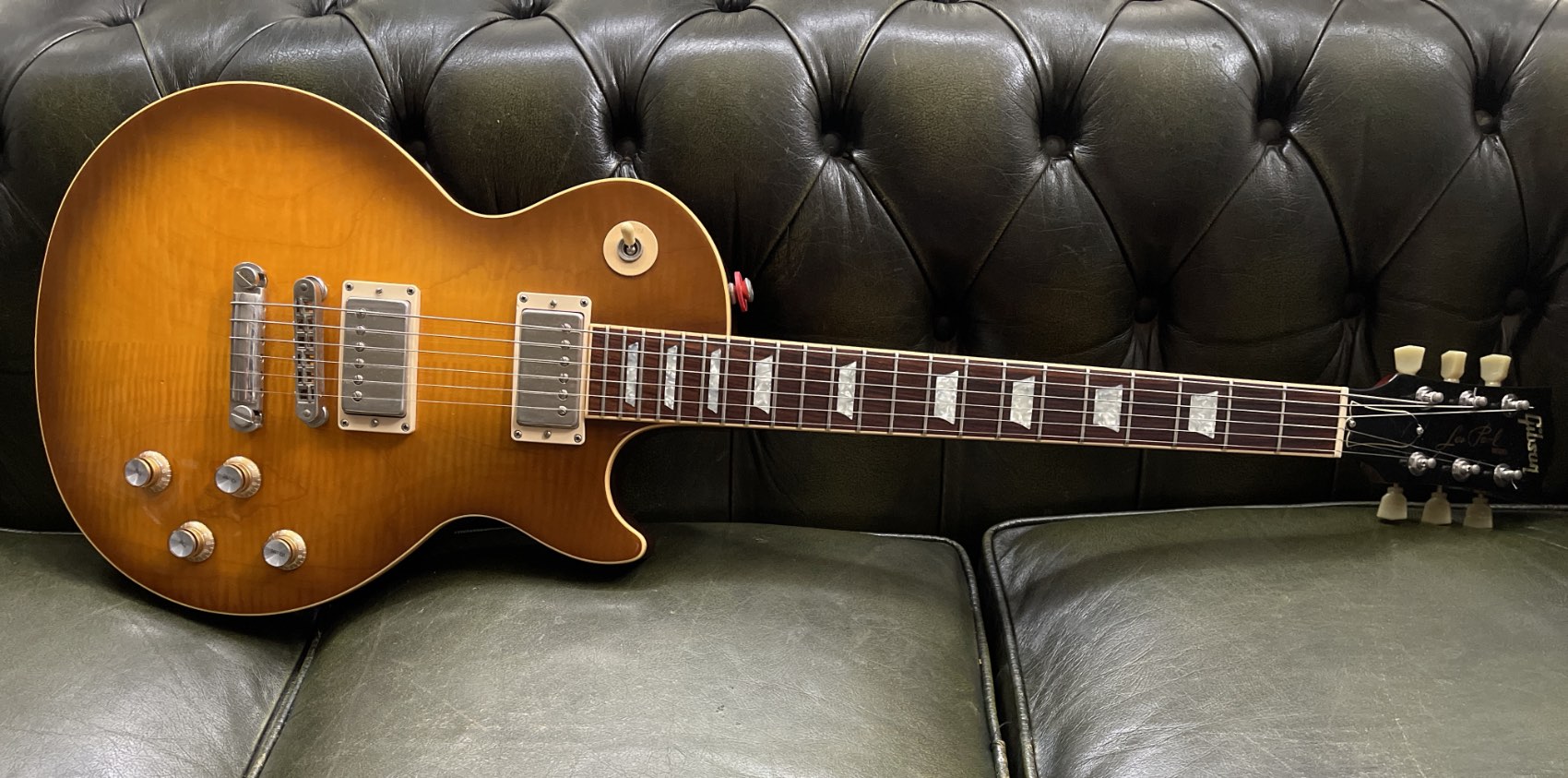
This week, I have been playing my Gibson Les Paul Standard a lot, and even though it is an amazing guitar in many respects, it also manages to get away with some really awful design choices. This week, I’m going to discuss why we love them and still put up with this.
Contents – It’s Heavy, It Breaks, and It Won’t Stay in Tune
Gibson Les Paul
I do love a good Les Paul, but even I wonder why I put up with some of the guitar’s design choices and question why in 2026 we still put up with them.
By modern luthier standards, the Gibson Les Paul Standard is an ergonomic disaster. We live in an era of headless Strandbergs, multi-scale fanned frets, and contoured bodies that hug your ribcage. Yet, year after year, guitarists willingly shell out premium cash for a 1950s design, slab of mahogany that actively fights them every step of the way.
I’ll summarise the birth of the design (it is a long story, so forgive me if I leave out sections), and discuss the pros and cons of this beloved 1950s guitar design.
Be sure to check out my recent Gibson Les Paul signature model deals if you want to save some money on a new one (if I don’t put you off them with this list of ‘issues’ that is).
From Commercial Failure to Tone God
To understand why the Les Paul is built the way it is, you have to look at the arms race of the early 1950s. Leo Fender had just released the Telecaster, a modular, utilitarian plank of ash that was cheap to produce and easy to fix. Gibson president Ted McCarty wanted to crush Fender with a guitar that looked like a piece of high-end furniture.
Gibson had a reputation for building traditional hollow-bodied guitars, and so the Les Paul design was something completely new for them. McCarty’s R&D team experimented extensively. They found that a guitar made entirely of maple was far too heavy and shrill, while an all-mahogany solidbody was too soft and lacked top-end bite.
The solution was a “sandwich”, a solid mahogany back capped with a carved maple top.
Lester William Polsfuss
The greatest punchline of the Gibson Les Paul is the man whose signature graces the headstock. Lester William Polsfuss was a jazz virtuoso and audio pioneer who wanted the ultimate hi-fi instrument. His vision was a heavy, feedback-proof plank equipped with low-impedance pickups designed exclusively for pristine, squeaky-clean articulation.
Les Paul himself initially wanted the woods reversed (a maple body with a mahogany cap), but the resulting instrument would have been ridiculously heavy!
The cosmic irony is that his sophisticated jazz machine became the undisputed king of loud, aggressive rock. An instrument designed by a man who just wanted to play crystal-clean jazz arpeggios ended up in the hands of scruffy British kids plugging into dimed 100-watt valve amps to invent heavy rock and metal.
Flawed Design
The very first 1952 Goldtops were famously flawed, shipping with a shallow neck angle and a trapeze tailpiece that forced the strings to wrap under the bridge, making palm muting physically impossible. It took Gibson a few years of iterative updates – the wraparound tailpiece in 1953, the ABR-1 Tune-o-matic bridge in 1955, and Seth Lover’s legendary PAF humbuckers in 1957 – to finalise the recipe
When the sunburst finish arrived in 1958, the blueprint was complete. These are the guitars we all covet and the models that Gibson reminds us of in every ‘new’ Les Paul release, and they do pull on our heartstrings with their marketing (and pull out Joe Bonamassa to play some licks in a video, etc).
However, when I was a kid, none of us really wanted the ‘old man’s guitar’ in the 1980s, as we all wanted Superstrats and something more ergonomic. Until Slash showed up.
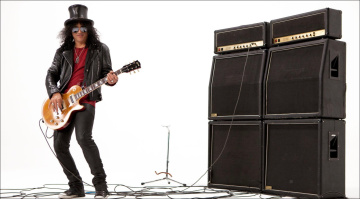
I personally believe Slash was one of the guitarists who helped the Les Paul come back into vogue (by playing a replica, which is funny). Check out our guide on Why Every Guitarist Should Learn Sweet Child O’ Mine. The ‘Cat in the Hat’ certainly did a lot for the Les Paul when he chose it to create his signature tone.

The Burst
These ‘Burst’ models are what we all now chase and the basic specifcations were as follows:
1958–1960 “Burst” Specification
- Body Construction – Solid 1-piece old-growth Honduran mahogany back with a 2-piece carved maple cap
- Neck Joint – Long-tenon old-growth Honduran mahogany glued set-neck
- Scale Length – 24.75-inch
- Pickups – Dual “Patent Applied For” (PAF) Humbuckers
- Bridge – ABR-1 Tune-o-matic with stopbar tailpiece
- Tuners – Kluson Deluxe with plastic “keystone” buttons
- Fretboard – Brazilian Rosewood with cellulose trapezoid inlays
- Original Finish – Cherry Sunburst nitrocellulose lacquer (featuring UV-sensitive aniline red dye)
Nowadays, to get close to these specifications, you would need to order a Gibson Custom Shop model, as even the US production line differs slightly from this ‘classic ’50s formula’, so expect to pay a premium for a modern-day replica.
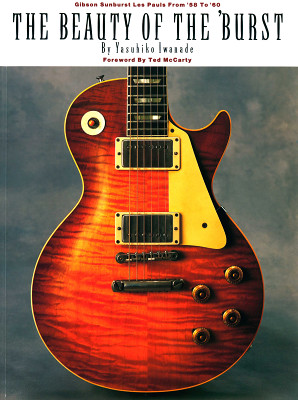
The specifications are great (for the 1950s), but they also cause some issues with the design. Fans of the originals should read The Beauty Of The Burst book, which contains many originals (and a few fakes, allegedly)


The Infamous Headstock Flaw
From an engineering perspective, the traditional Gibson headstock is a structural time bomb. It all comes down to the physics of taking a single, solid piece of mahogany and pitching it backward at a steep 17-degree angle.
While this dramatic break angle provides excellent downward pressure over the nut—contributing to that legendary sustain—it creates what luthiers call “short grain” or “runout” right behind the nut. The wood fibers essentially run out the back of the neck rather than continuing straight up through the headstock. To make matters infinitely worse, Gibson then routes out a massive chunk of wood at that exact, most vulnerable apex to make room for the truss rod adjustment nut.
The result is a neck that is hanging on by a whisper of brittle mahogany. You don’t need to smash it into an amplifier like Pete Townshend to cause a catastrophe. A gentle tip backward off a guitar stand, a poorly padded gig bag, or even just setting a hardshell case down too aggressively can induce the dreaded “smiley face” crack right beneath the tuners.
Many luthiers who repair these will tell you that they are usually far stronger after a decent repair, so it isn’t the end of the world. It is a design flaw, however, which could have been avoided.
The ultimate irony?
When Gibson’s corporate overlords during the 1970s “Norlin era” attempted to fix this glaring flaw—by lowering the pitch to a safer 14 degrees, introducing stronger three-piece maple necks, and adding a reinforced wooden lump called a “volute” behind the nut—vintage purists absolutely rioted.
Whereas I really love Norlin-era guitars, especially those with the three-piece maple neck and the volute, which is what I have on my 1977 Les Paul Custom. But the vintage Gibson fans didn’t like the deviation from the ’50s Burst perfection.
The G-String Curse
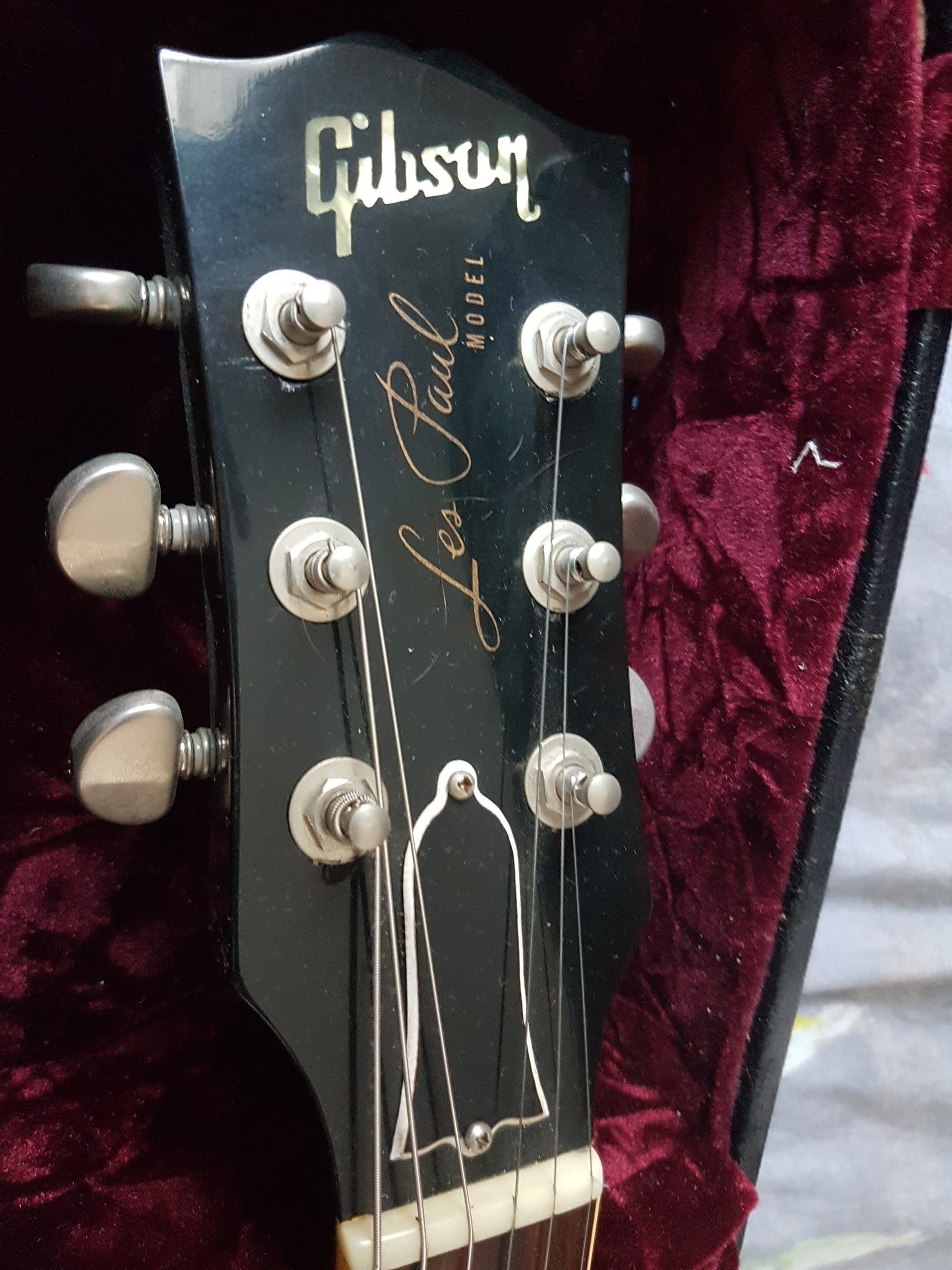
Some players really suffer with the ‘G-String Curse’, and it is essentially down to the headstock design.
Look closely at that headstock. Notice how the strings splay aggressively outward from the nut to the tuning pegs?
That sharp horizontal break angle means the D and G strings are perpetually binding in their nut slots. You can lubricate the slots with graphite all day, but the moment you dig into a heavy blues bend, you’ll hear that dreaded ping as the string goes out of tune. This ‘issue’ is resolvable with a properly cut nut and decent string lubrication, for example, Big Bends Nut Sauce.
But it has to go into my list, as it is a design flaw that could easily have been avoided.
The Chiropractor’s Dream
A historically accurate ’50s Standard has absolutely no weight relief. You are strapping 9 to 10 pounds of solid lumber across your shoulder.
Play a three-hour gig with one of these, and you’ll be feeling it in your lower back until Tuesday. Throw in the bulky square heel block that requires dislocating your wrist to reach the 22nd fret, and it’s a wonder anyone plays past the octave.
But the weight (in my opinion) is worth the effort, and I do tend to prefer heavier Les Paul guitars personally. I have found that when at stage volume and playing through loud tube amps, that extra weight really helps with controlling the guitar when a lot of gain is involved, so I’ll happily put up with a heavy guitar so I can play with a cranked Plexi amp all day long!
Why We Forgive It
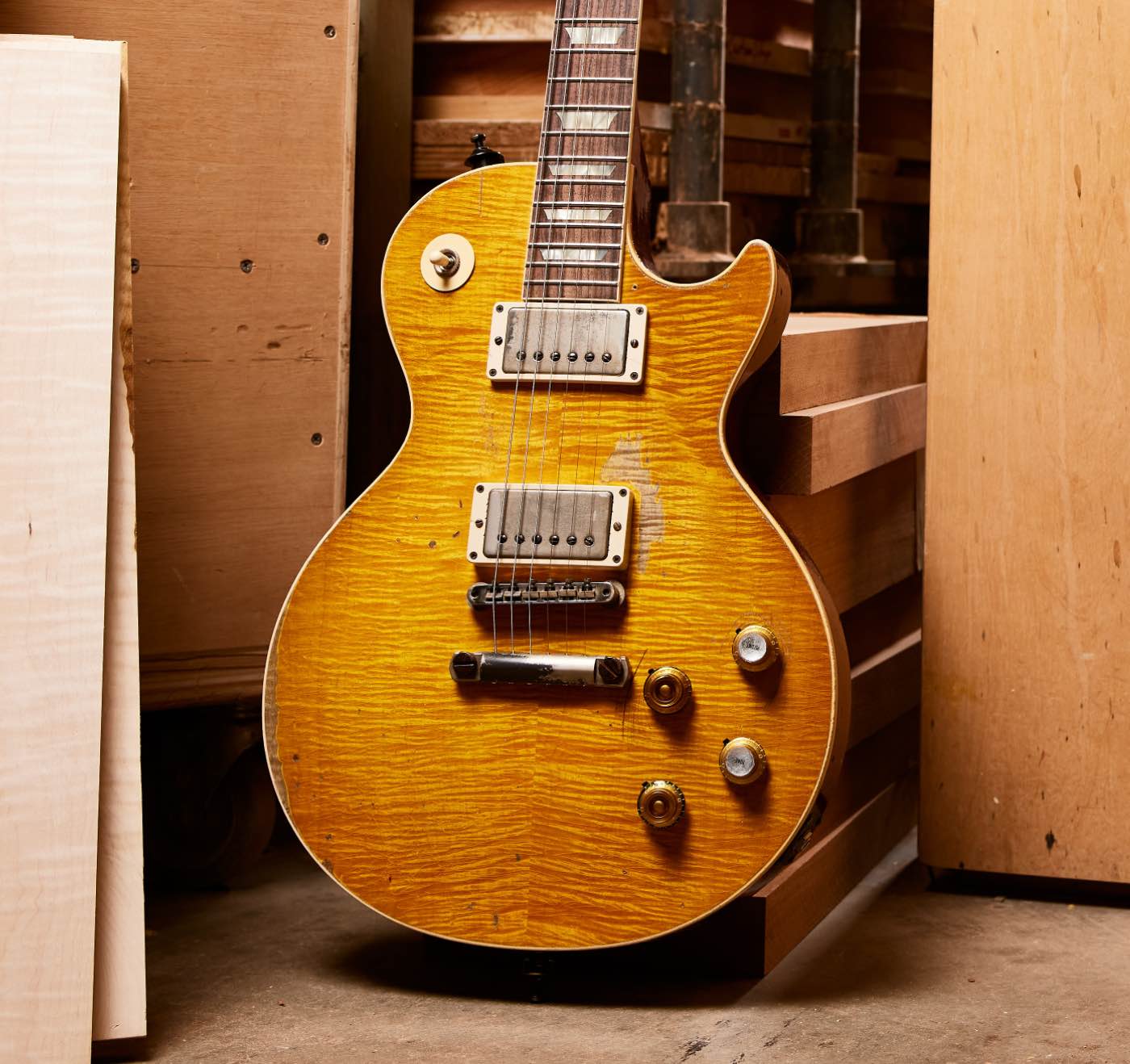
The 1958–1960 Les Paul Standard was a commercial failure at the time, with production ceasing by 1961 in favour of the SG. But a few years later, guys like Eric Clapton, Jimmy Page, Paul Kossoff, and Peter Green plugged these heavy, discarded relics into cranked British valve amps, and the world changed.
I was lucky enough to meet Peter Green in the 1990s, while I was working in a guitar store, and he came in with his manager looking for guitars. We chatted about Les Pauls, and he just told me that it was the best tool for the job at the time. I was also invited to jam with him, but I was far too awestruck to even consider it at the time (now, in hindsight, I really wish I had). As an aside, he didn’t buy a Les Paul that day.

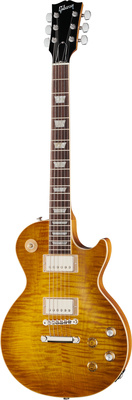
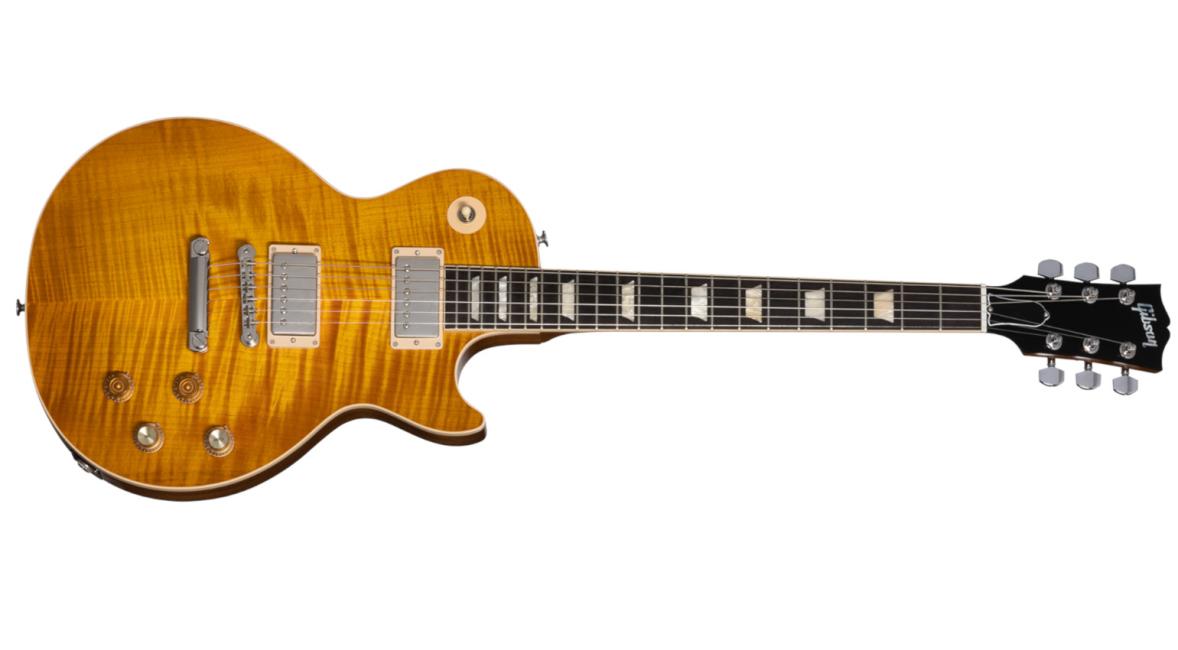

McCarty’s mahogany-and-maple sandwich, combined with the glued-in set neck, creates an acoustic resonance that you can feel vibrating against your ribs. The 24.75-inch scale length offers slightly lower string tension than a Fender, making massive string bends effortless.
But the real magic lies in how the unpotted PAF humbuckers interact with an overdriven signal chain. A Les Paul bridge pickup absolutely roars when you push it with a thick vintage fuzz or drive the front end of a tube amp. They also clean up beautifully when you back off the volume knob and use your tone controls to take some of the bite out.
The thick, mid-range push cuts through a dense mix without ever turning shrill, while the neck pickup provides a creamy, flute-like sustain. I would have to quote Paul Kossoff as my Les Paul tone hero when I was a teenager, as he had that vibrato dialled in, which combined with his Les Paul sounded amazing to my ears.
The Les Paul Standard isn’t a logical purchase. It’s an emotional one. It’s too heavy, it falls out of tune, the upper fret access isn’t great, and it might break its own neck if you look at it wrong.
But absolutely nothing else sounds quite like it.

This might also interest you
3 responses to “It’s Heavy, It Breaks, and It Won’t Stay in Tune (And We Love It)”

FFS… A LOT of guitars sound EXACTLY ”like it. Put the same electronics in any guitar and it will sound exactly the same as a 10 000$ vintage Gibson.
If you want the look, there are many better options out there with a lighter body, stable tuning, modern contours and features for a quarter of the price.
The ONLY reason to get a Gibson LP in 2026 is if you want to cosplay as you favorite guitar player. No shame in that… it’s like playing an old video game on the original hardware: it’s tedious and expensive, but it’s kinda fun.
But quit spreading lies that this outdated design has some magic fairy dust in it that would make it a worthwhile purchase for a modern guitarist.
“Put the same electronics in any guitar and it will sound exactly the same as a 10 000$ vintage Gibson.”
But then you can’t buy it on “Thomann*”.
“The ONLY reason to get a Gibson LP in 2026 is if you want to cosplay as you favorite guitar player.”
Brilliant, thank you for the PMSL moment. It’s so true. The one guitar I bought and then sold within a couple of months was a Les Paul. I had to try one, to see what all the fuss was about… and hated it. Ironically my #1 guitar is still the first professional quality one I bought, back in 2000… a Gibson Explorer.
Every time a new CEO comes along I hope Gibson might stop producing vast amounts of very slightly different variations on the LP and give the other models in the range more love than the occasional run of limited editions or low numbers of eye-wateringly expensive artist/Custom Shop versions.
I’m still hoping…