Guitar Amp Mics for Studio Recording
Which mics are best for recording guitar amp cabinets?

 4,0 / 5,0 |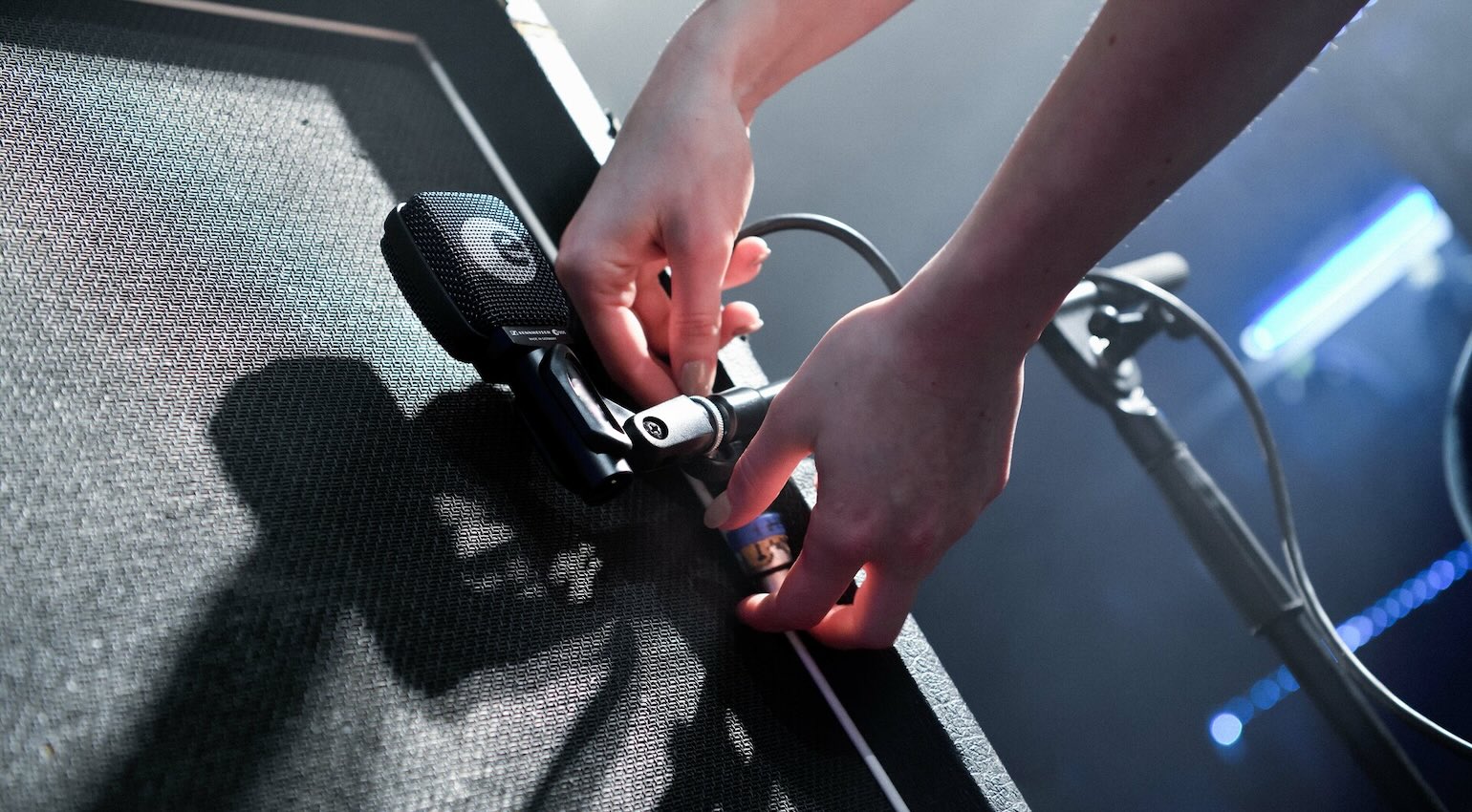

Adding an amp cabinet to your recording chain introduces resonance and harmonics to the sound. We explore guitar amp mics for capturing this source.
In this Article:
Guitar Amp Mics: Dynamic Microphones
Without requiring phantom power, dynamic mics can handle extreme SPL levels without clipping, offering an immediate, punchy sound with a forward midrange that cuts through the mix with clean or distorted tones. Dynamics come in different shapes and sizes, but with a flat address end, it allows you to place the mic really close to the speaker grille to capture those thick transients.
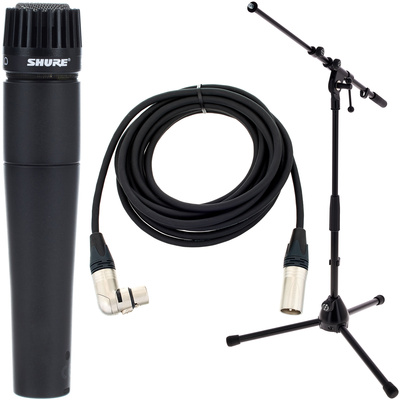
Shure SM57
The SM57 is a global standard when it comes to miking up guitar amps. Its low-output design allows you to close-mic high-SPL amp cabinets without ever worrying about clipping, while its characteristic bump in the upper mids (around 6 kHz) gives the guitar its own space, even in dense mixes. By positioning the mic dead center of the driver, you can maximize the brightness and detail.
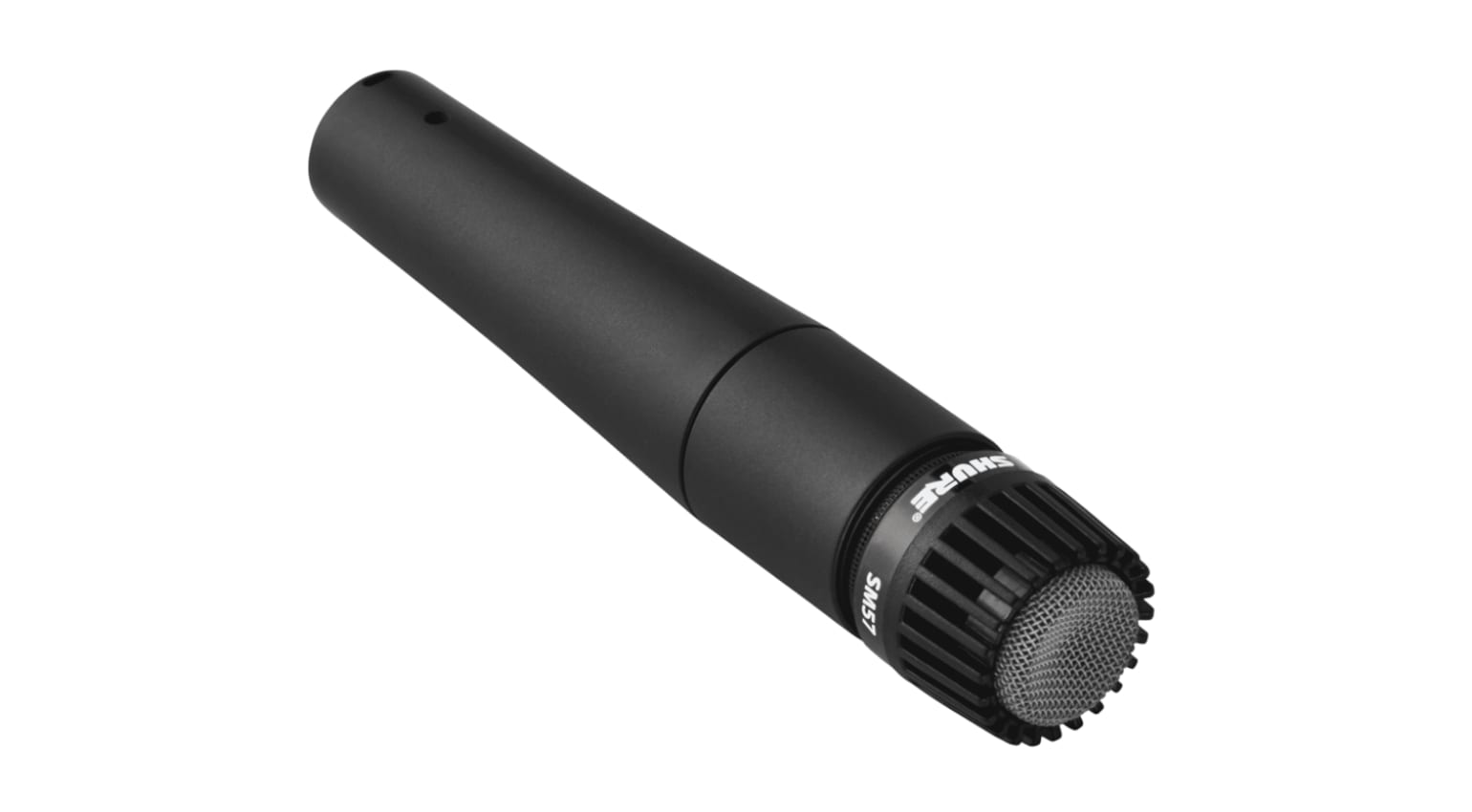
However, as we move toward the edge of the speaker cone, the sound becomes darker and warmer with more body. The sweet spot for a 57 is usually halfway between the center and the edge of the speaker, and you can tilt the mic 45 degrees to tame harshness with the mic’s off-axis zone. When making adjustments, think of the mic as a wand or lightsaber, so you can learn to use the cardioid pattern and off-axis zones accurately. Get it at Thomann.*


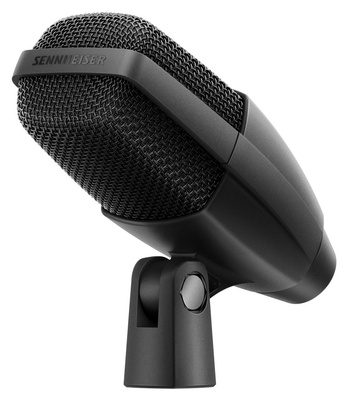
Sennheiser e906
Compared to the 57, the e906 is slightly more sensitive and has a supercardioid pattern, which means that its square, paddle design rejects sound at the sides. The design and forgiving sweet spot make the 906 easier to use for capturing guitar amps compared to the more surgical 57, because it can be simply draped across the cabinet with the address end directly against the grille.
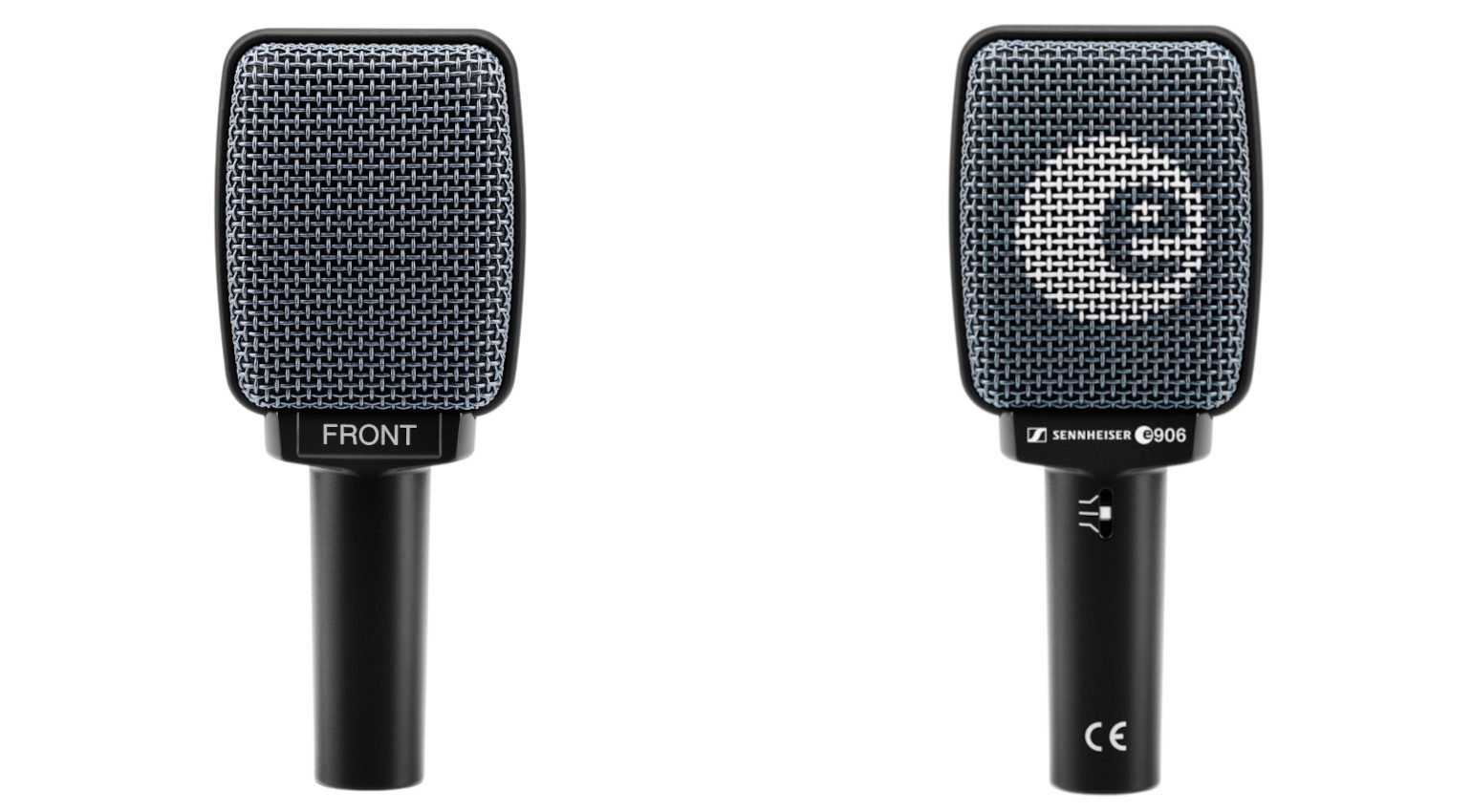
Overall, the 906 has smoother high frequencies and more fullness in the lower midrange, and there is a three-position EQ switch that changes the response curve. With the “flat” setting, the mic rolls off around 120 Hz, with a midrange plateau until 2.5 kHz, and a 5 dB bump around 4.2 kHz. The “hi boost” setting increases this bump to 7 dB, while the “hi cut” setting reduces it to 2 dB and rolls off the highs at 10 kHz. Get it at Thomann.*

Sennheiser MD 421-II
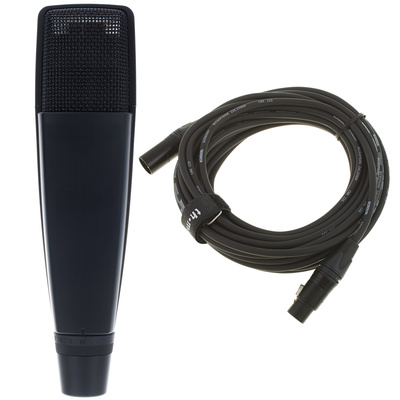
Although it’s generally used for miking toms, the MD 421 is an excellent choice for capturing amps, especially for more aggressive guitar tones, because of the bump between 4-5 kHz. When miking amps with a 421, the 5-way switch is usually set on the flat or “M” to take advantage of the proximity effect, which adds weight to chuggy rhythm parts.
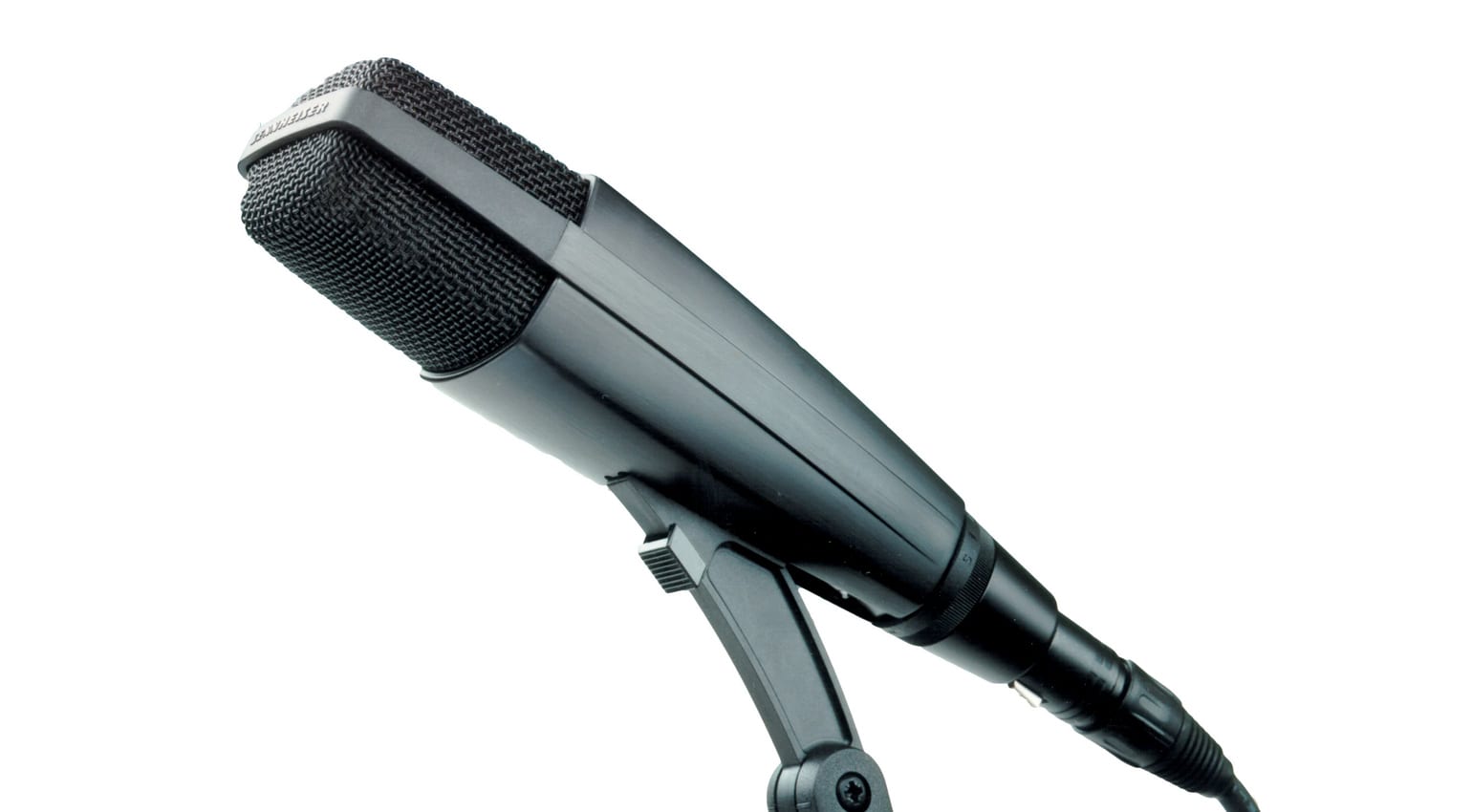
The only drawback of the 421’s frequency response is that the upper-midrange can become tinny and harsh when used on amps that are inherently bright and jangly, like the Vox AC30. Because we aren’t using the filter switch, the MD 421 Kompakt becomes a worthy, affordable alternative that has a similar frequency response. Get it at Thomann.*
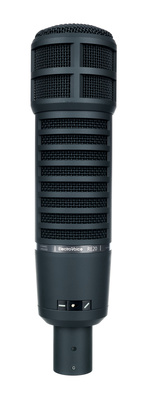
Electro-Voice RE20
Rather than using the mic to sculpt the guitar sound, the RE20 is the ideal tool for capturing exactly what the amp sounds like. With its Variable-D design, the RE20 negates the proximity effect, so you can push the mic close without introducing boominess. The RE20 has excellent transient response, which is why it’s also used for capturing kick drums.
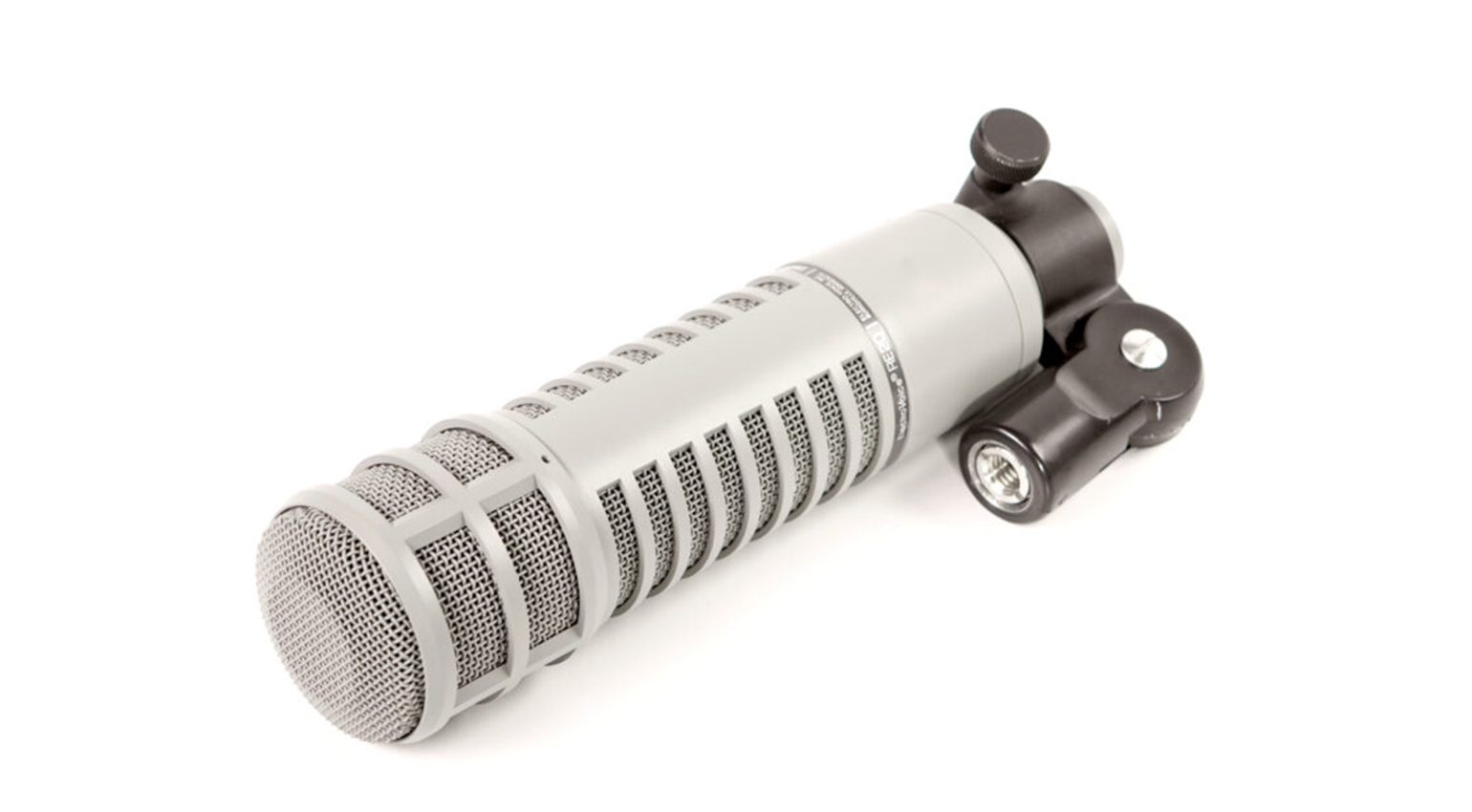
Also, the relatively flat overall frequency response with characteristically smooth highs makes the RE20 ideal for taming amps that are overly bright or harsh in any way. One thing to keep in mind about the RE20 is that it’s quite a heavy beast of a mic that will require a decent stand. Also, it’s a particularly low-output mic, even for a dynamic, so ensure you use it with the best preamp you can find. Get it at Thomann.*

Guitar Amp Mics: Condenser Microphones
While condenser mics can certainly capture the finer details, they can also pick up unwanted ambience and reflections, making them difficult to use in untreated acoustic spaces. Because you can’t place condensers right against the cabinet like dynamics, they capture a different sound and are often used together, while paying close attention to the phase between the two mics.
Audio-Technica AT4033A
Every now and then, certain microphones become so synonymous with a particular task that it’s hard to imagine them being used for anything else. This is the case with the AT4033A and the instruments used in bluegrass music, like acoustic guitars and banjos, but its medium-diaphragm transformer-based design also produces excellent results on guitar amps.
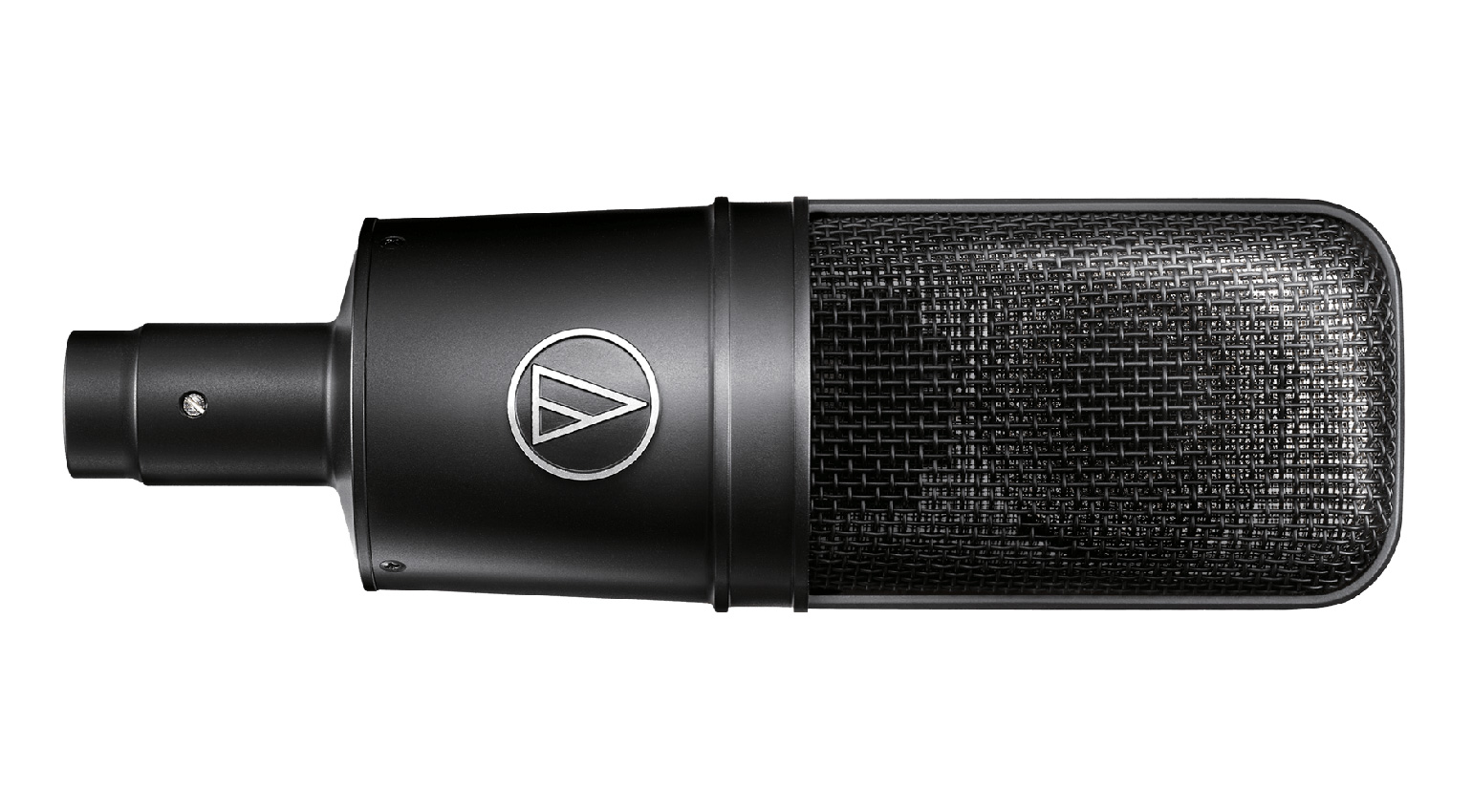
However, this is not a choice for high-gain distorted tones, the bump between 3 and 6 kHz, and forward midrange focus make it ideal for capturing cleaner guitar parts with the chorus or tremolo effects used in jazz or shoegaze music. Overall, the fixed-charge electret design responds similarly to a small-diaphragm mic, so keep this in mind and angle off-axis to tame highs. Get it at Thomann.*
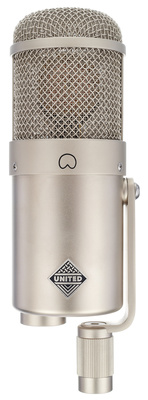
Neumann U 47 fet i
The U 47 fet i is a modern reissue of the “FET 47,” a microphone designed as a solid-state alternative to the famous U 47 tube condenser with the same K 47 large diaphragm condenser capsule. With its Field Effect Transistor (FET) design, the U 47 fet could handle considerably louder sound sources than its iconic tube counterpart, making it ideal for capturing kick drums, guitar amps, and rock/metal vocals.
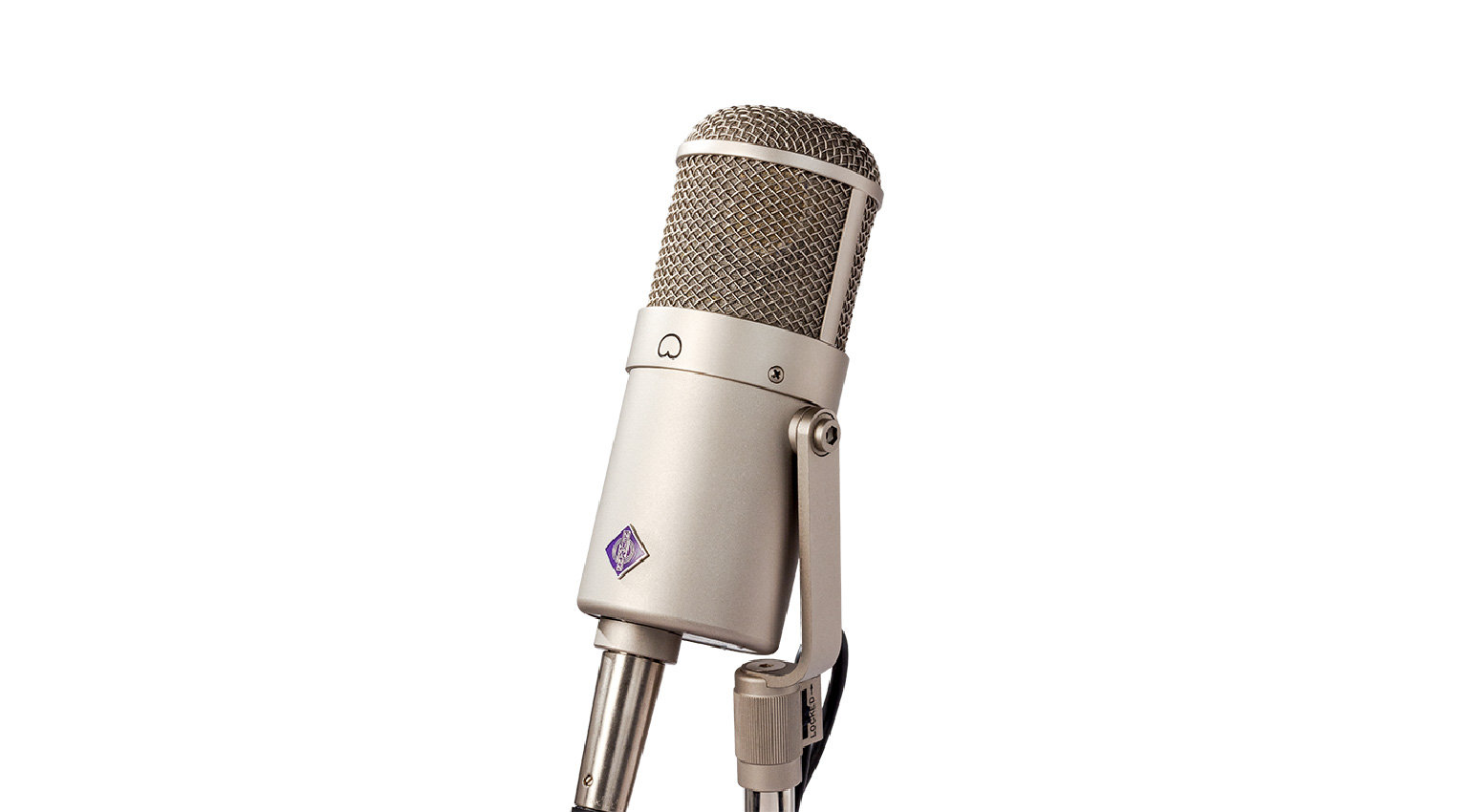
To attenuate the mic’s acoustic input, there is a -10 dB pad switch and a further -6 dB switch to protect your preamp, while the 140 Hz low-cut filter can compensate for the proximity effect. Overall, the U 47 fet has a giant low-end and excellent transient response, making it perfect for pairing with the SM57 for capturing the midrange bit of aggressive guitar parts, while the 47 captures the body of the sound. Get it at Thomann.*


Guitar Amp Mics: Ribbon Microphones
If you’re trying to recreate the classic rock sound of the 1950s and 1960s, using a ribbon mic in your miking setup creates that unmistakable vintage vibe. Ribbons naturally shape the range between 2.5 and 4 kHz, where overdriven guitar amps can contain spikes, which create a thick, warm guitar sound.
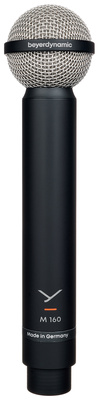
beyerdynamic M 160
First introduced back in 1957, the M 160 is a classic double-ribbon mic, known for its silky, vintage tone. Unlike most ribbons, the M 160 has a hypercardioid rather than a figure-8 pattern, which gives it excellent off-axis rejection. Over the years, its sultry sonics and utilitarian design have helped create the famous When the Levee Breaks drum sound, as well as being Eddie Kramer’s go-to mic for guitar amps for Jimi Hendrix and Led Zeppelin.
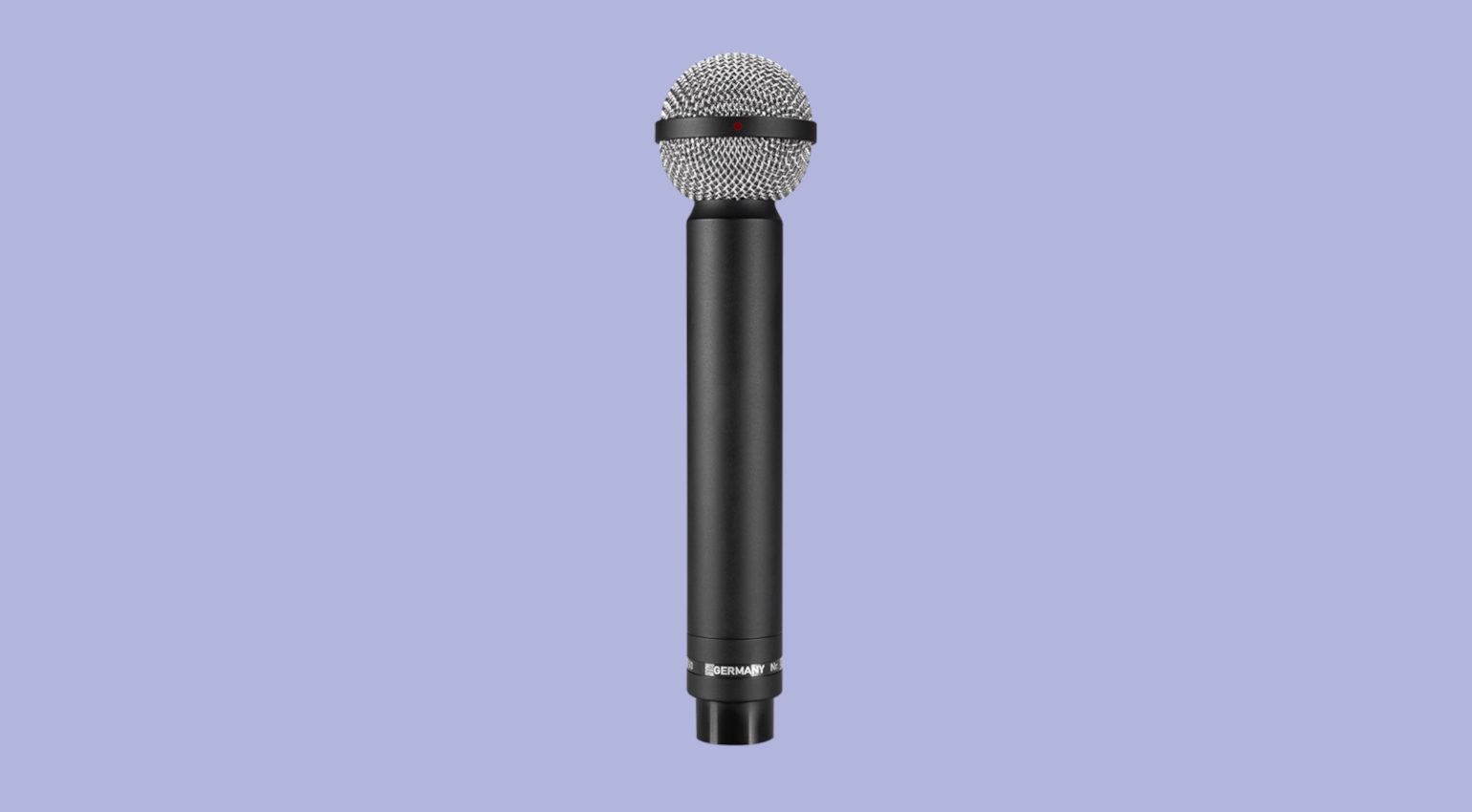
The passive dual-ribbon design means it doesn’t require phantom power, but it’s a very low-output device, so you’ll need a quality preamp for precise noiseless gain control. The M 160 captures the rich midrange of guitar amps, and you can use the proximity effect to add low-end warmth if needed. For mid-side recording, you can pair the M 160 with the M 130, which has a figure-8 pattern. Get it at Thomann.*

Royer R-121
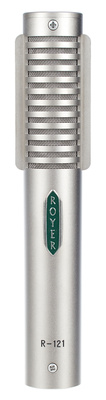
Microphones like the R-121 don’t become industry standards for nothing. While traditional ribbon mics may have been thought of as fine china for special occasions, the 121 throws this sentiment out the window with its workhorse-like design, capable of getting up close and personal with high-SPL sound sources of up to 160 dB.
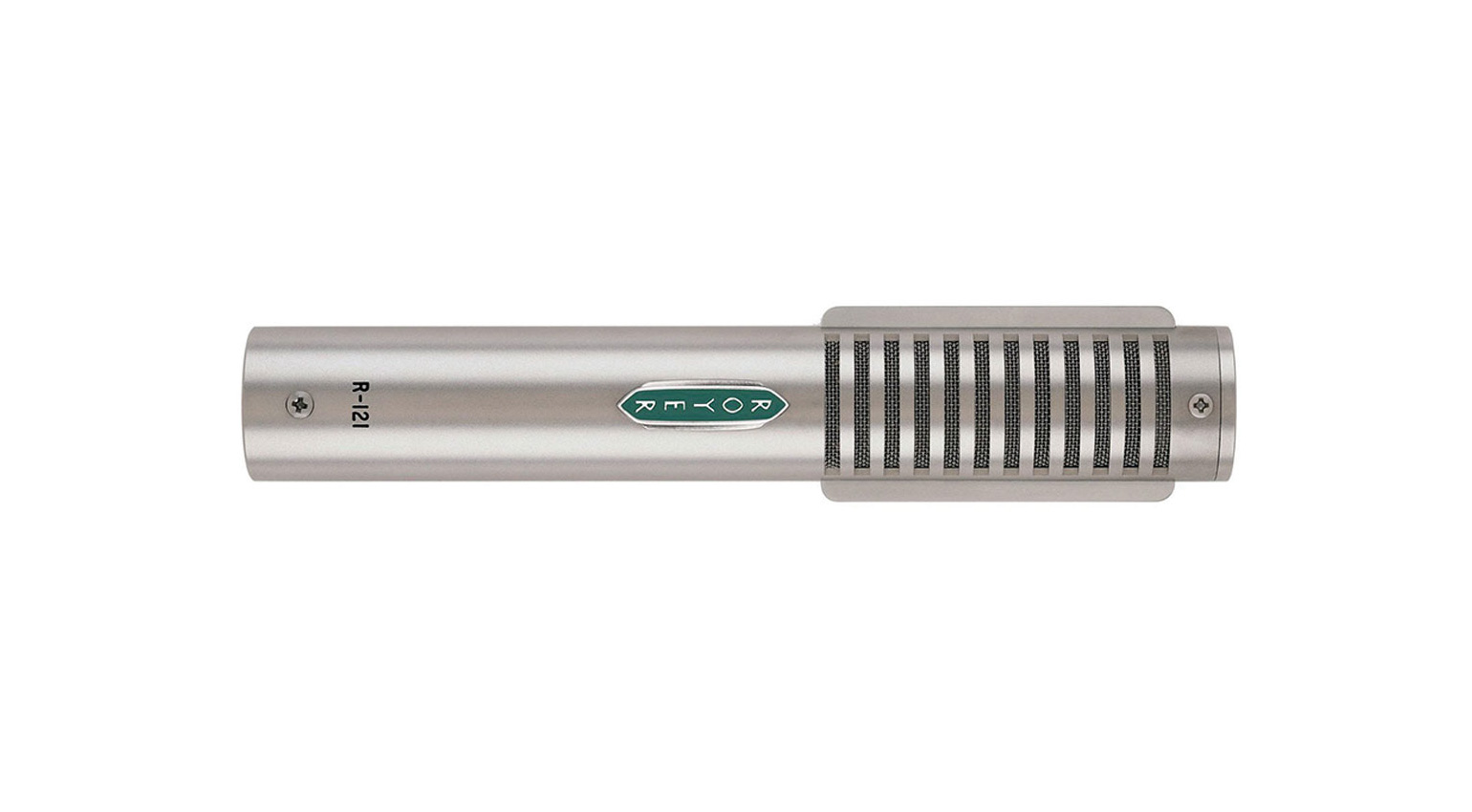
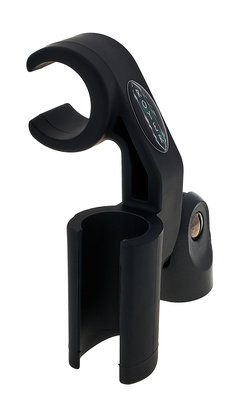
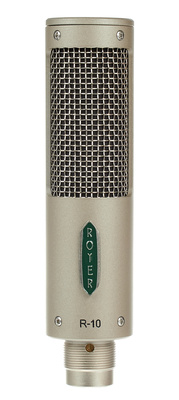
A preferred choice by countless pro engineers for guitar amps and brass instruments, the 121’s figure-8 pickup zone provides two segments, where the back of the mic is slightly brighter than the front, allowing you to use either side to match your source. Because the 121 is usually paired with the SM57, Royer created the SM-21 AxeMount, which secures both mics with no phase issues. Meanwhile, they also offer the R-10 as a more affordable alternative to the 121. Get it at Thomann.*

More about Guitar Amp Mics:
- Learn How To Record Guitar Amps
- Thomann’s Guide To Recording Electric Guitars*
- Read more about Recording on Gearnews
*Note: This article contains promotional links that help us fund our site. Don’t worry: the price for you always stays the same! We will receive a small commission if you buy something through these links. We appreciate your support!

This might also interest you