KORG Filter Ark: Modular Filter Plugin with Classic Heritage – Review
A Versatile Filter Concept From the KORG Collection 6

 4,3 / 5,0 |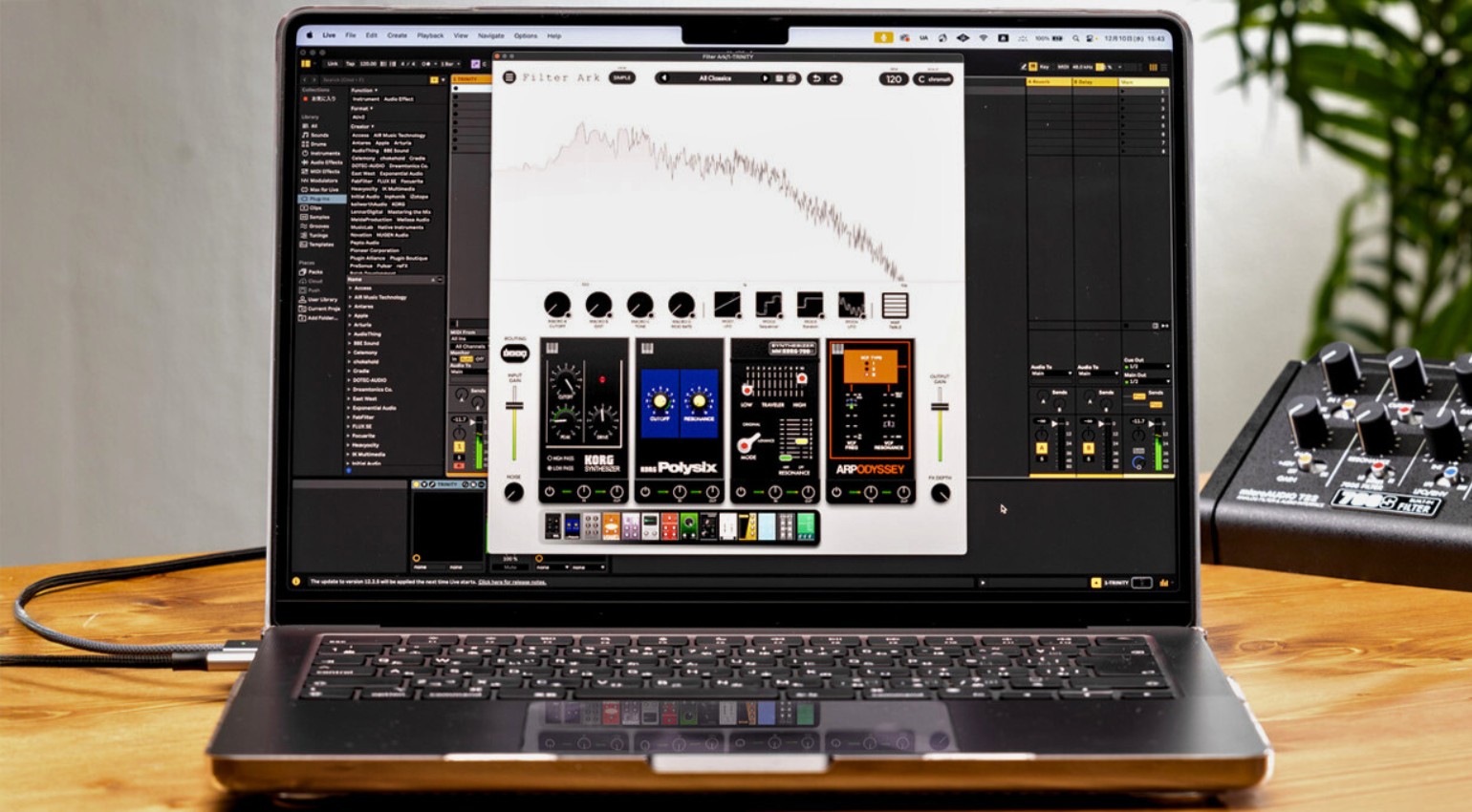

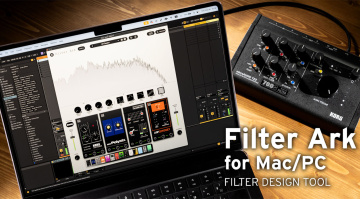
With Filter Ark, KORG expands its software collection with a standalone filter plugin that combines classic filter models with modern approaches. The focus is clearly on versatility: different filter types, extensive modulation and the ability to use multiple filters simultaneously form the basis of the concept. The central idea is to make not only the familiar KORG filter sounds usable individually, but also to bring them together in a flexible system. Exciting – here is my review!
KORG Filter Ark – Key Facts
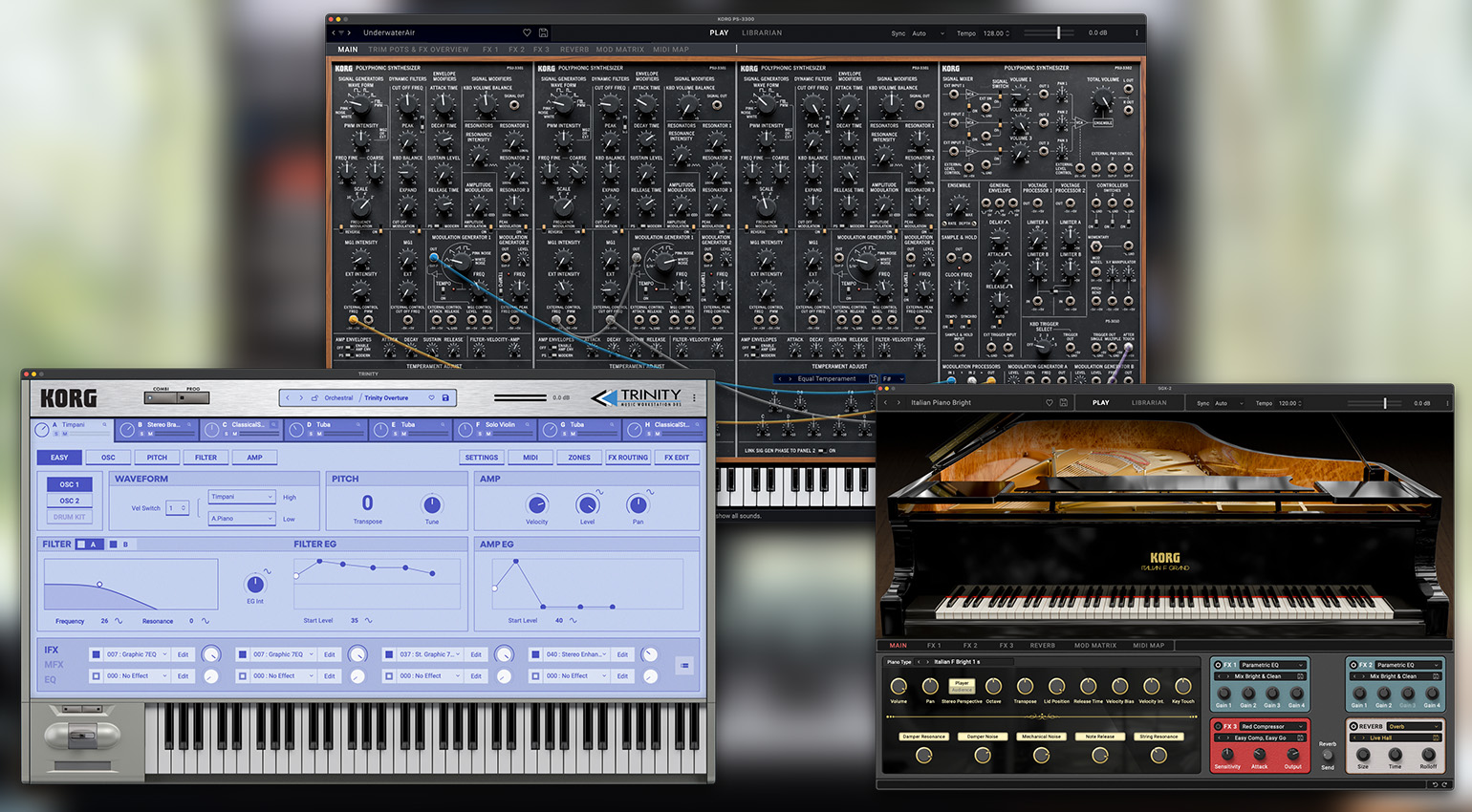
- Filter Ark is a filter plugin, also included in KORG Collection 6
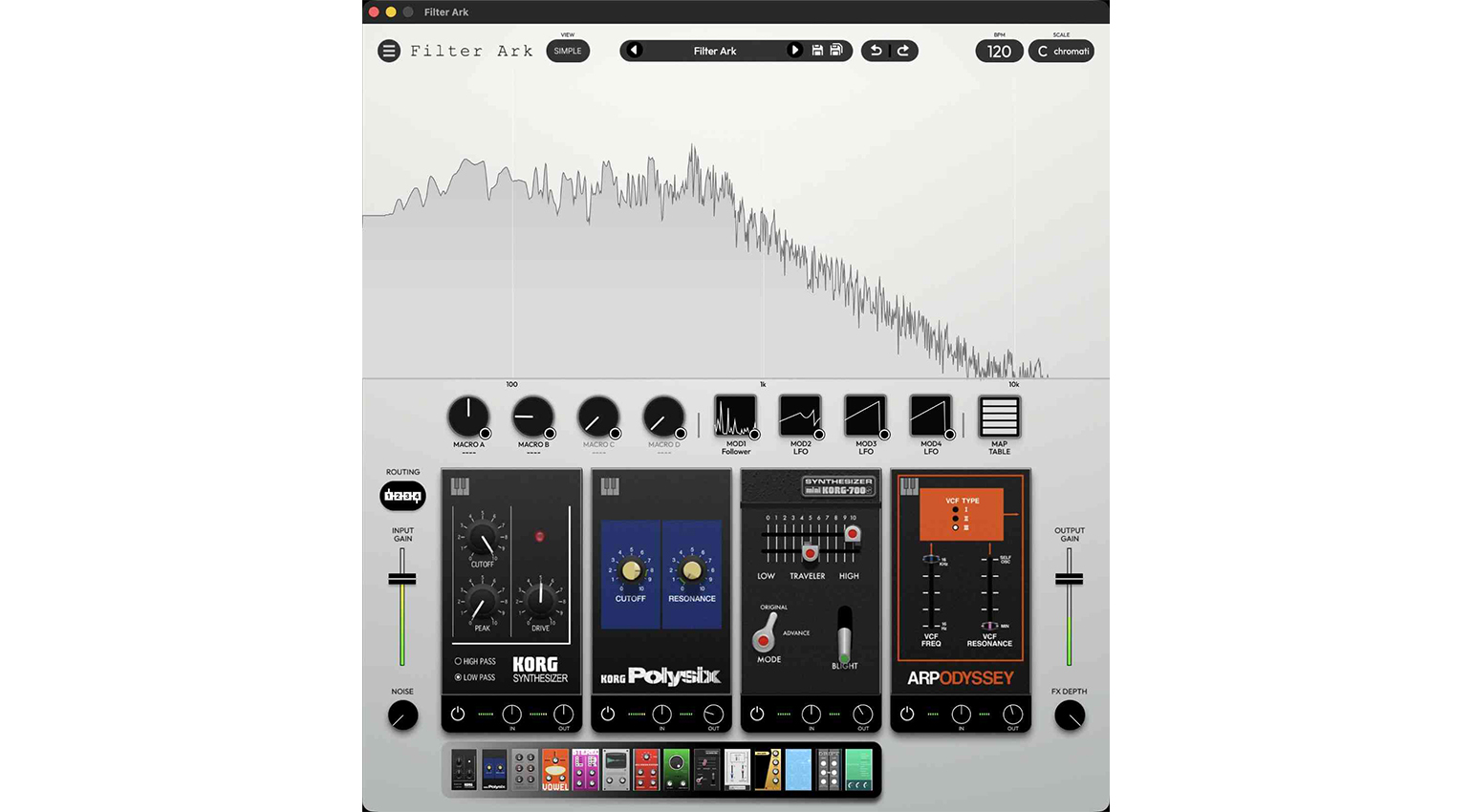
- Includes classic filter models from the MS-20, the Polysix, the miniKORG 700S and the ARP ODYSSEY
- Supplemented by modern filters, such as vocal filters and physical modelling resonators
- Up to four filters can be combined simultaneously
- Modulation via LFO, envelope follower with sidechain and step sequencer
- Integrated noise generator and scale quantisation
- Can also be used as a standalone sound source
- Free demo version available
All About KORG Filter Ark
KORG Filter Ark – Review
In everyday studio work, filters are often a means to an end. They shape, limit and sometimes even destroy. With Filter Ark, KORG takes this understanding a step further and introduces a plugin that sees filters not only as an effect, but as an independent sound and structure tool. It is part of the KORG Collection 6, but is also available separately, and focuses on diversity rather than specialisation.
It’s clear even on paper that Filter Ark is not intended to emulate a single legendary filter, but rather to bundle, combine and interrelate multiple sound characters. Classic KORG filter models meet modern variants, supplemented by modulation, routing, and the ability to run the plugin completely without an input signal. It sounds like a great sound design playground.
Classic Filter Models as a Foundation
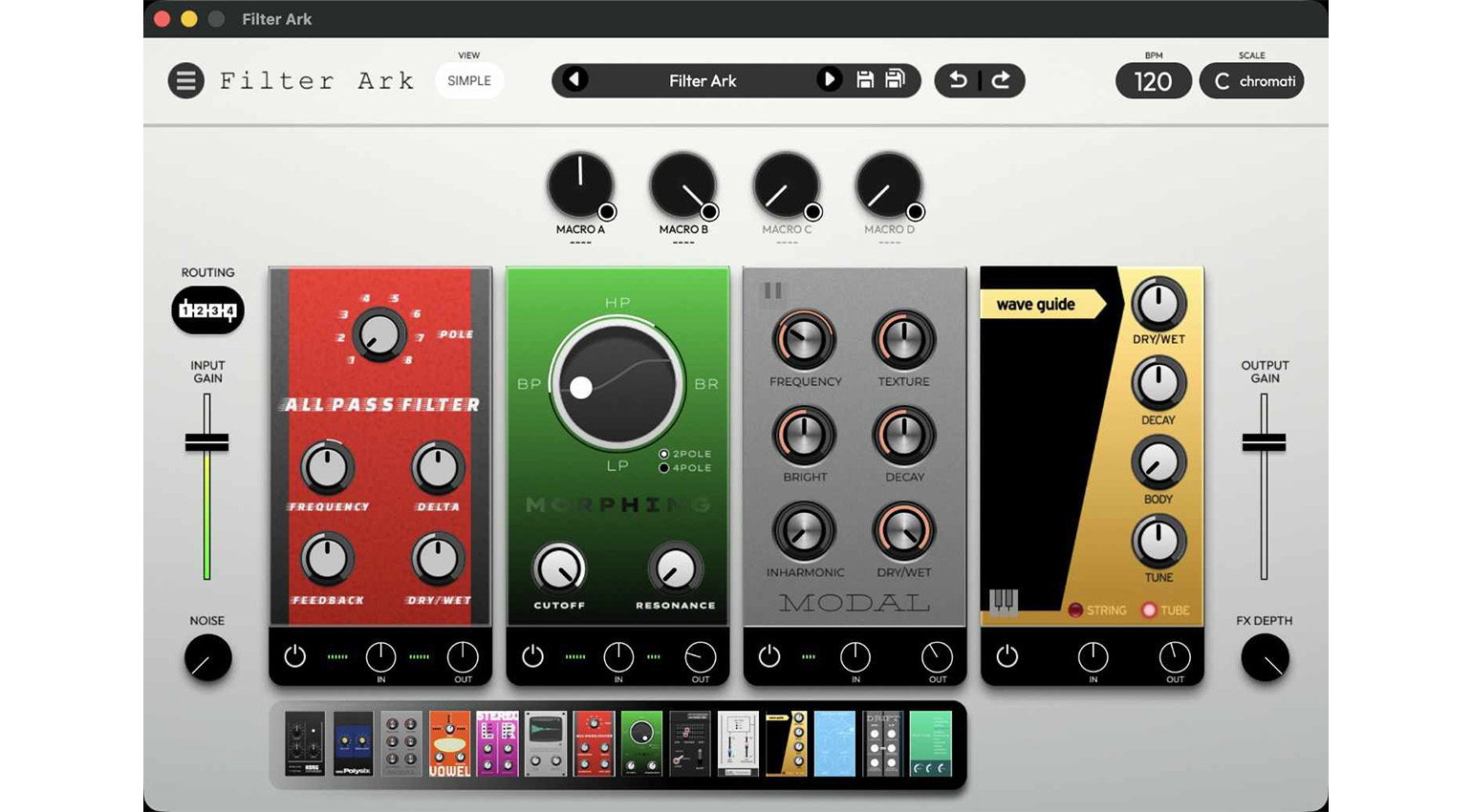
Filter Ark delves deep into KORG’s in-house archive. The included filter types are based on models from the KORG MS-20, Polysix, miniKORG 700S and ARP ODYSSEY. These names represent very different filter characters and form the sonic basis of the plugin. It is particularly interesting that Filter Ark positions itself less as a nostalgic emulation and more as a toolbox. The classic filters are part of a larger system, not its sole purpose.
It is important to note that these are not individual, separate plugins, but filter models that are available within a shared environment. They can be used in parallel, combined, and merged in a setup. These models are, of course, designed to closely resemble the originals. I am more than convinced by the sound, but it remains digital.
Modern Filter Types and New Approaches
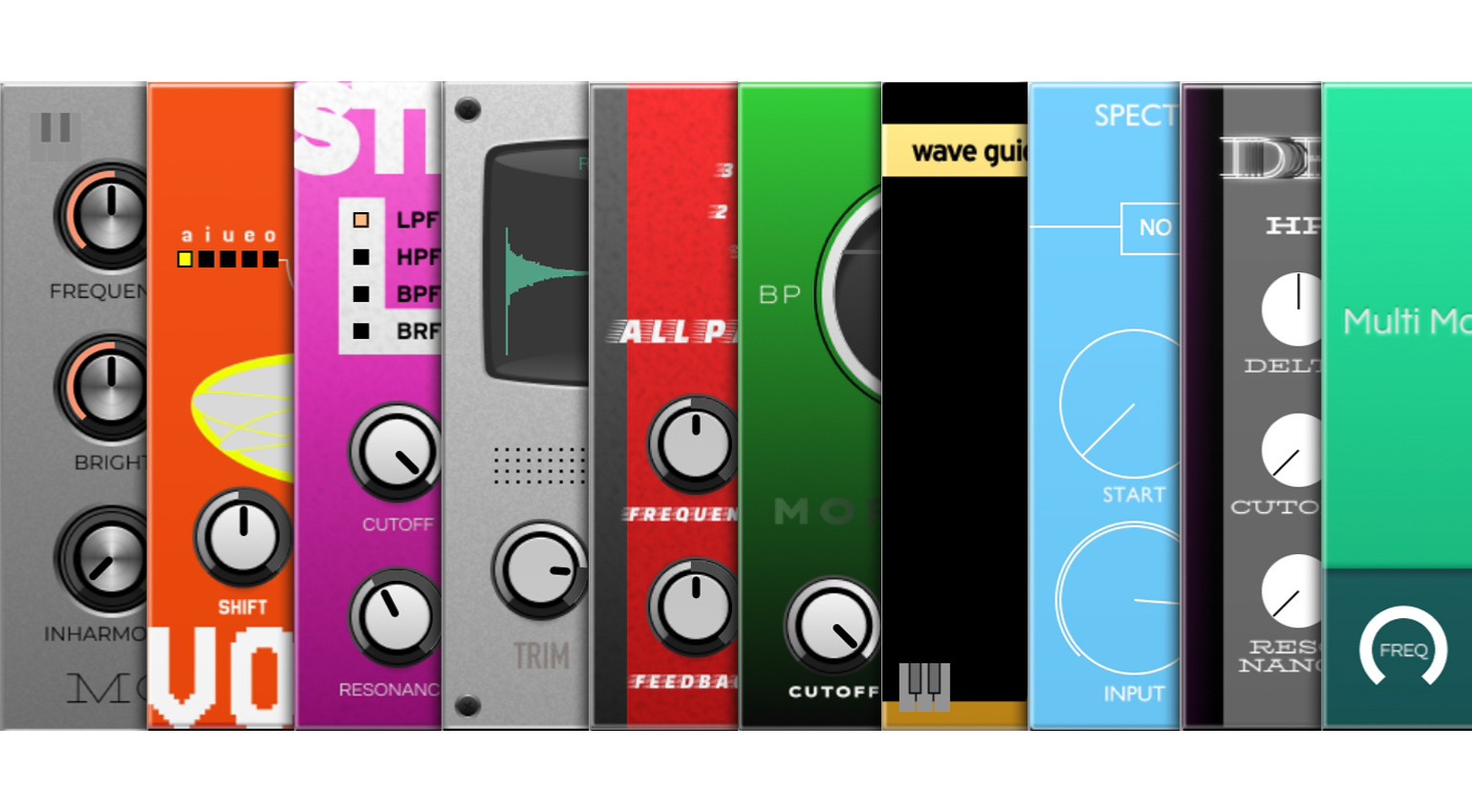
In addition to classic models, Filter Ark also integrates modern filter variants and entirely new developments. These include vocal filters and filters based on physical modelling resonators. This significantly expands the range of applications beyond the typical low-, high- or band-pass filters.
These are new developments that are not directly linked to historical hardware. The same applies to the vocal filters: they are independent filter models.
Up to Four Filters Simultaneously – Modular Design
A key feature of Filter Ark is the ability to use up to four different filters simultaneously. These can be flexibly combined and operated in parallel. The plugin is therefore not intended as a single filter in the insert slot, but as a modular filter structure. Serial, parallel or hybrid – you’re in control. Multiple filters can be active at the same time to shape a sound image.
This opens up additional possibilities, particularly for more complex sound design tasks. Rather than sending a signal through multiple plugin instances one after the other, Filter Ark bundles this work within a single interface. This saves instances and changes the creative approach.
Modulation, Routing and Unique Sound
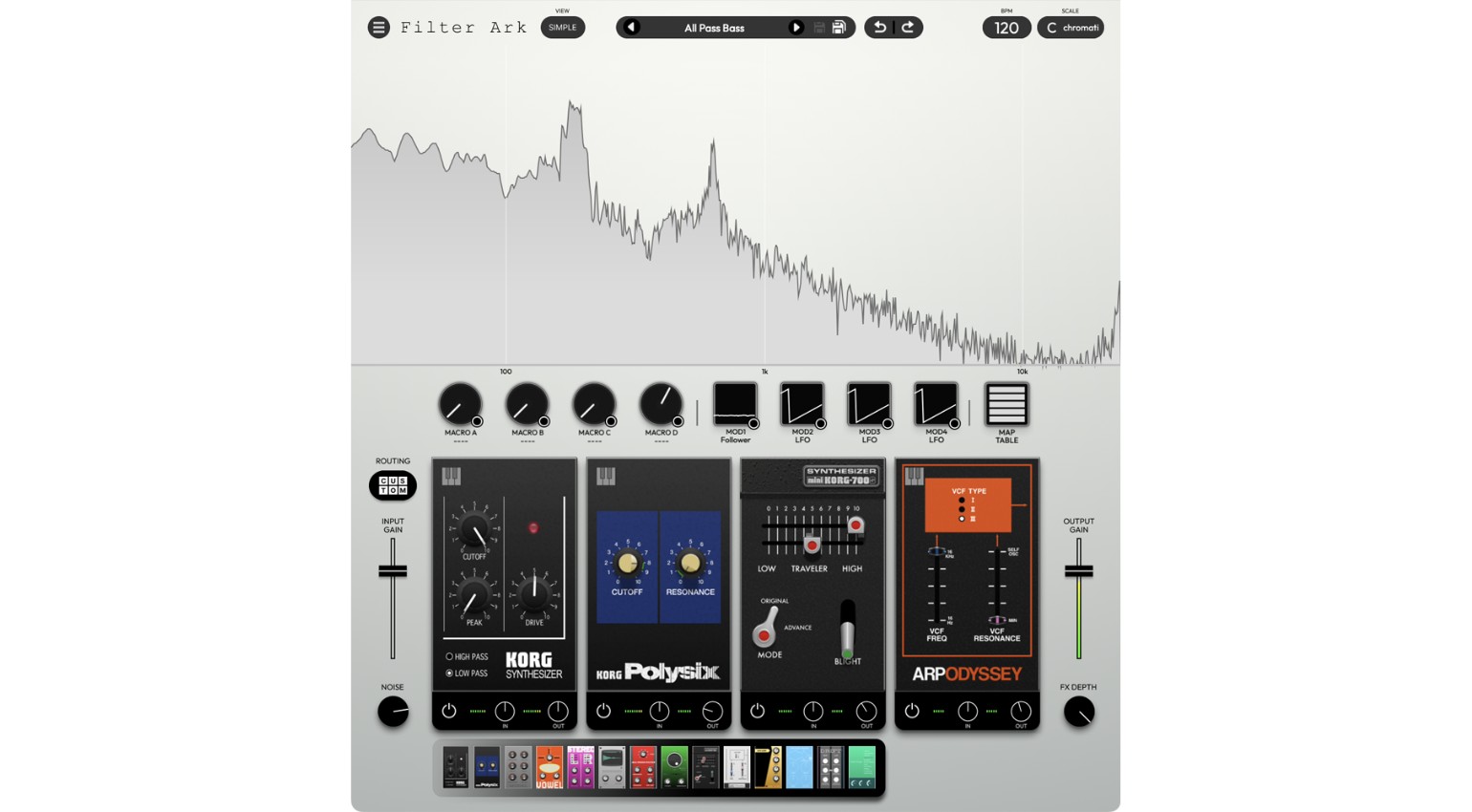
Several modulation tools are available: a morphable LFO, an envelope follower with sidechain input and a step sequencer. These modulation sources can be used to control the filters.
The envelope follower responds to incoming signals and can also be fed via sidechain. The step sequencer extends this function to include rhythmic control. This enables parameters to be modulated step by step, which is particularly useful for sequenced filter sweeps. The basic idea is clear: Filter Ark should create movement, not just shape sound.
Filter Ark as a Sound Source
An exciting aspect of the Filter Ark concept is the ability to use the plugin itself as a sound source. This is made possible by an integrated noise generator and scale quantisation for the cutoff control.
The noise generator provides an internal signal that is independent of external audio material. When used in conjunction with the filters, modulations and step sequencer, it can be employed to generate rhythmic or melodic structures. Scale quantisation ensures that cutoff movements can be gridded musically. Filter Ark thus departs from its classic role, moving towards becoming an independent sound module.
Presets, Macros and Getting Started
Despite its conceptual depth, KORG’s Filter Ark can definitely be used without prior knowledge. Presets and macros ensure a quick start. The programmable macros allow multiple parameters to be controlled together. This is particularly useful for complex filter setups with multiple active modulations. Rather than adjusting every detail individually, larger sound movements can be created with just a few controls.
Practical section: Filter Ark in studio use
Structuring Drums and Setting Them in Motion
In a drum context, Filter Ark can be used as a classic insert plugin to shape and modulate existing audio material. The filter models included in the plugin – both classic and modern variants – can be used to specifically cut or restructure drum signals. The ability to combine up to four filters simultaneously enables more complex filter curves to be created within a single instance.
The integrated modulation sources provide movement. The envelope follower can respond to the incoming drum signal to dynamically control filter parameters. These movements can be triggered by an external track via the additional sidechain input. The possibilities for sound are endless, ranging from subtle to absolutely extreme. And it’s really fun!
Synths Arpeggios as Structural Material
With continuous, tonal signals such as synthesiser arpeggios, you can use Filter Ark to shape and structure your sound. By combining multiple filter models, you can process different frequency ranges in parallel or apply different filter characters simultaneously. This creates complex sound progressions within a single signal path. This really brings one-dimensional sounds to life.
Modulation via LFO, envelope follower or step sequencer ensures continuous change. The morphable LFO in particular offers scope for altering filter movements.
Vocals Between Effect and Sound Source
Filter Ark can also be used very effectively as a creative vocal effect, whether for speech or singing. The vocal filters included in the plugin are specifically designed for formant-like filter structures and can alter or abstract the sound of voices. In combination with the classic filter models, hybrid edits are created in which the vocals are reorganised sonically as well as being filtered.
Additionally, the integrated noise generator enables Filter Ark to operate without an input signal. In conjunction with modulation and quantisation, the plugin can thus provide sound material that can be combined with vocal tracks or rhythmically complemented.
Typical applications for electronic music
- Drum processing and rhythmic structures: Use as a filter plugin for shaping, modulating, and rhythmically structuring drum tracks. It is particularly well-suited to moving filter curves and multi-layered filter combinations.
- Sequencer-like filter movements in electronic grooves: Use the modulation and step sequencer to create repetitive, rhythmic filter curves within electronic patterns and loops.
- Synthesiser lines and arpeggio progressions: Apply to continuous tonal signals, such as arpeggios or sequences, to create filter movements, transitions and multidimensional sound progressions.
- Vocal processing and formant structures: Use the included vocal filters to transform the sound of voices for effects such as abstraction, texturing or embedding in electronic arrangements.
Conclusion
Filter Ark is a filter plugin that combines classic KORG filter models with modern filter concepts and extensive modulation. A central part of the concept is the ability to use multiple filters in parallel and use the plugin as a sound source. And the plugin does this extremely well. It is very easy to link modulations to the filter controls or macros. This is where the fun begins.
After initial testing in my own studio, Filter Ark seems conceptually broad. It’s a really interesting and versatile plugin. Sonically, Filter Ark was more than convincing in the studio. The individual filter models sound very different yet excellent. What’s more, hardly any of my Mac Studio M1’s CPU is used. This plugin will definitely be my new filter tool in my DAW!
Prices and Specifications for KORG Filter Ark
KORG Filter Ark is now part of the KORG Collection 6 bundle (deal valid until 29 January 2026) and is available here at Plugin Boutique* as well as a standalone plugin* at an introductory price of €48.59 (50% discount).

The plugin runs on Windows 10 or higher and macOS 11 or higher in VST, VST3, AAX and AUformats in 64-bit. You will need the KORG Software Pass software to install and authorise the plugin. A free demo version is available.
FAQ – KORG Filter Ark
What is Filter Ark?
A very comprehensive filter plugin from the KORG Collection 6.
Which Filter Models are Included?
Filters from the MS-20, the Polysix, the miniKORG 700S, the ARP Odyssey, and modern variants.
How Many Filters can be Used Simultaneously?
Up to four filters can be used simultaneously.
Are There Modulation Options?
Yes, that’s the highlight of the plugin: An LFO, an envelope follower with sidechain and a step sequencer are all available.
Can Filter Ark be Used as a Sound Source?
Yes, you can use the filter’s noise generator and scale quantisation to create your own sounds with the plugin.
Pros and Cons of KORG Filter Ark
Pros
- Combination of several classic KORG filter models in one plugin
- Supplemented by modern filter types, such as vocal filters and physical modelling resonators
- Up to four filters can be used simultaneously and combined with each other
- Extensive modulation options, including an LFO, an envelope follower (with sidechain) and a step sequencer
- Integrated noise generator can be used as a standalone sound source
- Scale quantisation for the cutoff control for melodic and rhythmic applications
- Presets and macros for a quick start
- A free demo version with almost full functionality is available
Cons
- None
Filter Ark is a software filter plugin from KORG. It includes classic and modern filter models. Up to four filters can be combined. Modulation can be performed using an LFO, an envelope follower or a step sequencer. A free demo version is available.
More Information About KORG and Filter Ark
* Note: This article about the KORG Filter Ark contains affiliate links that help us finance our site. Don’t worry: the price for you remains the same! If you buy something through these links, we receive a small commission. Thank you for your support!

This might also interest you