Sound Vs Modulation: 5 of the Best Sounding Synthesizers
Pure and beautiful synths from Oberheim, Moog, Roland and more.

 4,0 / 5,0 |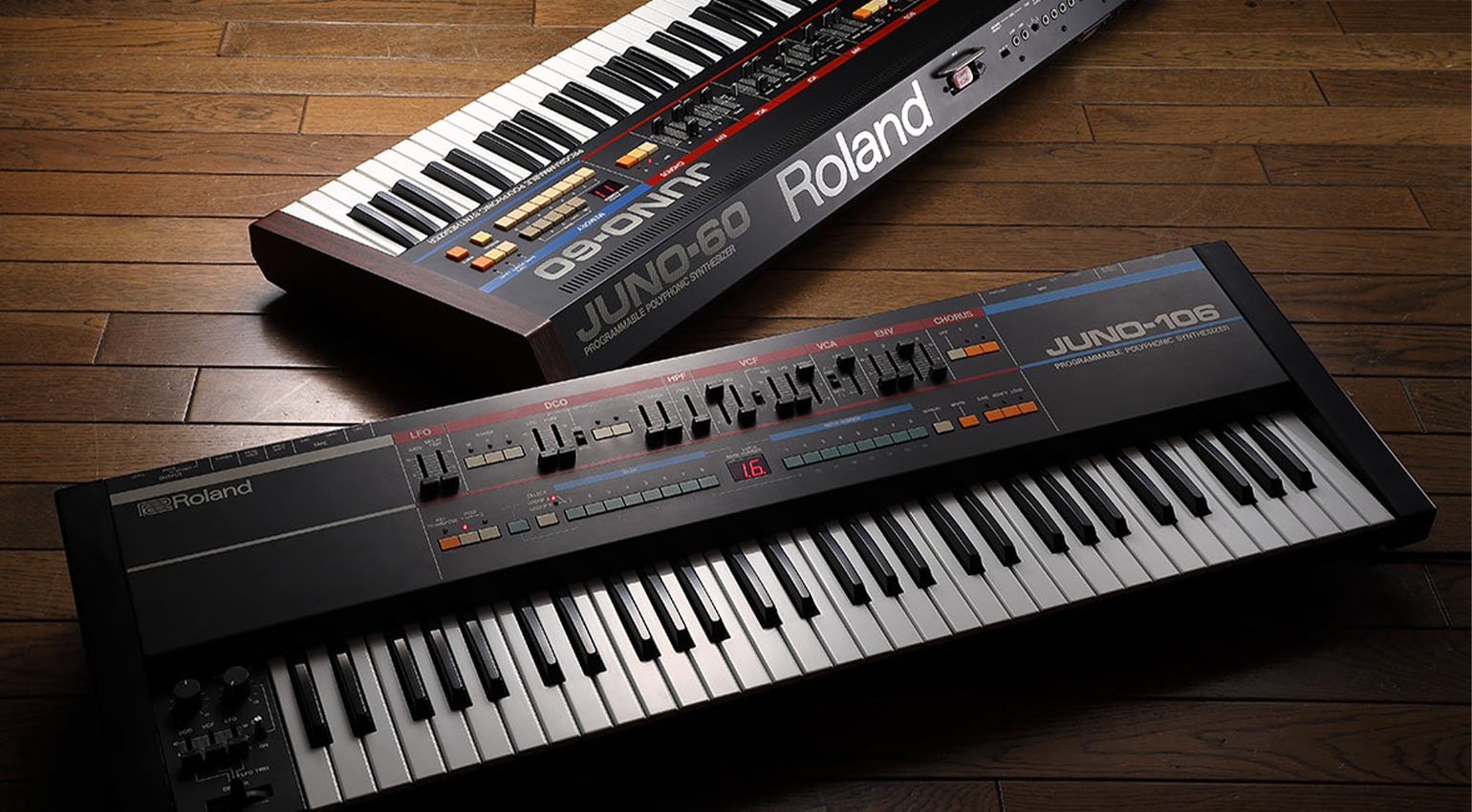

Favor pure sound quality over lots of modulation possibilities? These are the synths for you: the best sounding synthesizers around.
The Best Sounding Synthesizers
I had a realization not too long ago: I kind of don’t care about modulation. I mean, I do, but not nearly as much as some people. Check out the comments for a new synth release, and you’ll invariably see people complaining about the lack of LFOs. That’s definitely not me. One or two is fine. I’m much more focused on the sound of the thing: the oscillators and filter and saturation. That’s what I like.
I had a think about it, about my favorite synths of past and present. They all tend to be light on the modulation and heavy on the sound. Whether analog or digital, modern or classic, the instruments I gravitate towards are the ones with heavenly tones. Hit a chord and the hairs on the back of my neck stand up. That’s the stuff.
Think about it. You don’t buy a piano because it has a lot of pedals. You buy a piano because you like the way it sounds. That’s me and synthesizers.
Here are the five synths that I consider the best sounding synthesizers.
The Best Sounding Synthesizers: Moog Minimoog Model D
When it comes to synth sound, it’s hard to beat a Moog. Beefy oscillators and that classic Ladder filter combine to create something really special. It’s a sound with girth, with presence. Profundity.
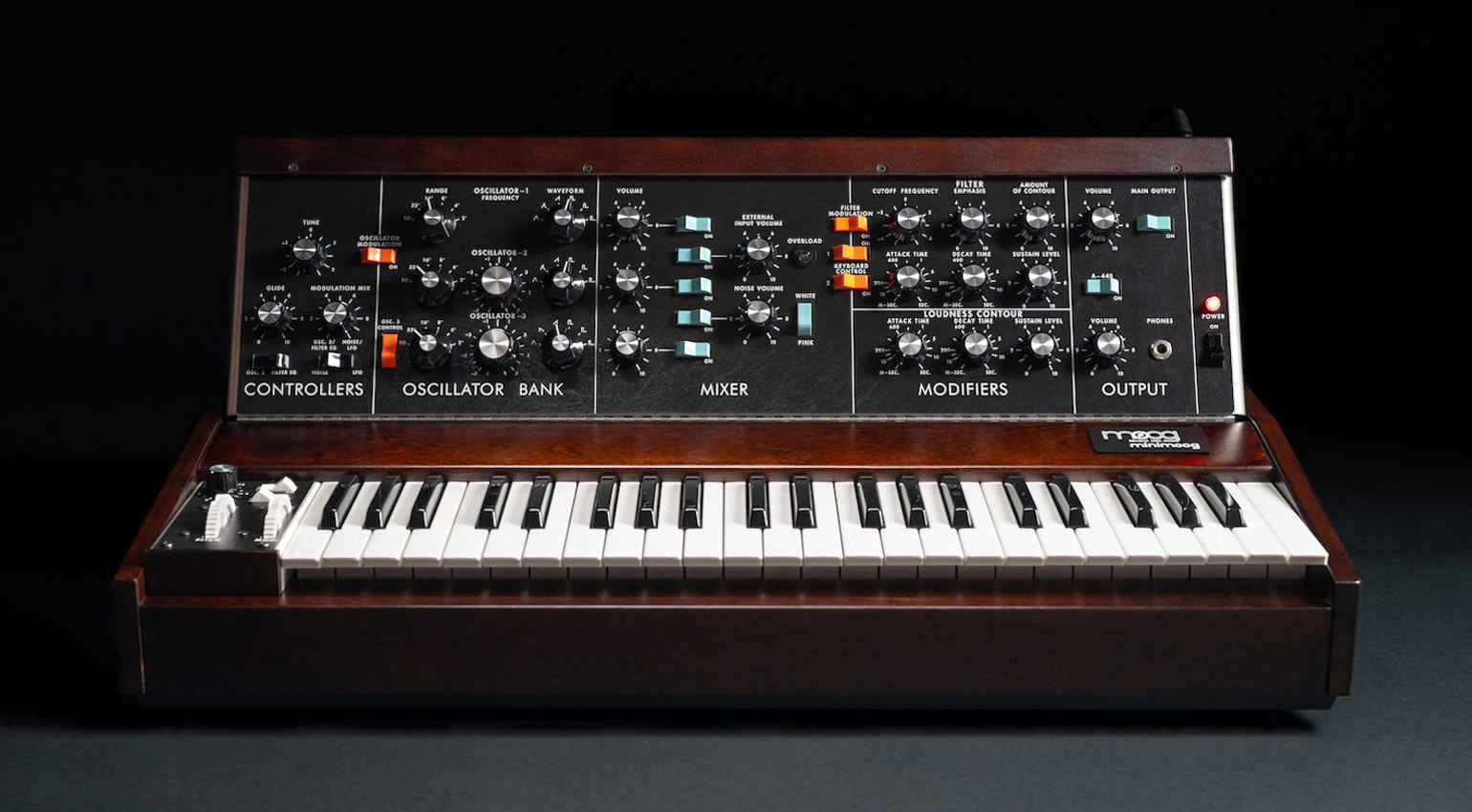
Moog debuted the Minimoog Model D back in 1970. With its three oscillators, lowpass filter, and envelopes for the VCA and filter, it favors simplicity. You don’t even get a release knob, just a toggle switch to turn it on. Then there’s the lack of a dedicated LFO: you have to steal one of the oscillators to make wobbles. And yet it’s perhaps the most famous synthesizer ever made.
And that’s because it just sounds so good.


- Moog Minimoog Model D product page
The Best Sounding Synthesizers: Oberheim OB-X8
Another manufacturer that often puts sound over modulation is Oberheim. Tom’s first instrument release, the Synthesizer Expander Module, or SEM, was even simpler than the Minimoog. Two oscillators, a jaw-droppingly gorgeous filter, two ADS envelopes, and a single LFO. That’s it. And yet it’s still to this day considered a benchmark for synths. Granted, Tom originally intended it as a companion to be used alongside another synth, but that didn’t stop him from combining them into two, four, and eight-voice configurations.
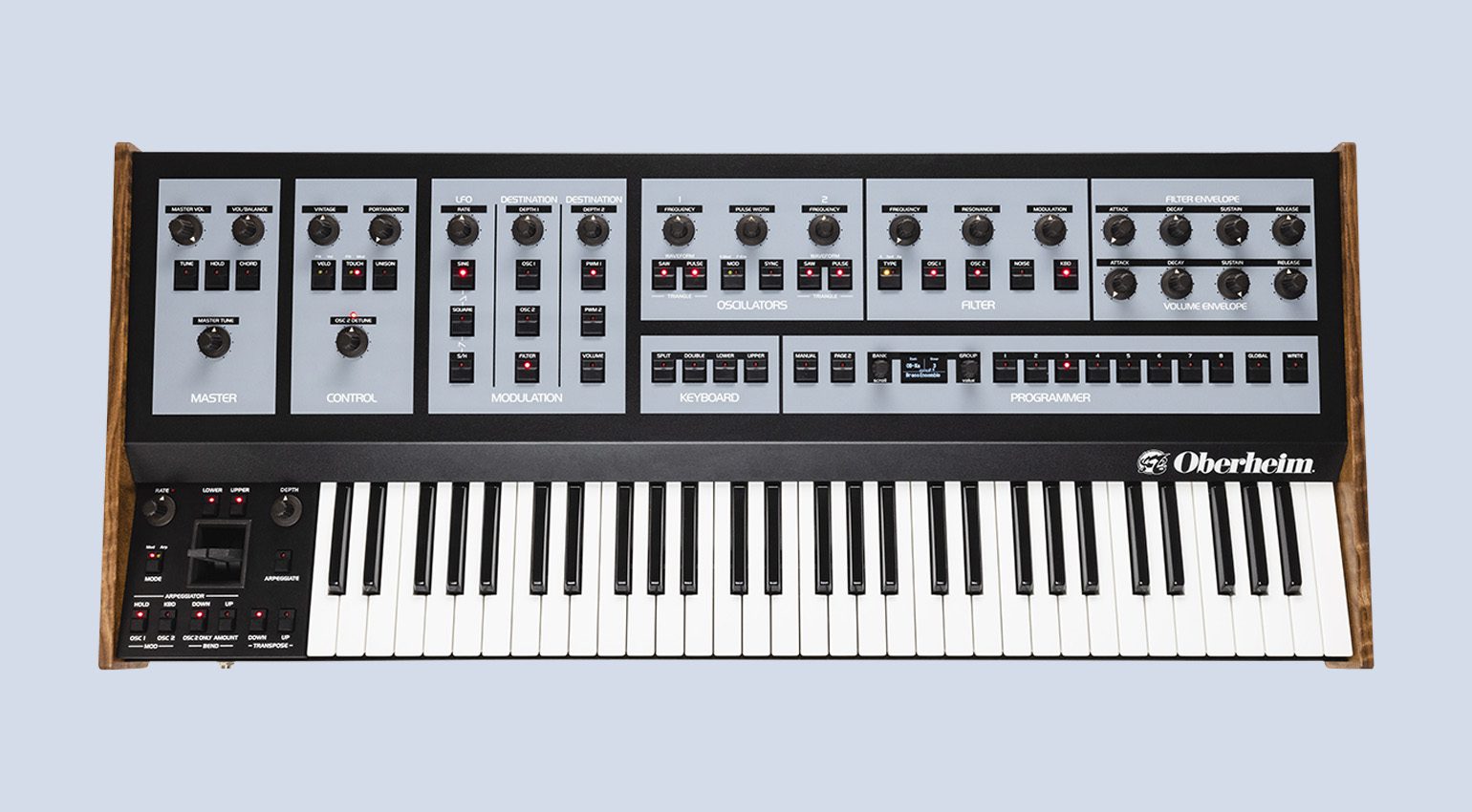
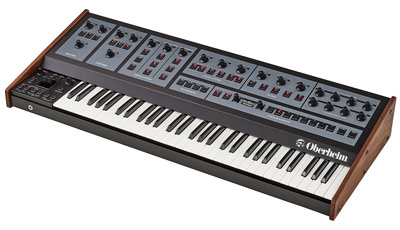
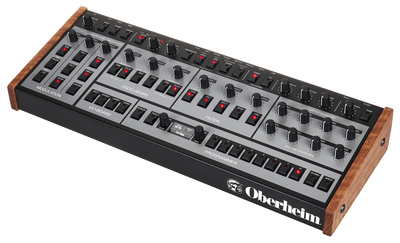
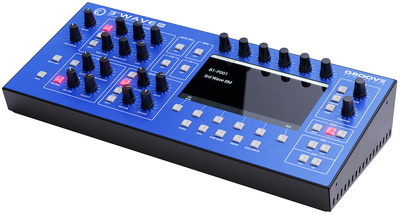
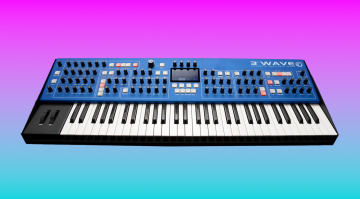
This philosophy of sound over complexity continued in Oberheim’s later instruments, including the big polys, OB-X, OB-Xa and OB-8, and Tom’s modern reimagining of them as the OB-X8. I’ve talked about this before, but I once spent an entire afternoon playing all of the instruments at Five G in Tokyo, and far and away the one that impressed me the most was the OB-X8 (the other was the Groove Synthesis 3rd Wave, below). The OB-X8 is decidedly more involved than the SEM, but it’s still relatively basic in terms of modulation. And I have no beef with that.

- Oberheim OB-X8 product page
The Best Sounding Synthesizers: Roland Juno-106
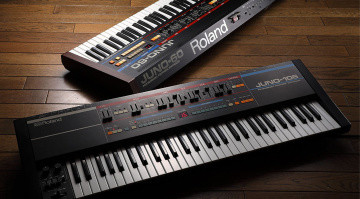
I bought my first Roland Juno-106 in the mid-1990s when you could still get them for a decent price and the voice cards had yet to start failing. As a dance music producer, I loved the bass bump in the low end, as well as the beautiful sound. I ended up selling it in the 2000s when I went in the box (regret!), but now I have one again, and I’m so glad that I do.
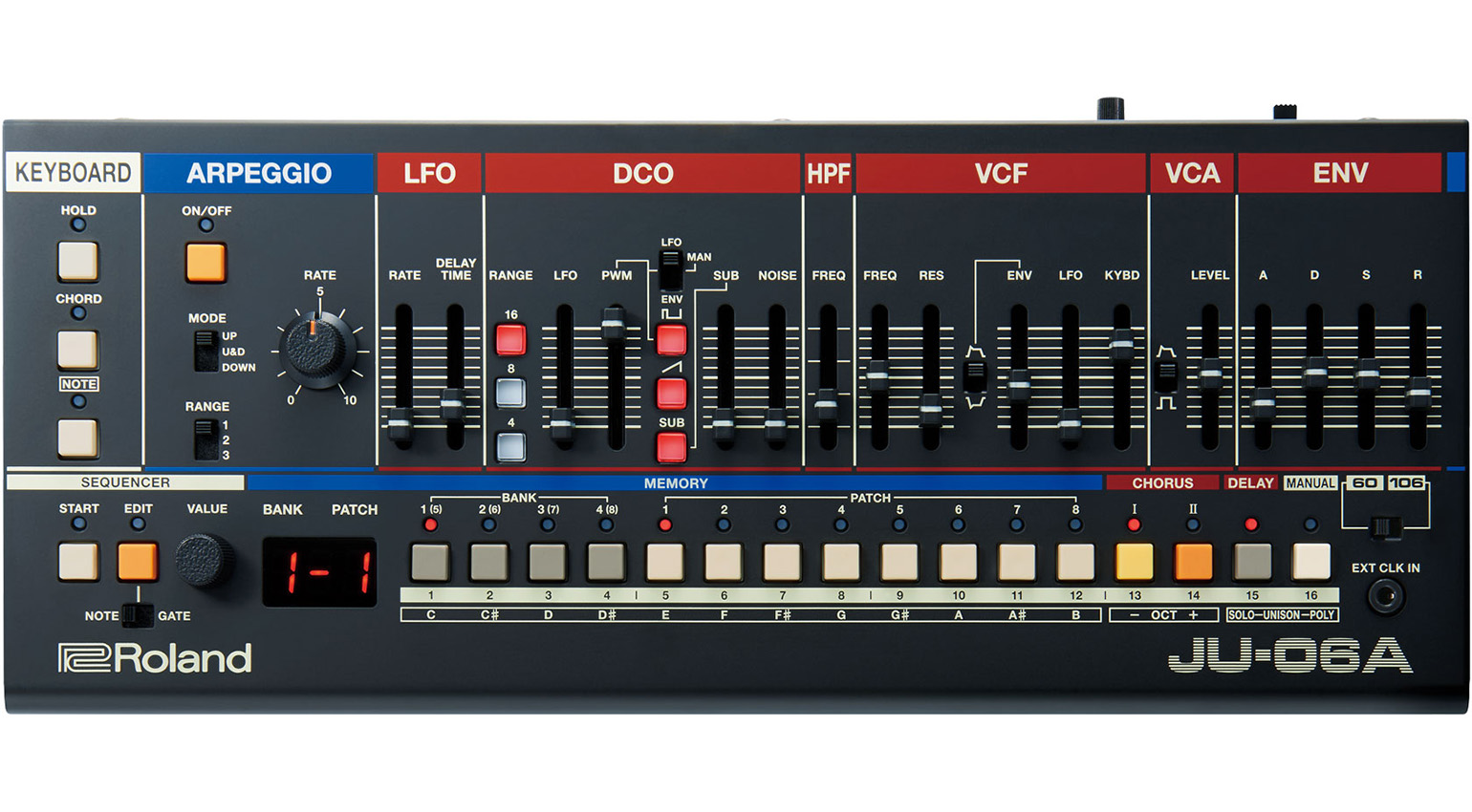
Again, modulation is very basic. A single LFO with one waveform (triangle). A single ADSR envelope shared between both filter and VCA. And that’s it. And yet the sweet spot on this thing is so wide you could sail a cargo ship through it. Roland really excelled at this type of synth in the 1980s, with the Junos and SH-101 all having basic synthesis structures but jaw-dropping sound.
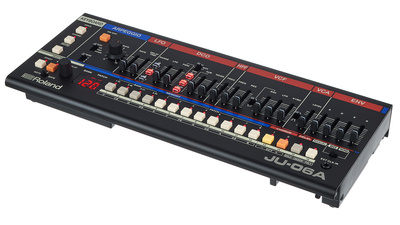
Roland has been avoiding analog remakes but the JU-06A will get you pretty close digitally. Bonus in that it had the Juno-6/60 in there too, another classic from the same era.

- Roland JU-06A product page
The Best Sounding Synthesizers: Doepfer Polyphonic System
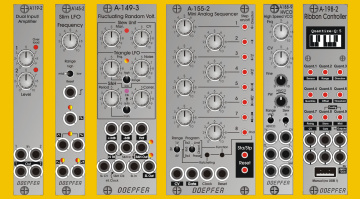
Given my preference for quality of sound over modulation, you probably won’t be surprised to learn that I haven’t gotten into Eurorack, where the focus is often on exploring how sound can be twisted and changed. In fact, the only Eurorack modules that I do have are part of Behringer’s System-100 series to add functionality to my small Roland System-100M cabinet.
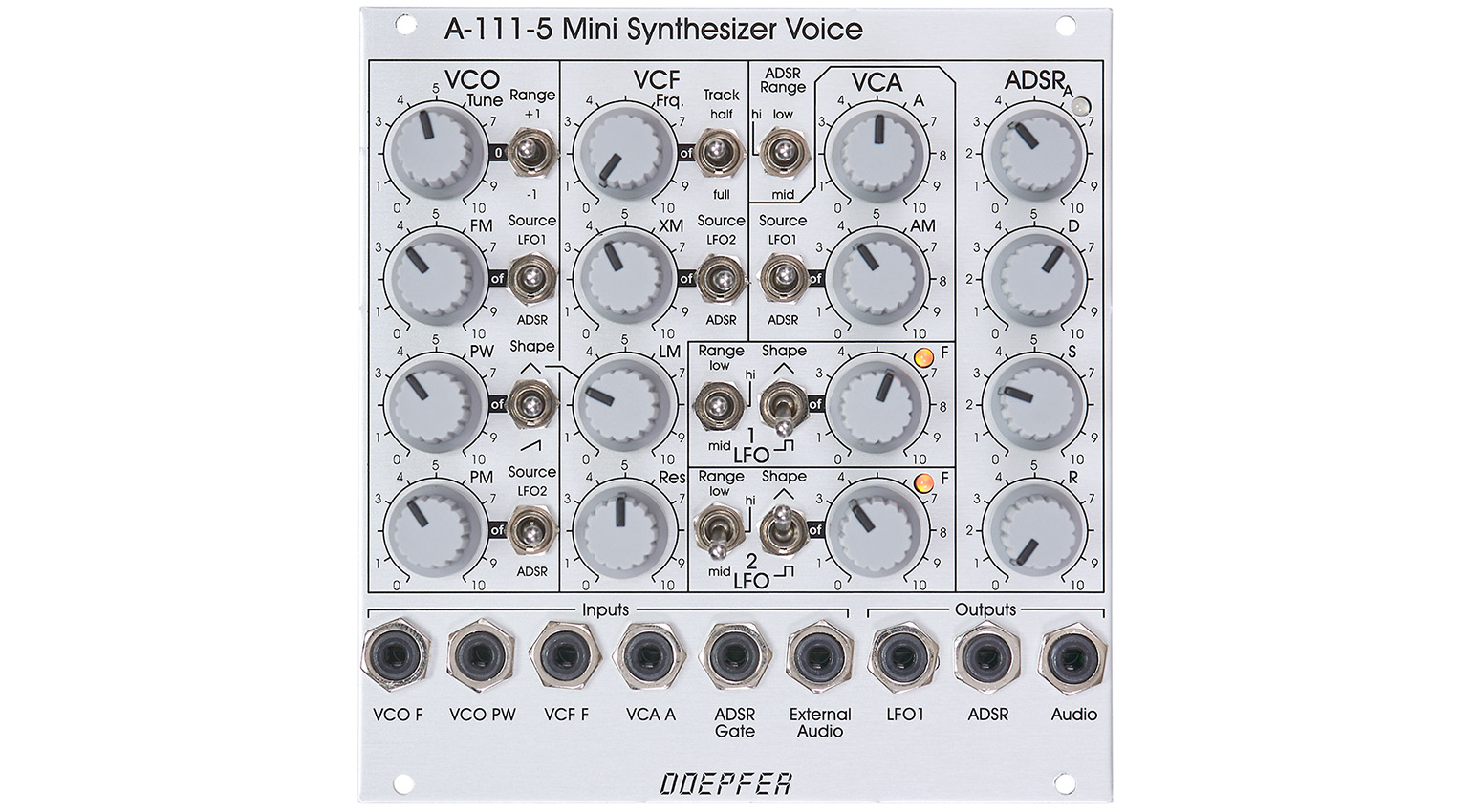
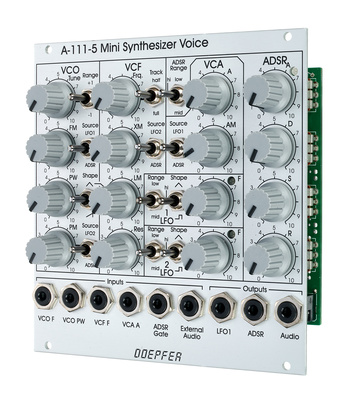
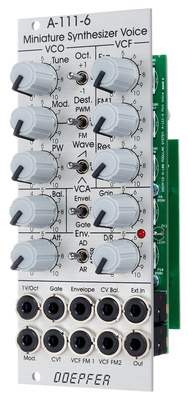
If I were to go headlong into Eurorack, though, it would be to explore polyphony. I particularly like the sound of Doepfer’s polyphonic modules, like the A-111-5 and A-111-6. In fact, I like the Doepfer tone in general. Just check out Tim Shoebridge’s rig in the demo video below. That’s some gorgeous sound.

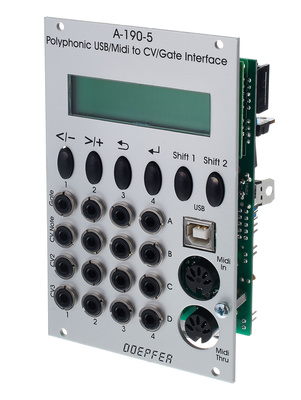
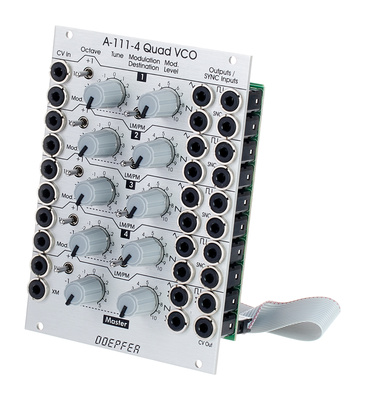
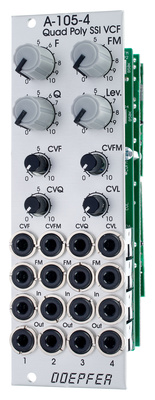
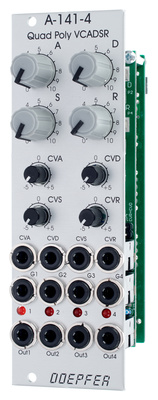
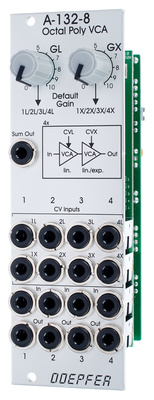
- Doepfer homepage
The Best Sounding Synthesizers: Groove Synthesis 3rd Wave
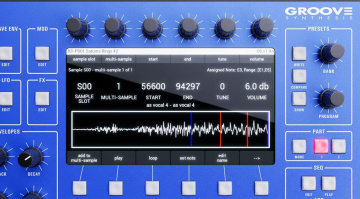
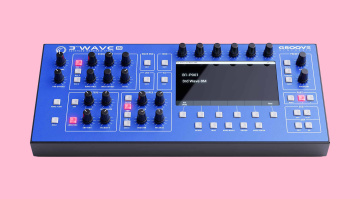
I’ve been going on about analog synthesizers so far but I’m equally besotted by the sound of digital, particularly low-bit wavetables. I could listen to crunchy wavetable scanning all day, to be honest. The new Waldorf Protein sounds amazing with its Microwave and PPG Wave-sourced wavetables. Another that I love the sound of is the 3rd Wave from Groove Synthesis, which also features Wolfgang Palm’s wavetables.
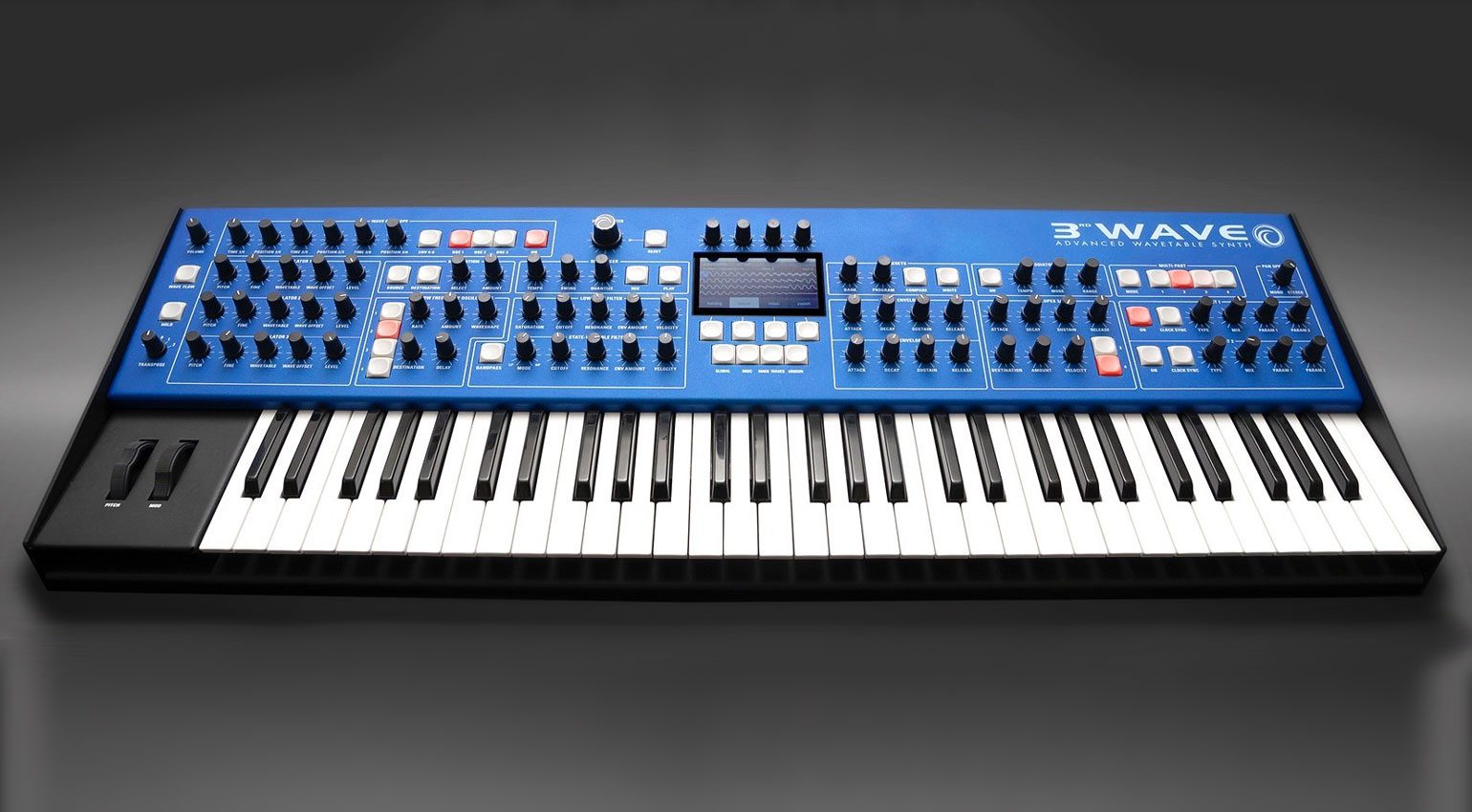
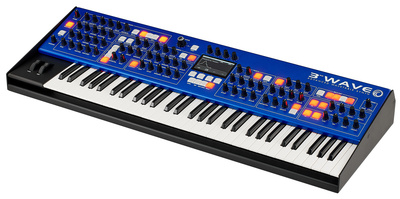
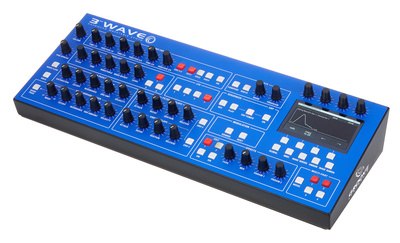
My love of the 3rd Wave is well-documented in these pages. And while the synth is no slouch in the modulation department, it’s the pure sound of it that I truly adore. I’m an ambient musician, for the most part, and love to get lost in long drones. And the 3rd Wave is particularly well-suited to this task.

- Groove Synthesis homepage
More Information
- All about synthesizers
- Get the best sounding synthesizers at Thomann*
*Note: This article contains advertising links that help us pay for this site. Don’t worry: the price for you will always be the same! If you buy something through these links, we will receive a small commission. Thank you for your support!

This might also interest you
3 responses to “Sound Vs Modulation: 5 of the Best Sounding Synthesizers”

KURZWEIL
JX-10 in my view sounds better than the Juno. There really isn’t much by Korg that springs to mind. The Super 6 sounds really nice. The old SH-5 by Roland is something of a yardstick for monosynth sounds too. The Minimoog is certainly one of the fattest and each one has its own little character, depending on age/usage etc. The VCS3 does have a lot of modulation (to say the least), but the oscillators also have a nice tone. The older analogue stuff seems to be a shade less tempered and precise, and ageing seems to help with the tone for some reason.
original waldorf microwave
jupiter 6
moog matriarch
yamaha sy77
kurzwiel k2000