Sonic Pi Self-Test: Powerful Insights from Coding Beats Instead of Turning Knobs
When Code Gets Groovy!

 4,3 / 5,0 |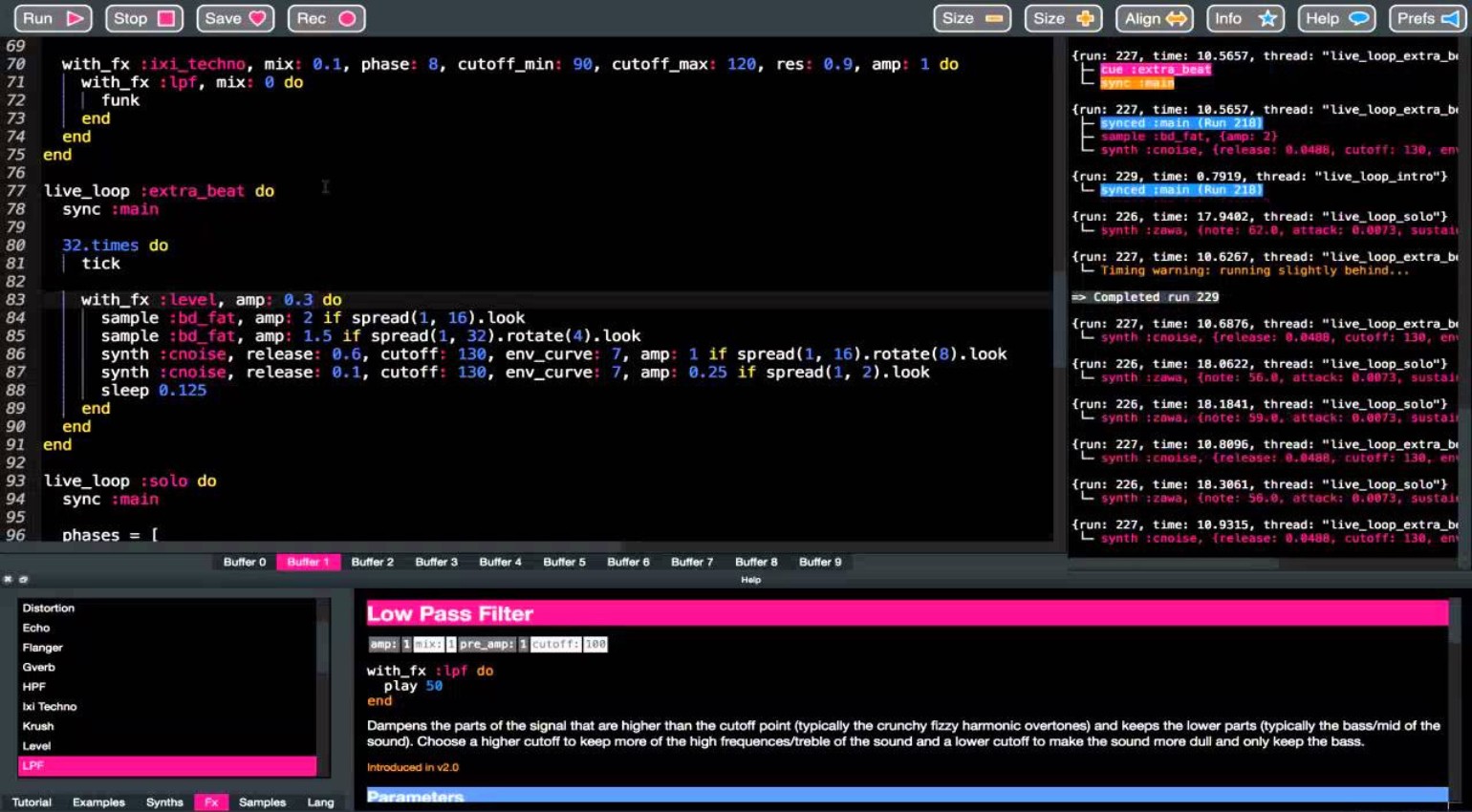
Sonic Pi - Programming Music in a Self-Test: Coding Beats Instead of Turning Knobs? · Source: Sonic Pi

Sometimes you stumble across software that pushes everything familiar aside and immediately makes you want to dive deeper. Sonic Pi falls squarely into this category because music is created directly through code that responds audibly and provides immediate feedback. This code implements musical ideas with surprising immediacy. Anyone who loves electronic music and is curious about new ways of working will quickly realize that there is much more to this environment than an educational experiment.
The Most Important Facts at a Glance
- Sonic Pi is a free live coding environment for music and sound experiments
- Music is created through simple code with immediate acoustic feedback
- Rhythm, melody, and structure can be changed live
- Ideal for electronic music experiments and performances
- Despite its great creative depth, the barrier to entry is low
- Works on Mac, Windows, and Linux
All About Sonic Pi
What Exactly is Sonic Pi?
Sonic Pi is a programming language and environment developed specifically for music. Originally created for educational purposes, it has long since established itself in creative scenes. At its core, Sonic Pi combines classic programming logic with musical concepts such as tempo, scales, synths, and effects. Everything remains accessible because the code is readable and directly addresses musical parameters.
The key difference from traditional digital audio workstations is the direct connection between text and sound. A short block of code immediately generates a beat or melody, bypassing the need for menus or plugins. Changes take effect immediately, creating a strong sense of control, especially when experimenting. Above all, Sonic Pi is fun and fosters the joy of experimentation. Sonic Pi doesn’t react like a dry IT development environment; rather, it reacts like an instrument with a keyboard. You have to keep your brain constantly “in motion” so as not to “destroy” the song.
How Exactly is Music Created in Sonic Pi?
Sounds are created through clearly structured commands that describe tempo, instruments, and sequences. A beat consists of a few lines of code that specify which sound is played, when it is played, and how long the pauses last. This makes musical time tangible and logically comprehensible.
Working with loops and functions is particularly exciting. Repetitions can be controlled with extreme precision and altered spontaneously or experimentally. This enables you to adjust a running rhythm during playback without interrupting the flow. This is where the app shines: music isn’t just prepared and played back; it’s actively shaped and changed. This is jamming 3.0!
Why does Sonic Pi Feel Like a Live Instrument?
Because Sonic Pi works in real time, it allows you to create music live. You can change the code during playback to instantly shift, alter, and rebuild grooves, melodies, and textures. This approach is similar to classic live performances, except lines of code are used instead of controls and pads. Don’t mix this up with classic trackers!
The result is surprisingly organic. Even small changes in the code can produce significant musical effects. The tempo shifts, patterns tilt, and harmonies open up. The software rewards experimentation and makes mistakes audible in an interesting, rather than frustrating, way. This fosters a playful approach to electronic music. As for the sound? You decide – but spoiler alert: it’s really good.
How Complex Can it Get, and Where are the Limits?
Sonic Pi is not limited to simple beats. Advanced users work with nested structures, random functions, and algorithmic processes. There are no limits. However, logical thinking and programming skills are definitely advantageous. These skills result in generative compositions that are constantly changing and never sound exactly the same. Sonic Pi reveals enormous creative potential, particularly in ambient and experimental genres. It’s pure fun!
However, the app does set clear limits. Traditional audio recording is not the focus. Even complex arrangements with many tracks require rethinking and a lot of brainwork – but that’s supposed to keep you young! Sonic Pi doesn’t replace a DAW; it complements it with a different creative perspective. Once you accept that, you will discover a tool that will change the way you think about music forever. It will reinvent music-making all over again.
How does Sonic Pi Perform in Everyday Studio Use?
In the studio, Sonic Pi feels like a creative source of ideas that works alongside existing tools. You can quickly sketch out beats, test rhythmic concepts, and generate melodies that you can later further process in a DAW. This creates a fresh source of inspiration, especially for electronic music.
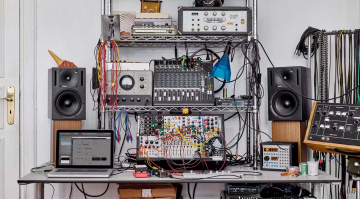
Things get particularly exciting when it’s combined with external hardware. MIDI control allows you to address synthesizers and drum machines. This blurs the line between code and a classic studio setup. The app becomes the brain that dictates the structure while the hardware delivers the sound. And it does so without becoming boring.
Getting started with Sonic Pi was much easier than I thought. Of course, the approach was unfamiliar at first. Nevertheless, I really enjoy experimenting with the software and programming language. I think the app can help you develop new ideas, especially when you’re experiencing a creative block. Personally, I really enjoy the jam factor. It would be very cool to integrate the software as a plugin into my DAW. On the one hand, I could use it to control VST plugins directly, and on the other hand, I could record the generated tracks in the DAW. This request has been circulating in the developers’ forums for a while.
Is Sonic Pi Also Suitable for Live Performances?
Sonic Pi has its own unique energy when used for live performances. The screen becomes a stage, and the code becomes a visible part of the performance. Changes are transparent, allowing the audience to experience how music is created and transformed. This transparency establishes a direct connection between ideas and sound. Naturally, you should make your code visible to everyone.
The software is particularly well-suited for live coding sets due to its stability and precise timing. The system remains synchronized and responds precisely. However, this approach requires concentration and courage because mistakes are part of the process. This is exactly what makes it so appealing and gives performances a real immediacy. It’s more than just an “Ableton Live fires off pre-made parts” live act.
How High is the Barrier to Entry Really?
At first glance, Sonic Pi seems technical, but it’s easier to get started than expected. The programming language is deliberately simple and focuses on musical terms, which is very cool. After just a few minutes, you can create your first beats without needing in-depth programming knowledge. It’s easier than you think!
As you gain experience, the system opens up further. Concepts such as variables and functions are introduced organically. The software grows with your abilities and remains clear and concise. This motivating learning curve makes you want to try out new musical ideas all the time. You should really give it a try!
Why Does Sonic Pi Change the Way We Look at Music Production?
Sonic Pi forces you to think about music structurally. Time, repetition, and variation are consciously designed. This fundamentally changes the creative process. Rather than creating music from presets, you make decisions that remain audible and comprehensible.
This approach is liberating. The focus shifts from surface-level details, such as cable clutter and searching through sample libraries, to ideas and structure. The programming interface demonstrates that electronic music is not confined to complex interfaces. Code becomes a creative medium, opening up new perspectives on sound design.
Conclusion
Sonic Pi is not a replacement for traditional production software; rather, it is a standalone instrument with a distinct character. It combines programming and music in an inspiring and accessible way. Those ready to break new ground will find Sonic Pi to be a tool that expands creative thinking and breaks musical routines. It also trains the brain.
The software is an exciting addition to everyday studio life, especially for electronic music. Beats, patterns, and structures can be created more quickly and directly. Its playful approach to code fosters freedom and experimentation. Sonic Pi doesn’t feel like software; it feels like an instrument with its own language.
FAQ About Sonic Pi
What Exactly is Sonic Pi?
Sonic Pi is a live coding environment that uses code to generate music in real time. This includes all aspects of music.
Do You Need Programming Experience to Use the Software?
Basic knowledge is helpful but not essential since the language remains accessible. As with any new instrument, a little practice, watching tutorials, and dexterity (for fast typing) are helpful.
Can the App Replace Classic DAWs?
No, Sonic Pi complements existing setups and offers an alternative creative approach. You will still need a DAW or other recording medium to record, mix, and master your programmed tracks.
Is the Programming Interface Suitable for Live Performances?
Yes, definitely! It is often used for live coding sets and experimental performances. There are countless videos on Instagram and YouTube that you should check out – it’s worth it!
Is the Software Available for Free?
Yes, it’s available as a free download for several operating systems, including Windows, macOS, and Linux. If you’re interested, introductory courses from various tutors cost a few euros, which would certainly not be a bad investment.
Sonic Pi combines programming code and sound to create an instrument that unites structure, experimentation, and spontaneity. If you want to rethink electronic music, Sonic Pi is a tool with real character.
More Information on the Software, Download and Electronic Music


This might also interest you