What makes the Pultec EQ so special?
Using a Pultec-style EQ in your workflow.

 3,8 / 5,0 |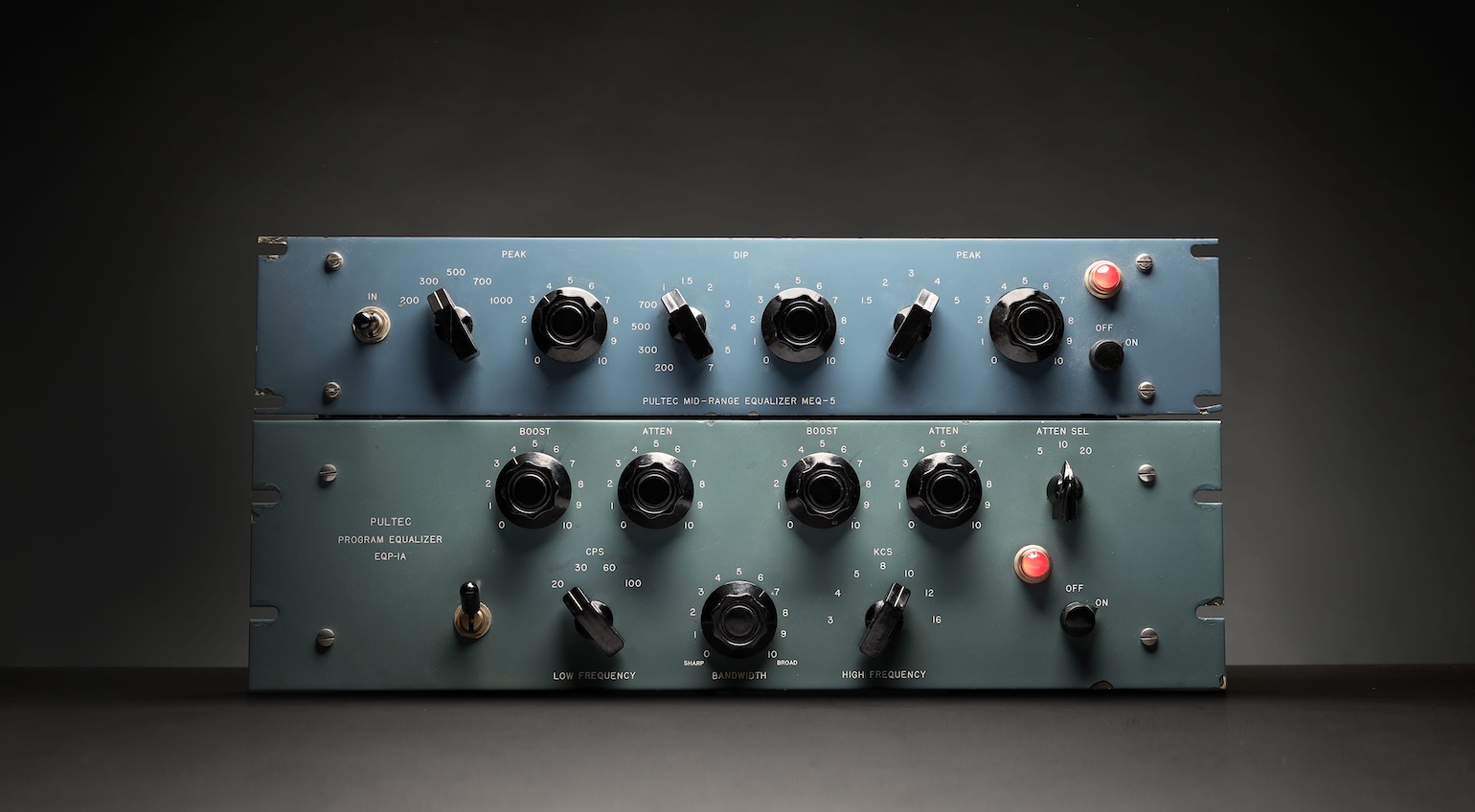

It’s fair to say the Pultec EQ is a piece of gear that has reached legendary status among engineers, producers, and studio aficionados. There’s no doubt we’ve all heard it on countless recordings in the past 60 years, but what sets it apart from other EQs? We’re here to find out.
In this Article:
The Magic in the Design of the Pultec EQ
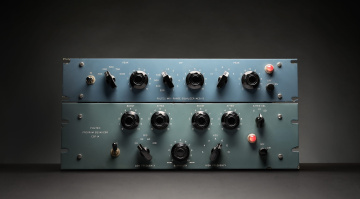
The original Pultec EQP-1 was designed in the early 1950s by two guys from New Jersey. Eugene Shenk and Ollie Summerlin used a passive EQ circuit with a tube gain stage to compensate for the loss in gain(around 16 dB) common with passive circuitry.
The design of the EQP-1 includes a low-frequency shelving filter with three selectable bands and a high-frequency peaking filter with five bands and variable Q. Each of these two filters has individual parameters for applying gain boosts and cuts, and this is what sets it apart from every other EQ.
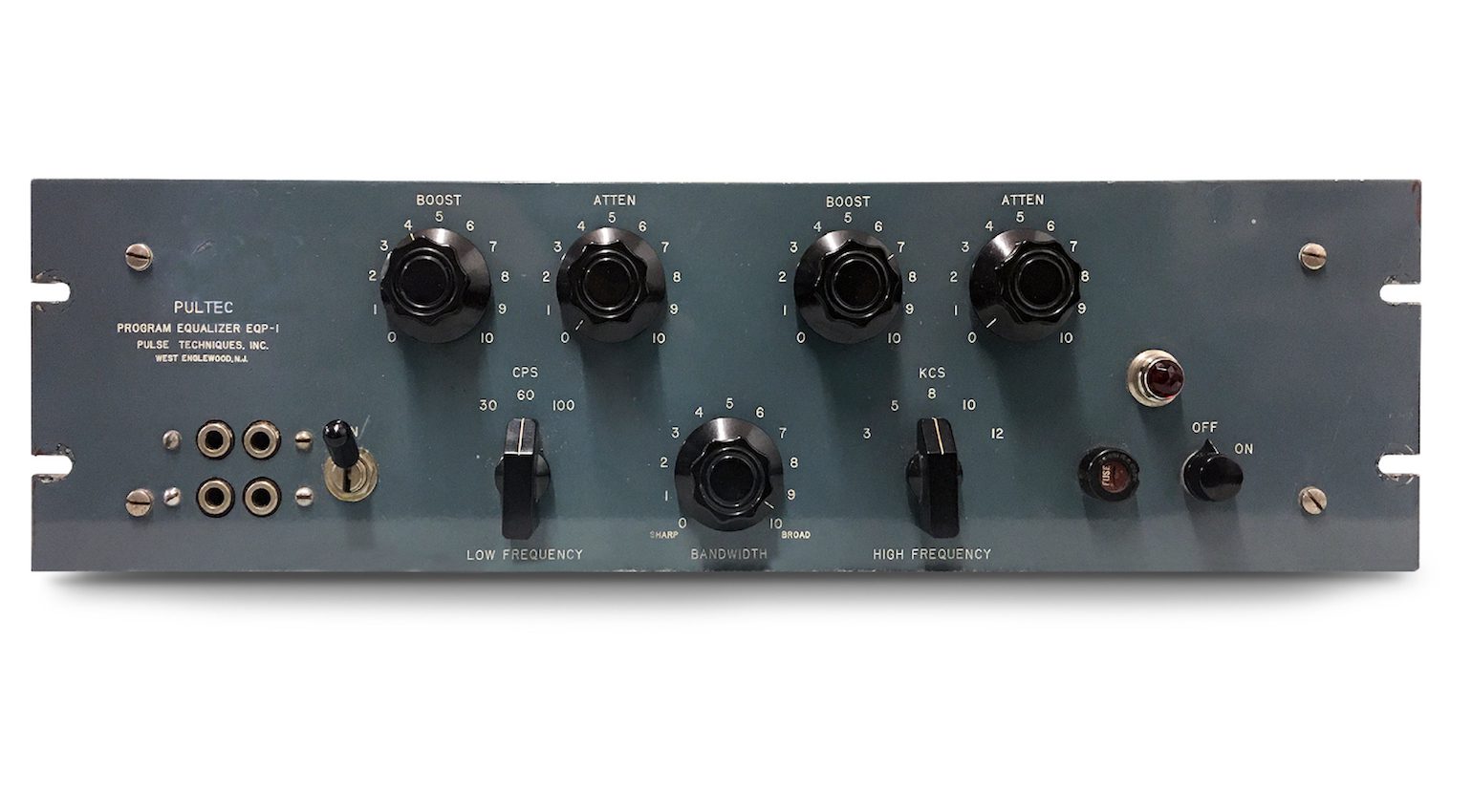
Although the manual advised users never to boost and attenuate the same band simultaneously, this ended up being the very feature that made Pultec famous. The uniquely musical frequency contours created from this technique, particularly when dealing with low end, is the reason it is still widely used in music today.
How do I get hold of a Pultec EQ?
Luckily, Pultec EQs are one of the most celebrated and widely used studio tools available. As a result, there is a multitude of hardware clones, reissues, 500-series versions, plug-ins, and even guitar pedals that aim to emulate the original sound.
Pultec EQs: Ignite Amps PTEq-X
PTEq-X is a free plugin that emulates three different Pultec EQ modules, including the EQP-1A Program Equalizer, the MEQ-5 Midrange Equalizer, and the HLF-3C Filter Equalizer. When compared to the visually orientated parametric EQ in your DAW, doing things the Pultec way provides the limitation of set frequency bands and forces you to use your ears.
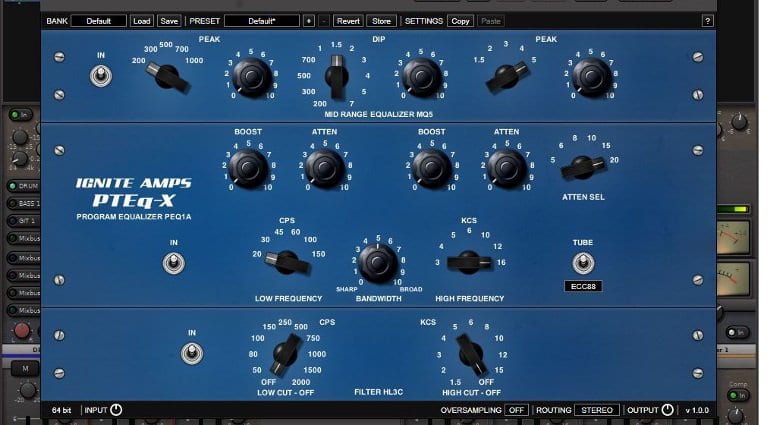
For beginners who are still doing plenty of guesswork, working this way could speed up your workflow considerably. In addition, because you are creating EQ curves based solely on what you’re hearing, the rule book goes out of the window in favour of what sounds good. This is a skill that will stand you in good stead when used with any software or hardware EQ.
The PTEq-X modules offer flexibility with additional frequency settings, and each can be bypassed individually. Also, there is a switchable tube modeling circuit with four tube types (ECC81, ECC82, ECC83, and ECC84) to unlock different harmonic characteristics and 2x linear phase oversampling for cleaner processing.
Pultec EQ Plugins
Plug-ins like the popular Waves PuigTec EQs provide the look and feel of the Pultec EQP-1A and MEQ-5 in software form. Each aspect has been meticulously modeled to give you the closest sound possible to the original vintage hardware.
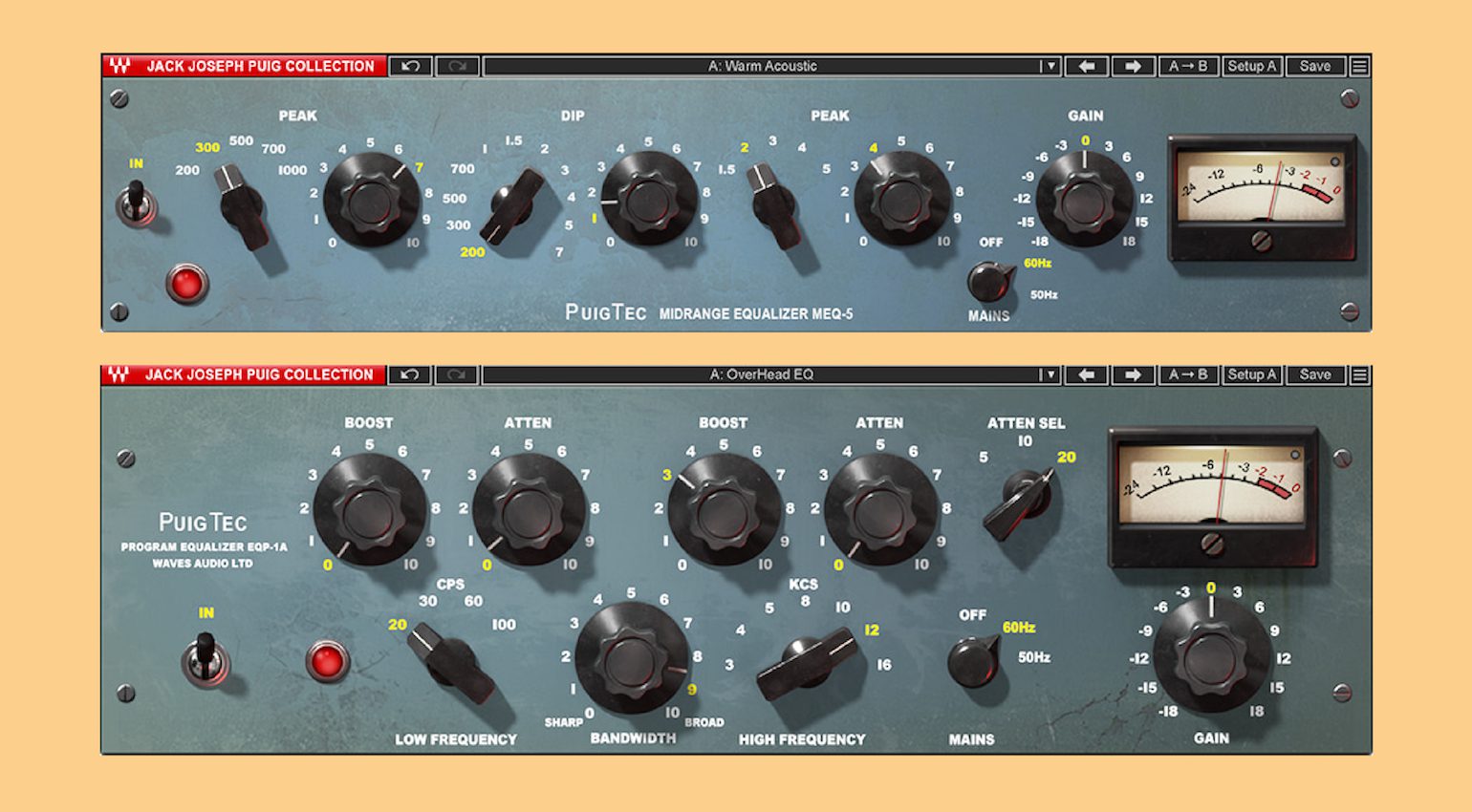
The obvious advantage of plug-ins is that you have presets and the flexibility of using multiple instances on different channels. Also, the PuigTec EQs have a novel feature that can mimic the way the circuit behaves on 50 or 60 Hz mains.
Overall, taking the plug-in route might give you the original Pultec sound, but it’s a convenient option that comes at a fraction of the cost of hardware.
- More from Waves



Pultec EQs: Source Audio ZIO Analog Front End + Boost
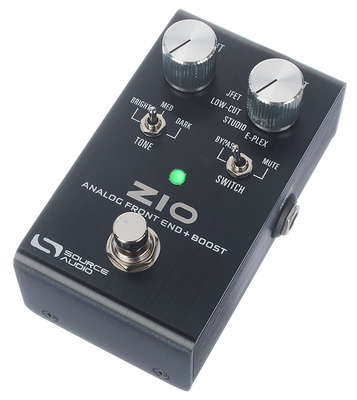
A Pultec guitar pedal, you say? Well, not exactly. The ZIO Analog Front End + Boost from Source Audio might not be a completely Pultec-styled processor, but it does have an EQ preset modeled on the famous Pultec low-end EQ technique we mentioned earlier.
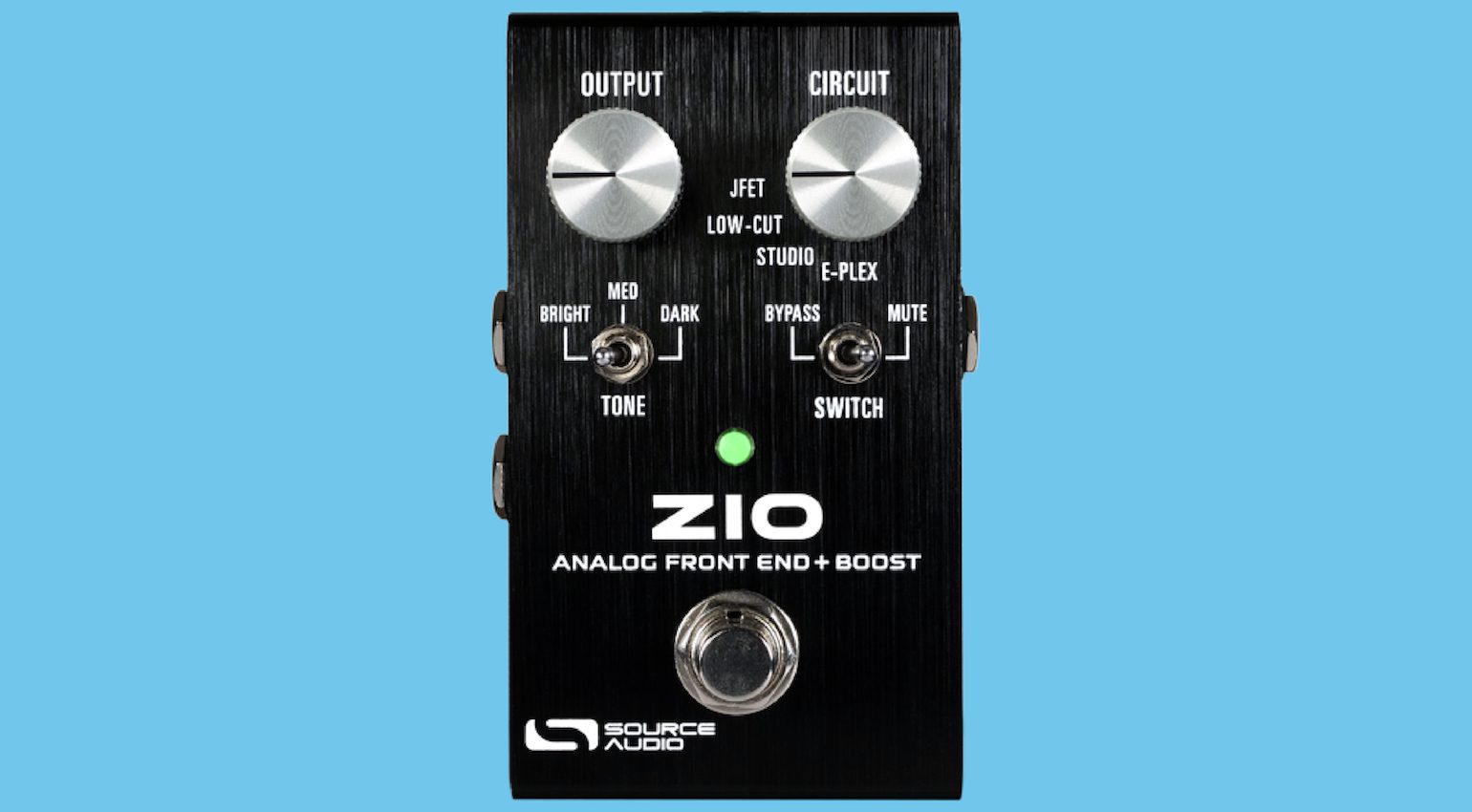
It’s a simple pedal with a three-way tone switch, and you get four EQ circuits to choose from. The “Studio” circuit will give you some of that Pultec magic on your guitar or bass. In addition, you have control over high frequencieswith the tone selector.
Pedal interfaces generally favour speedy operation. So you get a few switches rather than spending hours dialing in the right setting on rack-mounted hardware. This makes the ZIO a useful choice both for recording and live performance.
- More from Source Audio

Pultec EQs: Lindell Audio PEQ-501A
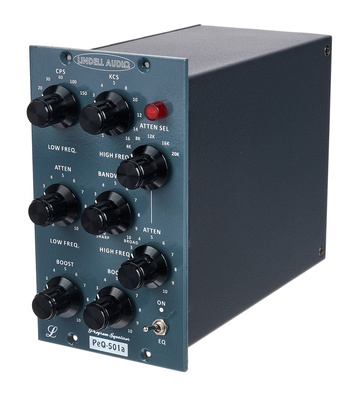
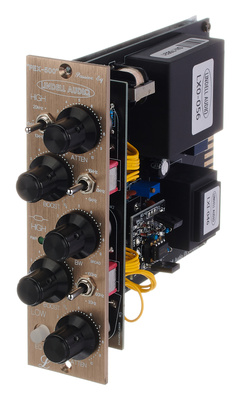
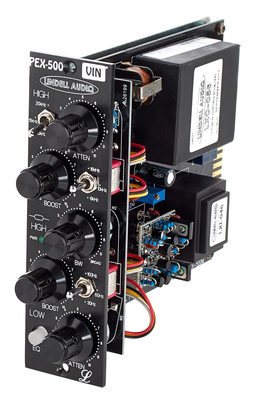
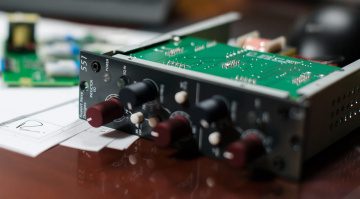
500-series modules like the PEQ-501A don’t allow for the same level of high-voltage circuitry as 19-inch rack gear, but you can save plenty of space and money taking this route.
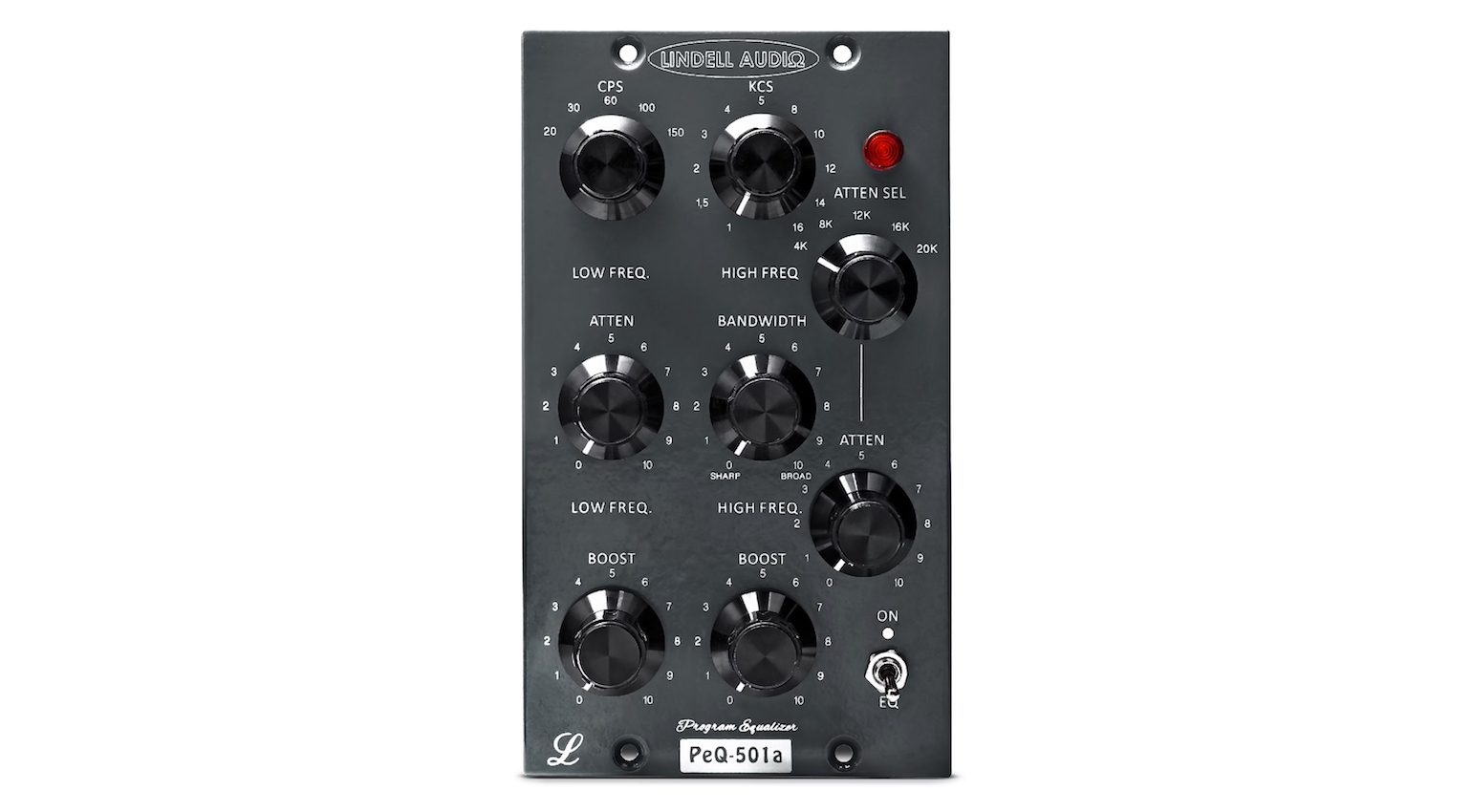
Lindell Audio has reproduced the Pultec program EQ in this compact format. This design is centered around their version of the Melcor 1731 op-amp from many well-known preamps in the 1960s. The PEQ-501A also has stepped rotary controls and additional selectable frequency bands, making it even more versatile in studio.
Remember that this format of modules requires a 500-series chassis for operation, which is an additional expense.
- More from Lindell Audio

Pultec EQs: Warm Audio EQP-WA
The Warm Audio EQP-WA is an affordable Pultec-style EQ that expands the flexibility of the original EQP-1A design by offering more selectable frequency bands. With the low-frequency band, you can boost up to 12 dB or cut up to 18 dB at 20, 30, 60, 100, 200, 400, and 800 Hz.
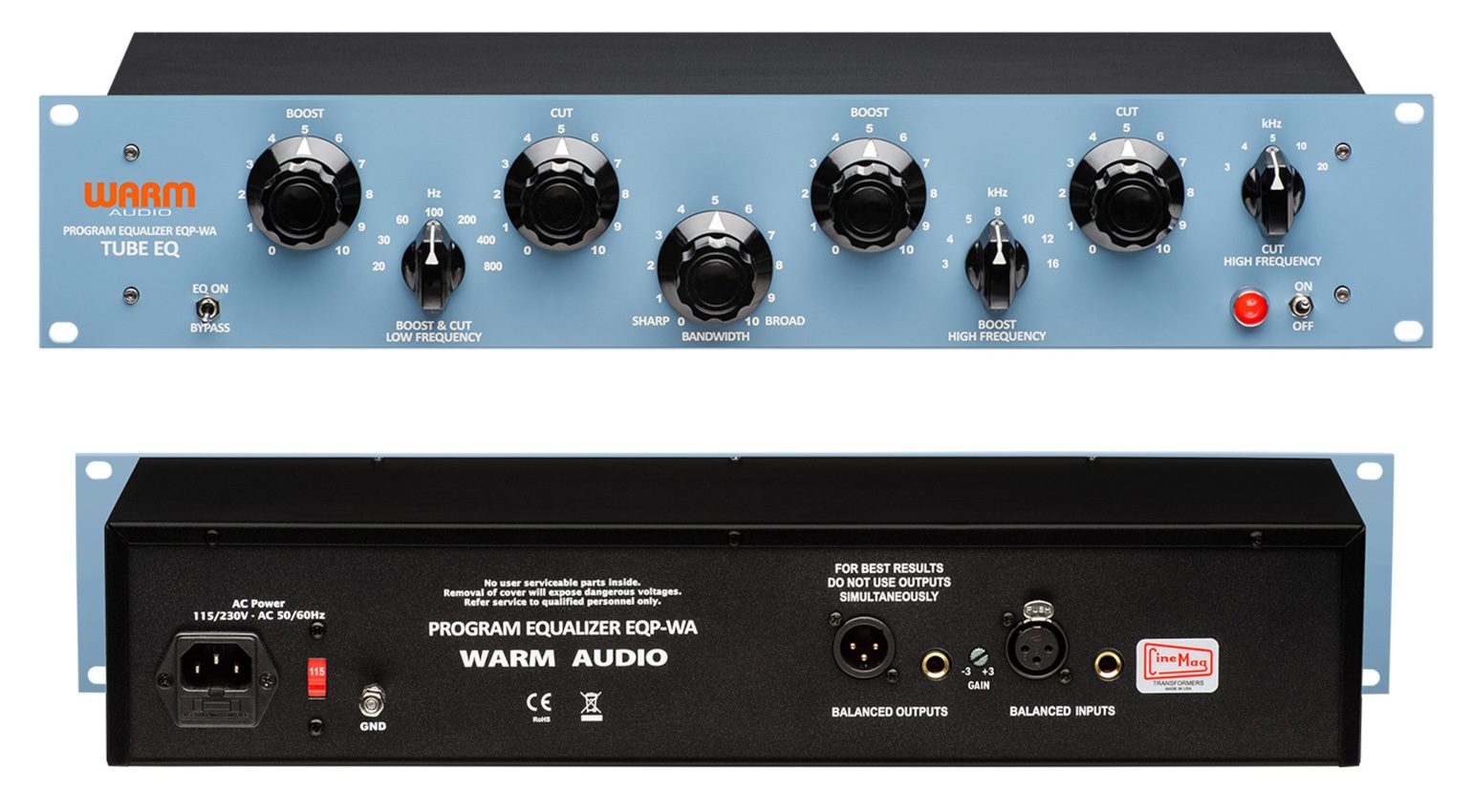
Meanwhile, the high-frequency band allows boosting of up to 18 dB at 3, 4, 5, 8, 10, 12, and 16 kHz, and you can cut at 3, 4, 5, 10, 20 kHz by up to 14 dB. In addition, the CineMag inductor EQ section can be bypassed, so you can run signals through the tube circuit with its 12AX7 and 12AU7 tubes and CineMag transformers.
On the rear panel, there is a precise gain control for calibrating multiple units to use in tandem. Overall, the EQP-WA provides a worthy recreation of the classic tube EQ at an unbeatable price. This is ideal for use on vocals, bass guitars, and acoustic guitars, as well as drum bus when used in a stereo pair. Get it at Thomann.*
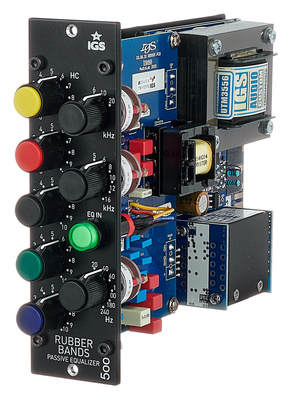
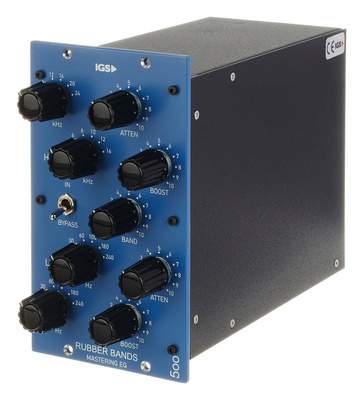
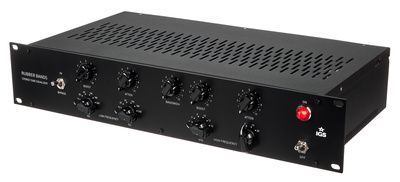
Pultec EQs: IGS Audio Rubber Bands
Polish manufacturer IGS Audio has been creating high-quality studio hardware for over 20 years, including the Rubber Bands range of mono and stereo Pultec-style EQs in 19-inch rackmount and 500-series formats. If you’re wondering why the prices are higher than brands like Warm Audio, it’s because each unit or module is hand-built with custom transformers on a smaller-scale production line.
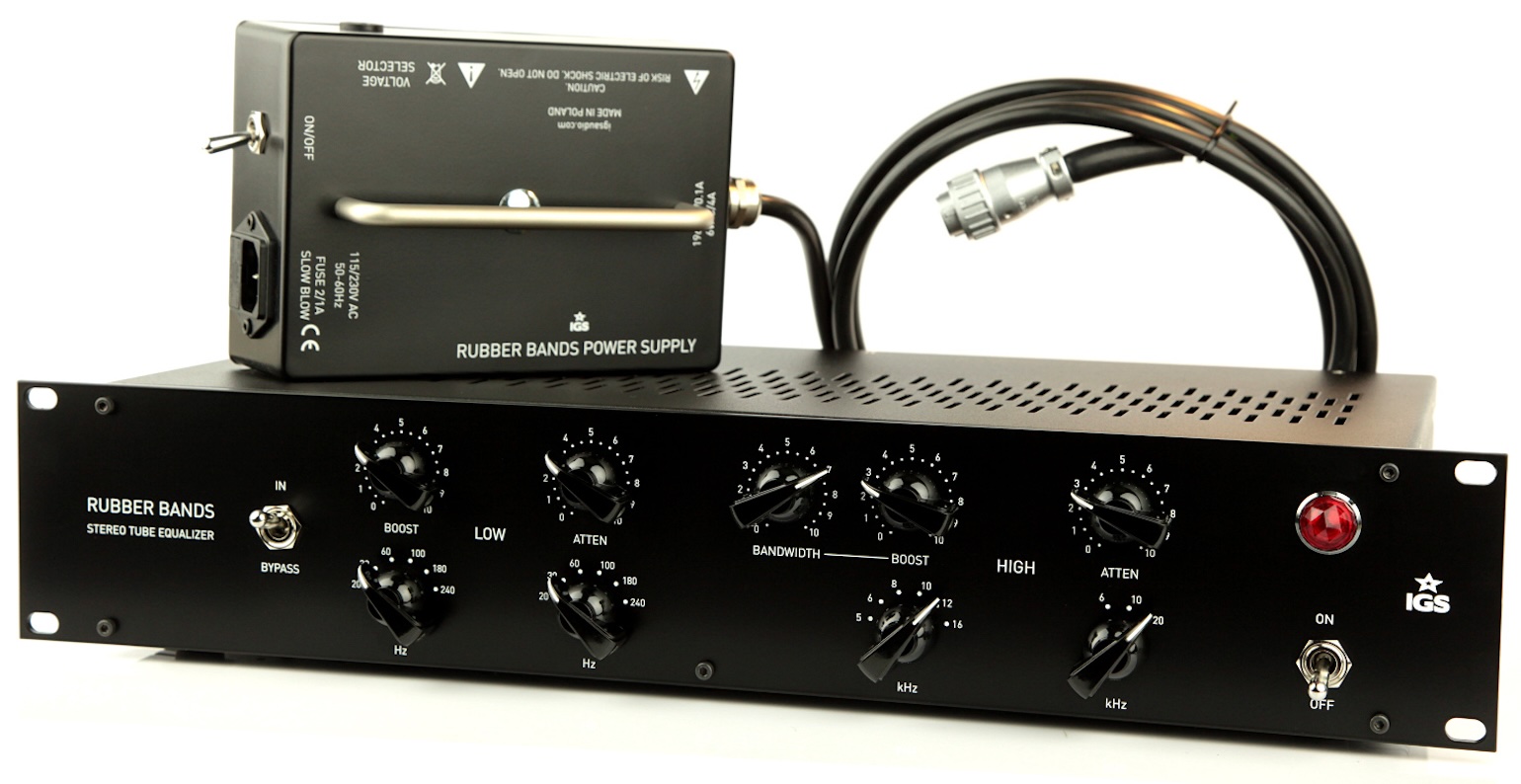
In rack format, the Rubber Bands EQ is essentially a 2-band passive filter with a tube-based amplification stage. For stereo bus processing, you have attenuation and boost in the low range (20, 30, 60, 100, 180, and 240 Hz) and high frequencies with boosting at 5, 6, 8, 10, 12, and 16 kHz and attenuation at 6, 10, and 20 kHz with variable bandwidth.
Meanwhile, there are two 500-series modules in the range, including a mono, single-space module and a stereo two-space module with indented switches for accurate recall. Instead of tubes, these modules have discrete solid-state amplification stages, but they still have custom transformers, which add that signature saturation when driven. Get it at Thomann.*

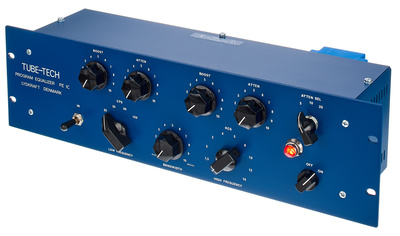
Pultec EQs: Tube-Tech PE 1C
If you have the budget, nothing beats the dynamic range of high-end analogue gear. The Tube-Tech PE 1C is a European reproduction designed in the 1980s to be every bit as good as the famous Pultec EQP-1.
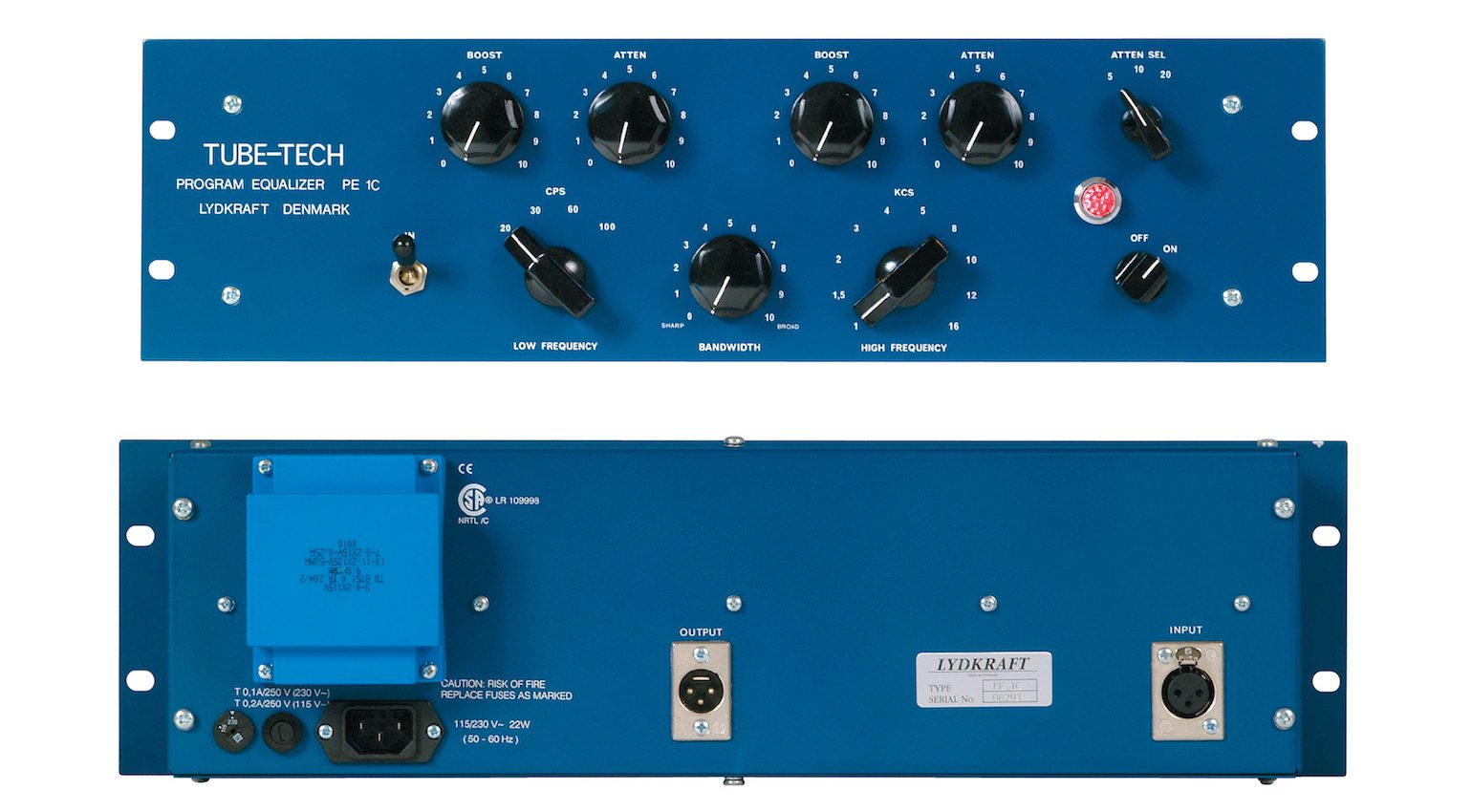
Apparently, it was first tested for fidelity alongside the original Pultec. While mixing with a unit on each side of the stereo they could analyze the stereo image.
This was the first Tube-Tech product ever released, paving the way for a highly sought-after range of tube-based gear.
- More from Tube-Tech

More about Pultec EQs:
- The history of Pultec
- Pultec Alternatives
- Thomann’s guide to EQs
- Everything vintage
- More about EQs
- Building your own Pultec EQP-1A3
Videos:
*Note: This article contains affiliate links that help us fund our site. Don’t worry: the price for you always stays the same! If you buy something through these links, we will receive a small commission. Thank you for your support!

This might also interest you
4 responses to “What makes the Pultec EQ so special?”

I can recommend a freeware VST:
Ignite Amps’ “PTEq-X”.
And dont forget the Klark Version works also like a Charm!
And the UA version. Very faithful.
NoiseAsh Pultec EQ is absolutely the most sweet emu of the original. Check it out.