The Art of Imperfection: A Guide to Creating Lo-Fi Guitar Tones
Get creative with Lo-fi Guitar

 3,1 / 5,0 |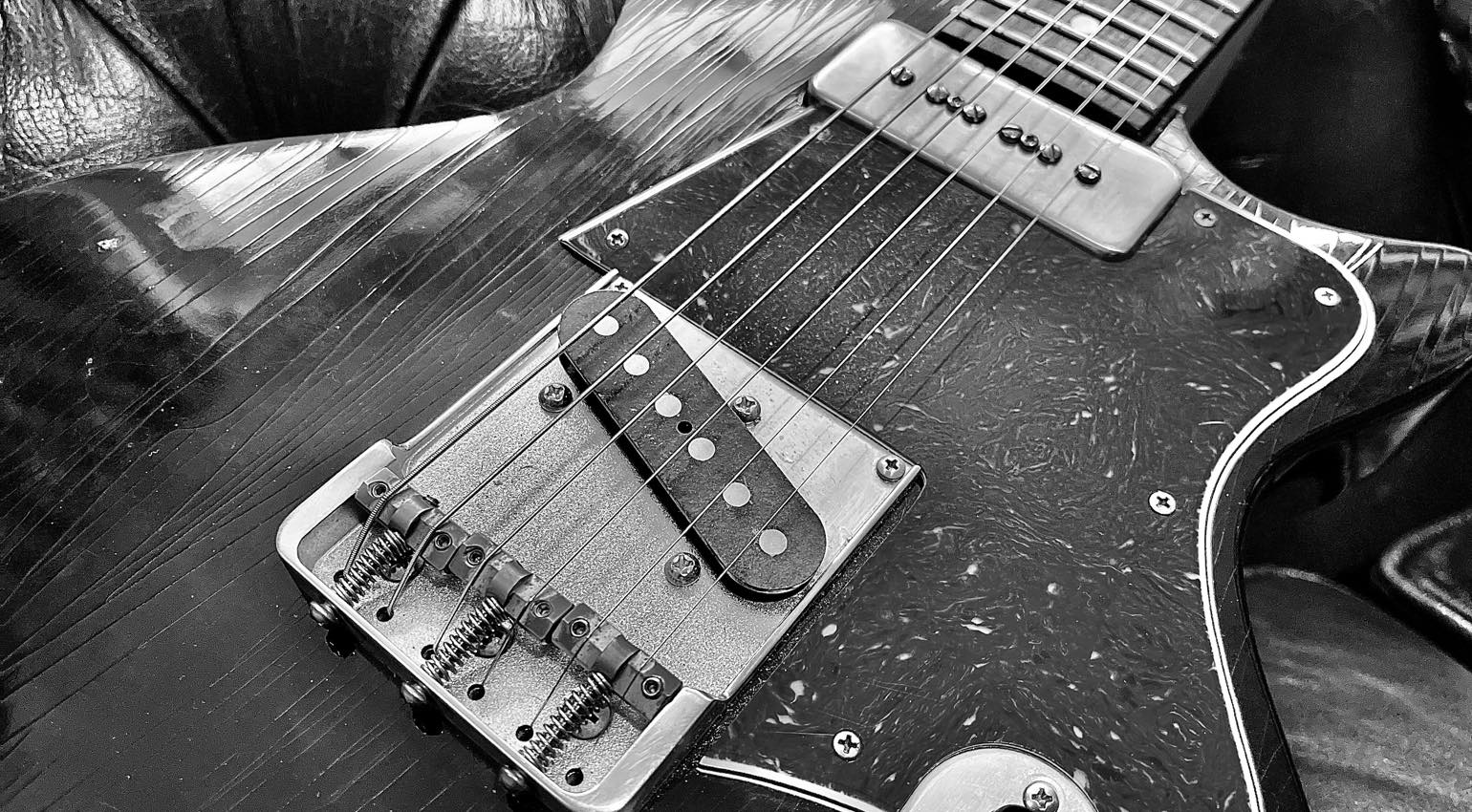

As much as we all love a big, pristine guitar tone, sometimes you just want to get a little “dirty.” There is a certain magic in the warm crackle, imperfect textures, and tape-worn warbles of lo-fi music. This guide shares some of the equipment and techniques that I use to get my lo-fi sounds in the studio.
Creating Lo-Fi Guitar Tones
My Lo-Fi Journey
I’ve been experimenting with lo-fi music for decades on and off. These last few weeks, I’ve been experimenting more with my guitar and DAW to create even more lo-fi guitar tones. Some techniques have involved studio tricks, while others have focused on using effect pedals and microphones to shape my guitar tones.
For guitarists, chasing that lo-fi sound doesn’t have to mean spending a fortune. With a few pedals and a bit of creativity, you can capture dusty, dreamlike tones that feel like a rediscovered memory.
What is Lo-Fi?
I’m sure this could divide opinions, but for me, it is pretty broad and can be many things. Lo-fi (short for low-fidelity) is a sound most often associated with indie rock, hip-hop, and alternative pop. When applied to a guitar, the aim is usually to recreate the unique sound of a warped vinyl record or a degraded cassette tape.
I’ve been focusing on ‘dusty’ and ‘noisy’ recordings, using time warping and layers of modulation. Though you could think in terms of vibrato, tremolo, delay, and light saturation, as some effects to experiment with.
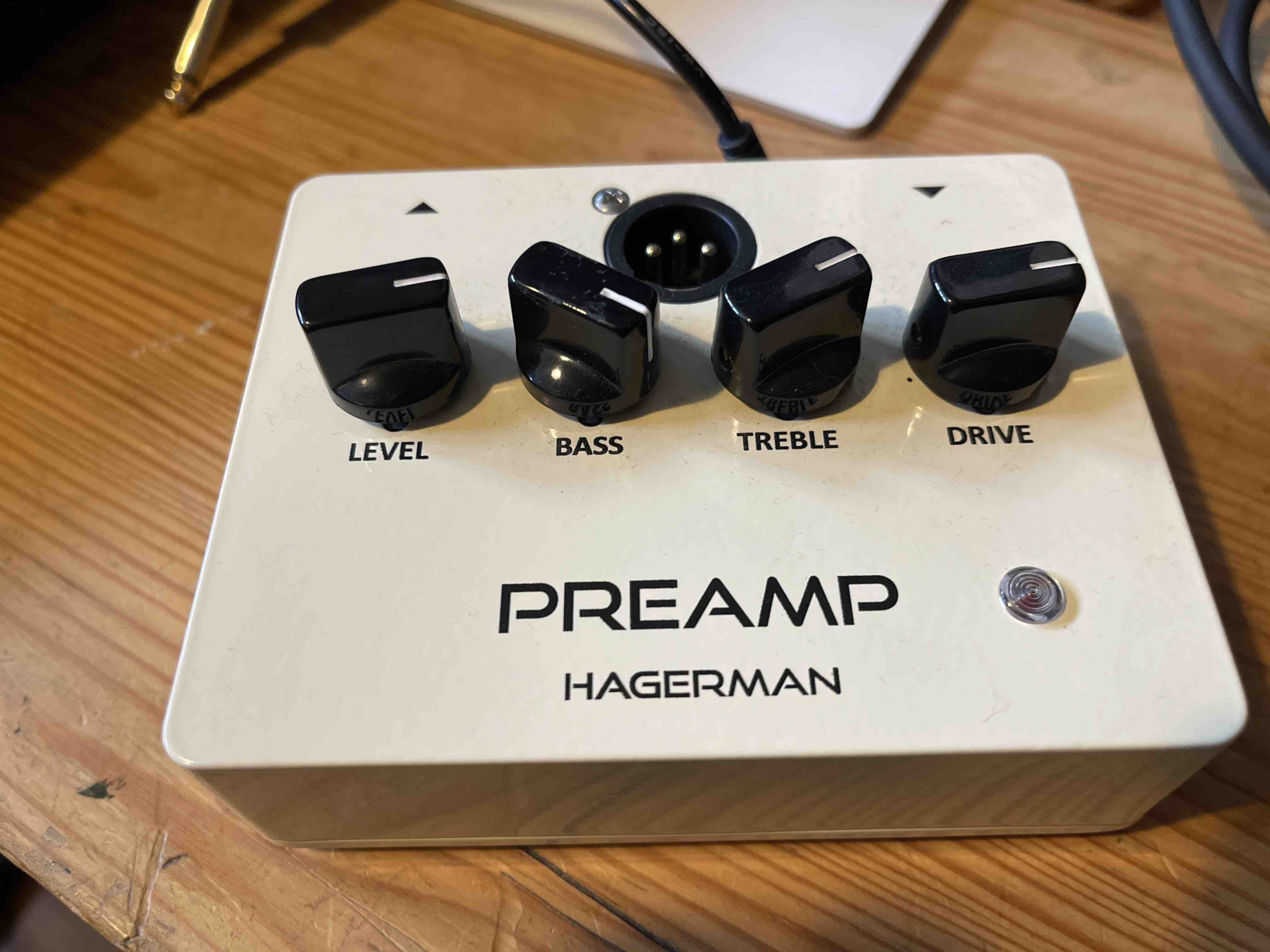
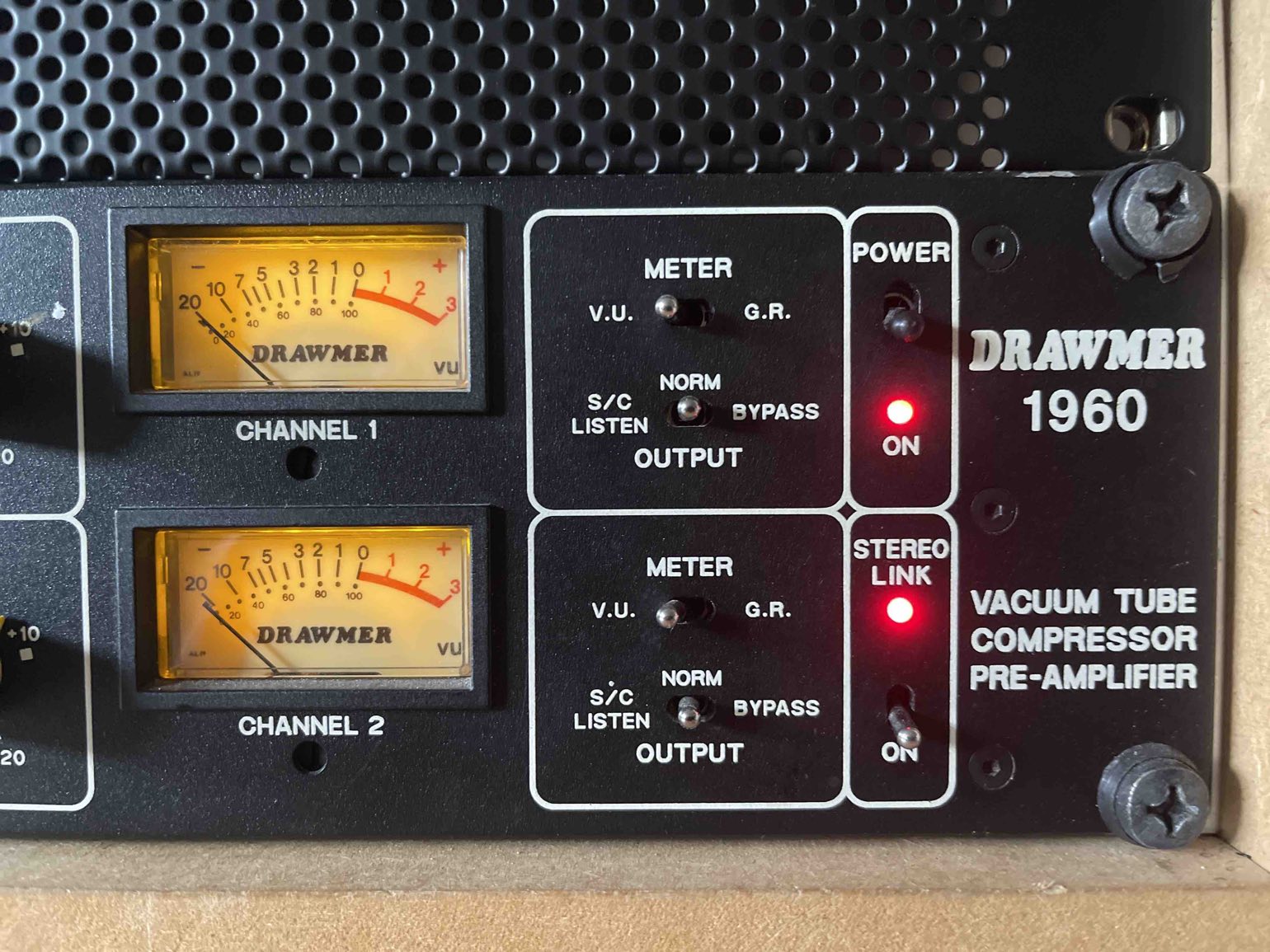
One of my current methods (well, the last 20 years plus) is to use valve preamps and push them into overload to get the saturation I like. However, many musicians also enjoy pushing old analog 4-track preamps into a similar saturation.
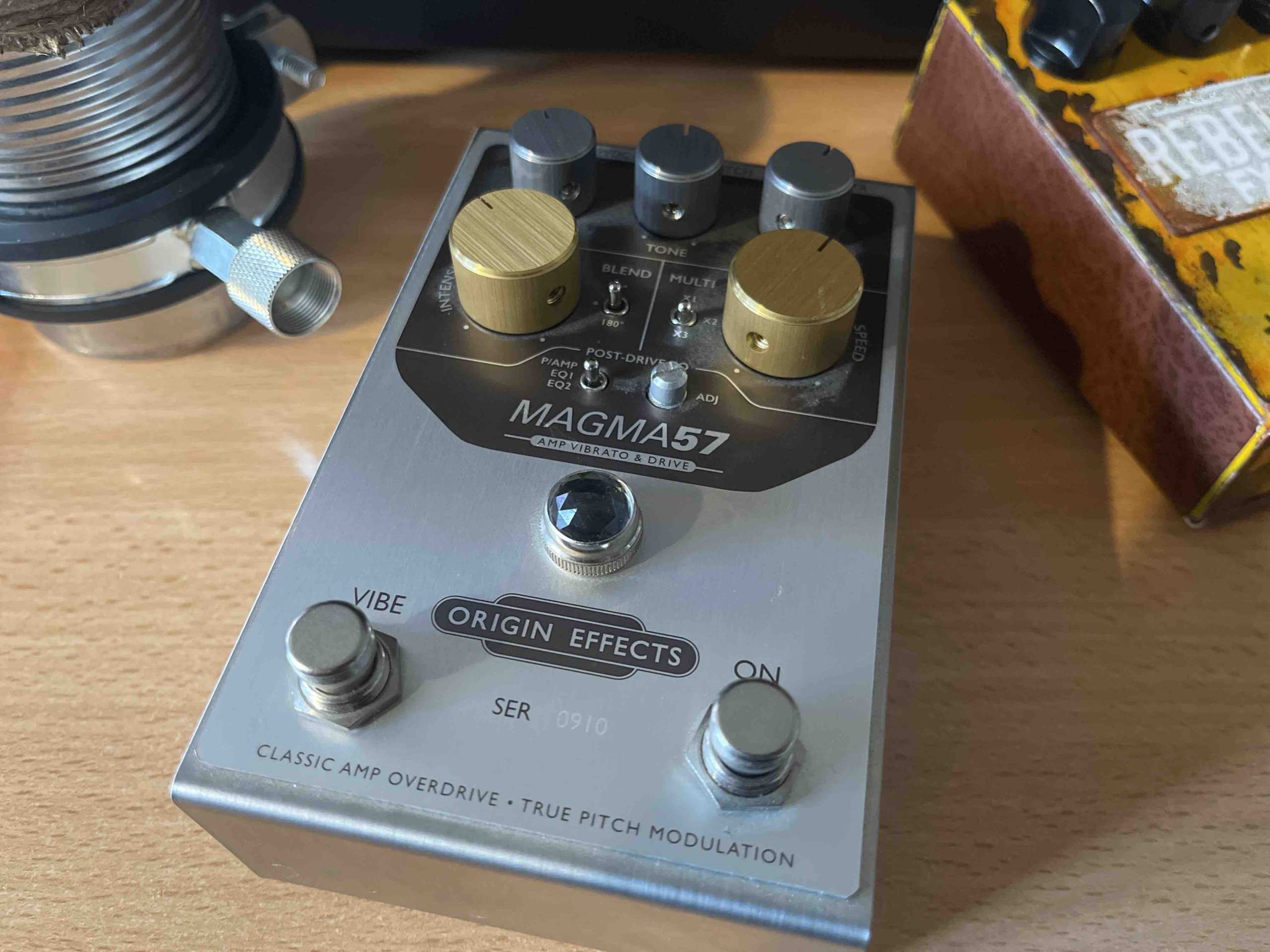
The “Seasick” Secret
Modulation is your friend with lo-fi, and it really helps to give you that “warped vinyl” feel. Unlike a chorus, which mixes a dry and wet signal, true vibrato only modulates the pitch.
This creates that iconic, queasy “seasick” wobble. I’ve been addicted to vibrato effects all my life, so I have many pedals and plugins that achieve them.
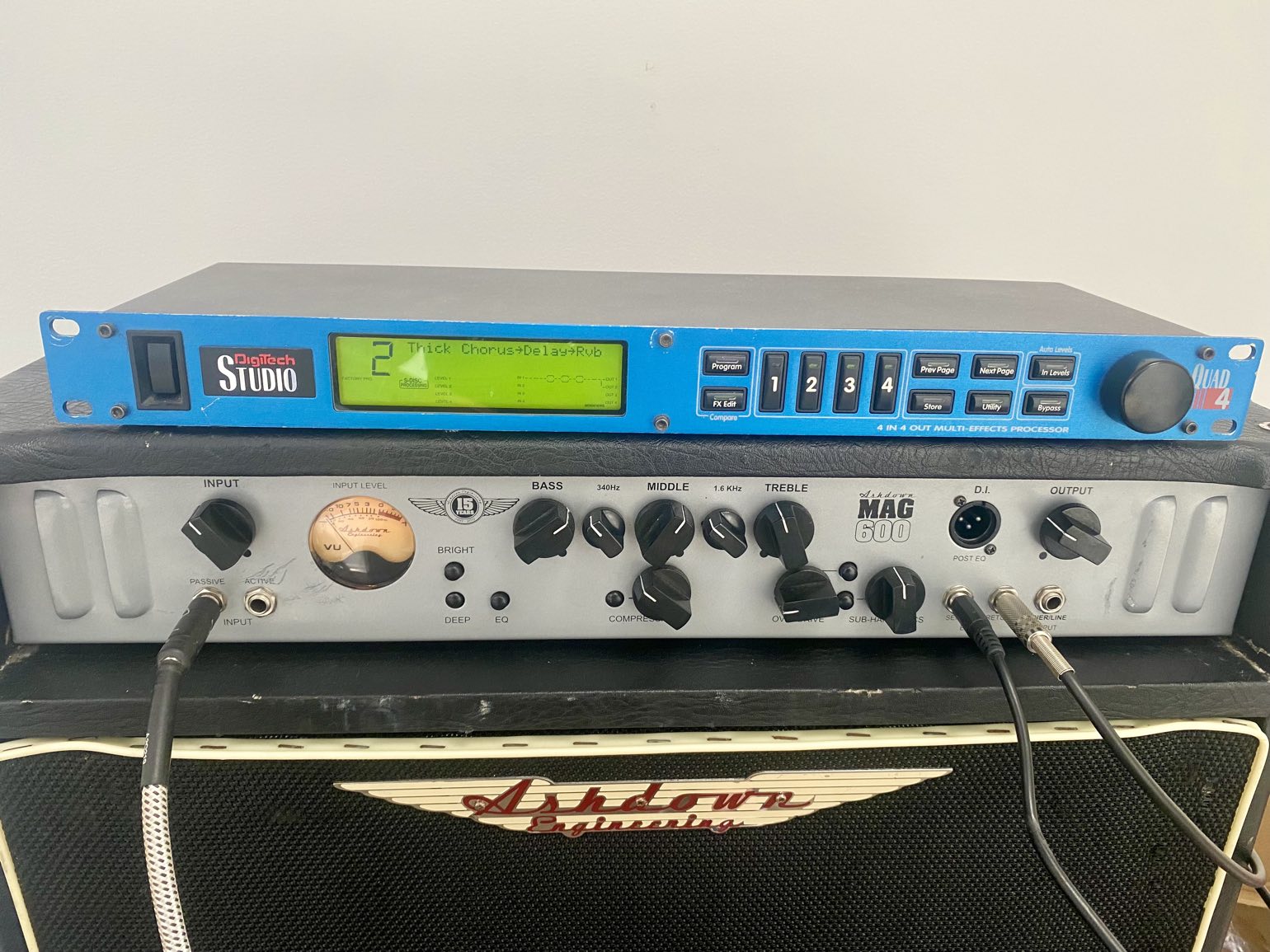
Time-Based Tomfoolery
In lo-fi, delay isn’t just about echoes; it’s about texture. Tape Delay emulates the physical wear of old tape loops.
As a kid, I was lucky enough to have access to old ’60s and ’70s cheap tape delay units, but many modern effect pedals and plugins can achieve a similar effect without the hassle of maintaining tape heads, pinch wheels, and tape transport mechanisms.
Essentially, Tape delay adds “wow and flutter” (random pitch and speed changes) and “tape hiss.”
Check out our useful guide on Tape Delay and how to get the most out of it.
Keep it Small
A massive 4×12 stack is the enemy of lo-fi. You want boxy, mid-forward, and slightly “choked” sounds. I adore small amps and have a huge selection of both cheap and expensive ones that I experiment with.
Look for amps with EL84 valves, such as the Vox AC15 or the Supro Delta King. These break up early and offer a “chimy” but compressed top end. Use a 10-inch speaker or even an 8-inch one to limit the frequency range.
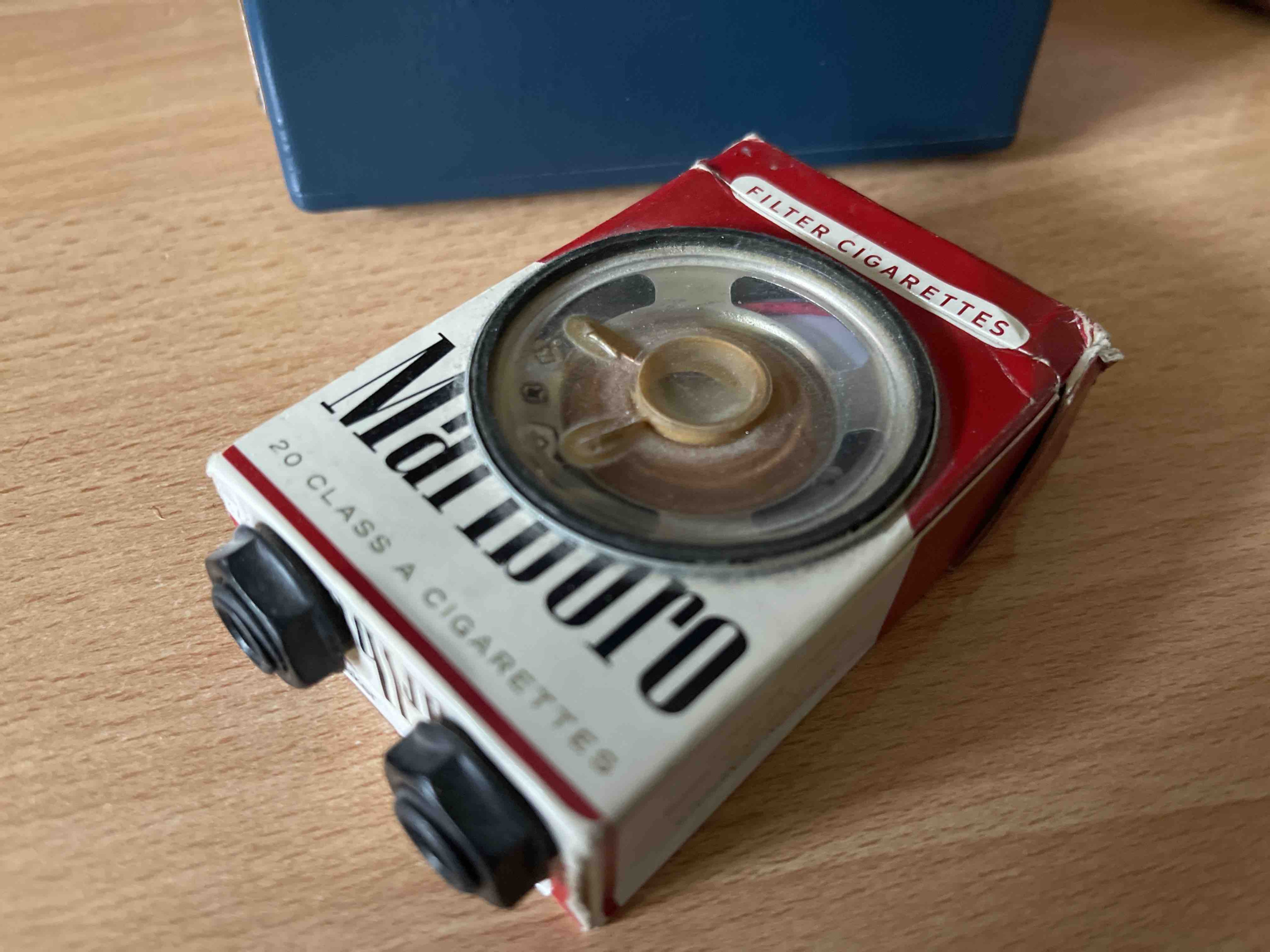
I have some of the old Smokey amps, which are built into old cigarette packets, and they are tiny, so perfect for making lo-fi guitar tones with.
You can also try the ‘The Radio Trick’: use a “Fixed Wah” position or an EQ pedal to cut all the bass and treble, leaving only the “honky” mid-range—instant vintage radio vibes.
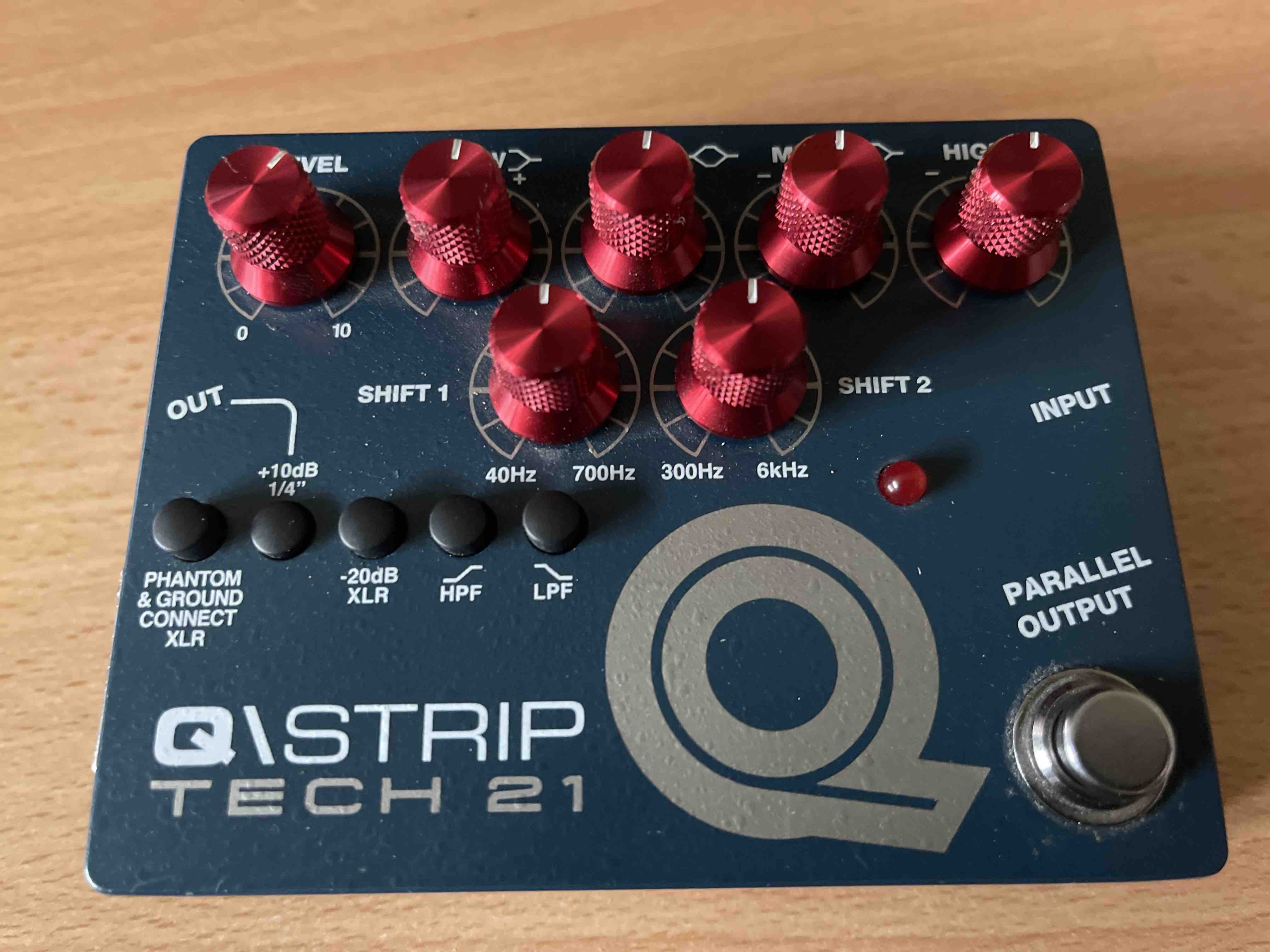
I have a parametric EQ pedal that is perfect for this, and I’ve been collecting wah pedals for many years; I use them for this effect a lot.
I’m up to about 17 wah pedals these days, since they all sound different, and I use them as a filter when recording. Plus, the old ones crackle nicely and take off a lot of top end when in the pedal chain.
Rethink Your Pedal Chain
To get a truly lo-fi sound, try placing your vibrato and delay BEFORE your overdrive or fuzz. When you distort a signal that is already wobbling or echoing, the distortion reacts to those fluctuations. It creates a much grittier, “glued together” sound that mimics a recording being pushed too hard into a desk.
It’s an effect that is also popular with shoegaze, and I have also been using old, cheap 19″ rack mount effect units from the ’80s and ’90s to use their built-in reverbs, delays, and vibrato effects.
I keep an old Digitech Studio Quad rack to hand, as it is dated and perfect for lo-fi reverbs. It’s also noisy and has a mind of its own, so it can be fun to wrestle with.
Ditch your amp’s effects loop. Run everything into the front of the amp to ensure the preamp “crushes” your effects. I actually never use FX loops on my amps, I’ve always preferred the ‘coloured’ sound of pushing time-based effects through a preamp, as it has more character.
Voltage Starving
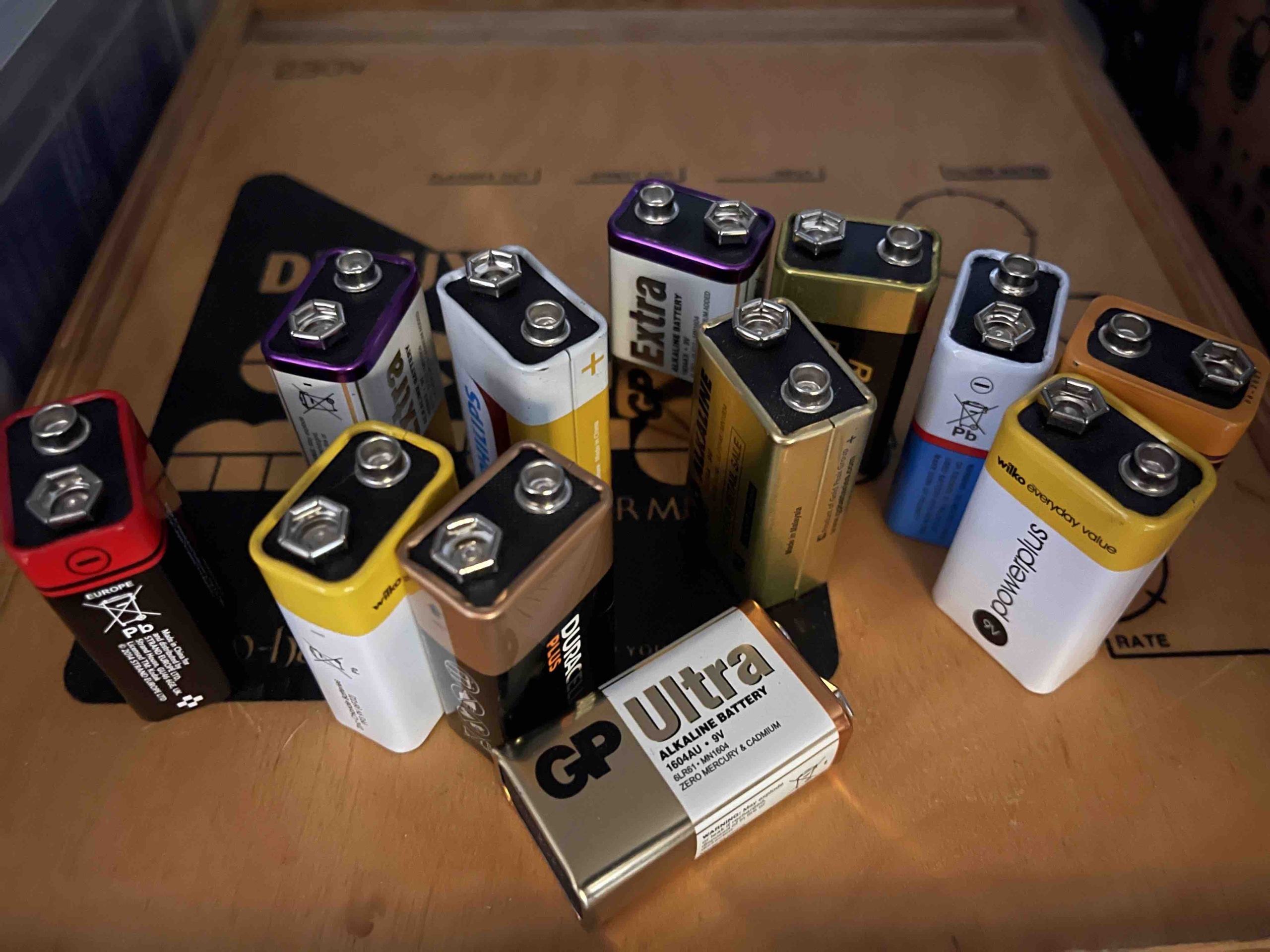
I also experiment with voltage starving effects pedals (and amps). This technique works really well on analog pedals, as they start misbehaving.
There is always a stack of old batteries around in my studio, for this very reason. My fuzz pedals are normally the ones being subjected to the dying battery experiments.
Saturation vs. Distortion
Saturation: this is “soft clipping.” It rounds off the peaks of your sound waves, adding harmonic warmth and nostalgia. It feels like a hug for your ears. This is where I use my valve preamps to add warmth and imperfections to my signal.
Distortion: this is “hard clipping.” It bends and twists the sound, adding the edge and “crackle” found on damaged gear. I often use digital distortion and plugins for this, as I want something that draws people’s attention to these sounds.
Creative EQ and Recording
I learned to abuse many recording techniques years ago and spent many sessions getting creative with both EQ and the studio environment.
The “Blanket” Sound is useful for lo-fi. Use a Low-Pass Filter (LPF) to roll off any high-frequency components. This creates a muffled, “inside a blanket fort” cozy vibe. Lots of plugins can do this for you, or you can use analog filters on some synths that have audio inputs.
Instead of perfectly centering your mic on the speaker, move it to the edge (the “rim”) for a darker tone, or pull it three feet back to capture the room’s natural (and imperfect) resonance. Also, experiment with cheap microphones or PZM microphones.
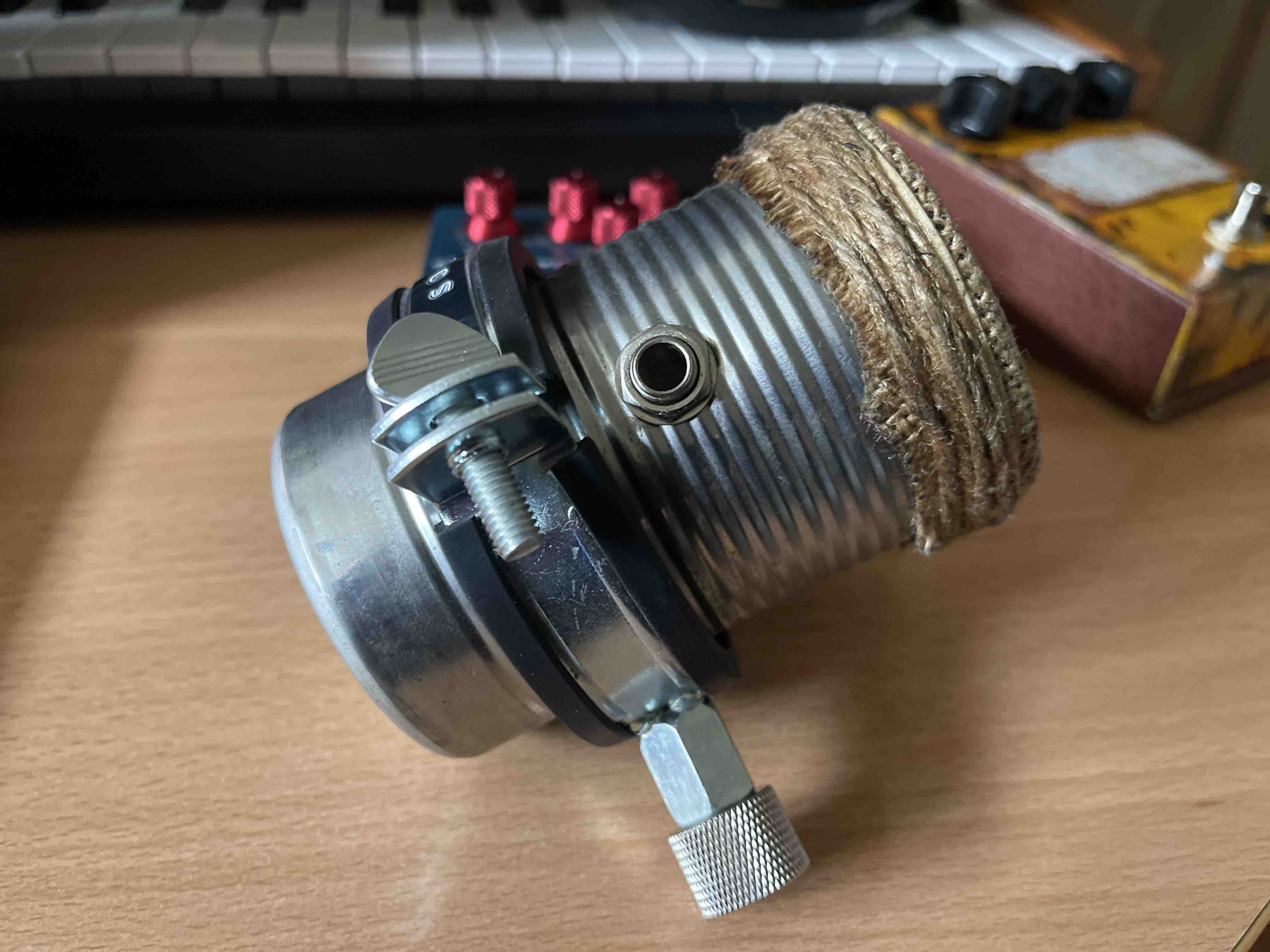
My current favourite lo-fi microphone is made out of an old soup can.
Don’t gate your signal. The hum of your single-coil pickups or the hiss of your pedals adds to the “found footage” aesthetic. Aim for buzz, cable noise, and capturing some of the room noise and ambient noise in the recording environment.
The “Breathe” Effect
Use Sidechain Compression to make your music pulsate. Common in lo-fi hip-hop, sidechaining makes the guitar “duck” or get quieter every time the kick drum hits. This creates a pulsing, rhythmic “breathing” effect.
Where not aiming for New York-style pumping parallel compression here (where you blend the unaffected signal in parallel). We want to use compression to refocus the listener on the pulse of our track, or specific elements of that pulse.
While usually done in a DAW, you can mimic this live by using a tremolo pedal set to a square wave. I love the throb of tremolo, and when combined with sidechain compression, it can really amplify a track’s seasickness and pulse.
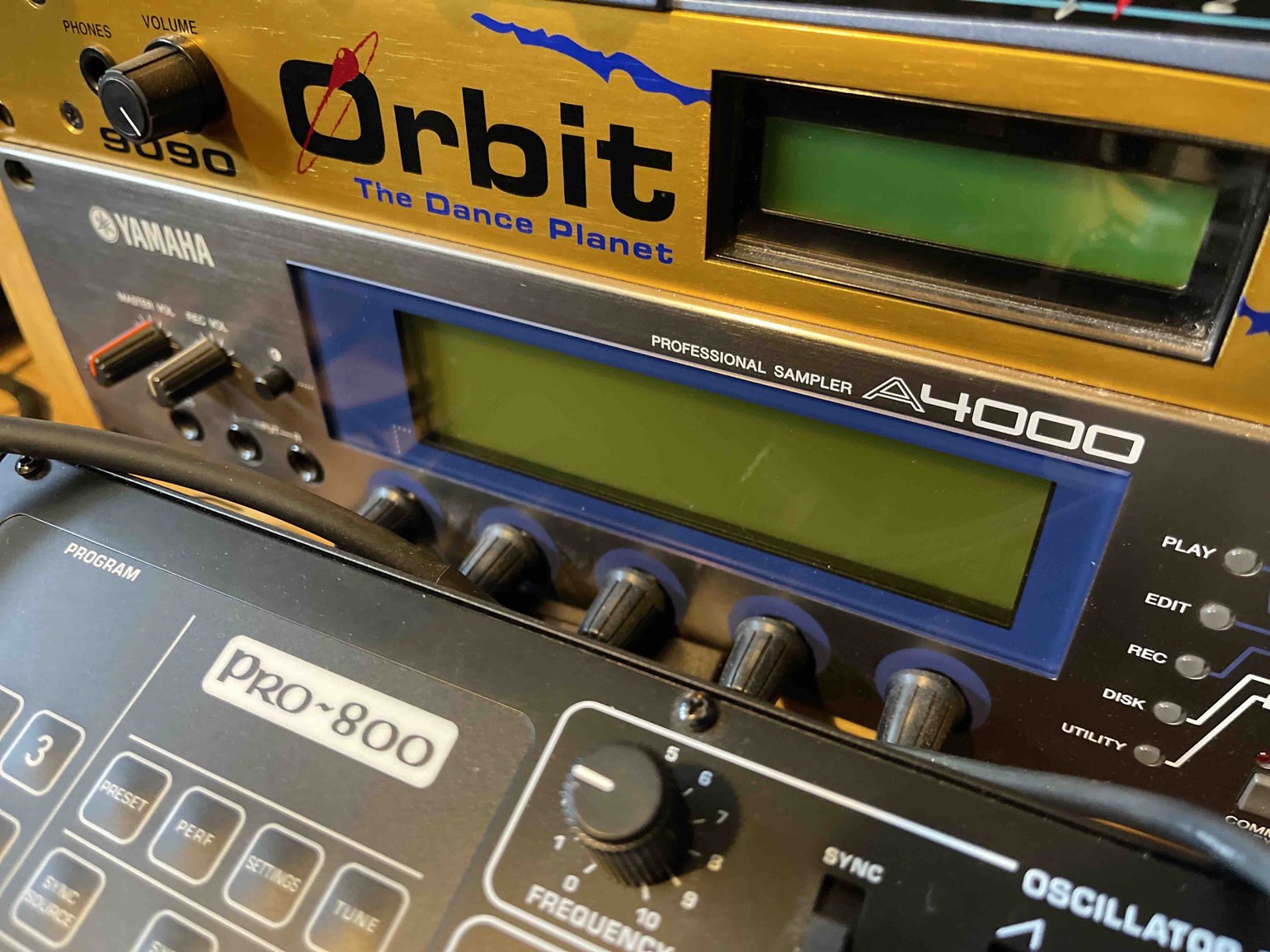
Re-Sampling
Another relatively easy trick is to record your audio into a DAW or tape unit. Then take this audio and record it into another unit, so use the converters to ‘downgrade’ your sound. For this, I keep a few old studio samplers.
My favourites include the old Zoom Sampletrack, a Korg ES-1, and an old Yamaha A4000 (which also has some very crazy built-in effects I’ve never found anywhere else).
I aim to resample and re-record my source material at low bit rates and sample rates, which adds some extra dirt and scratchiness to the recording.
Trust Your Ears
Lo-fi is all about emotion, not so much about technical perfection. It really helps to know your gear, as then it is easier to see which rules can be broken. If it sounds “wrong” but feels “right,” you’re doing it correctly. Embrace the glitches, the hiss, and the warble.
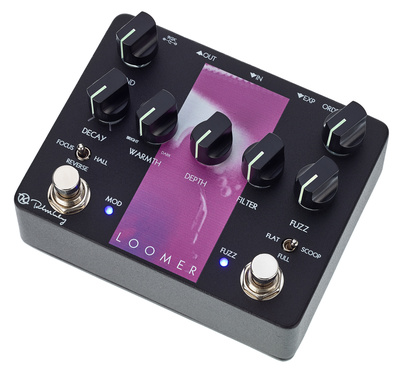
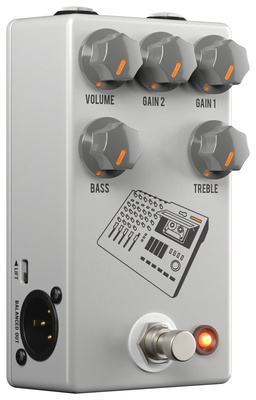
Below are a few suggested effect pedals you could try at various price points. I would also say that you can use any pedals, cheap or boutique, plus old 19″ studio effects units, so go hunting in your local used music gear emporium!

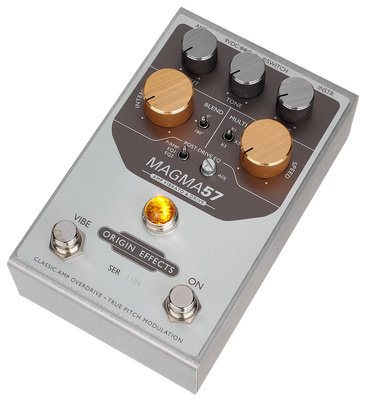


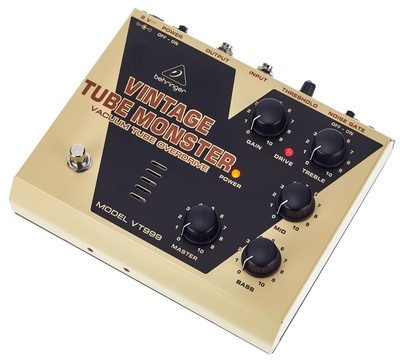



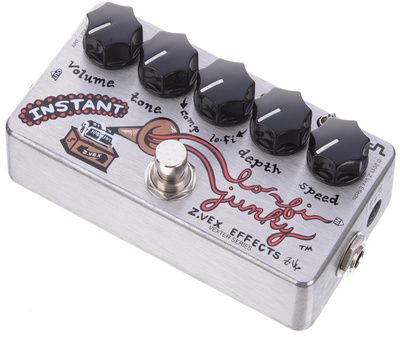


Also, I would recommend our Gearnews Guide to Field Recording, which contains useful tips for recording on the go. Getting out and recording in different environments can really add a whole new element to your lo-fi recordings.

This might also interest you