My Favourite Hardware Synths by Synthesis Method!
It's Like Choosing Your Favourite Child!

 4,5 / 5,0 |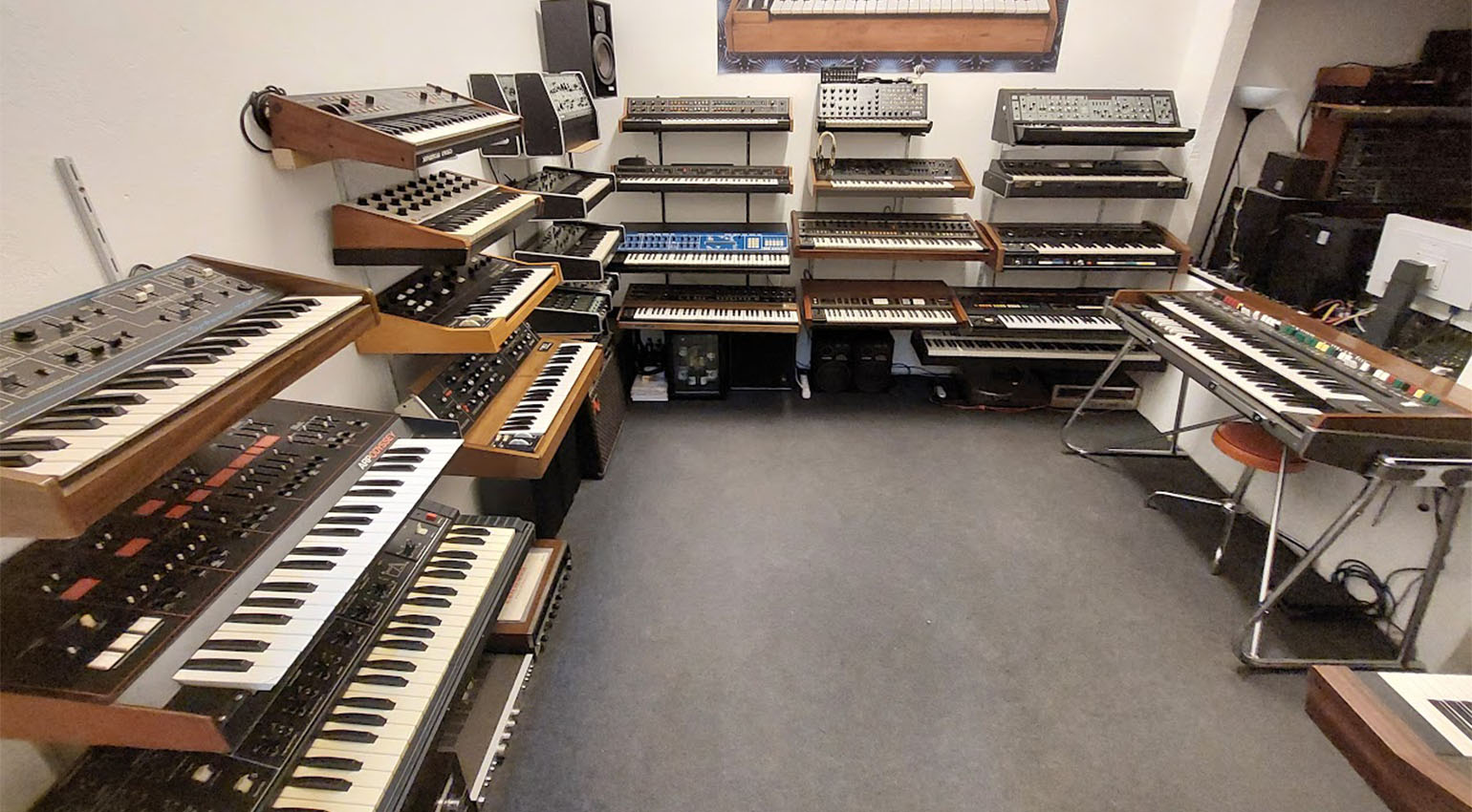

Where I try to choose my favourite hardware synths by their synthesis type, and realise it isn’t as easy as I first thought!
My Favourite Hardware Synths by Synthesis Method!
I Have A Problem
My name is Rob, and I am a synthaholic. I’ve been buying synths for over 40 years and have amassed quite a collection. In my time, I’ve sold a few, and then, bar just one or two, I have bought them all back again. I can’t help myself sometimes.
One of the criteria I used when I selected the synths I foolishly sold was to ask myself if I had anything else in my studio that could do pretty much all of what that chosen instrument could do. For example, I had a Yamaha DX27, one of the weakest DX synths but it was my first DX synth and so had plenty of sentimental value.
However, at that time, I also had an Alesis Fusion, which did FM, albeit in a different and more powerful way, and so I felt that the DX27 was expendable. I popped it onto eBay, and it was snapped up by a gentleman in Scotland. I regretted it immediately.
Of course, there is a lot of crossover between plenty of the synths I have here, and it got me thinking about which of them are my favourite hardware synths based on the synthesis method they use, the same way I would look at potential candidates for a thinning out session! So, here are my choices for my favourite hardware synths, categorised by synthesis method, with one or two synths I don’t currently own thrown in for variety and a bit of universe manifestation!
My Favourite Hardware Synths by Synthesis Method
Analogue
I have to come clean here and admit that I didn’t actually own a proper analogue synth for many, many years. My first synth of sorts was the FM Expander for my Commodore 64, soon followed by a Yamaha VSS-200 FM and Sampling synth.
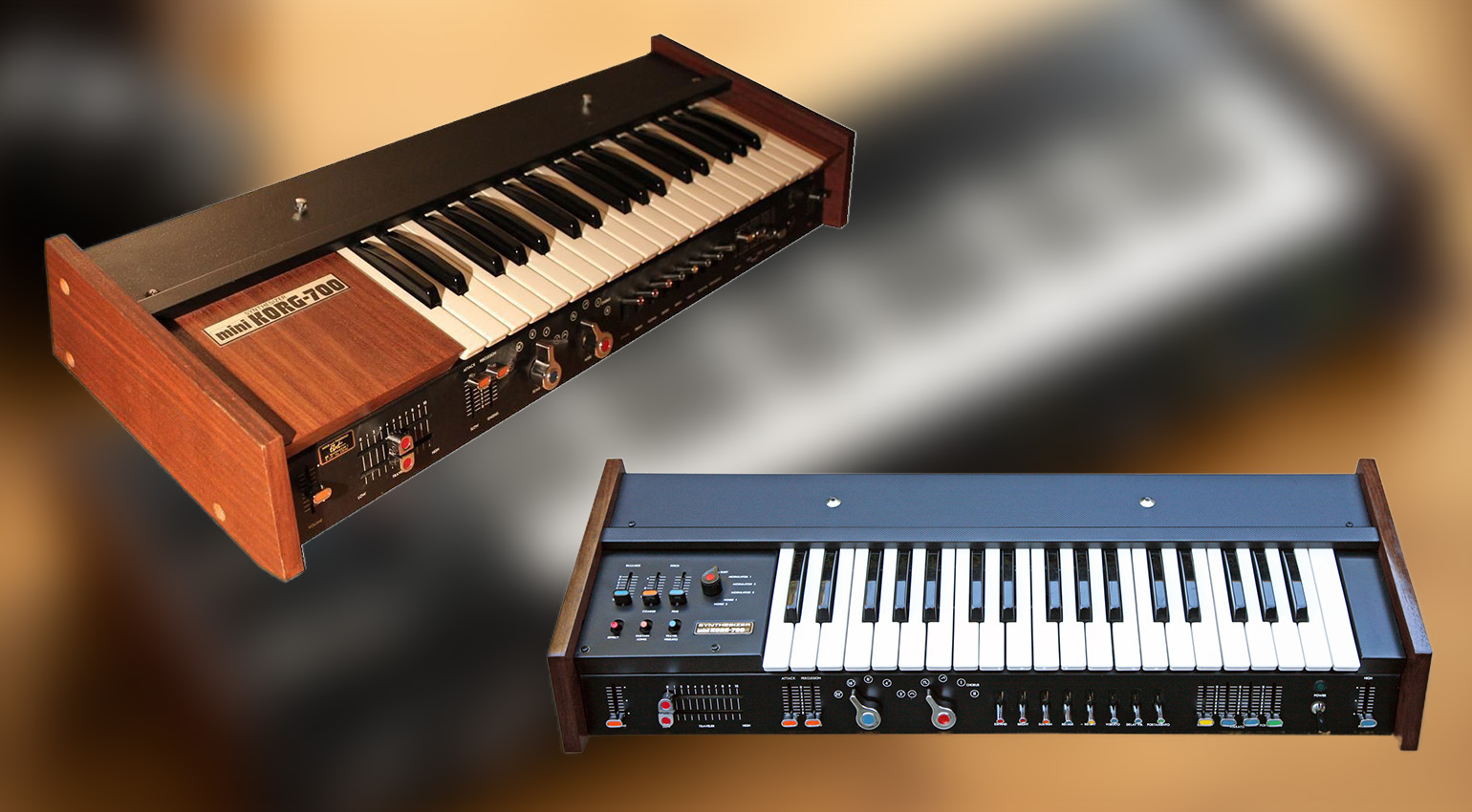
However, I had my first proper analogue synth experience in late 1983/early 1984 with a KORG miniKORG 700S, owned by my high school. That experience forged a deep passion for that particular instrument and, just a year or so ago, I managed to buy KORG’s Sm reissue. I fell in love all over again.
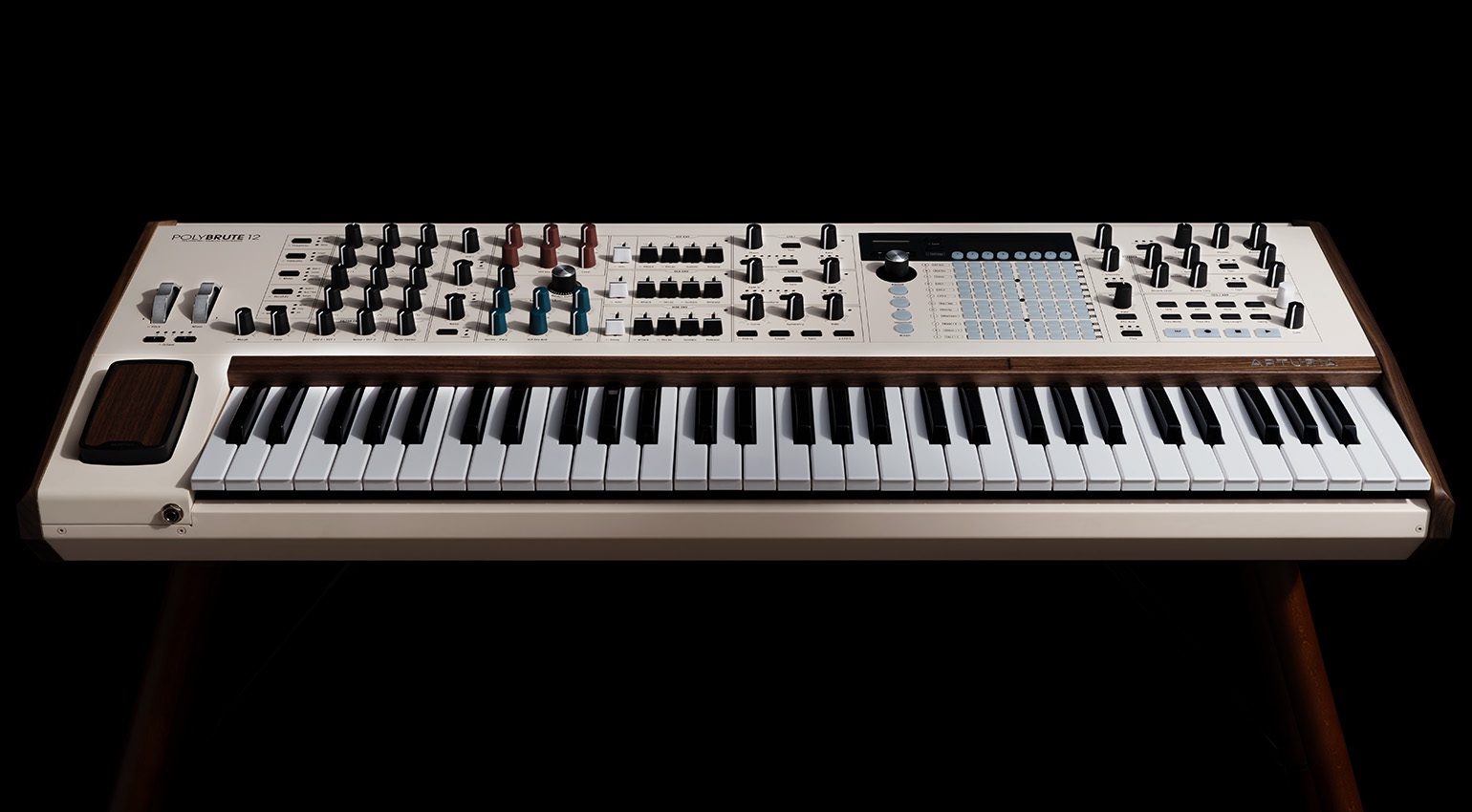
Skip forward many years, and the first truly analogue polysynth I owned was Arturia’s original PolyBrute. I loved that so much that I subsequently acquired every other Brute synth they make or made, the finest of which is the PolyBrute 12. It is such a magnificent, eloquent, huge, expansive and expressive beast.
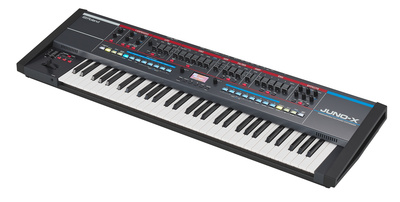
I also had a fantastic stroke of luck a couple of years back when I acquired Frankie Goes to Hollywood’s Roland JUNO-106, the very one owned and used by Frankie during the writing and recording of their sophomore album, the criminally overlooked ‘Liverpool’. I’d encountered one before, but came to realise very quickly that it is almost impossible to make it sound awful.
All things considered, the Arturia PolyBrute 12 has to win the analogue section of my favourite hardware synths, for its sheer power of sound and power of expression.





FM
I am somewhat known for my love of FM. It was one of the first synthesis methods that I got familiar and intimate with and whilst I in no way consider myself an expert, I understand it and appreciate the power of its method and the sounds it can create.
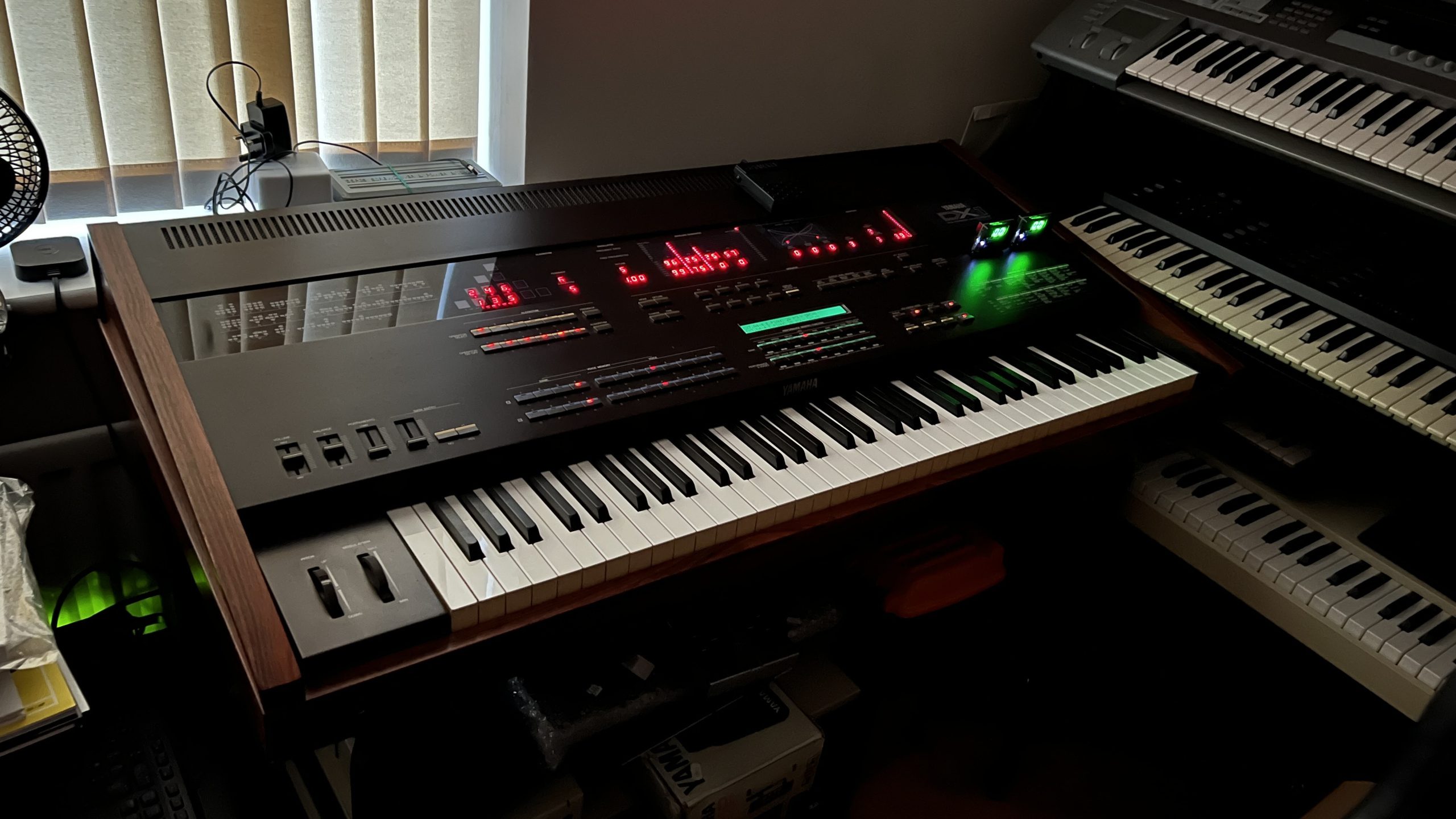
Again, I am very fortunate to have almost every DX and TX synth that Yamaha ever made, including a DX1, DX5 and TX816. They were the sounds and sights of my synth-based youth and their mere presence in the studio here makes me happy.
But we all know that programming these synths is a terrible chore. So you’d think that when, in 1999, Yamaha released its most powerful FM synth to date, the FS1R, they’d make it easier to edit, especially as it had 8 Operators and Formant Shaping! Nope. No way. Although, to be fair, there was a plan, apparently, to provide a computer-based editor, but it never materialised.
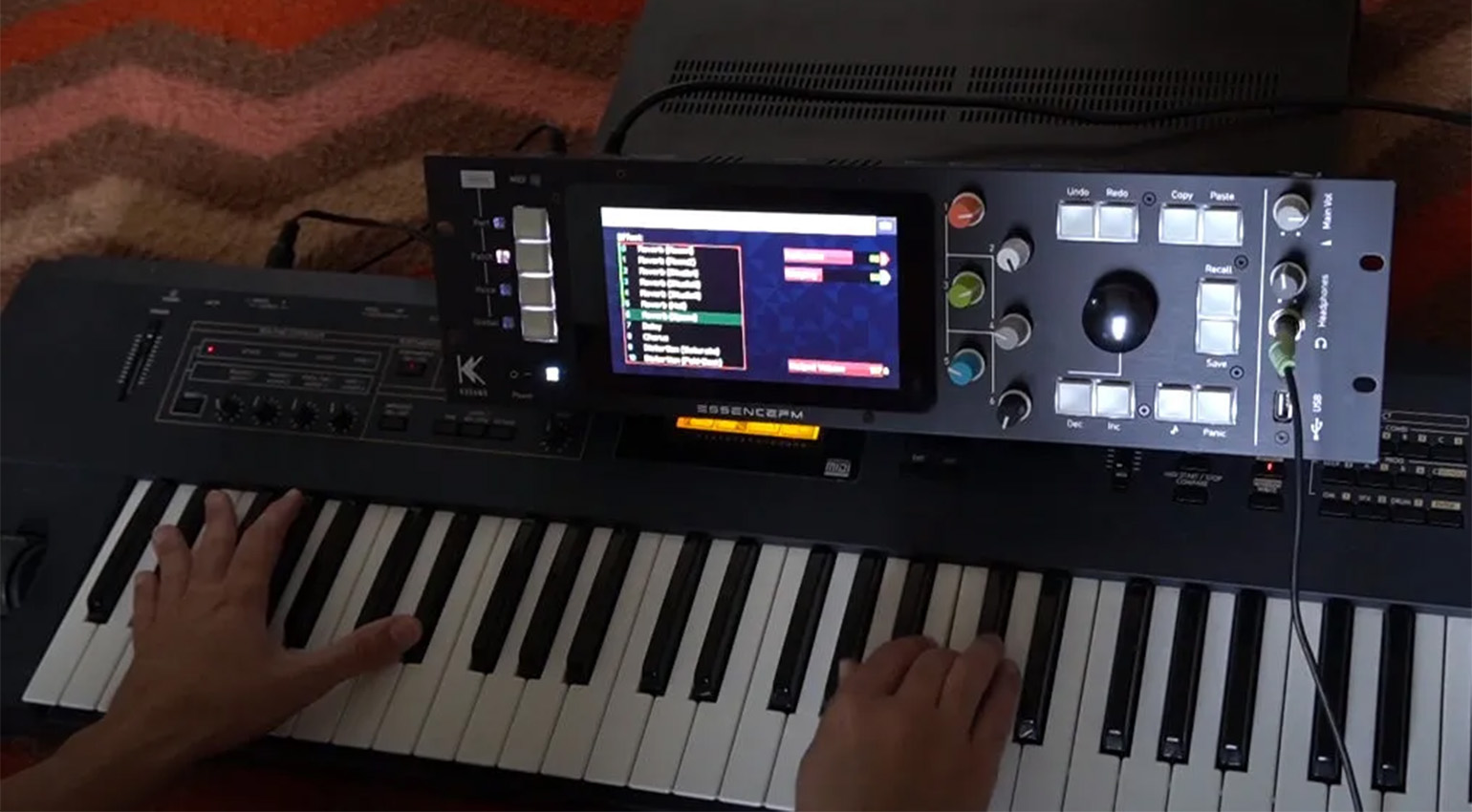
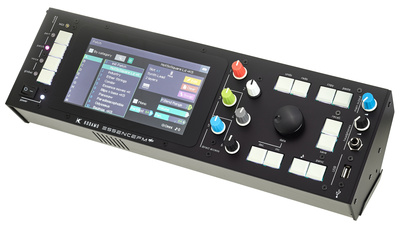
It took French newcomers Kodamo to come up with a user interface that exposed the inner workings in a way that made sense, with their EssenceFM synthesizer. A large touchscreen that visualised the way that Fm synthesis works made it so much more understandable and interactive. It’s a true beast of a synth.
And it is for this reason that EssenceFM makes it to my list of favourite hardware synths in the FM category.

Physical Modelling
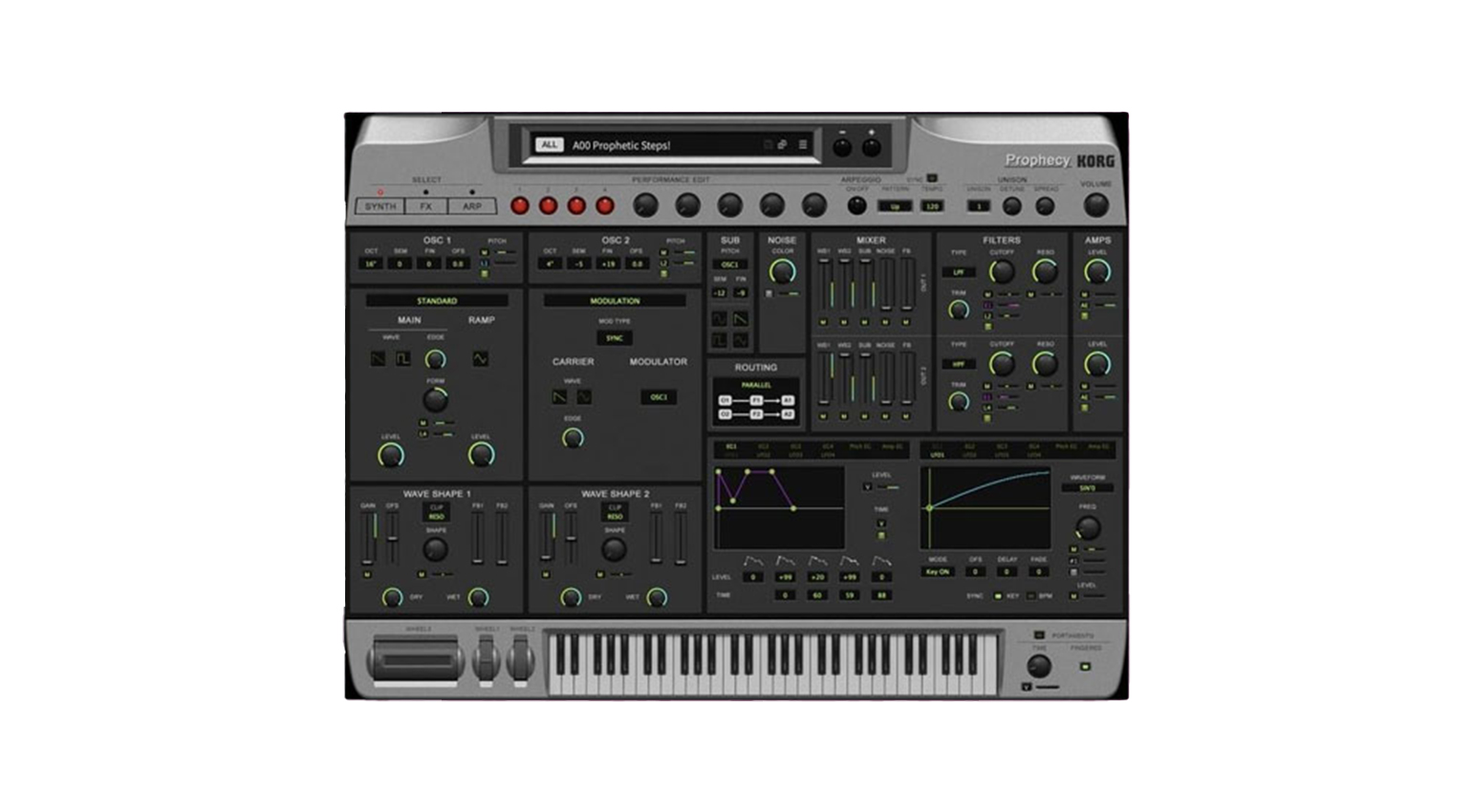
When KORG introduced the Prophecy, I dismissed it as an overly expensive, limited mono synth. This was because at that time, we were surrounded by synths that boasted huge polyphony and massive multitimbrality. Why on earth would anyone spend £1,200 on a 37-key silver mono synth? I maintained this opinion until I played one.
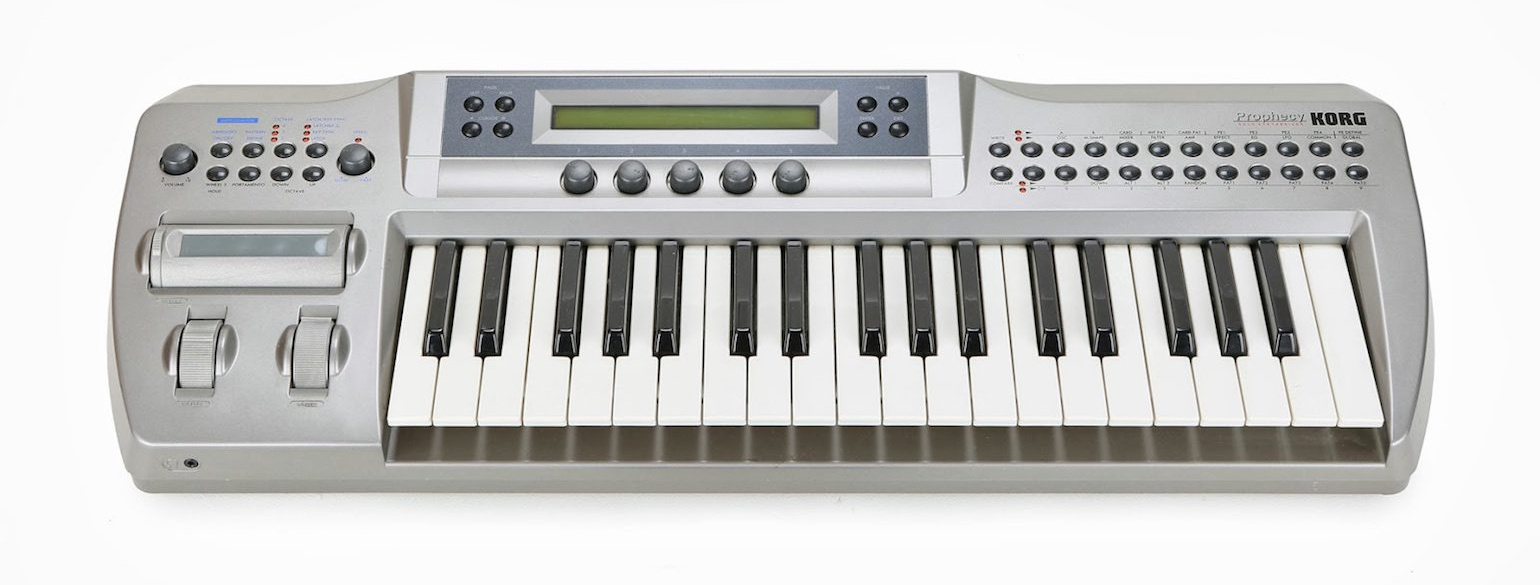
What I heard blew me away! Not only could it do amazingly accurate impressions of analogue synths, but the physical modelling aspect was mind-blowing and seemed like the future was finally here. The ability to control physical aspects of a sound was liberating and exciting. I bought one immediately and it fast became my “cold, dead hands” synth.
However, even with the advent of the Z1 and Yamaha’s physical modelling products, it was a time when these synths were very expensive, and sampling was coming on leaps and bounds when it came to accuracy and performance expression. Speaking of Yamaha, their VL range was commendable, but it was (and still is) their VP-1 that was their biggest achievement in this field. It’s a crying shame that it never made it into full production.
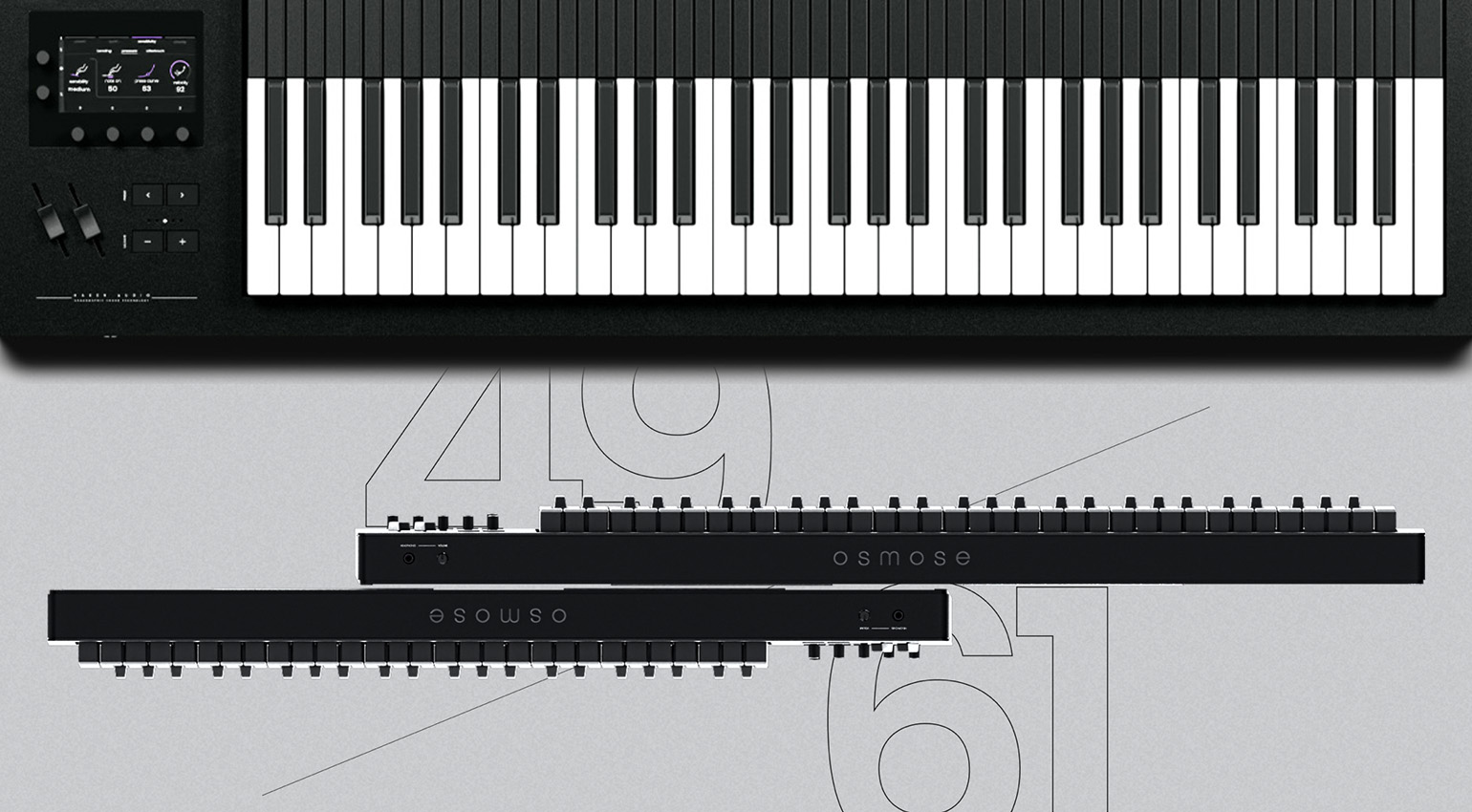
More recently, the Haken Audio Engine, as used in Expressive E’s amazing Osmose, delivers amazing results, albeit hidden behind an impenetrable interface, something Expressive E will soon be addressing. Physical modelling, in my humble opinion, still hasn’t reached its peak, and I believe it will finally become mainstream very soon.
All that said, every time I turn the KORG Prophecy on, it still fills me with the same joy and wonder it did 30 years ago, which is why it makes it on to my favourite hardware synths list.


Virtual Analogue
Growing up alongside its physical modelling sibling, virtual analogue modelling took off and never looked back. It quickly became the staple synthesis method in hundreds of amazing and powerful synths. I mentioned the Alesis Fusion earlier, and this housed a hugely powerful and versatile VA engine. It was worth the price of entry alone.
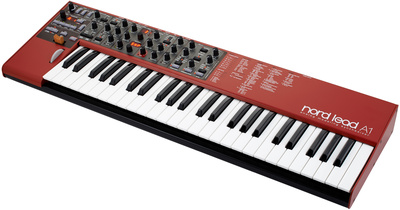
Roland, Nord and Yamaha duked it out with the JP-8000, Nord Lead and AN1x, respectively, the latter being my favourite of the early examples of VA synthesis. There have been so many VA synths in the interim period that it becomes very hard to whittle the list down, but as I look around my studio, there are synths from the likes of Modal, Arturia, ASM, and Sonicware that do great jobs.
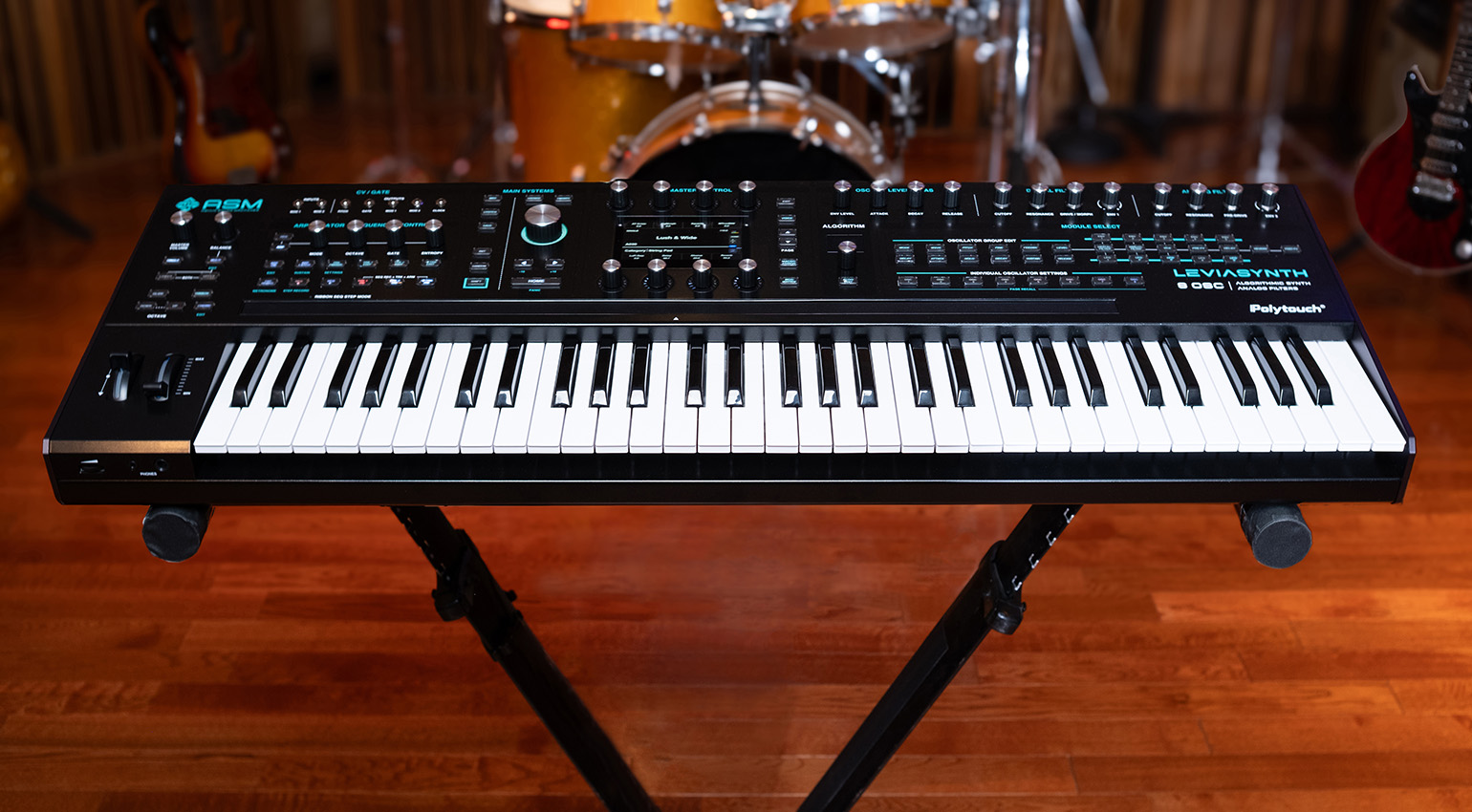
Present-day options present themselves in the form of the amazing ASM Leviasynth, which currently holds my affections and attention. At its heart, it is a hugely powerful virtual analogue synthesizer that uses algorithms to deliver vast amounts of sound design possibilities.
But when all is said and done, Yamaha’s AN1x still has something very special about it and is one of my favourite hardware synths. It’s no surprise really, as the AN1x modelling engine is actually based on FM!

Wavetable
Wavetable synthesis was always something I admired from afar for a very long time. As a huge Depeche Mode fan, those brittle, digital tones mesmerised me, and the sight of that big, blue bad boy was one to behold, especially when paired with the Waveterm.
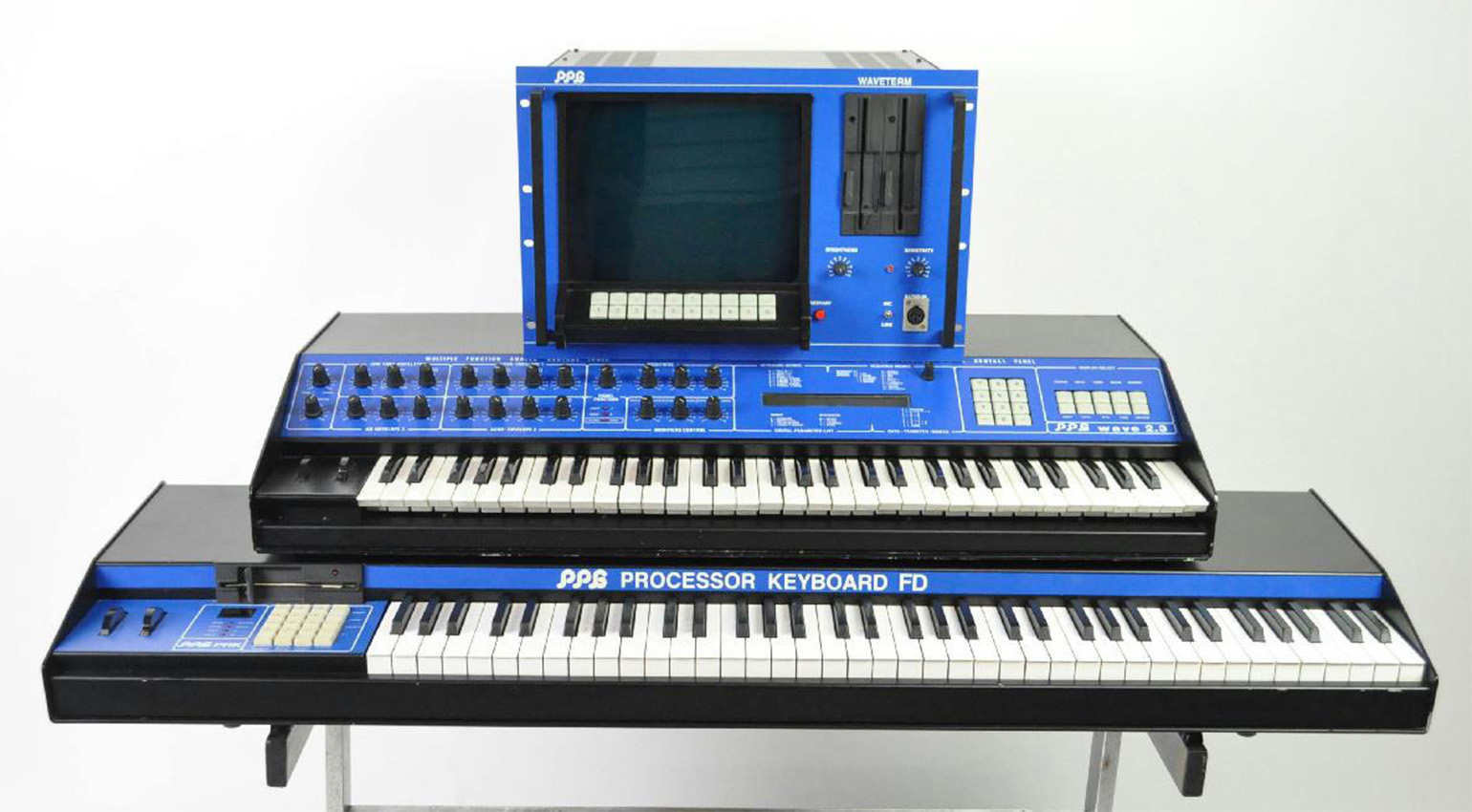
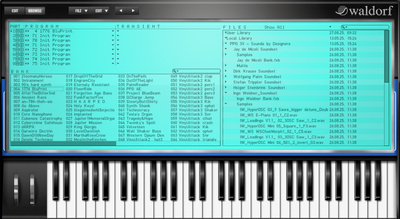
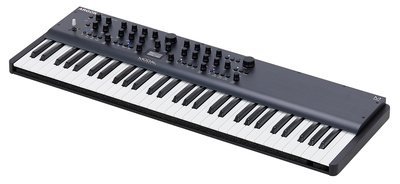
But it wouldn’t be until Waldorf brought out the PPG V plugin that I was able to properly explore the method. That plugin sated my appetite for a long time until I got my hands on Modal’s exceptional Argon 8 synth. That was a lot of fun to play with and could definitely do that PPG sound, albeit rather cleanly.
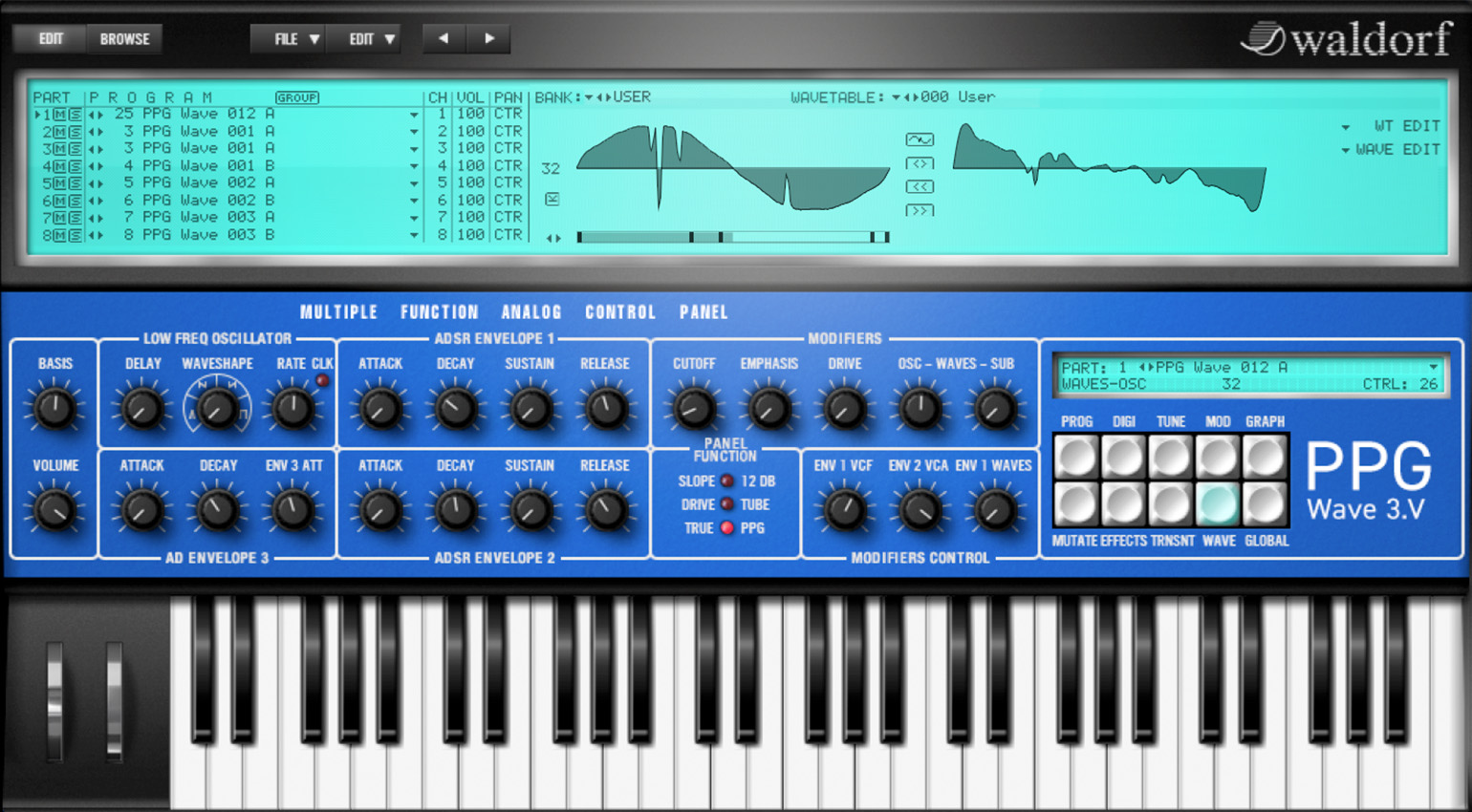
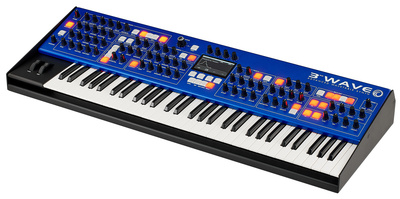
Another option that has yet to make it into my studio is the rather magnificent Groove Synthesis 3rd Wave. More than just an homage, it takes the entire concept and runs with it further than Wolfgang Palm ever did, and it is one of the finest digital synths out there.
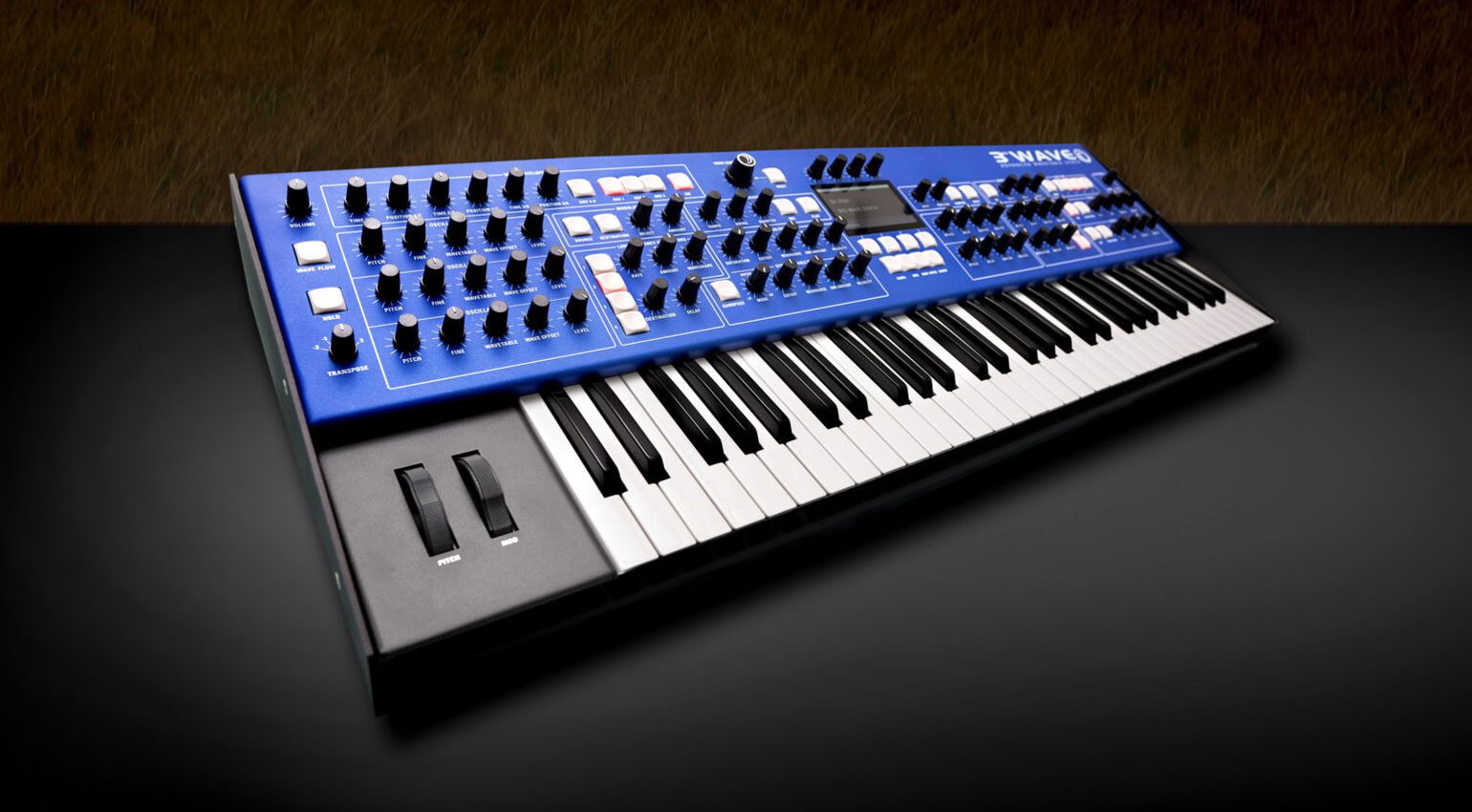
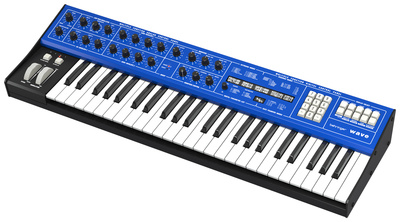
So when Behringer announced that they were doing the Wave, and that it would be in that same shade of blue with the big, chunky buttons, my interest was more than a little piqued and as soon as it was available, I laid down 500 notes, or thereabouts, and got one.
After a couple of firmware updates, it really did live up to the expectations, and it definitely had the crunchy, digital sound that the original was known for, but the user interface and operating system were maybe replicated a bit too closely. It would have been nice for it to have been a bit more accessible.
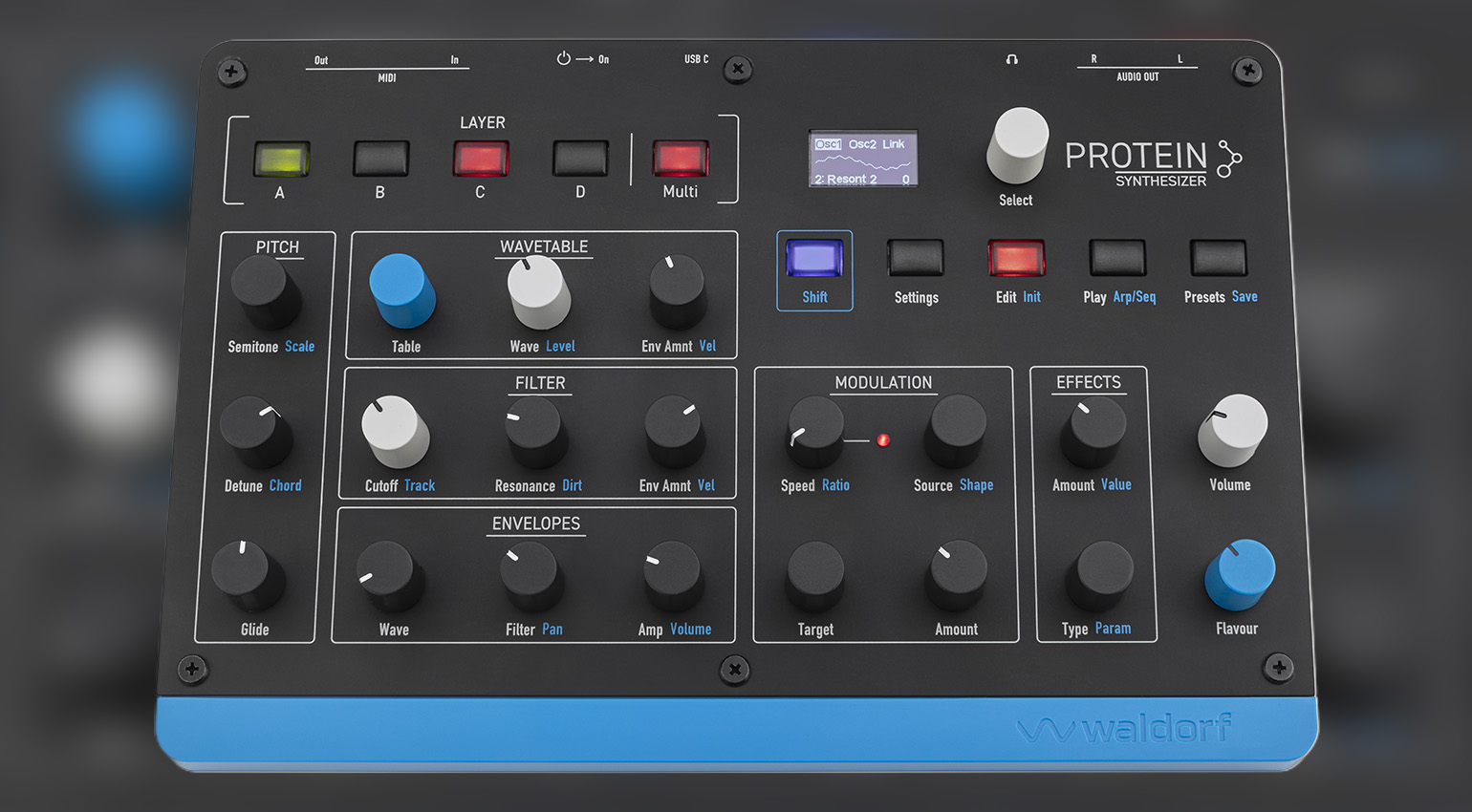
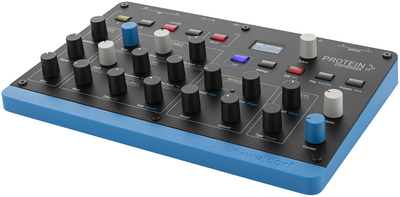
What finally grabbed me and delivered the best of all worlds was Waldorf’s recent offering, the magnificent Protein! Not only does it give you the classic PPG wavetable sound, but it also has a very easy-to-understand and navigate UI. And at £289, it rapidly topped my list of favourite hardware synths in the wavetable arena!




Sampling
And finally, we come to sampling. My first ever sampler was the Yamaha VSS-200, bought by me in 1987 for £149.95, at my local Co-op store on hire purchase. As I also worked at said establishment, they took the weekly payments out of my salary for me which, as an 18 year old with terrible financial habits, was probably a good thing!
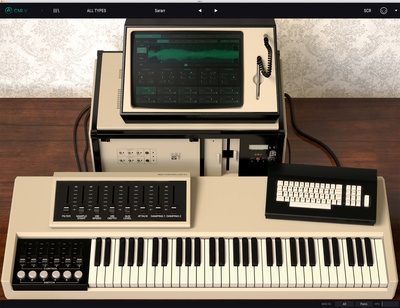
But, like anyone of my generation, the sampler we all wanted was the Fairlight CMI. Oh how I dreamed of playing, let alone owning one of these amazing machines. I would ogle it in magazines, watch my favourite bands use it on Top of the Pops, and be devastated by the fact I’d likely never own one.

Skip forward thirty-odd years, and I found myself with not one, but FOUR Fairlights in my garage, and numerous more passing through as I worked with one of the world’s leading Fairlight restorers in taking these ageing but eminently usable systems and making them shiny and bright again for new users.
What I didn’t allow for was the fact that when I finally powered up the first one I took in, a Series III CMI formerly owned by Ian Stanley of Tears for Fears, it required me to unlearn everything I knew about making music with a computer! That said, I still have a deep affection for these revolutionary instruments.
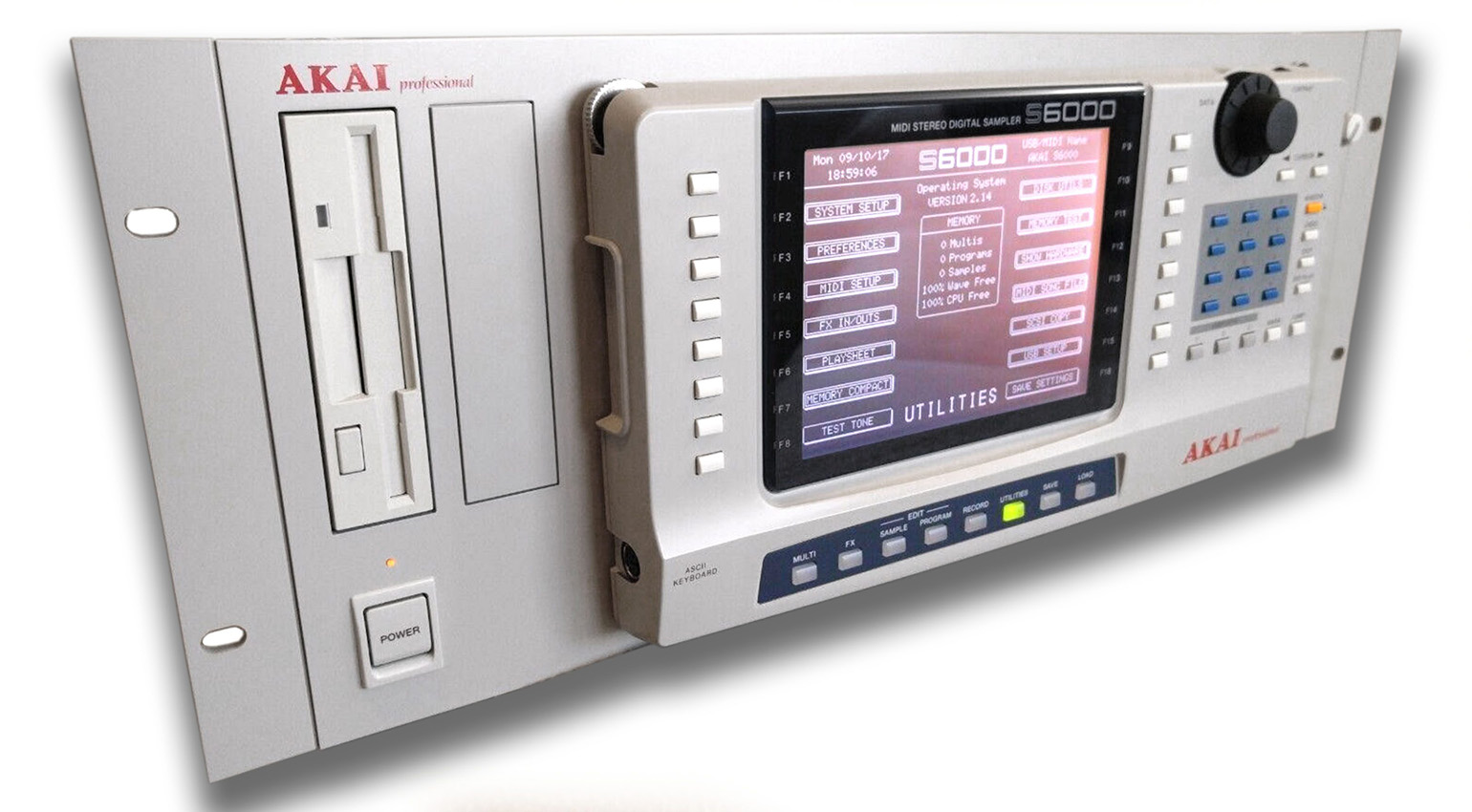
In the intervening years, I went the way of Akai and ended up with a fully loaded Akai S6000, the king of hardware samplers and an instrument I still own and use to this day. It’s powerful, flexible and simple to use. I still retain the muscle memory to navigate around its very large and detachable control panel.
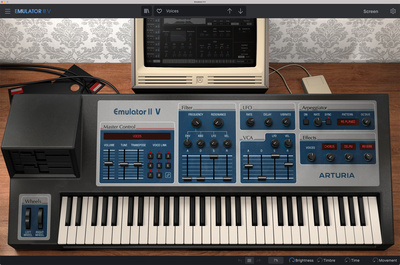
I also found myself drawn to E-MU and picked up a couple of EMAX II units, which are brilliantly simple to use, despite being cut down versions of the Emulator III. For me, the ability to play that extensive E-MU library from the likes of the Emulator II on actual E-MU hardware is a real bonus.
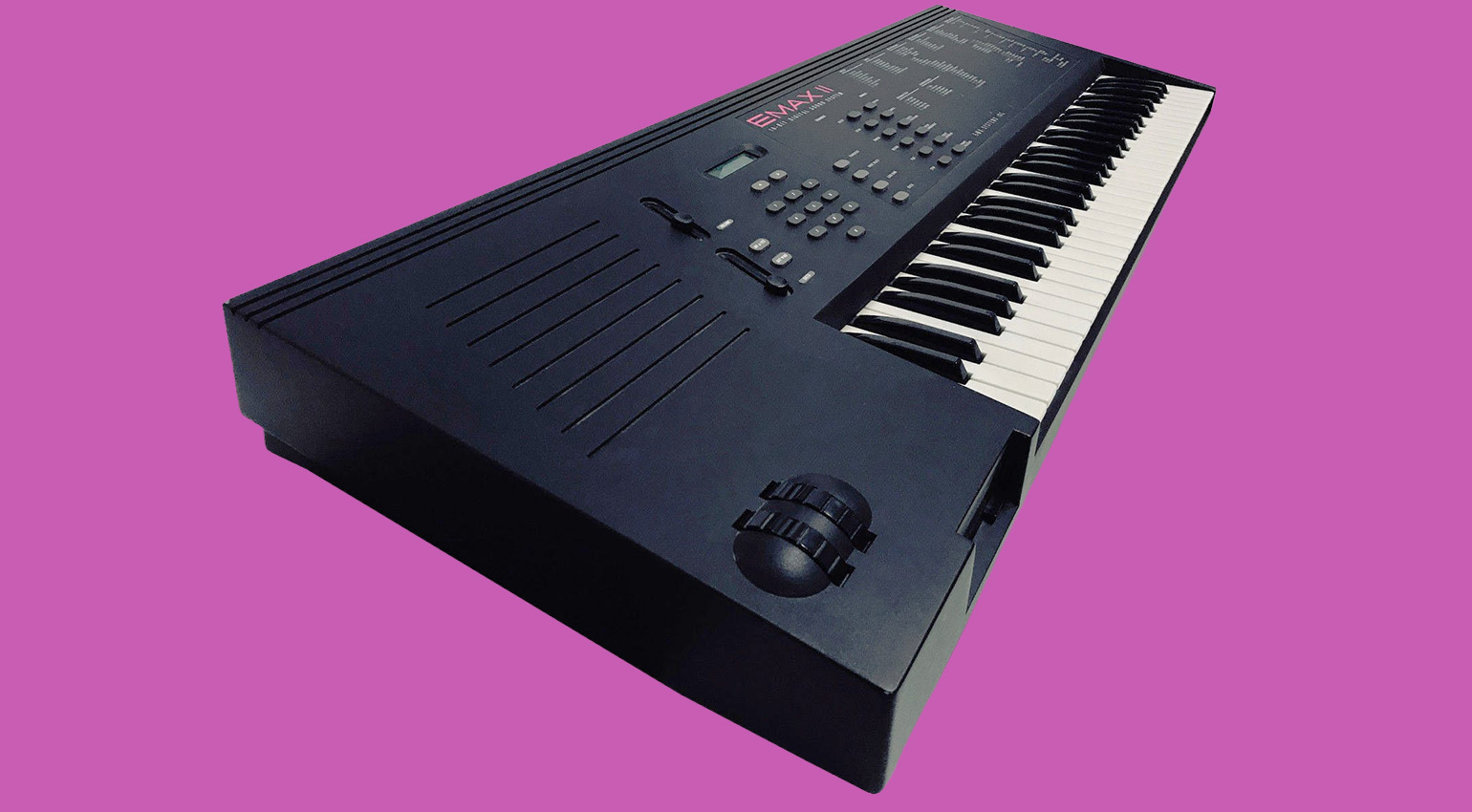
And I met Dave Rossum, the man behind E-MU back on 2024 when our stands were next to each other at Machina Bristronica and I was honoured when he agreed to sign my EMAX II Turbo HD. However, the Akai S6000 still, to this day, is my sampler of choice when it comes to my favourite hardware synths.
*Note: This article contains advertising links that help us pay for this site. Don’t worry: the price for you will always be the same! If you buy something through these links, we will receive a small commission. Thank you for your support!

This might also interest you
One response to “My Favourite Hardware Synths by Synthesis Method!”

Yeah!
Juno 106 is the one I want but it’s just not going to happen. I make do with (Juno-ish) Deepmind 12 and sw emulations. Lately I’m really digging the TAL one.
I have the Osmose as well but it’s not used much, sadly. Can’t really say why.