10 Ways you Can Earn Money with Music – Even Without a Number One Hit!
From Beat to Business: Learn How to Use Your Creativity Strategically Instead of Just Creatively

 3,1 / 5,0 |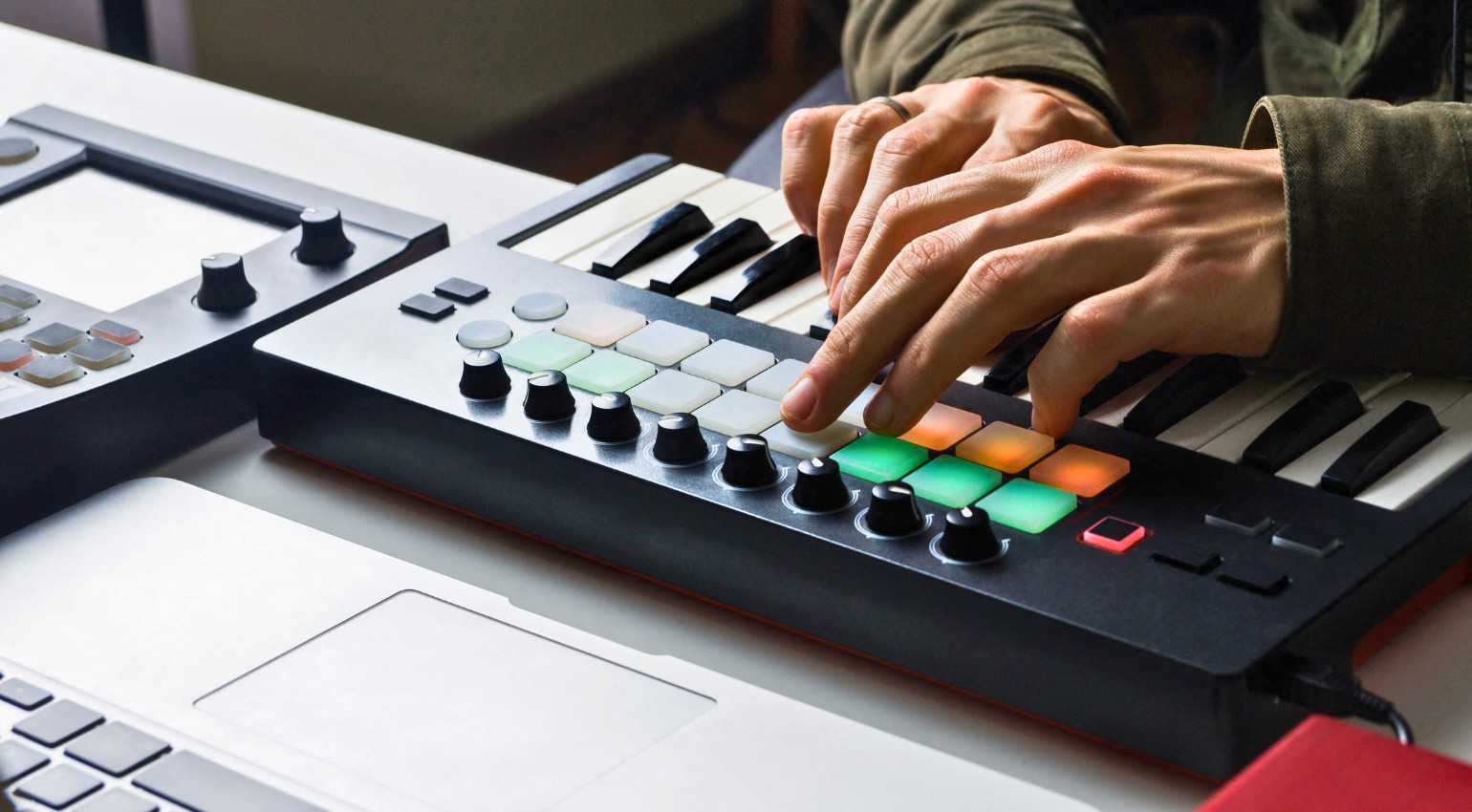
10 Ways you Can Earn Money with Music - Even Without a Number One Hit! · Source: Oleksiy Boyko / Alamy

As a musician, you’ve always had good ideas. Hooks, sounds, grooves, and concepts. The difference today is that it’s easier than ever to make money with music, even without a major deal. Not as a rock star fantasy, but as real small-to-medium income streams that can add up. The good news is that you don’t need a label or millions of streams to do this – just a good structure.
Key Facts
- Today, software synths are not only production tools, but also the basis for marketable sounds, presets, and sample content
- Your sound aesthetic, created through synth patches, layers, and sound design, can be monetized
- Presets, loops, and sound design from software synthesizers can be sold multiple times as digital products
- You can also monetize your knowledge of synthesis, layering, and sound shaping by offering tutorials, courses, or services
- Modern music revenue comes less from hits and more from many small, strategically used creative building blocks
All About the Topic
How Can you Earn Money with Music Without Selling your Art?
Many producers have an incredible amount of creative capital in the form of loops, presets, beats, know-how, and sound aesthetics but only use five percent of it. The rest remains on the hard drive. Yet that is precisely what is valuable today. It’s not about becoming “commercial,” but rather, strategically exploiting your creative work without losing your artistic identity.
Below are ten realistic ways you can turn your ideas into income as musicians and producers.
1. Earn Money with Music: Sell Your Own Samples and Sample Packs
Do you constantly create kicks, textures, effects, atmospheres, sounds, drum loops, or modular experiments? They’re not byproducts; they’re content. Sample marketplaces, your own shops, and Bandcamp are great platforms for niche sounds. Character, not quantity, is what counts. A pack like “Analog Noise & Texture,” “Industrial Percussion Toolkit,” or “Deep Techno Chords” can bring in significantly more than another generic drum pack.
You’re not just selling WAV files; you’re selling your sound. Good organization, clean naming, and strong demos can turn sessions into recurring sources of income. Here’s an example.
2. Create Presets for Plugins and Synths to Earn Money with Music
Many producers spend hours creating sounds that end up in just one track. Why not turn them into preset packs for Serum, Diva, Phase Plant, Massive X, or hardware synths?
Presets sell well because they save time. A “Cinematic Techno Bass Pack” or “Emotional Leads for Melodic House” will resonate with the scene. People who appreciate your sound will buy into your workflow, enabling you to easily earn money with music – on the side. Companies offering such packs are everywhere. Contact the website operators via email and send them examples.
3. License Beats & Instrumentals
Not every beat has to represent your artistic project. Beats can be standalone products. Rappers, content creators, indie filmmakers, and streamers always need music. Beat stores and licensing models allow you to sell a track multiple times with different usage rights. This way, an idea can generate income for years to come while you work on your next project. Licensing beats and instrumentals means viewing your music as both an artistic statement and a usable product.
You can offer different usage rights through various stores, ranging from inexpensive non-exclusive licenses to exclusive deals. The big advantage is that a beat can generate income over a long period of time without you having to constantly produce new material. Clear structures, clean naming, good demos, and transparent licensing terms are important. This transforms an idea on your hard drive into a digital asset that generates income while you work on your next project.
4. Earn Money with Music: Sound Design for Other Artists
Many artists have ideas, but lack production skills or time. This creates a market for developing signature sounds, designing drops, editing vocals, and creating atmospheres.
Sound design is a strong differentiator, especially in electronic music. Artists who establish themselves as “the guy for epic risers” or “the producer for fat low-end designs” will get booked and can earn money with music.
5. Mixing and Editing as a Service
Not everyone wants a complete mixdown package. However, many need help with vocal editing, drum tightening, stem preparation, or pre-mixing. These are clearly defined tasks that are easy to offer.
Your knowledge of gain staging, arrangement, and frequency ranges is extremely valuable to others, but it’s just part of your everyday life. That’s exactly where your market value lies.
6. Tutorials, Courses, and Mini-Workshops
Many musicians underestimate their knowledge. For you, sidechain setup or layering basics are common knowledge, but for beginners, they can be eye-opening. Short, specialized content such as:
- “How do I build a powerful techno kick?”
- “Melodic chord progressions with just one synth”
- “Keeping the low end clean without muddiness”
are in high demand. You can share this content via social media platforms, your own website, or community offerings. Perhaps a face-to-face workshop via Zoom would be an interesting way to earn money with music. I teach “lessons” in my studio and online, and it works very well with positive feedback.
7. Patreon, Memberships, and Exclusive Content
With Patreon and membership models, you can turn the classic principle on its head. Instead of releasing only finished music, you can take your community with you on your creative journey. Many people are interested not only in the track itself but also in how it is created. Exclusive loops, presets, project files, unreleased sketches, monthly sample packs, and studio vlogs provide direct added value for your biggest fans.
This is less about “mass” and more about connection. A small, dedicated group can be more stable than random streams. Consistency and a clear focus are important. For example, you could release one sound package, one breakdown, or one recording of a live session per month. This transforms your creative work into a consistent source of income, independent of releases.
8. Earn Money with Music: Music for Content and Media
Music is needed everywhere: YouTube, podcasts, games, and social media. Platforms for royalty-free music and direct deals with content creators are great opportunities.
Short intros, background loops, atmospheric beds, and suspenseful sounds are often in demand instead of complete songs. Function and mood are more important than club suitability here. To earn money with music works the same way.
9. Gear Affiliate Marketing and Product Recommendations
Gear affiliate marketing works well when it feels like honest insights into your workflow rather than advertising. You don’t just show a plugin or a device; you explain specifically how you use it. Which synthesizer provides the basis for your bass lines? Which compressor seals your drum bus? Which effects device provides that exact texture?
If your recommendations come from real projects, they become extremely valuable to other musicians. Tutorials, sound samples, before-and-after comparisons, and short studio breakdowns build trust, which leads to clicks and purchases. The key is that you can monetize your existing knowledge of tools and sound aesthetics without altering your creative output. Your experience becomes a resource.
10. Build Your Own Micro-brands
A sound concept can be a brand: “Ambient Textures,” “Dark Techno Tools,” “Vintage Synth Vibes” – slogans like these can evolve over time. Create a logo, establish a visual identity, and develop a clear style.
With a micro-brand, you think of your sound not as individual tracks but as a recognizable sound world with its own identity. Rather than releasing “a sample pack here, a preset there,” you establish a consistent style with a visual theme, a recurring name, and a focus on content. If someone buys your “Dark Modular Toolkit” and understands its sonic qualities, they’ll also be interested in the next pack in the series.
This is how you build trust – not in yourself as a person, but in your aesthetic. This transforms individual products into long-term lines that can evolve with more releases, collaborations with other artists, and bundles. You can even create your own small labels in mini format. You’re selling more than just files; you’re selling a signature sound – and you earn money with music.
Why Does This Work Better Today Than it Used to?
In the past, you needed labels, studios, and distributors. Today, all you often need is a laptop, a clear style, and a little structure. The barrier to entry is low, but the level of competition is high. That’s exactly why it’s not the loudest who wins, but rather, the one with the clearest profile.
It’s not about doing everything at once. Often, two or three avenues are enough to turn ideas into income – to earn money with music. The important thing is to view your creativity as both art and a resource.
Conclusion
Being a musician today means more than just releasing tracks. Ideas are assets. Sounds are products. Knowledge is content. Understanding this can help you gradually become more independent.
Not every idea will be a hit. However, many ideas can generate small sources of income. It is precisely this mix that ultimately distinguishes a hobby from a sustainable career as a musician. Over time, creativity becomes a stable foundation for a self-determined life as a musician – it’s the time, when you earn money with music.
FAQ – Earn Money with Music
Why are Software Synths so Economically Relevant for Musicians Today?
They enable the creation of unique sounds, presets, and sound libraries that can be sold as digital products. Many producers today work primarily with digital audio workstations. These musicians often buy presets to save time or quickly access specific sound aesthetics.
How Much Can you Earn From Synth Sounds you’ve Created Yourself?
You can monetize synth patches as preset packs, sample sets, licensed music, sound design services, or learning materials.
Do you have to be a Well-known Artist to do This?
No, what matters is having a clear sound aesthetic and recognizable style, not reach or chart success.
What Role does Sound Design with Software Synths Play in This?
Sound design creates the distinctive value that sets presets, loops, and production services apart from generic material.
Why do Small Digital Products Work Better Than Individual Songs?
Because they can be sold multiple times and are not dependent on streaming numbers or releases.
How are Tutorials and Software Synths Related?
Knowledge of synthesis, layering, and sound shaping is in high demand and can be monetized through courses or content offerings.
Can you Generate Long-term Income with Software Synth Sounds?
Yes. Reusable digital products and services create recurring sources of income.
In modern music production, software synthesizers serve as sound sources and the basis for digital products, services, and educational content. Presets, sample packs, sound design, licensed music, and learning opportunities often rely on individually developed synth sounds. These elements can transform creative production processes into scalable sources of income, independent of traditional release models.
More Information

This might also interest you
5 responses to “10 Ways you Can Earn Money with Music – Even Without a Number One Hit!”
You are currently viewing a placeholder content from Facebook. To access the actual content, click the button below. Please note that doing so will share data with third-party providers.
More InformationYou are currently viewing a placeholder content from Instagram. To access the actual content, click the button below. Please note that doing so will share data with third-party providers.
More InformationYou are currently viewing a placeholder content from X. To access the actual content, click the button below. Please note that doing so will share data with third-party providers.
More Information
If you can play an instrument, just teach—especially if it’s a popular one like guitar, piano, drums, or vocals.
In my own experience, it’s way more profitable than the 10 options listed above.
Today music services and gear business is not about creating music anymore, is promoting products and services to people who at the end think that they need all that to become successful. Today you can get everything possible you can immagine online for free, from synths, samples, tutorials, DAWs… But the truth is none of this has nothing to do with becoming the next Taylor Swift or David Guetta.
one must consider, the what, if i am doing this can i see myself just doing this? Does it fulfill my creative side? is making money from it important? what is my goal here?
One great way to make money from music using the music you make is to use the music you make to make money. This can be very simple or easy if you just stick to using your music to make money. Simple as that. Music is easy to make money off because money is the exact reason why you need the money in the first place.
Pure logic, right? After 30 years in the electronic music scene, I’m expected to grind out presets for clueless teenagers and total amateurs—for Pigments or whatever—while digital stores are being flooded with AI-generated garbage. Does this honestly make sense to anyone? It’s a joke.