Synths of City Pop: 5 Synthesizers That Made the Sounds of the City
The slick synths that powered Japanese pop music in the 1970s and 1980s.

 5,0 / 5,0 |

The Japanese genre of city pop blended smooth rhythms, jazzy chords and sumptuous vocals into a potent mix of urban cool. Have you ever wondered what keyboards the top session musicians were playing on all those hits? These are the synths of city pop.
All About the Synths of City Pop
Synths of City Pop
The late 1970s saw a big change in Japanese popular music. For one, artists were moving away from aping American and British music towards something more homegrown and sophisticated. This, combined with the latest breakthroughs in Japanese studio and recording technology, culminated in city pop, a loose genre of urban, jazzy pop music that remains captivating even now.
Of course, Mariya Takeuchi’s “Plastic Love” is the song that everyone knows now, but other city pop gems worth listening to include Tatsuro Yamashita’s “Sparkle” and my personal favorite, “Kimi wa Tennenshoku” by Eiichi Ohtaki.
Today, let’s look at five synths of city pop, the Japanese instruments that contributed to the lush arrangements of these great songs.
Synths of City Pop: Yamaha CS-80
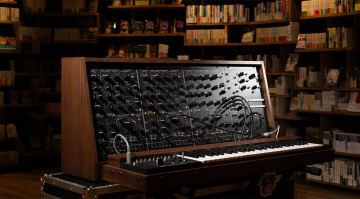
Japanese synthesizers in the 1970s weren’t as globally prized as those from America and the UK. One glaring difference was the CS-80 from Yamaha. With its dual synth architecture, polyphonic aftertouch and glorious sound, it was popular with big-name artists like Paul McCartney and Stevie Wonder. And of course Japanese city pop musicians, too.

The widescreen sound of the CS-80 can be heard on Yellow Magic Orchestra records. Sure, they were more techno pop than city pop, but as session musicians and producers, Ryuichi Sakamoto and Haruomi Hosono were heavily involved across the Japanese pop industry of the time. For example, Sakamoto played the CS-80 on Tatsuro Yamashita’s album Spacy in 1977.
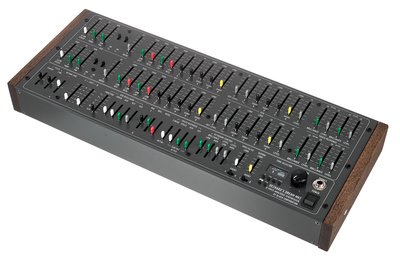
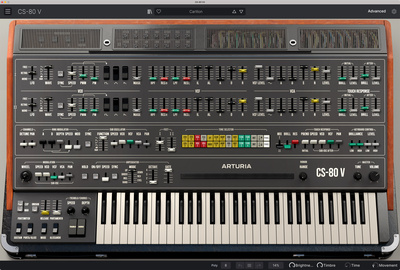
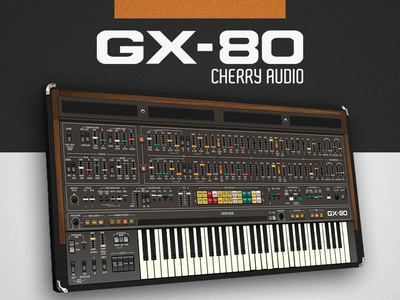
If you want to bring the CS-80 sound into your own pop productions, there are a few modern alternatives. On the hardware side, there’s Deckard’s Dream from Black Corporation, while software includes remakes from Arturia, Cherry Audio, and more.
The Black Corporation Deckard’s Dream MKII is available from Thomann*.




Synths of City Pop: Roland Jupiter-8
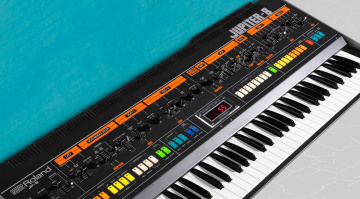
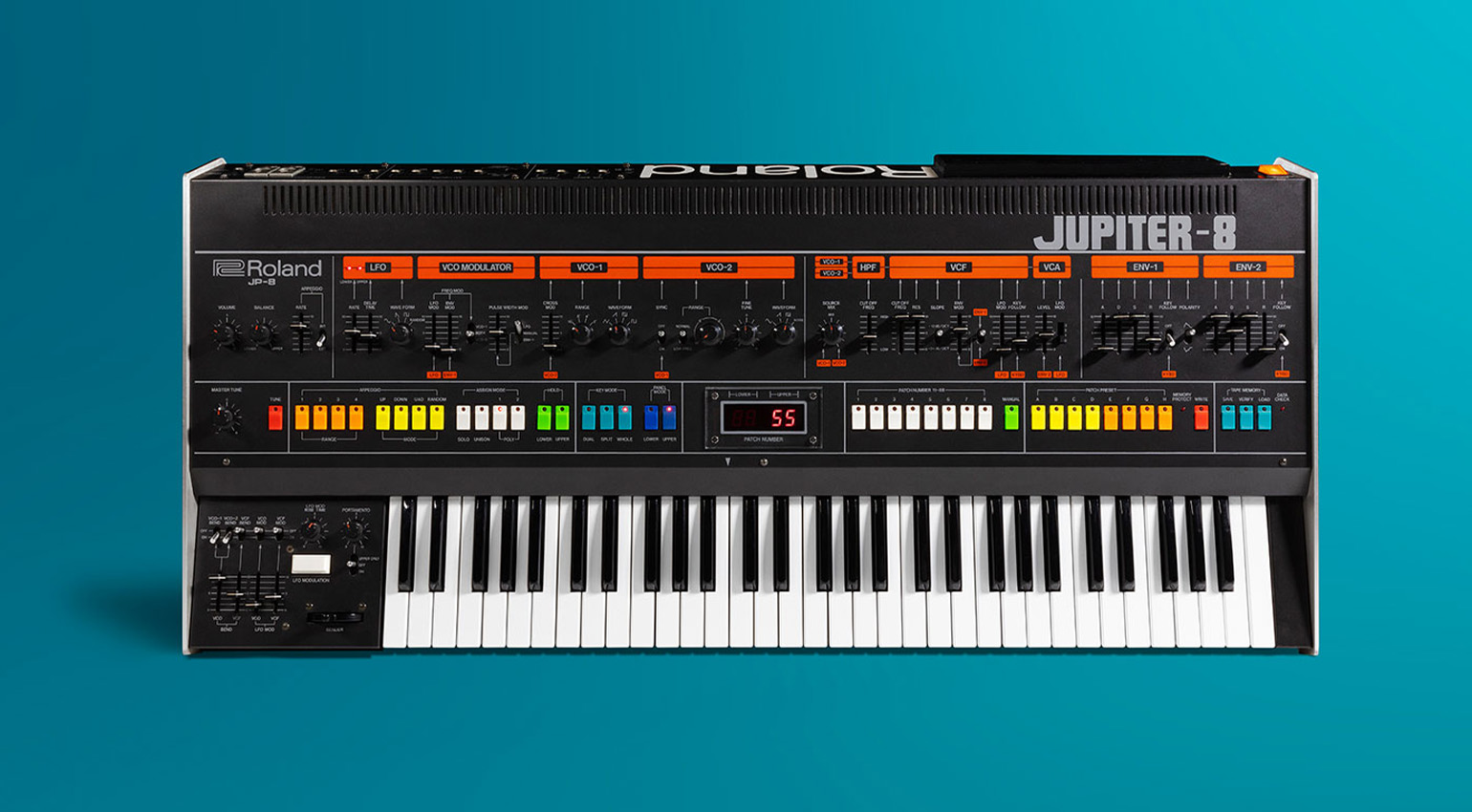
By the early 1980s, what people demanded from a polyphonic analog synthesizer had completely changed, thanks to the introduction of Sequential Circuits’ Prophet-5 in 1977. To compete, you needed polyphony and programmable memory. Roland delivered both with the Jupiter-8, a landmark instrument that soon became the machine for studios to have – on both sides of the Pacific.

The Jupiter-8 was used by keyboardist Hiroshi Sato on his Awakening album alongside the Prophet-5, Moog Source and KORG PS-3200. (There’s a great interview with Sato on this site conducted by P-Thugg of Chromeo.) Mus Mujino used one, and Tatsuro Yamashita owned one as well, meaning it very well could have appeared in Mariya’s Variety album – though we can’t say for sure.
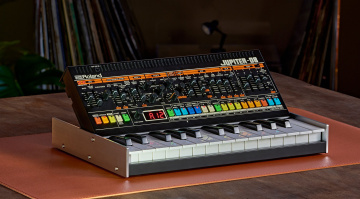
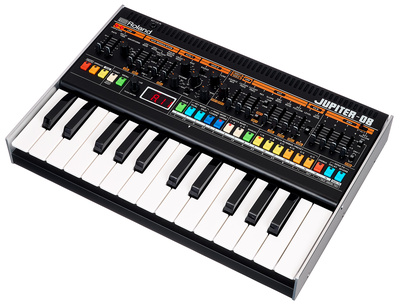
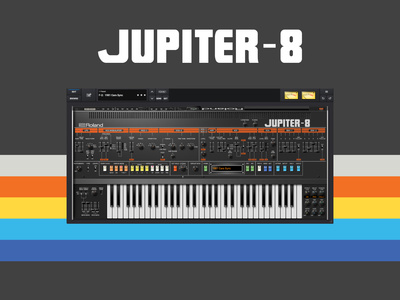
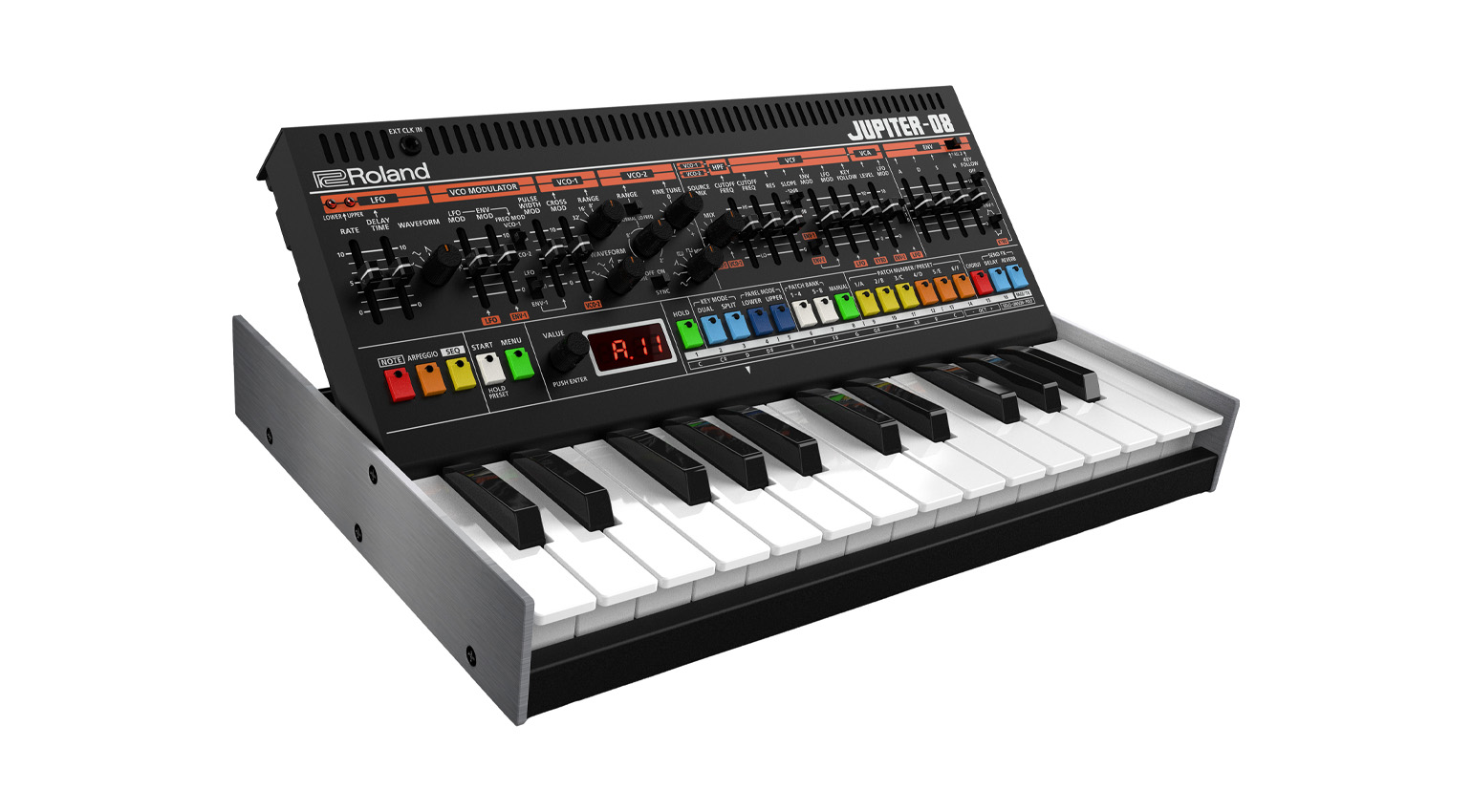
Roland has yet to re-release the Jupiter-8 in analog form, although it has done so many times now digitally. The latest is Jupiter-08. Plenty of software versions also exist.
The Roland Jupiter-08 is available from our affiliate partners Thomann* and Sweetwater*.


Synths of City Pop: Yamaha DX7
And so we come to the DX7. As with in the West, the Japanese music industry was upturned by the arrival of the FM synthesis-powered Yamaha DX7 in 1983. Suddenly analog was out and anything digital was very much in. Clean and sharp electric pianos, glassy chords, sharp bass: pop music was forever changed. Check out “I Can’t Stop the Loneliness” from Anri for one of the earliest uses of a DX7 in city pop.

There’s a great discussion on the Yamaha site involving a group of Japanese keyboard players and programmers, including Ryuichi Sakamoto’s assistant, Yasushi Mori, and Tatsuro Yamashita’s synthesizer programmer, Shigeaki Hashimoto. The whole thing is worth a read, but they spend a lot of time talking about the importance of FM synthesis to the scene, mentioning the TX802 (rackmount version of the DX7II) and TX816 (six DX7s in a box).
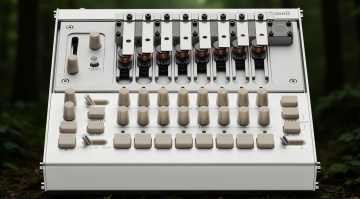
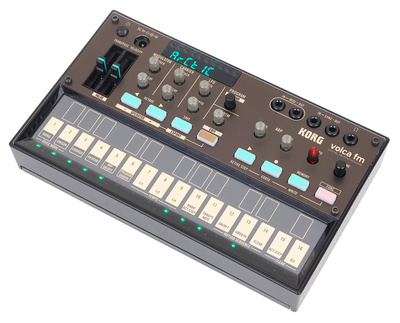
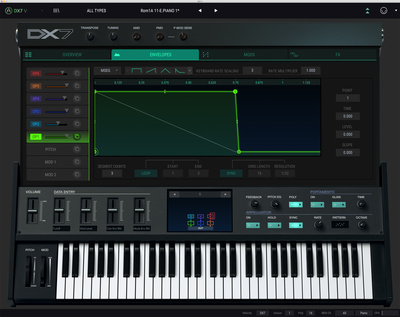
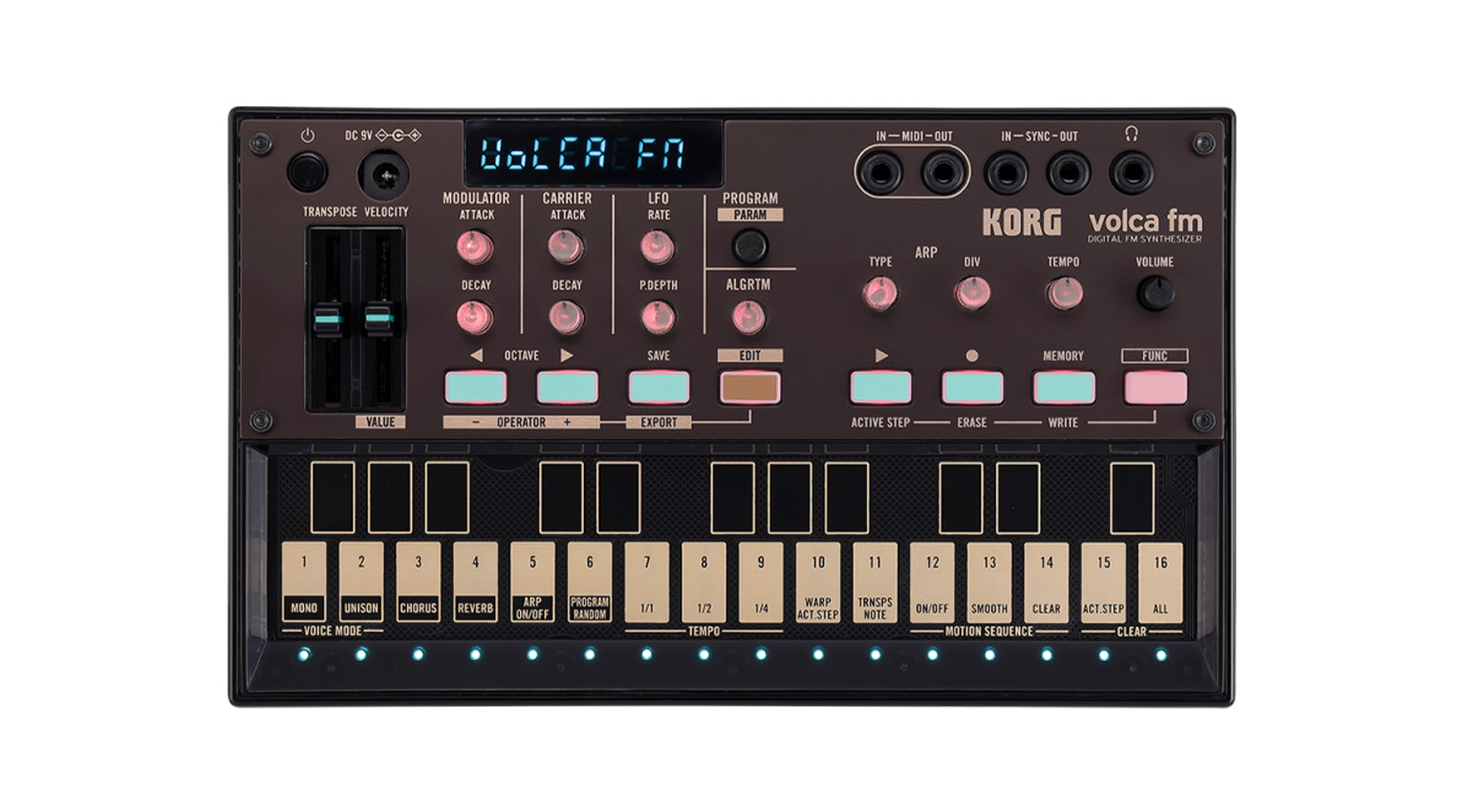
There are endless modern ways to get the DX7’s FM sound, including the KORG Volca FM and Arturia’s DX7 V.
The KORG Volca FM2 is available from our affiliate partners Thomann* and Sweetwater*.

Synths of City Pop: Roland D-50
Let’s set the scene. It’s the late 1980s and Japan is so rich, people are buying gold toilets with their extra cash. That conspicuous wealth is reflected in the changes in city pop of the time, and Roland’s D-50 fit that lovely plastic sound perfectly. After playing catch up with Yamaha for most of the ‘80s, 1987 saw the D-50 combine sampled transients with a digital take on subtractive synthesis, resulting in a slick synthesizer that sounded like nothing else at the time.

The D-50 is all over the Before the Daylight album from Toshiki Kadomatsu, RA-MU’s Thanks Giving record, and even hits from idol-fronted J-pop duo Wink.
Sadly, Roland’s D-05 Boutique synth is no longer in production, but you can still get access to the famous sounds via the Roland Cloud D-50, and it’s available at Thomann*.

Synths of City Pop: KORG M1
It’s now the end of the 1980s. It’s getting harder to call the sound of Tokyo city pop, especially with so much J-pop entering the charts, but there’s still plenty of gorgeous music coming out – and much of it embracing the new synthesizer technology of the era. And that would chiefly be the M1, KORG’s runaway monster workstation hit. With its sample synthesis architecture, built-in drums and sequencer, and great keybed, it ended up all over the Oricon in the last few years of the 1980s.

To close out this list, let’s listen to another Tatsuro Yamashita song, this time “Sayonara Natsu no Hi,” and its lovely use of the M1. So lush. So pillowy. So nostalgic. Heading more into J-pop, Chisato Moritaka’s “Obasan ni Nattemo” features the synth. Lastly, this is much more house than city pop, but genius producer Soichi Terada put the M1 organ sound to good use on “Do It Again.”
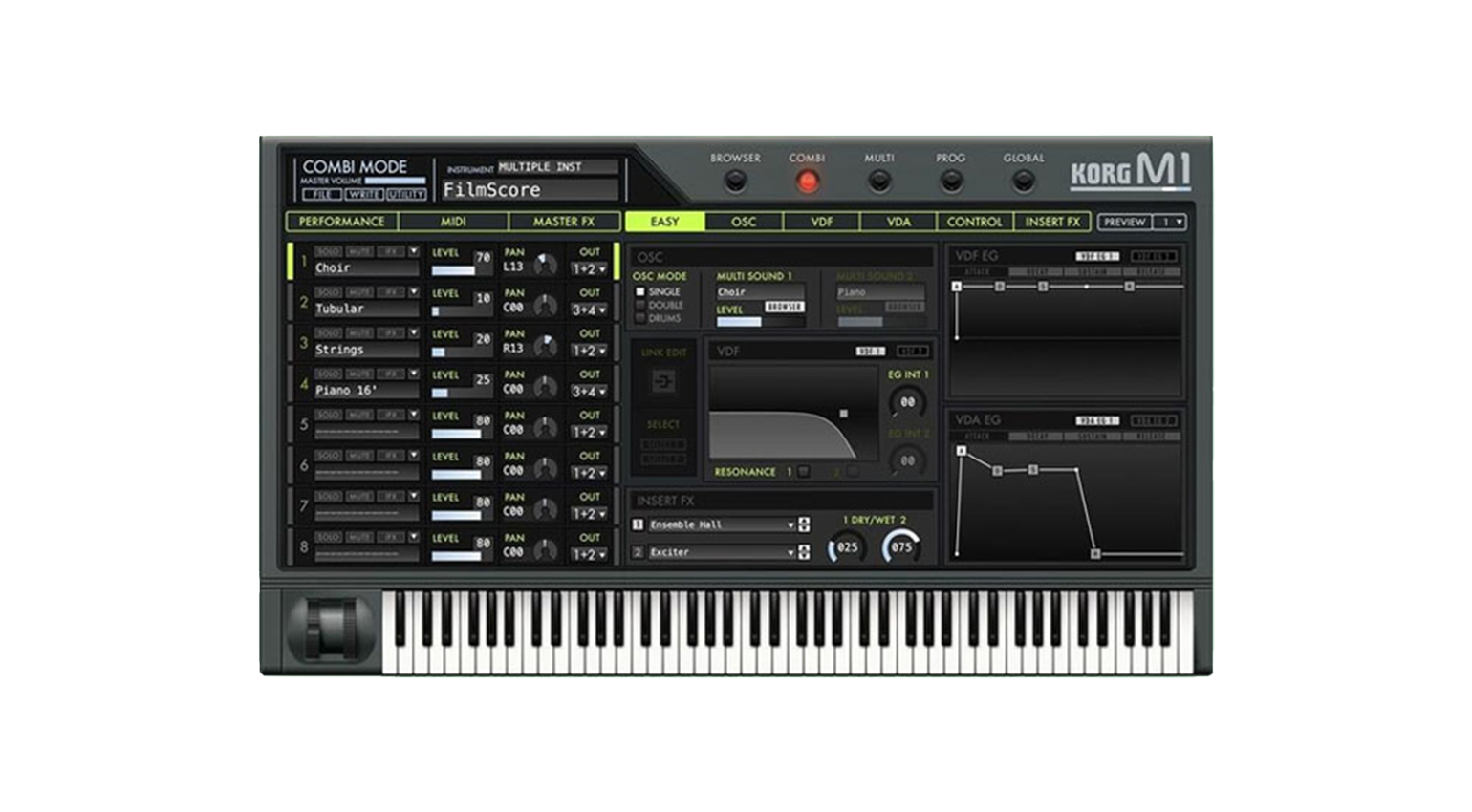
To make your own late-80s city pop song, download KORG’s software version of the M1. Across the universe!

More Information
- More about synthesizers
- Buy synthesizers at Thomann*
*Note: This article contains advertising links that help us pay for this site. Don’t worry: the price for you will always be the same! If you buy something through these links, we will receive a small commission. Thank you for your support!

This might also interest you