Studio Gear You’ll Keep For Life: Equipment That Lasts
Your studio may grow, but some gear remains constant.

 2,6 / 5,0 |

We explore studio gear you’ll keep for life, a range of recording equipment that stands the test of time in professional and home studios alike.
In this Article:
Home studio users often get caught in a cycle of surrounding themselves with a surplus of affordable equipment and constantly selling and replacing items in the $300-$500 price range. Contrary to popular belief, having loads of gear doesn’t make you more productive, and having to constantly reconfigure your setup and learn new equipment takes time.
Instead of taking this route, we’re looking at gear that is not only built to last, but also doesn’t fall out of favour with passing trends or become obsolete due to technological shifts within the industry. This is equipment that finds its way into the workflow of almost every project without fail, and even though it retains its value over the years, you’ll be unlikely to part with it.
Studio Gear You’ll Keep For Life: Shure SM57
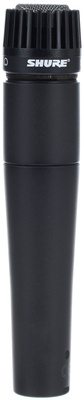
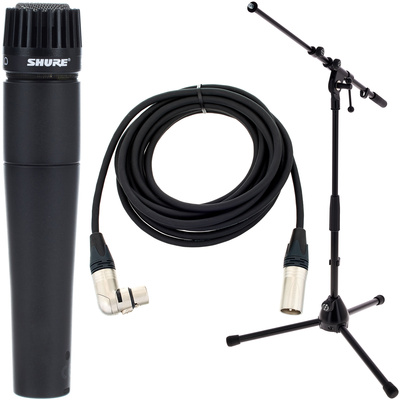
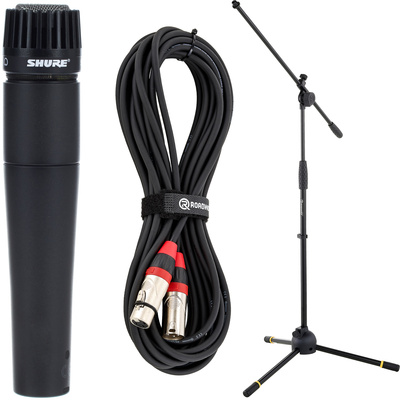
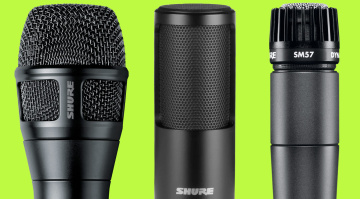
The journey of the Shure SM57 can be traced back to Benjamin Bauer’s Unidyne design from 1937, which was further refined through the Unidyne III capsule designed by Ernie Seeler in 1959. The microphone body is made from die-cast steel, which is finished with a layer of scratch-resistant enamel paint for added protection.
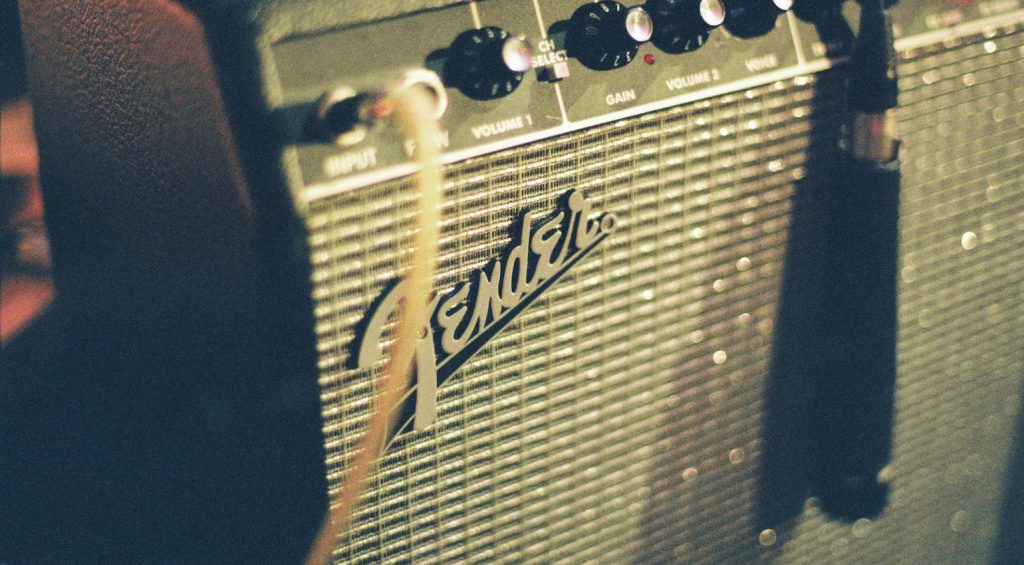
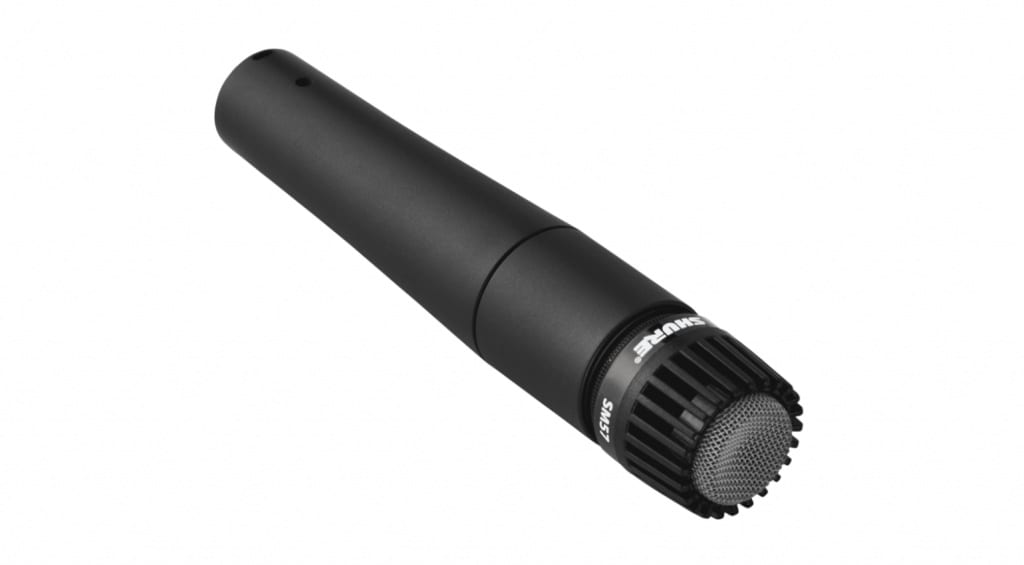
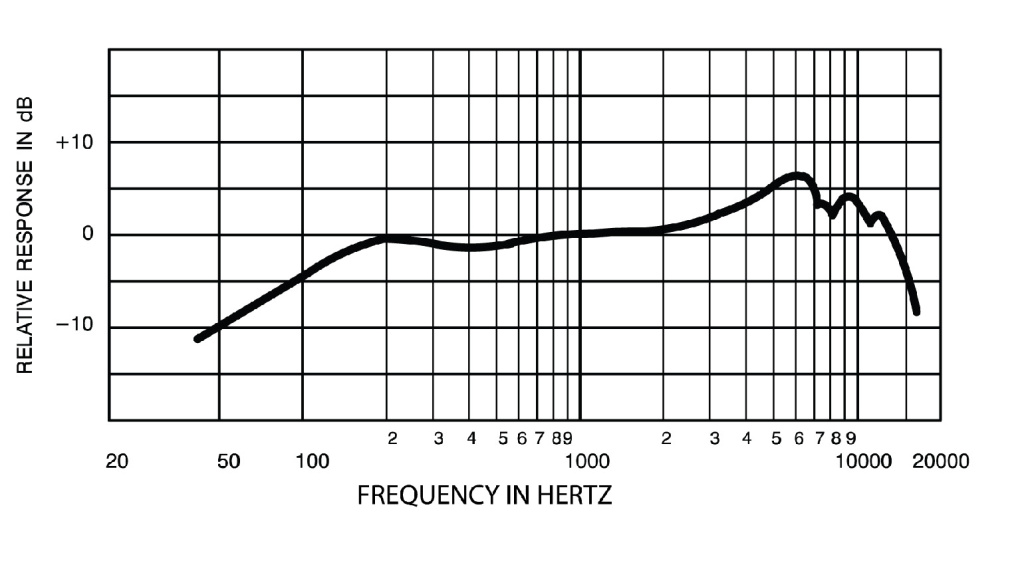
Meanwhile, one of the key aspects of the design is that although it uses the same capsule as its stage-galavanting counterpart, the SM58, the 57’s flat polycarbonate cap and stainless steel mesh screen allow the mic to be placed extremely close to a high-SPL sound source like the speaker cone of a guitar amp.
The famous moving-coil dynamic design uses a Mylar diaphragm, a fixed magnet, and a copper voice coil for capturing sound, without needing phantom power. In addition, the transformer-balanced output negates electromagnetic noise. Regarded as the recording Swiss Army knife, the 57 can be used for vocals, guitars, percussion, brass, and just about anything that makes a sound. Get it at Thomann.*


Studio Gear You’ll Keep For Life: Neumann U87 Ai
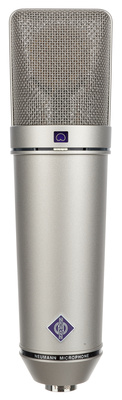
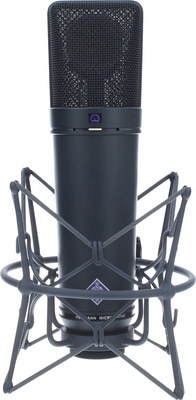
Introduced by Neumann back in 1967, the U87 represented a move away from the tube design of the famous U67. The U87 uses an FET design, which means it doesn’t require an external power supply unit like most high-end tube condensers. Meanwhile, it does share the same U67 capsule, which has been modified to integrate into the FET circuit.
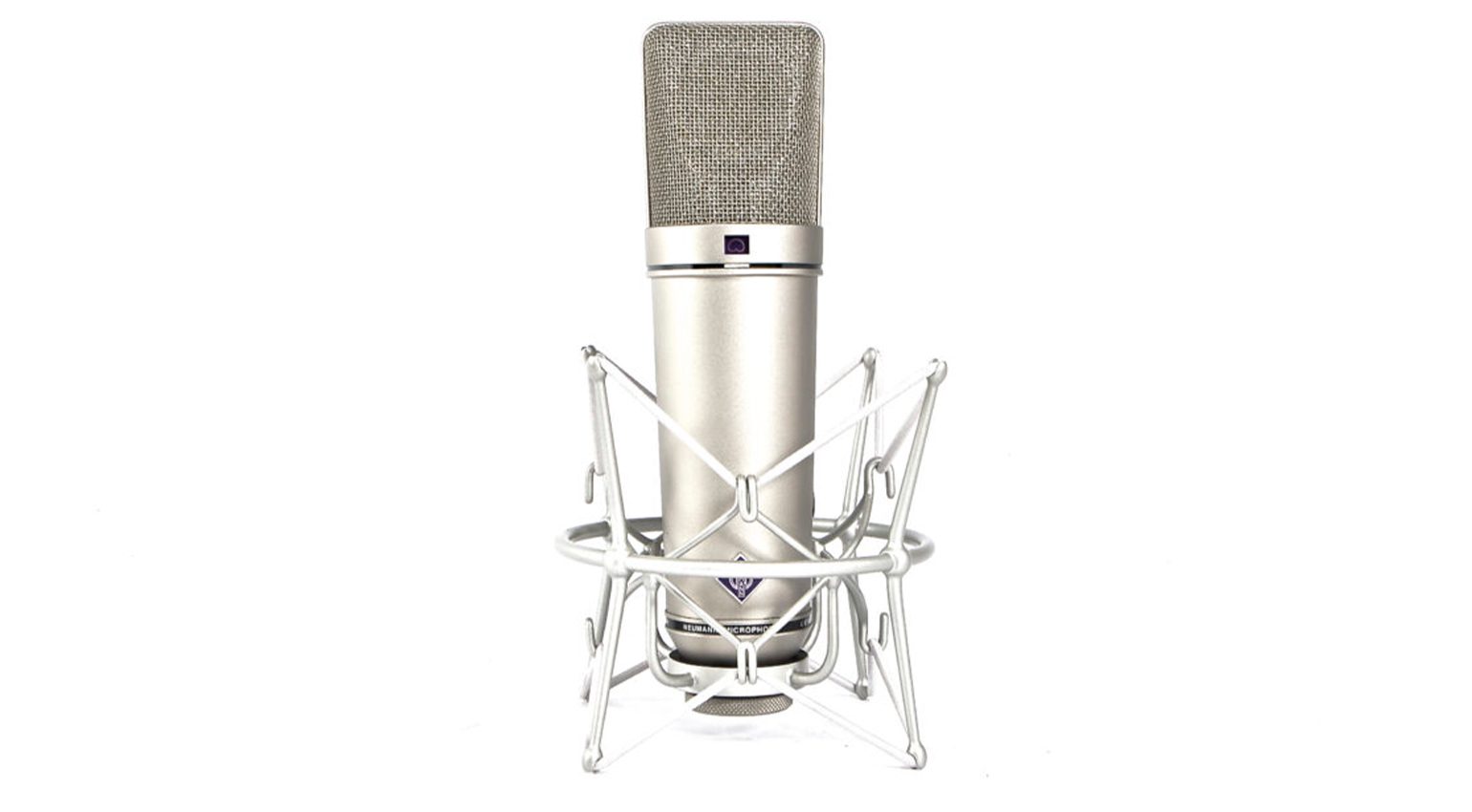
Of course, this gives the U87 its own unique personality with a distinctive forward midrange, tight transient articulation, and that distinctive Neumann high-frequency sheen. In the mid 1980s, Neumann introduced the Ai version with a DC-to-DC converter that replaced the battery-powered circuit, making the mic more sensitive. However, it’s worth ensuring you’ve optimized your room acoustics before outfitting your studio with a mic of this stature.
Whether you use the U87 as your primary vocal mic in your booth or an overhead pair in your live room, you’re bound to get results that are immediately usable within a modern musical context. The U87 is a great entry point to the world of high-end condenser mics, and even if you have other options in your locker, it remains the “Old Faithful” of mics. Get it at Thomann.*

Studio Gear You’ll Keep For Life: Rupert Neve Designs Shelford Channel
Introduced in 2016, the Shelford Channel has gradually become the modern equivalent to the iconic 1073 channel strip that defined the sound of multiple eras throughout the history of recorded music. While countless manufacturers compete for the title of producing the perfect 1073 clone, its inventor Rupert Neve pivoted into new territory with the Shelford Channel.

Using modern, high-voltage discrete Class-A electronics, the Shelford delivers a focused and open sound with a punchy transient response, which is ideal for lead vocals, whether you use it in studio or on stage. To add optional colouration, the Shelford also has a choice of Red (midrange and highs) and Blue (lower mids) Silk saturation circuits for exciting different harmonics.
Meanwhile, the inductor EQ section features a modern high band (8/16 kHz), a 1073-style midrange band (220/400/900/1,800/3,500/7,500 Hz) and a musically smooth 1064-style low band (35/60/100/220 Hz), providing an excellent balance of broad tone shaping and surgically precise tools. The Shelford also sets itself apart with a modern 2254-style diode-bridge compressor with parallel processing and internal/external sidechain functionality. Get it at Thomann*


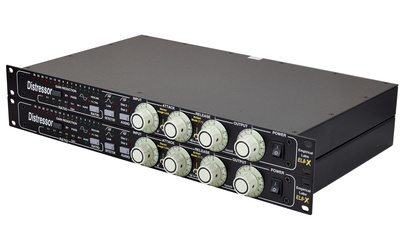
Studio Gear You’ll Keep For Life: Empirical Labs Distressor
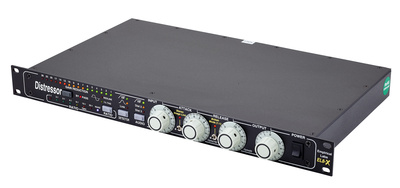
Introduced in the mid-1990s, Dave Derr’s Distressor quickly became an industry standard, with the ability to mimic vintage compression curves and quickly get you into the ballpark of the 1176 or LA-2A. Using a stereo pair of Distressors on your drum bus is like the audio equivalent of butter on toast.
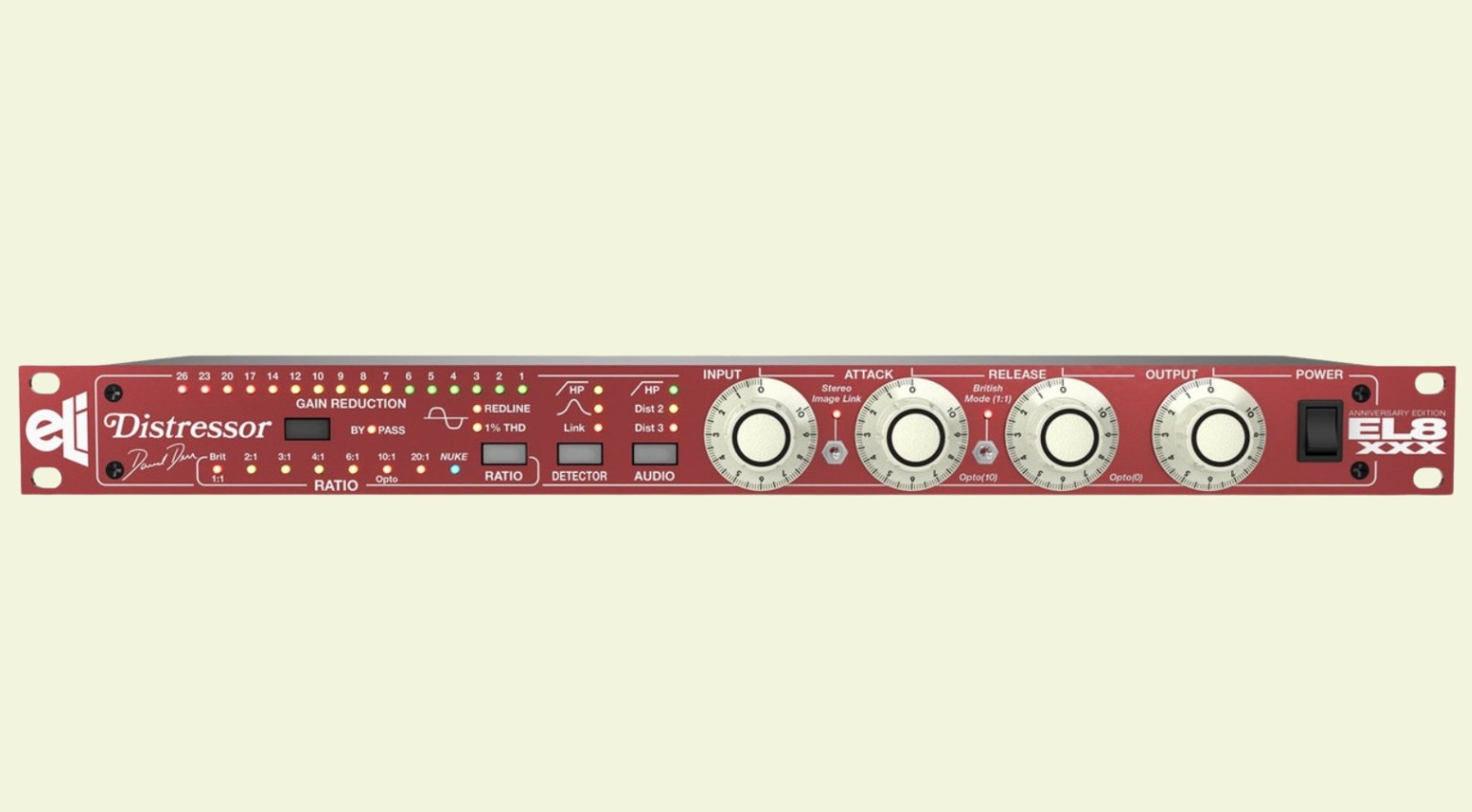
With the selection of harmonic distortion modes, you can choose between tube (2nd order) and tape (3rd order) harmonics, while the legendary Nuke setting provides that smashed compression sound, ideal for drum overheads. Besides its sound, the reason the Distressor is such a household studio piece is that it’s very easy to operate.
By simply selecting the 4:1 ratio setting, you’re instantly in 1176 territory, while the 10:1 opto setting engages a separate detection circuit for that LA-2A sound. There are also different ways to shape compression onset, with sidechain filter settings to prevent low-end energy from pumping the compressor or a mid-range boost to duck harshness in this area. Get it at Thomann.*


Studio Gear You’ll Keep For Life: Latch Lake micKing
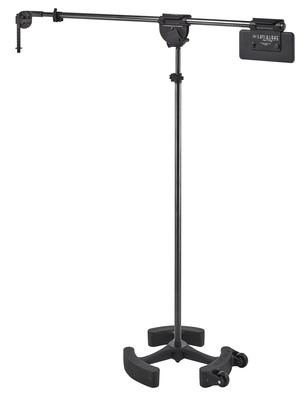
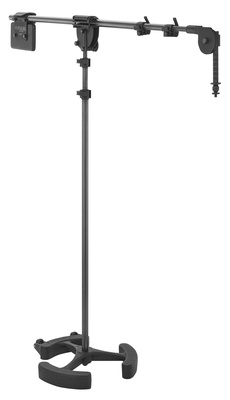
When you’re putting together a professional vocal booth or live room for daily professional use, it makes sense to invest in mic stands that can keep up with the pace. Designed to be the last stand you ever purchase, the micKing series from Latch Lake Music is as sturdy as it gets, ideal for keeping your precious high-end tube mics in place.
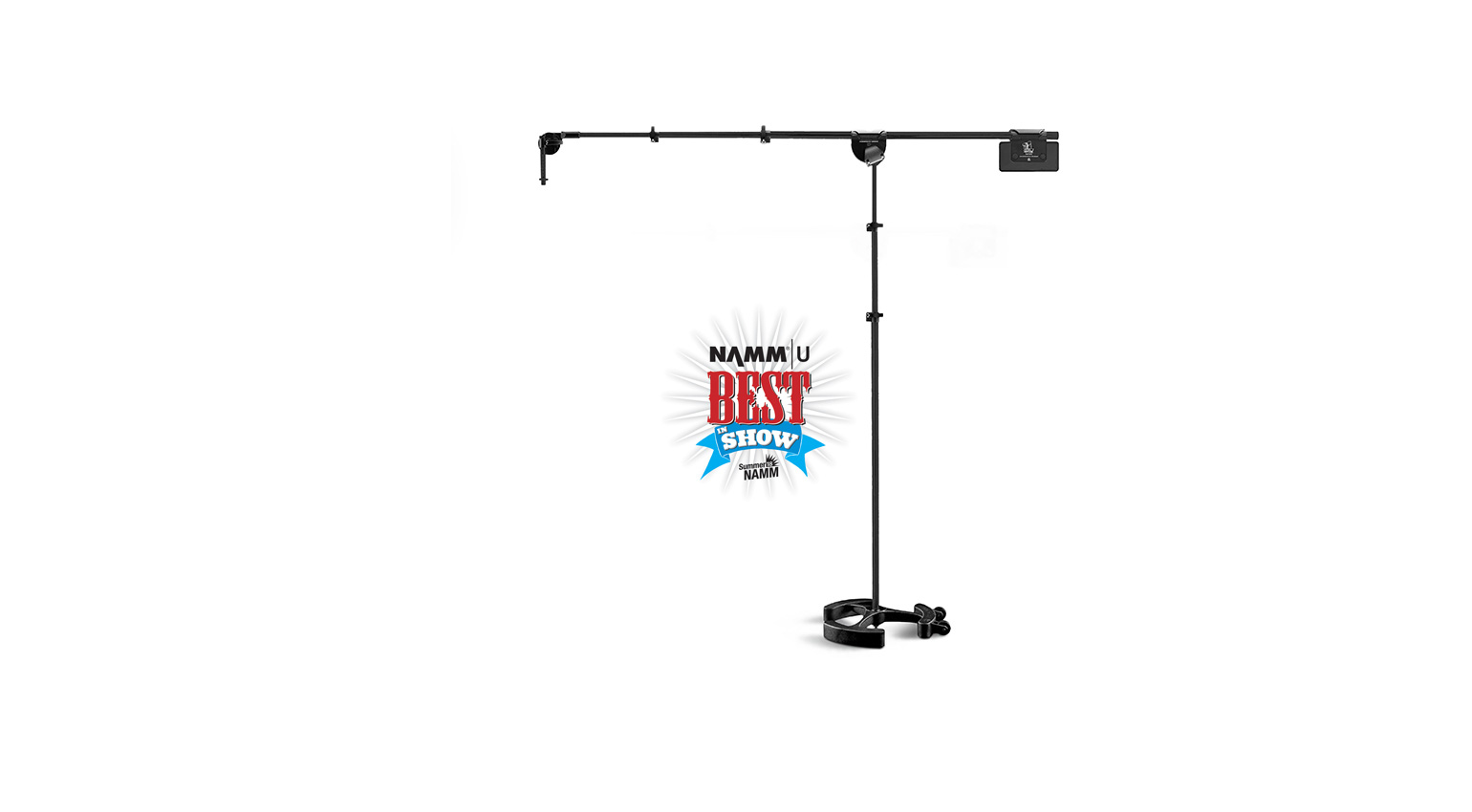
Within the micKing series, there is a range of boom and straight stand options, as well as boom arm upgrades. The vice-like grip comes from the patented boom clutch with nearly 16 square inches of fixable surface area and one-touch level locks to make precise adjustments quickly and easily. The nesting perimeter-weighted cast-iron bases are also a feature, ensuring stability, with wheels to reposition your setup without holding up the session.
To ensure no cables are crushed in their wake, the bases are slightly raised, and the mic mount uses a spin grip to attach mics without twisting the mic or its cable. Overall, the micKing series has that industrial look and build quality that transforms your microphones into precision instruments to get the most from any sound source in your acoustic space. Get it at Thomann.*

More about Studio Gear You’ll Keep For Life:
*Note: This article contains affiliate links that help us fund our site. Don’t worry: the price for you always stays the same! If you buy something through these links, we will receive a small commission. Thank you for your support!

This might also interest you
One response to “Studio Gear You’ll Keep For Life: Equipment That Lasts”

just those 5 things are worth keeping for life? lol