The 6 Best Pedal Platform Amps of 2026: Let Your Pedals Shine
Clean tones and headroom for days!

 3,9 / 5,0 |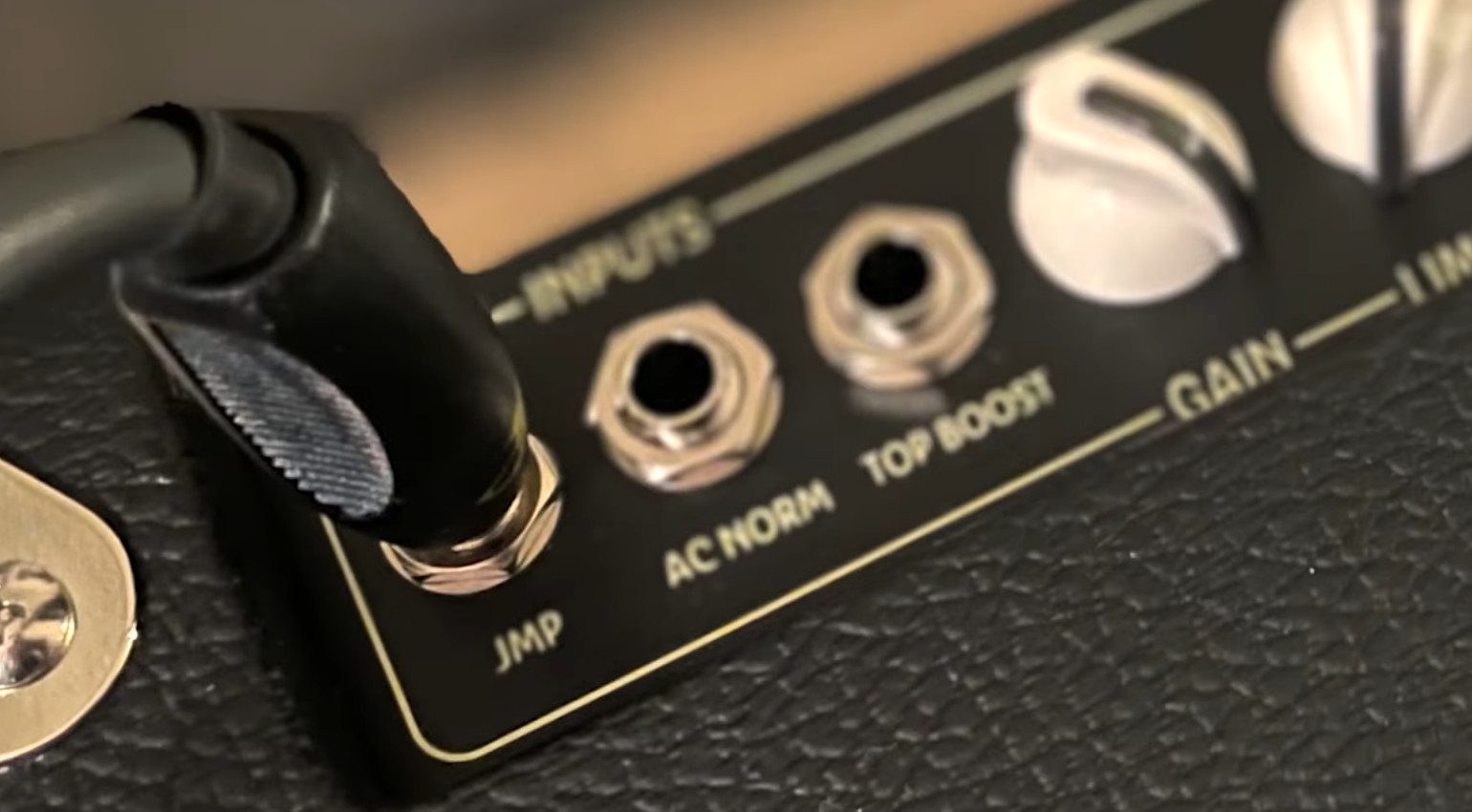
The 6 Best Pedal Platform Amps of 2026: Let Your Pedals Shine · Source: Quilter / youtube

The new overdrive pedal has arrived, but it sounds a little disappointing. However, that might not be the pedal’s fault, though. Anyone looking into how effects pedals interact with amps will quickly come across the term ‘pedal platform’. The best pedal platform amps work particularly well with all kinds of effects pedals and occupy a niche of their own. Taking a backseat to all sorts of colourful stompboxes, they deliver only the essentials: a rich, full-bodied foundation sound. In our buying guide, we present six platforms for your pedalboard.
Our Picks
Best Pedal Platform Amp: What to Consider
In theory, an amp delivers does nothing but power to the speaker. But anyone who’s ever actually plugged in an amp knows that this is far from the truth. The tonal characteristics of the amp’s preamp and power amp are definitely audible.
Anyone who has found their “one” amp sound, be it the classic Marshall JCM800 growl or Fender Tweed tones, can count themselves lucky and hope to preserve that sound for as long as possible. But many of those who also rely on effects pedals to add that certain something ask themselves time and time again: how does pedal X, Y, or Z pair with the my amp?
Amps that are considered the best pedal platforms need take a back seat and let the pedals shine. Whether tube, transistor, or even state-of-the-art digital, the best pedal platform amps deliver one thing above all else (besides power and decent headroom): compatibility.
Tube, Transistor, or Pedal amp?
Before settling on a specific amp as your choice from the best pedal platform amps, you need to decide on the type of amp. After all, there are pros and cons to all variations.
In our purchase advisor, we have selected two representatives of each type. So, you get to pick between two classic tube amps, two solid-state amps, and two pedalboard amps, which, thanks to their compact size, can be placed directly on your board.
The Classic: Tube Amp as the Pedal Platform Amp
The classic among guitar amplifiers is and always will be a good old tube amp. Whether for nostalgic reasons or you need a new heater when it’s getting cold, tube amps continue to hold an unbroken fascination for many guitarists. They deliver power (and warmth) in exchange for electricity and have accompanied the electric guitar pretty much since its very inception.
And yet, tube amps are considered one thing above all else: full of character. So when it comes to effects pedals, this can mean that the amp’s own sound can actually interfere with the pedals sonic direction. The new overdrive pedal might no longer sound creamy and textured, but instead wobbly and muffled.
However, amps with a sound often described as “American” have particularly established themselves as some of the best pedalboard amps. Our two top picks among tube amps:
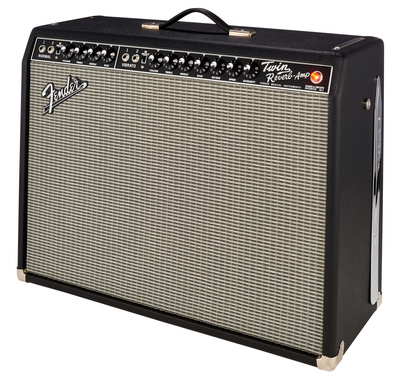
Fender ’65 Twin Reverb
The Fender ’65 Twin Reverb is now an absolutely iconic 85-watt tube amp, widely regarded as one of the best reproductions of the classic Fender sound from the early era. Its two 12-inch Jensen C-12K speakers deliver the typically clear and brilliant Fender sound.
The ’65 also stands out for its enormous headroom. Without breaking a sweat, it delivers clear sounds even at (outrageously) high volumes. Thanks to its wide frequency range and transparent tone, specialized overdrives and delays can reveal their full character without the amp unnecessarily coloring the sound.
The built-in effects, including a spring reverb and tremolo, offer additional tonal options that round out the classic Fender sound. And they can be a great addition to your pedal collection, if you need them.
Despite its size and weight (nearly 30 kg, after all!), the Twin Reverb remains a popular choice for studio recordings and live performances.
Features:
- Power: 85 watts
- Speakers: 2x 12″ Jensen C12K 8 ohms
- Preamp tubes: 4x 12AX7 and 2x 12AT7
- Power tubes: 4x 6L6
- Effects: Spring Reverb, Tremolo


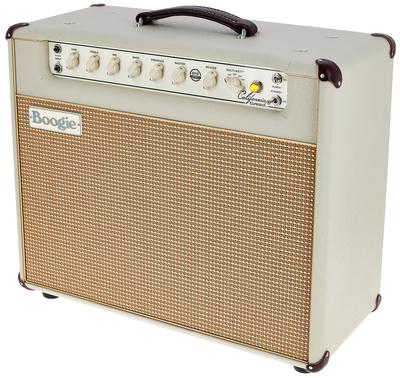
Mesa Boogie California Tweed 4:40 Combo
Get that American boutique sound for your pedals: The Mesa Boogie California Tweed 6V6 4:Forty is a versatile 40-watt tube amp that is perfectly equipped to be used as a pedal platform.
With its Multi-Watt Setting, the Mesa offers five power levels (40, 30, 20, 10, and 2 watts), so you can play it at relatively low volumes, without it sounding muffled. The amp comes equipped with four 6V6 power tubes and features a Jensen Blackbird Alnico speaker.
Its warm, balanced sound of the Alnicos is particularly noticeable when used in combination with classic boost and overdrive pedals. The control panel of the California Tweed is simple and clearly laid out, with controls for gain, bass, mids, treble, presence, and master volume.
Features:
- Power: 40 watts (multi-watt settings: 40 W, 30 W, 20 W, 10 W, 2 W)
- Speaker: 1x 12″ Jensen Blackbird Alnico
- Preamp tubes: 5x Mesa 12AX7 and 1x Mesa 12AT7
- Power tubes: 4x 6V6
- Effects: Spring Reverb
- FX loop (buffered tube)

Are Solid-State Amps the Best Pedal Platform Amps?
Rugged, lightweight, and loaded with headroom: solid-state amps offer quite a few advantage compared to tube amps. And their ability to provide significantly more headroom makes them ideal for use as pedal platforms. We’ve selected two models that have impressed us for years with their versatility when used with effects of all kinds.
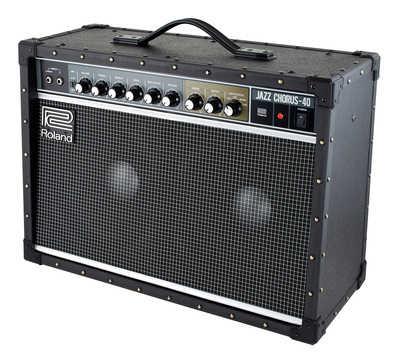
Roland JC-40
The Roland JC-40 is a versatile 40-watt stereo combo amp that, like all JC-series amps, is excellent as a pedal platform amp. Its legendary shimmery “JC clean” tone guarantees the perfect response to every conceivable effect, and the famous stereo chorus effect takes care of the rest.
The amp’s two 10-inch speakers deliver the legendary Jazz Chorus sound directly to your ears with incredible nuance. The 40-watt sound is remarkably powerful for a transistor amp, and control via the typically Roland feature-packed front panel is surprisingly easy.
The JC-40 offers both mono and stereo inputs, which makes it ideal for multi-effects pedals and stereo effects. And off course, there’s an effects loop that can be switched to serial or parallel mode.
Features:
- Power: 40 watts
- Speakers: 2x 10″ Roland Heavy-Duty
- Mono and stereo inputs
- Effects loop (parallel/serial)
- Effects: Vibrato/Chorus

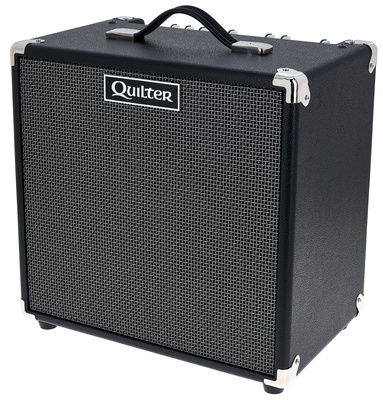
Quilter Aviator Cub 112 Combo
The Quilter Aviator Cub 112 Combo is a lightweight, versatile 50-watt solid-state amp designed specifically to emulate classic Fender tones. Its three voicings (Tweed 1960 Deluxe, Blonde 1962 Bandmaster, and Black 1965 Deluxe Reverb) can be selected via the corresponding input. It’s one of the most versatile candidates among the best pedal platform amps!
Its 12-inch Eminence speaker delivers a warm and balanced tone that responds with surprising flexibility to the selected voicing (see above). And if you want to make use of the built-in distortion of this small combo, you can fine-tune it perfectly with the gain control and a limiter. A 3-band EQ, a built-in spring reverb, and an effects loop make the Quilter a perfect pedal companion.
The output volume for the signal (line or headphones) and the speaker can each be controlled via the master volume. So nothing stands in the way of your evening practice sessions with a full effects board!
Features:
- Power: 50 watts
- Speaker: 1x 12″ custom-designed Eminence
- 3 voicings: ’60s Tweed, ’62 Blonde, and ’65 Black, each with its own input
- Controls: Gain, Limiter, Bass, Mid, Treble, Reverb, Line & Headphone Out Vol, Speaker Vol

The Best Pedal Platform Amps: Pedal Amps
Small, economical, and highly practical: Pedal amps have been making waves in the market for some time now. What started with niche products like the Strymon Iridium has long since become mainstream.
So what could be more natural than sticking one of these little guys where it’s needed as a pedal platform anyways? We’ve selected two true experts to make your pedals shine:
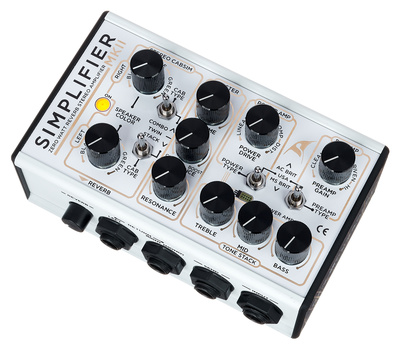
DSM & Humboldt Simplifier MKII
The DSM Humboldt Simplifier MKII is a versatile analog amp and cab simulator that’s perfect as a pedal platform. The compact unit offers three amp models (AC Brit, American, and MS Brit—i.e., Vox, Fender, and Marshall) and a comprehensive range of speaker simulations (Black, Blue, Green), each of which can be set independently for left and right channels. So, you’ll get dual-amping on the pedalboard.
The Simplifier MKII impresses with its all-analog circuitry and a dedicated effects loop. Compared to the original Simplifier, the preamp has been redesigned to offer even more a realistic amp response.
Its compact size and light weight (360 grams!) make the Simplifier MKII an ideal solution for use on a pedalboard without compromising on high-quality amp sounds. So why not use it directly as a pedal platform?
Features:
- Fully analog preamp, power amp, and cabinet simulator
- Controls: Stereo Speaker Color (2x Black/Blue/Green), Volume, Presence, Resonance, Treble, Mid, Bass, Power Drive, Preamp Gain, Reverb, Headphones Level
- FX Loop
- Aux input, headphone output

Boss IR-2 Amp & Cabinet
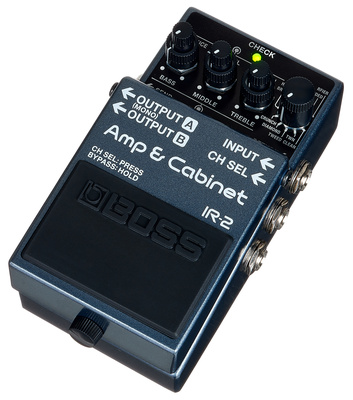
It might seem a little strange, just putting one old Boss pedal at the end of your chain and calling it a day. But the IR-2 has been hard to get for a reason. Its clean tones, its versatility, and its form factor make it one of the best pedal platform amps on the market. You’d really have to work to make this pedal sound bad.
While quite a few players advise to add some third party IRs to make the IR-2 really shine, its Celestion Digital impulse responses are an excellent starting point. The pedal amp offers a headphone output, so it’s easy to practice at home with your board or (hint, hint) a new pedal.
Features:
- Compact amplifier simulator and impulse response loader
- Two amplifier channels, switchable via button or external foot switch
- Controls: Ambience, bass, level, middle, gain, treble, amp preset
- Speaker output: 6.3 mm jack (4–16 ohms)
- FX Loop
- Headphone output

How to: Set Up Your Amp as a Pedal Platform
Whether you’ve fallen in love with one of our featured favorites or want to use your amp as a platform for pedals, setting up your amp correctly can make a world of difference when using it as a pedal platform.
Use the Clean Channel
Start by setting your amp to the clean channel. A clear, undistorted tone is crucial, as the amp should faithfully reproduce the signal from your effects pedals.
Maximize headroom
Make sure your amp has enough headroom to remain clean even at high volumes by setting the preamp volume moderately and turning up the master volume.
Set the EQ to neutral
Set the equalizer settings (bass, midrange, treble) to a neutral position, typically at 12 o’clock. This provides a balanced foundation for shaping the sound with your pedals. You can always make fine adjustments later to optimize the sound.
Use the effects loop (if available)
If your amplifier has an effects loop, place time and modulation effects (such as delay and reverb) in the loop. This helps keep the signal clear and defined.
Keep the gain low
Set the gain control as low as possible to ensure the amplifier doesn’t go into distortion. This is especially important if you’re using overdrive or distortion pedals.
Fine-tuning
Take time to fine-tune your setup. Listen closely and adjust the settings on both the amplifier and the pedals until you achieve the desired sound. Experiment with different settings to find out what works best for your playing style and setup. Anything goes!
Best Pedal Platform Amps: Conclusion
A solid foundation is essential to create your own sound, primarily using pedals. Whether it’s a pedalboard amp, solid-state, or tube amp: you’ll find capable pedal platforms everywhere! These six best pedal platform amps are a good starter to get you inspired.
Originally published on Gearnews.de by Jan Rotring, translation by Julian Schmauch.
FAQ: Best Pedal Platform Amps
What is a Pedal Platform Amp?
A pedal platform amp is designed to work especially well with effects pedals. Instead of heavily coloring your guitar tone, these amps provide a clean, balanced sound with plenty of headroom, allowing overdrive, fuzz, delay, modulation, and reverb pedals to sound more natural and detailed.
Are Tube Amps or Solid-State Amps Better as Pedal Platforms?
Both can work well as pedal platform amps with different advantages. Tube amps often provide a more organic feel, while solid-state amps usually offer more clean headroom, lower weight, and greater reliability.
How do I set up my Amp as a Pedal Platform?
To use your amp as a pedal platform, start with a clean channel and keep the gain low to avoid unwanted distortion. Set the EQ controls to a neutral position around 12 o’clock and make sure the amp has enough headroom for your playing volume.
Can you use a Pedal Amp as a Pedal Platform?
Absolutely! Pedal amps and amp simulators are among the most flexible pedal-platform solutions available today. Units like the DSM & Humboldt Simplifier MKII or Boss IR-2 combine amp simulation, cabinet emulation, headphone outputs, and effects loops in a pedalboard-friendly format.
*Disclaimer: This post contains affiliate links and/or widgets. When you buy a product via our affiliate partner, we receive a small commission that helps support what we do. Don’t worry, you pay the same price. Thanks for your support!

This might also interest you